
Nutrition comparison
Triticale vs Rye Berries: Which Whole Grain Is Better for You?
Compare Triticale and Rye Berries nutrition, protein, fiber, blood sugar impact, and satiety. Find out which whole grain fits your health goals better.
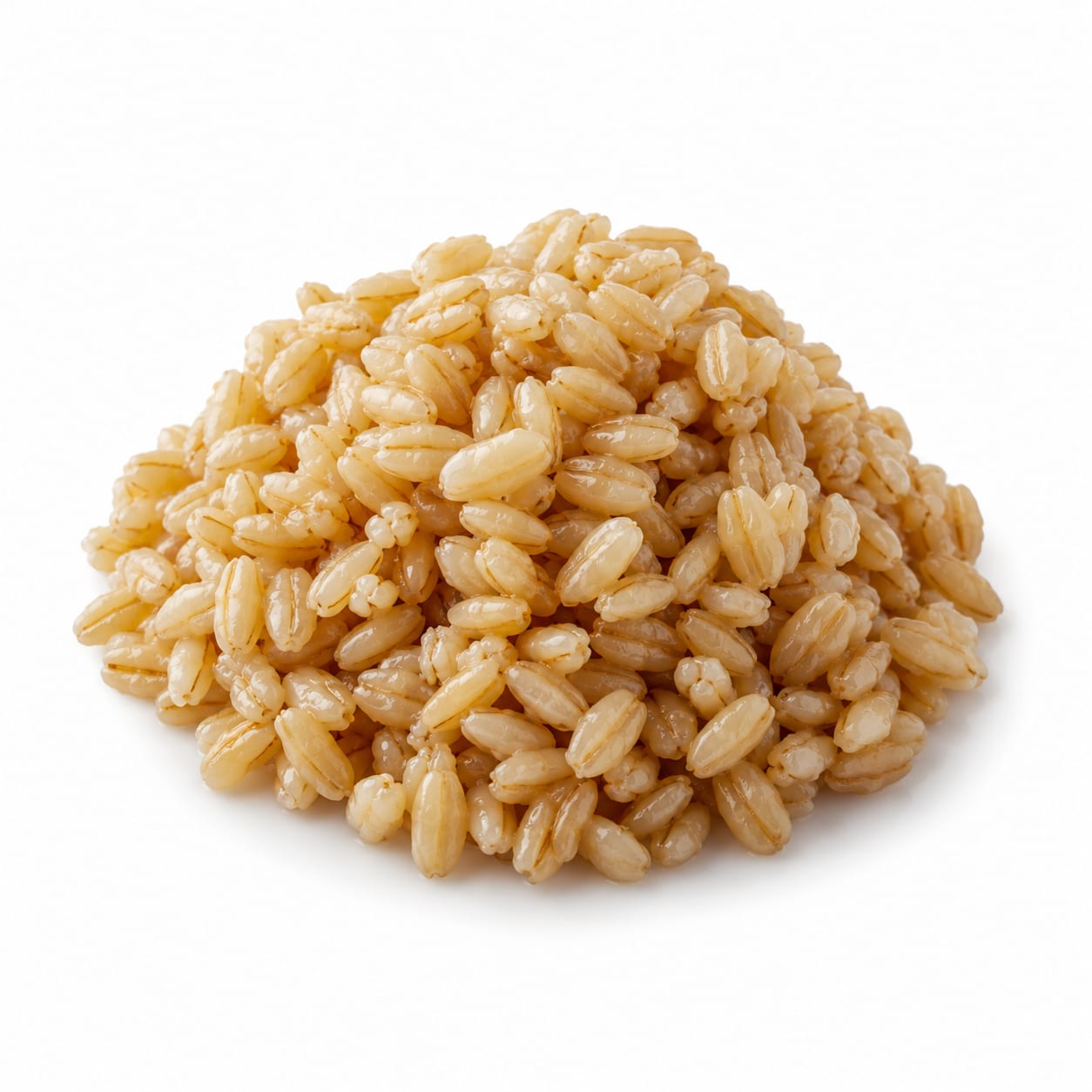
Triticale
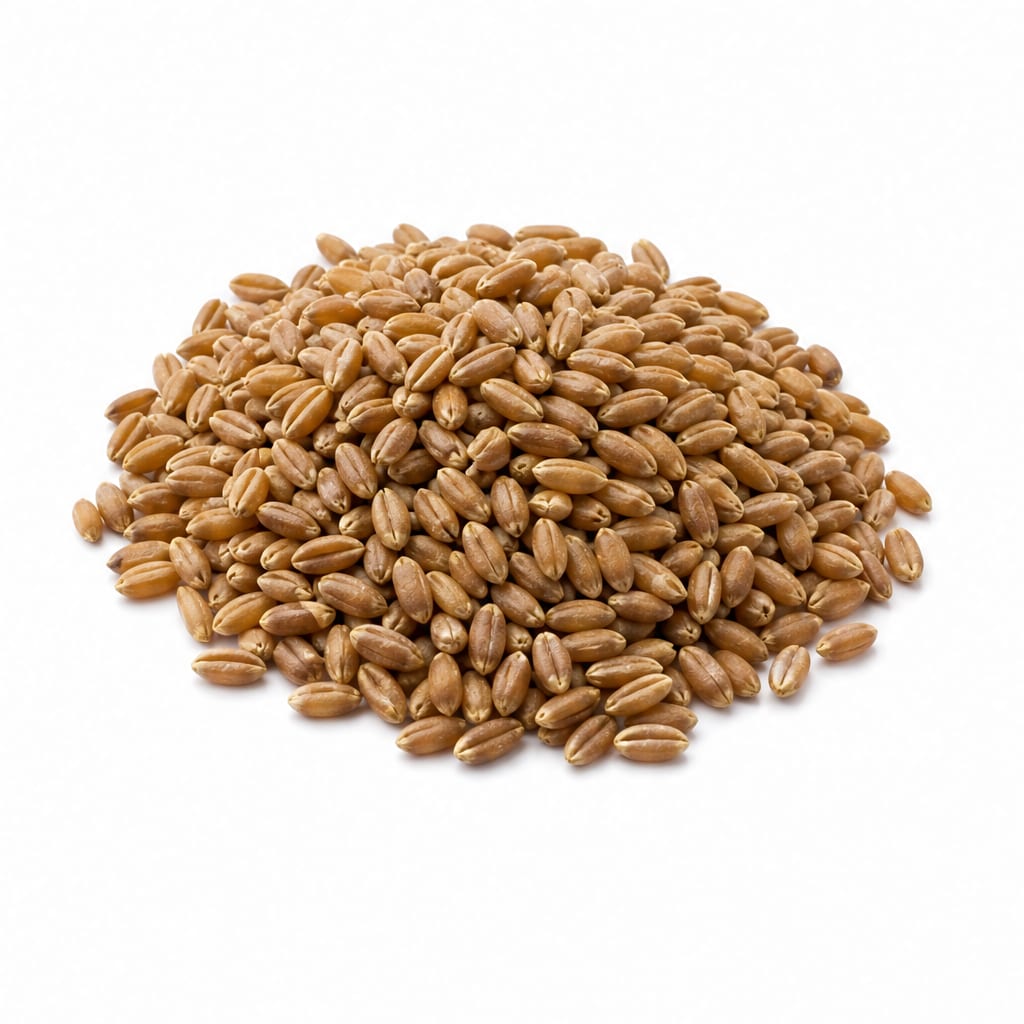
Rye Berries
Triticale brings more protein and better amino acid balance, while Rye Berries deliver superior fiber, steadier blood sugar, and deeper satiety.
Rye Berries edge ahead due to stronger fiber content, better blood sugar control, and superior satiety. Triticale scores well on protein and versatility but lacks the digestive and metabolic advantages that make Rye Berries more impactful for daily health.
Protein quantity versus fiber quality — Triticale fuels muscles better, Rye Berries keep you full longer and stabilize energy more effectively.
At a glance
Executive summary
Overall
It depends
Healthier
Rye Berries
More practical
Triticale
Daily use
Rye Berries
Key comparison lenses
whole grain nutritional superiority
Both are whole grains, so users want to know which delivers more nutrition per bite
protein quality and quantity
Triticale was specifically bred for higher protein, making this a key differentiator
blood sugar and satiety impact
Rye is renowned for low glycemic response and fullness, a major decision factor
digestive and gut health
Fiber type differences significantly affect digestion and microbiome benefits
gluten sensitivity and tolerance
Both contain gluten but from different sources, affecting sensitive individuals differently
cooking practicality and versatility
Whole grain preparation time and recipe flexibility matter for daily adoption
Best choice for
Triticale
- Athletes and active individuals needing higher plant protein intake
- Anyone wanting a single grain that covers more amino acids
- Home cooks seeking a versatile grain for baking and savory dishes
- People looking for slightly faster cooking whole grains
Rye Berries
- Anyone prioritizing blood sugar stability and steady energy
- People who want to stay full for hours without snacking
- Those focused on gut health and prebiotic fiber intake
- Weight management seekers who benefit from high-satiety foods
Least suitable for
Triticale
- People with wheat or gluten sensitivity (contains wheat gluten proteins)
- Anyone seeking the lowest possible glycemic grain option
- Those who find wheat-heavy grains digestive irritants
Rye Berries
- People short on time for long-soak, long-cook grain preparation
- Anyone needing higher protein from their grain source
- Those who dislike dense, chewy, or earthy-flavored grains
Deep comparison
Dimension by dimension
Each lens scores both foods and breaks down who each option suits.
- Dimension 1 · Priority 88Triticale
Protein Content and Quality
Triticale · 82Rye Berries · 62Triticale delivers noticeably more protein per serving with a better amino acid profile, especially lysine, which most grains lack.
Tradeoff
You gain protein completeness with Triticale but sacrifice the fiber density that makes Rye Berries so filling.
Why it matters
For plant-based eaters or active people, every gram of quality protein from grains reduces reliance on supplements or animal sources.
Real-world impact
A bowl of Triticale at lunch contributes meaningfully toward daily protein targets, while Rye Berries would require pairing with legumes or eggs to match.
Triticale
- Muscle recovery after exercise
- Plant-based meal protein boost
- Reducing need for protein supplementation
Better for
Rye Berries
- Meeting higher protein needs from grain alone
- Supporting muscle maintenance without additional protein sources
Worse for
- Dimension 2 · Priority 90Rye Berries
Fiber and Satiety
Triticale · 65Rye Berries · 90Rye Berries are a fiber powerhouse, especially rich in arabinoxylan, which dramatically slows digestion and extends fullness.
Tradeoff
Rye Berries keep you satisfied far longer, but their density means smaller portions feel very heavy.
Why it matters
Fiber-driven satiety naturally reduces overeating without willpower, making weight management feel effortless.
Real-world impact
Rye Berries at breakfast can suppress hunger well past lunch. Triticale may leave you reaching for a snack by mid-morning.
Triticale
- Staying full between meals on grain alone
- Avoiding energy dips that trigger snacking
Worse for
Rye Berries
- Controlling appetite between meals
- Reducing late-day snacking urges
- Supporting healthy weight without calorie counting
Better for
- Dimension 3 · Priority 85Rye Berries
Blood Sugar Stability
Triticale · 60Rye Berries · 85Rye Berries produce a significantly lower and slower blood sugar rise than Triticale, which behaves more like wheat.
Tradeoff
Rye Berries give steadier energy but feel heavier; Triticale feels lighter but may cause quicker energy dips.
Why it matters
Stable blood sugar means no afternoon crash, better focus, and less craving-driven eating.
Real-world impact
After Rye Berries, you feel calmly energized for hours. After Triticale, you might notice a subtle energy wave and dip pattern.
Triticale
- Avoiding mid-afternoon energy dips
- Maintaining stable focus through the day
Worse for
Rye Berries
- Preventing post-meal energy crashes
- Supporting insulin sensitivity over time
- Managing prediabetic or diabetic blood sugar responses
Better for
- Dimension 4 · Priority 82Rye Berries
Gut and Digestive Health
Triticale · 62Rye Berries · 88Rye Berries feed gut bacteria exceptionally well thanks to their unique soluble fiber profile, while Triticale offers more moderate prebiotic benefits.
Tradeoff
Rye Berries can cause bloating if your gut is not accustomed to high fiber; Triticale is gentler during transition periods.
Why it matters
A well-fed microbiome improves immunity, mood, and digestion in ways that compound over months and years.
Real-world impact
Regular Rye Berry consumption supports more regular bowel movements and less bloating long-term, but the first week may feel gassy.
Triticale
- Easing into high-fiber eating without digestive shock
- People with sensitive digestion transitioning to whole grains
Better for
- Matching the prebiotic power of rye fiber
Worse for
Rye Berries
- Building a thriving gut microbiome over time
- Improving bowel regularity naturally
- Reducing reliance on fiber supplements
Better for
- Initial adjustment period with potential bloating
Worse for
- Dimension 5 · Priority 70Rye Berries
Mineral Density
Triticale · 65Rye Berries · 75Rye Berries edge out Triticale on manganese, selenium, and magnesium, all critical for energy metabolism and bone health.
Tradeoff
The difference is modest — both are solid mineral sources — but Rye Berries have a slight edge in micronutrient density per calorie.
Why it matters
Minerals from whole grains are part of the long-term foundation for bone strength, energy production, and immune resilience.
Real-world impact
Over months, choosing Rye Berries contributes slightly more to meeting daily manganese and magnesium needs, supporting energy and recovery.
Triticale
- Matching the trace mineral density of rye
Worse for
Rye Berries
- Supporting bone mineral density long-term
- Aiding energy metabolism through manganese and magnesium
Better for
- Dimension 6 · Priority 72Triticale
Cooking Convenience and Versatility
Triticale · 75Rye Berries · 55Triticale cooks faster, is available in more forms like flour and flakes, and works in both baking and grain bowls. Rye Berries require long soaking and cooking.
Tradeoff
Triticale fits easier into busy schedules, but Rye Berries reward patience with deeper flavor and nutrition.
Why it matters
The best grain for you is the one you actually cook and eat regularly, not the one that sits in your pantry.
Real-world impact
Triticale can be a weeknight grain with 40-50 minutes of cooking. Rye Berries often need overnight soaking plus 60-90 minutes, making them better for weekend batch cooking.
Triticale
- Weeknight dinners when time is short
- Baking applications requiring grain flour
- Trying multiple recipes without buying different products
Better for
Rye Berries
- Weekend meal prep and batch cooking
- Hearty soups and stews with long simmer times
Better for
- Spontaneous cooking without pre-planning
- Quick weeknight meals from scratch
Worse for
Timeline
Health impact over time
Short-term
Hours to days
Triticale
- Moderate energy boost from digestible carbohydrates
- Decent fullness but may fade within 2-3 hours
- Easier digestion for those unaccustomed to very high fiber
Rye Berries
- Deep, lasting satiety that can suppress hunger for 4-5 hours
- Steady energy without spikes or crashes
- Possible initial bloating if transitioning from low-fiber diet
Long-term
Months to years
Triticale
- Better protein intake supports muscle maintenance with aging
- Moderate fiber contribution to heart and gut health
- Wheat-derived gluten may trigger sensitivity in prone individuals over time
Rye Berries
- Superior gut microbiome diversity from consistent prebiotic fiber intake
- Lower long-term diabetes and metabolic syndrome risk
- Improved cholesterol profiles from high soluble fiber
- Potential for better weight management through appetite regulation
Risk profile
Safety & processing
Both are whole, intact grains with minimal processing. Triticale is a human-made hybrid but is bred conventionally, not genetically modified. Rye Berries are an ancient grain in its natural whole form. Neither raises additive or processing concerns.
Triticale
Gluten sensitivity reaction
mediumTriticale contains gluten from both wheat and rye parents, making it unsuitable for celiacs and potentially irritating for those with wheat sensitivity.
Pesticide residue
lowConventional triticale may carry pesticide residues like any grain; choosing organic mitigates this.
Rye Berries
Ergot contamination
lowRye is historically susceptible to ergot fungus, but modern agricultural practices and screening make this extremely rare in commercial products.
Gluten sensitivity reaction
mediumRye contains secalin gluten, which triggers celiac disease. Some wheat-sensitive individuals tolerate rye better, but celiacs must avoid it.
Pesticide residue
lowSimilar to other conventional grains; organic options reduce exposure.
Who wins for whom
Audience fit
Same foods, different winners depending on your goal.
children
TriticaleTriticale is milder in flavor and easier to incorporate into familiar foods like porridge or baked goods, making it more kid-friendly.
daily consumption
Rye BerriesRye Berries offer more cumulative health benefits when eaten daily, especially for fiber, blood sugar, and satiety, despite longer prep time.
diabetes
Rye BerriesRye Berries produce a significantly lower and slower glycemic response, making blood sugar management considerably easier.
elderly
Rye BerriesRye Berries support gut regularity, blood sugar stability, and heart health — all critical concerns that intensify with age.
muscle gain
TriticaleTriticale provides more protein per serving with better amino acid coverage, supporting muscle repair alongside other protein sources.
weight loss
Rye BerriesRye Berries dramatically extend fullness and reduce spontaneous eating, making calorie control feel natural rather than forced.
Your move
Decision guide
Choose Triticale
- You prioritize protein intake from your grains
- You want a versatile grain for baking, porridge, and savory dishes
- You have limited time for grain preparation on weeknights
- You are feeding children who prefer milder flavors
- You are an athlete or active person needing more plant protein
Choose Rye Berries
- Blood sugar stability is your top concern
- You want to feel full for hours without snacking
- Gut health and microbiome support matter most to you
- You are okay with batch cooking on weekends
- You are managing weight and want appetite control from food quality
Either works if
- You simply want a nutritious whole grain and enjoy variety
- You rotate grains weekly to diversify fiber and nutrient intake
- You have no gluten sensitivity and tolerate both well
Avoid both if
- You have celiac disease — both contain gluten
- You have severe wheat or rye allergy
- You cannot tolerate high-fiber foods due to digestive conditions like IBD flare-ups
Final recommendation
For most people seeking daily health benefits, Rye Berries are the stronger choice — their fiber, satiety, and blood sugar advantages compound meaningfully over time. Choose Triticale when protein or convenience matters more, or when you want a gentler entry into whole grain eating. Ideally, rotate both to capture the protein strengths of Triticale and the metabolic strengths of Rye Berries.
Practical
Consumer tips
- 1
Soak Rye Berries overnight to cut cooking time in half and improve digestibility
- 2
Batch-cook Rye Berries on Sunday and refrigerate portions for quick weekday meals
- 3
Use Triticale flour as a 50-50 blend with wheat flour in baking for a protein boost without texture changes
- 4
If new to high-fiber grains, start with Triticale for two weeks before transitioning to Rye Berries to let your gut adapt
- 5
Both grains pair excellently with legumes — the combination creates a complete protein profile
- 6
Toast Rye Berries in a dry pan before cooking to deepen their naturally earthy flavor
- 7
Choose organic for both grains when possible to minimize pesticide exposure