
Nutrition comparison
Triticale vs Spelt: Which Grain is Healthier?
Compare Triticale and Spelt to see which grain offers more protein, better baking quality, and easier digestion. Find out which is best for your diet.
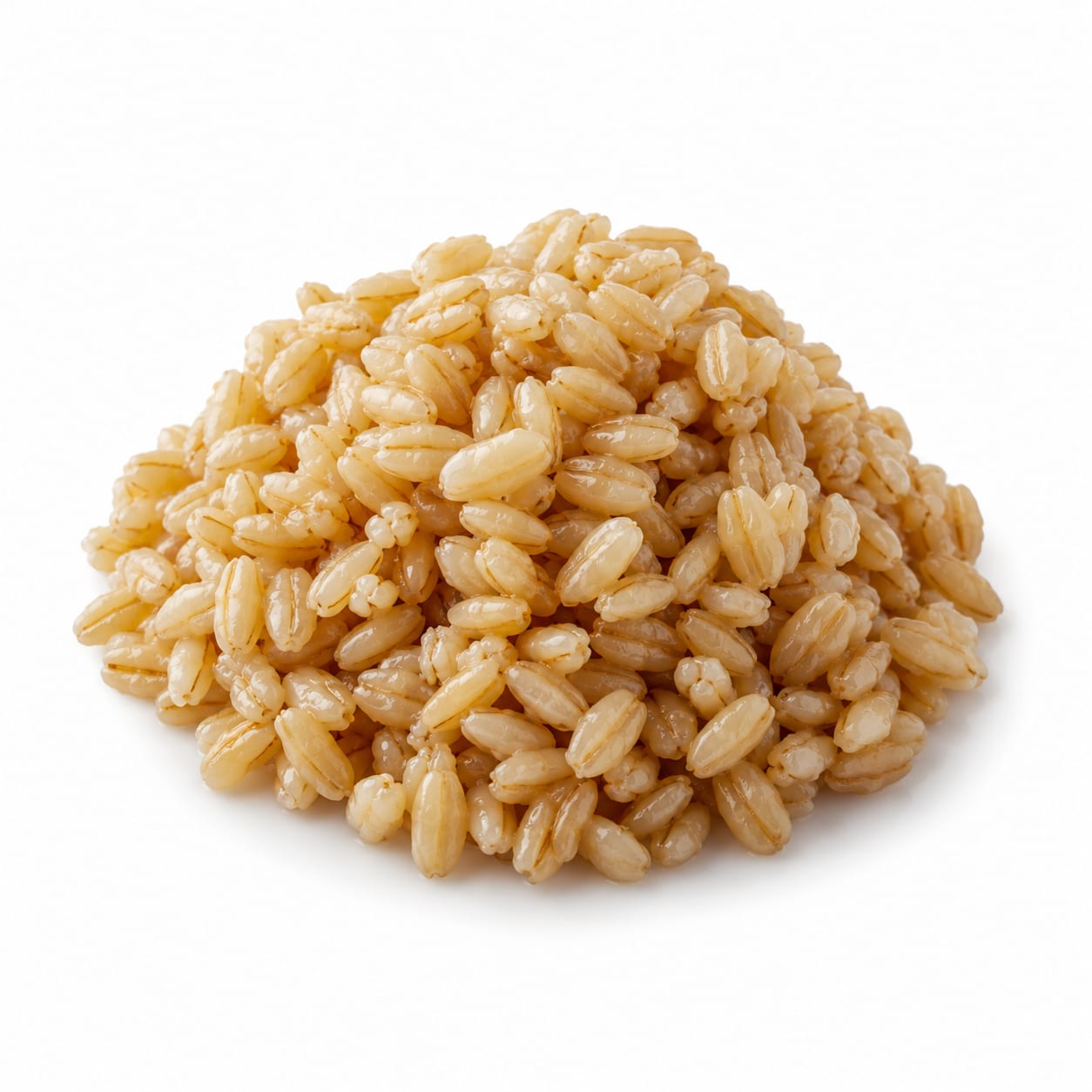
Triticale
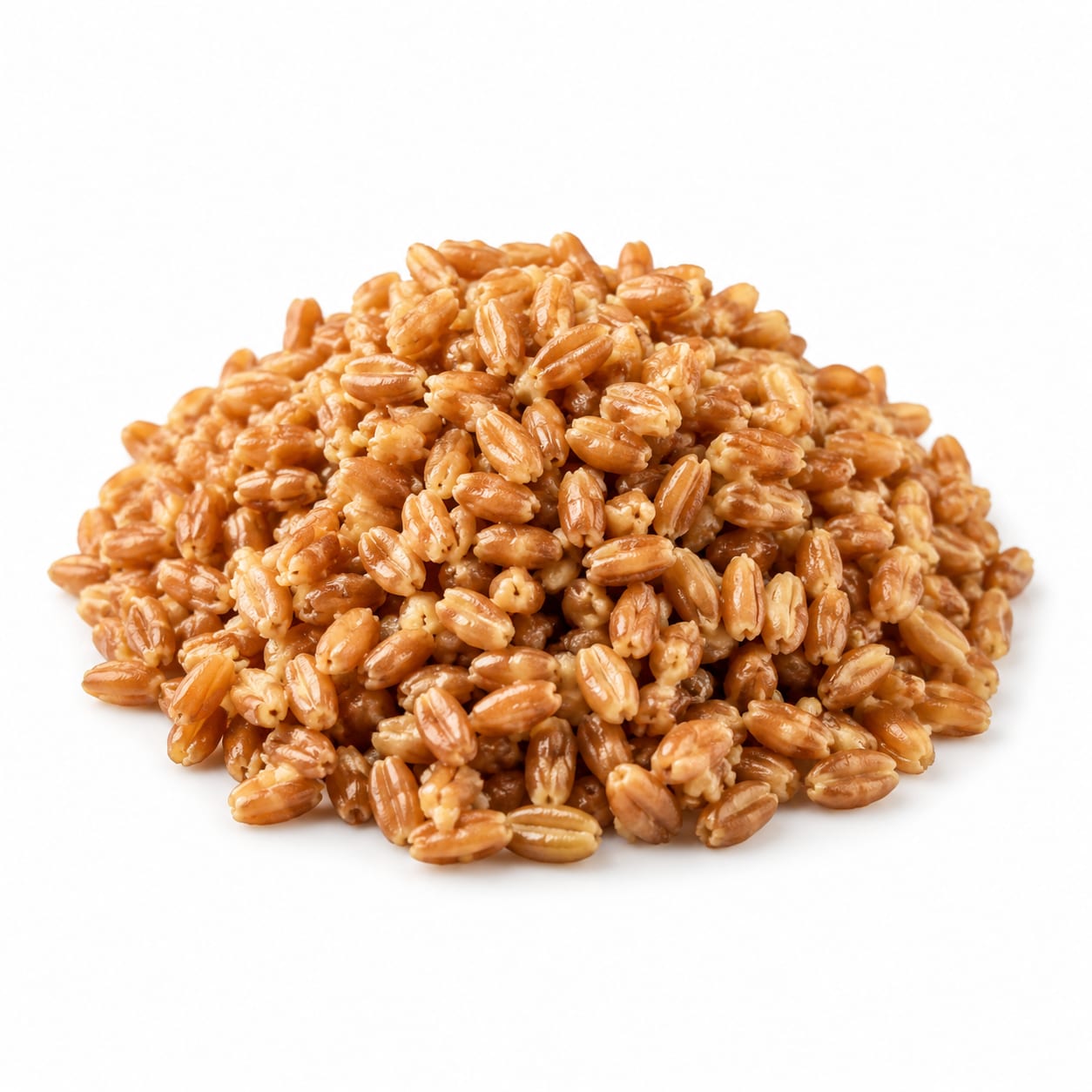
Spelt
Triticale wins on pure nutrition and protein, but Spelt wins on taste, baking ease, and everyday practicality.
Triticale scores slightly higher for its superior protein and mineral density, but Spelt stays competitive due to its excellent culinary versatility and wider availability.
Maximum nutritional output versus culinary convenience and accessibility.
At a glance
Executive summary
Overall
It depends
Healthier
Triticale
More practical
Spelt
Daily use
Spelt
Key comparison lenses
Nutritional density and protein quality
Triticale is specifically bred for higher protein and better amino acid balance compared to traditional wheat and spelt
Culinary versatility and baking performance
Spelt is prized for its baking qualities and mild flavor, while triticale can be denser and harder to work with
Digestive tolerance and gluten sensitivity
Both contain gluten, but people often seek ancient grains or hybrids as alternatives to modern wheat
Mineral intake and micronutrient density
Triticale inherits rye's strong mineral profile, making it a standout for iron and zinc
Best choice for
Triticale
- Athletes needing higher plant protein intake
- People looking to boost iron and zinc levels naturally
- Home bakers wanting to experiment with dense, hearty breads
Spelt
- Everyday home cooks wanting reliable baking results
- People transitioning from modern wheat to ancient grains
- Anyone seeking a nutty, mild-flavored whole grain
Least suitable for
Triticale
- Anyone with celiac disease or a severe gluten allergy
- People who prefer light, fluffy baked goods
- Those with limited access to specialty grocery stores
Spelt
- Anyone with celiac disease or a wheat allergy
- Those strictly maximizing protein per calorie
- People avoiding all wheat species
Deep comparison
Dimension by dimension
Each lens scores both foods and breaks down who each option suits.
- Dimension 1 · Priority 90Triticale
Protein & Amino Acid Quality
Triticale · 88Spelt · 72Triticale delivers noticeably more protein with a better amino acid profile than Spelt.
Tradeoff
You get more muscle-fueling protein in Triticale, but it can bake into a heavier, denser loaf.
Why it matters
Higher protein with better lysine content makes a grain more satiating and better for tissue repair.
Real-world impact
A bowl of Triticale porridge will keep you fuller longer and support muscle recovery better than Spelt.
Triticale
- Athletes and highly active individuals
- Vegetarians seeking complete protein sources
Better for
- People wanting light, airy baked goods
Worse for
Spelt
- Those who prioritize eating enjoyment over macro optimization
Better for
- Those needing maximum protein from their carb sources
Worse for
- Dimension 2 · Priority 85Spelt
Culinary Versatility & Availability
Triticale · 55Spelt · 88Spelt is far easier to find, cook with, and bake into delicious foods.
Tradeoff
Spelt sacrifices a bit of nutritional edge for a nutty flavor and gluten that behaves beautifully in the kitchen.
Why it matters
A healthy grain only works if you actually enjoy eating it and can easily buy it.
Real-world impact
Spelt flour can seamlessly replace wheat flour in pancakes or cookies, while Triticale often requires mixing with other flours to avoid a gummy texture.
Triticale
- Bakers specifically aiming for dense, rustic pumpernickel-style loaves
Better for
- Anyone wanting an easy 1:1 wheat flour substitute
Worse for
Spelt
- Home bakers wanting reliable, tasty results
- People who shop at regular grocery stores
Better for
- Those seeking a completely novel flavor profile
Worse for
- Dimension 3 · Priority 75Triticale
Mineral Density
Triticale · 86Spelt · 75Triticale inherits rye's impressive mineral profile, offering more iron, zinc, and magnesium.
Tradeoff
You get more micronutrients per bite with Triticale, but phytic acid can block some absorption if not properly prepared.
Why it matters
Iron and zinc are common deficiencies, and choosing mineral-dense grains helps close that gap.
Real-world impact
Eating Triticale regularly can give your energy levels and immune system a slight edge over Spelt.
Triticale
- Women prone to iron deficiency
- Anyone needing an immune-supporting zinc boost
Better for
- People who don't soak or ferment their grains, missing out on mineral absorption
Worse for
Spelt
- Those already eating a highly varied, mineral-rich diet
Better for
- Those relying heavily on grains as their primary mineral source
Worse for
- Dimension 4 · Priority 70It depends
Digestive Tolerance
Triticale · 70Spelt · 72Both are fairly easy to digest if properly prepared, but Spelt is often favored by those with mild wheat sensitivities.
Tradeoff
Triticale has slightly less gluten overall, but Spelt's gluten is more fragile and often better tolerated by sensitive stomachs.
Why it matters
Bloating or fatigue after meals can undermine the health benefits of whole grains.
Real-world impact
If modern wheat makes you sluggish, Spelt might feel lighter in your stomach, while Triticale might still feel a bit heavy.
Triticale
- Those who tolerate rye well but want more protein
Better for
- People sensitive to rye or heavy grains
Worse for
Spelt
- People with mild, non-celiac gluten sensitivity
- Those who find modern wheat bloating but still want gluten
Better for
- Anyone with a true wheat allergy
Worse for
Timeline
Health impact over time
Short-term
Hours to days
Triticale
- Provides very steady, long-lasting energy due to high fiber and protein
- Can feel heavy in the stomach if eaten in large portions without proper cooking
Spelt
- Offers comfortable, satisfying fullness without feeling overly dense
- Delivers a gentle energy rise without the crash of modern wheat
Long-term
Months to years
Triticale
- Supports better muscle maintenance and metabolic health from the higher protein content
- Improved iron and zinc status for better immune function and energy
Spelt
- Promotes a healthy gut microbiome with its soluble fiber content
- Easier long-term dietary adherence because it is more enjoyable to eat regularly
Risk profile
Safety & processing
Both Triticale and Spelt are whole grains typically sold with minimal processing. You are getting real, intact food in either case, though Spelt has a longer history of human cultivation.
Triticale
Gluten content
highContains gluten from both wheat and rye, making it completely unsafe for those with celiac disease.
Hybrid digestibility
lowAs a newer hybrid, some people report needing an adjustment period to digest it comfortably.
Spelt
Wheat gluten
highSpelt is a species of wheat and contains gluten, making it unsafe for celiacs and those with wheat allergies.
Cross-contamination
mediumOften processed in facilities that handle modern wheat, posing a risk for highly sensitive individuals.
Who wins for whom
Audience fit
Same foods, different winners depending on your goal.
children
SpeltSpelt has a milder, sweeter, nuttier flavor and lighter texture that kids usually prefer over dense Triticale.
daily consumption
SpeltSpelt is easier to incorporate into daily meals thanks to its versatility and wider availability.
diabetes
TriticaleTriticale generally has a slightly lower glycemic index, leading to steadier blood sugar responses.
elderly
SpeltSpelt is easier to chew and digest, which is important for aging digestive systems.
muscle gain
TriticaleTriticale offers more protein per serving and a better amino acid profile for muscle repair.
weight loss
TriticaleTriticale's higher protein and dense fiber make it slightly more satiating, helping you eat less overall.
Your move
Decision guide
Choose Triticale
- You want to maximize protein and mineral intake from your grains
- You are an athlete or highly active person needing sustained energy
- You enjoy dense, hearty, dark breads
Choose Spelt
- You want a delicious, easy-to-bake alternative to modern wheat
- You value culinary versatility and everyday practicality
- You have a mild sensitivity to modern wheat but can still tolerate gluten
Either works if
- You are looking for a nutritious whole grain to rotate into your diet
- You want to add more fiber to your meals for better gut health
Avoid both if
- You have celiac disease or a diagnosed wheat allergy
- You must follow a strict gluten-free diet for medical reasons
Final recommendation
Choose Spelt for everyday eating, baking, and enjoyment. Opt for Triticale when your primary goal is maximizing protein and mineral intake, and you do not mind a denser, heavier result in the kitchen.
Practical
Consumer tips
- 1
Mix Triticale flour with Spelt or wheat flour to get the nutritional benefits of Triticale without sacrificing baking texture.
- 2
Soak both grains overnight before cooking to reduce phytic acid, which improves mineral absorption and digestibility.
- 3
Start with Spelt if you are new to ancient grains; its familiar, nutty flavor makes the transition from modern wheat very easy.
- 4
Look for whole berry or groat forms of both grains to use in hearty salads or porridge for maximum chewiness and satisfaction.