
Nutrition comparison
Triticale vs Buckwheat: Which Grain Is Healthier for You?
Compare Triticale and Buckwheat nutrition, gluten content, blood sugar impact, and health benefits. Find out which grain is better for weight loss, diabetes, and daily eating.
Overall winner · Buckwheat
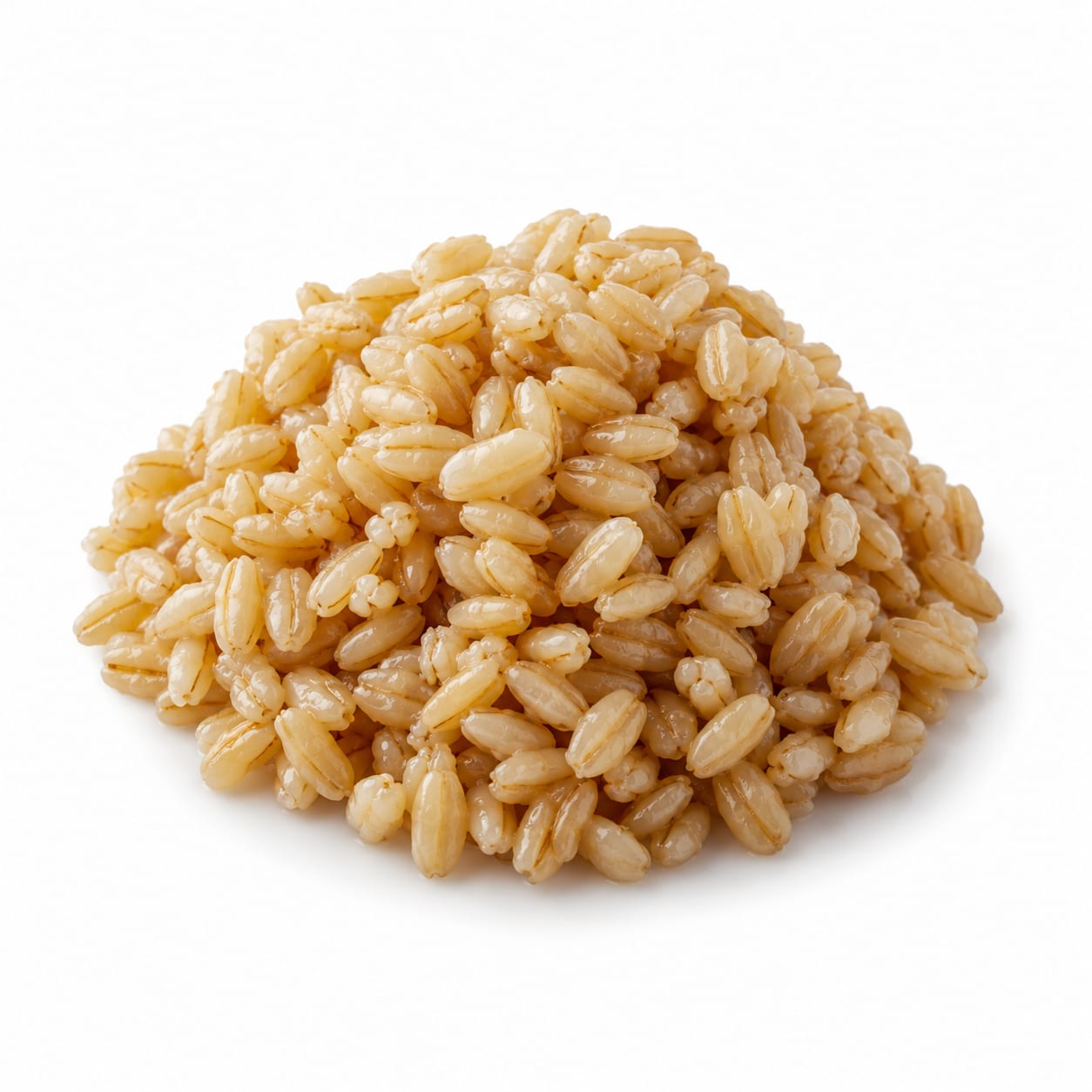
Triticale
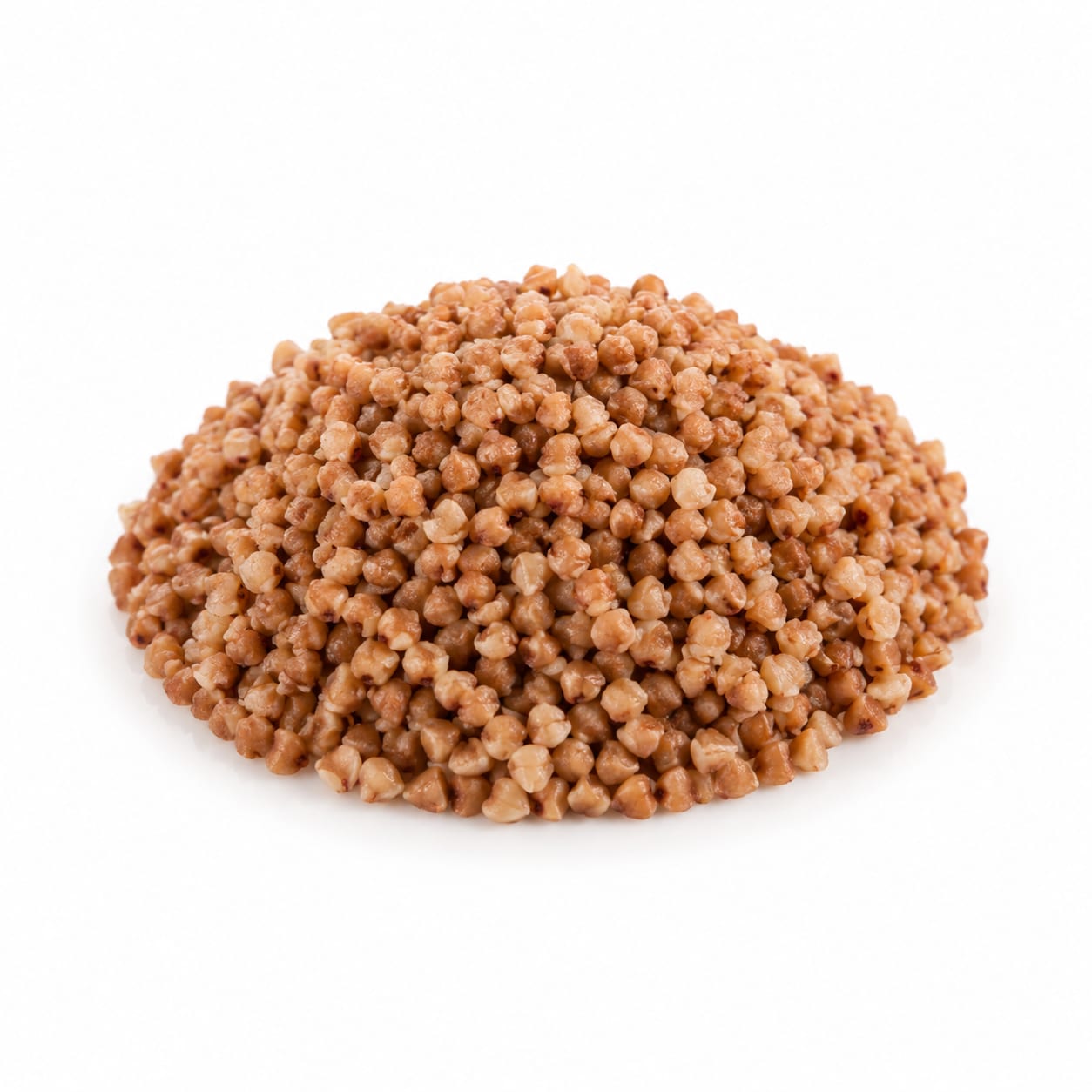
Buckwheat
Buckwheat wins for most people thanks to its gluten-free status, superior antioxidants, and better blood sugar stability — but Triticale offers more protein and may suit gluten-tolerant athletes or farmers seeking a hardy crop.
Buckwheat scores notably higher due to its gluten-free advantage, lower glycemic impact, and exceptional antioxidant content. Triticale remains a solid whole grain with strong protein, but its gluten content and poor retail availability hold it back for most consumers.
Triticale gives you more protein per bite but comes with gluten and harder availability; Buckwheat delivers steadier energy, gut-friendly properties, and unique heart-protective antioxidants at the cost of slightly less protein.
At a glance
Executive summary
Overall
Buckwheat
Healthier
Buckwheat
More practical
Buckwheat
Daily use
Buckwheat
Key comparison lenses
gluten sensitivity and digestive tolerance
Triticale contains gluten as a wheat-rye hybrid, while Buckwheat is naturally gluten-free — this is the single most decisive difference for many consumers
blood sugar management
Both are whole grains used as carb sources, so glycemic impact and insulin response matter greatly for daily energy and metabolic health
antioxidant and anti inflammatory benefits
Buckwheat is uniquely rich in rutin and other flavonoids, making this a key differentiator for long-term health outcomes
practical availability and culinary use
Triticale is hard to find in most grocery stores, while Buckwheat groats and flour are widely available
protein quality for plant based diets
Both appeal to plant-based eaters seeking protein, but their amino acid profiles and digestibility differ meaningfully
Best choice for
Triticale
- Athletes needing higher protein from grains
- Gluten-tolerant farmers or homesteaders growing their own grain
- Anyone seeking a wheat-rye flavor alternative for baking
Buckwheat
- Anyone with gluten sensitivity or celiac disease
- People managing blood sugar or insulin resistance
- Those wanting heart-protective antioxidants from a daily grain
Least suitable for
Triticale
- Anyone with celiac disease or gluten intolerance
- People seeking widely available grocery store options
- Those prioritizing low-glycemic carbohydrate sources
Buckwheat
- People with rare buckwheat allergy (fagopyrism)
- Those wanting maximum protein content from a single grain
- Anyone who dislikes earthy, nutty flavors
Deep comparison
Dimension by dimension
Each lens scores both foods and breaks down who each option suits.
- Dimension 1 · Priority 95Buckwheat
Gluten & Digestive Tolerance
Triticale · 30Buckwheat · 95Triticale contains gluten as a wheat-rye hybrid, making it unsuitable for anyone with celiac or sensitivity. Buckwheat is naturally gluten-free and well-tolerated by nearly everyone.
Tradeoff
If you tolerate gluten fine, this dimension matters less — but for the growing population with sensitivity, Buckwheat is the clear safe choice.
Why it matters
Roughly 6-7% of people have non-celiac gluten sensitivity, and celiac affects about 1%. For them, Triticale is off the table entirely.
Real-world impact
Choosing Triticale when you have even mild gluten sensitivity means bloating, brain fog, or worse. Buckwheat lets you enjoy a hearty grain with zero gluten worry.
Triticale
- Gluten-tolerant individuals who want a denser, chewier grain texture
Better for
- Post-meal bloating or discomfort for sensitive individuals
Worse for
Buckwheat
- Anyone with celiac disease
- People with irritable bowel syndrome triggered by gluten
- Families cooking for mixed dietary needs
Better for
- Rare buckwheat allergy causing skin reactions or breathing issues
Worse for
- Dimension 2 · Priority 88Buckwheat
Blood Sugar Stability
Triticale · 55Buckwheat · 80Buckwheat has a lower glycemic index and contains D-chiro-inositol, a compound that helps cells respond to insulin. Triticale digests faster, causing quicker blood sugar rises.
Tradeoff
Triticale provides faster energy for intense activity but less metabolic protection at rest. Buckwheat keeps energy steadier throughout the day.
Why it matters
Stable blood sugar means fewer afternoon crashes, less cravings, and better long-term metabolic health.
Real-world impact
A Buckwheat breakfast keeps you satisfied until lunch. Triticale may leave you hungry again within two hours if eaten alone.
Triticale
- Pre-workout fueling when you need carbs available quickly
- Endurance athletes mid-event needing rapid glucose
Better for
- Energy crashes a couple hours after eating without protein pairing
Worse for
Buckwheat
- Morning porridge that prevents the 10 AM energy crash
- Anyone with prediabetes or insulin resistance
- Late dinners where you want to avoid blood sugar spikes before sleep
Better for
- May feel too slow-digesting right before intense exercise
Worse for
- Dimension 3 · Priority 82Buckwheat
Antioxidant & Anti-inflammatory Power
Triticale · 45Buckwheat · 88Buckwheat is loaded with rutin, quercetin, and other flavonoids that strengthen blood vessels and reduce inflammation. Triticale has standard whole grain antioxidants but nothing exceptional.
Tradeoff
Eating Buckwheat regularly is like taking a mild natural supplement for vascular health. Triticale offers basic whole grain benefits without the bonus.
Why it matters
Chronic low-grade inflammation drives heart disease, aging, and joint pain. Rutin specifically supports capillary strength and circulation.
Real-world impact
People who eat Buckwheat regularly may notice less leg swelling, better circulation, and reduced bruising over time — subtle but real benefits.
Triticale
- Situations where antioxidant content is not a priority
Better for
- Missing the vascular protection that rutin provides
Worse for
Buckwheat
- Anyone concerned about cardiovascular health
- Older adults wanting to protect blood vessel integrity
- People with chronic inflammatory conditions
Better for
- Rutin can mildly thin blood — worth noting if on anticoagulants
Worse for
- Dimension 4 · Priority 72Triticale
Protein Content & Quality
Triticale · 78Buckwheat · 68Triticale contains more total protein per serving than Buckwheat, inheriting strong protein genetics from its wheat and rye parents. Buckwheat has a better amino acid balance but less total protein.
Tradeoff
Triticale wins on protein quantity; Buckwheat wins on protein completeness. For most people eating varied diets, the quality difference matters more than the quantity gap.
Why it matters
Plant-based eaters need to think about both how much protein they get and whether it contains all essential amino acids.
Real-world impact
If grains are your main protein source, Triticale gives you a slight edge in total grams. But if you eat legumes and vegetables too, Buckwheat's better amino acid profile fills gaps more effectively.
Triticale
- Athletes tracking total daily protein intake carefully
- Plant-based eaters relying heavily on grains for protein
Better for
- Protein is less bioavailable than in Buckwheat due to gluten matrix effects
Worse for
Buckwheat
- Anyone eating a varied diet where amino acid completeness matters more than total grams
- People combining grains with legumes for complete protein
Better for
- Lower total protein means you need slightly larger portions to hit targets
Worse for
- Dimension 5 · Priority 70Buckwheat
Mineral Density
Triticale · 58Buckwheat · 82Buckwheat is remarkably rich in magnesium, manganese, and copper — minerals most people fall short on. Triticale provides decent minerals but at lower concentrations.
Tradeoff
A single serving of Buckwheat covers a significant portion of your daily magnesium needs. Triticale requires larger portions or more food variety to match that.
Why it matters
Magnesium supports sleep, muscle recovery, and stress resilience. Manganese helps with bone health and wound healing. Most diets are deficient in both.
Real-world impact
Eating Buckwheat regularly can meaningfully improve sleep quality and reduce muscle cramps. Triticale contributes minerals too, but you would not notice the same effect.
Triticale
- Situations where mineral density is supplemented through other foods
Better for
- Less effective as a standalone mineral source
Worse for
Buckwheat
- Anyone with muscle cramps, poor sleep, or stress — likely magnesium deficient
- Older adults needing bone-supportive minerals
- Post-menopausal women at risk for mineral depletion
Better for
- Copper content requires awareness if you have Wilson's disease or copper metabolism issues
Worse for
- Dimension 6 · Priority 78Buckwheat
Availability & Practical Use
Triticale · 35Buckwheat · 80Buckwheat groats and flour are available in most grocery stores, health food shops, and online. Triticale is rarely stocked and mostly sold through specialty suppliers or farm direct.
Tradeoff
You can cook Buckwheat tonight with a quick store trip. Triticale may require online ordering, bulk buying, or growing your own.
Why it matters
The healthiest grain in the world is useless if you cannot find it or afford it consistently.
Real-world impact
Most people will give up on Triticale after failing to find it locally twice. Buckwheat is always accessible, making it the more sustainable daily choice.
Triticale
- Farmers or homesteaders who grow their own grain
- Online bulk buyers comfortable with large orders
Better for
- Frustration and inconsistency in maintaining the habit
Worse for
Buckwheat
- Busy families who shop at regular grocery stores
- Anyone who wants to try a new grain this week, not next month
- Travelers who need to find their grain in any city
Better for
- Buckwheat flour can go rancid faster than wheat-based flours — needs proper storage
Worse for
Timeline
Health impact over time
Short-term
Hours to days
Triticale
- Provides sustained energy for 2-3 hours after eating
- May cause bloating or digestive discomfort in gluten-sensitive individuals
- Higher protein content supports satiety when paired with fat or fiber
Buckwheat
- Delivers steady energy with minimal blood sugar spikes
- Feels light yet satisfying — rarely causes post-meal heaviness
- Gluten-free nature means no digestive distress for sensitive individuals
Long-term
Months to years
Triticale
- Regular whole grain intake supports heart health and regular digestion
- Gluten exposure may trigger silent inflammation in undiagnosed sensitive individuals
- Good protein contribution helps maintain muscle mass with aging
Buckwheat
- Rutin intake from regular consumption supports vascular health and may reduce bruising
- Magnesium and manganese contribute to better sleep, bone density, and stress resilience
- D-chiro-inositol may improve insulin sensitivity over months of consistent intake
Risk profile
Safety & processing
Both Triticale and Buckwheat are whole, minimally processed foods when purchased as whole groats or berries. Neither typically contains additives. The main concern is that Buckwheat flour can be adulterated with wheat flour in some commercial products — always check labels for purity if gluten-free is important to you.
Triticale
Gluten exposure for sensitive individuals
highAs a wheat-rye hybrid, Triticale contains gluten and is unsafe for anyone with celiac disease. Even mild sensitivity can trigger symptoms.
Cross-contamination in processing facilities
mediumTriticale is often processed alongside wheat, so purity cannot be guaranteed for highly sensitive individuals.
Buckwheat
Buckwheat allergy (fagopyrism)
mediumRare but serious allergy that can cause skin reactions, digestive distress, or in severe cases anaphylaxis. More common in some East Asian populations.
Wheat adulteration in commercial flours
mediumSome Buckwheat flours are cut with wheat flour to reduce cost. If you need gluten-free, buy certified pure Buckwheat products.
Rutin blood-thinning effect
lowHigh rutin intake can mildly thin blood. Generally beneficial, but worth discussing with a doctor if you take anticoagulant medications.
Who wins for whom
Audience fit
Same foods, different winners depending on your goal.
children
BuckwheatGluten-free tolerance, gentle digestion, and rich mineral content for growing bodies make Buckwheat the safer and more nourishing choice for kids.
daily consumption
BuckwheatBuckwheat is easier to find, gentler on digestion, and offers more consistent daily health benefits — making it the more sustainable staple grain.
diabetes
BuckwheatBuckwheat's lower glycemic index and D-chiro-inositol content directly support insulin sensitivity and blood sugar regulation.
elderly
BuckwheatBuckwheat's magnesium supports sleep and bone density, rutin protects vascular health, and gluten-free nature accommodates the increased gluten sensitivity that comes with age.
muscle gain
TriticaleTriticale provides more total protein per serving, which matters when you are tracking macros for muscle building — though the difference is modest.
weight loss
BuckwheatBuckwheat's lower glycemic index and higher fiber-to-calorie ratio keep you fuller longer with less blood sugar-driven cravings.
Your move
Decision guide
Choose Triticale
- You tolerate gluten well and want a higher-protein grain for athletic performance
- You grow your own grains and want a hardy, high-yield crop
- You are looking for a wheat-rye flavor alternative for artisan baking
Choose Buckwheat
- You have any gluten sensitivity or cook for someone who does
- You want steadier energy and better blood sugar control throughout the day
- You care about antioxidant and vascular health benefits from rutin
- You want a grain you can actually find at your local grocery store
Either works if
- You tolerate gluten and simply want a nutritious whole grain — both are excellent choices
- You rotate grains for dietary diversity — both deserve a place in your pantry
Avoid both if
- You have a specific grain allergy to either
- You are on a strict very-low-carb or ketogenic diet — both are carbohydrate-dense
- You have Wilson's disease and need to limit copper intake from Buckwheat
Final recommendation
For most people, Buckwheat is the better daily grain. It is gluten-free, rich in heart-protective antioxidants, steadier on blood sugar, and easy to find. Triticale is a solid choice if you tolerate gluten, need more protein, or have access to it — but its limited availability and gluten content make it harder to recommend as a staple. If you are unsure, start with Buckwheat and add Triticale later if you want variety.
Practical
Consumer tips
- 1
Buy Buckwheat groats (kasha) for porridge and salads — they cook in 15 minutes and store well
- 2
If buying Buckwheat flour for gluten-free baking, look for certified pure products to avoid wheat adulteration
- 3
Store Buckwheat flour in the refrigerator or freezer to prevent rancidity — its natural oils go bad faster than wheat flour
- 4
Triticale flour works well in bread recipes that call for whole wheat — try a 50/50 blend first
- 5
If you cannot find Triticale locally, check online farm suppliers or grain cooperatives rather than conventional grocery stores
- 6
Soak Buckwheat groats overnight to reduce cooking time and improve mineral absorption
- 7
Toast Buckwheat groats in a dry pan before cooking for a deeper, nuttier flavor