
Nutrition comparison
Triticale vs Farro: Which Grain Is Better for You?
Triticale has more protein and fiber, but farro wins on taste and convenience. Compare these two whole grains on nutrition, blood sugar, and daily practicality.
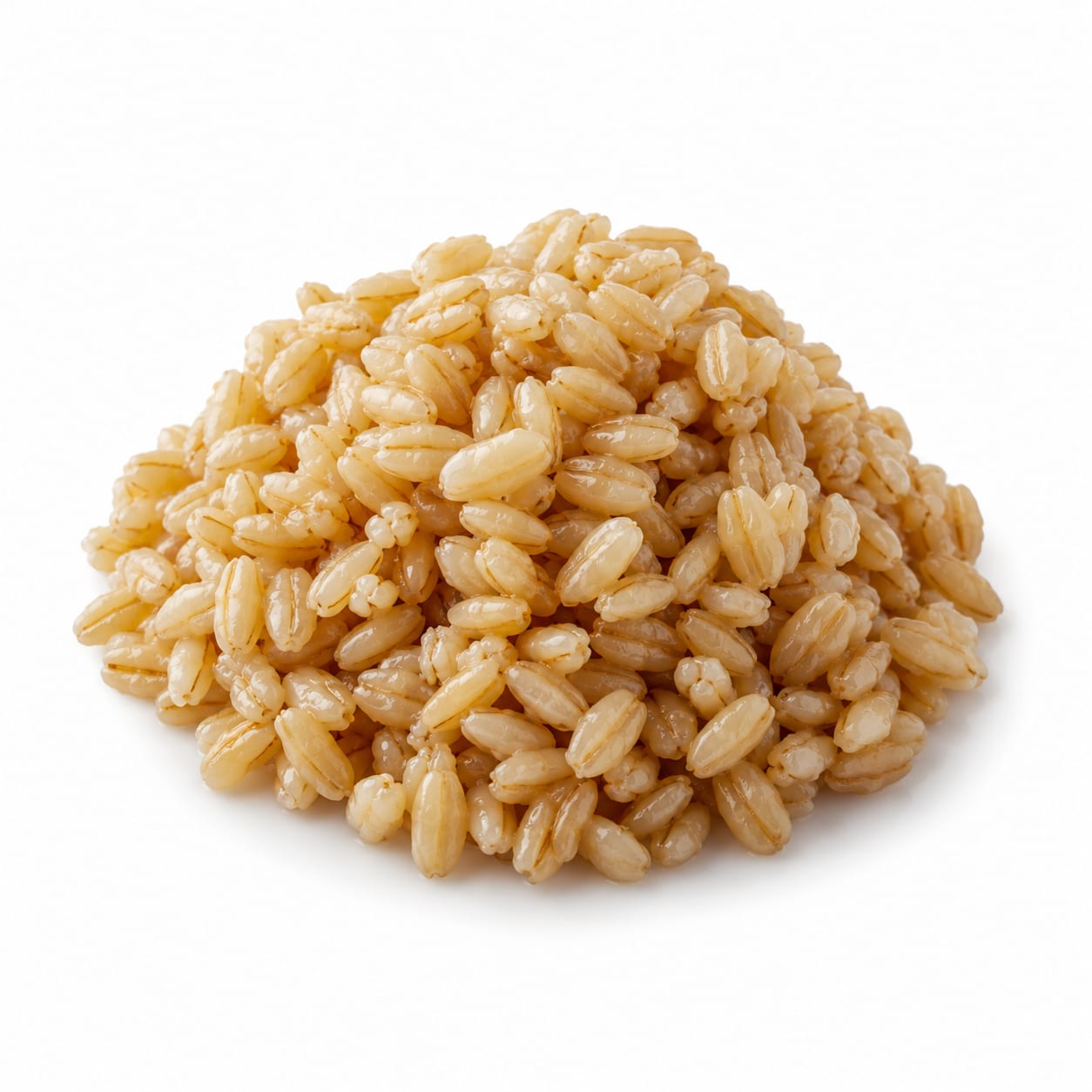
Triticale
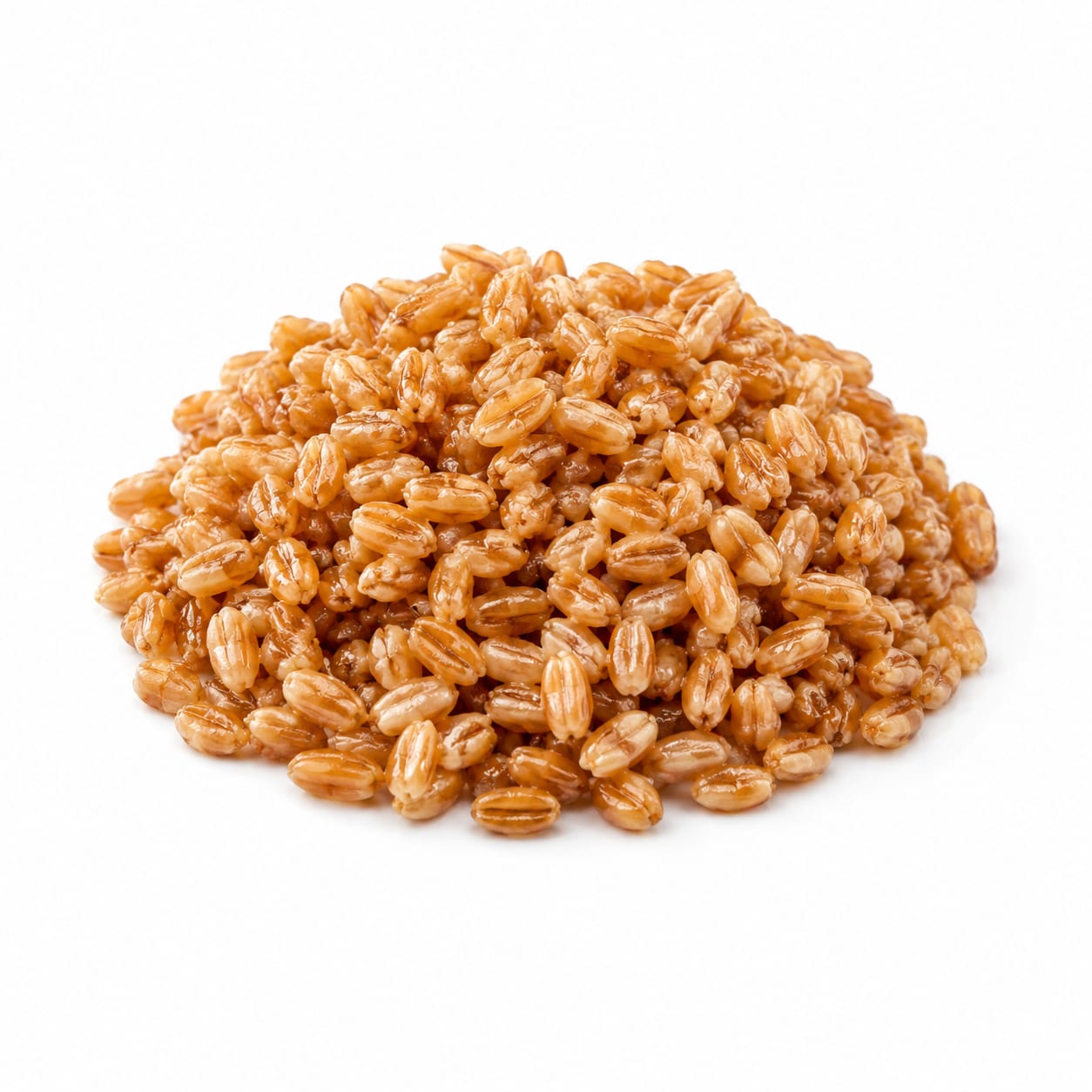
Farro
Triticale wins on protein and lysine content, but farro wins on taste, availability, and everyday practicality.
Farro edges ahead due to better real-world usability and eating satisfaction, though triticale's nutritional profile is technically stronger in key areas like protein.
You trade superior amino acid nutrition in triticale for farro's better culinary experience and easier access.
At a glance
Executive summary
Overall
It depends
Healthier
Triticale
More practical
Farro
Daily use
Farro
Key comparison lenses
ancient vs hybrid grain nutrition
Users comparing these grains want to know whether a modern hybrid or an ancient grain delivers better nutrition and eating quality
protein quality and quantity
Triticale was specifically bred for superior protein, making this a key differentiator
digestive tolerance and gluten sensitivity
Both contain gluten but from different wheat lineages, affecting how people tolerate them
culinary versatility and availability
Farro is widely available and recipe-friendly; triticale is harder to find and cook with
blood sugar management
Both are whole grains being evaluated for glycemic impact by health-conscious users
Best choice for
Triticale
- Athletes needing higher plant protein intake
- People wanting better lysine-to-calorie ratios
- Farmers or homesteaders growing their own grain
- Those seeking a novel grain with rye-like robustness
Farro
- Home cooks wanting reliable, delicious grain bowls
- People transitioning from refined grains to whole grains
- Mediterranean diet followers
- Anyone who values taste and texture alongside nutrition
Least suitable for
Triticale
- Celiac or gluten-sensitive individuals
- People who want easy-to-find ingredients at regular stores
- Cooks wanting predictable, well-documented recipes
Farro
- Celiac or gluten-sensitive individuals
- Budget-conscious shoppers (farro is premium-priced)
- People maximizing protein per calorie from grains alone
Deep comparison
Dimension by dimension
Each lens scores both foods and breaks down who each option suits.
- Dimension 1 · Priority 92Triticale
Protein Content and Quality
Triticale · 85Farro · 68Triticale delivers noticeably more protein per serving and a better amino acid profile, especially lysine, which most grains lack.
Tradeoff
You gain protein but lose the culinary tradition and recipe support that makes farro easier to enjoy regularly.
Why it matters
For plant-based eaters, every gram of protein and every limiting amino acid matters for maintaining muscle and satiety.
Real-world impact
A bowl of triticale gives you roughly 30% more protein than the same size bowl of farro — meaningful over a week of meals.
Triticale
- Vegans counting protein grams
- Athletes recovering from training
- Anyone replacing meat with grains as a protein pillar
Better for
- Those who find higher-protein grains denser and less pleasant to eat
Worse for
Farro
- Casual eaters who get protein from other sources
- People who prioritize flavor over marginal protein gains
Better for
- People relying heavily on grains for their protein intake
Worse for
- Dimension 2 · Priority 85Triticale
Fiber and Satiety
Triticale · 80Farro · 74Triticale typically edges out farro in total fiber thanks to its rye genetics, keeping you fuller slightly longer.
Tradeoff
More fiber means more satiety but can also mean heavier digestion if your gut isn't accustomed to it.
Why it matters
Fiber is the single biggest predictor of whether a grain keeps you satisfied or leaves you snacking an hour later.
Real-world impact
Triticale at lunch may keep you full until dinner, while farro might leave you reaching for a mid-afternoon snack.
Triticale
- People trying to reduce between-meal snacking
- Those managing appetite for weight loss
Better for
- Those unaccustomed to high fiber who may experience bloating
Worse for
Farro
- People with sensitive digestion who find very high-fiber meals uncomfortable
- Anyone wanting a lighter grain dish that doesn't feel heavy
Better for
- People who find farro doesn't keep them full long enough
Worse for
- Dimension 3 · Priority 80It depends
Blood Sugar Stability
Triticale · 76Farro · 76Both are whole grains with moderate glycemic impact. Differences are minimal and depend more on cooking method and portion than grain choice.
Tradeoff
Neither grain is a low-glycemic standout; both require portion awareness for blood sugar management.
Why it matters
Steady blood sugar means no energy crashes, better focus, and fewer cravings throughout the day.
Real-world impact
A cup of either grain paired with protein and healthy fat will serve you well. The grain choice matters less than the meal composition.
Triticale
- Those who pair grains with legumes for complete protein and slower digestion
Better for
- Anyone overcooking triticale into a soft porridge, which speeds sugar absorption
Worse for
Farro
- Those who prefer al dente cooking, which naturally lowers glycemic response
Better for
- People eating farro in sugary salads or with sweet dressings that spike blood sugar
Worse for
- Dimension 4 · Priority 88Farro
Taste, Texture, and Culinary Experience
Triticale · 55Farro · 90Farro's nutty, chewy, satisfying texture makes it a kitchen favorite. Triticale is earthier and denser, with less recipe support.
Tradeoff
You sacrifice eating pleasure for nutritional density when you choose triticale over farro.
Why it matters
The best grain for your health is the one you actually want to eat consistently. Taste drives long-term adherence.
Real-world impact
Farro turns a simple salad into something you crave. Triticale feels more like a functional choice you have to motivate yourself to make.
Triticale
- People who enjoy dense, hearty, rye-like flavors
- Bakers experimenting with robust breads
Better for
- Picky eaters who find heavy grains unappealing
- Cooks without recipes tailored to triticale
Worse for
Farro
- Home cooks wanting crowd-pleasing grain bowls
- Anyone new to whole grains who needs an enjoyable entry point
- Diners who want grains that feel like comfort food, not health food
Better for
- Those seeking a more intense, rustic grain experience
Worse for
- Dimension 5 · Priority 82Farro
Availability and Practicality
Triticale · 40Farro · 78Farro is stocked in most grocery stores. Triticale is niche, often requiring specialty shops or online ordering.
Tradeoff
Better nutrition means nothing if you can't find the grain or don't know how to cook it.
Why it matters
Convenience determines whether a healthy choice becomes a habit or a one-time experiment.
Real-world impact
You can grab farro at Trader Joe's on a Tuesday. Triticale might require a weekend specialty store run or an online order.
Triticale
- Rural growers who can produce their own triticale
- Bulk buyers who order grains online by the case
Better for
- Spontaneous cooks who decide dinner at 5pm
- People without reliable online shopping access
Worse for
Farro
- Busy shoppers who need ingredients now
- People who cook from mainstream recipes
- Anyone who values walking into any store and finding their grain
Better for
- Those in regions where farro is still considered specialty and priced accordingly
Worse for
- Dimension 6 · Priority 72Triticale
Mineral Density
Triticale · 80Farro · 72Triticale's rye parentage gives it an edge in zinc, iron, and manganese content per serving.
Tradeoff
The mineral advantage is real but modest — not dramatic enough to override taste preferences for most people.
Why it matters
Trace minerals support immunity, energy production, and bone health, and many people fall short.
Real-world impact
Over months, consistently choosing triticale could contribute meaningfully to your zinc and iron intake, but a single meal won't make or break you.
Triticale
- People with low iron or zinc intake from other sources
- Plant-based eaters who need to maximize mineral density per calorie
Better for
- People who won't absorb minerals well due to phytate content without soaking or sprouting
Worse for
Farro
- Those already eating a mineral-rich varied diet
Better for
- Anyone relying on a single grain as a mineral cornerstone
Worse for
Timeline
Health impact over time
Short-term
Hours to days
Triticale
- High satiety from dense protein and fiber combo
- Possible bloating if unaccustomed to rye-like fiber levels
- Steady energy release with no sugar crash when paired with fat and protein
Farro
- Comforting, satisfying chew that makes meals feel complete
- Gentle on digestion for most people when cooked al dente
- Moderate fullness that may require a protein side for lasting satiety
Long-term
Months to years
Triticale
- Better amino acid intake supports muscle maintenance with aging
- Higher mineral intake may support immune resilience over decades
- Consistent high fiber intake promotes gut microbiome diversity
Farro
- Enjoyable eating experience supports sustainable whole-grain habits
- Mediterranean-style grain consumption linked to cardiovascular benefits
- Ancient gluten structure may be tolerated better than modern wheat by some sensitive individuals
Risk profile
Safety & processing
Both grains are whole, minimally processed foods when purchased as whole berries. Neither carries additive concerns. The key difference is that triticale is a human-made hybrid while farro is an ancient landrace — but both are natural whole grains with clean labels.
Triticale
Gluten exposure
highTriticale contains gluten from both wheat and rye, making it strictly unsafe for anyone with celiac disease or significant gluten sensitivity.
Phytate interference with mineral absorption
mediumLike many whole grains, triticale contains phytates that can reduce iron and zinc absorption. Soaking or sprouting mitigates this significantly.
Farro
Gluten exposure
highFarro contains gluten. Some people with mild wheat sensitivity report better tolerance of farro's ancient gluten, but it remains unsafe for celiacs.
Cross-contamination in processing
lowSome farro is processed in facilities handling modern wheat. Those with severe gluten reactions should verify dedicated processing lines.
Who wins for whom
Audience fit
Same foods, different winners depending on your goal.
children
FarroFarro's milder, nuttier flavor and pleasant chew are far more kid-friendly than triticale's dense earthiness.
daily consumption
FarroFarro's taste, availability, and recipe versatility make it the grain people actually stick with day after day.
diabetes
It dependsBoth have similar glycemic impacts as whole grains; the real difference comes from portion size, cooking method, and meal pairing.
elderly
FarroFarro is easier to cook to a tender texture, and its broader recipe appeal supports consistent nutrition in older adults.
muscle gain
TriticaleMore protein and better lysine content per serving supports muscle protein synthesis more effectively.
weight loss
TriticaleTriticale's higher protein and fiber combo creates stronger satiety per calorie, helping reduce overall intake.
Your move
Decision guide
Choose Triticale
- You prioritize maximum protein and fiber from your grains
- You enjoy dense, hearty, rye-forward flavors
- You have access to specialty grain suppliers or grow your own
- You're building meals around plant-based protein optimization
Choose Farro
- You want a grain that makes healthy eating genuinely enjoyable
- You cook from mainstream recipes and need reliable ingredient access
- You're introducing whole grains to your family for the first time
- You follow a Mediterranean eating pattern
Either works if
- You tolerate gluten well and want a whole-grain alternative to rice or pasta
- You're focused on reducing refined grains regardless of which whole grain you pick
- You plan to soak or sprout your grains before cooking
Avoid both if
- You have celiac disease or confirmed gluten intolerance
- You're following a strict low-carb or grain-free protocol
- You have severe digestive conditions that react to high-fiber foods
Final recommendation
Choose farro for everyday eating — it's the grain you'll actually look forward to cooking and eating. Choose triticale when you're specifically optimizing for protein and mineral density, and you're willing to seek it out and learn to cook with it. Both are excellent whole grains that outperform refined options by a wide margin.
Practical
Consumer tips
- 1
Soak both grains overnight to reduce phytates and improve mineral absorption — this makes a real nutritional difference over time
- 2
Cook farro al dente for the best texture and a lower glycemic response than soft-cooked grains
- 3
Try triticale as flour in hearty breads before committing to it as a side dish — its rye character shines in baking
- 4
Pair either grain with legumes for a complete protein profile that rivals animal sources
- 5
If farro feels pricey, buy it in bulk online — store pricing often carries a steep specialty markup
- 6
Introduce high-fiber triticale gradually to avoid bloating — your gut microbiome needs time to adapt