
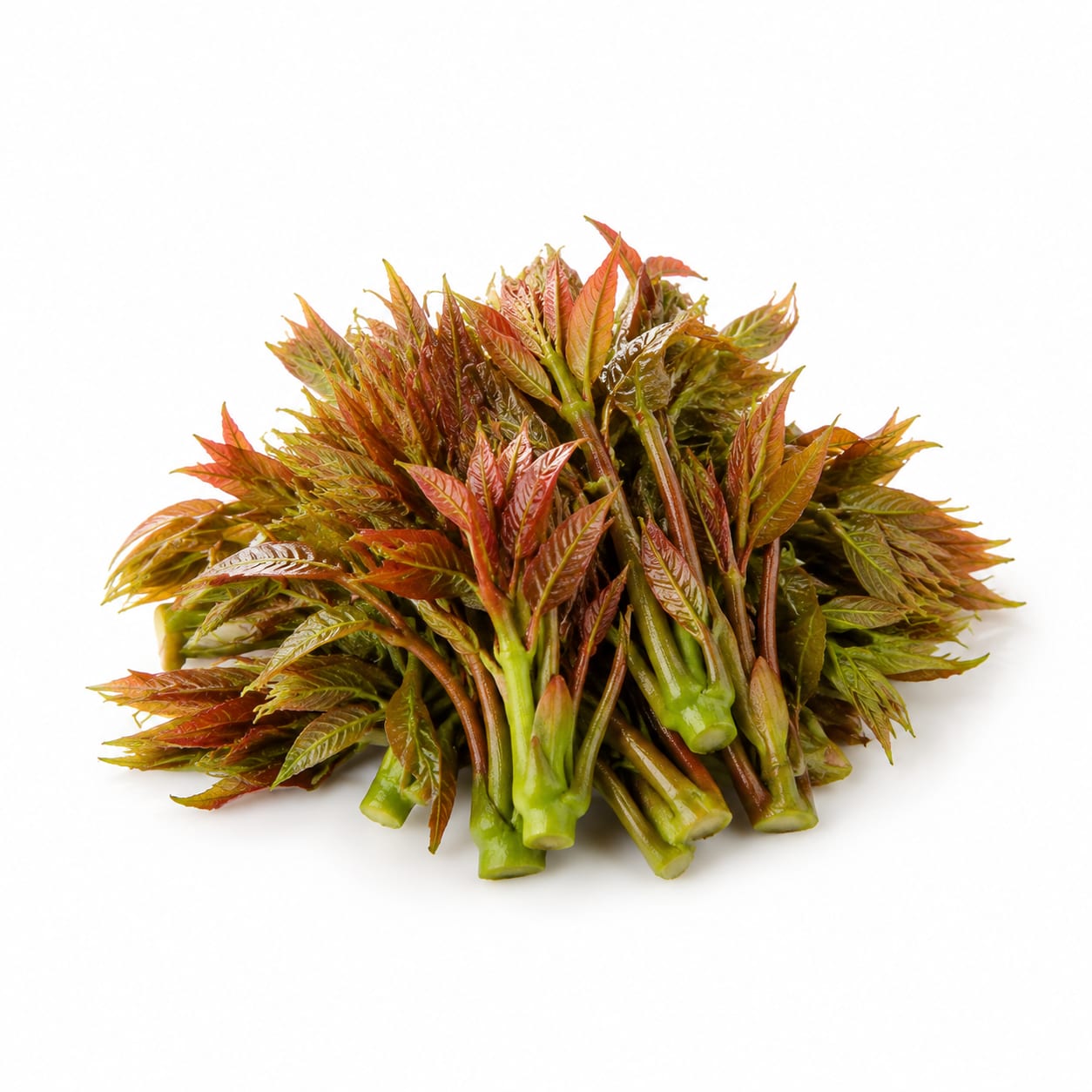
Leafy Vegetable
Toona Sinensis
An aromatic leafy vegetable harvested from the Chinese mahogany tree, known for its unique savory flavor and high antioxidant content.
Toona sinensis, commonly known as Chinese mahogany or Xiangchun, is a deciduous tree whose young leaves and shoots are harvested as a seasonal vegetable, prized for their unique aromatic flavor and nutritional density.
nutrient-dense aromatic leafy green
Typical serving · 50g
Common varieties · red toon, green toon, xiangchun
Overall context score across nutrition, safety, and diet fit
At a glance
Quick facts
Simple indicators based on nutrition, processing, and diet fit.
The story
What makes it unique
Toona sinensis leaves are a low-calorie, nutrient-dense food with moderate protein for a leafy green. They digest moderately due to fiber content, offer high satiety relative to calories, and contain bioactive compounds like flavonoids and terpenoids. Fresh leaves are minimally processed but require blanching to reduce natural nitrite levels.
Varieties: red toon · green toon · xiangchun
Per 100g
Nutrition breakdown
Macro balance and key metrics at a glance.
Energy
Density 0.45 kcal/g
Protein
Carbs
Fat
Fiber
Sugar
1 g
Sodium
15 mg
Potassium
350 mg
Glycemic index
15
Glycemic load
1
Water content
82%
Standout compounds
Nutrient highlights
Vitamin C
highSupports immune function and collagen synthesis
Vitamin E
moderateActs as an antioxidant protecting cell membranes
Flavonoids
highReduce oxidative stress and inflammation
Dietary Fiber
moderatePromotes digestive regularity and gut health
Wellness map
Health scores & processing
NOVA processing scale
Minimally processed · Whole food
Fresh Toona sinensis leaves are a whole, unprocessed plant food, though they require blanching before consumption to reduce natural nitrites.
Diet compatibility
- Weight loss
- Muscle gain
- Diabetes
- Gut health
- Low carb
- High protein
- Heart health
Relative standing
Food rankings
Qualitative ranks compared to similar whole foods.
- Satietygood
- Blood sugarexcellent
- Nutrient densityexcellent
- Fitness fuelmoderate
- Processing qualityexcellent
Eat with confidence
Food safety profile
Fresh leaves contain higher nitrites than most vegetables. Blanching for one minute removes up to 80% of nitrites, making it safe for consumption.
Evidence confidence 85%
- Pesticidesmoderate
- Antibioticslow
- Heavy metalslow
- Contaminationmoderate
Watch for
- nitrites
- pesticide residues
Safer choices
Blanched young leaves consumed in moderation
Prep tips
Always wash thoroughly and blanch in boiling water for at least 30-60 seconds before eating or cooking to reduce nitrite content. Discard the blanching water.
Chinese health authorities advise blanching Toona sinensis before consumption due to naturally high nitrite levels, which can convert to harmful nitrosamines or cause methemoglobinemia if consumed raw in large quantities.
Deep dive
Health analysis
How this food may fit different goals and preparation choices.
Weight loss
Low energy density and high fiber content promote fullness without excess calories, making it an excellent flavor addition to weight loss diets.
Blood sugar
Very low glycemic index and load. The fiber and low carbohydrate content prevent blood sugar spikes, supporting stable glucose levels.
Fitness & energy
Not a primary energy source due to low carbohydrate and calorie content, but provides micronutrients that support overall metabolic function.
Gut health
Dietary fiber supports bowel regularity and gut microbiome health, while antioxidant compounds may help reduce gut inflammation.
Processing quality
A whole, unprocessed plant food. Retains maximum nutritional value when fresh and properly blanched.
Food safety
The primary concern is natural nitrite accumulation. Proper blanching mitigates this risk effectively, making the food safe for regular consumption.
Common mistakes
Eating the leaves raw or skipping the blanching step, which exposes consumers to unnecessary nitrite intake. Also, consuming older leaves which have higher nitrite concentrations.
Best preparation
Blanching in boiling water for 30-60 seconds, then using in stir-fries, egg dishes, or cold salads.
Practical guide
Best use cases
When and how this food fits real eating patterns.
Traditional Chinese scrambled eggs
Chopped blanched leaves folded into eggs for a flavorful, protein-rich breakfast.
Cold tossed salad
Blanched leaves tossed with sesame oil, garlic, and light soy sauce as a side dish.
Low-calorie flavor enhancer
Used as an aromatic herb to add depth to soups and stir-fries without adding significant calories.
Balance sheet
Pros & cons
Upsides
- Rich in antioxidants and anti-inflammatory compounds
- Very low calorie and low carbohydrate
- Unique savory and aromatic flavor profile
- Excellent source of vitamin C and vitamin E
- Supports stable blood sugar levels
Trade-offs
- Contains naturally high nitrites that require blanching to remove
- Seasonal and can be difficult to find fresh outside of Asia
- Strong flavor may be polarizing for some palates
- Older leaves become tough and accumulate more nitrites
Fit check
Who is it for?
Great match
- low-carb diets
- blood sugar management
- flavoring egg dishes
- seasonal spring eating
Consider alternatives
- raw food diets
- high-protein diets
- those seeking neutral-tasting greens
Side by side
How it compares
Open the full head-to-head analysis for nutrition, safety, and practical tradeoffs.
This food
Toona Sinensis
VS85% alike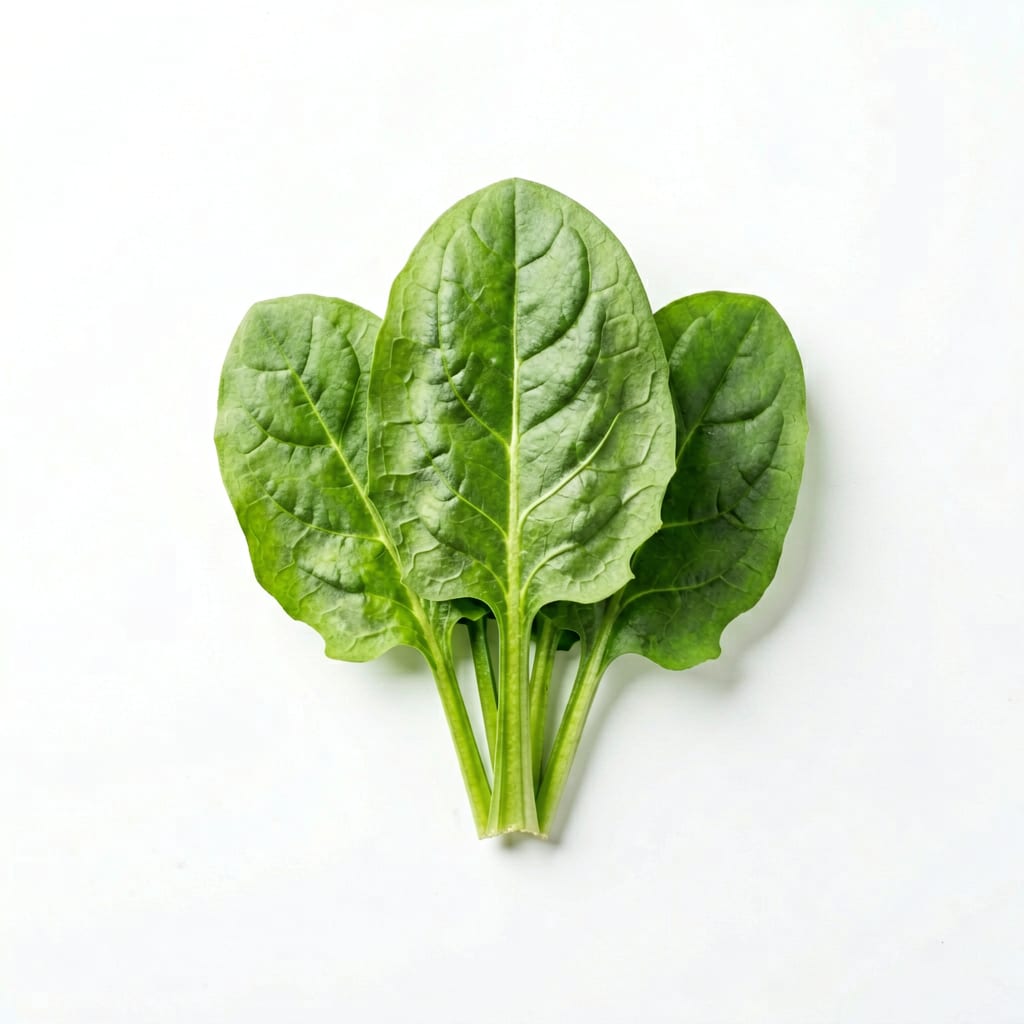
Compare with
Spinach
Spinach is safer to eat raw and offers more iron, while Toona sinensis provides a stronger savory flavor but requires blanching to remove nitrites.
Spinach is safer to eat raw and offers more iron, while Toona sinensis provides a stronger savory flavor but requires blanching to remove nitrites.
This food
Toona Sinensis
VS80% alike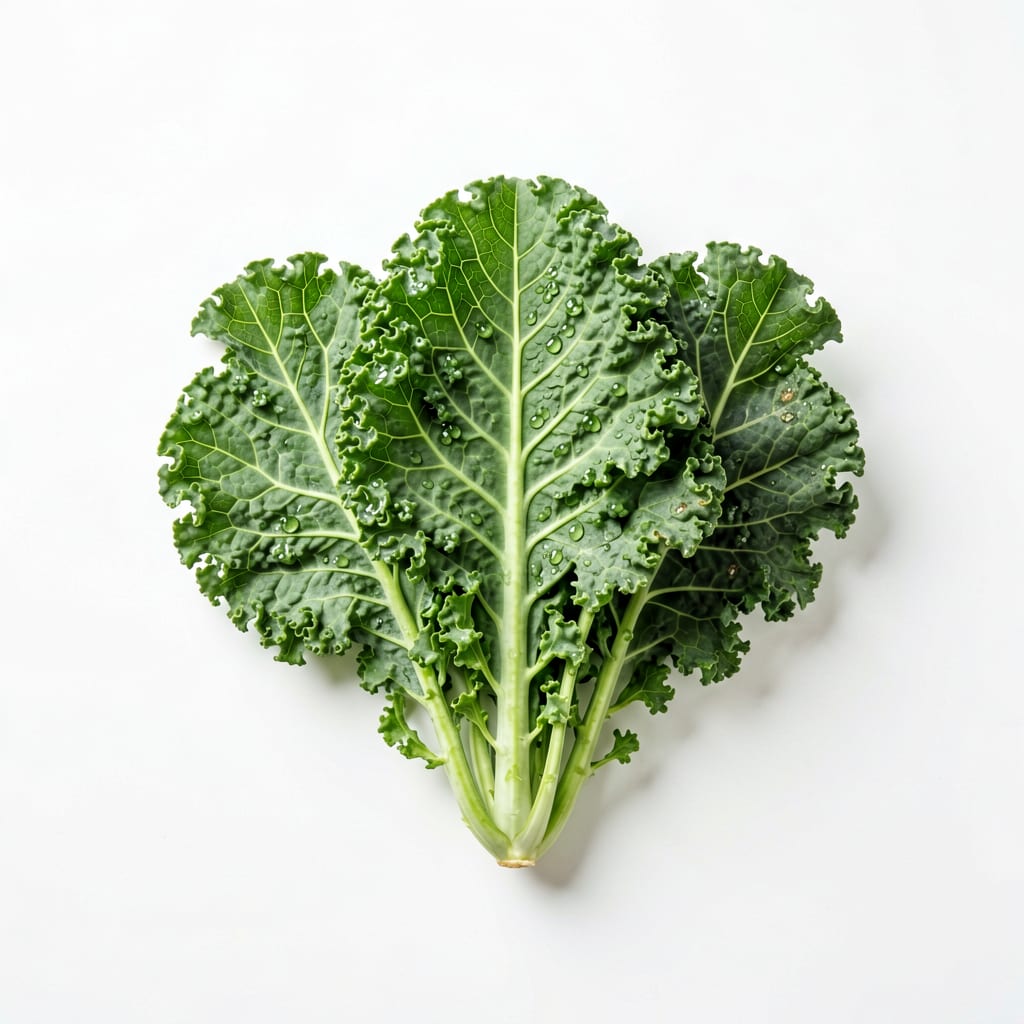
Compare with
Kale
Kale is a nutrient powerhouse safe to eat raw, whereas Toona sinensis is lower in calories but must be blanched due to nitrite content.
Kale is a nutrient powerhouse safe to eat raw, whereas Toona sinensis is lower in calories but must be blanched due to nitrite content.
This food
Toona Sinensis
VS90% alike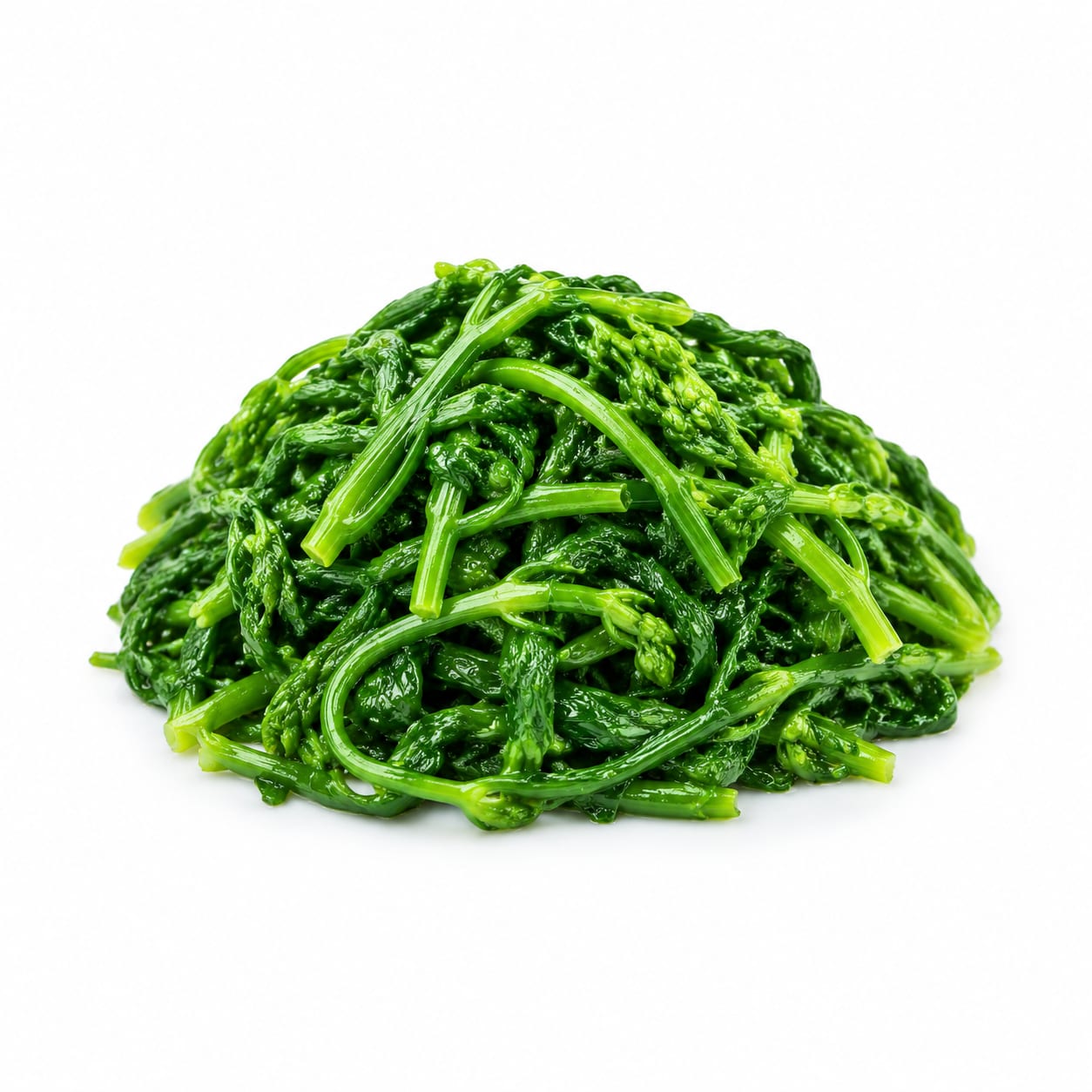
Compare with
Chrysanthemum Greens
Chrysanthemum greens have a floral, slightly bitter taste, while Toona sinensis offers an onion-garlic aroma; both are low-calorie Asian greens.
Chrysanthemum greens have a floral, slightly bitter taste, while Toona sinensis offers an onion-garlic aroma; both are low-calorie Asian greens.
This food
Toona Sinensis
VS75% alike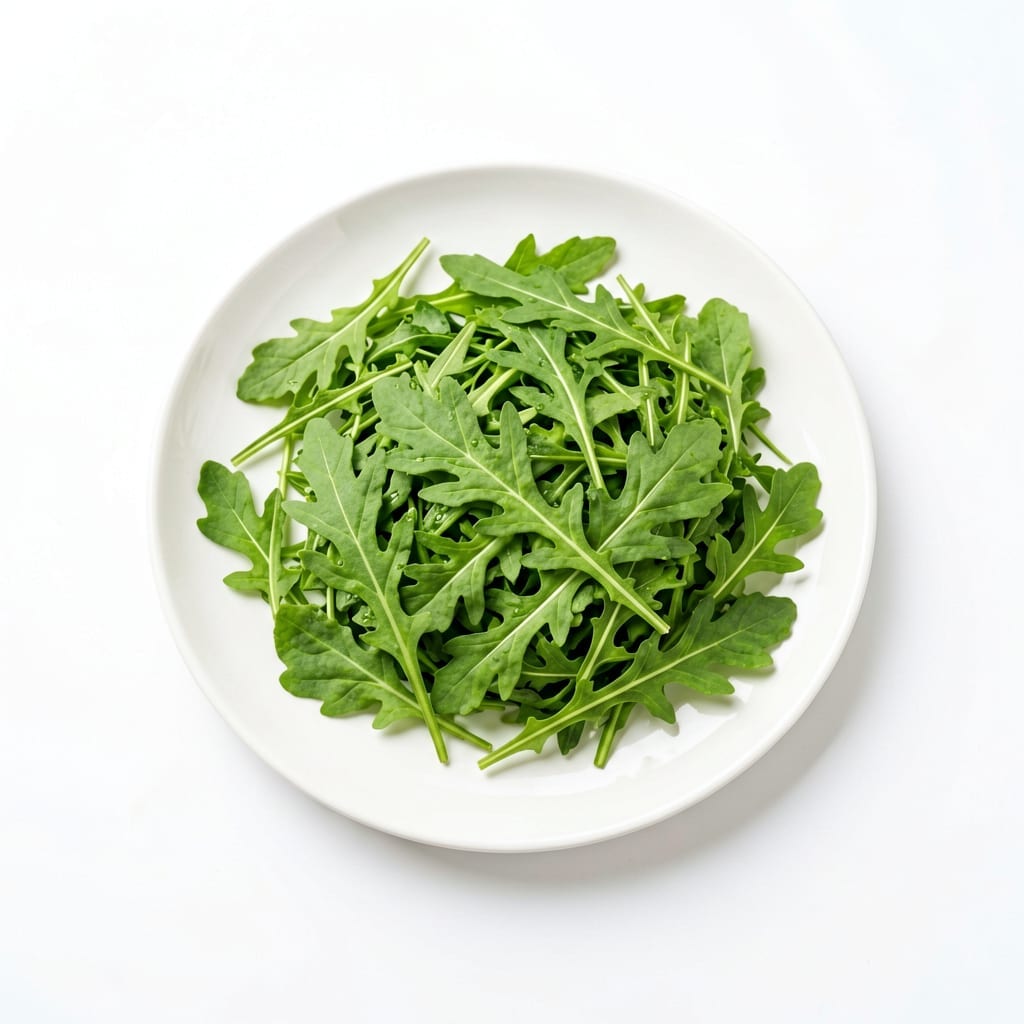
Compare with
Arugula
Arugula is peppery and eaten raw in salads, while Toona sinensis has a savory, allium-like flavor and must be blanched before eating.
Arugula is peppery and eaten raw in salads, while Toona sinensis has a savory, allium-like flavor and must be blanched before eating.
This food
Toona Sinensis
VS85% alike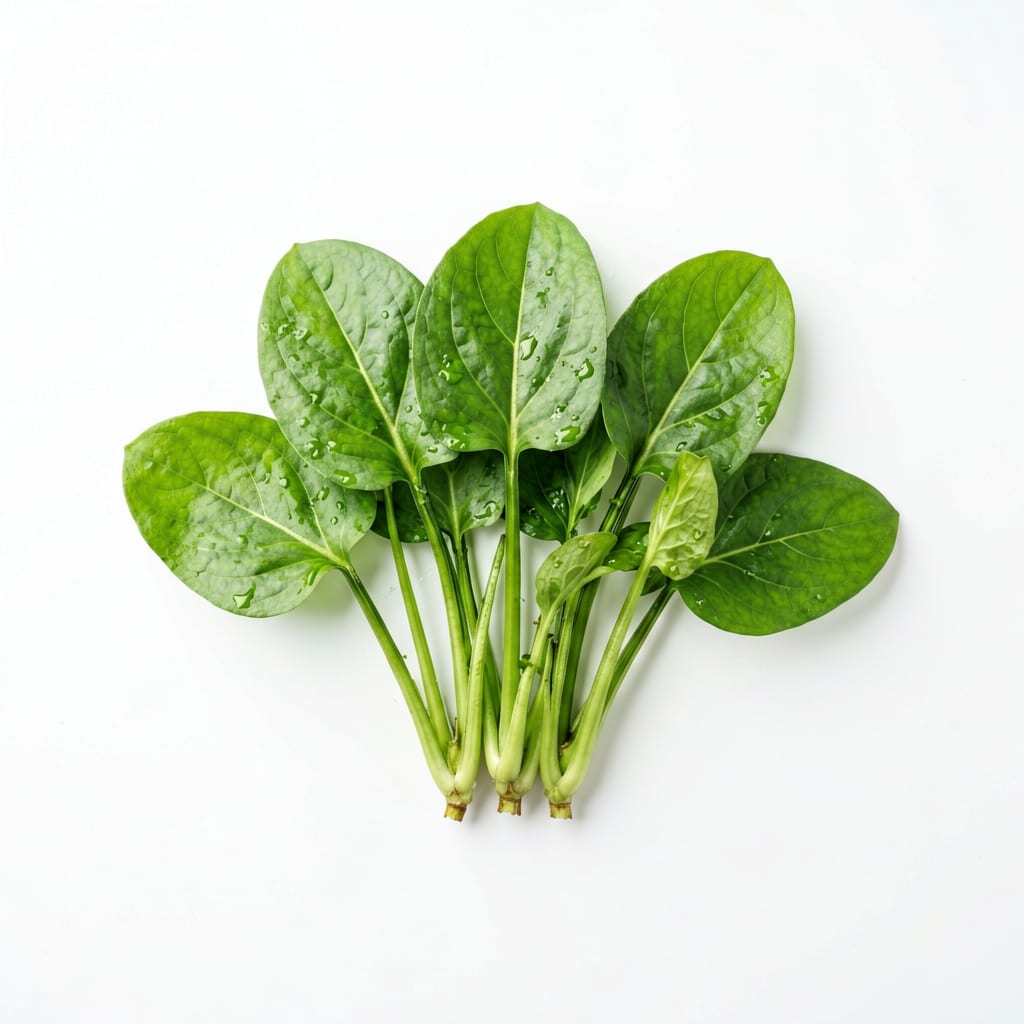
Compare with
Water Spinach
Water spinach is a mild, high-yield green, while Toona sinensis is a seasonal, intensely flavored green that requires careful preparation.
Water spinach is a mild, high-yield green, while Toona sinensis is a seasonal, intensely flavored green that requires careful preparation.
This food
Toona Sinensis
VS80% alike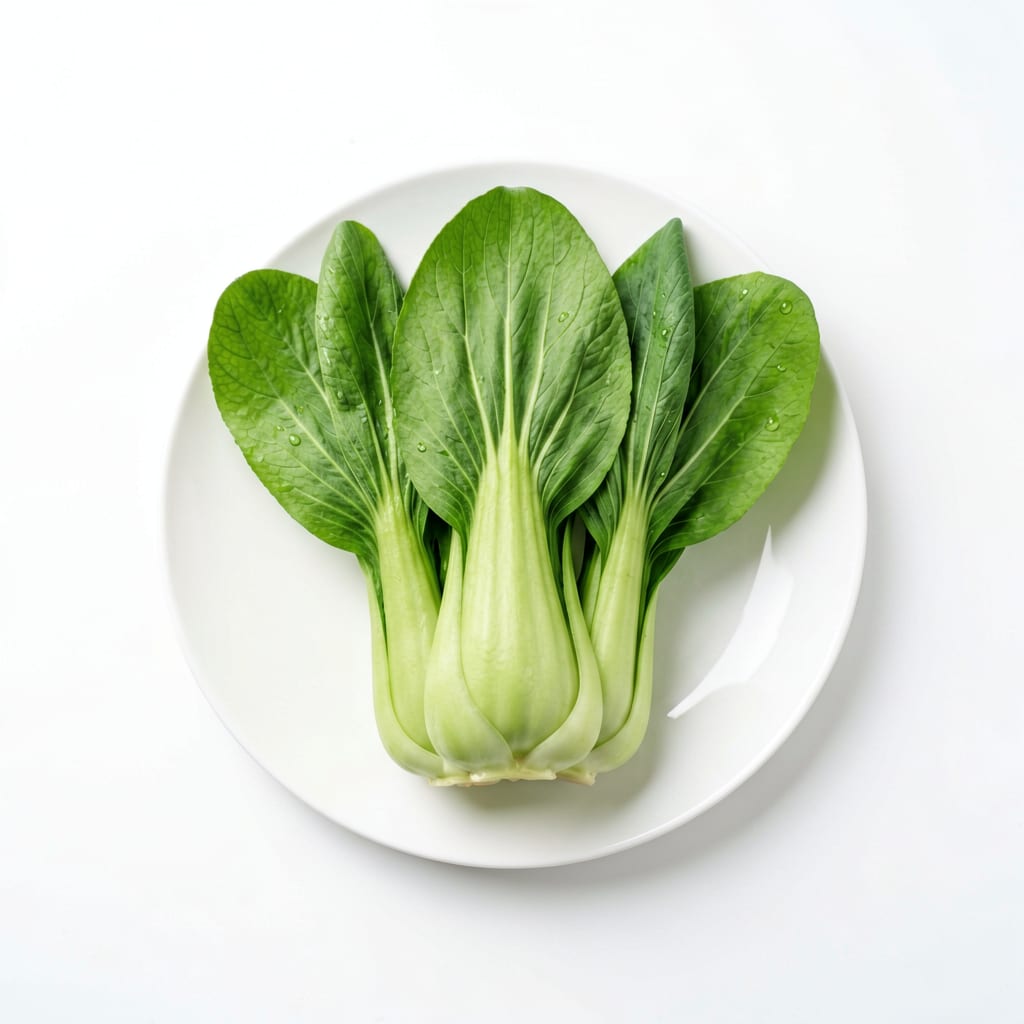
Compare with
Bok Choy
Bok choy offers a mild, crisp texture ideal for quick stir-fries, while Toona sinensis delivers a pungent flavor best suited for egg dishes.
Bok choy offers a mild, crisp texture ideal for quick stir-fries, while Toona sinensis delivers a pungent flavor best suited for egg dishes.
This food
Toona Sinensis
VS85% alike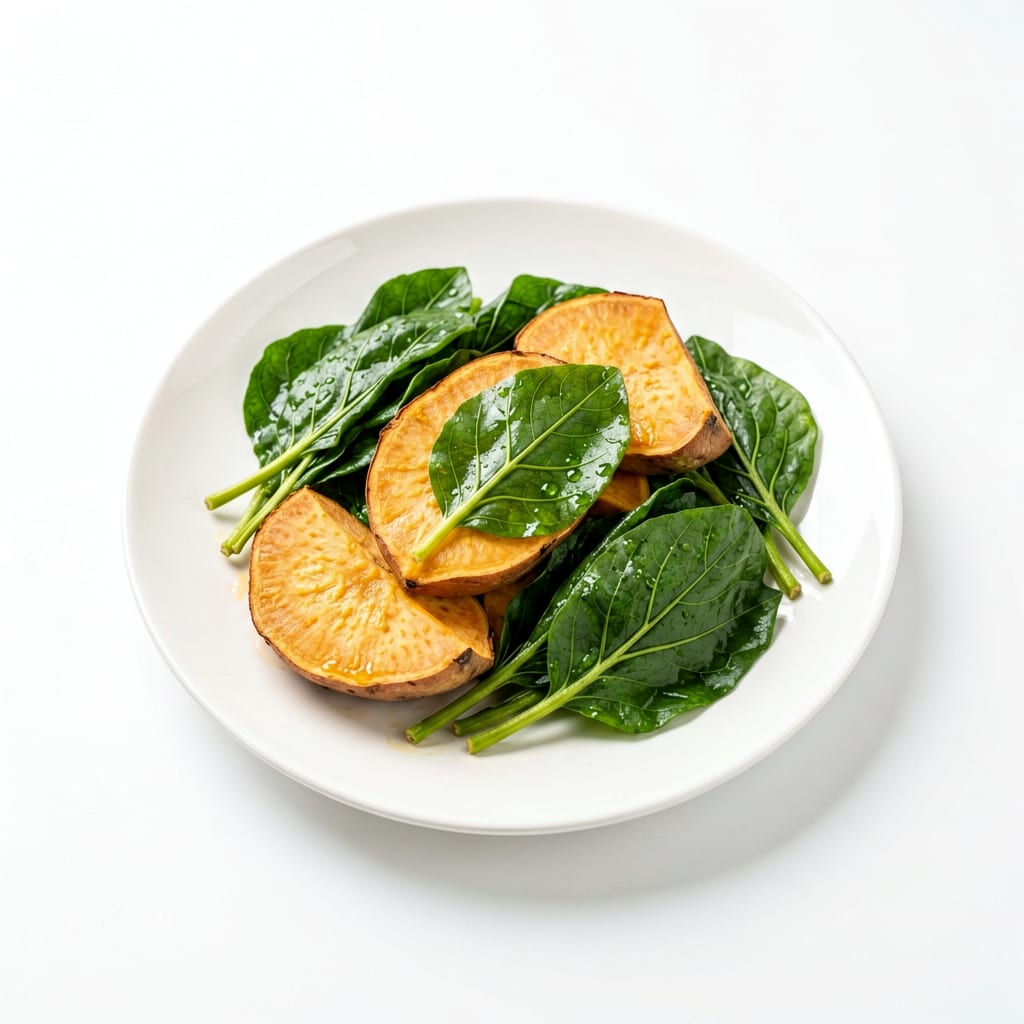
Compare with
Sweet Potato Leaves
Sweet potato leaves are a mild, fibrous green safe to cook directly, whereas Toona sinensis requires blanching to neutralize nitrites before cooking.
Sweet potato leaves are a mild, fibrous green safe to cook directly, whereas Toona sinensis requires blanching to neutralize nitrites before cooking.
This food
Toona Sinensis
VS70% alike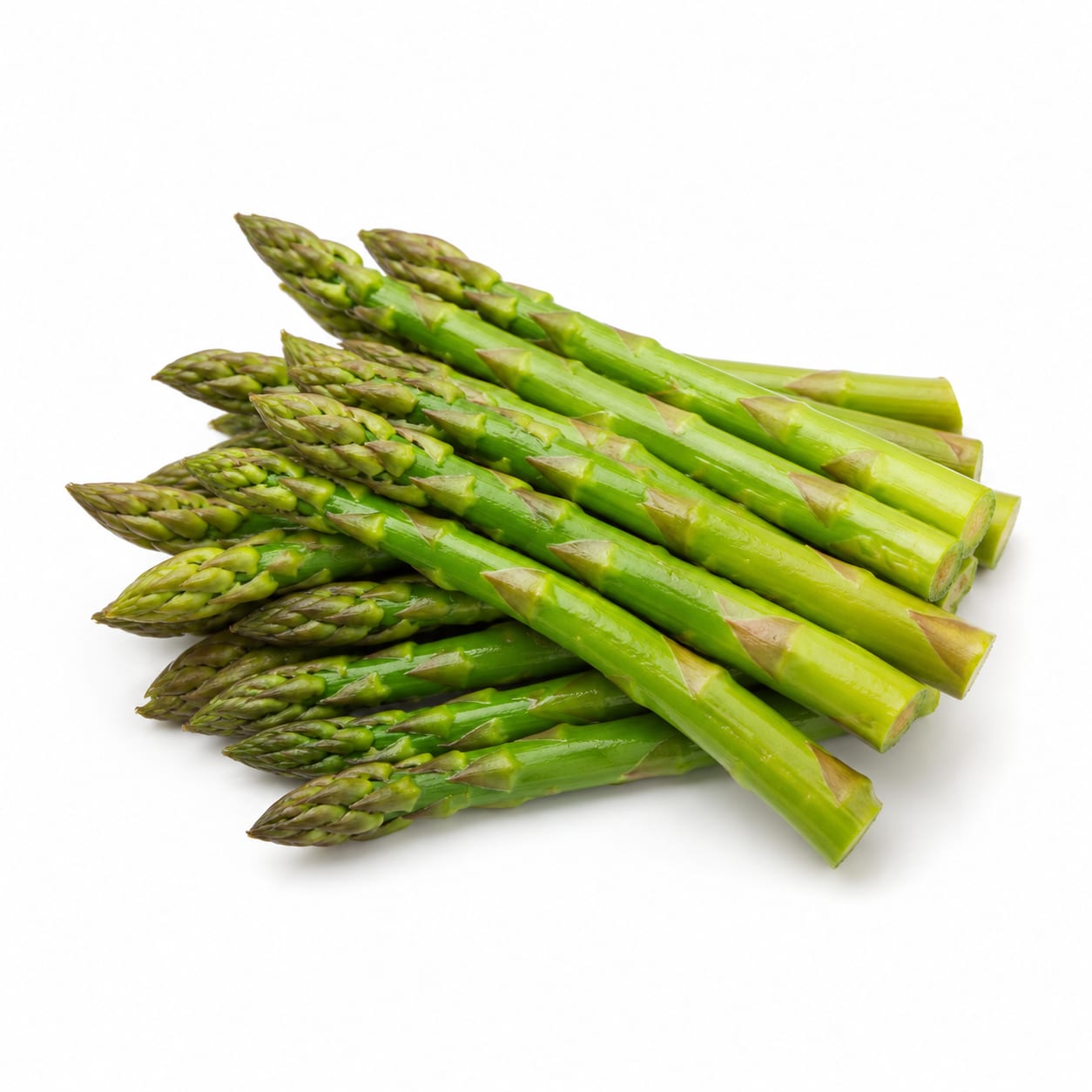
Compare with
Asparagus
Asparagus provides more fiber and protein per serving, while Toona sinensis is lower in calories and offers a more pungent, savory flavor.
Asparagus provides more fiber and protein per serving, while Toona sinensis is lower in calories and offers a more pungent, savory flavor.
This food
Toona Sinensis
VS75% alike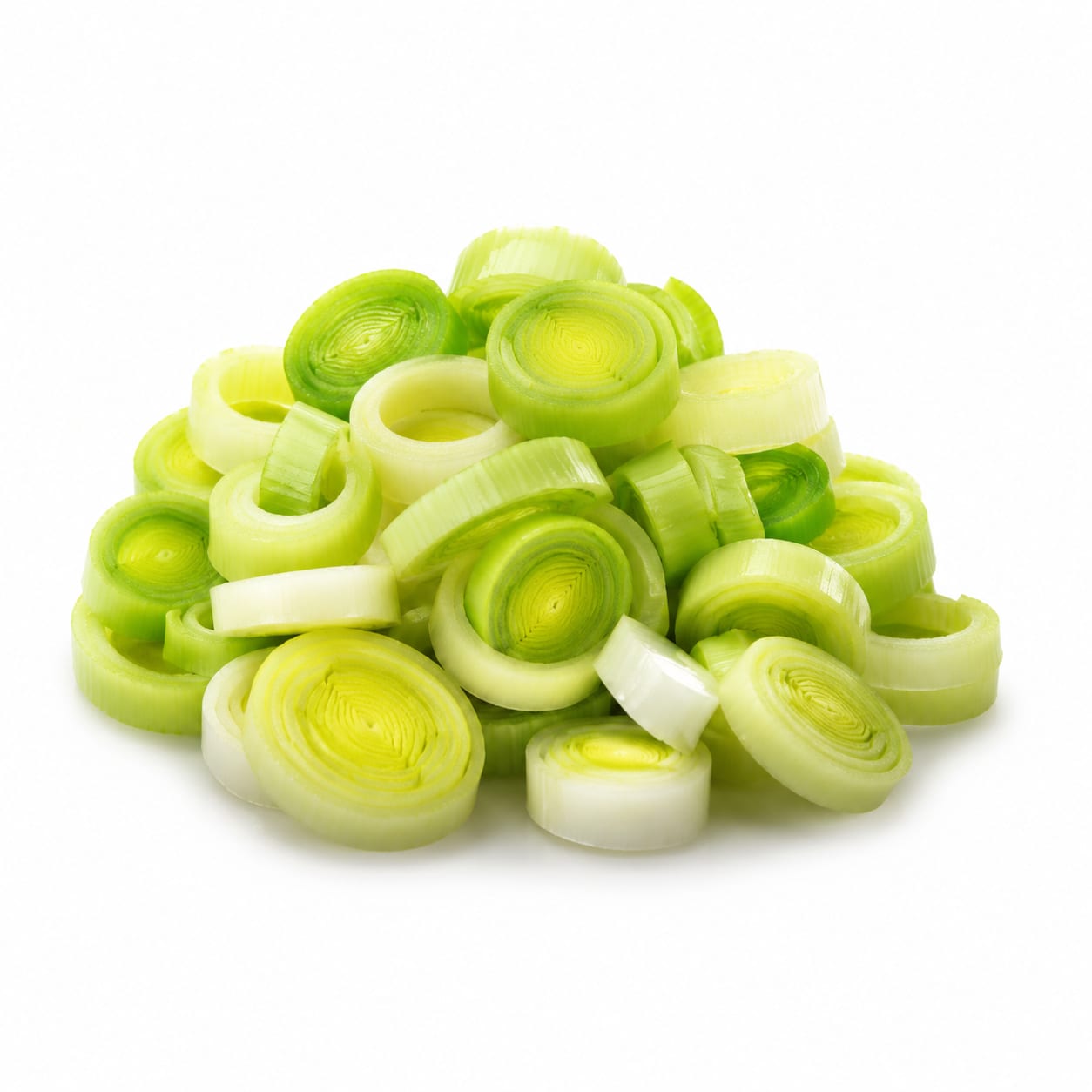
Compare with
Leeks
Leeks offer a mild onion flavor and more fiber, while Toona sinensis is much lower in calories and carbs with a stronger, more complex savory taste.
Leeks offer a mild onion flavor and more fiber, while Toona sinensis is much lower in calories and carbs with a stronger, more complex savory taste.
This food
Toona Sinensis
VS70% alike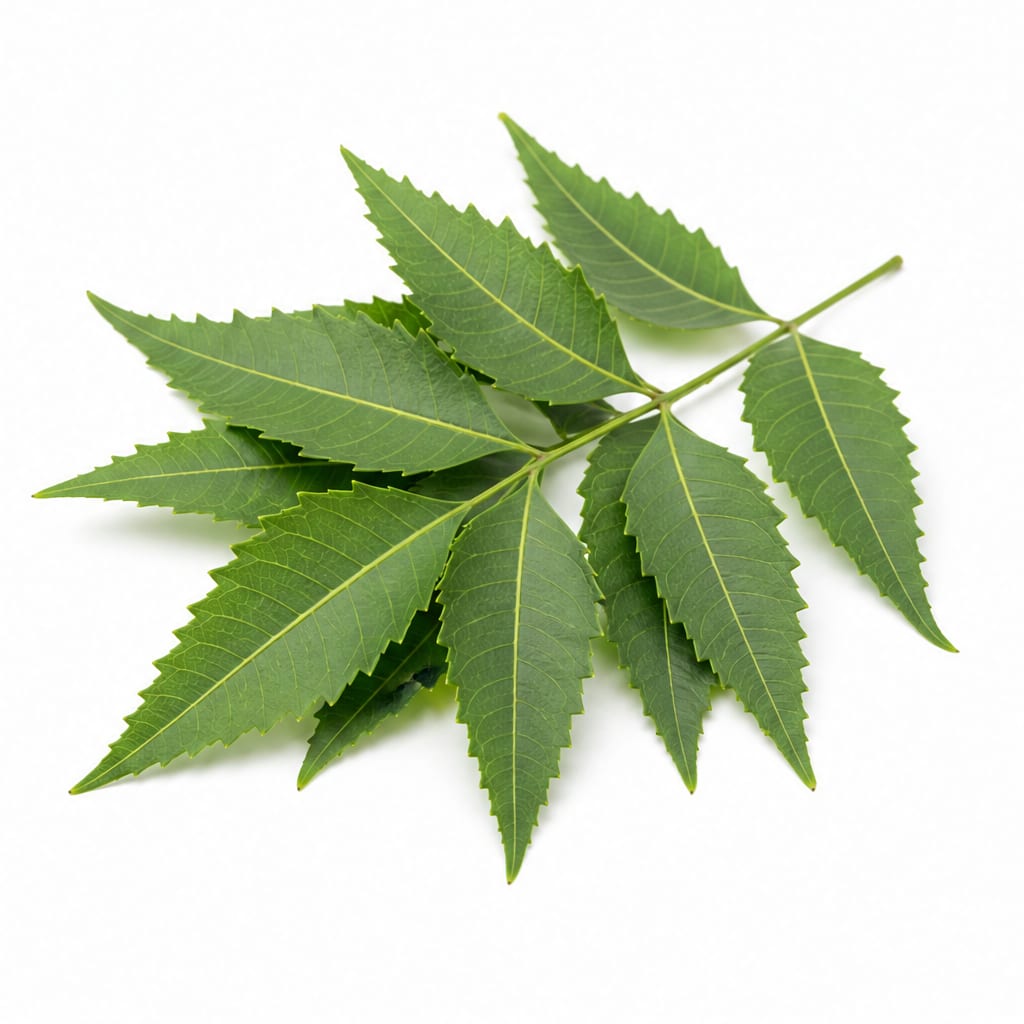
Compare with
Neem Leaves
Neem leaves are intensely bitter and used medicinally, while Toona sinensis is savory and aromatic, making it more suitable as a culinary vegetable.
Neem leaves are intensely bitter and used medicinally, while Toona sinensis is savory and aromatic, making it more suitable as a culinary vegetable.
Common questions
FAQ
Answers aligned with how people search for this food.
Can you eat Toona sinensis raw?
No, it should always be blanched first. Fresh Toona sinensis contains high levels of natural nitrites, which can be harmful in large amounts. Blanching removes the majority of these nitrites.
What does Toona sinensis taste like?
It has a unique, pungent, onion-like or garlicky flavor with earthy notes, often compared to a cross between leeks and cedar.
How do you remove nitrites from Xiangchun?
Blanching the leaves in boiling water for 30 to 60 seconds removes up to 80% of the nitrites. Always discard the blanching water.
Is Toona sinensis good for weight loss?
Yes, it is very low in calories and carbohydrates while providing fiber and volume, which helps promote satiety without excess calorie intake.
What are the health benefits of Chinese mahogany leaves?
They are rich in antioxidants, vitamin C, and vitamin E, which support immune function, reduce inflammation, and protect cells from oxidative stress.
Can diabetics eat Toona sinensis?
Yes, it has a very low glycemic index and load. It will not spike blood sugar levels and is a safe, flavorful addition to a diabetic diet when properly blanched.
Why does Toona sinensis need to be blanched?
Fresh leaves contain high levels of nitrites that can form harmful compounds or cause methemoglobinemia if consumed in large amounts. Blanching makes them safe to eat.
Is Toona sinensis the same as neem?
No, they are different plants. Neem is Azadirachta indica and is much more bitter, while Toona sinensis belongs to the mahogany family and has a savory, aromatic flavor.
Transparency
Data confidence
Estimated confidence for nutrition data, interpretation, safety notes, and comparisons.
Nutrition data
Health analysis
Food safety
Comparisons