
Nutrition comparison
Toona Sinensis vs Spinach: Which Leafy Green Is Better for You?
Compare Toona Sinensis and Spinach on nutrition, safety, antioxidants, and everyday practicality. Find out which green deserves a daily spot on your plate.
Overall winner · Spinach
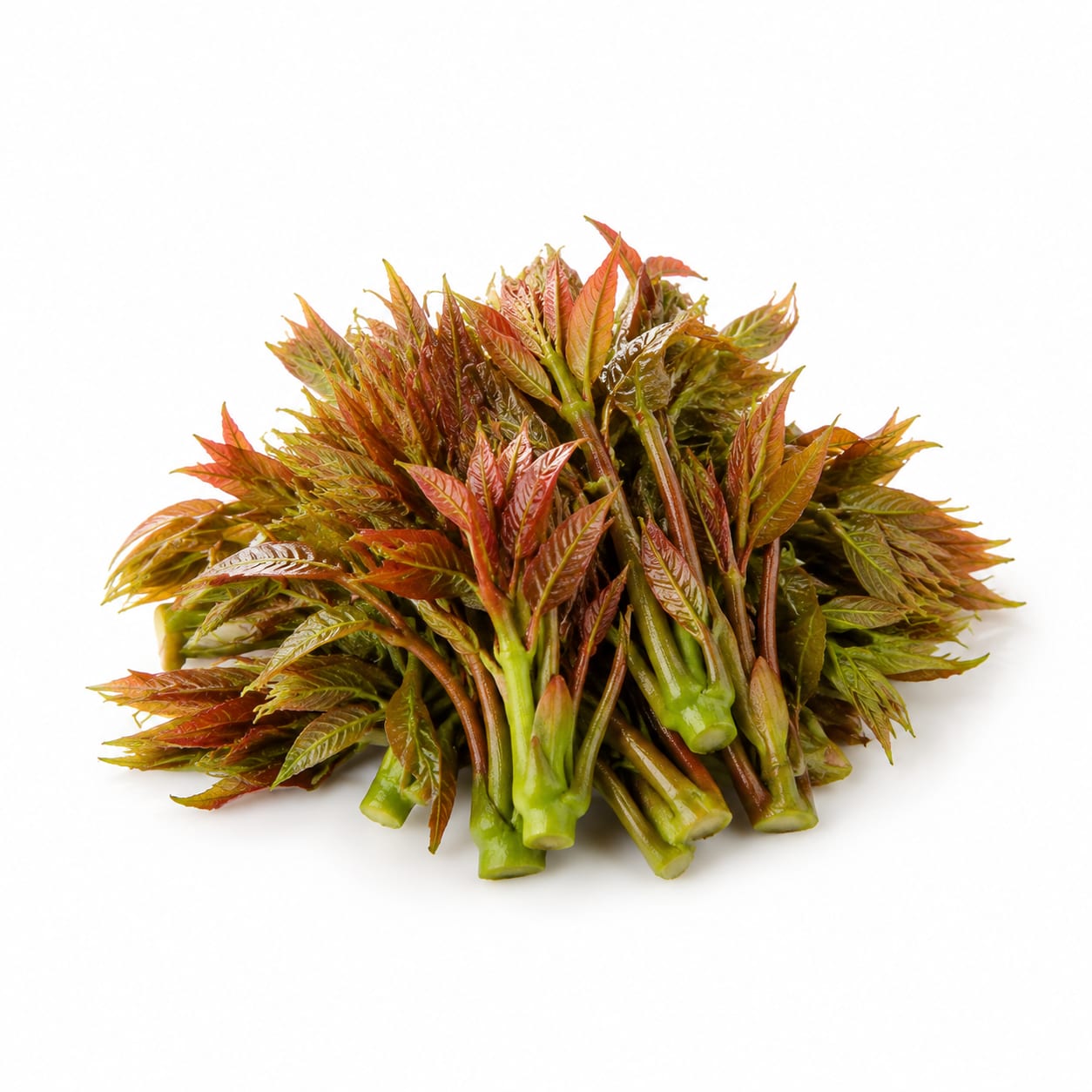
Toona Sinensis
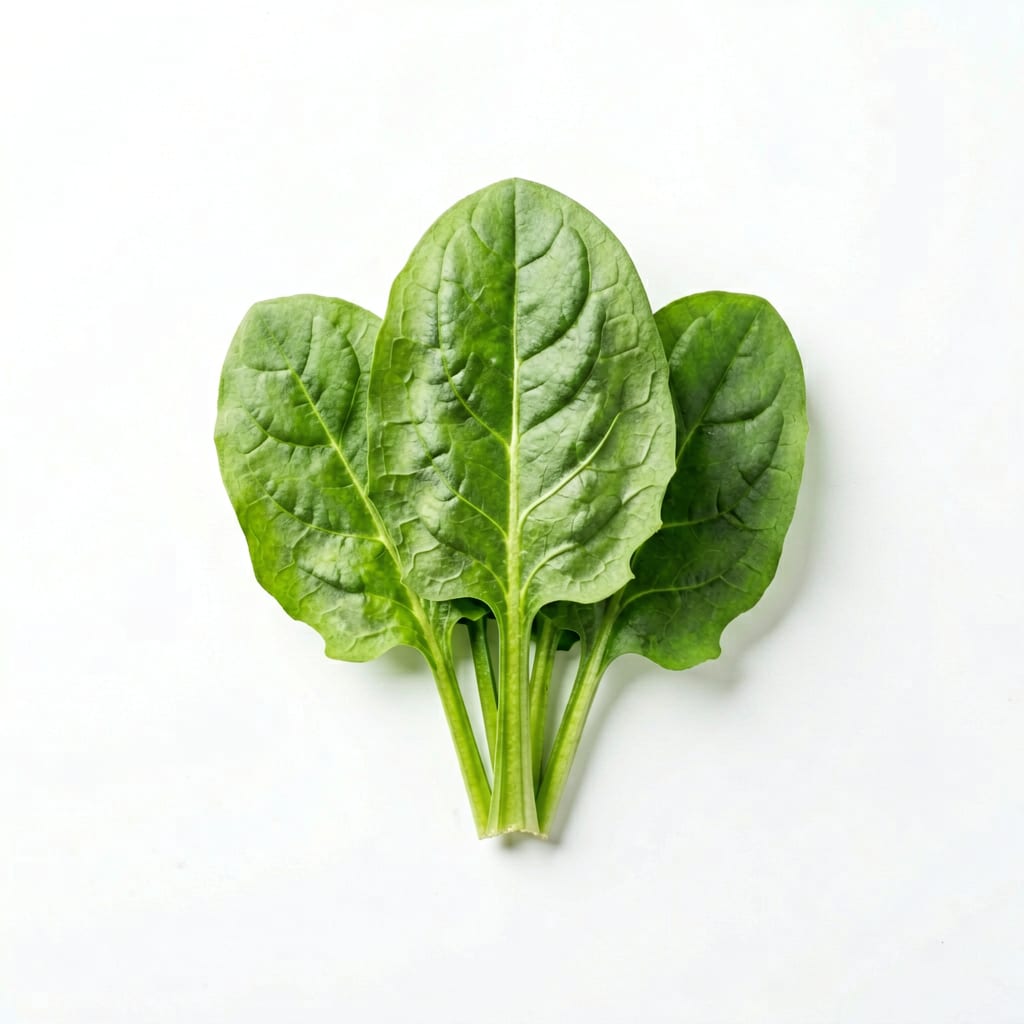
Spinach
Spinach wins for everyday reliability and safety, but Toona Sinensis offers unique antioxidants and traditional medicinal value when properly prepared.
Spinach scores higher due to year-round availability, lower safety risks, and broader culinary flexibility. Toona Sinensis earns strong marks for unique antioxidants but loses ground on nitrite concerns, seasonal scarcity, and limited everyday usability.
Toona Sinensis delivers rarer bioactive compounds and stronger antioxidant potential, but requires careful blanching to reduce nitrites and is far harder to find fresh.
At a glance
Executive summary
Overall
Spinach
Healthier
Spinach
More practical
Spinach
Daily use
Spinach
Key comparison lenses
leafy green nutritional superiority
Both are nutrient-dense leafy greens, so users want to know which delivers more health value per bite
safety and toxicity concerns
Toona Sinensis carries well-documented nitrite risks that require blanching, while spinach has oxalate concerns for kidney stone-prone individuals
everyday practicality and accessibility
Spinach is available year-round globally; Toona Sinensis is seasonal and regional, making daily use unrealistic for most people
antioxidant and bioactive compound comparison
Toona Sinensis contains unique gallic acid and quercetin derivatives not found in common greens, which may offer distinct anti-inflammatory benefits
culinary versatility
Spinach works raw or cooked in countless dishes; Toona Sinensis has a polarizing aroma and limited culinary applications
Best choice for
Toona Sinensis
- People seeking novel anti-inflammatory compounds like gallic acid and toonacrine
- Traditional Chinese medicine enthusiasts who value its warming properties
- Culinary adventurers wanting a distinctive aromatic green in spring dishes
- Those looking for seasonal variety beyond common leafy greens
Spinach
- Anyone wanting a reliable daily leafy green with proven health benefits
- People managing blood pressure who benefit from consistent dietary nitrates
- Meal preppers needing a versatile green that works raw or cooked
- Families wanting a kid-friendly, widely available nutrient source
Least suitable for
Toona Sinensis
- People with gout or uric acid concerns due to purine content
- Anyone unfamiliar with proper blanching technique to remove nitrites
- Those who need a consistent year-round green for daily meals
- Households with limited access to Asian specialty markets
Spinach
- People prone to calcium oxalate kidney stones who need low-oxalate diets
- Anyone on blood thinners like warfarin who must monitor vitamin K intake
- Those with severe iron absorption issues who find oxalates worsen uptake
Deep comparison
Dimension by dimension
Each lens scores both foods and breaks down who each option suits.
- Dimension 1 · Priority 90Spinach
nutrient_density
Toona Sinensis · 75Spinach · 88Spinach provides a more complete micronutrient profile with especially high folate, vitamin K, and iron per serving.
Tradeoff
Toona Sinensis has impressive vitamin E and unique polyphenols, but its overall vitamin and mineral spread is narrower than spinach.
Why it matters
A broader nutrient profile means fewer dietary gaps when eaten regularly as part of a vegetable rotation.
Real-world impact
Eating spinach daily reliably covers multiple vitamin needs; Toona Sinensis covers some but leaves gaps that other foods must fill.
Toona Sinensis
- Vitamin E intake from a leafy green source
- Unique polyphenols like gallic acid with emerging anti-inflammatory research
Better for
- Lower folate content limits prenatal nutrition value
- Inconsistent nutrient levels depending on harvest timing and preparation
Worse for
Spinach
- Folate needs during pregnancy or general cellular repair
- Vitamin K for bone and blood clotting health
- Iron intake from a widely accessible plant source
Better for
- Oxalates reduce bioavailability of its own iron and calcium
- Vitamin K spikes can interfere with anticoagulant medications
Worse for
- Dimension 2 · Priority 88Spinach
safety_and_contamination_risk
Toona Sinensis · 55Spinach · 78Toona Sinensis carries significant nitrite risk if not properly blanched, while spinach's main safety concern is oxalates which affect a smaller population.
Tradeoff
Toona Sinensis demands specific preparation knowledge to eat safely; spinach requires only basic washing and is safer for the general population.
Why it matters
Food safety preparation barriers directly affect whether people actually eat a vegetable regularly or avoid it.
Real-world impact
Improperly prepared Toona Sinensis can cause methemoglobinemia symptoms; spinach risks are mostly limited to kidney stone formers.
Toona Sinensis
- Lower pesticide residue when sourced from traditional small-scale growers
Better for
- High nitrite levels if consumed without blanching can cause oxygen transport issues
- Allergic reactions reported in sensitive individuals
- Seasonal quality variation increases uncertainty about safety
Worse for
Spinach
- Lower acute toxicity risk for the general population
- Established food safety guidelines widely available
- Less preparation-dependent safety profile
Better for
- High oxalate content dangerous for kidney stone formers
- Conventionally grown spinach often appears on EWG's Dirty Dozen list for pesticide residues
Worse for
- Dimension 3 · Priority 82Toona Sinensis
antioxidant_and_anti_inflammatory_potential
Toona Sinensis · 89Spinach · 76Toona Sinensis contains rare bioactive compounds like toonacrine and gallic acid derivatives with stronger measured antioxidant activity than common greens.
Tradeoff
These unique compounds come with less human clinical evidence compared to the well-studied lutein and zeaxanthin in spinach.
Why it matters
Stronger antioxidant capacity may help combat oxidative stress, but proven benefits matter more than in-vitro potency.
Real-world impact
Toona Sinensis could offer anti-aging and anti-inflammatory advantages, but spinach's eye-health carotenoids have clearer real-world outcomes.
Toona Sinensis
- Higher total antioxidant capacity in lab measurements
- Unique compounds like quercetin derivatives and toonacrine not found in common greens
- Traditional use evidence for inflammatory conditions
Better for
- Most antioxidant evidence comes from lab studies, not human trials
- Blanching to remove nitrites also reduces some heat-sensitive antioxidants
Worse for
Spinach
- Lutein and zeaxanthin with strong clinical evidence for eye health
- Consistent chlorophyll content supporting detoxification pathways
- Better researched anti-inflammatory mechanisms in human studies
Better for
- Less total antioxidant capacity compared to specialty greens like Toona Sinensis
Worse for
- Dimension 4 · Priority 85Spinach
availability_and_practicality
Toona Sinensis · 35Spinach · 95Spinach is available in every grocery store year-round; Toona Sinensis is a spring-seasonal specialty found mainly in Asian markets.
Tradeoff
You can build consistent daily habits around spinach; Toona Sinensis is more of a seasonal treat than a staple.
Why it matters
The healthiest vegetable is the one you can actually buy and eat consistently.
Real-world impact
Spinach can be a weekly grocery staple anywhere; Toona Sinensis requires planning, specialty shopping, and seasonal awareness.
Toona Sinensis
- Offers exciting seasonal eating experiences in spring
- Preserved versions available but with reduced nutrient quality
Better for
- Fresh availability limited to roughly 4-6 weeks per year
- Difficult to find outside regions with Chinese communities
- Cannot be relied upon as a consistent dietary staple
Worse for
Spinach
- Available fresh, frozen, and canned in virtually every grocery store
- Year-round consistency supports daily dietary habits
- Multiple forms suit different cooking needs and storage situations
Better for
- No exciting seasonal novelty factor
Worse for
- Dimension 5 · Priority 72Spinach
culinary_versatility
Toona Sinensis · 45Spinach · 90Spinach works in salads, smoothies, soups, stir-fries, and baked dishes; Toona Sinensis has a strong divisive aroma and limited traditional pairings.
Tradeoff
Spinach quietly adapts to any meal; Toona Sinensis demands the spotlight and limits what it pairs with.
Why it matters
Versatility determines how often a food actually gets eaten versus sitting unused in the fridge.
Real-world impact
Spinach disappears into smoothies and pasta effortlessly; Toona Sinensis needs egg stir-fries or specific traditional recipes to shine.
Toona Sinensis
- Distinctive aromatic flavor prized in specific Chinese dishes
- Creates memorable seasonal meals when paired with eggs or tofu
Better for
- Polarizing flavor not universally enjoyed
- Limited to mostly Chinese regional recipes
- Cannot be eaten raw due to nitrite concerns
Worse for
Spinach
- Works raw in salads and smoothies without cooking
- Mild flavor adapts to virtually any cuisine or recipe
- Shrinks down easily for cooking, making portion control simple
Better for
- Can feel bland or watery if overcooked
- High shrinkage rate means you need large quantities raw
Worse for
- Dimension 6 · Priority 70Spinach
digestive_tolerance
Toona Sinensis · 62Spinach · 72Both greens can cause digestive issues for specific populations, but spinach is generally better tolerated when cooked.
Tradeoff
Toona Sinensis requires blanching for safety which also aids digestion, but its strong compounds can still upset sensitive stomachs.
Why it matters
A nutrient-dense food that causes bloating or discomfort gets dropped from the diet regardless of its theoretical benefits.
Real-world impact
Most people tolerate cooked spinach well; Toona Sinensis occasionally causes stomach upset or allergic reactions in unaccustomed eaters.
Toona Sinensis
- Traditional preparation methods naturally improve digestibility
- Moderate fiber content gentle on most digestive systems when blanched
Better for
- Allergic reactions possible in first-time consumers
- Strong volatile compounds can irritate sensitive stomachs
- Improper preparation increases digestive distress risk
Worse for
Spinach
- Cooking reduces oxalates significantly for sensitive individuals
- Widely consumed globally with well-understood tolerance patterns
- Baby spinach varieties especially easy to digest
Better for
- Raw spinach oxalates cause bloating in oxalate-sensitive people
- Large quantities can cause stomach discomfort due to rough fiber
Worse for
Timeline
Health impact over time
Short-term
Hours to days
Toona Sinensis
- Blanching requirement means you must plan ahead before eating
- Strong aroma can cause mild nausea in sensitive individuals
- Improper preparation risks nitrite-related symptoms like headache or dizziness
Spinach
- Eating large amounts raw may cause bloating from oxalates and fiber
- Quick energy boost from readily available B vitamins and iron
- Immediate satiety from volume and fiber content
Long-term
Months to years
Toona Sinensis
- Unique polyphenols may offer anti-aging benefits with regular seasonal consumption
- Traditional medicine links it to improved circulation and reduced inflammation
- Seasonal availability limits cumulative exposure to any single compound
Spinach
- Consistent lutein intake supports long-term eye health and macular degeneration prevention
- Regular folate intake supports cardiovascular health and DNA repair
- Daily vitamin K consumption strengthens bone density over decades
Risk profile
Safety & processing
Both are whole, minimally processed plant foods. Toona Sinensis is typically sold fresh or briefly salt-preserved; spinach is sold fresh, frozen, or canned with minimal additives. Neither raises ultra-processing concerns.
Toona Sinensis
Nitrite accumulation
highToona Sinensis naturally contains high nitrite levels, especially as it ages. Without blanching in boiling water for at least 30-60 seconds, nitrites can convert to methemoglobin-inducing compounds, reducing blood oxygen transport.
Allergic reactions
mediumSome individuals experience contact dermatitis or oral allergy syndrome from Toona Sinensis, particularly those with sensitivities to other aromatic plants.
Improper storage and aging
mediumNitrite levels increase as leaves age and wilt, making freshness critical. Leaves stored too long become progressively more dangerous to consume without thorough blanching.
Spinach
Oxalate kidney stones
mediumSpinach is high in oxalates, which bind to calcium and can form kidney stones in susceptible individuals. Boiling reduces oxalate content by 30-87% depending on duration.
Pesticide residues
mediumConventionally grown spinach frequently appears on the EWG Dirty Dozen list. Washing helps but does not eliminate all residues. Organic spinach significantly reduces this concern.
Vitamin K and medication interactions
lowHigh vitamin K content can interfere with warfarin and other anticoagulants. Consistent intake rather than sporadic large amounts is key for those on blood thinners.
Who wins for whom
Audience fit
Same foods, different winners depending on your goal.
children
SpinachMild-flavored spinach hides easily in smoothies, pasta, and sauces. Toona Sinensis has a strong taste most children reject and carries higher safety risks if improperly prepared.
daily consumption
SpinachYear-round availability, lower safety barriers, and proven long-term health outcomes make spinach the clear daily staple choice.
diabetes
SpinachSpinach has extremely low glycemic impact and high magnesium content, which supports insulin sensitivity. Its consistent availability helps maintain stable dietary patterns.
elderly
SpinachSpinach's vitamin K supports bone density, its lutein protects aging eyes, and its soft texture when cooked suits elderly diets. Toona Sinensis's nitrite risks are more concerning for older bodies.
muscle gain
SpinachSpinach offers more iron and folate to support oxygen transport and recovery, plus its versatility makes it easier to pair with protein sources daily.
weight loss
SpinachSpinach provides more volume per calorie, is available year-round for consistent habits, and works in low-calorie meals from smoothies to salads.
Your move
Decision guide
Choose Toona Sinensis
- You have access to fresh Toona Sinensis in spring and want to explore traditional Chinese culinary heritage
- You are specifically seeking its unique anti-inflammatory compounds like gallic acid and toonacrine
- You enjoy bold aromatic flavors and know how to blanch properly to reduce nitrites
- You want seasonal variety and can source it from trusted suppliers
Choose Spinach
- You need a reliable daily leafy green that works in any meal
- You want proven eye health, bone health, and cardiovascular benefits backed by decades of research
- You are meal prepping or cooking for a family with diverse tastes
- You have kidney stone concerns and will cook your spinach to reduce oxalates
Either works if
- You simply want more leafy greens in your diet and enjoy variety
- You are comfortable cooking both and alternating based on seasonal availability
- Neither is a dietary staple for you and both are occasional additions
Avoid both if
- You are on a low-oxalate diet for kidney stone prevention and cannot reliably cook either green
- You take warfarin and struggle with consistent vitamin K intake management
- You have known allergies to either plant family
Final recommendation
Make spinach your everyday green for its reliability, safety, and proven health benefits. When spring arrives and fresh Toona Sinensis appears at Asian markets, enjoy it as a seasonal treat—properly blanched—for its unique flavor and rare antioxidants. Think of spinach as your daily multivitamin and Toona Sinensis as your seasonal specialty supplement.
Practical
Consumer tips
- 1
Always blanch Toona Sinensis in boiling water for at least 30-60 seconds, then discard the water, before using in any recipe
- 2
Boil spinach for 1-2 minutes and drain the water if you are oxalate-sensitive; this removes up to 87% of oxalates
- 3
Choose organic spinach when possible to avoid pesticide residues, especially if eating it raw
- 4
Use Toona Sinensis within 1-2 days of purchase as nitrite levels increase rapidly with aging
- 5
Pair Toona Sinensis with eggs in a classic stir-fry—the protein and fat balance its strong flavor beautifully
- 6
Add a squeeze of lemon to spinach dishes to enhance iron absorption from non-heme sources
- 7
Freeze spinach in portions for smoothies—it wilts down dramatically and frozen works just as well as fresh for blended drinks
- 8
If trying Toona Sinensis for the first time, start with a small amount to test for any allergic reaction