
Nutrition comparison
Toona Sinensis vs Water Spinach: Nutrition, Safety, and Which Green to Choose
Compare Toona Sinensis and Water Spinach side by side. Learn which leafy green offers better antioxidants, which is safer for daily use, and how to prepare each one correctly.
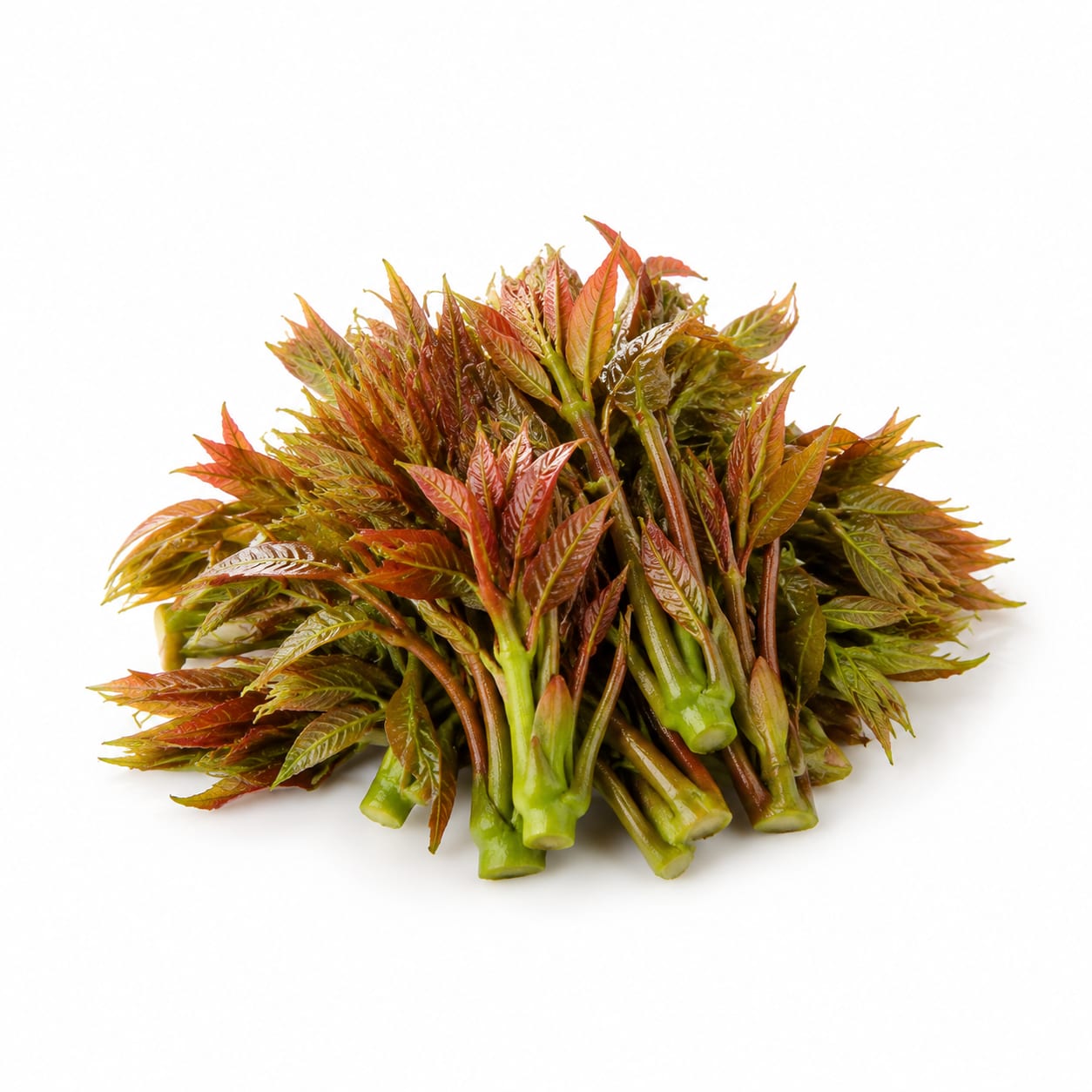
Toona Sinensis
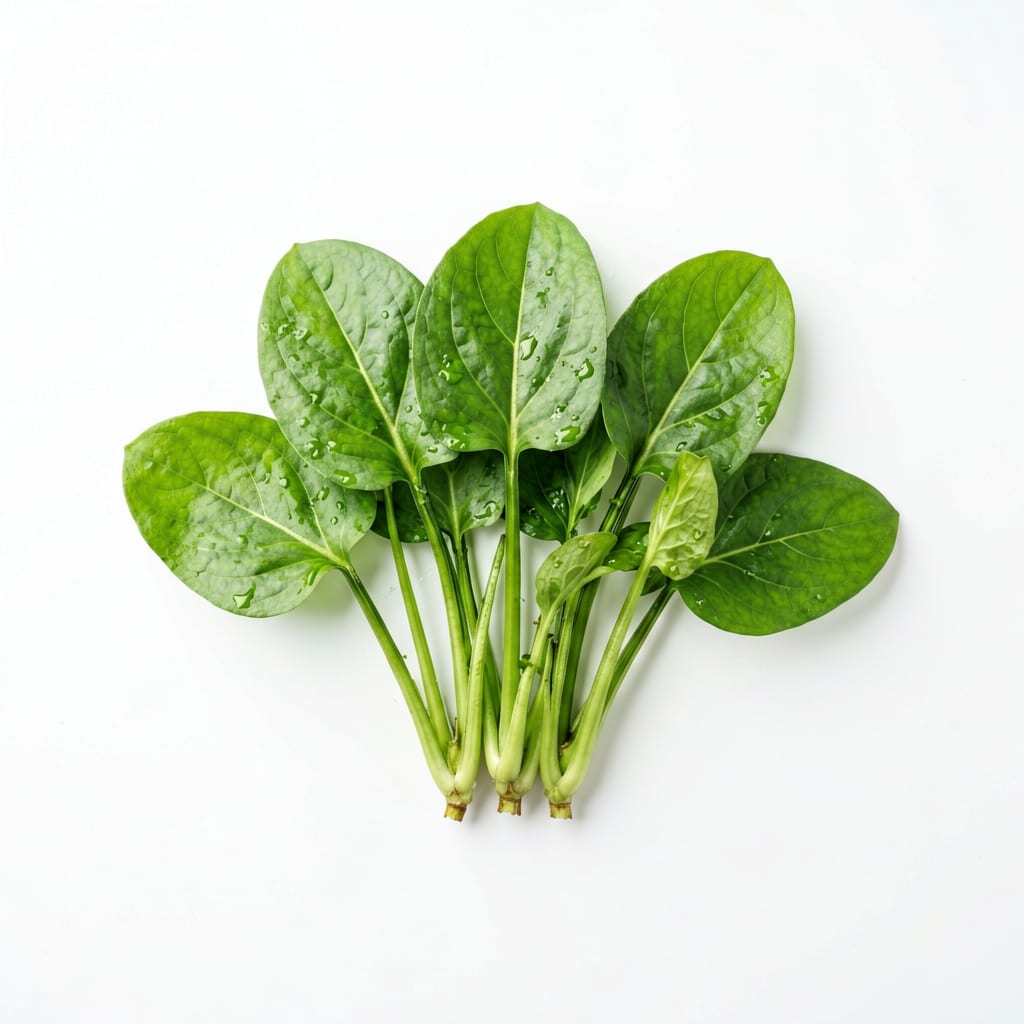
Water Spinach
Toona Sinensis wins on antioxidant power and unique bioactives, while Water Spinach wins on everyday practicality, fiber, and gentler digestion.
Toona Sinensis scores higher for unique bioactive compounds and antioxidant density, but Water Spinach closes the gap with superior fiber, broader availability, and easier daily integration. The close scores reflect that each serves very different dietary roles.
Rare seasonal superfood with stronger medicinal properties versus affordable daily green that is safer and easier to eat regularly.
At a glance
Executive summary
Overall
It depends
Healthier
Toona Sinensis
More practical
Water Spinach
Daily use
Water Spinach
Key comparison lenses
nutritional density comparison
Both are leafy greens but with very different micronutrient profiles and bioactive compounds
safety and contamination risk
Water Spinach grows in water and accumulates heavy metals; Toona Sinensis has unique toxicity concerns with raw consumption
everyday practicality and accessibility
Toona Sinensis is highly seasonal while Water Spinach is widely available year-round in Asian markets
antioxidant and anti inflammatory potential
Toona Sinensis contains rare gallic acid derivatives and toonarubin not found in common greens
digestive tolerance and gut friendliness
Water Spinach is gentler on digestion; Toona Sinensis can cause stomach upset if eaten raw or in excess
Best choice for
Toona Sinensis
- People seeking potent antioxidant and anti-inflammatory benefits
- Those wanting to diversify their leafy green intake beyond common options
- Anyone cooking traditional Chinese spring dishes
Water Spinach
- Families needing an affordable, widely available green vegetable
- People with sensitive digestion who need gentle fiber
- Anyone meal-prepping or cooking daily on a budget
Least suitable for
Toona Sinensis
- People with known allergies to Toona Sinensis or mahogany family plants
- Those who want a neutral-tasting green for everyday meals
- Anyone outside seasonal availability regions without access to preserved versions
Water Spinach
- People concerned about heavy metal exposure from water-grown vegetables
- Those sourcing from unreliable or polluted waterway harvests
- Anyone avoiding oxalate-rich greens due to kidney stone risk
Deep comparison
Dimension by dimension
Each lens scores both foods and breaks down who each option suits.
- Dimension 1 · Priority 92Toona Sinensis
antioxidant_and_bioactive_density
Toona Sinensis · 88Water Spinach · 55Toona Sinensis contains rare compounds like toonarubin, gallic acid, and quercetin derivatives that are far more potent than the standard antioxidants in Water Spinach.
Tradeoff
You get stronger cellular protection from Toona Sinensis, but only during its brief spring season or from preserved forms that lose some potency.
Why it matters
Stronger antioxidants mean better defense against chronic inflammation, skin aging, and oxidative stress over time.
Real-world impact
Eating Toona Sinensis a few times in spring can give your body a concentrated antioxidant boost similar to taking a short-term supplement course.
Toona Sinensis
- Fighting chronic inflammation
- Boosting seasonal antioxidant intake
- Supporting skin and cellular health
Better for
- Consistency — you cannot rely on it year-round for steady antioxidant intake
Worse for
Water Spinach
- Maintaining a steady baseline of everyday antioxidants
- Avoiding the intensity of concentrated bioactives
Better for
- Less impactful per serving for reducing oxidative stress markers
Worse for
- Dimension 2 · Priority 85Water Spinach
fiber_and_digestive_health
Toona Sinensis · 58Water Spinach · 82Water Spinach provides more gentle, soluble fiber that supports regular bowel movements and feeds gut bacteria without irritation.
Tradeoff
Water Spinach is easier on the stomach daily, while Toona Sinensis can cause digestive discomfort if eaten raw or in large amounts.
Why it matters
Consistent gentle fiber intake keeps digestion smooth and prevents bloating, which matters more for daily comfort than occasional nutrient bursts.
Real-world impact
A plate of stir-fried Water Spinach feels light and comfortable after eating. Toona Sinensis with eggs can sit heavy if you overindulge.
Toona Sinensis
- Occasional use as a flavorful digestive stimulant in small amounts
Better for
- Risk of stomach upset from raw or excessive consumption
- Less fiber per serving than Water Spinach
Worse for
Water Spinach
- Daily regularity support
- Gentle fiber for sensitive stomachs
- Feeding beneficial gut bacteria consistently
Better for
- Not particularly concentrated in prebiotic diversity compared to other greens like garlic or leeks
Worse for
- Dimension 3 · Priority 88It depends
safety_and_contamination_risk
Toona Sinensis · 65Water Spinach · 60Both carry unique risks: Toona Sinensis contains nitrites that increase when raw or improperly stored, while Water Spinach accumulates heavy metals and parasites from its aquatic growing environment.
Tradeoff
Toona Sinensis requires proper blanching to neutralize nitrites; Water Spinach requires thorough washing and cooking to remove parasites and reduce contaminant load.
Why it matters
Both greens can be eaten safely with correct preparation, but skipping those steps carries real health consequences with either choice.
Real-world impact
Blanching Toona Sinensis for 60 seconds before cooking removes most nitrite risk. Washing Water Spinach leaf by leaf and cooking fully eliminates most parasite concerns.
Toona Sinensis
- Lower risk of heavy metal accumulation since it grows on trees, not in water
Better for
- Nitrite levels spike dangerously if leaves are bruised, old, or eaten raw
- Allergic reactions are more common than with Water Spinach
Worse for
Water Spinach
- No nitrite toxicity risk from improper storage or raw consumption
Better for
- High risk of lead, cadmium, and arsenic uptake from contaminated waterways
- Parasite and bacterial contamination risk from aquatic farming environments
Worse for
- Dimension 4 · Priority 80Toona Sinensis
vitamin_and_mineral_profile
Toona Sinensis · 78Water Spinach · 70Toona Sinensis offers more vitamin E, zinc, and unique polyphenols, while Water Spinach provides solid vitamin A, vitamin C, and iron with better calcium bioavailability.
Tradeoff
Toona Sinensis has a more diverse and rare micronutrient profile, but Water Spinach delivers reliable amounts of common essential vitamins more consistently.
Why it matters
Diversity in micronutrients matters for long-term health, but consistency in hitting daily targets matters more for preventing deficiencies.
Real-world impact
Adding Toona Sinensis to your spring rotation fills nutritional gaps most greens miss. Water Spinach reliably covers your basic vitamin A and C needs every week.
Toona Sinensis
- Vitamin E for skin and immune support
- Zinc for immune function and wound healing
- Rare polyphenols not found in common vegetables
Better for
- Lower calcium content than Water Spinach
- Vitamin C content drops significantly after cooking
Worse for
Water Spinach
- Vitamin A for eye health
- Iron for energy and blood health
- Calcium in a more bioavailable form than many greens
Better for
- Less mineral diversity overall
- Iron absorption may be reduced by oxalate content
Worse for
- Dimension 5 · Priority 82Water Spinach
practicality_and_accessibility
Toona Sinensis · 40Water Spinach · 85Water Spinach is cheap, available year-round in Asian markets, and cooks in under 3 minutes. Toona Sinensis is a spring-only luxury item with limited availability outside China and Chinese grocery stores.
Tradeoff
You pay a premium and wait for a narrow season to enjoy Toona Sinensis, while Water Spinach is always there when you need a quick vegetable side.
Why it matters
The best green for your health is the one you can actually buy and cook regularly, not the one you read about once a year.
Real-world impact
Water Spinach can be your go-to weeknight stir-fry green every week. Toona Sinensis is more like a seasonal treat you plan around, like morel mushrooms.
Toona Sinensis
- Special occasion meals where unique flavor matters more than convenience
- Preserved or frozen versions offer some off-season access
Better for
- Extremely limited fresh availability window of roughly 2-4 weeks per year
- Much higher price per pound than Water Spinach
- Hard to find outside specialty Asian grocers
Worse for
Water Spinach
- Weeknight cooking with minimal prep
- Budget-friendly bulk buying
- Year-round reliable availability
Better for
- Less exciting or novel as a food experience
- May feel repetitive if eaten very frequently
Worse for
- Dimension 6 · Priority 75Toona Sinensis
blood_sugar_and_metabolic_support
Toona Sinensis · 76Water Spinach · 68Toona Sinensis has demonstrated blood sugar-lowering effects in research, likely due to its unique polyphenols. Water Spinach also shows mild antidiabetic properties but with less evidence.
Tradeoff
Toona Sinensis has stronger glucose-regulating potential per serving, but you cannot eat it consistently enough to rely on it for metabolic management.
Why it matters
For people managing prediabetes or insulin resistance, every food choice that steadies blood sugar counts, but consistency matters more than potency.
Real-world impact
A spring meal of Toona Sinensis with eggs may give you a noticeably smaller blood sugar spike than the same meal with Water Spinach. But Water Spinach can do similar work every single day.
Toona Sinensis
- Acute blood sugar management when available
- Stronger per-serving glucose response modulation
Better for
- Cannot serve as a reliable daily tool for blood sugar management due to seasonal availability
Worse for
Water Spinach
- Consistent daily fiber intake that supports stable blood sugar long-term
- Easier to include in every meal without seasonality gaps
Better for
- Less dramatic per-serving impact on glucose levels
Worse for
Timeline
Health impact over time
Short-term
Hours to days
Toona Sinensis
- May cause stomach upset or nausea if eaten raw due to nitrite content
- Provides a noticeable energy lift from concentrated B vitamins and iron
- Can trigger allergic skin reactions in sensitive individuals
Water Spinach
- Gentle on digestion and promotes same-day bowel regularity
- Very low calorie intake makes it easy to pair with heavier dishes without feeling overstuffed
- Improves hydration slightly due to high water content
Long-term
Months to years
Toona Sinensis
- Regular spring consumption may reduce chronic inflammation markers over years
- Unique polyphenols could offer protective effects against age-related cellular damage
- Inconsistent availability limits cumulative long-term benefits compared to daily greens
Water Spinach
- Steady fiber intake supports long-term gut microbiome diversity and colorectal health
- Consistent vitamin A intake protects vision and immune function over decades
- Heavy metal accumulation is a real concern if sourced from contaminated waterways over years
Risk profile
Safety & processing
Both Toona Sinensis and Water Spinach are whole, minimally processed vegetables typically sold fresh. The main concern is not additives but environmental contamination: Water Spinach from polluted waterways can carry heavy metals, while Toona Sinensis can develop harmful nitrite levels if improperly stored. Source quality matters more than processing for both.
Toona Sinensis
Nitrite toxicity from raw or improperly stored leaves
highFresh Toona Sinensis contains nitrites that convert to harmful nitrosamines if leaves are eaten raw, bruised, or stored too long. Always blanch for 60 seconds before cooking.
Allergic reactions
mediumSome people develop contact dermatitis or oral allergy syndrome from Toona Sinensis, particularly those with sensitivities to the mahogany plant family.
Water Spinach
Heavy metal accumulation from waterways
highWater Spinach grows in water and efficiently absorbs lead, cadmium, and arsenic. Vegetables sourced from contaminated canals or industrial-area farms pose serious long-term exposure risks.
Parasite and bacterial contamination
mediumAquatic growing environments harbor liver flukes, E. coli, and other pathogens. Thorough washing and complete cooking are essential. Never eat Water Spinach raw.
Oxalate content and kidney stone risk
lowWater Spinach contains moderate oxalates. People with a history of calcium oxalate kidney stones should moderate intake or pair with calcium-rich foods.
Who wins for whom
Audience fit
Same foods, different winners depending on your goal.
children
Water SpinachWater Spinach is milder, safer when properly cooked, and less likely to cause allergic reactions. Toona Sinensis has nitrite risks that require careful preparation, making it less suitable for young children.
daily consumption
Water SpinachYear-round availability, gentle digestion, affordable price, and quick cooking time make Water Spinach a practical daily green. Toona Sinensis is best enjoyed as a seasonal specialty.
diabetes
Toona SinensisToona Sinensis shows stronger evidence for blood sugar modulation per serving, though Water Spinach's consistent fiber intake also supports glycemic control long-term.
elderly
Water SpinachWater Spinach is gentler on aging digestive systems, provides reliable fiber for common constipation issues, and its calcium supports bone health. Toona Sinensis is fine occasionally but harder to source and prepare correctly.
muscle gain
It dependsNeither is a significant protein source. Toona Sinensis has slightly more zinc which supports muscle recovery, but the difference is too small to matter without adequate protein from other foods.
weight loss
Water SpinachWater Spinach is lower in calories, higher in filling fiber, and available consistently enough to become a reliable weight-loss staple. Toona Sinensis is often cooked with eggs and oil, increasing calorie density.
Your move
Decision guide
Choose Toona Sinensis
- You want to experience a unique seasonal superfood with rare antioxidant compounds
- You can source fresh Toona Sinensis in spring and will blanch it properly before cooking
- You are looking to diversify your polyphenol intake beyond common leafy greens
- You enjoy bold, aromatic flavors and want something special for a meal
Choose Water Spinach
- You need an affordable, reliable green vegetable for everyday cooking
- You have a sensitive stomach and want gentle fiber without irritation
- You are meal-prepping or cooking for a family on a budget
- You can source Water Spinach from clean, reputable suppliers
Either works if
- You simply want more leafy green variety in your diet
- You are comfortable with proper washing and cooking techniques for both
- You rotate seasonal greens and want both in your repertoire at different times
Avoid both if
- You have severe oxalate restrictions due to kidney stone history
- You cannot verify the water source for Water Spinach or the freshness of Toona Sinensis
- You are immunocompromised and cannot risk any parasite or contamination exposure from improperly prepared greens
Final recommendation
Keep Water Spinach as your everyday green for its reliability, fiber, and gentle nutrition. Treat Toona Sinensis as a spring ritual — enjoy it a few times each season for its unique antioxidants and flavor, but do not rely on it as a daily staple. Both deserve a place in a diverse diet, but at different frequencies and for different reasons.
Practical
Consumer tips
- 1
Always blanch Toona Sinensis for at least 60 seconds before cooking to destroy harmful nitrites — never eat it raw
- 2
Buy Water Spinach from reputable Asian markets that source from clean farms, not from unknown roadside vendors harvesting from canals
- 3
Wash Water Spinach leaf by leaf under running water and cook thoroughly — never use it raw in salads
- 4
Freeze fresh Toona Sinensis within a day of purchase if you want to extend its short season by a few weeks
- 5
Pair Water Spinach with a squeeze of lime or fermented paste — the vitamin C and acidity improve iron absorption and reduce oxalate effects
- 6
If you have never tried Toona Sinensis, start with the classic stir-fry with eggs — it is the most forgiving preparation and the most traditional
- 7
Avoid Toona Sinensis leaves that look wilted, bruised, or dark — nitrite levels increase as leaves deteriorate