
Nutrition comparison
Toona Sinensis vs Leeks: Nutrition, Safety, and Which to Choose
Compare Toona Sinensis and leeks on antioxidants, nitrite safety, gut health benefits, and everyday practicality. Learn which vegetable fits your health goals and how to prepare each safely.
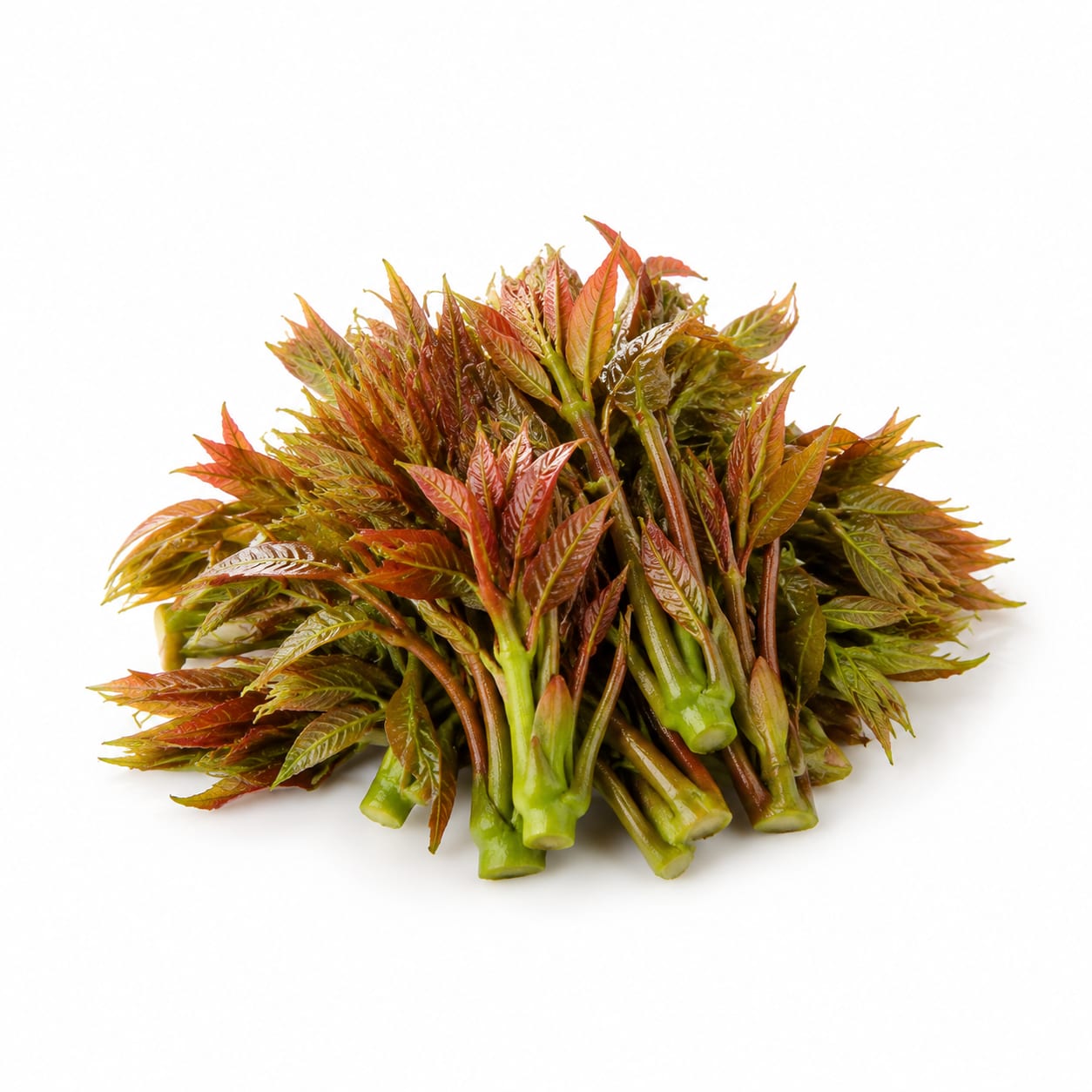
Toona Sinensis
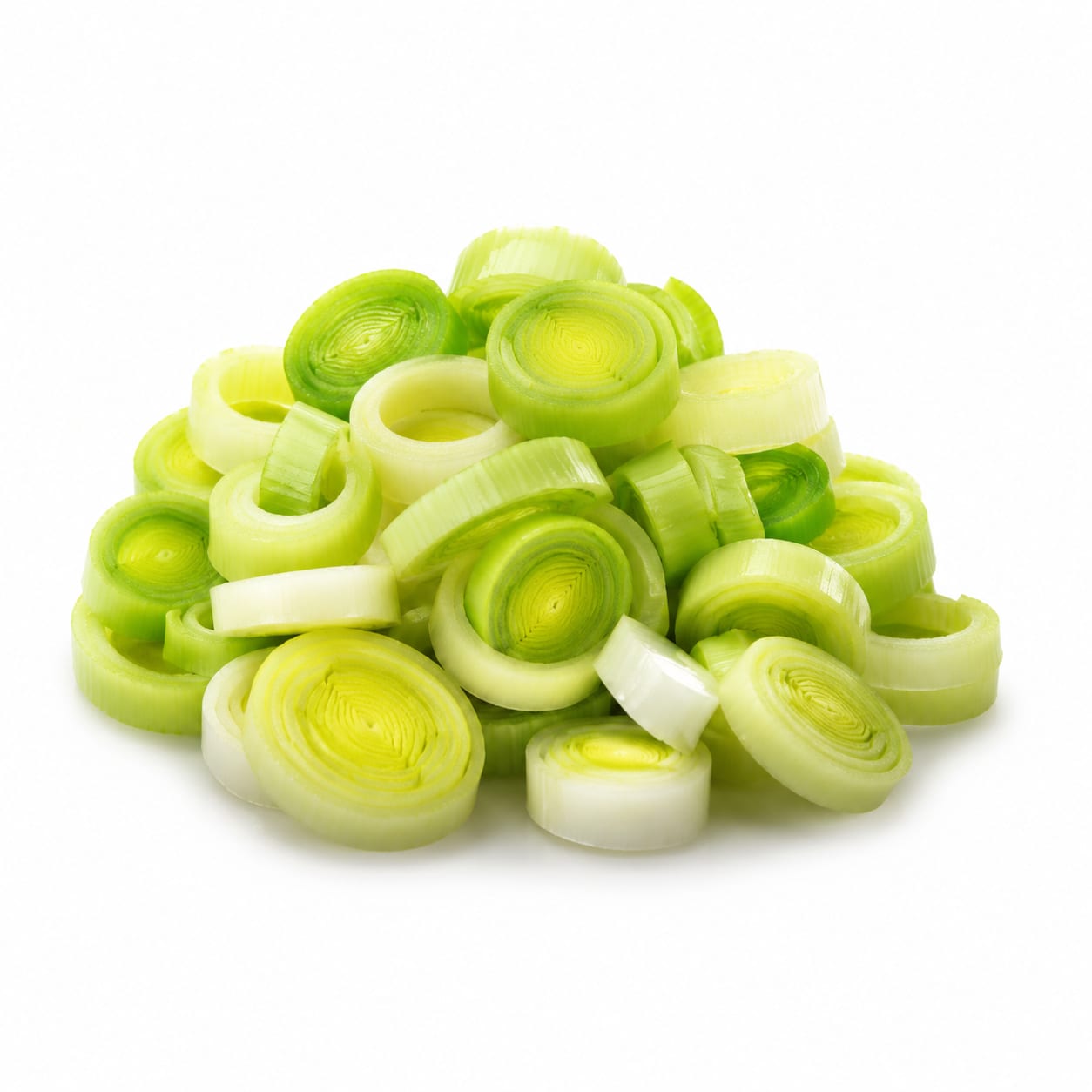
Leeks
Leeks win on safety, availability, and gut health. Toona Sinensis wins on antioxidant potency and unique therapeutic compounds. Your choice depends on access and preparation confidence.
Leeks score higher due to stronger safety profile, everyday practicality, and reliable gut health benefits. Toona Sinensis has impressive bioactive density but loses points on nitrite risk, seasonal scarcity, and preparation demands.
Toona Sinensis delivers more concentrated bioactive compounds but requires careful blanching to reduce nitrite risk, while leeks offer safer everyday prebiotic fiber with milder but broader benefits
At a glance
Executive summary
Overall
It depends
Healthier
Leeks
More practical
Leeks
Daily use
Leeks
Key comparison lenses
safety and nitrate exposure
Toona Sinensis has notable nitrate concerns that require blanching before eating, while leeks carry pesticide residue risk in their layered structure
antioxidant and anti inflammatory benefits
Both foods are prized for bioactive compounds but through different mechanisms — Toona Sinensis for unique gallic acid derivatives, leeks for kaempferol and allicin-like sulfur compounds
everyday accessibility and seasonality
Toona Sinensis is a narrow-season spring delicacy, while leeks are available year-round in most markets, heavily affecting practical daily use
digestive and gut health
Leeks provide significant prebiotic inulin fiber, whereas Toona Sinensis offers less fiber but more antimicrobial essential oils
blood sugar and metabolic support
Both show anti-diabetic potential in research, but through different pathways worth understanding
Best choice for
Toona Sinensis
- People seeking potent antioxidant and anti-inflammatory compounds
- Those with access to fresh spring Toona Sinensis who can blanch properly
- Anyone interested in traditional Chinese medicinal foods
- People looking for unique flavonoid profiles not found in common vegetables
Leeks
- People wanting a safe, reliable daily vegetable
- Those focused on gut health and prebiotic fiber intake
- Anyone who needs year-round availability
- People managing blood sugar who want a low-risk, high-fiber option
Least suitable for
Toona Sinensis
- Infants and young children due to nitrite conversion risk
- People who cannot source fresh Toona Sinensis or skip blanching
- Anyone on a low-sodium diet if consuming salt-preserved versions
Leeks
- People with severe allium allergies
- Those on low-FODMAP diets during elimination phase
- Anyone who struggles with thorough cleaning between layers
Deep comparison
Dimension by dimension
Each lens scores both foods and breaks down who each option suits.
- Dimension 1 · Priority 90Toona Sinensis
antioxidant_potency
Toona Sinensis · 88Leeks · 68Toona Sinensis packs significantly more concentrated antioxidants, especially gallic acid and quercetin derivatives, giving it stronger free-radical fighting power per gram.
Tradeoff
Higher antioxidant concentration comes with nitrate load that requires blanching to manage safely
Why it matters
If you are specifically eating for anti-inflammatory or anti-aging benefits, Toona Sinensis delivers more bang per bite — but only if prepared correctly
Real-world impact
Regular consumption of properly prepared Toona Sinensis may offer more noticeable reductions in oxidative stress markers than leeks, but the preparation hurdle means many people will not actually get those benefits consistently
Toona Sinensis
- Targeted anti-inflammatory dietary protocols
- People seeking concentrated polyphenol intake without supplements
Better for
- Anyone who eats it raw or unblanched, negating benefits with nitrite exposure
Worse for
Leeks
- Sustained low-level antioxidant intake without safety concerns
- People who want reliable benefits without special preparation
Better for
- Situations requiring maximum antioxidant density from a single vegetable serving
Worse for
- Dimension 2 · Priority 92Leeks
safety_and_contamination_risk
Toona Sinensis · 55Leeks · 82Toona Sinensis carries a meaningful nitrite risk that demands blanching, while leeks mainly require thorough washing to remove trapped soil and pesticide residue.
Tradeoff
The more bioactive the plant, the more defensive compounds it contains — Toona Sinensis has higher natural nitrate levels that convert to nitrites as it ages
Why it matters
Nitrite exposure from improperly prepared Toona Sinensis can cause methemoglobinemia, especially dangerous for children — this is not a theoretical risk
Real-world impact
A busy home cook who skips blanching Toona Sinensis could expose their family to avoidable nitrite intake, whereas leeks just need a good rinse between layers
Toona Sinensis
- Experienced cooks who always blanch and use fresh spring harvests
Better for
- People unfamiliar with traditional preparation methods
- Households with young children or pregnant women if not blanched
Worse for
Leeks
- Families with children who need safer default vegetables
- Anyone who wants minimal food safety anxiety
Better for
- Situations where cleaning between layers is impractical, like camping
Worse for
- Dimension 3 · Priority 85Leeks
gut_health_and_fiber
Toona Sinensis · 52Leeks · 86Leeks are rich in inulin, a prebiotic fiber that feeds beneficial gut bacteria, while Toona Sinensis provides modest fiber with antimicrobial oils instead.
Tradeoff
Toona Sinensis fights harmful gut bacteria directly with essential oils, while leeks nourish beneficial bacteria indirectly — different strategies with different reliability
Why it matters
Prebiotic fiber from leeks produces short-chain fatty acids that strengthen gut lining and reduce inflammation systemically, benefits that antimicrobial oils cannot replicate
Real-world impact
Eating leeks regularly will likely improve digestion and stool quality noticeably within weeks. Toona Sinensis may help with acute gut imbalances but is harder to eat frequently enough for sustained prebiotic effects.
Toona Sinensis
- Short-term antimicrobial support during gut flora disruptions
Better for
- Anyone needing sustained daily prebiotic intake
Worse for
Leeks
- Long-term microbiome maintenance and diversity
- People with constipation-predominant digestive issues
Better for
- People on strict low-FODMAP protocols who cannot tolerate inulin
Worse for
- Dimension 4 · Priority 78Leeks
vitamin_and_mineral_density
Toona Sinensis · 65Leeks · 77Leeks provide more vitamin K, vitamin A, and manganese per serving. Toona Sinensis offers notable vitamin E and vitamin C but in smaller practical amounts due to portion sizes.
Tradeoff
Toona Sinensis has higher vitamin E concentration, but leeks deliver broader micronutrient coverage across more vitamins and minerals
Why it matters
Vitamin K from leeks supports bone density and blood clotting, while the folate and manganese contribute to energy metabolism — a wider safety net for daily nutrition
Real-world impact
A serving of leeks meaningfully contributes to your daily vitamin K needs. Toona Sinensis adds vitamin E but you would need larger portions to match leeks on breadth of micronutrients.
Toona Sinensis
- People specifically targeting vitamin E intake
Better for
- Situations where broad-spectrum mineral intake matters more than single vitamins
Worse for
Leeks
- Anyone wanting broader micronutrient coverage from a single vegetable
- People concerned about bone health who need vitamin K
Better for
- People already getting abundant vitamin K from other sources who want different nutrients
Worse for
- Dimension 5 · Priority 88Leeks
availability_and_practical_everyday_use
Toona Sinensis · 35Leeks · 90Leeks are available year-round in virtually every grocery store. Toona Sinensis is a narrow spring window specialty, often found only in Asian markets or as preserved products.
Tradeoff
Rarity makes Toona Sinensis culturally special and seasonally exciting, but that same rarity makes it unreliable as a regular dietary component
Why it matters
Nutrition only works if you can actually access and eat the food consistently — the best vegetable on paper means nothing if you cannot buy it
Real-world impact
You can build weekly meal plans around leeks with confidence. Toona Sinensis is more of a seasonal celebration food that supplements your diet briefly each spring.
Toona Sinensis
- Spring seasonal eating traditions and cultural cuisine
- People with access to specialty Asian markets during harvest season
Better for
- Anyone trying to build a consistent weekly vegetable rotation
Worse for
Leeks
- Meal planning that requires reliable ingredient availability
- Anyone living outside areas with Asian grocery access
Better for
- Cultural or nostalgic cooking that specifically requires Toona Sinensis flavor
Worse for
- Dimension 6 · Priority 75It depends
blood_sugar_management
Toona Sinensis · 74Leeks · 76Both show anti-diabetic potential — Toona Sinensis through active compounds that may improve insulin sensitivity, leeks through fiber that slows glucose absorption.
Tradeoff
Toona Sinensis may act more directly on insulin pathways, while leeks work more mechanically through fiber-mediated glucose slowing
Why it matters
For someone actively managing diabetes, the fiber approach from leeks is more proven and reliable, while Toona Sinensis research is promising but still emerging
Real-world impact
Leeks with a meal will tangibly reduce the glycemic impact of carbs on that plate. Toona Sinensis may help over time with insulin sensitivity but the effect is harder to feel immediately.
Toona Sinensis
- People interested in emerging research on plant-based insulin sensitizers
Better for
- Relying on it as a primary blood sugar management tool without fiber support
Worse for
Leeks
- Diabetics who need proven, fiber-based glucose management strategies
- Anyone pairing vegetables with high-carb meals for blood sugar control
Better for
- People on low-FODMAP diets who cannot tolerate the inulin
Worse for
Timeline
Health impact over time
Short-term
Hours to days
Toona Sinensis
- Quick antioxidant boost when consumed fresh and properly blanched
- Potential mild digestive antimicrobial effect from essential oils
- Risk of headache or nausea if consumed without blanching due to nitrites
Leeks
- Noticeable improvement in satiety and fullness after meals due to fiber
- Gentle promotion of bowel regularity within a day or two
- Possible mild bloating if your gut is not accustomed to prebiotic fiber
Long-term
Months to years
Toona Sinensis
- May support reduced inflammatory markers with regular spring consumption
- Potential insulin sensitivity improvement based on emerging research
- Nitrite exposure risk accumulates if preparation is inconsistent over years
Leeks
- Stronger gut microbiome diversity from sustained prebiotic intake
- Better cardiovascular markers from combined fiber and kaempferol
- Improved bone density from consistent vitamin K consumption
Risk profile
Safety & processing
Both are whole vegetables in their fresh form. However, preserved Toona Sinensis — commonly salt-cured or oil-packed — introduces high sodium or processing concerns that fresh leeks avoid entirely.
Toona Sinensis
Nitrite accumulation from natural nitrates
highToona Sinensis contains high natural nitrate levels that convert to nitrites as the leaves age or are stored improperly. Blanching for 60 seconds removes 70-80% of nitrates. Skipping this step is the single biggest safety concern.
Sodium from preserved versions
mediumSalt-preserved Toona Sinensis, a common preservation method, can contain extremely high sodium levels that pose risks for hypertension and kidney strain.
Oxalate content
lowContains moderate oxalates that may concern people prone to kidney stones, though blanching reduces this significantly.
Leeks
Pesticide residue in layered structure
mediumLeeks consistently rank high for pesticide residue because their layered growth traps sprays between leaves. Thorough separation and washing is essential.
Soil and sand contamination
lowSoil gets trapped between layers during growth. Improper cleaning leads to gritty, unpleasant eating but poses minimal health risk.
FODMAP intolerance
lowThe inulin in leeks triggers symptoms in people with IBS or FODMAP sensitivity. This is a digestive comfort issue rather than a safety concern.
Who wins for whom
Audience fit
Same foods, different winners depending on your goal.
children
LeeksChildren are more susceptible to nitrite toxicity from Toona Sinensis, making leeks the clearly safer choice. Leeks also provide gentle fiber and milder flavor that kids tolerate better.
daily consumption
LeeksYear-round availability, strong safety profile, and proven prebiotic benefits make leeks a reliable daily vegetable. Toona Sinensis is best enjoyed as a seasonal treat, not a daily staple.
diabetes
LeeksLeeks provide reliable fiber-based glucose management with every meal. Toona Sinensis has promising insulin-sensitizing compounds but the evidence is preliminary and the nitrite risk adds complexity.
elderly
LeeksOlder adults benefit more from leeks' vitamin K for bone health, fiber for regularity, and the absence of nitrite risk. Toona Sinensis could still be enjoyed occasionally if properly blanched.
muscle gain
It dependsNeither is a significant protein source. Leeks offer marginally more mineral support for muscle function, but both are complementary vegetables rather than muscle-building staples.
weight loss
LeeksLeeks provide more fiber and volume per calorie, keeping you fuller longer with fewer calories. Toona Sinensis is typically eaten in smaller quantities as a flavoring rather than a bulk vegetable.
Your move
Decision guide
Choose Toona Sinensis
- You have access to fresh spring Toona Sinensis and know how to blanch it properly
- You want concentrated antioxidant compounds for a targeted anti-inflammatory boost
- You are cooking traditional Chinese dishes where the unique aroma is essential
- You are comfortable with seasonal eating and do not need year-round access
Choose Leeks
- You want a safe, reliable vegetable you can eat every day without worry
- Gut health and prebiotic fiber are top priorities for you
- You are cooking for children, elderly family members, or pregnant women
- You need something available at any grocery store in any season
Either works if
- You simply want more vegetable variety and both are available
- You are building an antioxidant-diverse diet and can rotate both seasonally
- Neither is a dietary staple and you just want occasional variety
Avoid both if
- You have severe oxalate sensitivity and kidney stone history
- You are on a strict low-FODMAP elimination diet
- You cannot reliably wash produce thoroughly due to physical limitations
Final recommendation
Make leeks your everyday vegetable for their safety, fiber, and reliability. Enjoy Toona Sinensis as a spring delicacy when you can source it fresh and blanch it properly — think of it as a seasonal supplement to your regular vegetable rotation, not a replacement for it.
Practical
Consumer tips
- 1
Always blanch Toona Sinensis in boiling water for at least 60 seconds before cooking — this removes the majority of nitrates and is non-negotiable for safety
- 2
Slice leeks lengthwise and fan the layers under running water to remove trapped soil — skipping this leads to gritty meals
- 3
Choose fresh Toona Sinensis with vibrant purple-red tips and bright green leaves — dull or wilting leaves indicate higher nitrite levels
- 4
Store Toona Sinensis in the refrigerator and use within 2 days — nitrite levels increase significantly with storage time
- 5
If buying preserved Toona Sinensis, check sodium content and rinse thoroughly before use
- 6
Leeks pair excellently with eggs, potatoes, and soups — their mild flavor enhances without overwhelming
- 7
Freeze blanched Toona Sinensis in portions during spring to extend its availability safely