
Nutrition comparison
Toona Sinensis vs Arugula: Which Leafy Green Is Healthier?
Compare Toona Sinensis and Arugula nutrition, safety, and practicality. Discover which green wins for antioxidants, daily use, and your specific health goals.
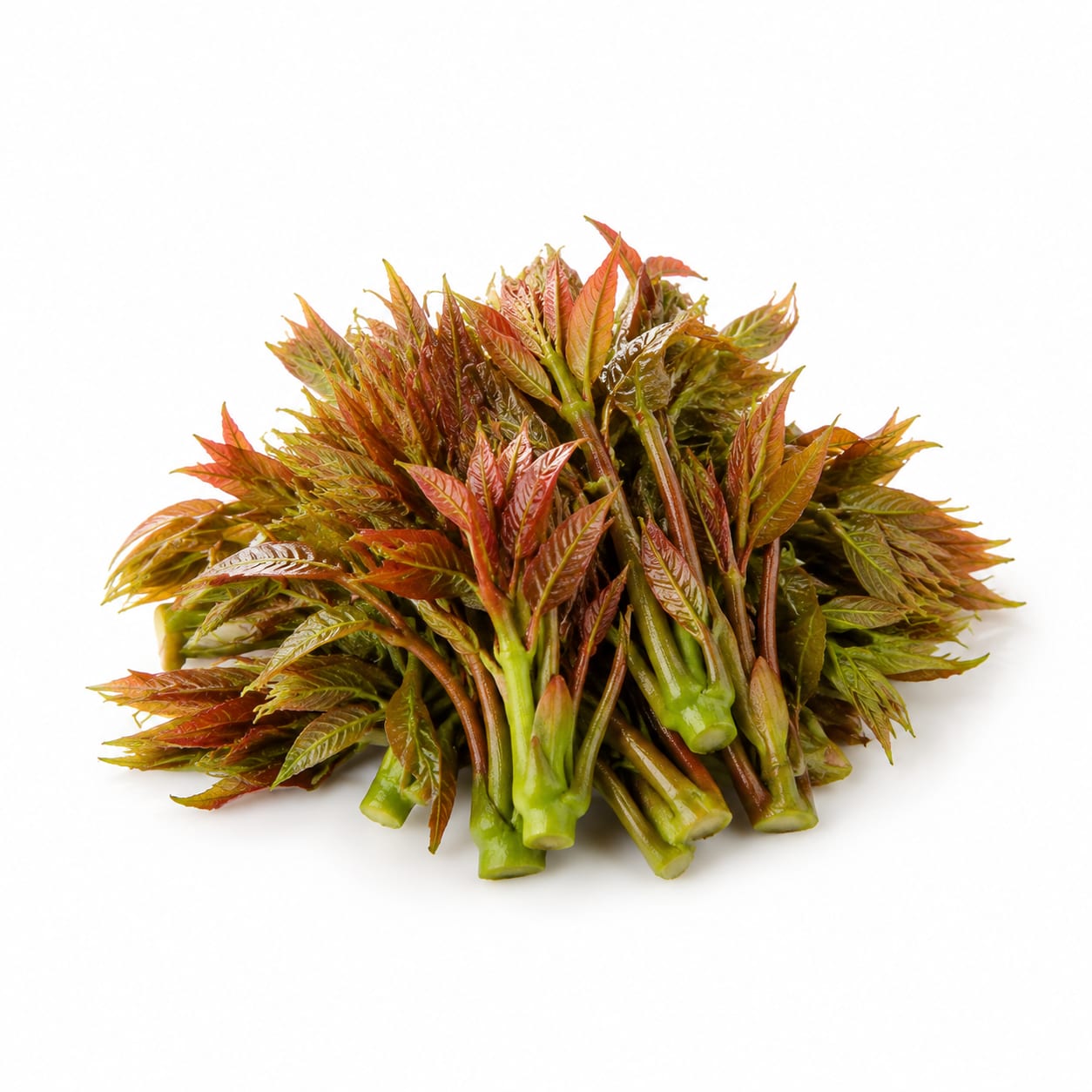
Toona Sinensis
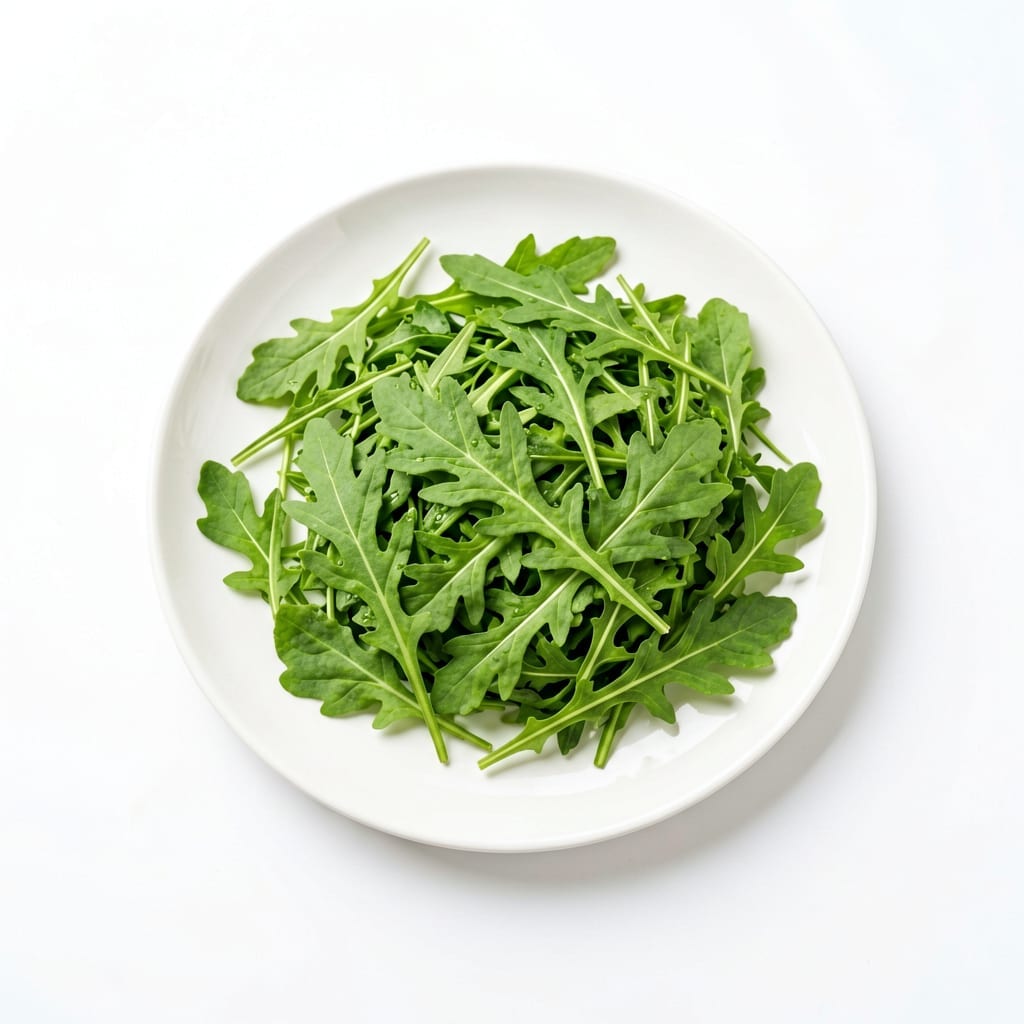
Arugula
Arugula wins on accessibility and safety, while Toona Sinensis delivers a more concentrated antioxidant punch for those who can source and prepare it properly.
Toona Sinensis scores higher on antioxidant concentration and unique phytochemicals, but loses ground on safety concerns, preparation burden, and near-zero availability for most consumers. Arugula's consistent nutrition, ease of use, and reliable safety profile give it a practical edge for most people.
Toona Sinensis offers higher flavonoid density and unique medicinal compounds, but requires careful preparation and is hard to find. Arugula is safer, easier, and available year-round with solid nutrition.
At a glance
Executive summary
Overall
It depends
Healthier
It depends
More practical
Arugula
Daily use
Arugula
Key comparison lenses
Nutritional density and antioxidant power
Both greens are prized for their phytonutrient profiles, so users want to know which delivers more health-protective compounds per bite
Safety and preparation requirements
Toona Sinensis requires blanching to reduce nitrites and has allergy concerns, while arugula is generally safe raw — a critical practical difference
Everyday accessibility and ease of use
Arugula is available at nearly any grocery store; Toona Sinensis is seasonal and specialty, making daily use very different between the two
Flavor versatility in cooking
Both have strong, distinctive flavors that shape how they can be used — arugula is peppery, Toona Sinensis is pungent and aromatic
Long-term disease prevention
Both contain compounds linked to cancer prevention and anti-inflammatory effects, but through different mechanisms
Best choice for
Toona Sinensis
- Adventurous home cooks seeking traditional Chinese medicinal foods
- People with reliable access to fresh Asian specialty markets
- Those wanting maximum antioxidant density per serving
- Anyone exploring anti-inflammatory traditional remedies
Arugula
- Everyday salad eaters wanting a flavorful nutrient boost
- Busy people who need grab-and-wash greens
- Meal preppers who want consistent weekly availability
- Families with children who need safe, raw greens
Least suitable for
Toona Sinensis
- People with histamine sensitivity or allergies to Toona species
- Anyone who cannot blanch or properly prepare it before eating
- Those living far from Asian grocery stores
- Pregnant women cautious about nitrite exposure from improper prep
Arugula
- People on blood-thinning medication who must limit vitamin K
- Those who dislike bitter or peppery flavors
- Anyone with oxalate sensitivity requiring low-oxalate greens
Deep comparison
Dimension by dimension
Each lens scores both foods and breaks down who each option suits.
- Dimension 1 · Priority 92Toona Sinensis
Antioxidant and Phytochemical Density
Toona Sinensis · 88Arugula · 74Toona Sinensis packs more flavonoids, rutin, and quercetin per gram than arugula, giving it a stronger antioxidant profile.
Tradeoff
That potency comes with volatile compounds that can cause allergic reactions in sensitive individuals, while arugula's glucosinolates are gentler and well-tolerated.
Why it matters
Higher antioxidant density means more cellular protection per serving, which compounds over years of regular consumption.
Real-world impact
If you eat Toona Sinensis regularly and properly prepared, you may get stronger anti-aging and anti-inflammatory benefits — but only if your body tolerates it well.
Toona Sinensis
- Fighting chronic inflammation
- Getting maximum antioxidant value from small portions
Better for
- People prone to allergic or histamine reactions
- Anyone unwilling to blanch before eating
Worse for
Arugula
- Consistent, gentle daily antioxidant support without reaction risk
- Cancer-preventive glucosinolate intake
Better for
- Those seeking the most concentrated phytochemical punch per bite
Worse for
- Dimension 2 · Priority 88Arugula
Safety and Preparation Requirements
Toona Sinensis · 52Arugula · 91Arugula is safe to eat raw straight from the bag. Toona Sinensis must be blanched to reduce nitrites and carries allergy risk.
Tradeoff
Toona Sinensis rewards careful preparation with richer nutrition, but skipping the blanching step is genuinely risky. Arugula has no such barrier.
Why it matters
Extra prep steps and safety concerns reduce how often people actually eat a food, which undermines its nutritional advantages.
Real-world impact
You can toss arugula into a salad in 10 seconds. Toona Sinensis requires boiling water, blanching time, and awareness of proper handling — a real obstacle for weeknight cooking.
Toona Sinensis
- Experienced cooks who already blanch vegetables routinely
Better for
- Raw food dieters
- People unfamiliar with blanching technique
- Those with nitrite sensitivity
Worse for
Arugula
- Raw food enthusiasts
- Anyone short on prep time
- People with food safety anxiety
- Parents preparing quick meals for kids
Better for
- No significant safety downside for arugula
Worse for
- Dimension 3 · Priority 85Arugula
Availability and Practical Convenience
Toona Sinensis · 30Arugula · 92Arugula is stocked in virtually every supermarket year-round. Toona Sinensis is seasonal, sold mainly in Asian markets, and often only available fresh in spring.
Tradeoff
You can build arugula into your weekly routine effortlessly. Toona Sinensis is more of a specialty treat that requires planning and sourcing effort.
Why it matters
The healthiest food is the one you actually eat consistently. Availability is the single biggest predictor of dietary habits.
Real-world impact
Most people reading this can buy arugula today. Finding fresh Toona Sinensis might require a trip to a specialty market during a narrow seasonal window — or ordering frozen, which changes the nutritional profile.
Toona Sinensis
- People living near well-stocked Chinese or Asian grocery stores
- Home gardeners willing to grow their own tree
Better for
- Anyone without access to Asian specialty markets
- People who want year-round consistency
Worse for
Arugula
- Anyone who shops at regular grocery stores
- People who want reliable meal planning
- Rural and suburban residents with limited market access
Better for
- No significant availability downside
Worse for
- Dimension 4 · Priority 80Toona Sinensis
Vitamin and Mineral Profile
Toona Sinensis · 82Arugula · 76Toona Sinensis delivers more vitamin E, vitamin C, and protein per serving. Arugula counters with exceptional vitamin K and folate.
Tradeoff
Toona Sinensis is better for skin health and immune support via vitamin E and C. Arugula is superior for bone health and blood clotting through vitamin K.
Why it matters
Different vitamin profiles serve different health priorities — bone density versus immune resilience versus blood health.
Real-world impact
If you are focused on skin and immune health, Toona Sinensis edges ahead. For bone health or pregnancy folate needs, arugula is the smarter pick.
Toona Sinensis
- People wanting more vitamin E for skin and immune support
- Those needing extra plant-based protein from greens
Better for
- People on blood thinners who need stable, predictable vitamin K intake
Worse for
Arugula
- Anyone needing vitamin K for bone density
- Pregnant women seeking natural folate sources
Better for
- Those already exceeding vitamin K needs from other greens
Worse for
- Dimension 5 · Priority 70It depends
Flavor Versatility and Culinary Use
Toona Sinensis · 68Arugula · 78Arugula works raw in salads, on pizza, blended into pesto, or lightly wilted. Toona Sinensis shines in scrambled eggs, stir-fries, and traditional Chinese pairings but has a narrower range.
Tradeoff
Arugula's peppery bite adapts to Mediterranean, American, and Middle Eastern dishes easily. Toona Sinensis has a unique aromatic pungency that dominates a dish and limits pairing options.
Why it matters
A green you can use in 10 different meals gets eaten more often than one that fits in 2-3 recipes.
Real-world impact
Arugula can be your everyday salad base. Toona Sinensis is more like a special ingredient you build a dish around — delicious but less flexible.
Toona Sinensis
- Chinese home cooking enthusiasts
- People who love bold, aromatic, garlic-onion flavor profiles
Better for
- Anyone cooking Western-style meals predominantly
- People who prefer mild-flavored greens
Worse for
Arugula
- Salad lovers
- Pizza and sandwich toppers
- Pesto makers looking for a peppery twist
Better for
- Traditional Chinese recipes that specifically call for Toona Sinensis
Worse for
- Dimension 6 · Priority 68Arugula
Digestive Tolerance and Gut Friendliness
Toona Sinensis · 60Arugula · 77Arugula is generally easy on digestion for most people. Toona Sinensis can cause stomach upset in sensitive individuals, especially if undercooked.
Tradeoff
The volatile oils that give Toona Sinensis its medicinal power are the same compounds that can irritate sensitive digestive tracts.
Why it matters
A food that causes bloating or discomfort won't be eaten consistently, no matter how nutritious it is.
Real-world impact
If you have a sensitive stomach, arugula is the safer bet. Toona Sinensis is best introduced in small amounts to test tolerance.
Toona Sinensis
- People with robust digestion who tolerate strong-flavored greens well
Better for
- People with sensitive stomachs or histamine intolerance
Worse for
Arugula
- Anyone with IBS or sensitive digestion
- People introducing bitter greens gradually into their diet
Better for
- Those who find bitter flavors trigger nausea
Worse for
Timeline
Health impact over time
Short-term
Hours to days
Toona Sinensis
- Quick antioxidant boost from concentrated flavonoids
- Potential mild stomach irritation if eaten without blanching
- Strong flavor may satisfy savory cravings without heavy calories
Arugula
- Immediate peppery freshness that stimulates appetite and digestion
- Low-calorie volume that helps with fullness before heavier courses
- Gentle nitrate boost that may support blood flow within hours
Long-term
Months to years
Toona Sinensis
- Consistent intake linked to anti-inflammatory and potential anti-cancer benefits in traditional Chinese medicine research
- Vitamin E and C support may improve skin resilience and immune function over time
- Allergy risk may increase with repeated exposure in susceptible individuals
Arugula
- Regular glucosinolate intake associated with reduced cancer risk in epidemiological studies
- Vitamin K contribution supports long-term bone mineral density
- Folate intake benefits cardiovascular health and is especially valuable during preconception and pregnancy
Risk profile
Safety & processing
Both are whole, natural greens with minimal processing concerns. Toona Sinensis is sometimes sold frozen or preserved in salt, which changes its sodium content — always check the label. Fresh arugula in pre-washed bags may carry slight chlorine residue from washing, but this is negligible.
Toona Sinensis
Nitrite accumulation if eaten raw
mediumToona Sinensis contains higher nitrite levels than most leafy greens. Blanching for 30-60 seconds reduces nitrites significantly. Eating it raw or undercooked is not recommended, especially for children.
Allergic reactions
mediumSome people develop contact dermatitis or oral allergy syndrome from Toona Sinensis. The volatile essential oils are the likely triggers. Start with small amounts if you have never tried it.
Seasonal freshness degradation
lowBecause it is highly perishable and seasonal, Toona Sinensis sold past its prime may have lost nutritional value or developed off-flavors. Frozen versions are common but may contain added sodium.
Arugula
Vitamin K interference with blood thinners
mediumArugula is rich in vitamin K, which can reduce the effectiveness of warfarin and other anticoagulants. Consistent daily intake is safer than fluctuating amounts for those on these medications.
Standard leafy green contamination
lowLike all raw greens, arugula can carry E. coli or salmonella from farm handling. Pre-washed versions reduce but do not eliminate this risk. Always wash before eating when possible.
Who wins for whom
Audience fit
Same foods, different winners depending on your goal.
children
ArugulaArugula is safer raw, easier to find, and milder in small amounts. Toona Sinensis requires blanching and carries higher nitrite and allergy risks that are harder to manage for kids.
daily consumption
ArugulaYear-round availability, no mandatory cooking step, and lower risk profile make arugula the realistic daily choice for most people.
diabetes
ArugulaArugula's reliable availability makes it easier to incorporate consistently, which matters more for blood sugar management than occasional intake of a slightly more nutrient-dense green.
elderly
ArugulaArugula's vitamin K supports bone density, its folate protects cardiovascular health, and its ease of preparation suits older adults who may not want complex cooking steps.
muscle gain
Toona SinensisToona Sinensis contains slightly more protein per serving and higher vitamin E, which supports exercise recovery. Neither is a significant protein source, but the edge goes to Toona Sinensis.
weight loss
ArugulaArugula is easier to eat in large volumes as a salad base, providing more food bulk per calorie with zero prep friction. Toona Sinensis is typically eaten in smaller quantities as a flavoring, not a volume food.
Your move
Decision guide
Choose Toona Sinensis
- You have access to fresh Toona Sinensis and know how to blanch it properly
- You want the most antioxidant-dense leafy green you can find
- You cook Chinese cuisine regularly and want authentic flavor
- You have no history of food allergies or histamine sensitivity
Choose Arugula
- You want a flavorful salad green you can buy any day of the year
- You need something safe to eat raw without extra preparation
- You are building a consistent daily vegetable habit
- You take blood thinners and need a reliable vitamin K source
Either works if
- You enjoy bold-flavored greens and want variety in your diet
- You are generally healthy and want to rotate phytonutrient sources
- You are looking to diversify beyond standard lettuce and spinach
Avoid both if
- You need very low-oxalate greens due to kidney stone risk — both contain moderate oxalates
- You are on a strict low-vitamin-K diet prescribed by your doctor
Final recommendation
Make arugula your everyday green for its reliability, safety, and solid nutrition. When you can find fresh Toona Sinensis in season, treat it as a nutritional powerhouse side dish — just always blanch it first. The best approach is using both: arugula daily, Toona Sinensis as a seasonal boost.
Practical
Consumer tips
- 1
Always blanch Toona Sinensis for at least 30 seconds in boiling water before eating — this cuts nitrite levels dramatically and softens its intense flavor
- 2
Look for Toona Sinensis in spring at Chinese grocery stores; frozen versions work but check for added salt
- 3
Arugula wilts fast in the fridge — store it with a dry paper towel in a sealed container and use within 4-5 days
- 4
If trying Toona Sinensis for the first time, start with a small amount mixed into scrambled eggs — it is the most popular and forgiving preparation
- 5
Arugula makes an excellent pesto alternative to basil — blend with walnuts, garlic, olive oil, and parmesan for a peppery twist
- 6
If you are on warfarin, keep your arugula intake consistent day to day rather than eating large amounts sporadically