
Nutrition comparison
Toona Sinensis vs Kale: Nutrition, Safety, and Which Green to Eat Daily
Compare Toona Sinensis and Kale on nutrients, antioxidants, safety risks, and everyday practicality. Learn which green is better for daily use and how to prepare Toona Sinensis safely.
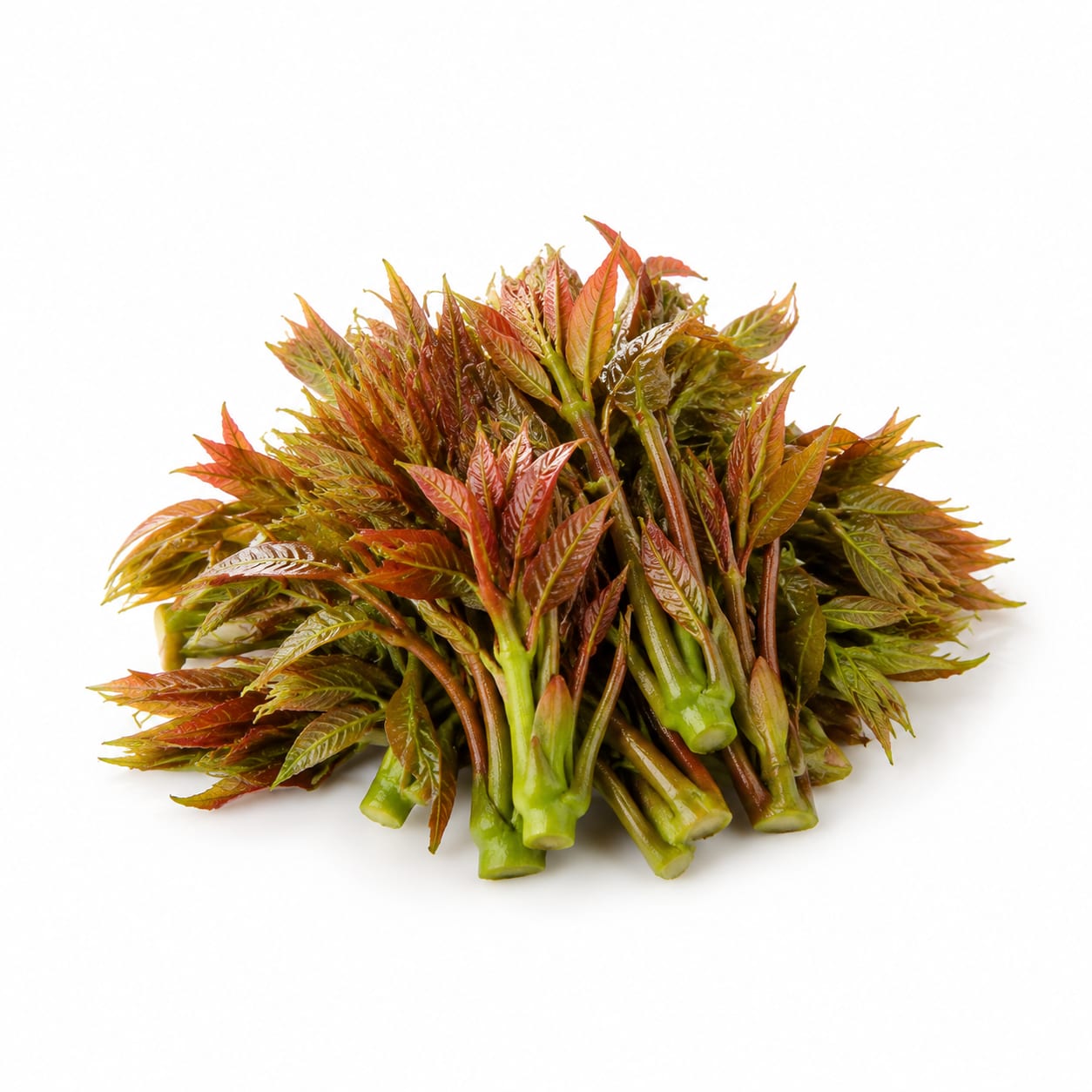
Toona Sinensis
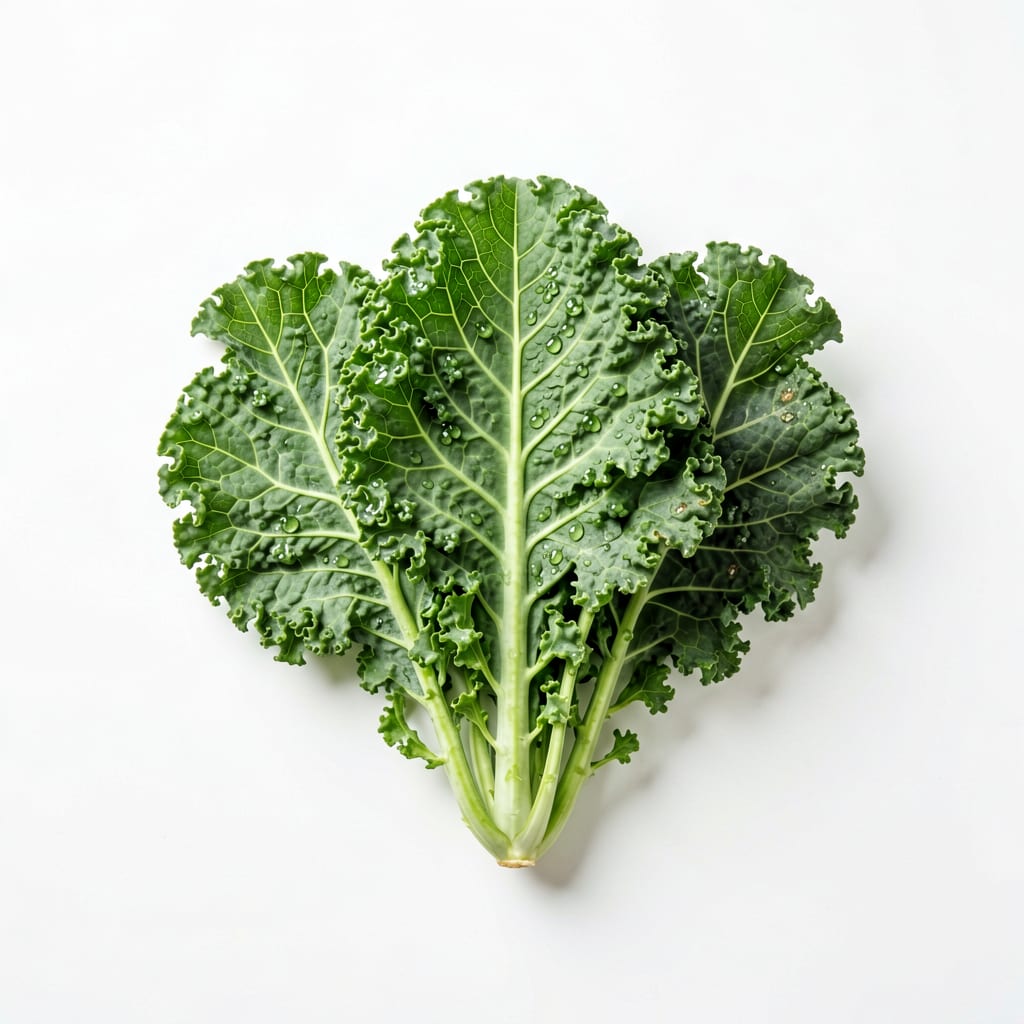
Kale
Kale wins on consistency, safety, and everyday practicality. Toona Sinensis offers a unique antioxidant profile and cultural significance but comes with seasonal limitations and nitrate safety concerns that demand careful preparation.
Kale scores higher primarily due to safety, availability, and consistency. Toona Sinensis matches or exceeds Kale in certain antioxidant measures but loses ground on nitrate risk, seasonal access, and preparation requirements. The gap reflects real-world eatability, not just nutrient tables.
Kale gives you reliable, year-round nutrition with minimal risk. Toona Sinensis delivers distinctive bioactive compounds and a flavor experience nothing else replicates—but requires blanching and mindful consumption to stay safe.
At a glance
Executive summary
Overall
It depends
Healthier
Kale
More practical
Kale
Daily use
Kale
Key comparison lenses
nutrient density comparison
Both are nutrient-dense leafy greens, but their vitamin and mineral profiles differ significantly, making this the core decision driver
antioxidant and anti inflammatory potential
Toona Sinensis contains unique flavonoids and gallic acid derivatives, while Kale offers glucosinolates—different pathways to similar goals
safety and contamination concerns
Toona Sinensis has notable nitrate accumulation risks and seasonal toxicity concerns that Kale does not share, making safety a key differentiator
accessibility and practical everyday use
Kale is available year-round globally; Toona Sinensis is seasonal and region-specific, heavily impacting real-world usability
culinary versatility and ease of preparation
Kale adapts to salads, smoothies, and cooked dishes; Toona Sinensis has a narrower culinary window, mostly stir-fries and condiments
Best choice for
Toona Sinensis
- People seeking novel antioxidant compounds like quercetin and rutin in a traditional food form
- Those exploring Chinese culinary traditions and seasonal eating
- Anyone wanting a flavor-forward green that elevates simple dishes like scrambled eggs
Kale
- Consistent daily nutrition without special preparation steps
- Families needing a safe, widely available green for repeated meals
- Anyone prioritizing vitamin K, calcium, and fiber in a low-calorie package
Least suitable for
Toona Sinensis
- Infants and young children due to nitrate concerns
- People who cannot source fresh spring harvests or blanch properly
- Those on blood thinners who need stable, predictable vitamin K intake
Kale
- People with thyroid conditions who eat large amounts raw
- Those sensitive to cruciferous vegetables causing bloating
- Anyone tired of kale's dominance looking for variety
Deep comparison
Dimension by dimension
Each lens scores both foods and breaks down who each option suits.
- Dimension 1 · Priority 93Kale
vitamin_and_mineral_density
Toona Sinensis · 72Kale · 91Kale delivers more consistent, measurable amounts of vitamins K, A, and C per serving. Toona Sinensis has respectable vitamin E and B content but variable nutrient levels depending on harvest timing.
Tradeoff
Kale gives you reliable numbers on a nutrition label. Toona Sinensis offers a broader but less predictable micronutrient spread that shifts with season and preparation.
Why it matters
If you are counting on your greens to hit daily vitamin targets, Kale is the safer bet. Toona Sinensis works better as a supplemental boost than a nutritional anchor.
Real-world impact
A daily kale habit reliably moves the needle on vitamin K and A intake. Toona Sinensis, eaten occasionally in spring, adds interesting variety but cannot carry your micronutrient needs alone.
Toona Sinensis
- Vitamin E intake from a leafy green source
- Seasonal B-vitamin variety in spring diets
Better for
- Unpredictable nutrient levels outside peak season
- Cannot serve as a daily nutritional staple
Worse for
Kale
- Consistent vitamin K for bone and blood health
- Reliable vitamin A from beta-carotene
- Calcium intake from a dairy-free source
Better for
- Less vitamin E compared to Toona Sinensis
- Calcium absorption somewhat reduced by oxalates
Worse for
- Dimension 2 · Priority 88It depends
antioxidant_and_anti_inflammatory_profile
Toona Sinensis · 85Kale · 83Toona Sinensis contains unique gallic acid derivatives, quercetin, and rutin at notable concentrations. Kale counters with glucosinolates and kaempferol. Both are strong, but through different biochemical pathways.
Tradeoff
Toona Sinensis offers rarer antioxidant compounds you will not find in common Western greens. Kale provides well-studied glucosinolates with clearer cancer-prevention evidence.
Why it matters
Dietary diversity in antioxidants matters more than loading one type. Each green activates different protective pathways in the body.
Real-world impact
Eating Toona Sinensis in spring and Kale year-round gives you broader antioxidant coverage than either alone. Choosing only one means leaving protective compounds on the table.
Toona Sinensis
- Quercetin and rutin for anti-inflammatory and vascular benefits
- Gallic acid derivatives with emerging anti-cancer research
- Unique compounds not available in common Western greens
Better for
- Less clinical trial data on human health outcomes
- Antioxidant content varies significantly with harvest time
Worse for
Kale
- Glucosinolates with stronger clinical evidence for cancer risk reduction
- Kaempferol linked to cardiovascular protection
- More research-backed antioxidant benefits
Better for
- Missing the rare gallic acid pathway that Toona Sinensis provides
Worse for
- Dimension 3 · Priority 85Kale
safety_and_contamination_risk
Toona Sinensis · 55Kale · 82Toona Sinensis accumulates nitrates at levels that can form nitrites, posing risks especially for children. Kale has pesticide residue concerns but these are manageable with organic sourcing and washing.
Tradeoff
Toona Sinensis demands blanching before eating to reduce nitrate levels—skip this step and you accept real risk. Kale requires washing and ideally organic sourcing, but the safety protocol is simpler.
Why it matters
A green that requires specific preparation to be safe adds friction and risk. Busy households may skip steps, making Kale the more foolproof choice.
Real-world impact
Blanching Toona Sinensis for 60 seconds reduces nitrites by up to 80 percent. Forgetting this step, especially when serving children, is a genuine health concern. Kale just needs a good rinse.
Toona Sinensis
- No goitrogenic compounds when cooked properly
Better for
- High nitrate accumulation requiring mandatory blanching
- Risk of nitrite poisoning if consumed raw or improperly prepared
- Less food safety regulation in supply chains outside China
Worse for
Kale
- Lower baseline contamination risk with proper washing
- No nitrite accumulation danger
- Widely tested and regulated in Western food supply chains
Better for
- Frequently appears on EWG Dirty Dozen list for pesticide residues
- Raw kale contains goitrogens affecting thyroid function
Worse for
- Dimension 4 · Priority 76Kale
fiber_and_digestive_health
Toona Sinensis · 65Kale · 84Kale provides roughly 3-4 grams of fiber per 100g serving with a good soluble-to-insoluble ratio. Toona Sinensis offers less fiber per serving and is typically eaten in smaller quantities as a flavoring green.
Tradeoff
Kale functions as a fiber source that contributes meaningfully to daily intake. Toona Sinensis is eaten in such small amounts that its fiber contribution is negligible.
Why it matters
If your green is supposed to help you hit 25-30g of daily fiber, Kale actually moves the needle. Toona Sinensis is more of a garnish nutritionally.
Real-world impact
A kale salad can deliver 4-5 grams of fiber per meal. A serving of stir-fried Toona Sinensis with eggs might give you 1 gram at best.
Toona Sinensis
- Gentler on digestion when blanched—less fibrous bulk
Better for
- Eaten in quantities too small to impact fiber intake
- Cannot serve as a primary fiber source in any meal plan
Worse for
Kale
- Meaningful fiber contribution per serving
- Supports gut microbiome diversity with prebiotic fiber
- More filling and satisfying as a standalone vegetable portion
Better for
- Can cause bloating and gas when consumed raw in large amounts
- Tough stems require removal for comfortable digestion
Worse for
- Dimension 5 · Priority 80Kale
availability_and_everyday_practicality
Toona Sinensis · 35Kale · 92Kale is available in virtually every grocery store year-round across the Western world. Toona Sinensis has a narrow spring harvest window and is primarily found in Asian markets or specialty suppliers.
Tradeoff
Kale is always there when you need it. Toona Sinensis is a seasonal treasure hunt that rewards effort but cannot be relied upon for weekly meal planning.
Why it matters
The healthiest green is the one you actually eat regularly. Availability determines whether a food becomes a habit or an occasional novelty.
Real-world impact
You can buy Kale any day of the year in most countries. Toona Sinensis appears for a few weeks in spring, if you can find it at all outside Chinese communities.
Toona Sinensis
- Seasonal eating aligns with traditional and locavore food philosophies
- Preserved versions extend availability somewhat
Better for
- Extremely limited seasonal window
- Difficult to source outside East Asian markets
- Higher cost per serving when available
Worse for
Kale
- Year-round availability in mainstream grocery stores
- Consistent pricing and supply chain reliability
- Multiple varieties accessible in most markets
Better for
- Year-round availability can feel monotonous
- Out-of-season kale may be less nutrient-dense
Worse for
- Dimension 6 · Priority 72It depends
culinary_versatility_and_flavor_experience
Toona Sinensis · 70Kale · 75Kale works in salads, smoothies, soups, chips, and stir-fries. Toona Sinensis has a distinctive aromatic flavor that shines in specific dishes but does not translate across cuisines easily.
Tradeoff
Kale is the utility player that fits anywhere. Toona Sinensis is the specialist that makes a few dishes extraordinary but cannot be swapped into random recipes.
Why it matters
If you cook diverse cuisines, Kale adapts. If you value unique flavor experiences and traditional recipes, Toona Sinensis delivers something Kale never will.
Real-world impact
Kale can go into your morning smoothie, lunch salad, and dinner soup in the same day. Toona Sinensis makes scrambled eggs unforgettable once each spring.
Toona Sinensis
- Unique aromatic flavor nothing else replicates
- Transforms simple dishes like eggs and tofu into memorable meals
- Deep cultural significance in Chinese cuisine
Better for
- Limited to a narrow range of traditional preparations
- Flavor does not pair well with many Western ingredients
- Cannot be eaten raw due to safety concerns
Worse for
Kale
- Works raw, cooked, blended, baked, or dehydrated
- Adapts across Western and fusion cuisines effortlessly
- Multiple texture options from tender leaves to crispy chips
Better for
- Bitterness requires technique to manage
- Can feel overused or trendy in Western cooking
Worse for
Timeline
Health impact over time
Short-term
Hours to days
Toona Sinensis
- Immediate flavor satisfaction and appetite stimulation from aromatic compounds
- Potential digestive discomfort if consumed without blanching due to nitrite exposure
- Mild anti-inflammatory effect from quercetin and rutin within hours of consumption
Kale
- Increased fullness and satiety from fiber within the same meal
- Possible bloating or gas if large amounts are eaten raw
- Quick hydration and nutrient delivery from high water-soluble vitamin content
Long-term
Months to years
Toona Sinensis
- Cardiovascular support from regular quercetin and rutin intake during spring seasons
- Potential anti-cancer contributions from gallic acid derivatives with repeated exposure
- Risk of nitrite-related health issues if preparation is consistently careless
Kale
- Reduced cancer risk associated with regular glucosinolate consumption over years
- Improved bone density from consistent vitamin K intake
- Better digestive regularity and gut microbiome diversity from sustained fiber intake
Risk profile
Safety & processing
Both greens are whole foods in their natural state. Toona Sinensis is sometimes sold preserved in salt or oil, which adds sodium but remains a traditional preparation. Fresh Kale and fresh Toona Sinensis are equally clean choices. The real difference is that Toona Sinensis requires a preparation step—blanching—not for taste, but for safety.
Toona Sinensis
Nitrate and nitrite accumulation
highToona Sinensis accumulates nitrates that convert to nitrites, especially as leaves age. Nitrites can form carcinogenic nitrosamines and cause methemoglobinemia in infants. Blanching for 60 seconds reduces nitrite levels by approximately 80 percent.
Seasonal toxicity increase
mediumLeaves harvested later in the season contain higher nitrate concentrations. Early spring harvests are significantly safer than late-season picks.
Supply chain and regulation gaps
mediumOutside China, Toona Sinensis lacks standardized safety testing and regulated growing practices. Contamination with heavy metals from soil is possible in unregulated sources.
Kale
Pesticide residue exposure
mediumKale frequently appears on the EWG Dirty Dozen list. Conventional kale often carries multiple pesticide residues. Organic kale or thorough washing mitigates this significantly.
Goitrogenic compounds when raw
lowRaw kale contains glucosinolates that can interfere with thyroid function in susceptible individuals. Cooking deactivates most goitrogenic activity. This is primarily a concern for people with existing thyroid conditions eating large daily amounts raw.
Oxalate content
lowKale contains moderate oxalates that can bind calcium and contribute to kidney stone formation in prone individuals. This is less severe than spinach but worth noting for those with a history of calcium oxalate stones.
Who wins for whom
Audience fit
Same foods, different winners depending on your goal.
children
KaleKale is safer for children with no nitrite risk. Toona Sinensis poses a genuine nitrite exposure danger for young children and should be avoided or prepared with extreme caution.
daily consumption
KaleKale can be eaten daily in various forms without special preparation beyond washing. Toona Sinensis requires blanching, has seasonal availability, and should not be consumed in large quantities daily due to nitrate concerns.
diabetes
KaleKale's fiber slows glucose absorption and its low glycemic impact is well-documented. Toona Sinensis is also low-glycemic but lacks the fiber volume that makes Kale specifically protective for blood sugar management.
elderly
KaleKale's vitamin K supports bone density and its fiber aids the digestive sluggishness common in aging. Toona Sinensis offers vascular benefits from rutin but the nitrite risk and limited availability make it less suitable as a daily green.
muscle gain
KaleNeither green is a protein source, but Kale offers more per-serving nutrients that support recovery, including vitamin C for collagen synthesis and calcium for muscle contraction. Toona Sinensis is too lightly consumed to matter here.
weight loss
KaleKale provides more volume and fiber per calorie, creating greater satiety with minimal energy intake. Toona Sinensis is eaten in such small quantities it cannot meaningfully contribute to fullness.
Your move
Decision guide
Choose Toona Sinensis
- You have access to fresh spring Toona Sinensis and know how to blanch it properly
- You want to explore traditional Chinese cuisine and seasonal eating practices
- You are seeking unique antioxidant compounds not available in common greens
- You enjoy its distinctive aromatic flavor and want to elevate specific dishes
Choose Kale
- You need a reliable, year-round green for daily meals
- You are feeding children and want maximum safety with minimal preparation
- You want a single green that works in smoothies, salads, soups, and sides
- You are managing weight, blood sugar, or bone health through diet
Either works if
- You simply want more leafy green variety in your diet
- You are healthy and enjoy rotating seasonal and staple vegetables
- You value both traditional food knowledge and modern nutritional evidence
Avoid both if
- You are on blood thinners and need strictly controlled vitamin K intake—both greens are concentrated sources
- You have severe oxalate sensitivity and must limit all high-oxalate greens
- You have a known allergy to either plant family
Final recommendation
Make Kale your daily green and treat Toona Sinensis as a seasonal specialty. Kale gives you the nutritional consistency and safety that supports long-term health habits. Toona Sinensis adds cultural richness and unique antioxidants when you can find it fresh in spring and prepare it correctly. The best approach is not choosing one—it is letting Kale carry the baseline and welcoming Toona Sinensis during its brief season for the compounds and joy that nothing else provides.
Practical
Consumer tips
- 1
Always blanch Toona Sinensis for at least 60 seconds in boiling water before cooking further—this is non-negotiable for safety
- 2
Choose Toona Sinensis harvested early in spring when nitrate levels are lowest
- 3
Buy organic Kale when possible to avoid pesticide residues, or wash conventional Kale thoroughly in a vinegar solution
- 4
Remove Kale stems before eating raw—they are tough, bitter, and hard to digest
- 5
Massage raw Kale with olive oil and salt for 2 minutes to break down fibrous cell walls and reduce bitterness
- 6
Freeze fresh Toona Sinensis during its spring window to extend availability by several months
- 7
If you have thyroid concerns, cook Kale before eating rather than consuming it raw in large quantities
- 8
Store Kale unwashed in a plastic bag with a paper towel to absorb moisture—it lasts up to a week
- 9
Pair Toona Sinensis with eggs in a stir-fry for the classic preparation that maximizes both flavor and nutrient absorption