
Nutrition comparison
Toona Sinensis vs Bok Choy: Which Chinese Vegetable Is Better for Daily Health?
Compare Toona Sinensis and Bok Choy nutrition, safety, and practicality. Learn which green belongs in your daily rotation and which is best as a seasonal treat.
Overall winner · Bok Choy
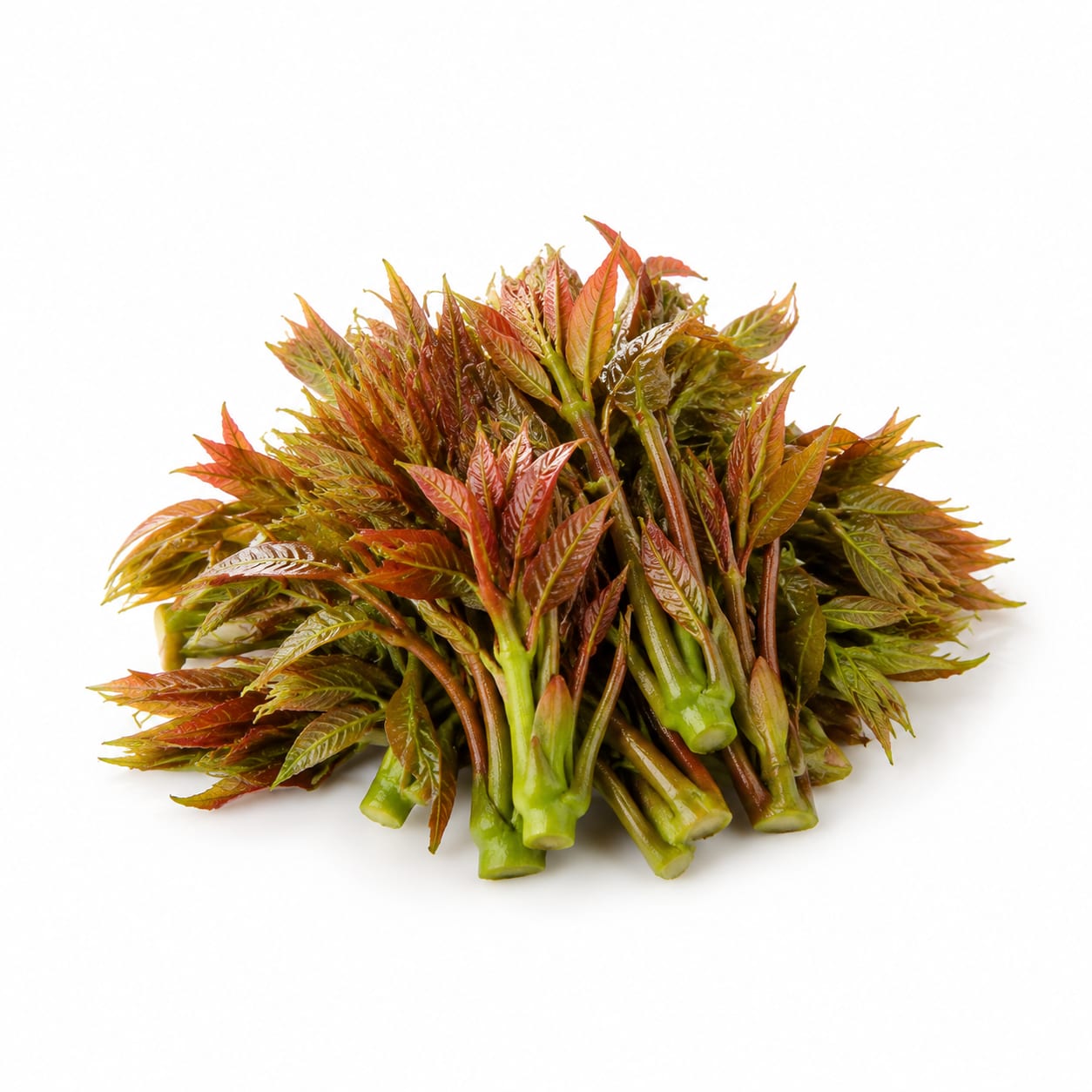
Toona Sinensis
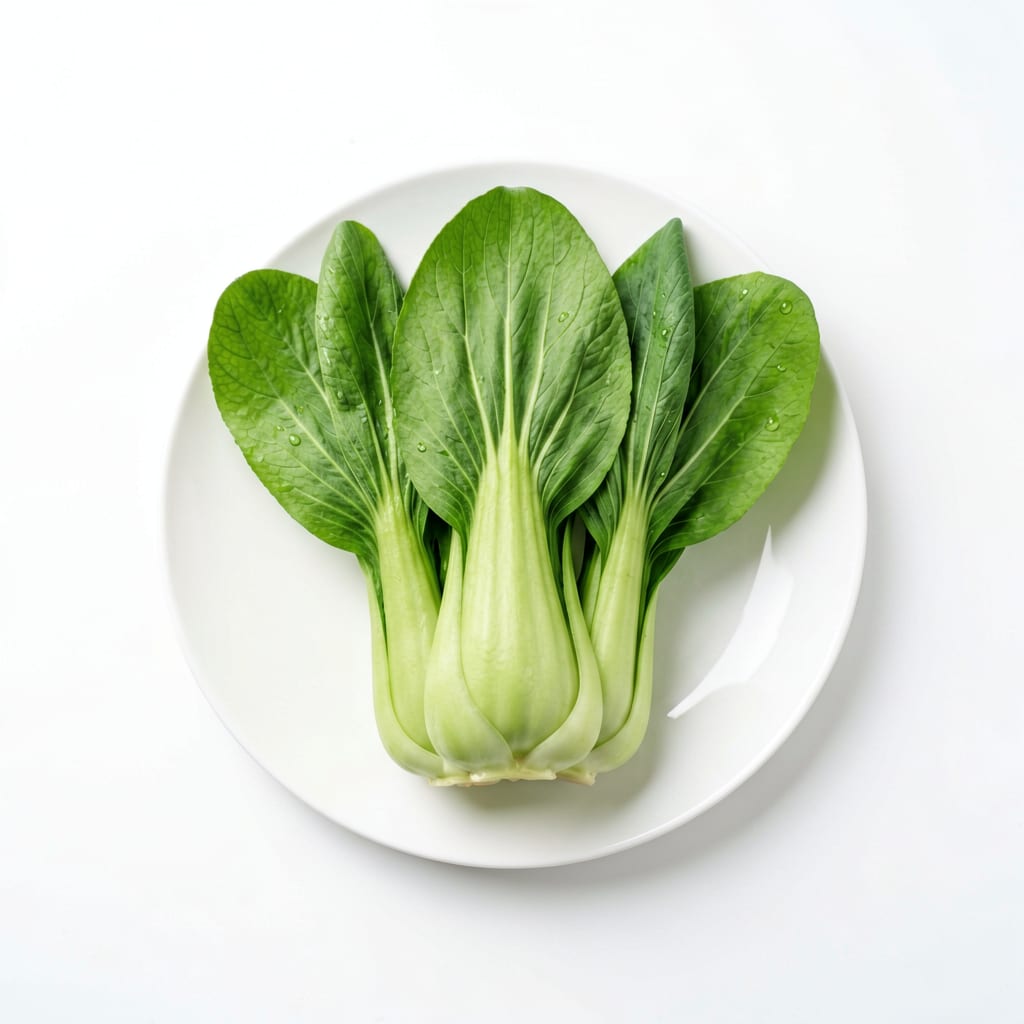
Bok Choy
Bok Choy wins for everyday reliability and safety, but Toona Sinensis offers a unique antioxidant punch as an occasional spring treat.
Bok Choy scores notably higher due to year-round availability, superior calcium content, lower safety concerns, and versatility. Toona Sinensis earns points for unique antioxidants and flavor but loses ground on nitrate risk, seasonal limitation, and limited culinary flexibility.
Toona Sinensis delivers stronger antioxidant and anti-inflammatory compounds but carries nitrate safety concerns and seasonal scarcity. Bok Choy provides consistent, safe, calcium-rich nutrition you can eat daily without worry.
At a glance
Executive summary
Overall
Bok Choy
Healthier
Bok Choy
More practical
Bok Choy
Daily use
Bok Choy
Key comparison lenses
Everyday vegetable choice for Asian cooking
Both are staple greens in Chinese cuisine but serve very different culinary and nutritional roles
Safety and contamination awareness
Toona Sinensis has notable nitrate accumulation concerns that Bok Choy largely avoids
Seasonal vs year-round availability
Toona Sinensis is a spring delicacy while Bok Choy is available year-round, affecting practical daily use
Antioxidant and phytonutrient comparison
Both offer unique bioactive compounds but through very different mechanisms
Mineral density and bone health support
Bok Choy is notably calcium-rich while Toona Sinensis offers different mineral advantages
Best choice for
Toona Sinensis
- Seasonal variety seekers wanting a spring delicacy
- People targeting anti-inflammatory flavonoid intake
- Those looking for a unique aromatic addition to eggs and tofu dishes
Bok Choy
- Daily vegetable rotation with consistent nutrition
- Calcium-focused diets without dairy
- Weight-conscious eaters needing volume with minimal calories
Least suitable for
Toona Sinensis
- Infants and young children due to nitrate concerns
- People who need a reliable year-round vegetable staple
- Those with sensitive digestion who struggle with bitter greens
Bok Choy
- People seeking bold, aromatic flavor experiences
- Those wanting high vitamin E intake from vegetables
- Anyone bored with mild-flavored greens and needing variety
Deep comparison
Dimension by dimension
Each lens scores both foods and breaks down who each option suits.
- Dimension 1 · Priority 90Bok Choy
Nutritional Density
Toona Sinensis · 65Bok Choy · 80Bok Choy delivers more consistent micronutrient value per calorie, especially calcium and vitamin K, while Toona Sinensis has stronger but narrower antioxidant highlights.
Tradeoff
Toona Sinensis packs more vitamin E and unique flavonoids, but Bok Choy covers a broader vitamin and mineral spectrum more reliably.
Why it matters
Broad micronutrient coverage supports more body systems daily than a few potent compounds occasionally.
Real-world impact
Eating Bok Choy regularly helps fill calcium gaps without dairy. Toona Sinensis adds a seasonal antioxidant boost but cannot serve as your nutritional backbone.
Toona Sinensis
- Vitamin E intake from a vegetable source
- Unique toonflavin and gallic acid antioxidant exposure
Better for
- Reliable daily micronutrient coverage
- Calcium needs
Worse for
Bok Choy
- Calcium without dairy
- Vitamin K for bone and blood health
- Folate for cell repair
Better for
- Vitamin E density
- Rare flavonoid diversity
Worse for
- Dimension 2 · Priority 88Bok Choy
Safety and Contamination Risk
Toona Sinensis · 50Bok Choy · 85Toona Sinensis accumulates nitrates at levels that can convert to nitrites, posing risks especially for children. Bok Choy has mild goitrogen concerns but is generally safer for regular consumption.
Tradeoff
Toona Sinensis requires blanching before eating to reduce nitrate levels. Bok Choy needs only standard washing and normal cooking.
Why it matters
Nitrite exposure from Toona Sinensis has been linked to methemoglobinemia risk in infants and potential carcinogenic concerns with long-term high intake.
Real-world impact
Families with young children should be cautious with Toona Sinensis and always blanch it. Bok Choy can be served more casually with less preparation anxiety.
Toona Sinensis
- Minimal goitrogen content
Better for
- High nitrate levels requiring blanching
- Risk for infants and young children
Worse for
Bok Choy
- Lower nitrate accumulation
- Safer for children and pregnant women
- Less preparation required for safety
Better for
- Goitrogen content if consumed raw in very large amounts
Worse for
- Dimension 3 · Priority 85Bok Choy
Availability and Practicality
Toona Sinensis · 35Bok Choy · 92Bok Choy is available in virtually every grocery store year-round. Toona Sinensis is a spring-only specialty found mainly in Asian markets during a brief window.
Tradeoff
Toona Sinensis offers the excitement of seasonal eating but fails as a reliable staple. Bok Choy is always there when you need it.
Why it matters
A vegetable you can actually buy consistently will always outperform one you cannot find, regardless of nutritional merits.
Real-world impact
You can plan weekly meals around Bok Choy with confidence. Toona Sinensis is more of a spring event you enjoy when it appears, then wait another year.
Toona Sinensis
- Seasonal eating enthusiasts who enjoy anticipation
Better for
- Cannot be relied on for weekly meal prep
- Difficult to find outside Asian markets
- Very short seasonal window
Worse for
Bok Choy
- Meal planning consistency
- Grocery shopping convenience
- Year-round recipe flexibility
Better for
- Lacks the cultural excitement of a seasonal delicacy
Worse for
- Dimension 4 · Priority 78Toona Sinensis
Antioxidant and Anti-inflammatory Power
Toona Sinensis · 82Bok Choy · 68Toona Sinensis contains unique compounds like toonflavin and quercetin derivatives that give it stronger measured antioxidant activity than Bok Choy.
Tradeoff
Higher antioxidant potency comes with the nitrate baggage and seasonal limitation. Bok Choy offers moderate but reliable glucosinolate benefits you can access daily.
Why it matters
Chronic inflammation drives many diseases. Potent anti-inflammatory foods matter, but only if you can eat them often enough to make a difference.
Real-world impact
A spring feast of Toona Sinensis gives a concentrated antioxidant hit. Daily Bok Choy provides steadier, lower-level anti-inflammatory support that accumulates over months.
Toona Sinensis
- Quercetin and rutin for allergy and inflammation support
- Toonflavin as a rare plant compound
- Stronger measured ORAC values
Better for
- Cannot sustain antioxidant benefits year-round
- Preparation losses from required blanching
Worse for
Bok Choy
- Glucosinolates linked to cancer risk reduction
- Consistent daily intake possible
Better for
- Lower peak antioxidant potency per serving
Worse for
- Dimension 5 · Priority 72Bok Choy
Calorie Efficiency and Satiety
Toona Sinensis · 60Bok Choy · 78Both are low-calorie vegetables, but Bok Choy's higher water content and crunch make it more filling per calorie, especially in stir-fries and soups.
Tradeoff
Toona Sinensis is typically used as a flavor accent in small quantities, not as a volume vegetable. Bok Choy can serve as the bulk of a dish.
Why it matters
Vegetables that fill your plate and stomach with minimal calories are the backbone of sustainable weight management.
Real-world impact
A Bok Choy stir-fry can be a full satisfying meal component. Toona Sinensis is more like a garnish or egg mix-in that adds flavor but not fullness.
Toona Sinensis
- Flavor satisfaction with very small portions
Better for
- Rarely eaten in quantities that provide satiety
- More often a condiment than a dish
Worse for
Bok Choy
- Physical fullness from water and fiber volume
- Larger portion sizes without calorie concern
- Better as a meal foundation rather than accent
Better for
- Less flavor excitement per bite
Worse for
- Dimension 6 · Priority 70Bok Choy
Culinary Versatility
Toona Sinensis · 45Bok Choy · 82Bok Choy works in stir-fries, soups, braises, salads, and grills. Toona Sinensis is essentially limited to egg scrambles, tofu pairings, and a few traditional preparations.
Tradeoff
Toona Sinensis has a distinctive, irreplaceable aroma that defines specific dishes. Bok Choy is a flexible team player that adapts to almost anything.
Why it matters
A versatile vegetable reduces cooking fatigue and increases the likelihood you actually eat greens regularly.
Real-world impact
Bok Choy can go into ramen tonight, a stir-fry tomorrow, and a braise on the weekend. Toona Sinensis makes one thing really well, then you are done.
Toona Sinensis
- Unique aromatic profile nothing else replicates
- Traditional pairing with eggs is iconic
Better for
- Limited recipe repertoire
- Overpowering if used outside its traditional pairings
Worse for
Bok Choy
- Works across dozens of cuisines and techniques
- Equally good raw, steamed, stir-fried, or braised
- Pairs with any protein or grain
Better for
- No single iconic dish where it shines above all others
Worse for
Timeline
Health impact over time
Short-term
Hours to days
Toona Sinensis
- Blanching reduces but does not eliminate nitrate exposure, which can cause headaches in sensitive individuals
- Aromatic compounds may trigger mild allergic reactions in some people
- Strong flavor can stimulate appetite and digestion
Bok Choy
- High water content supports hydration with meals
- Mild fiber supports comfortable digestion without bloating
- Cruciferous compounds may cause slight gas if eaten raw in large amounts
Long-term
Months to years
Toona Sinensis
- Regular consumption of unique flavonoids may support cardiovascular health and reduce inflammatory markers
- Chronic nitrate exposure without proper preparation could pose long-term health concerns
- Seasonal consumption pattern limits cumulative benefits compared to daily vegetables
Bok Choy
- Consistent calcium and vitamin K intake supports bone density over decades
- Glucosinolates from regular consumption are associated with lower cancer risk in epidemiological studies
- Daily low-calorie vegetable intake supports sustainable weight management
Risk profile
Safety & processing
Both vegetables are consumed in their natural state with minimal processing. Toona Sinensis sometimes appears preserved or salted, which adds sodium. Fresh Bok Choy is almost always sold whole and unprocessed.
Toona Sinensis
Nitrate and nitrite accumulation
highToona Sinensis is a known nitrate accumulator. Without blanching, nitrate levels can exceed safe thresholds, especially risky for infants and young children. Always blanch before consuming.
Allergic reactions
mediumSome individuals report contact dermatitis or oral allergy symptoms from Toona Sinensis, particularly during peak season when volatile compound concentrations are highest.
Pesticide residue on seasonal crops
mediumAs a high-value spring crop, Toona Sinensis may receive intensive pesticide applications. Washing and blanching help reduce surface residues.
Bok Choy
Goitrogen exposure from raw consumption
lowBok Choy contains glucosinolates that can interfere with thyroid function if consumed raw in very large quantities. Normal cooking deactivates most of this concern.
Pesticide residue on leafy surfaces
lowLike all leafy greens, Bok Choy can carry pesticide residue. Its open leaf structure makes washing straightforward and effective.
Who wins for whom
Audience fit
Same foods, different winners depending on your goal.
children
Bok ChoyBok Choy is significantly safer for children due to the absence of high nitrate concerns. Toona Sinensis should be avoided or strictly limited for infants and young children.
daily consumption
Bok ChoyBok Choy is available year-round, has minimal safety concerns, and offers consistent nutrition. Toona Sinensis is best enjoyed as an occasional seasonal treat rather than a daily vegetable.
diabetes
Bok ChoyBok Choy can be eaten in larger portions with minimal carbohydrate load, supporting blood sugar-friendly meal volume. Toona Sinensis is safe in moderation but its nitrate content adds an unnecessary variable.
elderly
Bok ChoyBok Choy provides calcium and vitamin K that support bone health in aging populations, with minimal safety concerns. Its soft texture when cooked is also easy on aging digestion.
muscle gain
Bok ChoyNeither vegetable is a protein source, but Bok Choy pairs better as a side with high-protein meals due to its versatility and mineral content that supports muscle function.
weight loss
Bok ChoyBok Choy provides more volume and satiety per calorie and can be eaten in large quantities daily. Toona Sinensis is used in small amounts and cannot serve as a weight-loss staple.
Your move
Decision guide
Choose Toona Sinensis
- You are celebrating spring and want a traditional seasonal delicacy
- You have access to fresh Toona Sinensis and will properly blanch it
- You want to diversify your antioxidant intake beyond common vegetables
- You are an adult without nitrate sensitivity concerns
Choose Bok Choy
- You need a reliable daily vegetable that is always available
- You are feeding children and want maximum safety
- You are managing weight and need low-calorie meal volume
- You want calcium from a non-dairy source on a regular basis
- You prefer a versatile green that works in any cuisine
Either works if
- You enjoy Chinese cuisine and want to rotate between different greens
- You are generally healthy and eat a varied vegetable diet
- You want to experience the full spectrum of traditional Chinese vegetables
Avoid both if
- You have severe cruciferous vegetable allergies that extend to Bok Choy
- You are on a very strict low-oxalate diet and cannot tolerate either green
Final recommendation
Make Bok Choy your everyday green and treat Toona Sinensis as a spring celebration. Bok Choy gives you reliable calcium, vitamin K, and meal flexibility all year. Toona Sinensis offers a unique aromatic experience and antioxidant boost, but its nitrate concerns and seasonal scarcity make it a special occasion vegetable, not a daily driver. When you do enjoy Toona Sinensis, always blanch it first to reduce nitrate levels, and avoid serving it to young children.
Practical
Consumer tips
- 1
Always blanch Toona Sinensis in boiling water for at least 30 seconds before cooking to significantly reduce nitrate levels
- 2
Choose Bok Choy with firm white stems and dark green leaves for the freshest nutrient content
- 3
Store Bok Choy in a perforated bag in the crisper drawer and use within 5 days for best quality
- 4
If buying Toona Sinensis, look for bright purple-red tender tips and avoid any that look wilted or overly mature
- 5
Pair Bok Choy with a healthy fat source like sesame oil to improve absorption of its fat-soluble vitamins
- 6
Freeze blanched Toona Sinensis during its brief spring season if you want to extend its availability a few extra weeks