
Nutrition comparison
Toona Sinensis vs Neem Leaves: Which Medicinal Green Is Right for You?
Compare Toona Sinensis and Neem Leaves — safety, benefits, taste, and daily use suitability. Learn which traditional plant is better for your health goals and when to avoid each.
Overall winner · Toona Sinensis
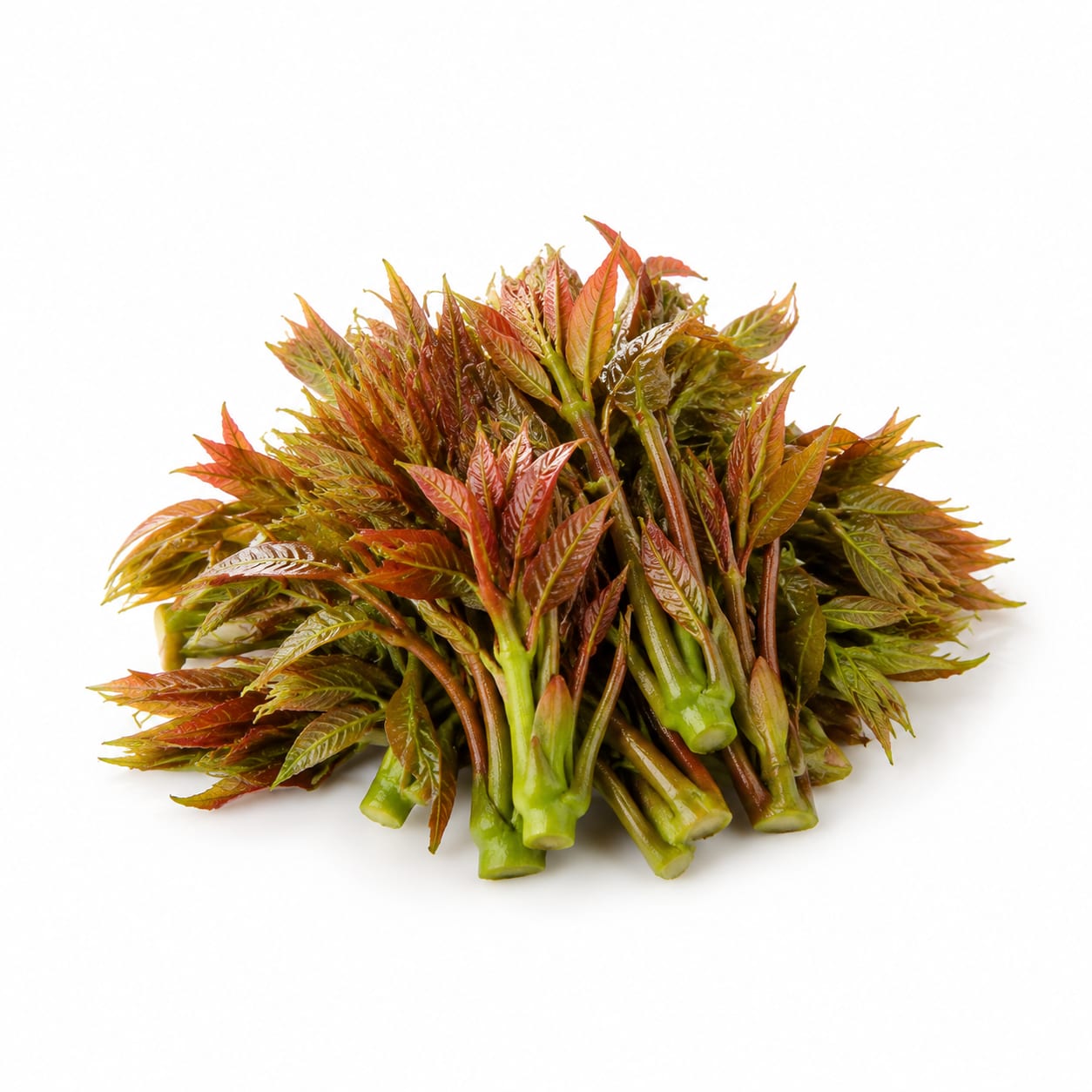
Toona Sinensis
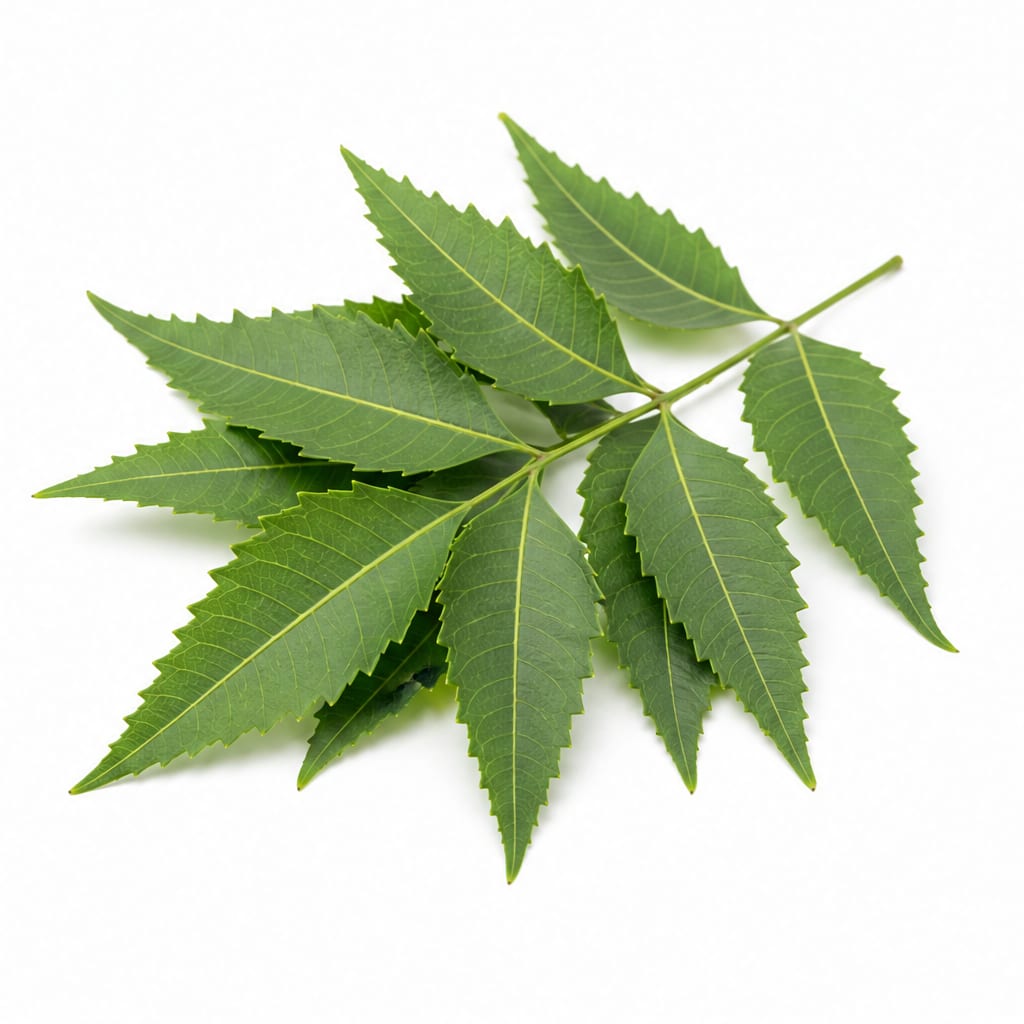
Neem Leaves
Toona Sinensis wins as a food you can actually enjoy eating regularly in moderation, while Neem Leaves are better reserved as targeted medicine rather than dietary staple.
Toona Sinensis scores higher primarily due to culinary usability and safer moderate consumption. Neem Leaves score lower because their medicinal intensity and toxicity risks make them poorly suited as regular food despite strong therapeutic properties.
Toona Sinensis offers a palatable culinary experience with moderate medicinal benefits, whereas Neem Leaves deliver stronger therapeutic effects but with worse taste and higher toxicity risk.
At a glance
Executive summary
Overall
Toona Sinensis
Healthier
Toona Sinensis
More practical
Toona Sinensis
Daily use
Toona Sinensis
Key comparison lenses
medicinal food safety
Both are traditional plant foods with potent bioactive compounds and real toxicity concerns at higher doses
culinary versus medicinal use
Toona Sinensis is a seasonal culinary vegetable while Neem Leaves are primarily medicinal with limited culinary appeal
daily consumption sustainability
Users need to understand that neither is a casual daily green — both require respect for dosage
antioxidant and anti inflammatory benefits
Both are rich in bioactive compounds but through very different mechanisms and with different risk profiles
Best choice for
Toona Sinensis
- People wanting a nutrient-dense seasonal vegetable
- Those seeking gentle antioxidant support through food
- Culinary enthusiasts exploring Chinese cuisine
- Anyone wanting health benefits without extreme bitterness
Neem Leaves
- People targeting specific inflammatory or skin conditions
- Those under Ayurvedic practitioner guidance
- Individuals seeking potent antimicrobial support
- People managing blood sugar who tolerate bitter herbs
Least suitable for
Toona Sinensis
- People with nitrate sensitivity or kidney stones
- Those allergic to mahogany family plants
- Anyone avoiding seasonal limited-availability foods
Neem Leaves
- Pregnant women (neem can act as abortifacient)
- Children (toxicity threshold is lower)
- People on blood sugar medication (risk of hypoglycemia)
- Anyone with liver conditions
Deep comparison
Dimension by dimension
Each lens scores both foods and breaks down who each option suits.
- Dimension 1 · Priority 92Toona Sinensis
Culinary Enjoyment and Palatability
Toona Sinensis · 82Neem Leaves · 18Toona Sinensis has a distinctive garlicky-onion flavor that people genuinely enjoy, while Neem Leaves are overwhelmingly bitter and rarely eaten for pleasure.
Tradeoff
You gain therapeutic potency with Neem but sacrifice any eating enjoyment entirely.
Why it matters
If you cannot stand the taste, you will not sustain consumption — and consistency matters more than potency.
Real-world impact
Toona Sinensis stir-fried with eggs is a beloved spring dish. Neem Leaves require willpower or encapsulation to consume regularly.
Toona Sinensis
- People who want health benefits from food they actually enjoy
- Families introducing medicinal greens into meals
Better for
- Anyone specifically wanting maximum therapeutic intensity
Worse for
Neem Leaves
- People comfortable with bitter herbal protocols
- Those already taking bitter tinctures or capsules
Better for
- Casual users expecting a pleasant eating experience
- Children or picky eaters
Worse for
- Dimension 2 · Priority 95Toona Sinensis
Safety and Toxicity Profile
Toona Sinensis · 65Neem Leaves · 40Both carry risks, but Neem Leaves have a narrower safety margin with documented hepatotoxicity and reproductive toxicity at moderate doses.
Tradeoff
Neem's stronger medicinal action comes with a higher chance of adverse effects if you miscalculate dosage.
Why it matters
With traditional plant medicines, the line between remedy and poison is often dose-dependent.
Real-world impact
Toona Sinensis requires blanching to reduce nitrates — a simple kitchen step. Neem toxicity can sneak up on you with consistent daily use.
Toona Sinensis
- People who want to self-dose without practitioner supervision
- Those concerned about liver stress from herbal supplements
Better for
- People with severe nitrate sensitivity
Worse for
Neem Leaves
- Short-term targeted use under professional guidance
Better for
- Pregnant women — neem is contraindicated
- Anyone with compromised liver function
- People on diabetic medication risking hypoglycemia
Worse for
- Dimension 3 · Priority 85Neem Leaves
Anti-inflammatory and Antimicrobial Potency
Toona Sinensis · 55Neem Leaves · 88Neem Leaves contain nimbin and nimbidin — among the most potent natural anti-inflammatory and antimicrobial compounds known in traditional medicine.
Tradeoff
Neem is therapeutically stronger but that intensity also drives its side effects.
Why it matters
For acute inflammatory or microbial issues, potency matters more than palatability.
Real-world impact
Neem paste on skin infections works noticeably fast. Toona Sinensis offers gentler, slower antioxidant support through diet.
Toona Sinensis
- People wanting mild daily anti-inflammatory support through food
- Those prioritizing prevention over acute treatment
Better for
- Anyone needing strong therapeutic intervention
Worse for
Neem Leaves
- Active skin conditions or infections needing targeted support
- People seeking potent antimicrobial action
Better for
- Long-term daily use as a preventive — too harsh on the system
Worse for
- Dimension 4 · Priority 78Toona Sinensis
Nutrient Density and Vitamin Content
Toona Sinensis · 76Neem Leaves · 58Toona Sinensis provides meaningful amounts of vitamins A, C, E, protein, and iron in a form your body absorbs well from food.
Tradeoff
Neem Leaves contain beneficial compounds but their nutrient profile is more medicinal than nutritional.
Why it matters
Getting vitamins from food you enjoy eating creates a sustainable health habit.
Real-world impact
A plate of Toona Sinensis with eggs delivers real nutrition you can feel satisfied about. Neem Leaf tea delivers medicine, not a meal.
Toona Sinensis
- Anyone looking to increase vegetable-based vitamin intake
- People wanting iron and protein from greens
Better for
- People needing concentrated therapeutic doses of specific compounds
Worse for
Neem Leaves
- Those already eating well who want added medicinal compounds
Better for
- Anyone relying on it as a nutritional food source
Worse for
- Dimension 5 · Priority 80Neem Leaves
Blood Sugar Management
Toona Sinensis · 48Neem Leaves · 82Neem Leaves have well-documented glucose-lowering effects used in Ayurvedic diabetes management for centuries.
Tradeoff
This benefit becomes dangerous if you are already on blood sugar medication — the combined effect can cause hypoglycemia.
Why it matters
Natural does not mean gentle — neem's glucose-lowering is pharmacologically meaningful.
Real-world impact
Diabetics on medication should not add neem without doctor supervision. The blood sugar drop can be significant and sudden.
Toona Sinensis
- People wanting mild metabolic support without drug interactions
Better for
- Those needing significant blood sugar intervention
Worse for
Neem Leaves
- Pre-diabetics seeking natural glucose management (with supervision)
- Metabolic syndrome patients under practitioner care
Better for
- Anyone on insulin or oral hypoglycemics without medical guidance
Worse for
- Dimension 6 · Priority 72Toona Sinensis
Digestive Tolerance
Toona Sinensis · 70Neem Leaves · 38Toona Sinensis is generally well-tolerated when properly prepared. Neem Leaves frequently cause nausea, stomach upset, and diarrhea.
Tradeoff
Neem's gut irritation is sometimes framed as 'detox' but it is genuinely hard on the digestive system.
Why it matters
If a food makes you feel unwell, you will stop taking it — and the benefits disappear with compliance.
Real-world impact
Blanched Toona Sinensis in a stir-fry sits comfortably. Neem Leaf tea on an empty stomach can cause cramping within minutes.
Toona Sinensis
- People with sensitive stomachs
- Those new to medicinal greens
Better for
- Those who skip blanching and eat large raw quantities
Worse for
Neem Leaves
- People with strong digestion accustomed to bitter herbs
Better for
- Anyone with IBS, gastritis, or sensitive digestion
- People prone to nausea from bitter foods
Worse for
Timeline
Health impact over time
Short-term
Hours to days
Toona Sinensis
- Quick antioxidant boost from vitamin C and flavonoids
- Mild energizing effect from iron content
- Potential mild stomach upset if eaten raw in large amounts due to nitrates
Neem Leaves
- Noticeable blood sugar drop within hours of consumption
- Common nausea or stomach cramping, especially on empty stomach
- Immediate strong bitter taste that can trigger gag reflex in sensitive people
Long-term
Months to years
Toona Sinensis
- Steady antioxidant intake supports cellular aging defenses
- Regular consumption may support cardiovascular health through flavonoids
- Nitrate accumulation concern if consumed daily without blanching
Neem Leaves
- Sustained anti-inflammatory benefits with consistent but moderate use
- Risk of liver strain with prolonged daily consumption
- Potential reproductive health effects with long-term high doses
Risk profile
Safety & processing
Both are whole plant foods with no artificial processing. Toona Sinensis requires blanching at home to reduce nitrates — a traditional preparation step. Neem Leaves are typically used dried or fresh with minimal processing. Neither carries additive concerns.
Toona Sinensis
High nitrate content
mediumToona Sinensis accumulates nitrates, especially older leaves. Always blanch in boiling water for 60 seconds and discard the water to significantly reduce nitrate levels.
Seasonal pesticide exposure
mediumAs a spring crop, pesticide application timing can coincide with harvest. Source from trusted organic growers when possible.
Allergic reactions
lowSome people report mild allergic responses, particularly those sensitive to the Meliaceae plant family.
Neem Leaves
Hepatotoxicity with chronic use
highNeem Leaf extracts have been associated with liver damage in several case reports, particularly with daily sustained use over weeks to months.
Reproductive toxicity
highNeem has documented abortifacient properties and is strictly contraindicated in pregnancy. It may also affect fertility with long-term use.
Hypoglycemia in medicated diabetics
highWhen combined with insulin or oral hypoglycemics, neem can push blood sugar dangerously low. Medical supervision is essential.
Children's toxicity
highNeem oil and leaf preparations have caused serious reactions including vomiting, diarrhea, seizures, and even death in children. Never give neem to young children.
Who wins for whom
Audience fit
Same foods, different winners depending on your goal.
children
Toona SinensisNeem is explicitly unsafe for children due to documented toxicity cases. Toona Sinensis is fine for kids when properly blanched and served in normal food amounts.
daily consumption
Toona SinensisToona Sinensis can be eaten several times per week during season with proper blanching. Neem should be cycled — daily long-term use raises liver and reproductive health concerns.
diabetes
Neem LeavesNeem has stronger evidence for glucose lowering, but ONLY under medical supervision if you are on medication. Toona Sinensis offers milder metabolic support without drug interaction risk.
elderly
Toona SinensisOlder adults often have reduced liver function and more medication interactions. Toona Sinensis is gentler on the system and less likely to cause complications.
muscle gain
Toona SinensisNeither is a muscle-building food, but Toona Sinensis at least contributes some plant protein and iron that supports training recovery.
weight loss
Toona SinensisToona Sinensis provides satisfying nutrition with very few calories and works well in meals. Neem's bitterness and GI side effects make it an impractical weight loss aid.
Your move
Decision guide
Choose Toona Sinensis
- You want a healthy vegetable you can actually cook and enjoy
- You are looking for gentle antioxidant support through your diet
- You have children or elderly family members who will also eat it
- You prefer food-as-medicine over medicine-as-food
- You value culinary tradition and seasonal eating
Choose Neem Leaves
- You are working with an Ayurvedic practitioner on a specific protocol
- You need targeted antimicrobial or anti-inflammatory support
- You are managing blood sugar and want a natural adjunct (with doctor approval)
- You are comfortable with bitter herbs and cycling on/off protocols
- You have no liver issues, are not pregnant, and are not on diabetic medication
Either works if
- You want plant-based antioxidant support and are open to different traditions
- You are generally healthy and curious about traditional medicinal plants
Avoid both if
- You are pregnant — neem is contraindicated and Toona Sinensis nitrates are best minimized
- You have severe liver disease
- You are on blood thinners (both may interact)
- You are looking for a simple daily green vegetable — choose spinach or kale instead
Final recommendation
For most people, Toona Sinensis is the smarter choice — it bridges food and medicine in a way you can sustain. Neem Leaves are powerful medicine that deserve respect, professional guidance, and careful dosing. If you would not take a pharmaceutical without reading the insert, do not take neem casually either. Use Toona Sinensis as your daily green and reserve Neem for targeted therapeutic windows under supervision.
Practical
Consumer tips
- 1
Always blanch Toona Sinensis for at least 60 seconds in boiling water and discard the water — this removes 70-80% of nitrates
- 2
Source Toona Sinensis from organic or trusted farms during its spring season for lowest pesticide exposure
- 3
If trying Neem Leaves, start with a small cup of tea rather than raw leaves to assess your tolerance
- 4
Never give Neem in any form to children under 12 — the toxicity risk is too high
- 5
Cycle Neem use: 2-3 weeks on, 1-2 weeks off to reduce liver strain
- 6
Store dried Neem Leaves in airtight containers away from light — their active compounds degrade with UV exposure
- 7
If you are on any medication, especially for diabetes or blood pressure, consult your doctor before adding Neem to your routine
- 8
Toona Sinensis pairs exceptionally well with eggs — the fat-soluble vitamins A and E absorb better with dietary fat