
Nutrition comparison
Toona Sinensis vs Asparagus: Antioxidant Power, Safety, and Which to Eat Daily
Compare Toona Sinensis and Asparagus on antioxidants, folate, gut health, nitrate safety, and daily practicality. Learn which vegetable fits your health goals and when to choose each.
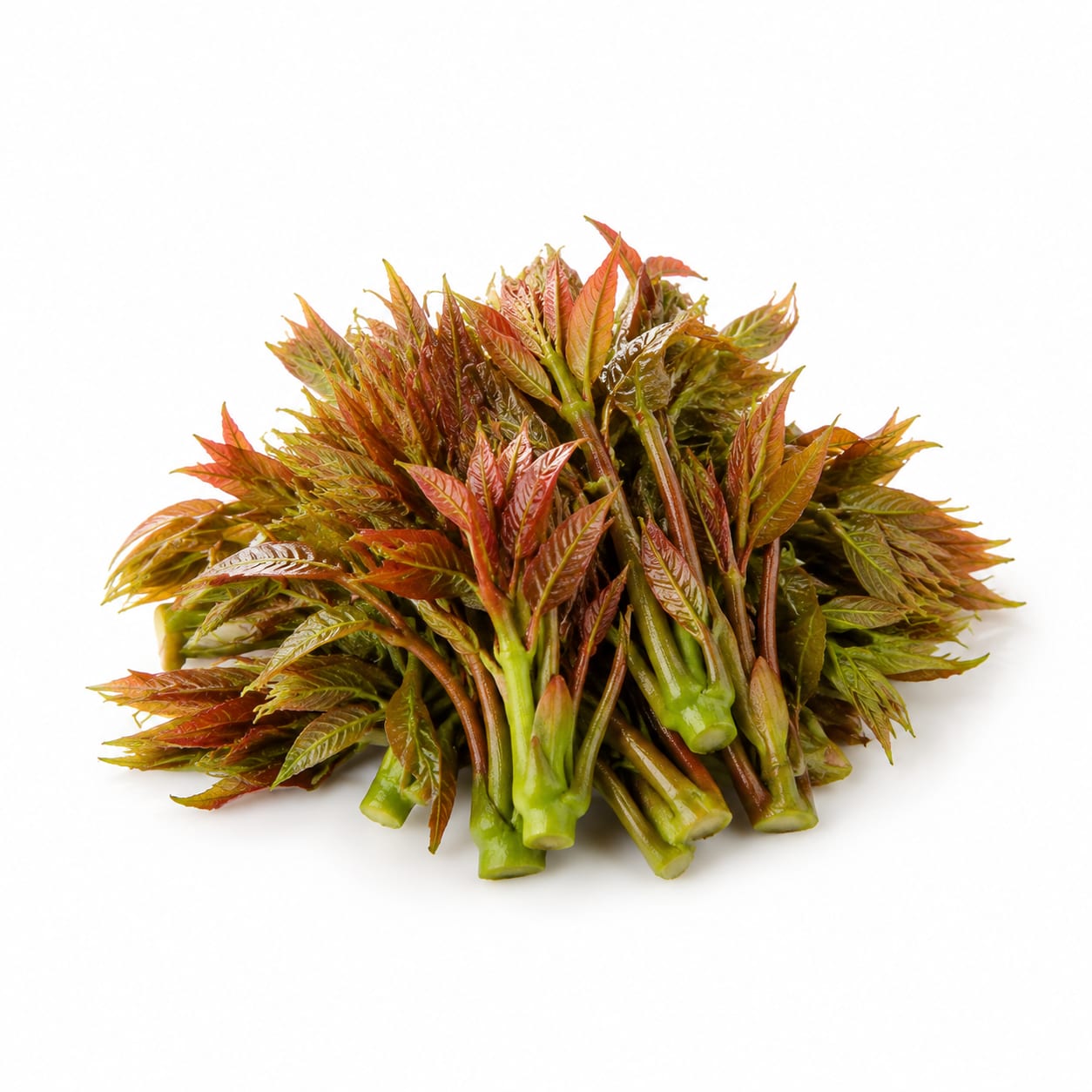
Toona Sinensis
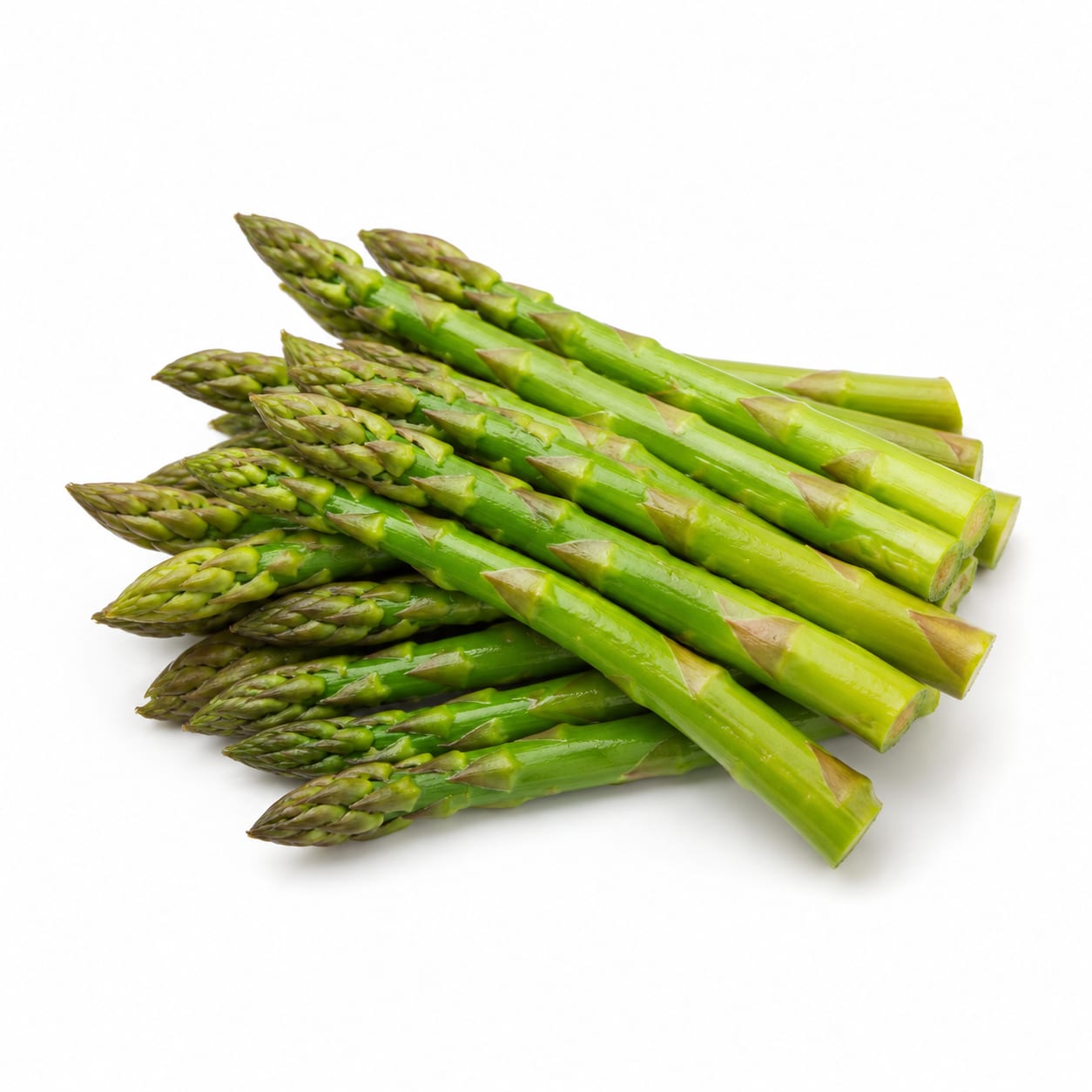
Asparagus
Asparagus wins on accessibility, safety, and evidence-backed nutrition. Toona Sinensis offers stronger antioxidant potential and unique anti-inflammatory compounds but is harder to find and requires careful preparation.
Asparagus scores higher due to stronger evidence base, wider availability, and safer preparation. Toona Sinensis has impressive bioactive density but loses points on accessibility, seasonal limitation, and nitrate safety concerns that require mitigation.
Exotic medicinal potency versus everyday reliability — Toona Sinensis delivers more bioactive punch per bite, while asparagus delivers consistent, well-studied benefits you can actually access regularly.
At a glance
Executive summary
Overall
It depends
Healthier
Asparagus
More practical
Asparagus
Daily use
Asparagus
Key comparison lenses
antioxidant and anti inflammatory potential
Both foods are prized for bioactive compounds but through very different mechanisms — Toona Sinensis for its flavonoids and phenolics, asparagus for glutathione and saponins
accessibility and everyday practicality
Asparagus is globally available year-round; Toona Sinensis is seasonal and largely limited to Asian markets, making daily use unrealistic for most people
safety and contamination concerns
Toona Sinensis carries nitrate accumulation risks and requires blanching; asparagus has purine and urine odor concerns but is generally safer with standard prep
traditional medicinal vs western nutrition evidence
Toona Sinensis has deep TCM roots but limited clinical trials; asparagus has robust nutritional profiling in Western research
digestive and gut health
Asparagus provides prebiotic inulin; Toona Sinensis offers fiber but less is known about its gut microbiome effects
Best choice for
Toona Sinensis
- People seeking potent anti-inflammatory plant compounds
- Those with access to Asian markets during spring season
- Anyone interested in traditional Chinese medicinal foods
- People wanting to diversify their antioxidant sources beyond common vegetables
Asparagus
- People who want reliable, year-round vegetable nutrition
- Those prioritizing folate for pregnancy or heart health
- Anyone managing digestive health through prebiotics
- People who value well-studied, evidence-backed food choices
Least suitable for
Toona Sinensis
- People with nitrate sensitivity or methemoglobinemia risk
- Those without access to specialty Asian grocers
- Anyone wanting a set-and-forget daily vegetable habit
- Infants and young children due to nitrate concerns
Asparagus
- People with severe gout or uric acid issues
- Those bothered by asparagusic acid urine odor
- People on very low-potassium diets due to kidney disease
Deep comparison
Dimension by dimension
Each lens scores both foods and breaks down who each option suits.
- Dimension 1 · Priority 92Toona Sinensis
antioxidant_potency
Toona Sinensis · 88Asparagus · 72Toona Sinensis packs more antioxidant firepower per gram thanks to high concentrations of rutin, quercetin, and gallic acid.
Tradeoff
You get more antioxidant diversity from Toona Sinensis, but asparagus provides glutathione — the body's master antioxidant — which is rare in food sources.
Why it matters
Antioxidant-rich foods help reduce oxidative stress linked to aging, chronic disease, and inflammation.
Real-world impact
Regular Toona Sinensis consumption during its season could give a concentrated antioxidant boost, while asparagus offers a steadier, milder daily contribution.
Toona Sinensis
- Acute anti-inflammatory support during flare-ups
- Diversifying antioxidant intake beyond common vegetables
- People seeking rutin specifically for vascular health
Better for
- Only available seasonally, creating antioxidant gaps
- Must be blanched to reduce nitrate load before eating
Worse for
Asparagus
- Sustained daily antioxidant support without preparation hassle
- Raising glutathione levels for detoxification support
- People who want reliable antioxidant intake year-round
Better for
- Lower total phenolic content per serving
- Glutathione degrades significantly with prolonged cooking
Worse for
- Dimension 2 · Priority 85Asparagus
vitamin_and_mineral_density
Toona Sinensis · 65Asparagus · 84Asparagus is a standout source of folate, vitamin K, and potassium with solid clinical data. Toona Sinensis has decent vitamin E and C content but less overall mineral breadth.
Tradeoff
Asparagus delivers nutrients with clear deficiency-prevention value, especially folate. Toona Sinensis offers vitamin E but its mineral profile is less documented and likely more variable.
Why it matters
Folate deficiency is common and consequential — affecting heart health, pregnancy outcomes, and mood regulation.
Real-world impact
A serving of asparagus covers roughly 65% of daily folate needs. Toona Sinensis cannot match this for any single vitamin with the same confidence.
Toona Sinensis
- Vitamin E intake for skin and immune support
- People wanting vitamin C from a non-citrus source
Better for
- Nutrient data is limited and variable depending on growing conditions
- No single vitamin reaches the standout levels asparagus achieves with folate
Worse for
Asparagus
- Pregnant women or those planning pregnancy needing folate
- Anyone concerned about vitamin K for bone and blood health
- People needing potassium for blood pressure management
Better for
- Vitamin E content is modest compared to Toona Sinensis
Worse for
- Dimension 3 · Priority 78Asparagus
digestive_and_gut_health
Toona Sinensis · 60Asparagus · 82Asparagus contains inulin, a well-studied prebiotic fiber that feeds beneficial gut bacteria. Toona Sinensis provides fiber but its prebiotic effects are largely uncharacterized.
Tradeoff
Asparagus actively nurtures your gut microbiome. Toona Sinensis provides bulk fiber but without the targeted prebiotic benefit.
Why it matters
Prebiotic fiber doesn't just aid digestion — it influences immunity, mood, and metabolic health through the gut-brain axis.
Real-world impact
Eating asparagus regularly can meaningfully shift your gut bacteria toward healthier patterns. Toona Sinensis keeps things moving but may not actively improve microbiome composition.
Toona Sinensis
- Basic fiber intake for regularity
Better for
- No documented prebiotic compounds
- May cause digestive upset if not properly blanched
Worse for
Asparagus
- Feeding beneficial Bifidobacteria in the gut
- Supporting immune function through gut health
- People with mild constipation needing gentle fiber support
Better for
- Inulin can cause gas and bloating in sensitive individuals
- Excessive intake may trigger IBS symptoms in some people
Worse for
- Dimension 4 · Priority 80Asparagus
safety_and_preparation_requirements
Toona Sinensis · 52Asparagus · 82Toona Sinensis accumulates nitrates and requires blanching before consumption. Asparagus needs only standard washing and trimming — far less precaution.
Tradeoff
Toona Sinensis demands respect and proper technique. Skip the blanching and you risk ingesting concerning nitrate levels, especially for children.
Why it matters
Nitrate accumulation in leafy shoots can convert to nitrites, which interfere with oxygen transport in blood — particularly dangerous for infants.
Real-world impact
Asparagus is a rinse-and-cook vegetable. Toona Sinensis requires a blanching step that adds time and reduces some water-soluble nutrients — a real practical cost.
Toona Sinensis
- No significant purine concerns for gout sufferers
Better for
- Must be blanched to reduce nitrate content before cooking
- Nitrate risk is higher in early spring harvests
- Not recommended for infants and young children
Worse for
Asparagus
- No special preparation required beyond washing
- Lower risk of nitrate-related complications
- Safe for children without extra processing steps
Better for
- Contains moderate purines — a concern for gout flare-ups
- Asparagusic acid causes strong urine odor that alarms some people
Worse for
- Dimension 5 · Priority 88Asparagus
availability_and_everyday_practicality
Toona Sinensis · 35Asparagus · 90Asparagus is available in virtually every grocery store year-round. Toona Sinensis is a seasonal specialty found primarily in Asian markets during spring.
Tradeoff
You can build asparagus into a weekly routine effortlessly. Toona Sinensis is more of a seasonal event — exciting but not something you can count on regularly.
Why it matters
The healthiest food is the one you can actually eat consistently. Availability directly determines real-world nutritional impact.
Real-world impact
Most people reading this can buy asparagus today. Finding fresh Toona Sinensis requires planning, proximity to Asian markets, and timing the spring window.
Toona Sinensis
- Unique culinary experience when available
- Cultural and seasonal significance adds enjoyment
Better for
- Extremely limited availability outside East and Southeast Asia
- Only fresh for a few weeks per year
- Frozen or preserved versions lose much of the bioactive value
Worse for
Asparagus
- Year-round availability in most regions
- Easy to find in any standard grocery store
- Consistent quality and predictable preparation
Better for
- Can be expensive out of season
- Spoils quickly — needs to be used within 2-3 days of purchase
Worse for
- Dimension 6 · Priority 82Toona Sinensis
anti_inflammatory_and_medicinal_value
Toona Sinensis · 86Asparagus · 68Toona Sinensis has documented anti-inflammatory, antimicrobial, and even potential anti-tumor properties in lab studies. Asparagus has milder anti-inflammatory effects.
Tradeoff
Toona Sinensis carries stronger medicinal promise, but most evidence comes from cell and animal studies — not human trials. Asparagus has modest but confirmed benefits.
Why it matters
Chronic inflammation drives heart disease, diabetes, and autoimmune conditions. Foods with genuine anti-inflammatory action are valuable long-term allies.
Real-world impact
If you have access to Toona Sinensis, incorporating it during spring could provide a meaningful anti-inflammatory boost. Asparagus contributes steadily but less dramatically.
Toona Sinensis
- People managing chronic inflammatory conditions
- Those interested in food-as-medicine approaches
- Anyone wanting to supplement their diet with potent plant compounds
Better for
- Human clinical trial data is very limited
- Cannot be relied upon as a primary therapeutic intervention
Worse for
Asparagus
- People who prefer evidence with human clinical backing
- Those wanting mild, safe anti-inflammatory support without risk
Better for
- Saponin content is lower than in other anti-inflammatory foods
- Anti-inflammatory effects are modest compared to Toona Sinensis
Worse for
Timeline
Health impact over time
Short-term
Hours to days
Toona Sinensis
- Noticeable aromatic and flavor stimulation that can enhance appetite
- Potential mild blood sugar lowering effect after meals due to phenolic compounds
- Risk of nitrate-related discomfort if consumed without blanching
- May cause mild digestive adjustment if you are not accustomed to high-flavonoid foods
Asparagus
- Prebiotic inulin may cause temporary gas or bloating in sensitive individuals
- Noticeable urine odor within hours due to asparagusic acid breakdown — harmless but surprising
- Mild diuretic effect that can reduce water retention
- Folate and B-vitamin content can provide a subtle energy lift
Long-term
Months to years
Toona Sinensis
- Consistent seasonal consumption may reduce systemic inflammation markers
- Rutin content could support vascular health and capillary strength over time
- Limited long-term human data means benefits are plausible but not confirmed
- If improperly prepared regularly, chronic nitrate exposure could pose health risks
Asparagus
- Regular intake supports healthy folate status, reducing homocysteine and cardiovascular risk
- Prebiotic fiber intake promotes a more diverse and resilient gut microbiome
- Glutathione support may enhance detoxification pathways and cellular resilience
- Purine content requires monitoring for those with gout predisposition
Risk profile
Safety & processing
Both foods are whole, minimally processed vegetables typically eaten close to their natural state. Toona Sinensis is sometimes sold preserved with salt, which significantly increases sodium — always choose fresh when possible. Asparagus is almost always sold fresh or frozen without additives.
Toona Sinensis
Nitrate accumulation
highToona Sinensis is a known nitrate accumulator. Without blanching, nitrate levels can exceed safe thresholds, especially for children. Always blanch for 60 seconds and discard the water before cooking.
Seasonal contamination with pesticide residue
mediumAs a specialty crop with less regulated spraying in some regions, pesticide residue is possible. Wash thoroughly and prefer organic sources when available.
Allergic reactions
lowRare but documented cases of contact dermatitis and oral allergy syndrome with Toona Sinensis, particularly in people with tree pollen allergies.
Asparagus
Purine content and gout
mediumAsparagus contains moderate purines that can raise uric acid levels. People with active gout should limit portions or avoid during flare-ups.
Pesticide residue
mediumAsparagus typically ranks moderate on pesticide residue lists. Choosing organic reduces exposure, though the thick stalks and trimming of woody ends reduce edible-surface residue.
Foodborne illness from improper storage
lowAsparagus spoils quickly and can harbor bacteria if left at room temperature too long. Refrigerate immediately and consume within 2-3 days.
Who wins for whom
Audience fit
Same foods, different winners depending on your goal.
children
AsparagusAsparagus is safer for children due to negligible nitrate risk. Toona Sinensis should be avoided or strictly limited for young children because of nitrate-to-nitrite conversion dangers.
daily consumption
AsparagusAsparagus can realistically be eaten multiple times per week year-round. Toona Sinensis is a seasonal delicacy best enjoyed occasionally during its brief spring window.
diabetes
AsparagusAsparagus has a lower glycemic impact and its inulin fiber slows glucose absorption. Toona Sinensis has promising phenolic compounds for blood sugar but requires more preparation and carries nitrate concerns.
elderly
AsparagusAsparagus supports folate status, bone health through vitamin K, and digestive regularity — all priority concerns for aging adults. Toona Sinensis offers anti-inflammatory benefits but its availability and preparation burden reduce practical value.
muscle gain
AsparagusNeither food is a protein powerhouse, but asparagus provides more potassium and folate per calorie, supporting exercise recovery and amino acid metabolism.
weight loss
AsparagusAsparagus is lower in calories per serving, more filling due to inulin fiber, and easier to eat consistently — all critical factors for sustainable weight management.
Your move
Decision guide
Choose Toona Sinensis
- You have access to fresh Toona Sinensis during spring and want a concentrated antioxidant boost
- You are interested in traditional Chinese medicinal foods and their anti-inflammatory potential
- You want to diversify your vegetable intake beyond common Western options
- You are comfortable with the blanching preparation step and understand nitrate safety
Choose Asparagus
- You want a reliable, nutrient-dense vegetable you can eat year-round
- Folate intake is a priority — especially for pregnancy planning or heart health
- You value prebiotic fiber for gut health and digestive regularity
- You want minimal food safety concerns and simple preparation
Either works if
- You want anti-inflammatory vegetable options in your rotation
- You are looking for low-calorie, nutrient-dense side dishes
- You enjoy trying vegetables from different culinary traditions
Avoid both if
- You have severe oxalate restrictions for kidney stone prevention
- You are on a very restricted low-potassium diet for kidney disease
- You have known allergies to either plant family
Final recommendation
Make asparagus your everyday vegetable and treat Toona Sinensis as a seasonal powerhouse to add when available. Asparagus gives you consistent, well-documented nutrition with minimal hassle. Toona Sinensis delivers an impressive but occasional antioxidant and anti-inflammatory bonus during its short spring season — if you can find it and prepare it properly. The best strategy is not choosing one over the other, but using each where it naturally excels.
Practical
Consumer tips
- 1
Always blanch Toona Sinensis for 60 seconds in boiling water before any other cooking method — this reduces nitrate content significantly
- 2
Choose thin asparagus spears for tenderness and thick spears for grilling — both are equally nutritious
- 3
If buying Toona Sinensis preserved in salt, rinse thoroughly and reduce added salt in the rest of your meal
- 4
Snap asparagus stalks at their natural break point to remove woody ends — this is where fiber is toughest and least enjoyable
- 5
Store asparagus upright in water in the refrigerator to extend freshness by several days
- 6
Freeze Toona Sinensis within hours of purchase if you cannot use it immediately — phenolic compounds degrade quickly at room temperature
- 7
Pair asparagus with a fat source like olive oil to improve absorption of its fat-soluble vitamins A, E, and K
- 8
Avoid overcooking either vegetable — both lose significant antioxidant content with prolonged heat exposure