
Nutrition comparison
Toona Sinensis vs Chrysanthemum Greens: Safety, Nutrition, and Which to Eat Daily
Compare Toona Sinensis and Chrysanthemum Greens on nitrite safety, antioxidant power, digestibility, and daily usability. Find out which Asian green belongs in your weekly rotation.
Overall winner · Chrysanthemum Greens
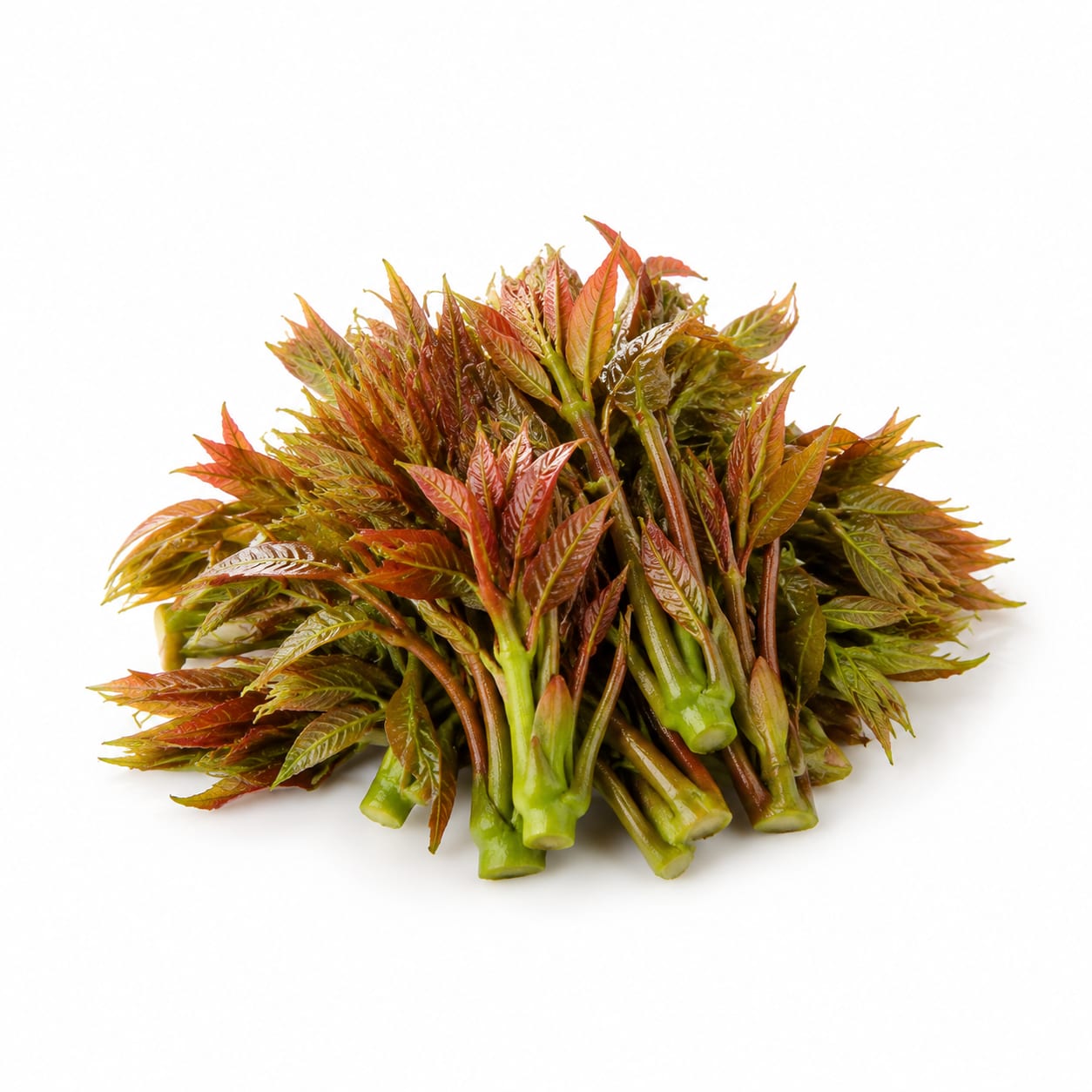
Toona Sinensis
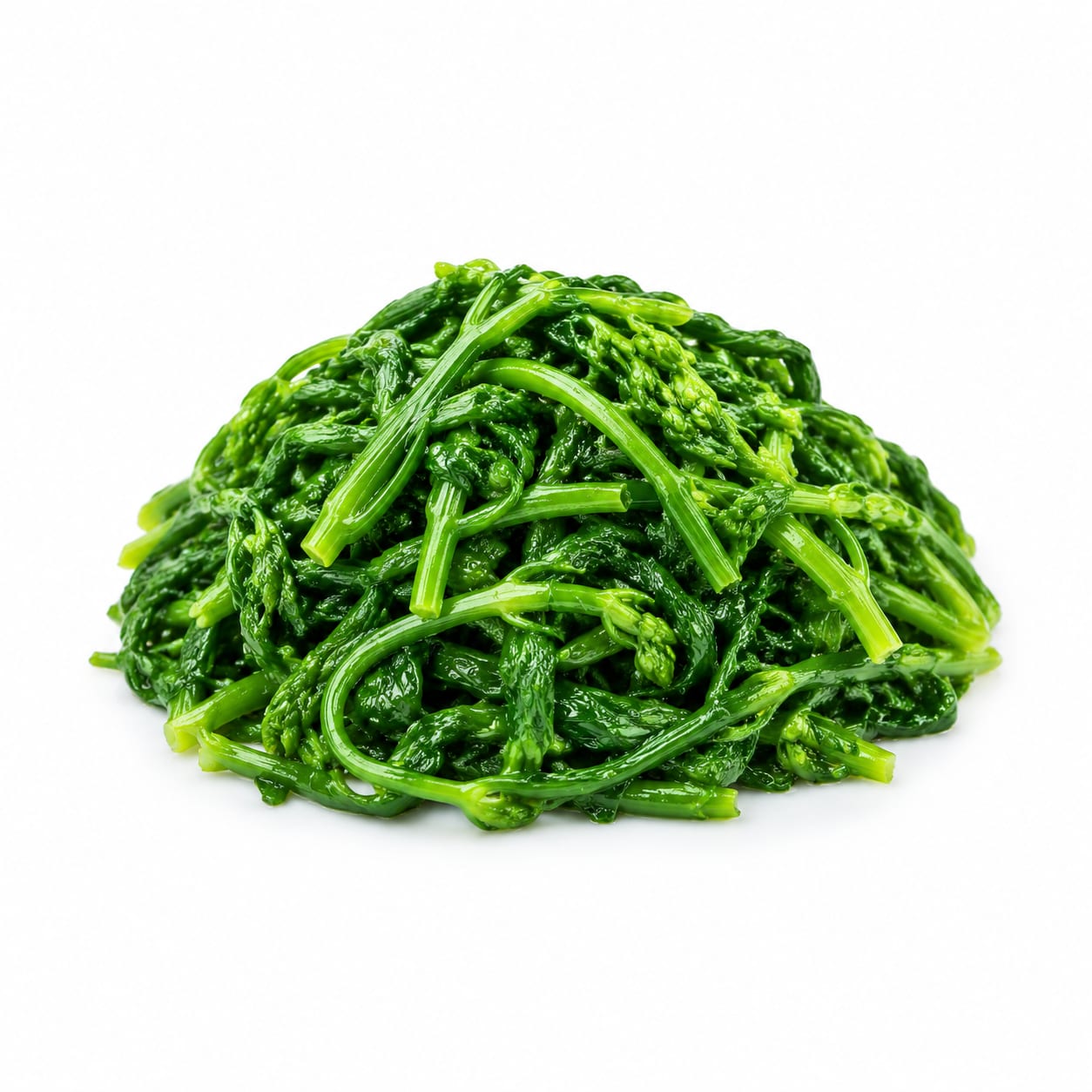
Chrysanthemum Greens
Chrysanthemum Greens win on safety, availability, and everyday reliability, while Toona Sinensis offers a unique antioxidant punch but carries real nitrite risks if not prepared carefully.
Chrysanthemum Greens score notably higher due to superior safety, year-round availability, and digestive gentleness. Toona Sinensis loses ground on nitrite risk and seasonal limitation, though its antioxidant density partially compensates.
Toona Sinensis delivers stronger medicinal phytochemicals and a bold seasonal flavor, but demands careful blanching and portion control. Chrysanthemum Greens sacrifice that intensity for safer, gentler, year-round eating.
At a glance
Executive summary
Overall
Chrysanthemum Greens
Healthier
Chrysanthemum Greens
More practical
Chrysanthemum Greens
Daily use
Chrysanthemum Greens
Key comparison lenses
safety and nitrate exposure
Toona Sinensis is notorious for high nitrate levels that convert to nitrites, a genuine health concern absent in Chrysanthemum Greens
antioxidant and phytochemical profile
Both greens are prized in traditional medicine for distinct bioactive compounds, making this a key differentiator
seasonal availability and practicality
Toona Sinensis is a brief spring delicacy while Chrysanthemum Greens are available year-round, heavily impacting real-world usability
digestive tolerance and gentleness
Toona Sinensis can irritate sensitive stomachs while Chrysanthemum Greens are famously gentle and soothing
culinary versatility
Chrysanthemum Greens work in more dishes across more cuisines, while Toona Sinensis has a polarizing strong flavor
Best choice for
Toona Sinensis
- Seasonal food enthusiasts seeking a traditional spring tonic
- People wanting potent gallic acid and quercetin-rich antioxidants
- Those who enjoy strong, pungent flavors in small quantities
Chrysanthemum Greens
- Daily vegetable rotation with minimal safety worries
- People with sensitive digestion needing gentle greens
- Anyone wanting a versatile hot-pot or stir-fry green year-round
Least suitable for
Toona Sinensis
- Young children and pregnant women due to nitrite concerns
- People who skip blanching or eat large portions casually
- Anyone wanting a mild, everyday salad green
Chrysanthemum Greens
- Those seeking a bold, assertive flavor experience
- People specifically wanting Toona Sinensis's unique gallic acid profile
Deep comparison
Dimension by dimension
Each lens scores both foods and breaks down who each option suits.
- Dimension 1 · Priority 95Chrysanthemum Greens
nitrate_and_nitrite_safety
Toona Sinensis · 35Chrysanthemum Greens · 90Toona Sinensis accumulates nitrates aggressively, which convert to nitrites that can form carcinogenic compounds or cause methemoglobinemia in extreme cases.
Tradeoff
You get stronger bioactive compounds in Toona Sinensis but must blanch thoroughly and limit portions. Chrysanthemum Greens carry almost no nitrite risk.
Why it matters
Nitrite exposure is a real, documented concern with Toona Sinensis that requires active mitigation, not just awareness.
Real-world impact
If you eat Toona Sinensis without blanching first, or eat large amounts, you are taking a measurable risk that Chrysanthemum Greens simply do not carry.
Toona Sinensis
- Getting a concentrated dose of polyphenols in a small, controlled portion after proper blanching
Better for
- Requires blanching before every use to reduce nitrites
- Unsafe in large portions or for vulnerable populations
Worse for
Chrysanthemum Greens
- Worry-free eating without preparation rituals
- Safe for children and pregnant women
- No risk of acute nitrite poisoning symptoms
Better for
- No specific safety downside, just less medicinal intensity
Worse for
- Dimension 2 · Priority 85Toona Sinensis
antioxidant_density
Toona Sinensis · 88Chrysanthemum Greens · 72Toona Sinensis packs more gallic acid, quercetin, and volatile terpenoids per gram than Chrysanthemum Greens, giving it a stronger antioxidant punch.
Tradeoff
Higher antioxidant concentration comes paired with higher nitrate levels. You cannot separate the benefits from the risks in Toona Sinensis.
Why it matters
For people specifically seeking therapeutic-grade phytochemicals from food, Toona Sinensis delivers more per bite.
Real-world impact
A small blanched serving of Toona Sinensis gives you more antioxidant firepower than a similar amount of Chrysanthemum Greens, but you would not want to eat it daily.
Toona Sinensis
- Targeted antioxidant intake in small, occasional doses
- Traditional spring tonic use in Chinese medicine
Better for
- Cannot eat enough to fully benefit from antioxidants without hitting nitrite limits
Worse for
Chrysanthemum Greens
- Consistent, moderate antioxidant intake safe for daily consumption
- Broader spectrum of carotenoids from regular eating
Better for
- Less concentrated per serving, so you need larger or more frequent portions
Worse for
- Dimension 3 · Priority 78Chrysanthemum Greens
digestive_tolerance
Toona Sinensis · 45Chrysanthemum Greens · 88Chrysanthemum Greens are famously gentle on the stomach and even used to soothe digestion. Toona Sinensis can cause stomach upset, especially raw or in excess.
Tradeoff
The strong volatile oils that give Toona Sinensis its medicinal kick are the same compounds that can irritate sensitive digestive tracts.
Why it matters
If you have any gut sensitivity, Toona Sinensis is a gamble while Chrysanthemum Greens are a safe bet.
Real-world impact
After a bowl of Chrysanthemum Greens in hot pot, your stomach feels settled. After too much Toona Sinensis, you might feel bloated or mildly nauseated.
Toona Sinensis
- Robust digestive systems that handle strong flavors without issue
Better for
- Can trigger bloating, nausea, or stomach pain in sensitive people
- Volatile oils are irritating at higher doses
Worse for
Chrysanthemum Greens
- Sensitive stomachs and IBS-prone individuals
- Post-illness recovery eating
- Elderly with fragile digestion
Better for
- Very mild effect means less therapeutic stimulation for those seeking it
Worse for
- Dimension 4 · Priority 75Chrysanthemum Greens
seasonal_availability_and_convenience
Toona Sinensis · 30Chrysanthemum Greens · 85Toona Sinensis is available for roughly 2-3 weeks in spring. Chrysanthemum Greens are grown and sold year-round across East Asia and beyond.
Tradeoff
Toona Sinensis is a fleeting seasonal luxury. Chrysanthemum Greens are an everyday staple you can always find.
Why it matters
A vegetable you cannot buy most of the year cannot be a dietary staple no matter how nutritious it is.
Real-world impact
You can build weekly meal plans around Chrysanthemum Greens. Toona Sinensis is more like a spring event than a regular ingredient.
Toona Sinensis
- Creating special seasonal meals with unique flavor
- Cultural and nostalgic spring traditions
Better for
- Impossible to find outside spring window
- Often expensive when available due to scarcity
Worse for
Chrysanthemum Greens
- Consistent weekly grocery planning
- Available whenever the craving hits
- Easy to find in most Asian grocery stores year-round
Better for
- Lacks the excitement and rarity factor of a seasonal delicacy
Worse for
- Dimension 5 · Priority 70Chrysanthemum Greens
vitamin_and_mineral_profile
Toona Sinensis · 68Chrysanthemum Greens · 78Chrysanthemum Greens offer more vitamin K, potassium, and folate per serving. Toona Sinensis has notable vitamin E and iron but slightly less overall mineral breadth.
Tradeoff
Toona Sinensis edges ahead on vitamin E and iron, but Chrysanthemum Greens provide a more complete micronutrient spread for daily needs.
Why it matters
For a vegetable you eat regularly, breadth of micronutrients matters more than a few standout values.
Real-world impact
Regular Chrysanthemum Greens consumption supports bone health via vitamin K and blood pressure via potassium more reliably than sporadic Toona Sinensis.
Toona Sinensis
- Iron supplementation through food for mild deficiency
- Vitamin E intake for skin and immune support
Better for
- Narrower mineral profile overall
- Cannot eat enough volume safely to maximize micronutrient intake
Worse for
Chrysanthemum Greens
- Vitamin K for bone and blood clotting health
- Potassium for blood pressure management
- Folate for prenatal nutrition
Better for
- Less vitamin E and iron per serving compared to Toona Sinensis
Worse for
- Dimension 6 · Priority 65Chrysanthemum Greens
culinary_versatility
Toona Sinensis · 50Chrysanthemum Greens · 80Chrysanthemum Greens work in hot pots, stir-fries, soups, salads, and tempura. Toona Sinensis is mostly used scrambled with eggs or as a condiment due to its overpowering flavor.
Tradeoff
Toona Sinensis has a distinctive, irreplaceable taste but it dominates any dish. Chrysanthemum Greens complement without taking over.
Why it matters
A versatile green fits into more meals without getting boring or overwhelming other ingredients.
Real-world impact
You can add Chrysanthemum Greens to almost any Asian soup or stir-fry. Toona Sinensis basically demands its own dedicated dish.
Toona Sinensis
- Signature dishes where its flavor is the star
- Condiment use in small amounts for bold accent
Better for
- Overpowers delicate flavors in mixed dishes
- Limited to a handful of traditional preparations
Worse for
Chrysanthemum Greens
- Hot pot and nabemono dishes
- Light stir-fries with garlic
- Tempura and fritter applications
- Salads when young and tender
Better for
- Never the star ingredient, always a supporting player
Worse for
Timeline
Health impact over time
Short-term
Hours to days
Toona Sinensis
- Potential stomach discomfort if eaten without blanching or in large amounts
- Strong aromatic oils may cause mild headache in sensitive individuals
- Quick antioxidant boost from concentrated polyphenols
Chrysanthemum Greens
- Gentle digestive soothing effect, especially in broth form
- Mild bitter compounds stimulate appetite and bile flow
- Comforting and light feeling after eating
Long-term
Months to years
Toona Sinensis
- Repeated nitrite exposure if preparation is careless could increase gastric cancer risk
- Occasional proper consumption likely provides meaningful anti-inflammatory benefits
- Traditional use suggests circulatory and immune support when eaten seasonally
Chrysanthemum Greens
- Consistent vitamin K intake supports bone density over decades
- Regular potassium intake helps maintain healthy blood pressure
- Low-risk daily green that accumulates subtle health benefits without downside
Risk profile
Safety & processing
Both are whole, natural leafy greens with no inherent processing concerns. The real difference is that Toona Sinensis requires home blanching to be safe, adding a mandatory preparation step. Chrysanthemum Greens can be rinsed and eaten directly.
Toona Sinensis
Nitrite accumulation from nitrate conversion
highToona Sinensis is one of the highest nitrate-accumulating vegetables known. Without thorough blanching, nitrites can reach levels that pose acute and chronic health risks, especially for children.
Pesticide residue on spring shoots
mediumSpring-harvested shoots are tender and can retain surface pesticides. Washing and blanching reduces but does not eliminate this concern.
Allergic or sensitivity reactions to volatile oils
lowSome people report skin irritation or respiratory sensitivity when handling fresh Toona Sinensis, though this is uncommon.
Chrysanthemum Greens
Pesticide residue on leafy greens
lowLike all leafy greens, Chrysanthemum Greens can carry pesticide residue. Standard washing is usually sufficient.
Oxalate content
lowContains moderate oxalates, a concern only for people with a history of calcium oxalate kidney stones.
Who wins for whom
Audience fit
Same foods, different winners depending on your goal.
children
Chrysanthemum GreensChildren are specifically vulnerable to nitrite toxicity, making Toona Sinensis a poor choice for young kids. Chrysanthemum Greens are safe, mild, and easy to incorporate into family meals.
daily consumption
Chrysanthemum GreensDaily eating demands safety at any dose. Chrysanthemum Greens deliver consistent nutrition without requiring portion limits or special preparation. Toona Sinensis is strictly an occasional food.
diabetes
Chrysanthemum GreensChrysanthemum Greens have a gentler effect on the system and contain fiber that supports blood sugar stability. Toona Sinensis is safe in small amounts but the nitrite concern adds unnecessary risk for a population already managing health complexities.
elderly
Chrysanthemum GreensOlder adults benefit from the vitamin K in Chrysanthemum Greens for bone health and the gentle digestion. Toona Sinensis poses more risk than reward for aging digestive and circulatory systems.
muscle gain
It dependsNeither green is a protein source. Toona Sinensis has slightly more iron which supports oxygen transport during training, but the difference is marginal and not worth the safety tradeoff for most people.
weight loss
Chrysanthemum GreensChrysanthemum Greens are extremely low calorie and can be eaten in large volumes to fill you up. Toona Sinensis portion sizes must be limited due to nitrite concerns, reducing its satiety potential.
Your move
Decision guide
Choose Toona Sinensis
- You are celebrating spring and want a traditional, flavorful seasonal experience
- You blanch your greens thoroughly and eat Toona Sinensis in small, mindful portions
- You are specifically seeking its unique gallic acid and quercetin profile for therapeutic reasons
- You have no nitrite sensitivity concerns and are not feeding children or pregnant people
Choose Chrysanthemum Greens
- You want a reliable, safe green for weekly meals
- You have digestive sensitivity and need something gentle
- You are cooking for a family including children or elderly
- You want versatility across hot pots, stir-fries, soups, and salads
- You value year-round availability over seasonal novelty
Either works if
- You enjoy Asian greens and want to rotate both seasonally
- You are generally healthy and eat a varied vegetable diet
- You are curious about traditional Chinese medicinal vegetables
Avoid both if
- You have severe oxalate restrictions for kidney stone management
- You cannot access fresh Asian produce and only find wilted or old stock
Final recommendation
Make Chrysanthemum Greens your everyday green and treat Toona Sinensis as a special spring occasion. When you do eat Toona Sinensis, always blanch it first, keep portions small, and avoid serving it to young children. This way you get the best of both: daily safety and seasonal joy.
Practical
Consumer tips
- 1
Always blanch Toona Sinensis in boiling water for at least 60 seconds before cooking to dramatically reduce nitrite levels
- 2
Never eat Toona Sinensis raw or in large quantities, especially if you are pregnant or feeding children
- 3
Choose young, tender Chrysanthemum Greens for salads and older stems for hot pot where longer cooking tenderizes them
- 4
Store both greens in the crisper drawer and use within 3-4 days for best flavor and nutrition
- 5
If Toona Sinensis smells overly pungent or the leaves look dark and old, skip it entirely as nitrate levels increase with age
- 6
Chrysanthemum Greens pair beautifully with sesame oil and a splash of soy sauce for a simple side dish
- 7
For the safest Toona Sinensis experience, limit yourself to one small serving per week during its brief spring season