
Nutrition comparison
Toona Sinensis vs Sweet Potato Leaves: Which Leafy Green Is Better for You?
Compare Toona Sinensis and sweet potato leaves nutrition, antioxidants, safety, and daily practicality. Learn which green fits your health goals and lifestyle best.
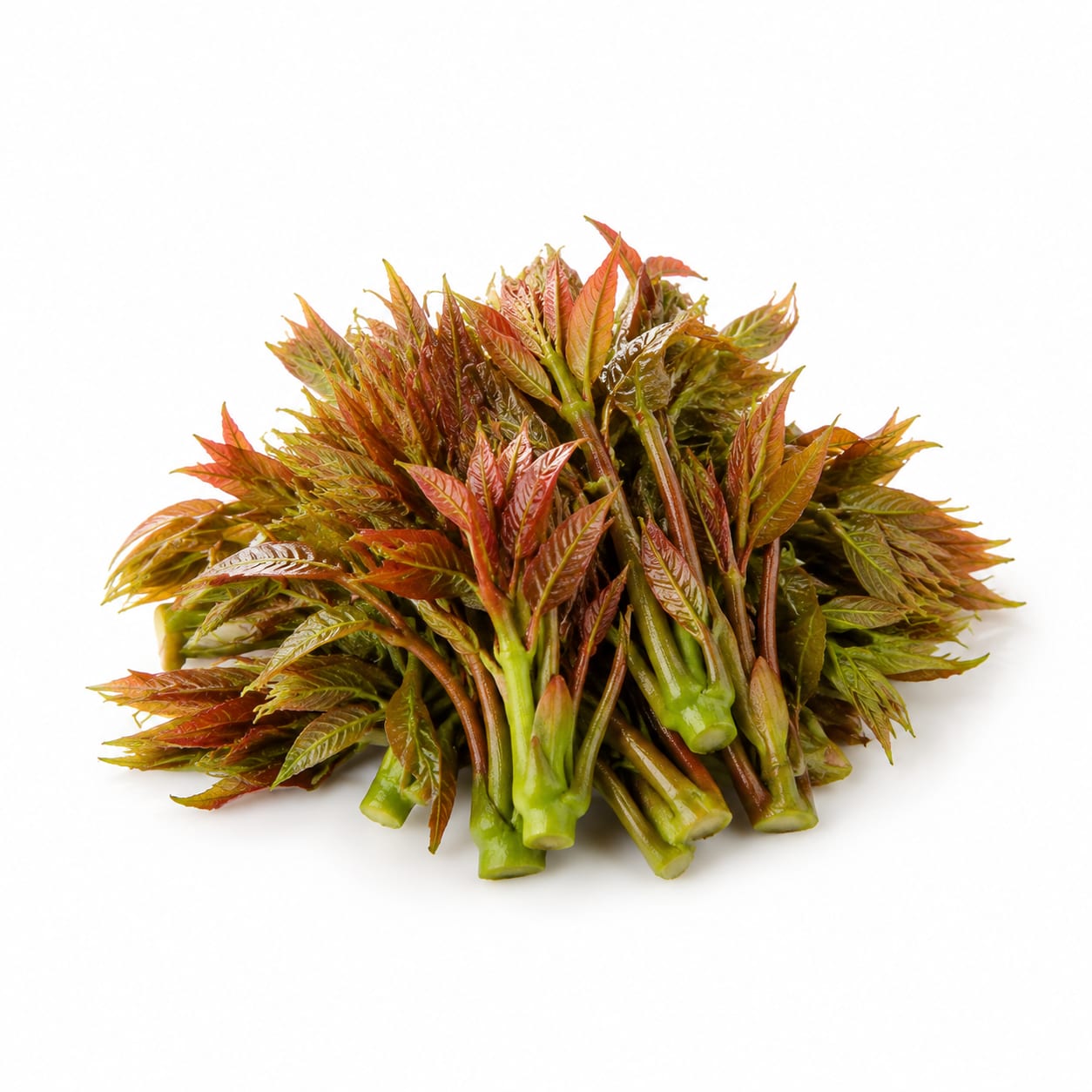
Toona Sinensis
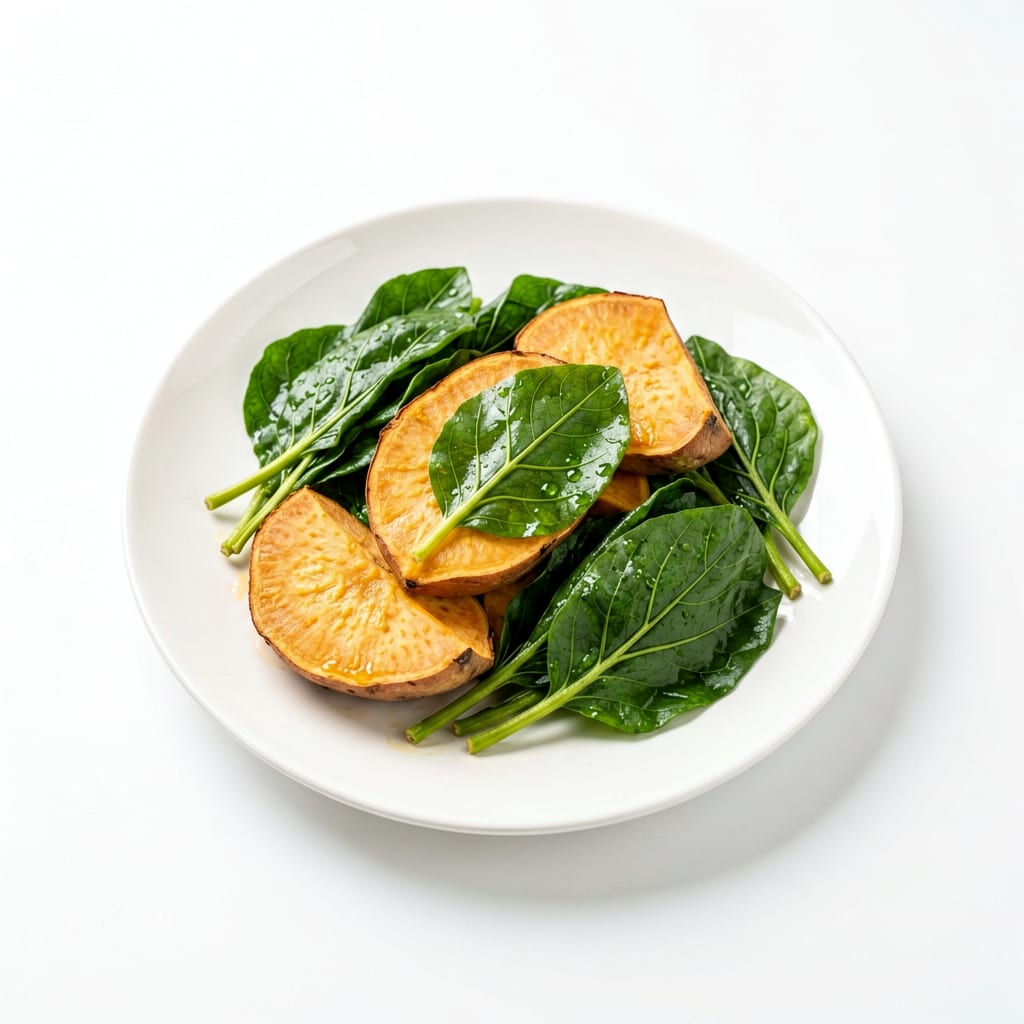
Sweet Potato Leaves
Sweet potato leaves win on consistency, safety, and everyday practicality. Toona Sinensis offers a more concentrated antioxidant punch and unique bioactives but comes with seasonal limits and nitrate cautions.
Sweet potato leaves score higher due to better safety profile, year-round availability, and broader nutrient coverage. Toona Sinensis earns strong marks for unique antioxidants and anti-inflammatory potency but loses ground on nitrate risk, seasonal scarcity, and limited research backing.
Rare seasonal delicacy with potent compounds versus reliable, safer daily green with broader nutrient coverage
At a glance
Executive summary
Overall
It depends
Healthier
Sweet Potato Leaves
More practical
Sweet Potato Leaves
Daily use
Sweet Potato Leaves
Key comparison lenses
nutritional density comparison
Both are nutrient-dense leafy greens, but their vitamin and mineral profiles differ significantly, making this the core decision driver
antioxidant and longevity benefits
Toona Sinensis contains unique gallic acid and rutin compounds while sweet potato leaves offer lutein and chlorogenic acid — users want to know which protects better
blood sugar management
Both greens have studied anti-diabetic properties, a major reason people seek them out
availability and practicality
Toona Sinensis is highly seasonal and hard to find outside Asian markets, while sweet potato leaves are more accessible and grow prolifically
safety and contamination
Toona Sinensis has documented nitrate concerns and potential pesticide exposure; sweet potato leaves are generally lower risk
Best choice for
Toona Sinensis
- People seeking unique flavonoid compounds like rutin and gallic acid
- Those wanting strong anti-inflammatory effects from a traditional remedy food
- Seasonal eaters who enjoy brief spring windows of specialty produce
- Anyone targeting oxidative stress reduction beyond what common greens offer
Sweet Potato Leaves
- People who want a reliable daily leafy green with consistent nutrition
- Anyone managing blood sugar who needs a safe, repeatable food choice
- Families needing an affordable, widely available nutrient-dense vegetable
- Gardeners wanting a sustainable, cut-and-come-again green they can grow themselves
Least suitable for
Toona Sinensis
- People with nitrate sensitivity or kidney issues requiring low-nitrate diets
- Anyone needing consistent year-round access to the same vegetable
- Those concerned about pesticide residue in imported specialty produce
- Infants and very young children due to higher nitrate load
Sweet Potato Leaves
- People specifically seeking the unique gallic acid or rutin found in Toona Sinensis
- Those who find the slightly mucilaginous texture off-putting
- Anyone with oxalate sensitivity, though levels are moderate compared to spinach
Deep comparison
Dimension by dimension
Each lens scores both foods and breaks down who each option suits.
- Dimension 1 · Priority 90Sweet Potato Leaves
vitamin_and_mineral_density
Toona Sinensis · 72Sweet Potato Leaves · 86Sweet potato leaves deliver more consistent and broader vitamin coverage, especially vitamin K, vitamin A precursors, and iron.
Tradeoff
Toona Sinensis has notable vitamin E and vitamin C content but less overall mineral diversity than sweet potato leaves.
Why it matters
A single serving of sweet potato leaves covers a wider swath of daily micronutrient needs, making it more efficient for filling nutritional gaps.
Real-world impact
Eating sweet potato leaves regularly means fewer supplements or additional greens needed to hit your vitamin targets.
Toona Sinensis
- Vitamin E intake
- Vitamin C per serving when fresh
Better for
- Lower mineral diversity overall
- Inconsistent vitamin content depending on harvest timing
Worse for
Sweet Potato Leaves
- Vitamin K for bone and blood health
- Iron for energy and oxygen transport
- Vitamin A precursors for eye health
- B-vitamin coverage for energy metabolism
Better for
- Lower vitamin E compared to Toona Sinensis
Worse for
- Dimension 2 · Priority 88Toona Sinensis
antioxidant_and_bioactive_compounds
Toona Sinensis · 89Sweet Potato Leaves · 80Toona Sinensis contains rare gallic acid, rutin, and quercetin combinations that give it exceptional anti-inflammatory and oxidative stress-fighting power.
Tradeoff
Sweet potato leaves offer solid polyphenols and lutein but lack the unique compound synergy that makes Toona Sinensis medicinally notable.
Why it matters
If you are specifically eating greens for therapeutic antioxidant effects beyond basic nutrition, Toona Sinensis delivers more concentrated bioactives per bite.
Real-world impact
Someone fighting chronic inflammation may notice more pronounced effects from regular Toona Sinensis consumption during its season.
Toona Sinensis
- Gallic acid for anti-inflammatory action
- Rutin for blood vessel health
- Quercetin for allergy and immune modulation
- Unique compound synergy not found in common greens
Better for
- Less studied in human trials, so real-world dosing benefits are less certain
Worse for
Sweet Potato Leaves
- Lutein for eye health
- Chlorogenic acid for blood sugar support
- Polyphenols with broader research backing
Better for
- Lacks the rare gallic acid and rutin concentrations that make Toona Sinensis distinctive
Worse for
- Dimension 3 · Priority 85It depends
blood_sugar_and_metabolic_support
Toona Sinensis · 82Sweet Potato Leaves · 83Both greens show anti-diabetic promise, but through different pathways. Toona Sinensis may improve insulin sensitivity more directly, while sweet potato leaves help stabilize blood sugar through fiber and chlorogenic acid.
Tradeoff
Toona Sinensis has stronger evidence for direct insulin-sensitizing effects, but its nitrate content requires caution for some metabolic patients.
Why it matters
For diabetics choosing between these, the decision hinges on whether you need direct insulin action or safer long-term glucose stabilization.
Real-world impact
A diabetic eating sweet potato leaves daily gets reliable, safe blood sugar support. Someone with insulin resistance might benefit more from seasonal Toona Sinensis if they tolerate nitrates well.
Toona Sinensis
- Direct insulin-sensitizing compounds
- Stronger evidence for acute glucose-lowering in animal studies
Better for
- Nitrate load may complicate kidney-impaired diabetics
- Limited human trial data
Worse for
Sweet Potato Leaves
- Safer for long-term daily use without nitrate concerns
- Fiber content supports steadier glucose absorption
- Chlorogenic acid slows carbohydrate release
Better for
- Less dramatic acute glucose-lowering effect
Worse for
- Dimension 4 · Priority 80Sweet Potato Leaves
availability_and_seasonal_access
Toona Sinensis · 35Sweet Potato Leaves · 88Sweet potato leaves grow abundantly across tropical and subtropical regions year-round. Toona Sinensis is a brief spring delicacy mostly found in Chinese markets.
Tradeoff
You get a nutritional powerhouse in Toona Sinensis but only for a few weeks per year and at premium prices.
Why it matters
The best green for you is the one you can actually buy and eat regularly. Consistency beats peak nutrition that is unavailable 10 months per year.
Real-world impact
Most people outside China simply cannot find fresh Toona Sinensis. Sweet potato leaves are accessible in Asian groceries, farmers markets, and home gardens across many climates.
Toona Sinensis
- Novelty and seasonal eating experience
- Cultural and culinary tradition value
Better for
- Available only briefly in spring
- Difficult to find outside Chinese specialty markets
- Often expensive when available
- Cannot be relied on as a staple green
Worse for
Sweet Potato Leaves
- Year-round availability in most regions
- Easy home cultivation
- Widely sold in Asian and international grocery stores
- Affordable pricing
Better for
- Less culinary prestige or novelty factor
Worse for
- Dimension 5 · Priority 75Sweet Potato Leaves
safety_and_contamination_risk
Toona Sinensis · 58Sweet Potato Leaves · 85Toona Sinensis carries meaningful nitrate concerns and potential pesticide exposure from intensive cultivation. Sweet potato leaves are generally cleaner and lower risk.
Tradeoff
The concentrated bioactives in Toona Sinensis come alongside higher nitrate levels that demand careful preparation and portion awareness.
Why it matters
For vulnerable populations including children, pregnant women, and kidney patients, nitrate load is not a trivial concern and shifts the safety calculus significantly.
Real-world impact
Blanching Toona Sinensis before eating reduces nitrates but also diminishes some heat-sensitive vitamins. Sweet potato leaves can be eaten with simpler preparation and less worry.
Toona Sinensis
- Traditional preparation methods exist to mitigate risks
Better for
- High nitrate levels requiring blanching
- Pesticide residue risk from commercial cultivation
- Not recommended for infants due to nitrate load
Worse for
Sweet Potato Leaves
- Lower nitrate content naturally
- Fewer pesticide concerns with standard washing
- Safer for children and pregnant women
- Less need for special preparation techniques
Better for
- Moderate oxalate content may concern some kidney stone formers
Worse for
- Dimension 6 · Priority 70It depends
culinary_versatility_and_enjoyment
Toona Sinensis · 75Sweet Potato Leaves · 78Toona Sinensis has a distinctive aromatic flavor prized in Chinese cuisine. Sweet potato leaves are milder and more adaptable to diverse cooking styles.
Tradeoff
Unique flavor versus universal compatibility. Toona Sinensis is irreplaceable in specific dishes but limited in range. Sweet potato leaves work anywhere you would use spinach or bok choy.
Why it matters
Enjoyment drives consistency. A green you love eating matters more than a slightly better nutrient profile you avoid.
Real-world impact
Toona Sinensis makes an unforgettable stir-fry with eggs but you would not put it in a smoothie. Sweet potato leaves work in soups, stir-fries, salads, and smoothies without overwhelming other flavors.
Toona Sinensis
- Unique aromatic flavor that defines classic dishes
- Cultural significance and culinary tradition
- Pairs exceptionally with eggs and simple preparations
Better for
- Strong flavor limits pairing options
- Overcooking destroys delicate aroma
- Very specific culinary niche
Worse for
Sweet Potato Leaves
- Mild flavor adapts to any cuisine
- Works in soups, stir-fries, salads, and blended drinks
- Tender stems and leaves both edible
- Longer cooking tolerance without losing appeal
Better for
- Lacks the distinctive flavor that makes Toona Sinensis a sought-after delicacy
Worse for
Timeline
Health impact over time
Short-term
Hours to days
Toona Sinensis
- Noticeable anti-inflammatory effect within hours of consumption due to concentrated gallic acid
- Potential mild digestive stimulation from aromatic volatile compounds
- Blanching required to reduce acute nitrate exposure
Sweet Potato Leaves
- Gentle blood sugar stabilization after carbohydrate-containing meals
- Mild satiety boost from fiber content without feeling heavy
- Easy digestion with minimal gas or bloating compared to cruciferous greens
Long-term
Months to years
Toona Sinensis
- Consistent seasonal consumption may support vascular health through rutin content
- Anti-inflammatory compounds could reduce chronic disease risk markers
- Nitrate exposure requires monitoring if consumed frequently during season
- Limited data on effects beyond traditional use patterns
Sweet Potato Leaves
- Regular consumption supports eye health through sustained lutein intake
- Iron and folate content benefits blood health over months of consistent eating
- Chlorogenic acid may contribute to improved insulin sensitivity with daily use
- Very safe for long-term daily consumption without accumulation concerns
Risk profile
Safety & processing
Both greens are whole foods typically eaten fresh or briefly cooked. Toona Sinensis is sometimes preserved in salt or oil, which adds sodium or fat, but fresh consumption is standard for both. Neither involves ultra-processing.
Toona Sinensis
High nitrate content
mediumToona Sinensis accumulates nitrates at levels concerning for infants and people with kidney impairment. Blanching and discarding the water reduces this significantly.
Pesticide residue on commercial crops
mediumIntensively farmed Toona Sinensis may carry pesticide residues. Sourcing from organic or trusted growers mitigates this. Thorough washing is essential.
Allergic reactions in sensitive individuals
lowRare but documented cases of contact dermatitis and oral allergy syndrome related to Toona Sinensis handling and consumption.
Sweet Potato Leaves
Moderate oxalate content
lowSweet potato leaves contain moderate oxalates, lower than spinach but worth noting for kidney stone formers. Cooking reduces oxalate levels.
Pesticide residue from conventional farming
lowStandard leafy vegetable pesticide concerns apply. Washing thoroughly is sufficient for most conventional produce.
Who wins for whom
Audience fit
Same foods, different winners depending on your goal.
children
Sweet Potato LeavesLower nitrate levels and milder flavor make sweet potato leaves safer and more palatable for kids. Toona Sinensis is not recommended for infants due to nitrate load.
daily consumption
Sweet Potato LeavesYear-round availability, lower safety risks, and versatile flavor make sweet potato leaves a sustainable daily habit. Toona Sinensis works best as an occasional seasonal addition.
diabetes
It dependsToona Sinensis has stronger insulin-sensitizing evidence but nitrate concerns for some diabetic patients. Sweet potato leaves offer safer, reliable daily glucose support through fiber and chlorogenic acid.
elderly
Sweet Potato LeavesVitamin K for bone health, gentle digestion, and lower safety concerns make sweet potato leaves the better regular choice for older adults.
muscle gain
It dependsNeither is a protein source. Sweet potato leaves offer slightly more iron for oxygen delivery to muscles, but the difference is marginal. Choose based on availability.
weight loss
Sweet Potato LeavesSweet potato leaves are extremely low calorie, high fiber, and available consistently. You can eat large volumes daily, which helps with fullness and habit formation.
Your move
Decision guide
Choose Toona Sinensis
- You have access to fresh Toona Sinensis in spring and want its unique anti-inflammatory compounds
- You are specifically targeting rutin and gallic acid intake for vascular or immune benefits
- You enjoy seasonal eating and the cultural experience of brief specialty harvests
- You have no nitrate sensitivity and can properly blanch before eating
Choose Sweet Potato Leaves
- You want a reliable daily leafy green you can find and afford year-round
- You are managing blood sugar and need a safe, consistent vegetable choice
- You are feeding a family including children or elderly members
- You grow your own food and want a prolific, low-maintenance green
- You prefer mild flavors that work in many dishes rather than one signature taste
Either works if
- You simply want more leafy greens in your diet and both are available
- You are rotating vegetables for nutrient diversity, which is ideal regardless of which you pick
- You have no specific health condition that favors one over the other
Avoid both if
- You are on a strict vitamin K-restricted diet due to blood thinner medication
- You have severe oxalate-related kidney stone issues and need to limit all leafy greens
Final recommendation
Make sweet potato leaves your everyday green and treat Toona Sinensis as a seasonal boost. This gives you the reliability and safety of sweet potato leaves most of the time, plus the concentrated bioactive punch of Toona Sinensis when spring arrives. If you can only choose one, sweet potato leaves win for consistency, safety, and long-term sustainability.
Practical
Consumer tips
- 1
Always blanch Toona Sinensis briefly in boiling water, then discard the water, to reduce nitrate content significantly before cooking
- 2
Choose organic Toona Sinensis when possible to minimize pesticide exposure from intensive commercial farming
- 3
Sweet potato leaves can be harvested from your own sweet potato plants — snap off leaves and the plant will keep producing, making it one of the most cost-effective greens to grow
- 4
Store both greens in the crisper drawer and use within 3-4 days for maximum nutrient retention
- 5
If you cannot find fresh Toona Sinensis, frozen versions exist in some Chinese grocery stores, though flavor and some vitamin C content diminish
- 6
Sweet potato leaves pair well with garlic and a splash of fish sauce for a simple, nutritious side dish that takes under 5 minutes