
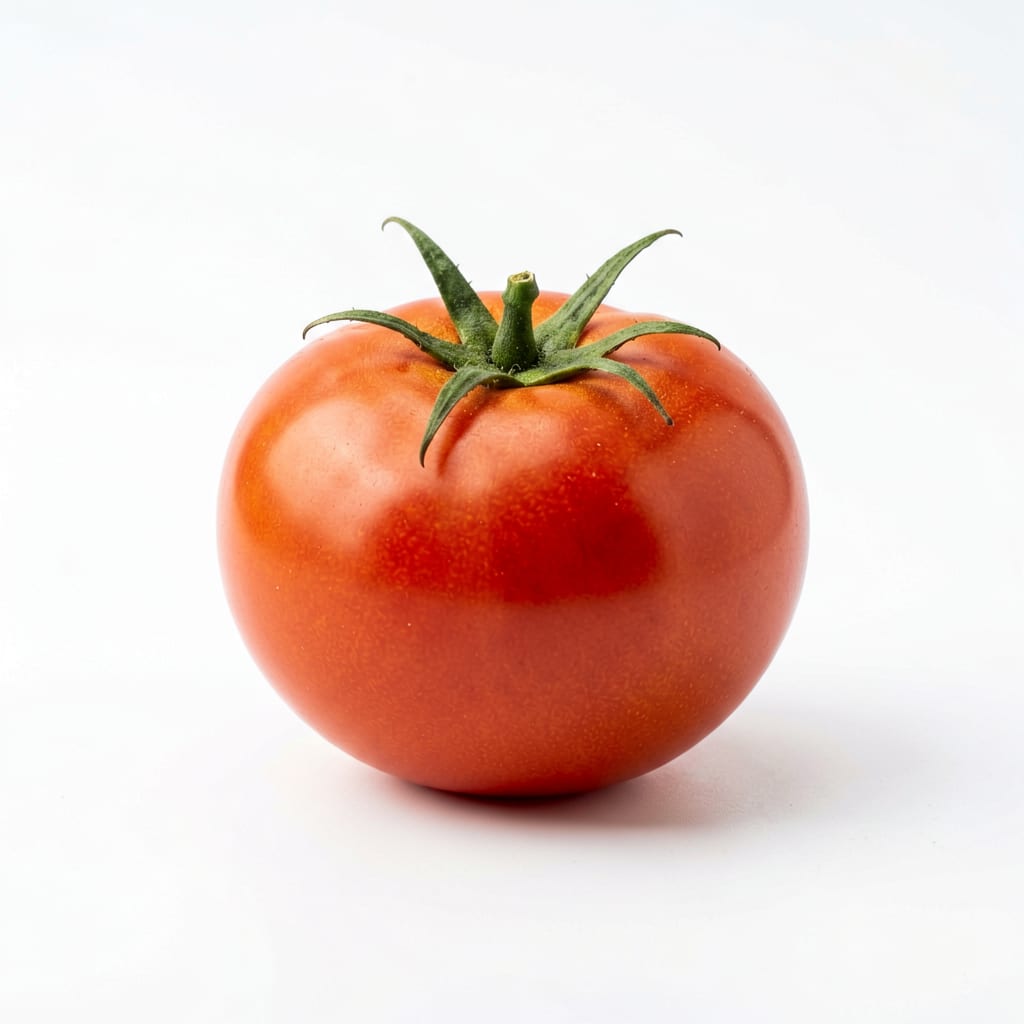
Fruit / Culinary Vegetable
Tomato
A low-calorie, nutrient-dense fruit packed with the antioxidant lycopene and commonly used as a vegetable in savory dishes.
A highly versatile, water-rich fruit typically prepared and consumed as a vegetable, prized for its umami flavor and high lycopene content.
high-volume low-calorie fruit
Typical serving · 123g
Common varieties · Roma, Cherry, Grape, Beefsteak, Heirloom +2 more
Overall context score across nutrition, safety, and diet fit
At a glance
Quick facts
Simple indicators based on nutrition, processing, and diet fit.
The story
What makes it unique
Tomatoes are low-calorie, water-rich fruits with a slow digestion rate due to their fiber content, providing moderate satiety. Their macronutrient profile is predominantly carbohydrate with minimal fat and protein. Cooking tomatoes increases the bioavailability of lycopene, a key carotenoid antioxidant, while raw consumption preserves heat-sensitive vitamin C.
Varieties: Roma · Cherry · Grape · Beefsteak · Heirloom · Plum · Vine-ripened
Per 100g
Nutrition breakdown
Macro balance and key metrics at a glance.
Energy
Density 0.18 kcal/g
Protein
Carbs
Fat
Fiber
Sugar
2.6 g
Sodium
5 mg
Potassium
237 mg
Glycemic index
15
Glycemic load
1
Water content
94.5%
Standout compounds
Nutrient highlights
Lycopene
highPotent antioxidant that protects cells from damage and supports heart health
Vitamin C
moderateSupports immune function and collagen synthesis for skin health
Potassium
moderateHelps regulate blood pressure and fluid balance
Folate
lowEssential for cell division and DNA synthesis
Wellness map
Health scores & processing
NOVA processing scale
Unprocessed or minimally processed · Whole food
Raw whole tomatoes are unprocessed. Canned tomatoes are minimally processed (Nova 2), where heat treatment extends shelf life and increases lycopene bioavailability.
Diet compatibility
- Weight loss
- Muscle gain
- Diabetes
- Gut health
- Low carb
- High protein
- Heart health
Relative standing
Food rankings
Qualitative ranks compared to similar whole foods.
- Satietygood
- Blood sugarexcellent
- Nutrient densityexcellent
- Fitness fuelmoderate
- Processing qualityexcellent
Eat with confidence
Food safety profile
Conventionally grown tomatoes often carry multiple pesticide residues on their skin. Canned tomatoes pose a separate risk due to potential BPA leaching from can linings into the acidic fruit.
Evidence confidence 90%
- Pesticidesmoderate
- Antibioticslow
- Heavy metalslow
- Contaminationlow
Watch for
- pesticide residues
- BPA from can linings
Safer choices
Organic fresh tomatoes or canned tomatoes specifically labeled as BPA-free.
Prep tips
Rinse thoroughly under cool running water and gently rub the skin to remove surface pesticides and dirt.
Conventionally grown tomatoes frequently appear on the EWG's Dirty Dozen list due to pesticide residues. Canned varieties may expose consumers to BPA from can linings.
Deep dive
Health analysis
How this food may fit different goals and preparation choices.
Weight loss
Extremely low energy density allows for large portions with minimal calories, promoting fullness and reducing overall calorie intake.
Blood sugar
Very low glycemic index and load make them ideal for stabilizing blood sugar levels without causing spikes.
Fitness & energy
Provides excellent hydration and antioxidants for recovery, but lacks the dense carbohydrates or protein needed for intense workout fueling.
Gut health
Dietary fiber supports bowel regularity, while polyphenols and organic acids can promote a healthy gut microbiome.
Processing quality
Whole fresh tomatoes are unprocessed whole foods; choose no-salt-added canned options to maintain high processing quality.
Food safety
Pesticide residues on conventional skins are the primary concern; washing thoroughly or choosing organic mitigates this risk effectively.
Common mistakes
Assuming all tomato products are equal—commercial ketchups and pasta sauces often contain large amounts of added sugars and sodium.
Best preparation
Eat raw to preserve vitamin C, or cook with olive oil to maximize lycopene absorption and antioxidant benefits.
Practical guide
Best use cases
When and how this food fits real eating patterns.
High-volume low-calorie eating
Add sliced tomatoes to sandwiches, salads, and wraps to increase portion size and satiety without significantly increasing calories.
Heart-healthy cooking base
Use crushed or pureed tomatoes as a foundation for sauces and soups to boost lycopene intake for cardiovascular protection.
Post-workout hydration
Snack on cherry tomatoes after a workout to replenish fluids and electrolytes like potassium lost through sweat.
Low-carb snack
Enjoy raw tomato slices with a sprinkle of salt or a high-fat dip like guacamole for a satisfying, low-carb snack.
Balance sheet
Pros & cons
Upsides
- Very low in calories and energy density
- Excellent source of the antioxidant lycopene
- Very low glycemic impact suitable for diabetics
- High water content supports hydration
- Versatile for both raw and cooked culinary applications
Trade-offs
- Nightshade vegetable may aggravate inflammation in sensitive individuals
- Acidic nature can trigger heartburn or GERD in prone individuals
- Low in protein and dietary fat, requiring pairing for balanced meals
- Conventionally grown varieties often carry high pesticide residues
Fit check
Who is it for?
Great match
- weight loss diets
- blood sugar control
- heart-healthy eating patterns
- low-carb and keto diets in moderation
Consider alternatives
- strict nightshade-free diets
- individuals with severe GERD or acid reflux
- high-protein diets if used as a primary food source
Side by side
How it compares
Open the full head-to-head analysis for nutrition, safety, and practical tradeoffs.
This food
Tomato
VS90% alike
Compare with
Cucumber
Cucumbers are slightly lower in calories and carbohydrates but offer significantly fewer antioxidants than tomatoes.
Cucumbers are slightly lower in calories, but tomatoes win on nutrient density and antioxidant power, especially lycopene.
This food
Tomato
VS85% alike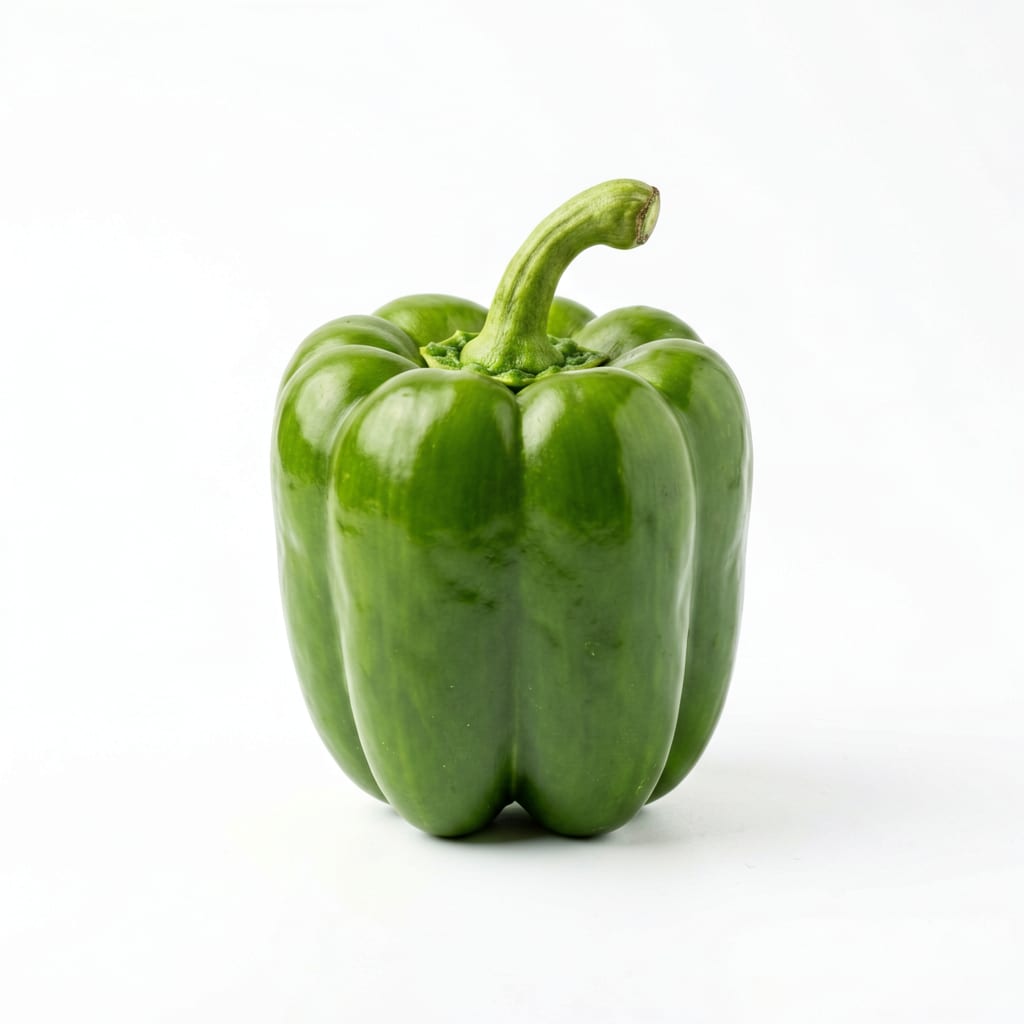
Compare with
Bell Pepper
Bell peppers provide significantly more vitamin C, while tomatoes offer more lycopene and are lower in sugar.
Bell peppers pack more vitamin C and crunch, while tomatoes are lower in sugar and richer in the antioxidant lycopene.
This food
Tomato
VS80% alike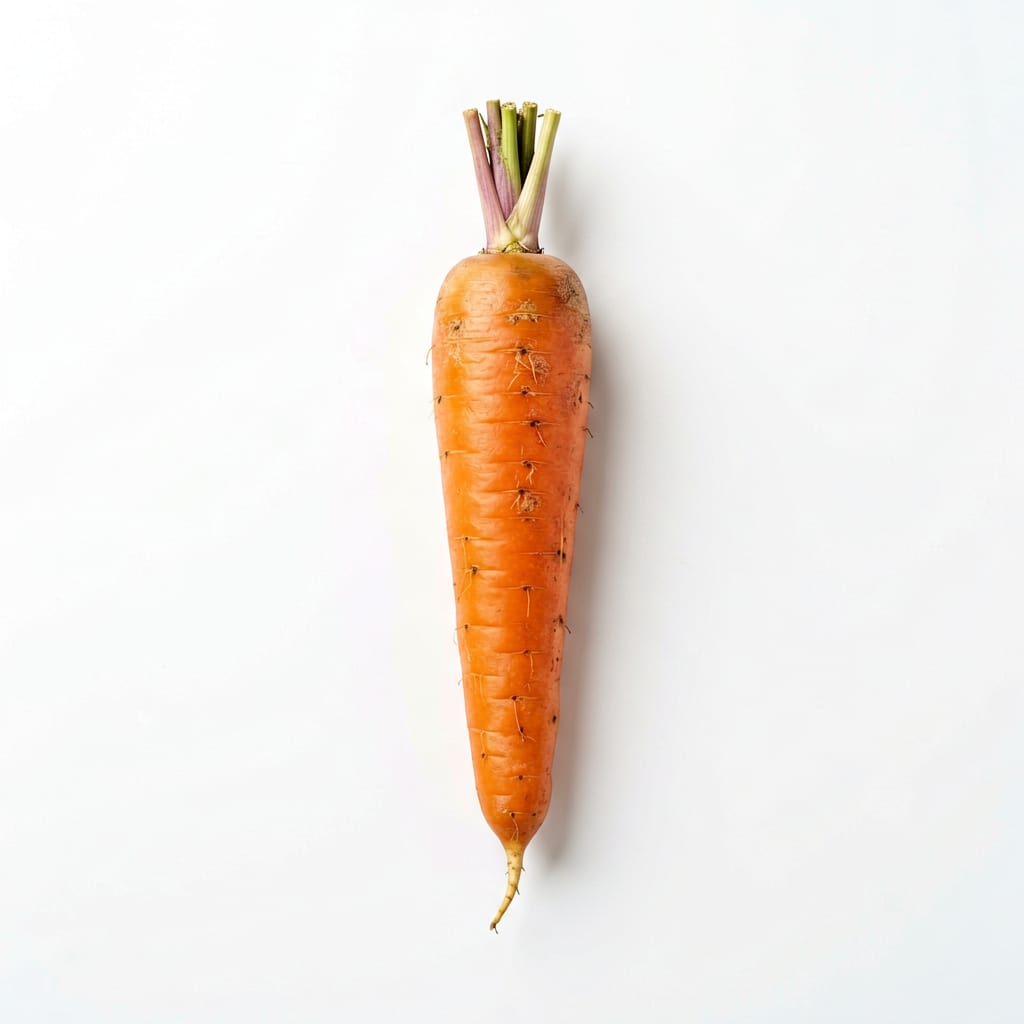
Compare with
Carrot
Carrots are higher in sugar and vitamin A, whereas tomatoes are lower in calories and carbohydrates.
Carrots offer more vitamin A and natural sweetness, but tomatoes are lower in calories and better for strict blood sugar control.
This food
Tomato
VS75% alike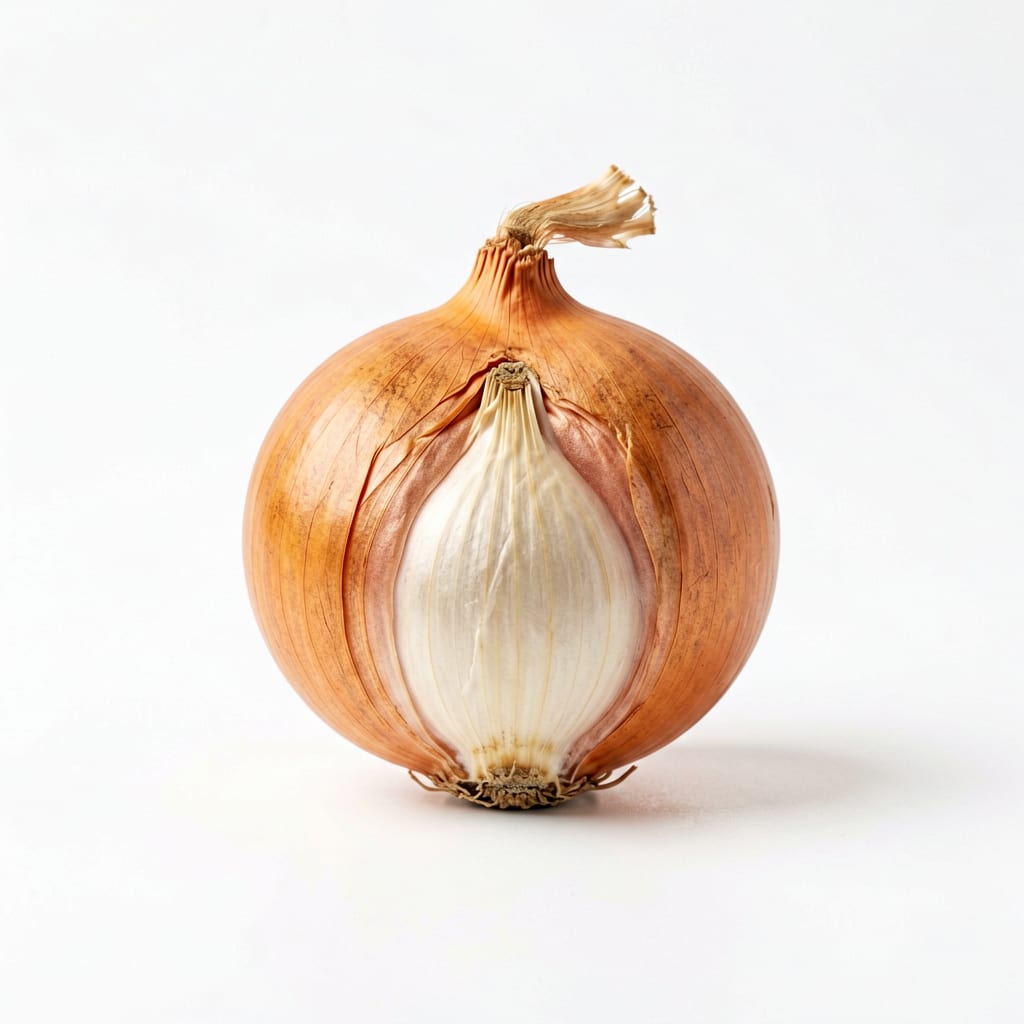
Compare with
Onion
Onions provide more fiber and prebiotics, while tomatoes offer vastly more antioxidants and vitamin C.
Onions are better for gut prebiotics, but tomatoes provide superior antioxidants and lower calories for weight management.
This food
Tomato
VS70% alike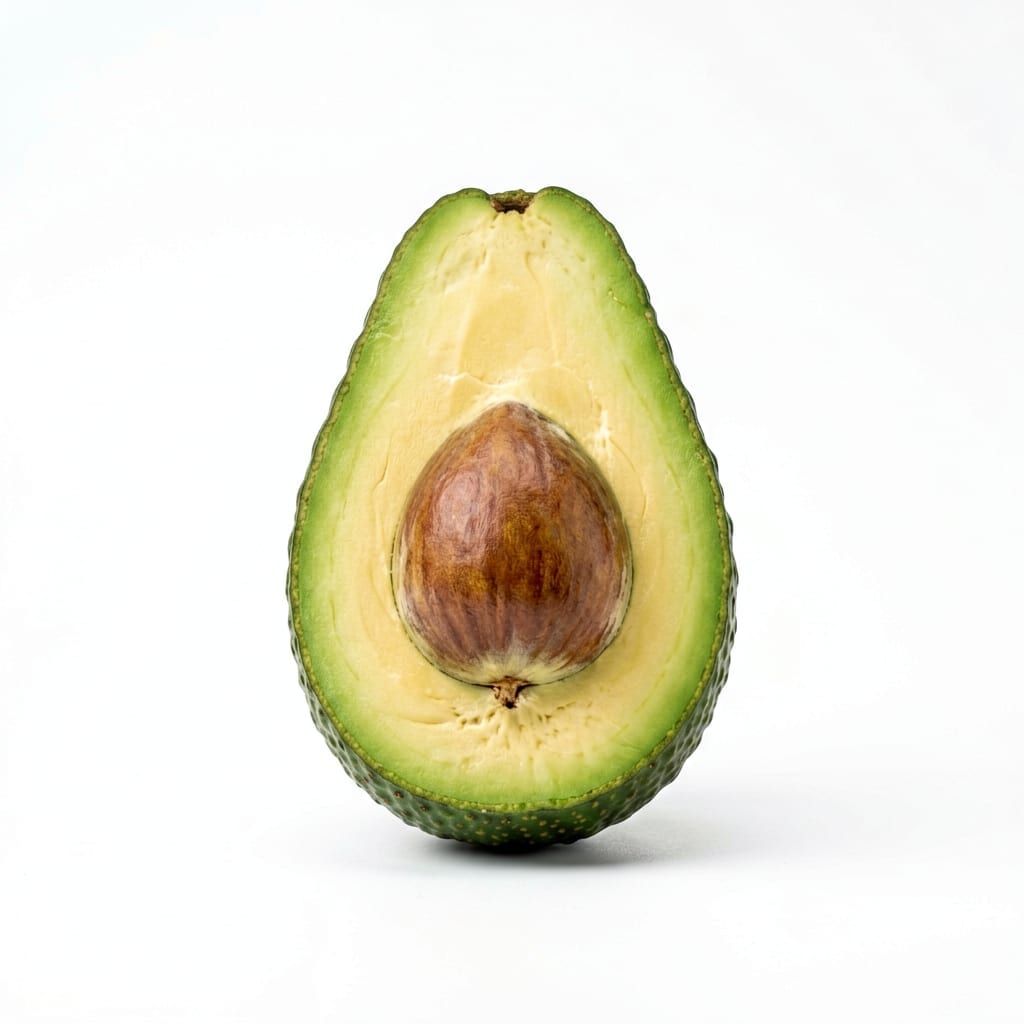
Compare with
Avocado
Avocados are high in healthy fats and calories, promoting high satiety, while tomatoes are low-fat and very low-calorie.
Avocados provide healthy fats and higher satiety, while tomatoes are a low-calorie, high-antioxidant alternative.
This food
Tomato
VS65% alike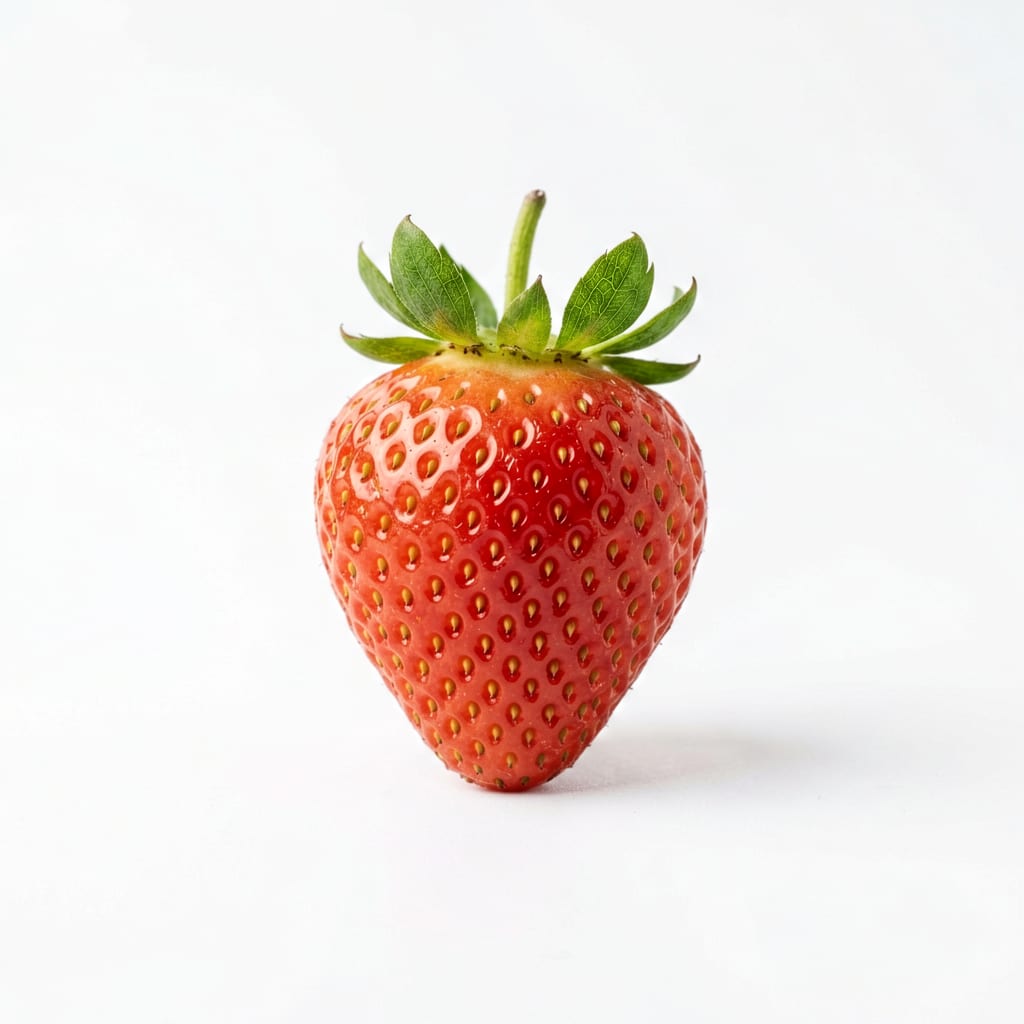
Compare with
Strawberry
Strawberries are higher in sugar and vitamin C, while tomatoes are lower in calories and carbohydrates.
Strawberries are sweeter and higher in vitamin C, but tomatoes are lower in sugar and better for low-carb diets.
This food
Tomato
VS60% alike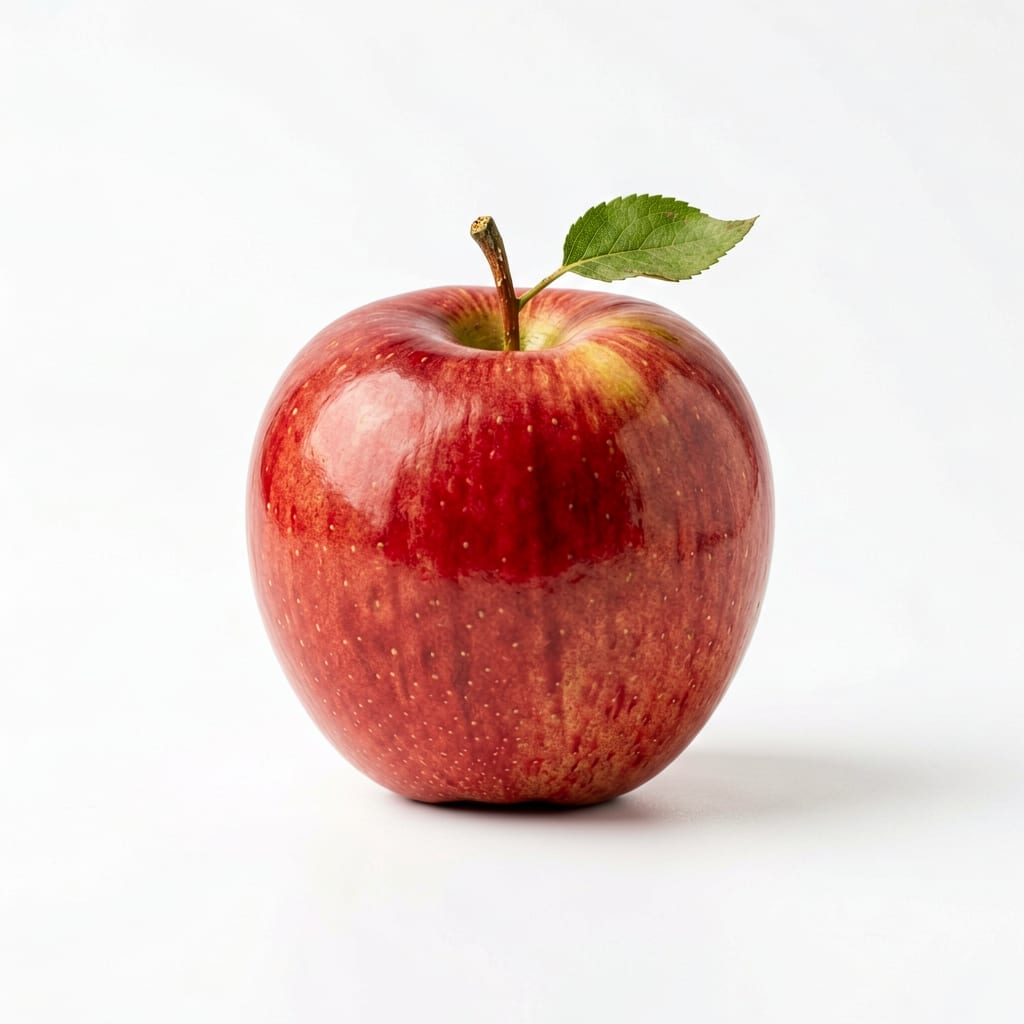
Compare with
Apple
Apples are higher in fiber and sugar, providing more sustained energy, while tomatoes are drastically lower in calories and carbs.
Apples offer more fiber and portable energy, while tomatoes are much lower in sugar and better for weight loss.
This food
Tomato
VS55% alike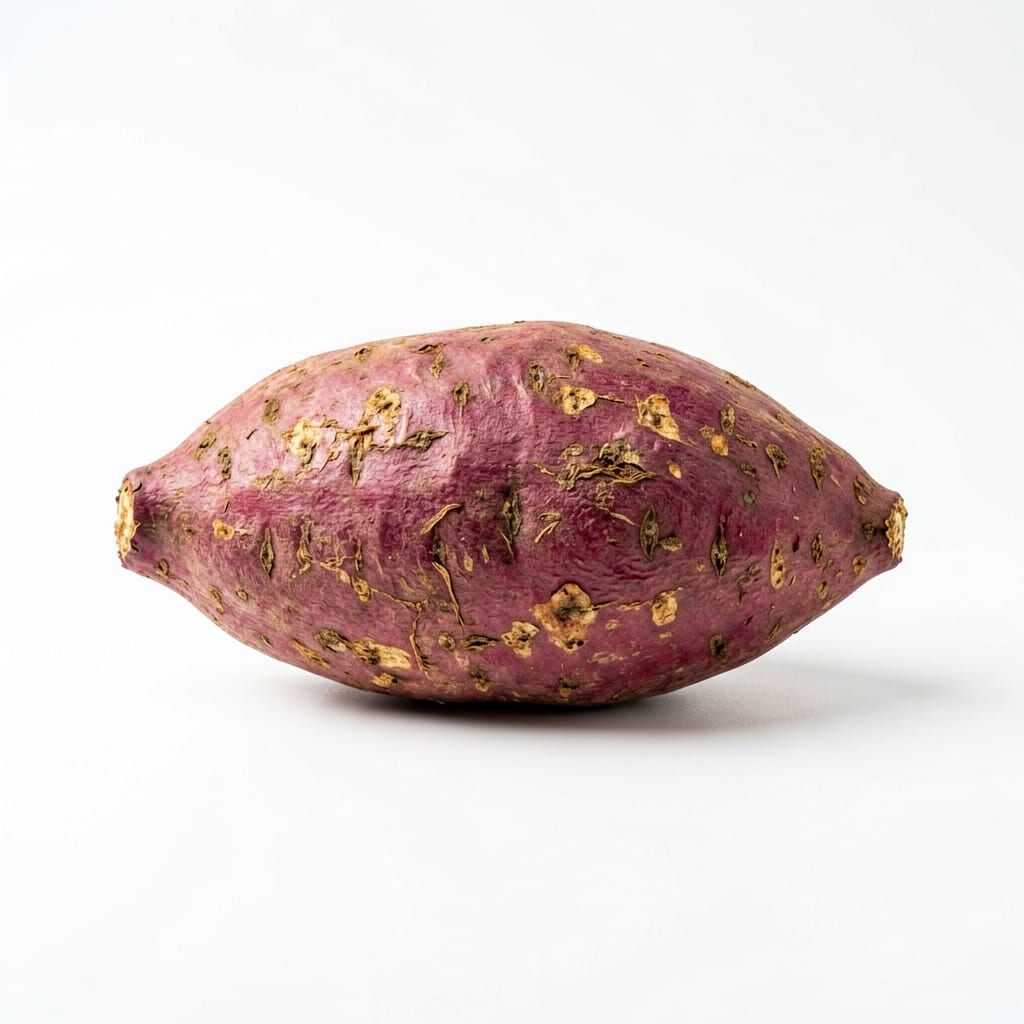
Compare with
Sweet Potato
Sweet potatoes are dense in carbs and vitamin A, serving as an energy source, while tomatoes are low-calorie and low-carb.
Sweet potatoes provide complex carbs for energy, whereas tomatoes are a low-calorie choice better suited for weight loss.
This food
Tomato
VS95% alike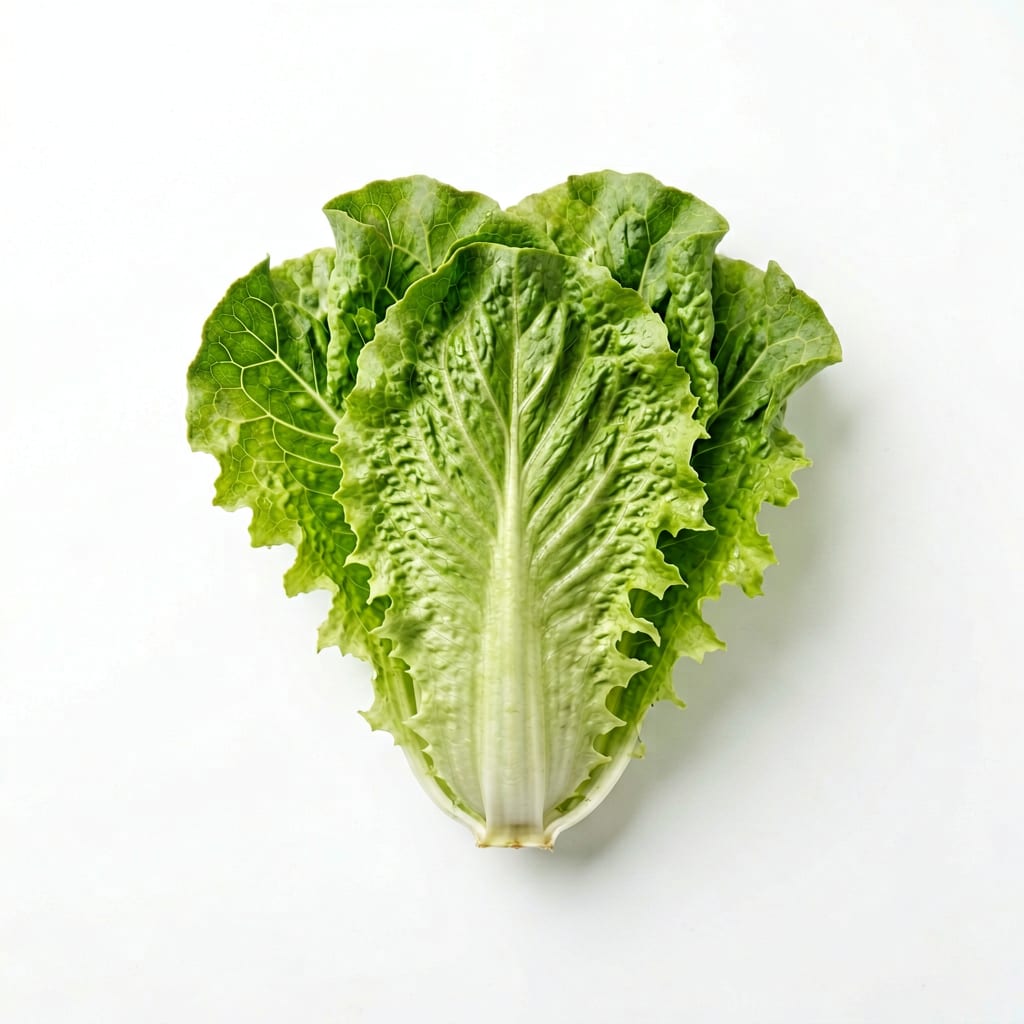
Compare with
Lettuce
Lettuce is lower in calories but mostly water, while tomatoes provide significantly more vitamins, minerals, and antioxidants.
Lettuce is lower in calories, but tomatoes add far more nutritional value, flavor, and antioxidants to a salad.
This food
Tomato
VS80% alike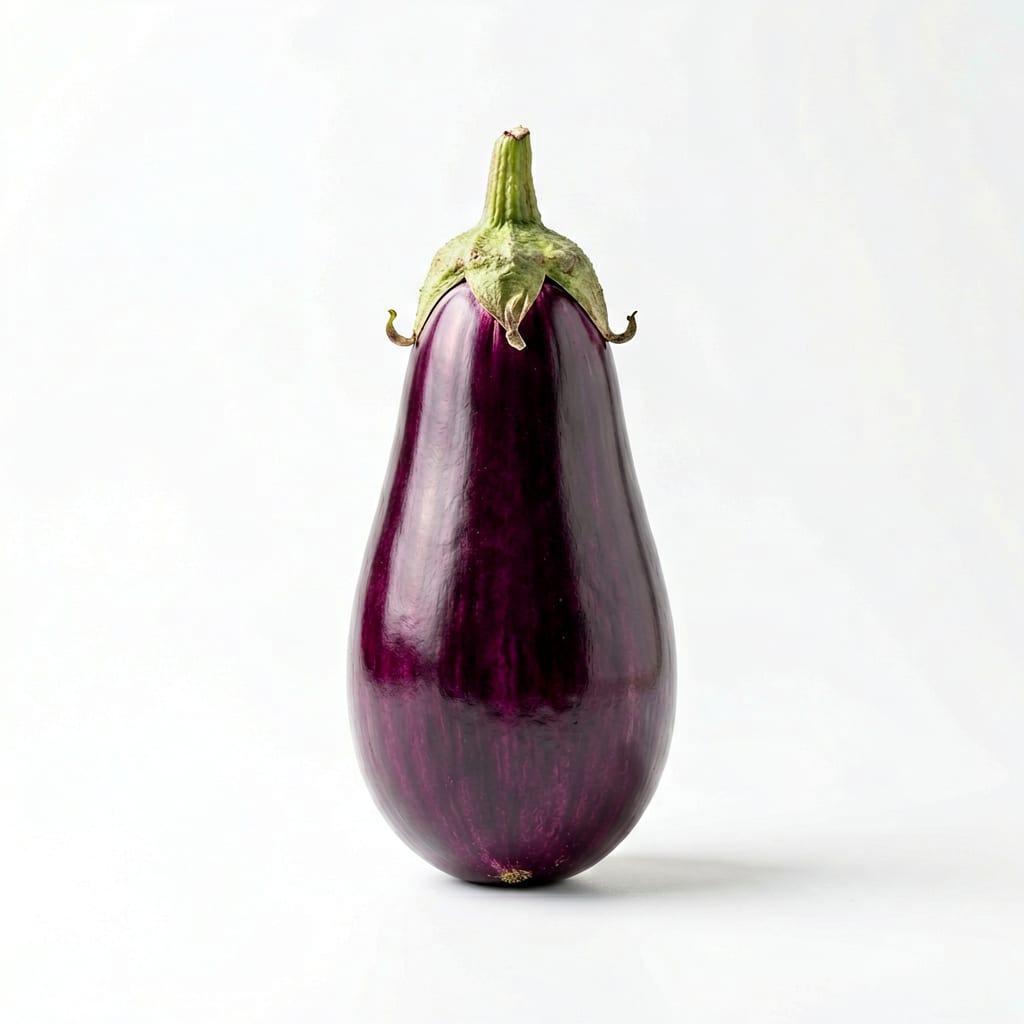
Compare with
Eggplant
Eggplants are spongier and higher in carbs, while tomatoes are juicier, lower in calories, and richer in vitamins.
Eggplant offers a meaty texture for cooking, but tomatoes are lower in calories and packed with more antioxidants like lycopene.
Common questions
FAQ
Answers aligned with how people search for this food.
Are tomatoes good for weight loss?
Yes, tomatoes are excellent for weight loss. They are very low in calories and high in water and fiber, which helps you feel full without overconsuming calories.
Do tomatoes spike blood sugar?
No, tomatoes have a very low glycemic index and glycemic load. They can be safely consumed by people monitoring their blood sugar levels.
Is it better to eat tomatoes raw or cooked?
Both have benefits. Raw tomatoes retain more vitamin C, but cooking tomatoes—especially with a little olive oil—significantly increases the bioavailability of lycopene, a powerful antioxidant.
Are tomatoes keto friendly?
Yes, raw tomatoes are keto-friendly in moderation. They contain only about 3-4 grams of carbs per 100 grams, making them easy to fit into a low-carb diet.
Do tomatoes cause inflammation?
For most people, tomatoes reduce inflammation due to their high antioxidant content. However, they are nightshades and may trigger inflammation or joint pain in individuals with specific nightshade sensitivities.
Are canned tomatoes healthy?
Canned tomatoes are highly nutritious and often contain more absorbable lycopene than raw tomatoes. However, look for BPA-free cans and low-sodium options to avoid potential contaminants and excess salt.
What is lycopene and why is it in tomatoes?
Lycopene is a carotenoid pigment responsible for the red color of tomatoes. It is a potent antioxidant linked to reduced risk of heart disease and certain cancers, and its absorption increases when tomatoes are cooked.
Can diabetics eat tomatoes?
Yes, diabetics can safely eat tomatoes. Their low carbohydrate content and low glycemic index mean they have minimal impact on blood sugar levels.
Transparency
Data confidence
Estimated confidence for nutrition data, interpretation, safety notes, and comparisons.
Nutrition data
Health analysis
Food safety
Comparisons