
Nutrition comparison
Tomato vs Bell Pepper: Which Is Healthier for You?
Compare tomato vs bell pepper nutrition including vitamin C, lycopene, acidity, and cooking versatility. Find out which vegetable fits your health goals and eating habits better.
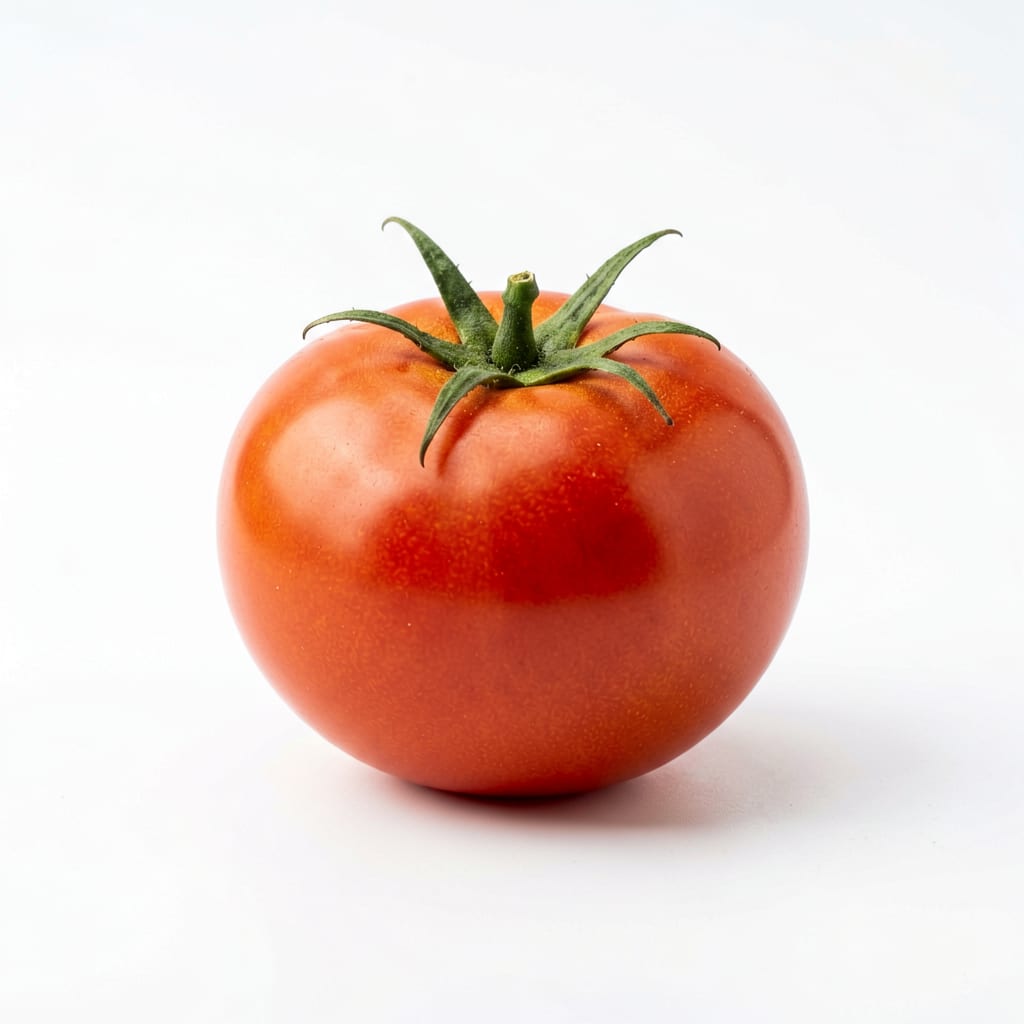
Tomato
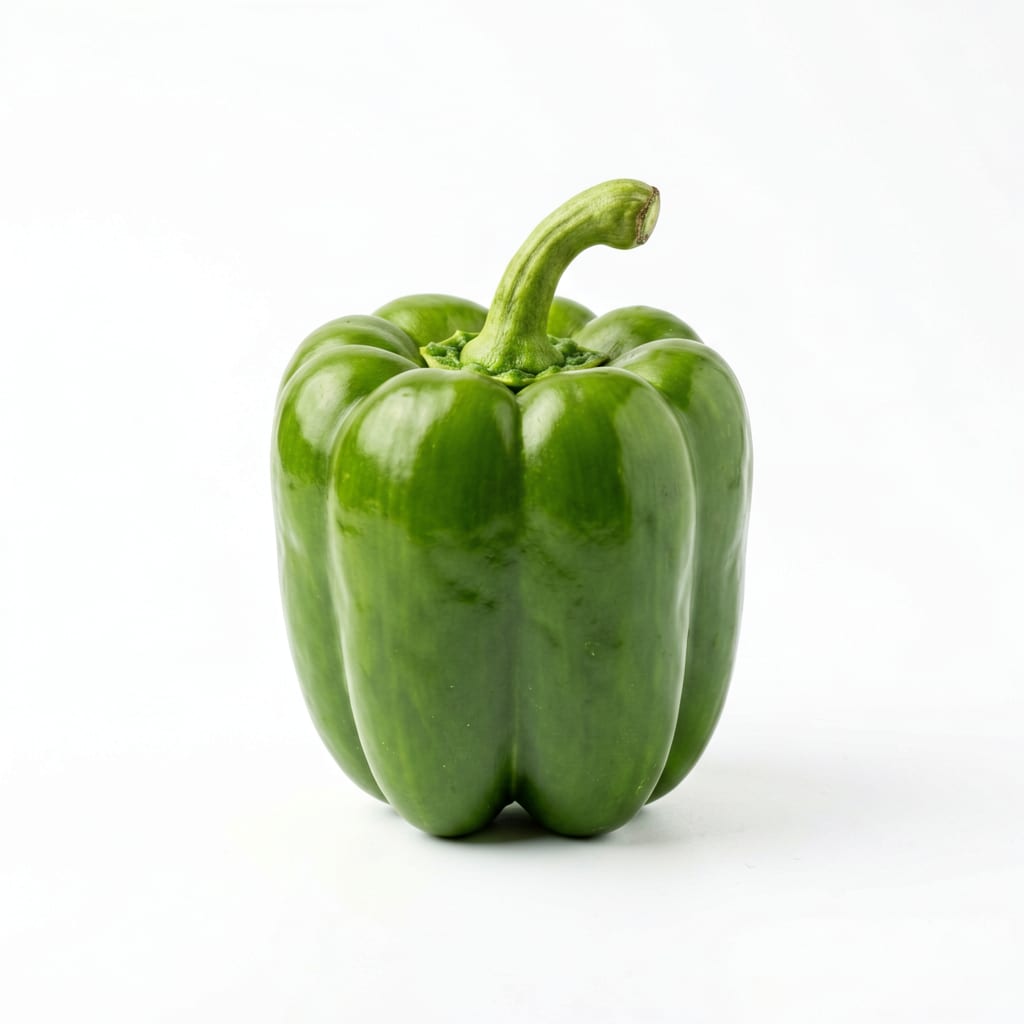
Bell Pepper
Tomatoes win for cooked dishes and lycopene, bell peppers dominate for raw snacking and vitamin C. Both are excellent, just in different ways.
Bell peppers edge ahead slightly due to their vastly superior vitamin C content, lower acidity, and raw snacking convenience. Tomatoes remain nutritionally excellent but their acidity and lower vitamin C narrow the gap in specific contexts.
Tomatoes give you more lycopene and cooking versatility, while bell peppers deliver far more vitamin C and are easier to eat raw without digestive discomfort.
At a glance
Executive summary
Overall
It depends
Healthier
It depends
More practical
Bell Pepper
Daily use
It depends
Key comparison lenses
antioxidant profile comparison
Tomatoes deliver lycopene while bell peppers provide massive vitamin C and beta-carotene, making antioxidant strategy the core differentiator
raw vs cooked versatility
Tomatoes transform dramatically when cooked, while bell peppers maintain crunch and appeal raw, shaping how each fits into meals
vitamin C needs
Bell peppers contain roughly 3-4 times more vitamin C than tomatoes, a significant nutritional gap for immune and skin health
digestive tolerance and acidity
Tomatoes are notably more acidic, triggering reflux or heartburn in sensitive individuals, while bell peppers are gentler on the stomach
daily snacking and meal prep convenience
Bell peppers are easier to snack on raw and store longer, while tomatoes are juicier and messier but more versatile in cooked dishes
Best choice for
Tomato
- People wanting lycopene for prostate and heart health
- Home cooks making sauces, soups, and stews
- Anyone seeking more potassium in their diet
- Those who prefer cooked vegetable dishes
Bell Pepper
- People prioritizing vitamin C intake for immunity or skin
- Raw snackers and salad lovers
- Those with acid reflux or tomato sensitivity
- Anyone wanting crunch without the mess
Least suitable for
Tomato
- People with severe acid reflux or GERD
- Those with nightshade sensitivities experiencing joint pain
- Anyone seeking a clean handheld raw snack
Bell Pepper
- People specifically targeting lycopene intake
- Those watching budget closely, as bell peppers cost more per pound
- Anyone wanting a juicy base for cooked sauces
Deep comparison
Dimension by dimension
Each lens scores both foods and breaks down who each option suits.
- Dimension 1 · Priority 90Bell Pepper
vitamin_c_content
Tomato · 40Bell Pepper · 97Bell peppers are one of the richest vitamin C sources available, delivering roughly 3-4 times more than tomatoes per serving.
Tradeoff
You would need to eat several tomatoes to match the vitamin C in a single bell pepper, but tomatoes compensate with other antioxidants like lycopene.
Why it matters
Vitamin C supports immune function, collagen production, and iron absorption. A single red bell pepper exceeds your daily needs.
Real-world impact
Adding bell pepper to your lunch covers your vitamin C for the day. Tomatoes contribute but cannot carry this nutrient alone.
Tomato
- Relying on tomatoes as your primary vitamin C source
Worse for
Bell Pepper
- Immune support during cold season
- Skin health and collagen maintenance
- Iron absorption when paired with plant-based meals
Better for
- Dimension 2 · Priority 88Tomato
lycopene_and_antioxidant_diversity
Tomato · 95Bell Pepper · 35Tomatoes are the dominant dietary source of lycopene, a powerful antioxidant linked to reduced cancer and heart disease risk.
Tradeoff
Lycopene is rare in most foods, making tomatoes uniquely valuable. Bell peppers offer beta-carotene instead, which is beneficial but more commonly available from other sources.
Why it matters
Lycopene becomes more bioavailable when tomatoes are cooked with fat, making tomato sauce a genuinely therapeutic food.
Real-world impact
A few weekly servings of cooked tomatoes can measurably raise blood lycopene levels. No equivalent shortcut exists with bell peppers.
Tomato
- Prostate health protection in men
- Heart disease risk reduction
- UV skin damage defense from within
Better for
Bell Pepper
- Eye health through beta-carotene and zeaxanthin
Better for
- Anyone counting on bell peppers for lycopene benefits
Worse for
- Dimension 3 · Priority 78Bell Pepper
digestive_tolerance_and_acidity
Tomato · 45Bell Pepper · 82Tomatoes are significantly more acidic, commonly triggering heartburn and reflux. Bell peppers are gentler on the digestive tract.
Tradeoff
Tomato acidity enhances flavor in cooking but limits comfort for sensitive eaters. Bell peppers sacrifice that savory depth for easier digestion.
Why it matters
Roughly 20% of adults experience regular acid reflux. For them, tomatoes are a frequent trigger food.
Real-world impact
A late-night pasta with tomato sauce can mean disrupted sleep for reflux sufferers. Bell pepper stir-fries rarely cause the same problem.
Tomato
- Dinner close to bedtime
- Anyone managing chronic heartburn
Worse for
Bell Pepper
- Evening meals for reflux-prone individuals
- People with sensitive stomachs or GERD
- Those who find acidic foods irritating
Better for
- Dimension 4 · Priority 82Tomato
cooking_versatility
Tomato · 92Bell Pepper · 68Tomatoes form the backbone of countless cuisines as sauces, bases, and condiments. Bell peppers are excellent but more limited in cooked applications.
Tradeoff
Tomatoes dissolve into rich sauces and soups effortlessly. Bell peppers hold their structure, which is great for stir-fries but less useful for building flavor bases.
Why it matters
If you cook regularly, tomatoes are foundational. They become ketchup, marinara, salsa, and curry bases in ways bell peppers cannot replicate.
Real-world impact
A household without tomatoes loses most pasta sauces, pizza bases, and many soups. A household without bell peppers loses crunch in stir-fries but far fewer core recipes.
Tomato
- Building flavor bases for sauces and stews
- Making condiments like ketchup and salsa
- Slow-cooked dishes where depth develops over time
Better for
- Dishes where you want maintained texture and crunch
Worse for
Bell Pepper
- Quick stir-fries and fajitas
- Adding color and crunch to dishes
- Stuffing and baking as a vessel for other ingredients
Better for
- Creating smooth sauces or liquid flavor bases
Worse for
- Dimension 5 · Priority 70Bell Pepper
raw_snacking_convenience
Tomato · 48Bell Pepper · 88Bell peppers are crisp, clean, and easy to eat raw. Tomatoes are juicy, fragile, and messy as a handheld snack.
Tradeoff
Tomatoes burst and drip, making them awkward for on-the-go eating. Bell peppers slice neatly and travel well in lunch containers.
Why it matters
Convenience drives whether people actually eat vegetables. The easier it is to grab, the more likely it gets consumed.
Real-world impact
Bell pepper strips with hummus are a zero-mess desk snack. Cherry tomatoes are doable but juicier and more prone to squishing in a bag.
Tomato
- Cherry tomatoes as a quick salad addition
Better for
- Commuting or on-the-go snacking
- Neat presentation in packed lunches
Worse for
Bell Pepper
- Office desk snacking
- Kids lunchboxes
- Dipping into hummus or guacamole
- Meal prep containers that sit in the fridge all week
Better for
- Dimension 6 · Priority 62Tomato
potassium_and_mineral_content
Tomato · 75Bell Pepper · 55Tomatoes provide meaningfully more potassium per serving, supporting blood pressure regulation and muscle function.
Tradeoff
Potassium is undereaten in most diets, and tomatoes are a practical source. Bell peppers contribute some but not enough to move the needle.
Why it matters
Most adults fall short of recommended potassium intake. Every high-potassium food helps close that gap.
Real-world impact
A cup of tomato sauce delivers around 900mg of potassium, nearly 20% of daily needs. Bell peppers offer roughly half that per cup.
Tomato
- Blood pressure management
- Post-workout electrolyte replenishment
- Anyone on a low-sodium diet needing potassium balance
Better for
Bell Pepper
- Relying on bell peppers as a primary potassium source
Worse for
Timeline
Health impact over time
Short-term
Hours to days
Tomato
- Quick hydration from high water content
- Possible heartburn or acid reflux within an hour of eating, especially raw or in large amounts
- Moderate blood sugar stability due to low glycemic load
Bell Pepper
- Noticeable vitamin C boost supporting immediate immune activity
- Satisfying crunch promoting slower eating and better satiety signals
- Very gentle on digestion with minimal acidity concerns
Long-term
Months to years
Tomato
- Reduced prostate cancer risk in men through consistent lycopene intake
- Better cardiovascular health from potassium and lycopene combined
- Potential worsening of GERD symptoms if consumed frequently over years
Bell Pepper
- Stronger immune resilience from sustained high vitamin C intake
- Better skin elasticity and wound healing from collagen support
- Improved eye health from consistent beta-carotene and zeaxanthin exposure
Risk profile
Safety & processing
Both tomatoes and bell peppers are whole, minimally processed vegetables in their natural state. Concerns arise mainly with canned tomatoes, which may contain added salt or BPA from can linings, and pre-cut bell peppers, which lose freshness faster.
Tomato
Pesticide residue
mediumConventionally grown tomatoes frequently appear on the EWG Dirty Dozen list. Washing helps but does not remove all residues. Organic tomatoes reduce this significantly.
Canned tomato BPA exposure
mediumAcidic tomatoes leach BPA from can linings more than other foods. Choosing tetra-packed or glass-jarred tomato products avoids this issue.
Foodborne illness from fresh tomatoes
lowTomatoes have been linked to Salmonella outbreaks, particularly when sliced and stored at improper temperatures. Whole, uncut tomatoes are much lower risk.
Bell Pepper
Pesticide residue
mediumBell peppers also appear regularly on the Dirty Dozen list, especially conventional green bell peppers. Organic options substantially reduce exposure.
Nightshade sensitivity
lowThough less commonly triggering than tomatoes, bell peppers contain solanine and capsaicinoids that may bother people with nightshade sensitivities or joint inflammation.
Wax coatings on non-organic
lowNon-organic bell peppers may have edible wax coatings to extend shelf life. Washing with warm water and a brush removes most of it.
Who wins for whom
Audience fit
Same foods, different winners depending on your goal.
children
Bell PepperBell pepper strips are easier for small hands to hold, less messy, and their sweetness appeals to kids. Cherry tomatoes work too but are choking hazards for very young children.
daily consumption
It dependsBoth are safe and beneficial daily. Tomatoes excel in cooked meals, bell peppers in raw contexts. Rotating both maximizes antioxidant diversity.
diabetes
Bell PepperBell peppers have slightly less sugar and a marginally lower glycemic impact. Both are very diabetes-friendly, but bell peppers are the safer bet for strict blood sugar control.
elderly
TomatoCooked tomatoes in sauces are easier to chew and digest for aging teeth and sensitive stomachs. The lycopene also supports prostate and cardiovascular health concerns common in older adults.
muscle gain
TomatoTomatoes provide more potassium, which helps with muscle cramps and recovery. Neither is a protein source, so the difference is marginal.
weight loss
Bell PepperBell peppers are slightly lower in calories per cup and their crunch encourages slower eating, which supports satiety. Both are excellent low-calorie choices though.
Your move
Decision guide
Choose Tomato
- You cook often and want rich, versatile sauce bases
- Prostate health or heart disease prevention is a priority
- You need more potassium in your diet
- You enjoy Mediterranean, Italian, or Indian cuisines regularly
Choose Bell Pepper
- You snack raw frequently and want a clean, crunchy option
- Vitamin C intake is a top priority
- Acid reflux or heartburn limits your tomato consumption
- You prepare quick stir-fries, salads, or lunchbox meals
Either works if
- You simply want more colorful vegetables in your diet
- Both are affordable and available at your local store
- You are already eating a varied diet and just adding volume
Avoid both if
- You have a confirmed nightshade allergy or severe sensitivity
- You are on a very strict low-FODMAP elimination phase, as both can be triggers in large amounts
Final recommendation
Eat both regularly but lean into tomatoes for cooked meals and bell peppers for raw snacking. This split maximizes lycopene from cooked tomatoes and vitamin C from raw bell peppers, giving you the best of both antioxidant worlds without compromise.
Practical
Consumer tips
- 1
Choose organic for both when possible, as they frequently appear on the Dirty Dozen list for pesticide residues
- 2
Opt for glass-jarred or tetra-packed tomato products instead of cans to avoid BPA leaching
- 3
Red bell peppers contain more vitamin C and beta-carotene than green ones, making them worth the higher price
- 4
Cooking tomatoes with olive oil dramatically increases lycopene absorption, so always add a fat source
- 5
Store tomatoes at room temperature for best flavor, but refrigerate bell peppers to extend crispness
- 6
Cherry tomatoes are the best raw snacking tomato if you want portability closer to bell peppers
- 7
Freeze excess tomatoes before they go soft for easy sauce-making later