
Nutrition comparison
Tomato vs Apple: Which Is Healthier for You?
Compare tomato vs apple on sugar, fiber, antioxidants, and weight loss. Find out which fruit fits your health goals, eating habits, and lifestyle better.
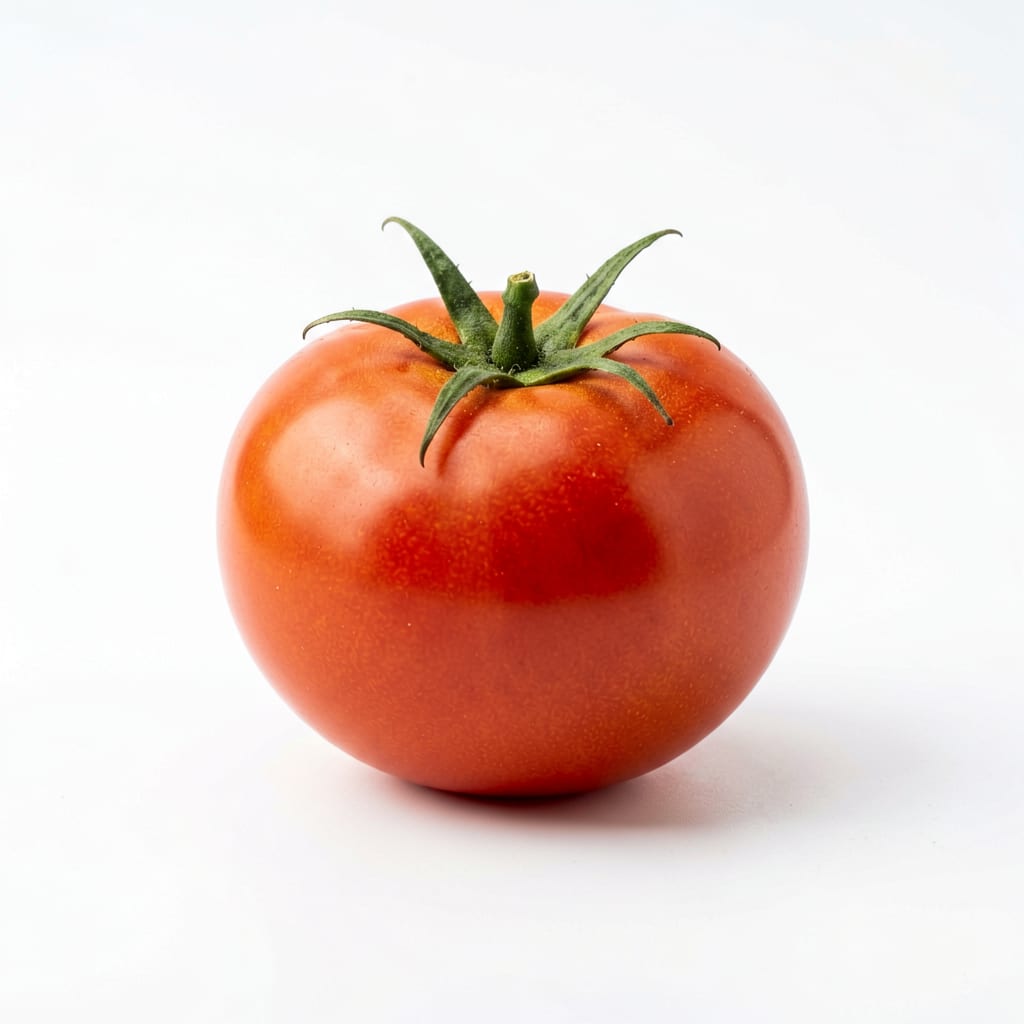
Tomato
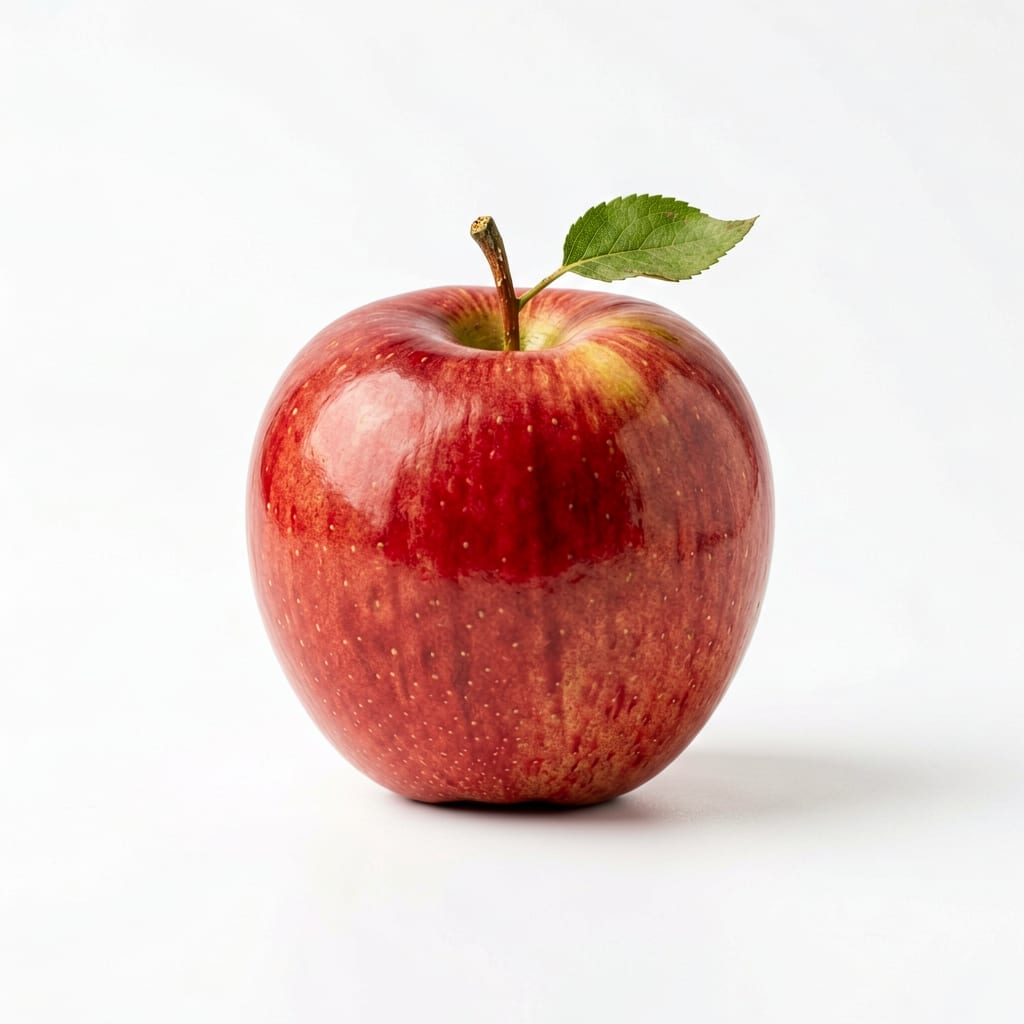
Apple
Tomatoes win for blood sugar control and savory meals; apples win for convenient snacking and fiber.
Tomatoes edge ahead slightly due to lower sugar and broader culinary role, but apples remain excellent for fiber and convenience. The close scores reflect that both are genuinely healthy whole foods serving different needs.
You choose between near-zero sugar and cooking versatility with tomatoes, or portable fiber-rich sweetness with apples.
At a glance
Executive summary
Overall
It depends
Healthier
It depends
More practical
Apple
Daily use
It depends
Key comparison lenses
sugar and blood sugar management
Tomatoes are dramatically lower in sugar than apples, making this the most consequential difference for many users
snack convenience and portability
Apples are the ultimate grab-and-go fruit while tomatoes are messier and less intuitive as standalone snacks
antioxidant diversity
Lycopene in tomatoes versus quercetin and pectin in apples represents two very different health strategies
weight management and calorie density
Tomatoes offer far more volume per calorie, which matters for satiety-driven eating
culinary versatility
Tomatoes anchor entire cuisines while apples are mostly eaten raw or in desserts
Best choice for
Tomato
- People managing diabetes or blood sugar
- Low-carb and keto eaters
- Home cooks building flavorful meals
- Anyone watching calorie intake closely
- People seeking lycopene for prostate or heart health
Apple
- Busy people needing a portable snack
- Kids who reject vegetables but enjoy fruit
- Anyone struggling to get enough daily fiber
- Endurance athletes needing quick carbs
- People wanting sustained energy between meals
Least suitable for
Tomato
- People with nightshade sensitivities or joint inflammation concerns
- Anyone wanting a sweet satisfying snack
- Those who find raw tomatoes texturally unpleasant
Apple
- Strict low-carb dieters
- People with fructose intolerance or IBS triggered by fermentable carbs
- Those monitoring blood sugar spikes closely
Deep comparison
Dimension by dimension
Each lens scores both foods and breaks down who each option suits.
- Dimension 1 · Priority 92Tomato
blood sugar impact
Tomato · 93Apple · 58Tomatoes contain roughly 3g of sugar per cup versus 19g in a medium apple, making them far gentler on blood sugar.
Tradeoff
Apples provide quick energy that athletes need, but that same sugar can spike glucose in sedentary people.
Why it matters
If you sit at a desk all day, the apple sugar spike followed by a crash can trigger cravings. Tomatoes keep things steady.
Real-world impact
A mid-afternoon apple might leave you hungry again in 90 minutes. A tomato-based snack rarely causes that rebound effect.
Tomato
- Diabetics and prediabetics
- Low-carb eaters
- Sedentary office workers
Better for
- Anyone needing quick carbohydrate energy
Worse for
Apple
- Runners needing pre-workout fuel
- Hikers burning carbs actively
- Underweight individuals needing easy calories
Better for
- Insulin-resistant individuals
- People prone to sugar cravings
Worse for
- Dimension 2 · Priority 84Apple
fiber_and_digestive_health
Tomato · 60Apple · 88A medium apple delivers about 4.5g of fiber versus 1.5g in a cup of tomato. Apples are clearly superior for gut regularity.
Tradeoff
Apple fiber includes pectin which feeds beneficial gut bacteria, but the fructose can bother sensitive stomachs.
Why it matters
Most people fall short on daily fiber. An apple covers roughly 15% of your daily need in one convenient package.
Real-world impact
Eating an apple a day genuinely helps with bathroom regularity. You would need to eat several tomatoes to get the same effect.
Tomato
- People with IBS who tolerate low-fiber foods better
Better for
- Those relying on produce for fiber intake
Worse for
Apple
- Anyone constipated or irregular
- Gut microbiome optimization
- Cholesterol management through soluble fiber
Better for
- Fructose-sensitive individuals
- FODMAP-restricted dieters
Worse for
- Dimension 3 · Priority 78It depends
antioxidant_profile
Tomato · 85Apple · 80Tomatoes offer lycopene which is rare elsewhere, while apples provide quercetin and catechins. Both are valuable in different ways.
Tradeoff
Lycopene is fat-soluble and best absorbed with olive oil, while apple polyphenols work well raw. Your preparation method matters.
Why it matters
Lycopene specifically supports prostate health and arterial function. Quercetin helps with allergy response and lung function.
Real-world impact
Cooked tomato sauce with olive oil delivers lycopene better than raw tomatoes. Raw apples with skin deliver the most quercetin.
Tomato
- Men concerned about prostate health
- People wanting cardiovascular protection
- Mediterranean diet followers
Better for
- Those who only eat tomatoes raw without fat
Worse for
Apple
- Allergy sufferers seeking quercetin
- Lung health optimization
- People who eat produce raw
Better for
- People who peel their apples and discard the skin
Worse for
- Dimension 4 · Priority 85Apple
convenience_and_snackability
Tomato · 45Apple · 92Apples are nature's perfect portable snack. Tomatoes are messy, fragile, and less intuitive to eat on the go.
Tradeoff
Apple convenience means you actually eat fruit daily. Tomato inconvenience means you might skip them despite their health edge.
Why it matters
The healthiest food only works if you eat it. Apples remove all friction between you and a nutritious choice.
Real-world impact
Toss an apple in your bag at 7am and it is fine at noon. A tomato will be bruised and leaking by then.
Tomato
- Home cooks who prep meals anyway
- People who enjoy salads and cooked dishes
Better for
- Anyone eating away from a kitchen most days
Worse for
Apple
- Commuters and travelers
- Office workers with limited prep space
- Parents packing school lunches
Better for
- People who find raw fruit boring or unsatisfying
Worse for
- Dimension 5 · Priority 75Tomato
calorie_density_and_weight_management
Tomato · 91Apple · 65Tomatoes provide roughly 32 calories per cup versus 95 for a medium apple. You can eat far more volume with tomatoes.
Tradeoff
Low calorie density helps with weight loss but can leave you unsatisfied if you need energy. Apples are more filling per fruit.
Why it matters
Volume eating with tomatoes lets you feel full on fewer calories. But an apple's sweetness satisfies cravings that tomatoes cannot.
Real-world impact
A large tomato-based salad feels huge on your plate for under 100 calories. An apple is satisfying but calorie-denser per bite.
Tomato
- Volume eaters who want large portions
- Calorie counters
- Intermittent fasters breaking fasts gently
Better for
- Athletes in caloric surplus phases
Worse for
Apple
- Active people needing energy density
- Those who feel unsatisfied on low-calorie meals
Better for
- Strict calorie restrictors
Worse for
- Dimension 6 · Priority 70Tomato
culinary_versatility
Tomato · 92Apple · 55Tomatoes are foundational to Italian, Mexican, Indian, and Middle Eastern cooking. Apples are mostly limited to raw eating and baking.
Tradeoff
Tomatoes transform into sauces, soups, salsas, and stews. Apples mostly stay in the snack and dessert lane.
Why it matters
If you cook regularly, tomatoes are indispensable. They add umami depth that apples simply cannot provide.
Real-world impact
You can build an entire dinner around tomatoes. An apple is almost never the star of a savory meal.
Tomato
- Home cooks who make dinner nightly
- Fans of Mediterranean and Latin cuisines
- Meal preppers making large batches
Better for
- Those who never cook
Worse for
Apple
- Bakers and dessert makers
- People who eat fruit rather than cook with it
Better for
- Anyone wanting savory applications
Worse for
Timeline
Health impact over time
Short-term
Hours to days
Tomato
- Very gentle on blood sugar with minimal crash risk
- Hydrating due to high water content
- May trigger heartburn in susceptible individuals due to acidity
Apple
- Provides noticeable energy boost from natural sugars
- Fiber creates a feeling of fullness lasting 1-2 hours
- Fructose can cause bloating in sensitive people
Long-term
Months to years
Tomato
- Lycopene intake linked to reduced prostate cancer risk and better arterial health
- Consistent low-sugar produce choice supports metabolic stability
- Potassium content helps maintain healthy blood pressure over time
Apple
- Daily apple consumption associated with lower cardiovascular disease risk in multiple studies
- Pectin fiber supports healthy cholesterol levels and gut microbiome diversity
- Quercetin intake may reduce chronic inflammation and allergy severity
Risk profile
Safety & processing
Both tomatoes and apples are whole foods typically eaten in their natural state. Neither raises processing concerns when fresh. The main difference is that tomatoes are more commonly consumed in processed forms like sauces and pastes, which can add sodium and sugar.
Tomato
Pesticide residue
mediumConventional tomatoes frequently carry pesticide residues. Washing helps but does not remove everything. Organic is preferable.
Nightshade sensitivity
lowSome people with autoimmune conditions or joint pain report flares from nightshades. Evidence is anecdotal but worth monitoring personally.
Acid reflux trigger
mediumTomato acidity can worsen GERD and heartburn symptoms, especially when eaten raw or in large quantities near bedtime.
Apple
Pesticide residue
highApples consistently rank on the EWG Dirty Dozen list with multiple pesticide residues. Peeling helps but removes fiber. Organic matters more here.
Fructose intolerance
mediumApples are high in fructose and sorbitol, which trigger gas, bloating, and diarrhea in people with FODMAP sensitivities.
Dental erosion
lowApple acidity and natural sugars can contribute to enamel erosion over time, especially with frequent snacking without rinsing.
Who wins for whom
Audience fit
Same foods, different winners depending on your goal.
children
AppleMost kids accept apples readily while rejecting raw tomatoes. The best healthy food is the one a child actually eats.
daily consumption
It dependsBoth are excellent daily foods. Choose tomatoes for savory meals and blood sugar stability, apples for fiber and snacking ease.
diabetes
TomatoWith roughly one-sixth the sugar of an apple, tomatoes are clearly safer for blood glucose management.
elderly
It dependsTomatoes support heart and prostate health which matter more with age, but apples provide fiber that combats common elderly constipation.
muscle gain
AppleApples provide more carbohydrate energy around workouts and slightly more calories to support a surplus.
weight loss
TomatoDramatically fewer calories per cup and near-zero sugar make tomatoes easier to fit into a caloric deficit without hunger.
Your move
Decision guide
Choose Tomato
- You are managing blood sugar, diabetes, or metabolic syndrome
- You cook regularly and want a versatile ingredient
- You are counting calories or doing volume eating
- You want lycopene for prostate or cardiovascular protection
- You find sweet snacks trigger cravings for more sweets
Choose Apple
- You need a portable no-prep snack for busy days
- You struggle to get enough fiber in your diet
- You want quick natural energy before or after exercise
- You are feeding kids who reject vegetables
- You find savory snacks unsatisfying and need sweetness
Either works if
- You simply want more whole produce in your life
- You have no specific blood sugar or weight concerns
- You enjoy both sweet and savory flavors across different meals
Avoid both if
- You have severe oral allergy syndrome triggered by both
- You are on an extremely restricted elimination diet under medical supervision
Final recommendation
Eat both. Tomatoes and apples serve completely different roles in a healthy diet. Use tomatoes in meals for umami, lycopene, and blood sugar stability. Keep apples around for snacking, fiber, and convenient energy. If forced to pick one for health outcomes alone, tomatoes win narrowly for their near-zero sugar and broader disease-fighting evidence. But if forced to pick one for real-life consistency, apples win because you will actually eat them daily without effort.
Practical
Consumer tips
- 1
Buy organic apples when possible since they top the Dirty Dozen list. Organic tomatoes matter less but are still preferable.
- 2
Cook tomatoes with olive oil to absorb up to four times more lycopene than raw tomatoes alone.
- 3
Keep apple skin on since most quercetin and half the fiber live in or just under the peel.
- 4
Pair an apple with a handful of nuts to blunt the sugar spike and extend satiety by another hour.
- 5
Store tomatoes at room temperature, not the fridge. Cold kills their flavor and mealy texture makes them less appealing.
- 6
If heartburn is an issue, try cooked tomatoes instead of raw. Cooking reduces acidity significantly.