
Nutrition comparison
Tomato vs Lettuce: Nutrition, Health Benefits & Which is Better
Comparing Tomato and Lettuce? Discover the nutritional differences, health benefits, and best uses for each vegetable to optimize your diet.
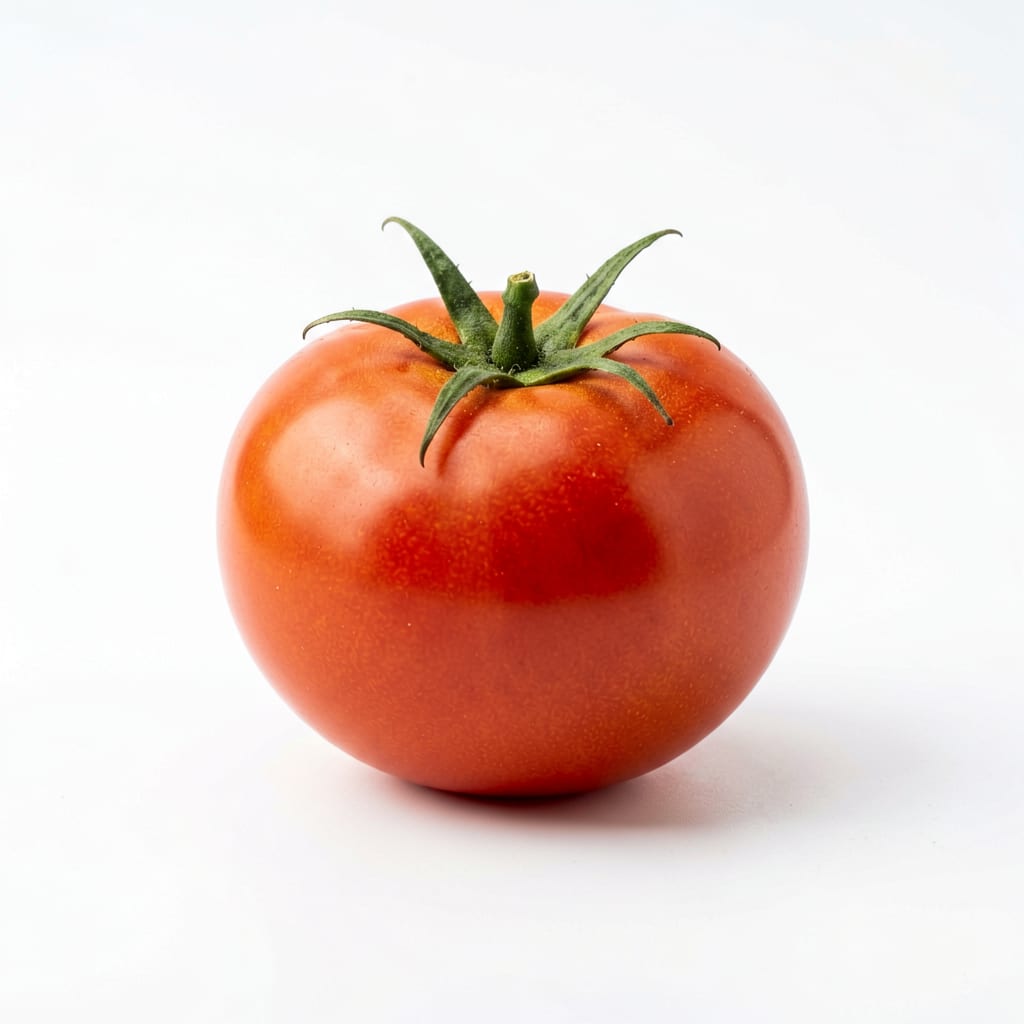
Tomato
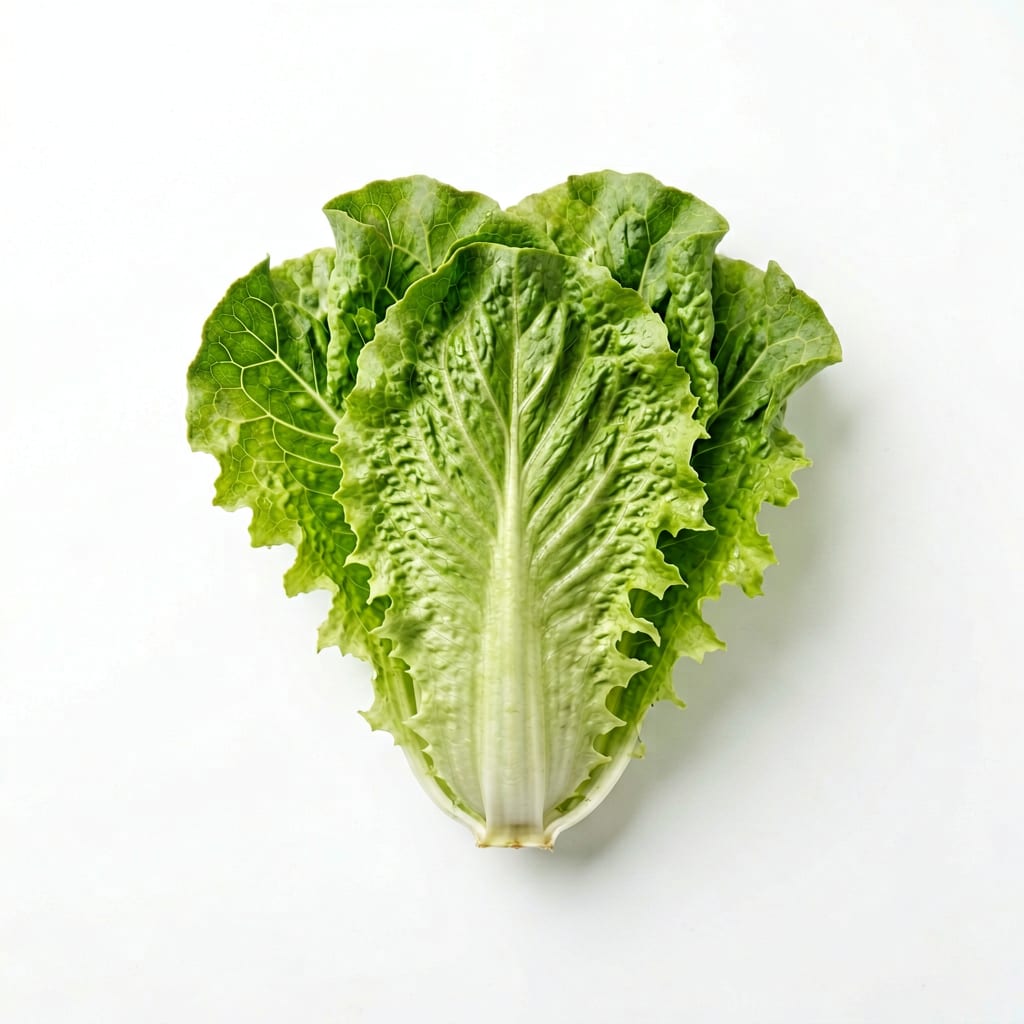
Lettuce
Tomatoes win for nutritional power and culinary versatility, but lettuce is the ultimate low-calorie stomach filler.
Tomato scores higher due to its significant antioxidant profile and versatility, though lettuce remains a useful tool for pure volume eating.
Deep, antioxidant-rich flavor and nutrition versus pure crunch volume and digestive gentleness.
At a glance
Executive summary
Overall
It depends
Healthier
Tomato
More practical
Tomato
Daily use
Tomato
Key comparison lenses
Nutrient density and antioxidant value
Tomatoes offer concentrated antioxidants like lycopene, while lettuce provides mostly water and minimal calories.
Low-calorie volume eating
Lettuce is a classic diet food for filling up the plate with almost zero calories.
Digestive tolerance and acid reflux
Tomatoes are acidic and can trigger heartburn, whereas lettuce is generally very gentle on the stomach.
Culinary versatility
Tomatoes can be eaten raw, cooked, or turned into sauces, while lettuce is mostly limited to cold, raw dishes.
Best choice for
Tomato
- Heart health and antioxidant support
- Cooking and hot meal preparation
- Adding satisfying flavor without excess calories
Lettuce
- Maximum food volume for minimal calories
- Managing acid reflux or sensitive stomachs
- Creating low-carb wraps and burger beds
Least suitable for
Tomato
- People with severe acid reflux or GERD
- Those avoiding nightshades due to inflammation
Lettuce
- Those needing dense nutrition per bite
- People looking for satisfying, standalone snacks
Deep comparison
Dimension by dimension
Each lens scores both foods and breaks down who each option suits.
- Dimension 1 · Priority 95Tomato
Nutrient Density & Antioxidants
Tomato · 90Lettuce · 35Tomatoes are packed with lycopene, potassium, and vitamin C, while lettuce offers mostly hydration and trace nutrients.
Tradeoff
You get far more health-protective compounds per bite with tomatoes, but lettuce keeps things incredibly light.
Why it matters
Lycopene supports heart health and cellular protection in ways lettuce simply cannot match.
Real-world impact
Eating tomatoes regularly is an active investment in long-term heart and skin health.
Tomato
- Cardiovascular protection
- Skin health and sun damage defense
Better for
- Those who need strict potassium restriction
Worse for
Lettuce
- Staying hydrated
- Keeping meals light
Better for
- Correcting nutrient deficiencies
Worse for
- Dimension 2 · Priority 85Lettuce
Calorie Efficiency & Volume
Tomato · 70Lettuce · 95Lettuce provides massive plate volume for almost zero calories, making it a dieter's best friend.
Tradeoff
Lettuce fills you up physically, but tomatoes provide more lasting satiety due to richer flavor and nutrients.
Why it matters
If you are trying to eat larger portions without gaining weight, lettuce is unmatched.
Real-world impact
A massive lettuce salad feels like a huge meal but costs you almost no calories.
Tomato
- Feeling satisfied by flavor
Better for
- Controlling calories with large portions
Worse for
Lettuce
- Physical stomach stretching
- Large portion sizes on a cut
Better for
- Staying full an hour later
Worse for
- Dimension 3 · Priority 80Lettuce
Digestive Tolerance & Acidity
Tomato · 45Lettuce · 90Lettuce is incredibly gentle on the digestive tract, while tomatoes are highly acidic and common heartburn triggers.
Tradeoff
Tomatoes bring bold flavor that can irritate sensitive stomachs, whereas lettuce is soothing but bland.
Why it matters
If you suffer from GERD or acid reflux, tomatoes can cause real discomfort after meals.
Real-world impact
A late-night tomato sauce can mean sleepless heartburn, while a lettuce wrap is unlikely to cause any issues.
Tomato
- Stimulating digestion with acidity
Better for
- GERD and heartburn sufferers
Worse for
Lettuce
- Acid reflux management
- Gentle evening meals
Better for
- Those needing appetite stimulation
Worse for
- Dimension 4 · Priority 75Tomato
Culinary Versatility
Tomato · 95Lettuce · 40Tomatoes are foundational in countless cooked and raw dishes globally, while lettuce is mostly restricted to cold, raw uses.
Tradeoff
Tomatoes can be a base for sauces, soups, and stews, whereas lettuce wilts and becomes unusable with heat.
Why it matters
A food you can cook with in diverse ways is much easier to eat consistently.
Real-world impact
You can build an entire meal around cooked tomatoes, but lettuce is mostly just a side or a vessel.
Tomato
- Meal prep and batch cooking
- Hot comfort foods
Better for
- Raw-only recipe requirements
Worse for
Lettuce
- Quick, no-cook meal assembly
- Fresh crunch texture
Better for
- Cooked dishes and warm meals
Worse for
Timeline
Health impact over time
Short-term
Hours to days
Tomato
- Provides quick, flavorful energy
- Can trigger heartburn in sensitive individuals
Lettuce
- Instant physical fullness from water and fiber
- Very gentle on the digestive system
Long-term
Months to years
Tomato
- Lycopene supports long-term heart and prostate health
- Consistent antioxidant intake protects against cellular aging
Lettuce
- Helps maintain lower calorie intake effortlessly
- Supports healthy hydration habits
Risk profile
Safety & processing
Both foods are whole, natural vegetables. The main concern is agricultural residue rather than artificial processing.
Tomato
Pesticide residue
mediumConventional tomatoes often retain pesticide residue on their skin; washing thoroughly or choosing organic helps.
Lettuce
Foodborne illness outbreaks
highLeafy greens like lettuce are frequent carriers of E. coli and Salmonella due to farm irrigation and handling; always wash thoroughly.
Who wins for whom
Audience fit
Same foods, different winners depending on your goal.
children
TomatoTomatoes offer richer nutrition for growing bodies and are easily hidden in sauces if kids are picky.
daily consumption
TomatoThe broad nutrient profile and culinary flexibility of tomatoes make them easier and more beneficial to eat every single day.
diabetes
LettuceLettuce has virtually zero sugar and an impossibly low glycemic load, though tomatoes are also very safe in moderation.
elderly
LettuceLettuce is easier to chew, gentle on aging digestive systems, and avoids triggering acid reflux common in older adults.
muscle gain
TomatoTomatoes provide more potassium and antioxidants which aid in muscle recovery and reducing exercise-induced oxidative stress.
weight loss
LettuceLettuce allows for massive portion sizes with negligible calories, making it easier to sustain a calorie deficit.
Your move
Decision guide
Choose Tomato
- You want to maximize your intake of protective antioxidants
- You do a lot of home cooking and need versatile ingredients
- You have no issues with acid reflux or heartburn
Choose Lettuce
- You are aggressively cutting calories and need plate volume
- You suffer from GERD or a highly sensitive stomach
- You need a low-carb vessel for wraps and sandwiches
Either works if
- You just need fresh produce to round out a meal
- You are trying to increase your daily vegetable intake generally
Avoid both if
- You are looking for a significant source of protein or healthy fats
Final recommendation
Keep both in your kitchen, but lean on tomatoes for nutritional impact and lettuce for volume. Use tomatoes to flavor and nourish your meals, and lettuce to bulk them out without adding calories.
Practical
Consumer tips
- 1
Cook tomatoes with a healthy fat like olive oil to significantly boost lycopene absorption.
- 2
Wash lettuce leaves individually under running water to reduce the risk of foodborne illness.
- 3
Choose Roma or cherry tomatoes for sweeter, less watery flavor profiles.
- 4
Opt for Romaine or leaf lettuce over Iceberg to get more vitamins per bite.
- 5
Store tomatoes at room temperature to preserve their flavor, but refrigerate lettuce to maintain crispness.