
Nutrition comparison
Tomato vs Carrot: Which Is Healthier for Your Goals?
Compare tomato vs carrot nutrition, antioxidants, and health benefits. Learn whether lycopene-rich tomatoes or beta-carotene-packed carrots better fit your diet and lifestyle.
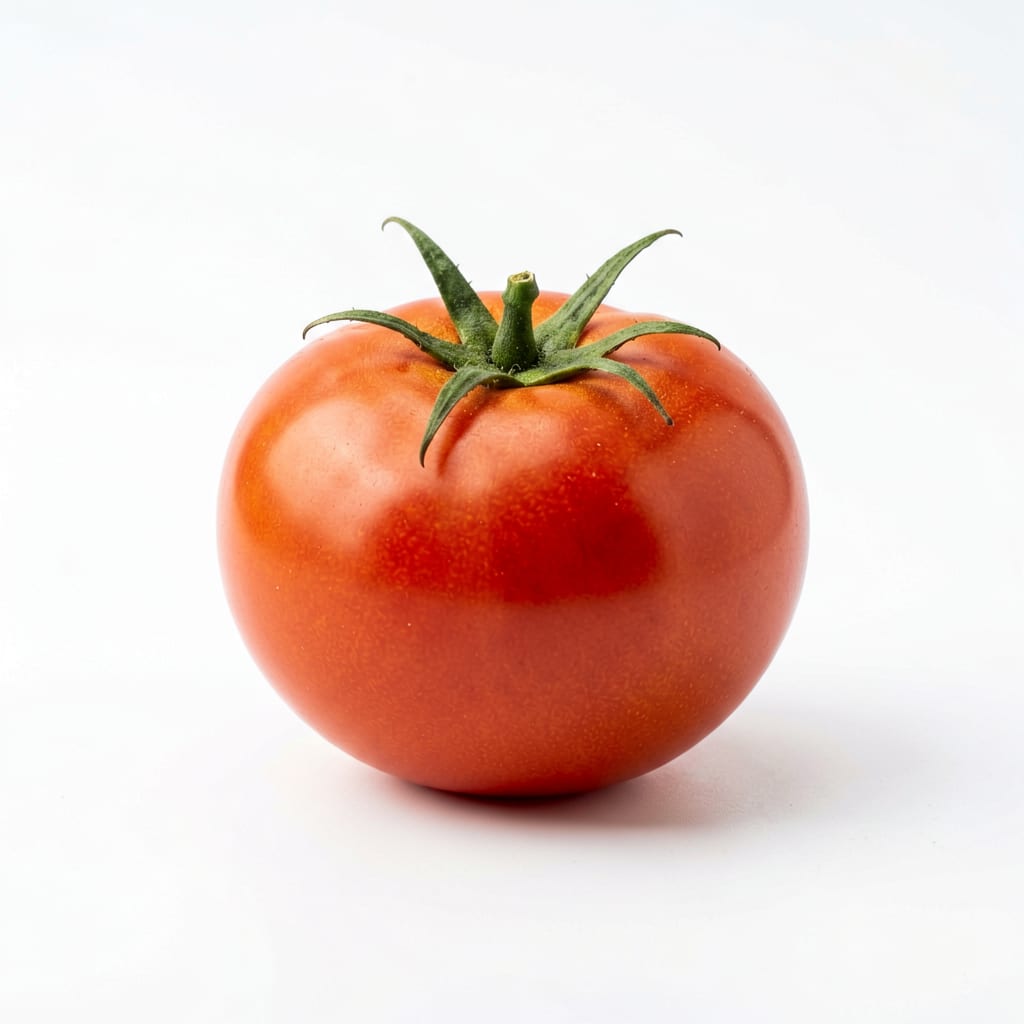
Tomato
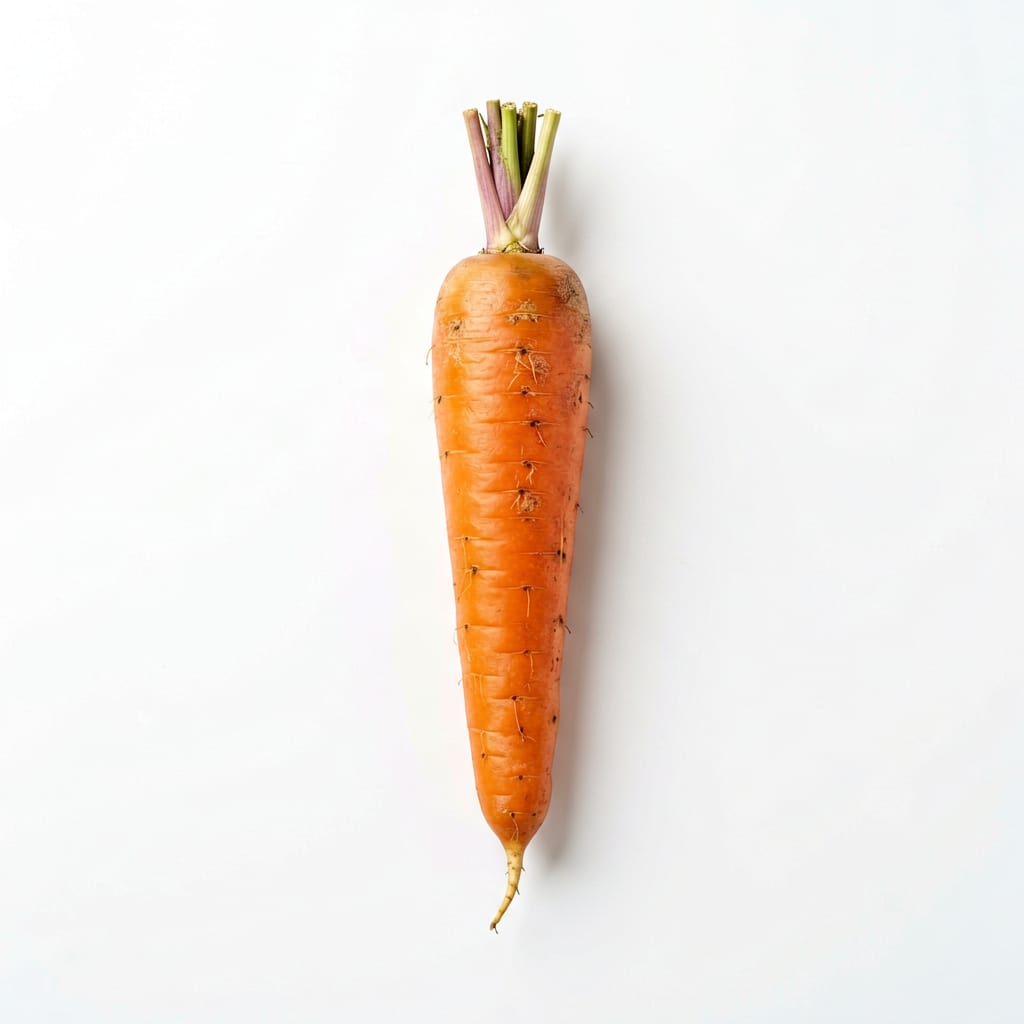
Carrot
Tomatoes win for heart health and cancer protection; carrots win for vision and immune support. Both are excellent daily vegetables with different strengths.
Tomatoes edge ahead slightly due to stronger evidence for lycopene's disease-fighting power and lower sugar content, but carrots offer superior vitamin A and fiber. The gap is small because both are nutrient-dense whole foods.
Lycopene-powered heart protection versus beta-carotene-powered vision and immunity — your health priorities should drive the choice.
At a glance
Executive summary
Overall
It depends
Healthier
It depends
More practical
Tomato
Daily use
It depends
Key comparison lenses
antioxidant comparison
Lycopene in tomatoes versus beta-carotene in carrots is the defining nutritional tradeoff between these two vegetables
vision and eye health
Carrots are iconic for eye health due to beta-carotene, making this a likely user concern
heart health benefits
Lycopene and potassium in tomatoes strongly support cardiovascular wellness
raw vs cooked nutrition
Both foods change nutritional profile dramatically when cooked, but in opposite directions
daily versatility
Users often choose between these as everyday salad or snack staples
blood sugar impact
Carrots contain more natural sugar, which matters for glucose-sensitive individuals
Best choice for
Tomato
- Heart health and cardiovascular protection
- Prostate cancer risk reduction
- Skin protection against UV damage
- Low-calorie volume eating
- Cooking-heavy meal prep
Carrot
- Eye health and night vision support
- Immune system strengthening
- Portable raw snacking
- Vitamin A deficiency prevention
- Digestive regularity from higher fiber
Least suitable for
Tomato
- People with acid reflux or GERD
- Nightshade sensitivity sufferers
- Those needing vitamin A specifically
Carrot
- People watching sugar intake closely
- Those on very low carb diets
- People who need lycopene specifically
Deep comparison
Dimension by dimension
Each lens scores both foods and breaks down who each option suits.
- Dimension 1 · Priority 95Tomato
antioxidant_power
Tomato · 88Carrot · 80Tomatoes deliver lycopene, one of the most studied cancer-fighting antioxidants. Carrots offer beta-carotene, which converts to vitamin A and supports immunity and vision.
Tradeoff
Lycopene is more strongly linked to cancer and heart disease reduction, while beta-carotene is more directly useful for vision and immune function.
Why it matters
Antioxidant choice shapes which chronic diseases you're most protected against over decades.
Real-world impact
Eating tomatoes regularly may lower prostate cancer risk by 20-30%. Eating carrots regularly can measurably improve night vision within weeks if you're deficient in vitamin A.
Tomato
- Prostate cancer prevention
- Heart disease risk reduction
- UV skin damage protection
Better for
- Direct vitamin A delivery
- Portable raw snacking
Worse for
Carrot
- Night vision improvement
- Immune resilience during cold season
- Vitamin A deficiency correction
Better for
- Lycopene-specific disease protection
- Lower sugar antioxidant option
Worse for
- Dimension 2 · Priority 88Carrot
vitamin_and_mineral_density
Tomato · 72Carrot · 84Carrots provide dramatically more vitamin A, more fiber, and more biotin. Tomatoes offer more vitamin C, more folate, and comparable potassium.
Tradeoff
Carrots dominate the vitamin A conversation. Tomatoes compensate with vitamin C and folate, but the vitamin A gap is substantial.
Why it matters
Vitamin A deficiency is the most common vitamin deficiency worldwide, affecting vision, immunity, and skin health.
Real-world impact
One medium carrot provides over 200% of daily vitamin A needs. You would need to eat several tomatoes to match that, and they still would not provide equivalent vitamin A.
Tomato
- Vitamin C needs
- Folate intake for pregnancy
- Potassium for blood pressure
Better for
- Vitamin A delivery
- Fiber per calorie
Worse for
Carrot
- Vitamin A needs in a single serving
- Biotin for hair and nail health
- Fiber for digestive regularity
Better for
- Vitamin C content
- Folate content
Worse for
- Dimension 3 · Priority 78Tomato
blood_sugar_and_metabolic_impact
Tomato · 85Carrot · 68Tomatoes contain significantly less sugar and have a lower glycemic impact. Carrots, while still low-glycemic, have roughly triple the sugar content per serving.
Tradeoff
Carrots taste sweeter, which makes them more appealing as a snack but slightly less ideal for strict blood sugar management.
Why it matters
For diabetics or those managing insulin resistance, even small sugar differences in frequent foods add up over time.
Real-world impact
A cup of raw tomato has about 3g of sugar versus 6g in a cup of carrot. Not dramatic, but meaningful if you eat multiple servings daily.
Tomato
- Tighter blood sugar control
- Keto-friendly vegetable option
- Lower calorie volume eating
Better for
- Less satisfying as a standalone raw snack
Worse for
Carrot
- Sustained energy from natural carbs
- More satisfying raw snack
Better for
- Higher sugar per serving
- Less suitable for strict low-carb diets
Worse for
- Dimension 4 · Priority 82Tomato
cooking_versatility_and_nutrition_change
Tomato · 90Carrot · 70Cooking tomatoes increases lycopene absorption dramatically. Cooking carrots slightly reduces heat-sensitive vitamin C but improves beta-carotene availability. Tomatoes benefit more from cooking overall.
Tradeoff
Tomatoes become more nutritious when cooked. Carrots stay roughly equivalent or lose a little. This makes tomatoes far more versatile across cooking methods.
Why it matters
How you prepare these vegetables changes their nutritional value significantly, and tomatoes reward cooking while carrots are more forgiving either way.
Real-world impact
Tomato paste and cooked tomato sauces can have 3-4 times more bioavailable lycopene than raw tomatoes. Roasted carrots gain slight beta-carotene availability but lose some vitamin C.
Tomato
- Sauce and soup making
- Meal prep that reheats well
- Maximizing nutrition through cooking
Better for
- Raw lycopene absorption is poor
Worse for
Carrot
- Raw snacking convenience
- Salad additions without prep
Better for
- Cooking does not significantly boost nutrition
Worse for
- Dimension 5 · Priority 70Carrot
digestive_tolerance_and_sensitivity
Tomato · 58Carrot · 82Tomatoes are acidic and belong to the nightshade family, triggering reflux, joint pain, or sensitivity in some people. Carrots are gentle on nearly all digestive systems.
Tradeoff
Tomatoes cause issues for a meaningful minority of people with GERD, acid reflux, or nightshade sensitivity. Carrots are almost universally well-tolerated.
Why it matters
If you have acid reflux, IBS, or joint inflammation, tomatoes may worsen symptoms while carrots remain safe.
Real-world impact
People with GERD often report heartburn after tomato-based sauces. Carrots are commonly recommended on elimination diets and for babies starting solid foods.
Tomato
- People without any digestive sensitivities
Better for
- Acid reflux triggers
- Nightshade inflammation concerns
- Heartburn after cooked sauces
Worse for
Carrot
- Acid reflux and GERD sufferers
- People on elimination diets
- Those with nightshade sensitivities
- Gentle introduction for toddlers
Better for
- Rare carrot allergy exists but is uncommon
Worse for
- Dimension 6 · Priority 72It depends
skin_and_appearance_benefits
Tomato · 80Carrot · 78Tomatoes protect skin from UV damage through lycopene. Carrots improve skin tone and reduce dryness through beta-carotene. Both contribute to a healthy appearance through different mechanisms.
Tradeoff
Lycopene acts like an internal sunscreen. Beta-carotene gives skin a warm, healthy glow. Different aesthetic goals favor different vegetables.
Why it matters
Skin health is one of the most visible reasons people choose vegetables, and these two work through completely different pathways.
Real-world impact
Regular tomato consumption can reduce sunburn severity by up to 40% in some studies. High carrot intake can create a subtle golden skin tone that people rate as healthier-looking than a tan.
Tomato
- Sun exposure protection
- Reducing sunburn risk
- Anti-aging from UV defense
Better for
- Does not directly improve skin tone color
Worse for
Carrot
- Healthy skin glow from within
- Dry skin improvement
- Even skin tone enhancement
Better for
- Less UV-specific protection
Worse for
Timeline
Health impact over time
Short-term
Hours to days
Tomato
- Quick hydration from high water content
- Possible heartburn in sensitive individuals
- Mild blood sugar stability from low sugar content
Carrot
- Sustained energy from natural carbohydrates
- Immediate vitamin A availability for vision
- Gentle digestive satisfaction from fiber
Long-term
Months to years
Tomato
- Reduced prostate cancer risk from consistent lycopene intake
- Lower heart disease risk from potassium and lycopene combined
- Better UV skin defense accumulated over months
- Possible GERD worsening if predisposed
Carrot
- Stronger night vision and eye health maintenance with age
- More resilient immune system through steady vitamin A
- Healthier skin appearance from beta-carotene accumulation
- Better digestive regularity from consistent fiber intake
Risk profile
Safety & processing
Both tomatoes and carrots are whole, minimally processed vegetables in their natural form. Concerns arise mainly with canned tomatoes, which may contain BPA from can linings, and baby carrots, which are simply peeled and shaped regular carrots with no meaningful processing downside.
Tomato
Pesticide residue
mediumTomatoes consistently appear on the Environmental Working Group's Dirty Dozen list. Washing helps, but buying organic reduces exposure significantly.
BPA from canned tomatoes
mediumAcidic tomatoes leach BPA from can linings more than other foods. Choose tetra packs or glass jars for cooked tomato products.
Nightshade sensitivity
lowA minority of people experience joint pain or inflammation from nightshade vegetables. This is not a concern for most people.
Carrot
Pesticide residue
lowCarrots typically have lower pesticide residues than tomatoes and are not on the Dirty Dozen list. Still worth washing thoroughly.
Choking hazard for young children
lowWhole raw carrots are a known choking hazard for toddlers. Always cut into thin strips or cook until soft for young kids.
Vitamin A toxicity from extreme overconsumption
lowVery high carrot intake can cause carotenemia, turning skin orange. This is harmless and reversible but surprises people. You would need to eat multiple pounds daily.
Who wins for whom
Audience fit
Same foods, different winners depending on your goal.
children
CarrotCarrots are sweeter, easier to snack on raw, and provide critical vitamin A for growing bodies. Their natural sweetness makes them more appealing to picky eaters.
daily consumption
It dependsBoth are excellent daily vegetables. The ideal approach is eating both regularly rather than choosing one exclusively.
diabetes
TomatoLower sugar content and lower glycemic load make tomatoes the safer bet for blood sugar management, though both are acceptable in moderation.
elderly
CarrotVision preservation and immune support become more critical with age. Carrots deliver both through highly bioavailable beta-carotene.
muscle gain
It dependsNeither vegetable is significant for muscle building directly. Carrots offer slightly more carbs for training energy, but the difference is negligible.
weight loss
TomatoTomatoes have fewer calories and less sugar per serving, making them easier to eat in large volumes without overshooting daily intake.
Your move
Decision guide
Choose Tomato
- Heart health and cancer prevention are top priorities for you
- You cook most of your meals and want vegetables that reward cooking
- You are managing blood sugar or following a low-carb approach
- You want lower calorie volume to support weight management
- You spend significant time in the sun and want internal UV protection
Choose Carrot
- Eye health and vision preservation matter most to you
- You prefer raw snacking without preparation
- You have acid reflux or nightshade sensitivity
- You want a kid-friendly vegetable that tastes sweet naturally
- You need more fiber for digestive regularity
Either works if
- You simply want to eat more vegetables overall
- You are building a balanced salad or stir-fry
- You have no specific health conditions driving your choice
- You are meal prepping for general wellness
Avoid both if
- You have a rare allergy to either vegetable
- You are on a strict zero-carb diet, though both are low enough for most plans
Final recommendation
Eat both. Tomatoes and carrots complement each other almost perfectly — lycopene plus beta-carotene covers more disease-fighting ground than either alone. If forced to pick one, choose tomatoes for heart and cancer protection, or carrots for vision and immunity. But the real win is a weekly grocery list that includes both.
Practical
Consumer tips
- 1
Buy fresh tomatoes for salads and canned tomatoes for cooking — lycopene absorption increases with heat and processing
- 2
Choose carrot varieties with deeper orange color for more beta-carotene per bite
- 3
Pair tomatoes with olive oil to dramatically boost lycopene absorption — fat makes lycopene bioavailable
- 4
Store tomatoes at room temperature, not the fridge — cold kills flavor and texture
- 5
Baby carrots are nutritionally equivalent to regular carrots and save prep time with no real downside
- 6
Wash tomatoes thoroughly or buy organic to reduce pesticide exposure since they rank high on the Dirty Dozen list
- 7
Add a handful of shredded carrots to tomato sauce for a nutrient double-punch that kids rarely notice