
Nutrition comparison
Onion vs Tomato: Nutrition Comparison, Health Benefits & Tradeoffs
Onions vs tomatoes — which is healthier? Compare quercetin vs lycopene, fiber vs vitamin C, and learn which food fits your digestion, blood sugar, and cooking needs best.
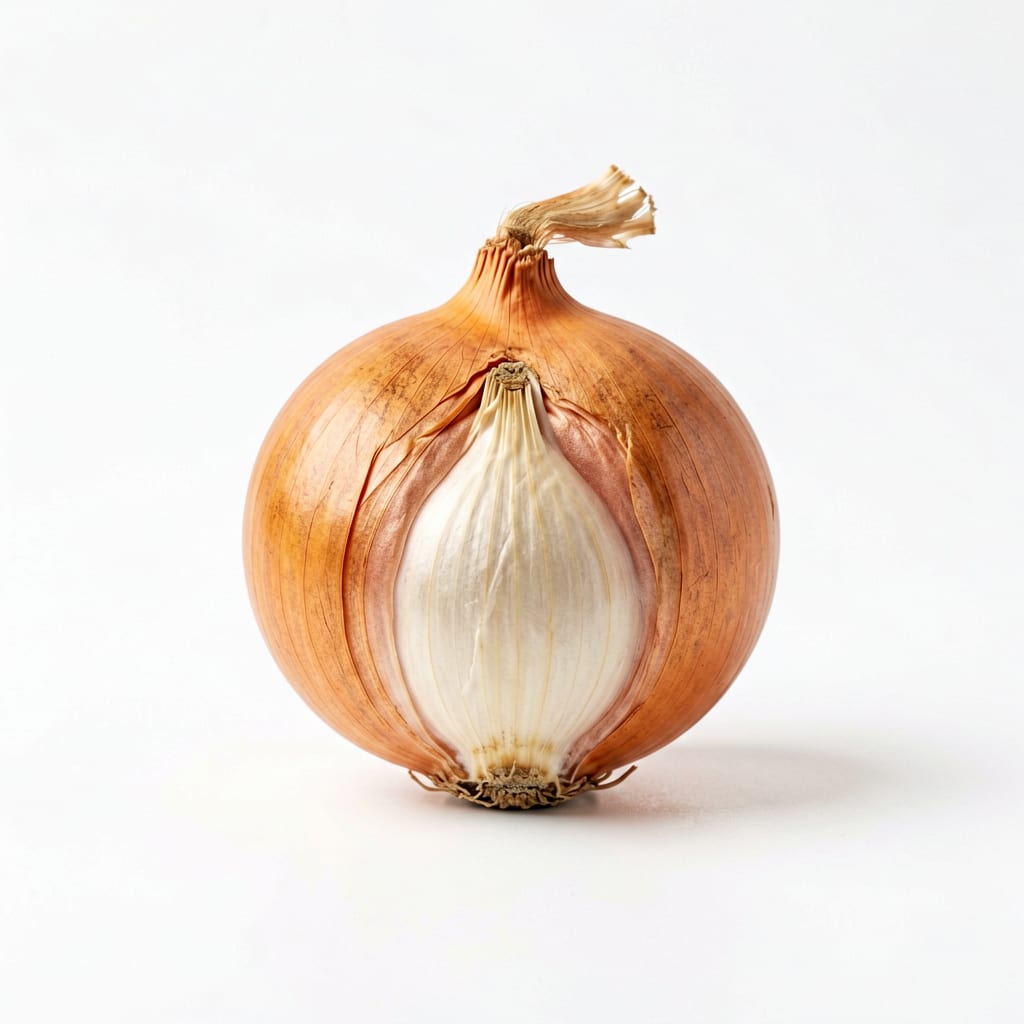
Onion
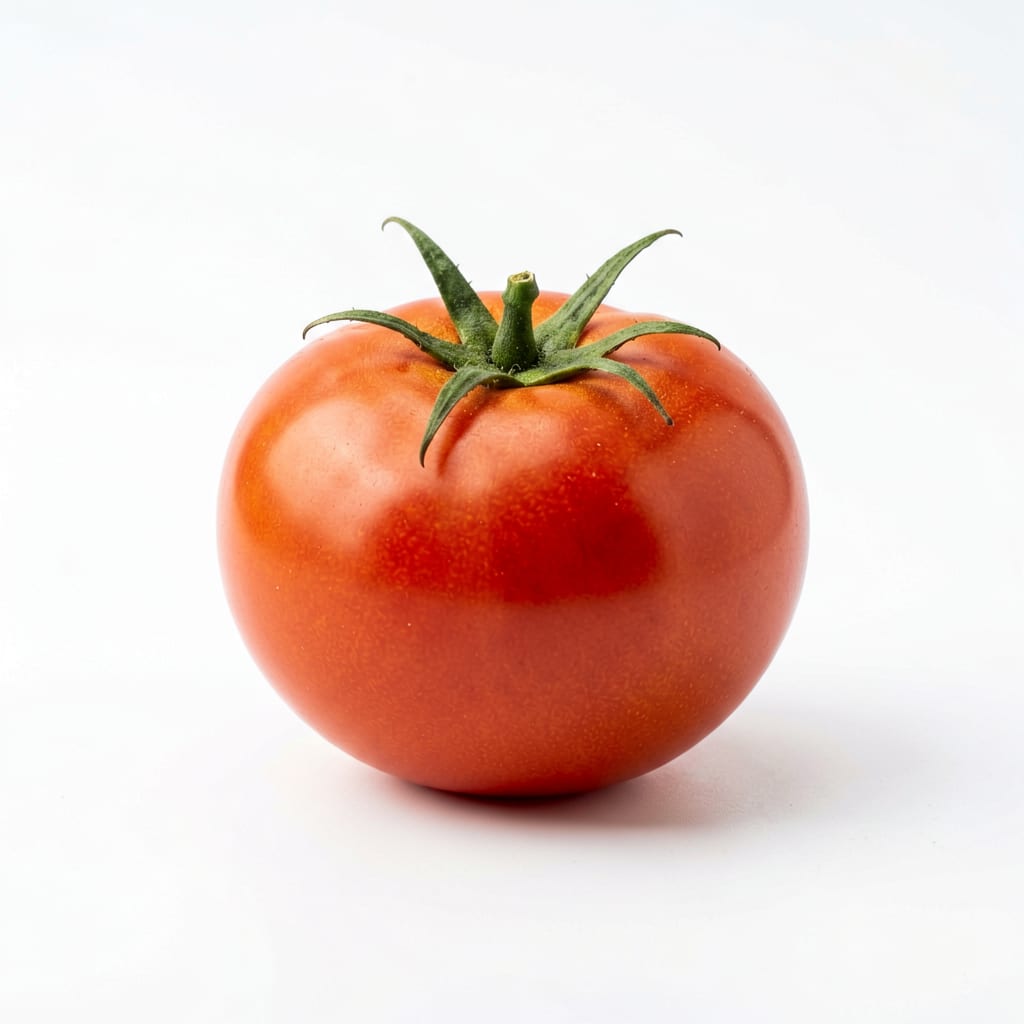
Tomato
Tomatoes win on vitamins and antioxidants; onions win on fiber and blood sugar stability. Both are kitchen essentials with different strengths.
Tomatoes score slightly higher due to stronger vitamin density and lycopene's well-documented disease-fighting evidence. Onions remain highly valuable for fiber and blood sugar benefits but lose points on digestive intolerance prevalence.
Tomatoes give you more vitamin C, potassium, and lycopene but come with acidity concerns. Onions provide steadier blood sugar support and prebiotic fiber but trigger digestive issues for many.
At a glance
Executive summary
Overall
It depends
Healthier
It depends
More practical
Tomato
Daily use
It depends
Key comparison lenses
antioxidant profile comparison
Onions deliver quercetin while tomatoes are the top dietary source of lycopene — two of the most studied antioxidants with different health benefits
digestive tolerance
Onions are high-FODMAP and a common IBS trigger; tomatoes are acidic and provoke reflux — both have real digestive tradeoffs
everyday cooking staple value
Both are foundational aromatics in nearly every cuisine, so daily intake patterns matter
vitamin and mineral density
Tomatoes are notably richer in vitamin C and potassium; onions offer more fiber per serving
anti inflammatory potential
Quercetin and lycopene both fight inflammation through different pathways, making this comparison uniquely relevant for chronic disease prevention
Best choice for
Onion
- People managing blood sugar or insulin resistance
- Those seeking prebiotic fiber for gut microbiome support
- Anyone needing a flavor base that adds almost no calories or sugar
- People with low stomach acid who tolerate alliums well
Tomato
- People wanting maximum antioxidant variety, especially lycopene
- Those who need more vitamin C and potassium from whole foods
- Anyone looking for a hydrating, low-calorie food with brighter flavor
- People with FODMAP sensitivity who cannot tolerate onions
Least suitable for
Onion
- People with IBS or following a low-FODMAP diet
- Those with GERD triggered by alliums
- Anyone sensitive to sulfur compounds causing bloating
Tomato
- People with acid reflux or GERD triggered by acidic foods
- Those with nightshade sensitivities or joint inflammation flare-ups
- Anyone on a histamine-restricted diet
Deep comparison
Dimension by dimension
Each lens scores both foods and breaks down who each option suits.
- Dimension 1 · Priority 90Tomato
antioxidant_power
Onion · 72Tomato · 88Tomatoes are the best dietary source of lycopene, linked to lower cancer and heart disease risk. Onions counter with quercetin, a potent anti-inflammatory flavonoid, but lycopene has broader clinical evidence.
Tradeoff
Lycopene is fat-soluble and best absorbed with oil, so raw tomatoes alone underdeliver. Quercetin from onions is more bioavailable raw but most people cook onions, reducing its potency.
Why it matters
If you eat tomatoes with olive oil regularly, you get exceptional antioxidant protection. If you mostly eat raw onions, you still get solid flavonoid benefits but less clinical backing.
Real-world impact
A tomato sauce with olive oil twice a week delivers more measurable antioxidant benefit than daily cooked onions, but raw red onion in salads closes the gap surprisingly well.
Onion
- Raw salad eaters who never cook with oil
- People already getting lycopene from other sources
Better for
- People who only eat onions cooked and never raw
Worse for
Tomato
- Anyone who cooks with healthy fats regularly
- People focused on prostate or cardiovascular health
Better for
- People who only eat raw tomatoes without any fat source
Worse for
- Dimension 2 · Priority 80Tomato
vitamin_and_mineral_density
Onion · 55Tomato · 82Tomatoes deliver significantly more vitamin C, potassium, vitamin A, and folate. Onions are not micronutrient-dense — their value lies more in phytochemicals and fiber.
Tradeoff
Onions contribute modest amounts of manganese and vitamin B6 but cannot compete with the micronutrient breadth of tomatoes.
Why it matters
If you are relying on vegetables to fill vitamin gaps, tomatoes do substantially more heavy lifting.
Real-world impact
One medium tomato covers roughly 28% of your daily vitamin C needs. You would need to eat several onions to match that.
Onion
- People who get plenty of vitamins from other produce and need flavor without sugar
Better for
- Those relying on limited produce variety for micronutrients
Worse for
Tomato
- Anyone trying to maximize nutrient intake from fewer calories
- People who do not supplement vitamin C or potassium
Better for
- People on potassium-restricted diets due to kidney issues
Worse for
- Dimension 3 · Priority 85It depends
digestive_tolerance
Onion · 45Tomato · 55Both foods are common digestive triggers but for different populations. Onions are high-FODMAP and cause bloating in IBS sufferers. Tomatoes trigger acid reflux and heartburn in GERD patients.
Tradeoff
If you have IBS, tomatoes are safer. If you have GERD, onions may be better tolerated — though they can also relax the esophageal sphincter in some people.
Why it matters
Roughly 15% of adults have IBS and 20% have GERD. This dimension affects a huge number of real meals.
Real-world impact
Someone with IBS can often enjoy a fresh tomato salad but will regret caramelized onions. Someone with reflux might tolerate sautéed onions but avoid tomato sauce entirely.
Onion
- People with acid reflux who tolerate alliums
- Those without FODMAP sensitivity
Better for
- Anyone with IBS, SIBO, or FODMAP intolerance
- People prone to bloating and gas
Worse for
Tomato
- People with IBS or on a low-FODMAP diet
- Those who tolerate acidic foods well
Better for
- People with GERD or chronic heartburn
- Those with nightshade or histamine sensitivity
Worse for
- Dimension 4 · Priority 75Onion
blood_sugar_stability
Onion · 85Tomato · 68Onions have less sugar and more fiber per serving, resulting in a gentler glycemic impact. Tomatoes contain more natural sugars, though still low enough to be diabetes-friendly in moderate portions.
Tradeoff
Cherry tomatoes and tomato sauces can have surprisingly concentrated sugar. Raw onions barely move the needle on blood glucose.
Why it matters
For insulin-resistant individuals, the difference between 3g and 6g of sugar per serving adds up across a day of meals.
Real-world impact
A diced onion in your omelet will not spike blood sugar at all. A cup of cherry tomatoes as a snack has a small but noticeable glycemic effect.
Onion
- People with diabetes or prediabetes
- Those following very low-carb or keto diets
Better for
- No real downside for blood sugar — onions are nearly neutral
Worse for
Tomato
- Active individuals who benefit from slightly more carbohydrate energy
Better for
- People who consume large amounts of tomato sauce or sun-dried tomatoes with concentrated sugar
Worse for
- Dimension 5 · Priority 70Onion
gut_microbiome_support
Onion · 82Tomato · 58Onions are rich in inulin and fructooligosaccharides — prebiotic fibers that feed beneficial gut bacteria. Tomatoes provide some fiber but lack the targeted prebiotic effect.
Tradeoff
The same prebiotic fibers that nourish your microbiome also cause gas and bloating in sensitive people. Tomatoes are gentler on the gut but feed it less actively.
Why it matters
A healthy microbiome depends on prebiotic intake, and onions are one of the most potent common food sources.
Real-world impact
Eating a half cup of cooked onions daily can meaningfully shift your microbiome composition within weeks. Tomatoes simply cannot replicate this effect.
Onion
- People with healthy digestion wanting to optimize gut flora
- Anyone not on a low-FODMAP protocol
Better for
- Anyone already experiencing bloating or bacterial overgrowth
Worse for
Tomato
- People with sensitive digestion who need gentler fiber sources
Better for
- People seeking active microbiome nourishment from vegetables
Worse for
- Dimension 6 · Priority 78It depends
culinary_versatility_and_practicality
Onion · 80Tomato · 82Onions are the universal flavor foundation — nearly every savory dish starts with them. Tomatoes are equally versatile but lean more toward sauces, salads, and dishes where brightness is desired.
Tradeoff
Onions are harder to eat raw in large quantities due to pungency. Tomatoes are easier to enjoy as a standalone snack or side.
Why it matters
Practicality determines what you actually eat daily, not what scores highest on paper.
Real-world impact
You will likely use onions more often as a cooking base but enjoy tomatoes more often as a fresh food. Both earn their pantry spot daily.
Onion
- Home cooks building flavor depth in soups, stews, and stir-fries
- Anyone meal-prepping savory dishes in bulk
Better for
- People who want a quick raw snack without strong breath effects
Worse for
Tomato
- People who want a no-cook vegetable ready to eat
- Anyone making sauces, salsas, or fresh salads
Better for
- Cooking traditions that do not use tomato-based sauces
Worse for
Timeline
Health impact over time
Short-term
Hours to days
Onion
- May cause bloating, gas, or stomach discomfort in sensitive individuals
- Can trigger heartburn in some people despite being non-acidic
- Raw onion breath is a real social consideration
Tomato
- Can trigger acid reflux or heartburn within minutes of eating
- Provides a quick vitamin C boost and hydration from high water content
- May cause mouth irritation in people with oral allergy syndrome
Long-term
Months to years
Onion
- Prebiotic fiber supports sustained microbiome diversity over months and years
- Quercetin intake is associated with lower blood pressure and reduced allergy severity
- Consistent consumption may reduce colorectal cancer risk through anti-inflammatory pathways
Tomato
- Regular lycopene intake is strongly linked to lower prostate cancer risk in men
- Potassium content supports long-term blood pressure management
- High tomato consumption correlates with reduced cardiovascular disease risk in large population studies
Risk profile
Safety & processing
Both onions and tomatoes are whole, unprocessed foods in their natural state. Canned tomatoes may contain BPA from can linings, and jarred tomato sauces often add sugar and sodium. Fresh onions have virtually no processing concerns.
Onion
pesticide_residue
lowOnions grow underground and have protective outer layers that are removed, resulting in very low pesticide exposure even when conventionally grown.
bacterial_contamination
lowRare but possible from soil contact. Proper washing and peeling eliminates most risk.
Tomato
pesticide_residue
mediumTomatoes consistently appear on the Environmental Working Group's Dirty Dozen list with detectable pesticide residues. Peeling helps but removes valuable nutrients.
canned_tomato_BPA_exposure
mediumThe acidity of tomatoes causes higher BPA leaching from can linings compared to other canned foods. Tetra-packed or glass-jarred tomatoes avoid this issue.
foodborne_illness
lowTomatoes have been linked to Salmonella outbreaks, particularly when sliced and stored at improper temperatures.
Who wins for whom
Audience fit
Same foods, different winners depending on your goal.
children
TomatoChildren generally accept tomatoes more readily than onions due to milder, slightly sweet flavor. Cherry tomatoes make an easy, appealing snack.
daily consumption
It dependsBoth can and should be consumed daily for different benefits. Onions as a cooking base and tomatoes as a nutrient-dense fresh food complement each other perfectly.
diabetes
OnionOnions have less sugar and more fiber per serving, making them the safer choice for blood glucose management. Tomatoes are still acceptable in moderate portions.
elderly
TomatoTomatoes provide more potassium for blood pressure management and vitamin C for immune support — both critical for older adults. Their softer texture when ripe is also easier to chew.
muscle gain
It dependsNeither food is relevant for muscle gain directly. Tomatoes offer slightly more potassium which supports muscle cramp prevention and recovery.
weight loss
TomatoTomatoes are more hydrating and satisfying as a low-calorie snack food, making them easier to eat in larger volumes. Onions are rarely eaten in bulk, so their calorie advantage is moot.
Your move
Decision guide
Choose Onion
- You have diabetes or insulin resistance and want the lowest glycemic impact
- You want to actively feed your gut microbiome with prebiotic fiber
- You cook most meals at home and need a reliable flavor foundation
- You have no FODMAP sensitivity or IBS concerns
Choose Tomato
- You want maximum vitamin C, potassium, and lycopene from a whole food
- You have IBS and need a low-FODMAP vegetable option
- You enjoy fresh, no-cook snacks and salads
- You are focused on heart health and antioxidant diversity
Either works if
- You are building a healthy dietary pattern — both foods serve different and complementary roles
- You have no specific digestive sensitivities to either food
- You want to maximize phytochemical variety in your diet
Avoid both if
- You have both IBS and severe GERD, making both foods problematic
- You are on a very restrictive elimination diet under medical supervision
Final recommendation
Do not choose between onions and tomatoes — use both. They are complementary, not competing. Onions give you prebiotic fiber, quercetin, and blood sugar stability. Tomatoes give you lycopene, vitamin C, and potassium. The real upgrade is eating onions as your cooking base and tomatoes as your fresh vegetable, which covers nearly every nutritional base these two categories can offer.
Practical
Consumer tips
- 1
Buy organic tomatoes when possible — they are consistently high in pesticide residues and organic options are widely available
- 2
Choose tomatoes in glass jars or tetra packs over cans to avoid BPA exposure from the acidic environment
- 3
Cook tomatoes with olive oil to maximize lycopene absorption — the fat-soluble antioxidant absorbs up to 3x better with fat
- 4
Use raw red onion in salads when you want maximum quercetin — cooking reduces flavonoid content by up to 30%
- 5
If onions cause bloating, try cooking them thoroughly — heat breaks down some of the fructans responsible for gas
- 6
Store tomatoes at room temperature, not the fridge — cold kills flavor and alters texture without extending shelf life meaningfully
- 7
If you have IBS, scallion greens and chives provide onion flavor with significantly less FODMAP load