
Nutrition comparison
Tomato vs Cucumber: Nutrition, Health Benefits & Best Uses
Compare Tomato vs Cucumber to see which is healthier. Learn about lycopene, hydration, acid reflux, and weight loss to make the best choice for your diet.
Overall winner · Tomato
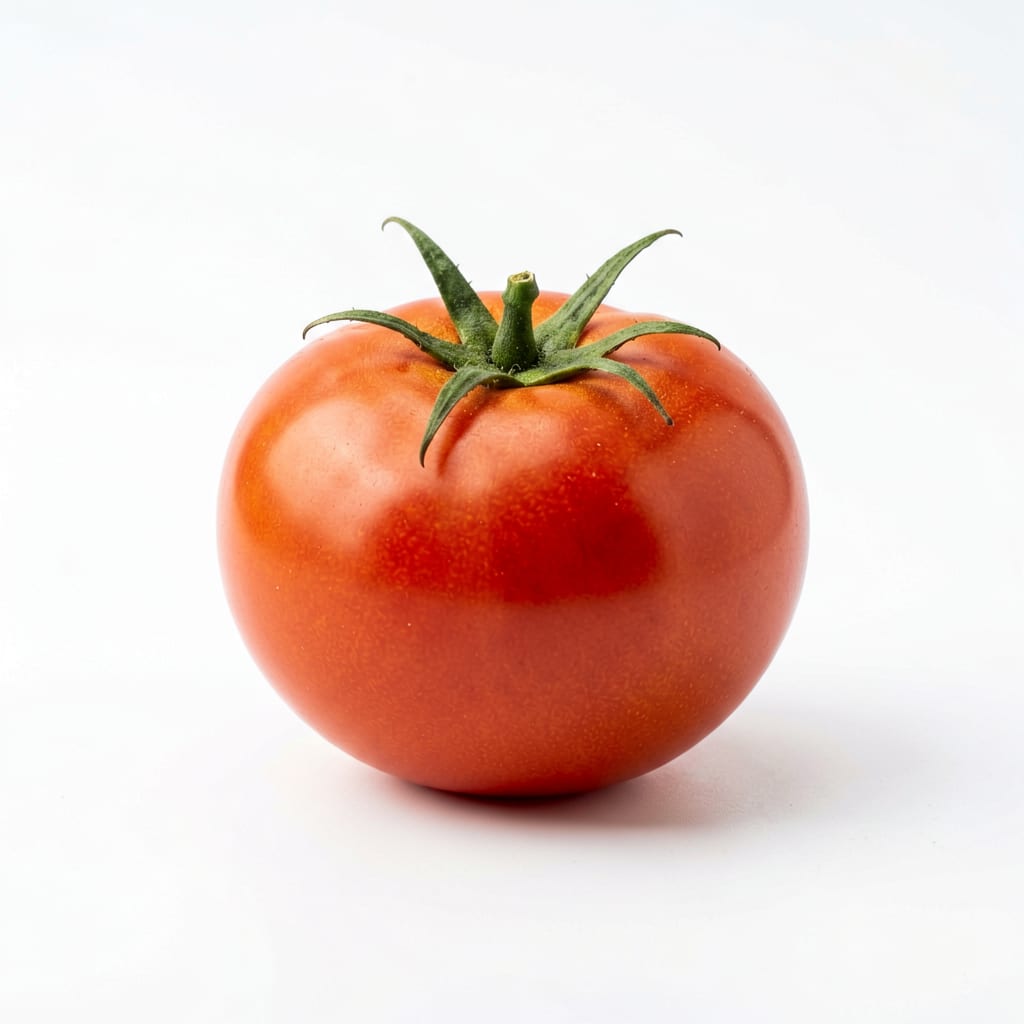
Tomato
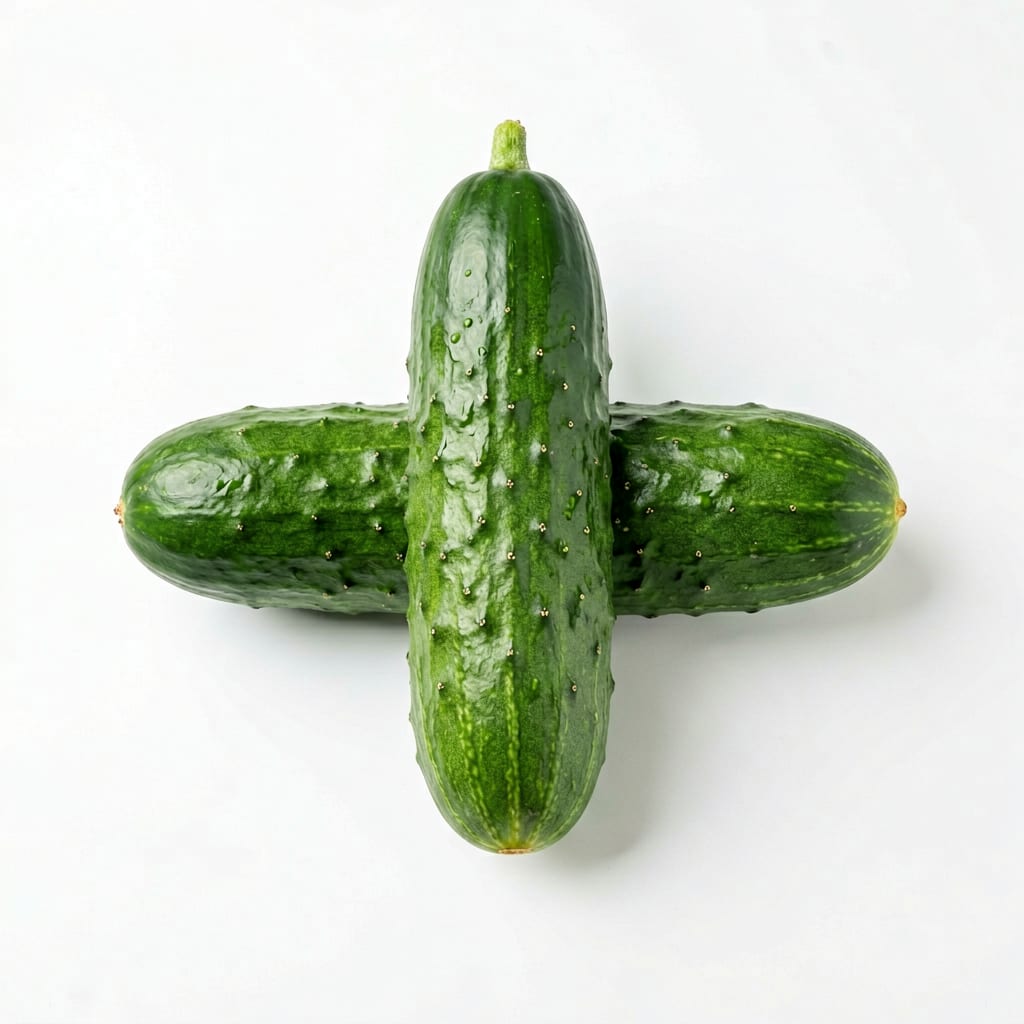
Cucumber
Tomatoes win on nutritional firepower and disease-fighting potential, while cucumbers excel as a hydrating, ultra-low-calorie crunch.
Tomato scores higher due to its exceptional lycopene content, vitamin C, and broader mineral profile. Cucumber remains a solid choice for hydration but lacks the nutritional density to compete directly on overall health impact.
You choose between Tomato's rich antioxidant and vitamin payload versus Cucumber's superior hydration and stomach-soothing lightness.
At a glance
Executive summary
Overall
Tomato
Healthier
Tomato
More practical
Cucumber
Daily use
Tomato
Key comparison lenses
Nutrient density and vitamin intake
Tomatoes offer significantly more vitamins and antioxidants than cucumbers, making them nutritionally superior per bite.
Hydration and low-calorie snacking
Cucumbers are prized for their ultra-high water content and minimal calories, ideal for light snacking.
Antioxidant benefits and long-term health
Lycopene in tomatoes is a major draw for heart and prostate health, a category where cucumbers fall short.
Digestive tolerance and acid sensitivity
Tomatoes are acidic and can trigger reflux, while cucumbers are mild but may cause bloating in some due to fructans.
Best choice for
Tomato
- People seeking heart health and antioxidant protection
- Those needing more potassium and vitamin C in their diet
- Anyone looking to add rich flavor without excess calories
Cucumber
- People tracking calories strictly who want high volume
- Those dealing with acid reflux or heartburn
- Anyone needing a refreshing, hydrating snack in hot weather
Least suitable for
Tomato
- People with severe acid reflux or GERD
- Those with nightshade sensitivities or joint inflammation
- Individuals on a low-potassium diet for kidney issues
Cucumber
- People looking for dense nutrition in a small portion
- Those sensitive to FODMAPs or prone to cucumber bloating
- Anyone needing sustained energy or satiety from a snack
Deep comparison
Dimension by dimension
Each lens scores both foods and breaks down who each option suits.
- Dimension 1 · Priority 95Tomato
Nutrient Density & Vitamin Profile
Tomato · 88Cucumber · 35Tomatoes deliver far more vitamins and minerals per calorie than cucumbers, which are mostly water.
Tradeoff
You sacrifice the rich vitamin C, potassium, and folate found in Tomatoes when you opt for Cucumber's lighter profile.
Why it matters
Higher nutrient density means your body gets more of the building blocks it needs for immunity and energy without needing larger portions.
Real-world impact
Eating Tomatoes regularly helps you hit your daily vitamin and mineral targets much faster than munching on Cucumbers.
Tomato
- Boosting immune function with vitamin C
- Supporting heart rhythm and muscle function with potassium
Better for
- Those who need strict potassium restriction
Worse for
Cucumber
- Keeping overall food intake extremely light
Better for
- Preventing nutrient deficiencies on a restricted diet
Worse for
- Dimension 2 · Priority 85Cucumber
Hydration & Low-Calorie Volume
Tomato · 70Cucumber · 95Cucumbers are roughly 96% water, making them one of the most hydrating and lowest-calorie foods available.
Tradeoff
Choosing Cucumber gives you maximum physical fullness for nearly zero calories, but provides almost no macronutrients or sustained energy.
Why it matters
When cutting calories, volume eating helps manage hunger psychologically without tipping the calorie scale.
Real-world impact
Snacking on Cucumbers in the afternoon satisfies the urge to crunch without ruining your appetite for dinner.
Tomato
- Providing some actual sustenance with your hydration
Better for
- Those who want a nearly zero-calorie snacking option
Worse for
Cucumber
- Maximizing bite volume on a strict calorie budget
- Staying hydrated during hot summer days
Better for
- Situations where you need a snack that actually holds you over until the next meal
Worse for
- Dimension 3 · Priority 90Tomato
Antioxidant Power & Disease Prevention
Tomato · 95Cucumber · 25Tomatoes are a top source of lycopene, a powerful antioxidant linked to reduced cancer and heart disease risk.
Tradeoff
Cucumbers offer minimal antioxidant protection compared to the clinically proven benefits of Tomato consumption.
Why it matters
Long-term health isn't just about calories; it's about cellular protection from oxidative stress.
Real-world impact
Eating Tomato products regularly is a proactive step for long-term heart and prostate health that Cucumber simply cannot match.
Tomato
- Reducing oxidative stress and cellular damage
- Supporting long-term cardiovascular health
Better for
- Individuals with nightshade sensitivities who experience joint pain
Worse for
Cucumber
- Avoiding dietary triggers for inflammation related to nightshades
Better for
- Anyone seeking meaningful antioxidant intake from their produce
Worse for
- Dimension 4 · Priority 75Cucumber
Digestive Comfort & Acid Tolerance
Tomato · 40Cucumber · 80Cucumbers are gentle on the stomach and rarely trigger acid issues, whereas Tomatoes are common heartburn triggers.
Tradeoff
While Tomato boosts gut health with fiber, its high acidity can cause pain for those with reflux, unlike the soothing Cucumber.
Why it matters
Eating healthy only works if your body tolerates the food; acid reflux can severely disrupt sleep and comfort.
Real-world impact
If late-night salads cause heartburn, swapping Tomato for Cucumber can mean the difference between sleeping soundly and reaching for antacids.
Tomato
- Providing fiber to support regular bowel movements
Better for
- Triggering GERD or acid reflux, especially at night
Worse for
Cucumber
- Preventing acid reflux and heartburn symptoms
- Soothing the digestive tract with high water content
Better for
- Causing mild bloating or gas due to fructans and seeds
Worse for
Timeline
Health impact over time
Short-term
Hours to days
Tomato
- Provides a quick boost of vitamin C for energy
- Can trigger heartburn in susceptible individuals shortly after eating
Cucumber
- Instantly refreshing and thirst-quenching
- May cause mild stomach bloating right after consumption
Long-term
Months to years
Tomato
- Significantly lowers risk of heart disease and certain cancers due to lycopene
- Supports healthy blood pressure through high potassium intake
Cucumber
- Promotes sustained hydration and healthy skin through silica and water content
- Helps maintain weight loss long-term by displacing higher calorie snacks
Risk profile
Safety & processing
Both Tomato and Cucumber are whole, natural foods. The main concern is agricultural rather than processing: conventional Tomatoes often carry more pesticide residue, while conventional Cucumbers may have synthetic wax coatings on their skins.
Tomato
Pesticide residue
mediumConventional Tomatoes frequently rank on the EWG's Dirty Dozen list, making thorough washing or buying organic advisable.
Acid reflux trigger
mediumThe high malic and citric acid content can irritate the esophagus and worsen GERD symptoms.
Nightshade sensitivity
lowContains solanine, which a small subset of the population links to increased joint pain or inflammation.
Cucumber
Wax coatings
mediumConventional Cucumbers are often coated with food-grade wax to retain moisture, which can trap pesticides underneath.
FODMAP intolerance
lowContains fructans that can trigger IBS symptoms or bloating in highly sensitive individuals.
Who wins for whom
Audience fit
Same foods, different winners depending on your goal.
children
CucumberCucumbers have a mild, slightly sweet taste and fun crunch that often appeals more to picky kids than acidic Tomatoes.
daily consumption
TomatoThe broader nutritional profile of Tomatoes makes daily consumption more beneficial for long-term health outcomes.
diabetes
TomatoTomato has a lower glycemic load and more fiber, which helps stabilize blood sugar better than the watery Cucumber.
elderly
TomatoThe lycopene in Tomatoes supports prostate health and cardiovascular function, which are critical concerns for aging adults.
muscle gain
TomatoTomato provides more potassium, which helps with muscle cramps and recovery, though neither is a primary muscle-building food.
weight loss
CucumberCucumber provides massive physical volume and crunch for almost zero calories, making it easier to stick to a calorie deficit.
Your move
Decision guide
Choose Tomato
- You want to maximize your intake of antioxidants and vitamins
- Heart health and cancer prevention are top priorities for you
- You do not suffer from acid reflux or nightshade sensitivities
Choose Cucumber
- You are counting calories and want the most satiating volume
- You suffer from acid reflux, heartburn, or GERD
- You need a refreshing, hydrating snack for hot weather or post-workout
Either works if
- You just need a low-calorie way to add crunch and freshness to a salad
- You are looking for whole-food hydration alternatives to plain water
Avoid both if
- You have severe oral allergy syndrome related to raw produce
- You are on an extremely strict low-fiber or low-residue diet before a medical procedure
Final recommendation
Keep both in your kitchen, but lean on Tomatoes for nutritional impact and Cucumbers for light, refreshing volume. If you have acid reflux, Cucumber is your safe bet; otherwise, Tomato is the superior health investment per bite.
Practical
Consumer tips
- 1
If you buy conventional Cucumbers, peel them to avoid the wax and trapped pesticides, but buy organic if you want to keep the nutrient-rich skin.
- 2
Cooking Tomatoes with a healthy fat like olive oil dramatically increases the absorption of lycopene, making cooked Tomatoes healthier than raw ones for antioxidant benefits.
- 3
Store Tomatoes at room temperature to preserve their flavor and texture; refrigerating them can make them mealy.
- 4
If regular Cucumbers cause bloating, try the English or Persian varieties, which have fewer seeds and thinner skins that are easier to digest.