
Nutrition comparison
Tomato vs Strawberry: Which Is Healthier for Daily Eating?
Compare tomato vs strawberry nutrition, antioxidants, sugar, pesticide risk, and daily health benefits. Learn which fruit fits your diet goals better.
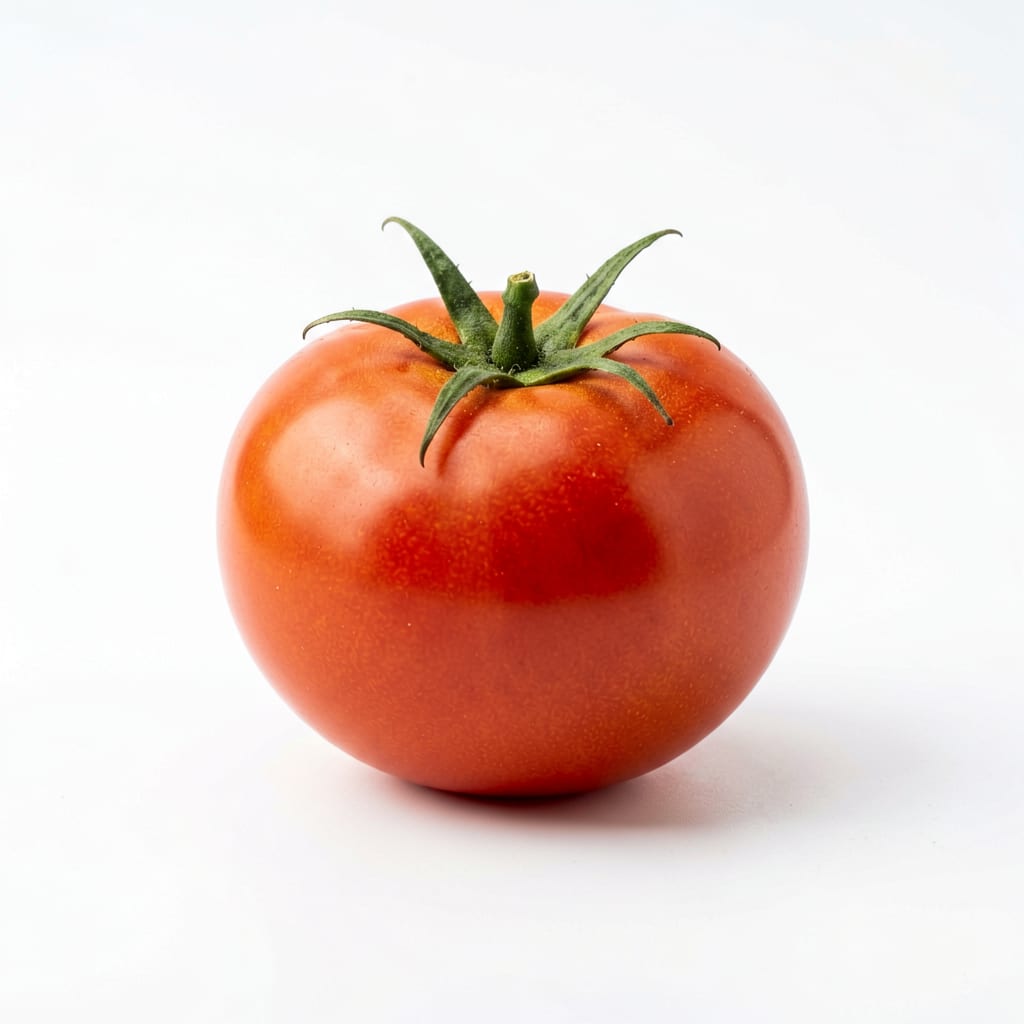
Tomato
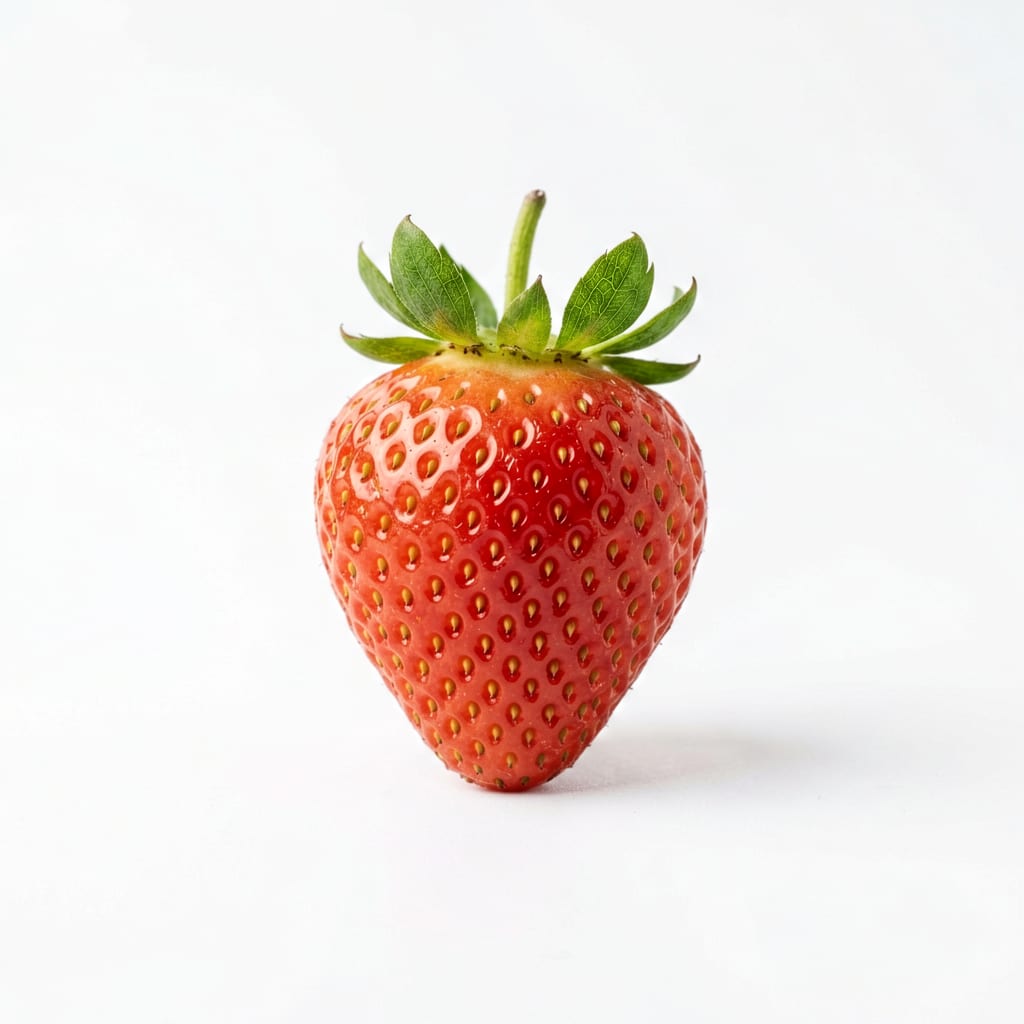
Strawberry
Tomatoes win for daily meal versatility and lycopene-driven heart and prostate protection; strawberries win for vitamin C, immune support, and antioxidant diversity. Your choice should match how you eat most often.
Tomatoes score slightly higher due to superior meal versatility, lower sugar, lower pesticide risk, and the unique health benefits of lycopene. Strawberries remain excellent but their higher pesticide exposure risk and narrower culinary role create meaningful tradeoffs.
Tomatoes offer savory meal integration and unique lycopene benefits, while strawberries deliver superior vitamin C and a sweeter eating experience with higher pesticide risk.
At a glance
Executive summary
Overall
It depends
Healthier
It depends
More practical
Tomato
Daily use
Tomato
Key comparison lenses
antioxidant profile comparison
Lycopene in tomatoes versus anthocyanins in strawberries represents two of the most studied and distinct antioxidant families, making this the defining nutritional tradeoff
culinary versatility and meal integration
Tomatoes anchor savory meals across nearly every cuisine while strawberries are mostly confined to sweet contexts, drastically affecting how often people actually eat them
pesticide exposure risk
Strawberries consistently rank #1 on the EWG Dirty Dozen list while tomatoes have moderate residue concerns, making organic sourcing far more critical for strawberries
sugar and glycemic impact
Both are relatively low-sugar whole foods but strawberries contain roughly twice the sugar of tomatoes, which matters for diabetics and low-carb eaters
vitamin c and immune support
Strawberries deliver roughly 50% more vitamin C per serving, making them the stronger choice for immune function and collagen synthesis
digestive tolerance and sensitivities
Tomatoes trigger heartburn and nightshade sensitivities in some people, while strawberries are common oral allergy syndrome triggers
Best choice for
Tomato
- People who cook meals at home regularly
- Men concerned about prostate health
- Anyone watching sugar intake closely
- People with limited access to organic produce
- Those seeking heart-protective lycopene benefits
Strawberry
- People wanting immune system support
- Those who snack on fruit rather than cook
- Anyone needing more vitamin C in their diet
- People focused on skin health and collagen
- Those who find savory vegetables hard to enjoy
Least suitable for
Tomato
- People with acid reflux or GERD
- Those with nightshade sensitivities
- Anyone who dislikes savory flavors in meals
- People on low-acid diets for dental health
Strawberry
- People strictly limiting fructose or sugar
- Those unable to source organic produce regularly
- People with strawberry or birch pollen allergies
- Anyone on a very low-carb ketogenic diet
Deep comparison
Dimension by dimension
Each lens scores both foods and breaks down who each option suits.
- Dimension 1 · Priority 92It depends
antioxidant_power_and_diversity
Tomato · 82Strawberry · 85Strawberries offer broader antioxidant variety while tomatoes provide a single uniquely powerful antioxidant in lycopene that few other foods deliver.
Tradeoff
Tomatoes give you a lycopene advantage that is hard to replicate elsewhere. Strawberries give you a wider mix of antioxidants including anthocyanins, ellagic acid, and quercetin.
Why it matters
Lycopene is strongly linked to prostate and heart health. Anthocyanins support brain and vascular health. Both matter, but they protect different systems.
Real-world impact
Eating tomatoes regularly gives you a lycopene shield you basically cannot get from other common foods. Eating strawberries gives you antioxidant variety that covers more bases but with less depth per compound.
Tomato
- Prostate cancer risk reduction
- Heart disease prevention via lycopene
- UV skin protection from within
Better for
- Antioxidant variety is narrower
- Raw tomatoes have less bioavailable lycopene
Worse for
Strawberry
- Cognitive decline protection
- Blood vessel flexibility
- Reduced oxidative stress across more pathways
Better for
- No lycopene at all
- Anthocyanin amounts vary widely by variety and ripeness
Worse for
- Dimension 2 · Priority 78Strawberry
vitamin_c_content
Tomato · 55Strawberry · 88Strawberries deliver roughly 59mg of vitamin C per 100g versus 14mg in tomatoes, making strawberries the clear winner for immune and collagen support.
Tradeoff
You would need to eat roughly four times as much tomato by weight to match the vitamin C in strawberries. For vitamin C specifically, strawberries are far more efficient.
Why it matters
Vitamin C supports immune function, collagen production, iron absorption, and skin health. Most people do not get enough, and strawberries are one of the best fruit sources.
Real-world impact
A single cup of strawberries covers nearly your entire daily vitamin C needs. You would need to eat several tomatoes to achieve the same, which most people will not do.
Tomato
- Still provides some vitamin C alongside other nutrients
- Cooking tomatoes concentrates other nutrients even as vitamin C degrades
Better for
- Relatively poor vitamin C source compared to most fruits
Worse for
Strawberry
- Meeting daily vitamin C needs easily
- Better support during cold and flu season
- Enhanced iron absorption when paired with iron-rich meals
Better for
- Vitamin C degrades with storage and cutting, so freshness matters more
Worse for
- Dimension 3 · Priority 78Tomato
sugar_and_glycemic_impact
Tomato · 90Strawberry · 72Tomatoes contain roughly 2.6g of sugar per 100g while strawberries contain about 4.9g, making tomatoes the better choice for blood sugar management and low-carb diets.
Tradeoff
Strawberries taste sweeter and are more enjoyable as a standalone snack, but that sweetness comes with nearly double the sugar content.
Why it matters
For diabetics, insulin-resistant individuals, or anyone monitoring carbohydrate intake, the sugar difference is meaningful even though both foods are relatively low in sugar overall.
Real-world impact
You can eat tomatoes freely throughout the day without worrying about blood sugar spikes. Strawberries are still fine in moderation but require more awareness if you are tracking carbs closely.
Tomato
- Diabetics managing blood sugar closely
- Ketogenic and very low-carb dieters
- Anyone trying to reduce sweet cravings
Better for
- Less satisfying as a sweet snack
- May feel like a chore to eat raw for some people
Worse for
Strawberry
- Active people who need quick natural energy
- Children who prefer sweeter whole foods
- Anyone transitioning away from processed sweets
Better for
- Twice the sugar per serving compared to tomatoes
- Can trigger cravings for more sweet foods
Worse for
- Dimension 4 · Priority 88Tomato
culinary_versatility_and_meal_integration
Tomato · 94Strawberry · 58Tomatoes are foundational in Italian, Mexican, Indian, Middle Eastern, and Mediterranean cooking. Strawberries are mostly limited to breakfast, desserts, and snacks.
Tradeoff
Tomatoes can be eaten raw, cooked into sauces, roasted, blended into soups, or used as a base for countless dishes. Strawberries are delicious but far more constrained in how you use them.
Why it matters
The food you can integrate into more meals is the food you will actually eat consistently. Versatility drives long-term dietary habits more than nutrient density alone.
Real-world impact
Tomatoes can appear in breakfast, lunch, and dinner without feeling repetitive. Strawberries mostly show up at breakfast or as a snack, limiting how often you naturally reach for them.
Tomato
- Home cooks who prepare varied meals
- People trying to increase vegetable intake across all meals
- Anyone meal prepping for the week
Better for
- Requires more preparation for most dishes
- Not a convenient grab-and-go snack like strawberries
Worse for
Strawberry
- Smoothie enthusiasts
- People who prefer grabbing a quick snack without prep
- Those who find vegetables hard to enjoy
Better for
- Very limited savory application
- Gets boring if you try to eat them daily
Worse for
- Dimension 5 · Priority 82Tomato
pesticide_and_contamination_risk
Tomato · 68Strawberry · 38Strawberries rank #1 on the EWG Dirty Dozen list year after year with high pesticide residue. Tomatoes have moderate risk but significantly less contamination concern.
Tradeoff
Strawberries are one of the most pesticide-contaminated fruits available. If you cannot buy organic, tomatoes are the safer bet for reducing chemical exposure.
Why it matters
Chronic pesticide exposure is linked to hormonal disruption, neurological issues, and cancer risk. Strawberries' soft, porous skin absorbs and retains chemicals more than most produce.
Real-world impact
If you eat strawberries regularly and cannot afford organic, you are getting a meaningful dose of pesticide residue with each serving. Tomatoes are not perfect but the risk is substantially lower.
Tomato
- People who cannot always buy organic
- Families on a budget concerned about chemical exposure
- Anyone eating large quantities daily
Better for
- Conventionally grown tomatoes still carry some pesticide risk
- Greenhouse tomatoes may have different chemical profiles
Worse for
Strawberry
- Those with reliable access to organic strawberries
- People eating small occasional portions
Better for
- Consistently the most pesticide-laden fruit in grocery stores
- Soft skin makes washing less effective at removing residues
Worse for
- Dimension 6 · Priority 70It depends
digestive_tolerance_and_sensitivities
Tomato · 60Strawberry · 65Both foods have common sensitivity triggers but they affect different people. Tomatoes cause acid reflux and nightshade reactions; strawberries trigger oral allergy syndrome and histamine responses.
Tradeoff
If you have GERD, tomatoes are problematic. If you have pollen allergies, strawberries may cause mouth itching. Neither is universally well-tolerated.
Why it matters
Food sensitivities are highly individual. The healthiest food on paper means nothing if it causes you discomfort or immune reactions.
Real-world impact
Tomatoes in pasta sauce are one of the most common heartburn triggers. Strawberries cause oral allergy syndrome in up to 30% of birch pollen allergy sufferers.
Tomato
- People with birch pollen allergy who react to strawberries
- Those with histamine intolerance
Better for
- Common trigger for heartburn and acid reflux
- Nightshade concern for people with autoimmune conditions
Worse for
Strawberry
- People with GERD or acid reflux
- Those avoiding nightshades for joint pain
Better for
- Oral allergy syndrome affects many hay fever sufferers
- Higher histamine content can trigger migraines in sensitive people
Worse for
- Dimension 7 · Priority 72It depends
satiety_and_eating_experience
Tomato · 70Strawberry · 74Strawberries are more immediately satisfying as a snack due to their sweetness and juiciness. Tomatoes are more filling in the context of a complete meal.
Tradeoff
Strawberries satisfy sweet cravings and work well as a standalone snack. Tomatoes satisfy hunger better when paired with other foods but are less appealing eaten alone.
Why it matters
The food that fits your eating patterns is the one you will keep eating. Snackers benefit more from strawberries while meal-builders benefit more from tomatoes.
Real-world impact
A bowl of strawberries feels like a treat and curbs a sweet tooth. A tomato feels like a chore alone but makes a full meal much more satisfying.
Tomato
- Building satisfying savory meals
- Adding bulk and volume to lunch and dinner
Better for
- Barely appealing as a standalone raw snack for most people
Worse for
Strawberry
- Curbing sweet cravings without junk food
- A satisfying afternoon snack that feels indulgent
Better for
- Does not contribute much to meal satiety on their own
Worse for
Timeline
Health impact over time
Short-term
Hours to days
Tomato
- May trigger heartburn or acid reflux shortly after eating, especially cooked or in sauce form
- Provides quick hydration due to high water content
- Can cause mouth irritation in people with nightshade sensitivity
Strawberry
- Provides a quick vitamin C boost that supports immediate immune function
- May cause mouth itching or swelling in people with oral allergy syndrome
- Satisfies sweet cravings without the blood sugar crash of processed sweets
Long-term
Months to years
Tomato
- Regular lycopene intake is strongly associated with reduced prostate cancer risk in men
- Consistent consumption supports cardiovascular health and may lower LDL oxidation
- Long-term nightshade consumption may worsen joint inflammation in susceptible individuals
Strawberry
- High anthocyanin intake is linked to slower cognitive decline and better vascular health
- Regular vitamin C intake supports collagen production and skin elasticity over decades
- Chronic pesticide exposure from conventional strawberries may pose cumulative health risks
Risk profile
Safety & processing
Both tomatoes and strawberries are whole foods typically eaten in their natural state. The bigger concern is agricultural chemical exposure rather than processing additives, especially for strawberries.
Tomato
pesticide_residue
mediumConventionally grown tomatoes carry moderate pesticide residue. Peeling helps but removes beneficial nutrients. Washing reduces surface residue but does not eliminate systemic chemicals.
acid_reflux_trigger
mediumTomatoes are highly acidic and are among the most common dietary triggers for GERD symptoms, particularly when cooked into sauces or combined with fatty foods.
nightshade_sensitivity
lowTomatoes contain solanine and other glycoalkaloids that may worsen joint pain or inflammation in a small subset of people with autoimmune conditions.
Strawberry
pesticide_contamination
highStrawberries have topped the EWG Dirty Dozen list for years. Their soft porous skin and growing methods result in consistently high pesticide residues that washing cannot fully remove.
oral_allergy_syndrome
mediumUp to 30% of people with birch pollen allergies experience mouth itching, swelling, or throat discomfort when eating raw strawberries due to cross-reactive proteins.
mold_and_spoilage
mediumStrawberries spoil rapidly and can harbor mold within days. Mold on one berry spreads quickly to others and may produce mycotoxins that survive even after visible mold is removed.
Who wins for whom
Audience fit
Same foods, different winners depending on your goal.
children
StrawberryChildren are far more likely to eat strawberries willingly due to their natural sweetness and fun eating experience. Getting kids to eat whole fruits matters more than marginal nutrient differences.
daily consumption
TomatoTomatoes fit into breakfast, lunch, and dinner across diverse cuisines. Their culinary flexibility makes daily consumption realistic and sustainable, while strawberries become repetitive if eaten every day.
diabetes
TomatoWith nearly half the sugar content and a lower glycemic impact, tomatoes are the safer choice for blood sugar management. Strawberries are acceptable in moderation but require more careful portioning.
elderly
TomatoLycopene's prostate and cardiovascular protection becomes more valuable with age. Tomatoes are also easier to prepare in soft cooked forms for those with dental or digestive challenges.
muscle gain
It dependsNeither food is particularly relevant for muscle gain. Tomatoes pair better with protein-rich meals while strawberries offer slightly more vitamin C for recovery, but both are neutral for this goal.
weight loss
TomatoTomatoes have fewer calories and less sugar per serving while being easier to integrate into low-calorie meals. They add volume and flavor to dishes without adding sweetness that can trigger cravings.
Your move
Decision guide
Choose Tomato
- You cook most of your meals at home
- You are concerned about prostate health or heart disease
- You want to limit sugar while still eating nutrient-dense foods
- You cannot reliably afford or access organic produce
- You deal with sweet cravings and want to reduce your sweet tooth
Choose Strawberry
- You want a satisfying whole-food snack that replaces processed sweets
- You need more vitamin C in your diet
- You have access to organic strawberries or grow your own
- You struggle to enjoy vegetables and need tastier options
- You want immune support during cold season
Either works if
- You want antioxidant-rich whole foods with low calorie density
- You are building a diverse diet and can rotate both foods
- You have no specific health conditions that conflict with either
Avoid both if
- You have severe oral allergy syndrome triggered by both
- You are on an extremely restrictive elimination diet
- You cannot tolerate any acidic or histamine-containing foods
Final recommendation
Eat both, but let tomatoes anchor your meals and strawberries anchor your snacks. Prioritize organic strawberries due to pesticide concerns, while conventional tomatoes are more acceptable. Cook tomatoes occasionally to unlock lycopene, and enjoy strawberries fresh for maximum vitamin C. If you must choose one for daily use, tomatoes win on versatility and safety — but your diet benefits most from including both.
Practical
Consumer tips
- 1
If buying conventional strawberries, soak them in a baking soda solution for 12-15 minutes to reduce surface pesticide residue more effectively than water alone
- 2
Cooking tomatoes with a healthy fat like olive oil dramatically increases lycopene absorption — raw tomatoes give you only a fraction of the lycopene benefit
- 3
Buy strawberries in season from local farms to reduce pesticide exposure and get better flavor, which makes smaller portions more satisfying
- 4
Cherry tomatoes are the easiest gateway to eating more tomatoes raw — they are sweeter, more convenient, and feel more snackable than large slicing tomatoes
- 5
Freeze strawberries at peak ripeness if you cannot finish them quickly — they retain most nutrients and work perfectly in smoothies
- 6
Avoid tomatoes that are refrigerated in stores, as cold temperatures damage their flavor compounds and reduce their nutritional quality