
Nutrition comparison
Tomato vs Sweet Potato: Nutrition Comparison, Health Benefits, and Which to Choose
Compare Tomato vs Sweet Potato on calories, blood sugar impact, satiety, antioxidants, and real-world meal value. Find out which fits your health goals better.
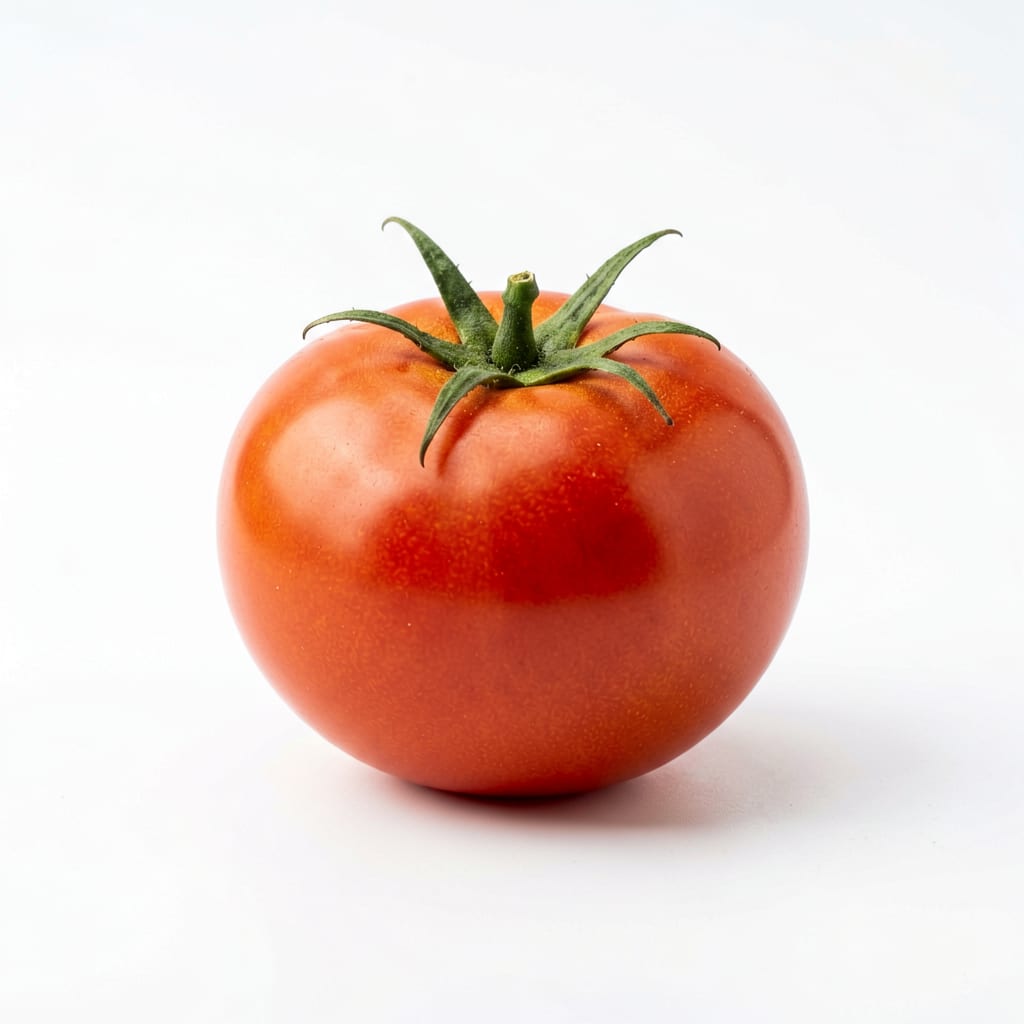
Tomato
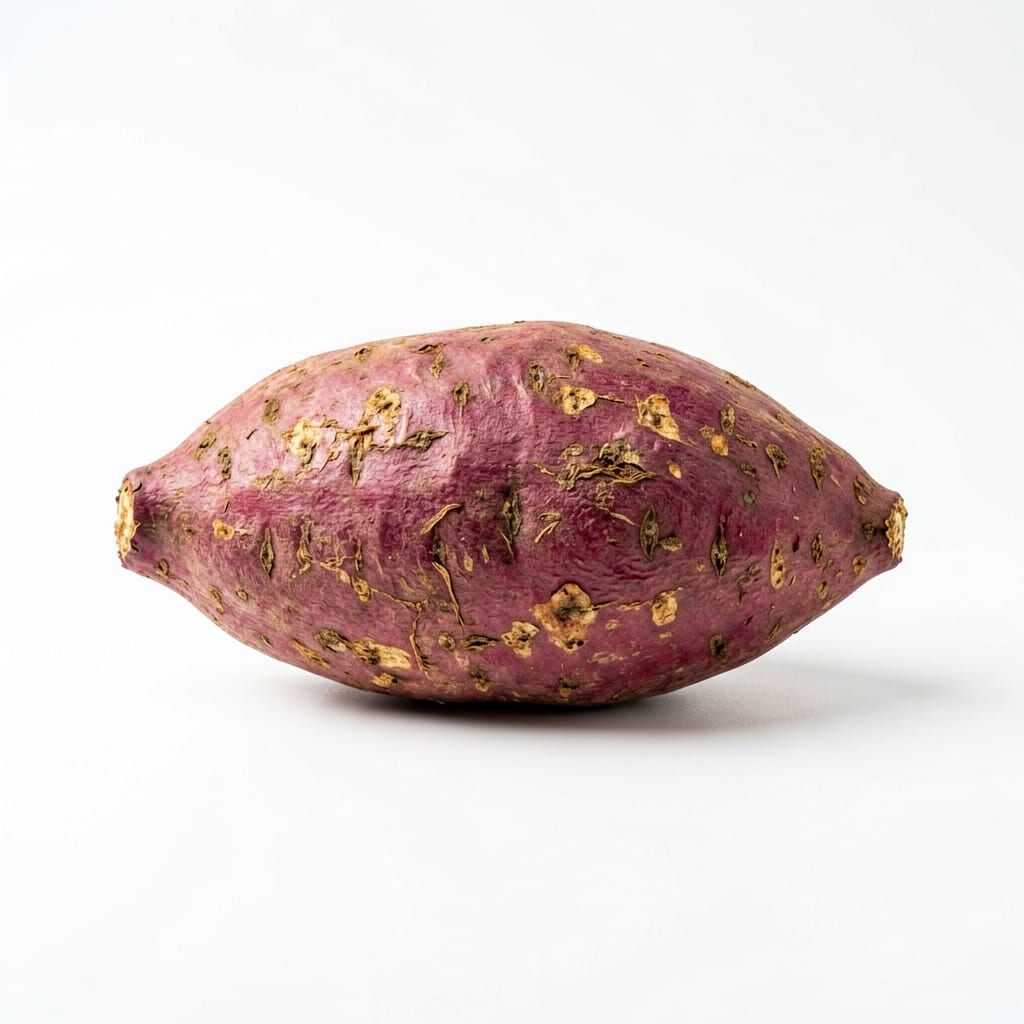
Sweet Potato
Tomato wins for low-calorie volume and antioxidant precision; Sweet Potato wins for sustained energy and meal satisfaction.
Sweet Potato edges ahead on satiety and meal utility, but Tomato's micronutrient precision and near-zero calorie cost keep it highly competitive. The right choice depends entirely on what your body needs in the moment.
Light hydration and minimal calories versus filling, carb-powered comfort that actually keeps you going.
At a glance
Executive summary
Overall
It depends
Healthier
It depends
More practical
Sweet Potato
Daily use
It depends
Key comparison lenses
weight loss vs sustained energy tradeoff
Tomato is ultra-low calorie while Sweet Potato provides lasting fuel — the core tension between cutting calories and staying energized
carb tolerance and blood sugar management
Sweet Potato carries significant carbs that demand insulin response; Tomatoes barely move the needle
antioxidant diversity comparison
Lycopene versus beta-carotene represents two fundamentally different antioxidant strategies
meal role suitability
Tomatoes are condiments and sides; Sweet Potatoes are meal anchors — they serve completely different purposes
digestive sensitivity and comfort
Acidic Tomatoes trigger reflux for some; Sweet Potatoes are soothing but fibrous for others
Best choice for
Tomato
- People tracking calories closely
- Anyone needing low-carb vegetable volume
- Those seeking lycopene for prostate or heart health
- Light snackers who want hydration without heaviness
- Individuals managing blood sugar who need minimal glycemic impact
Sweet Potato
- Athletes needing pre-workout carb fuel
- Anyone wanting a filling meal base that prevents overeating later
- People seeking vitamin A for immune and skin health
- Those recovering from illness who need gentle, nourishing food
- Busy people who need one food to carry a meal
Least suitable for
Tomato
- People with acid reflux or GERD
- Those with nightshade sensitivity or joint inflammation concerns
- Anyone needing calorie density to maintain weight
- People looking for a satisfying standalone meal
Sweet Potato
- People on strict ketogenic diets
- Those managing diabetes who carb-count carefully
- Anyone wanting a light, low-calorie side dish
- People who need refrigeration-free portable snacks
Deep comparison
Dimension by dimension
Each lens scores both foods and breaks down who each option suits.
- Dimension 1 · Priority 94Sweet Potato
Satiety and Fullness
Tomato · 35Sweet Potato · 82Sweet Potato is genuinely filling; Tomato is water-rich but disappears fast.
Tradeoff
You get lasting fullness from Sweet Potato but commit to the calories. Tomatoes let you eat freely but you will be hungry again soon.
Why it matters
Satiety drives whether you actually stick to your eating plan or snack again an hour later.
Real-world impact
A baked Sweet Potato at lunch can carry you to dinner. A Tomato salad leaves you reaching for snacks by 3pm.
Tomato
- Light eaters who prefer small frequent meals
- Anyone wanting volume without calorie commitment
Better for
- Those who need sustained energy for physical labor
- Anyone prone to hunger-driven overeating
Worse for
Sweet Potato
- People who skip meals and need one to last
- Anyone trying to reduce between-meal snacking
Better for
- People who feel sluggish after heavy meals
- Anyone preferring to graze throughout the day
Worse for
- Dimension 2 · Priority 90Tomato
Blood Sugar Stability
Tomato · 92Sweet Potato · 58Tomatoes barely register on blood sugar. Sweet Potatoes are moderate-GI and require insulin response, though they release energy gradually.
Tradeoff
Tomato gives you near-zero glycemic cost. Sweet Potato gives you usable energy but demands metabolic work.
Why it matters
Blood sugar crashes drive cravings, fatigue, and poor decision-making hours after eating.
Real-world impact
Tomatoes are safe for diabetics at virtually any portion. A large Sweet Potato can spike blood sugar if eaten alone without protein or fat.
Tomato
- Diabetics managing tight glucose control
- Low-carb or keto dieters
- Anyone prone to sugar crashes
Better for
- Endurance athletes who need carb fuel
- Underweight individuals needing caloric intake
Worse for
Sweet Potato
- Athletes who need glycogen replenishment
- Healthy active people who tolerate carbs well
- Post-workout recovery when insulin sensitivity is high
Better for
- Insulin-resistant individuals
- Anyone eating large portions without balancing macros
Worse for
- Dimension 3 · Priority 88It depends
Antioxidant and Micronutrient Profile
Tomato · 85Sweet Potato · 83Tomato delivers lycopene for heart and prostate health. Sweet Potato delivers massive beta-carotene for vision, skin, and immunity.
Tradeoff
You choose between cardiovascular protection emphasis or immune and skin support emphasis.
Why it matters
These antioxidants target different disease pathways and serve different long-term health strategies.
Real-world impact
Cooked Tomatoes with olive oil give you absorbed lycopene. Orange Sweet Potatoes give you weeks of vitamin A in one serving.
Tomato
- Men concerned about prostate health
- Anyone focused on cardiovascular protection
- People who eat cooked tomato products regularly
Better for
- People who only eat raw tomatoes (lycopene absorption is poor)
- Those already supplementing high-dose lycopene
Worse for
Sweet Potato
- People with vitamin A deficiency risk
- Anyone wanting immune support during cold season
- Those seeking skin health from nutrition
Better for
- Smokers where high-dose beta-carotene may carry risks
- People already consuming lots of orange vegetables
Worse for
- Dimension 4 · Priority 86Tomato
Calorie Efficiency
Tomato · 95Sweet Potato · 52Tomatoes cost almost nothing calorically. Sweet Potatoes are calorie-dense by vegetable standards.
Tradeoff
Freedom to eat large volumes versus concentrated energy that actually sustains you.
Why it matters
Calorie budget determines whether you lose, maintain, or gain weight regardless of food quality.
Real-world impact
You can eat a pound of Tomatoes for under 90 calories. A pound of Sweet Potato runs over 380 calories.
Tomato
- Cutting phases where every calorie matters
- Volume eaters who need large portions to feel satisfied
- Anyone creating caloric deficits without hunger
Better for
- Anyone already underweight or struggling to eat enough
- Endurance athletes with massive caloric needs
Worse for
Sweet Potato
- Bulk phases where calorie surplus is the goal
- Active people who struggle to eat enough
- Growing teenagers with high energy needs
Better for
- Sedentary individuals with low calorie budgets
- Anyone who tends to overeat calorie-dense foods
Worse for
- Dimension 5 · Priority 75It depends
Digestive Comfort
Tomato · 55Sweet Potato · 72Sweet Potatoes are soothing and gentle on most stomachs. Tomatoes are acidic and can irritate sensitive digestive systems.
Tradeoff
Comforting starch versus refreshing acidity — your gut decides which feels better.
Why it matters
Digestive discomfort undermines nutrition quality. The healthiest food means nothing if you cannot tolerate it.
Real-world impact
Sweet Potato is a go-to recovery food after illness. Tomato sauce is a common heartburn trigger at dinner.
Tomato
- People without reflux who tolerate acidity well
- Anyone wanting digestive stimulation and enzyme support
Better for
- Anyone with GERD, reflux, or esophageal sensitivity
- People with nightshade-related joint pain
Worse for
Sweet Potato
- GERD and acid reflux sufferers
- People recovering from stomach illness
- Those with sensitive digestion who need gentle foods
Better for
- Those with severe fiber intolerance
- People on low-FODMAP diets during elimination phases
Worse for
- Dimension 6 · Priority 70Sweet Potato
Meal Versatility and Practicality
Tomato · 68Sweet Potato · 78Sweet Potato can anchor a meal alone. Tomatoes usually need other foods to become satisfying.
Tradeoff
Tomatoes enhance everything but carry nothing. Sweet Potatoes are a complete meal base but less flexible as an add-on.
Why it matters
Practical foods get eaten. Impractical foods get replaced by convenience junk.
Real-world impact
A microwaved Sweet Potato is a full meal in 5 minutes. A raw Tomato is a snack that needs supplementation.
Tomato
- Home cooks adding depth to sauces and stews
- Salad builders wanting freshness and acidity
- Anyone meal-prepping flavor bases
Better for
- People who need grab-and-go meals
- Anyone without time to prepare complementary foods
Worse for
Sweet Potato
- Meal-preppers who batch-cook starches
- Anyone needing a quick filling meal with minimal effort
- Budget-conscious eaters getting maximum meal value
Better for
- Cooks needing a light garnish or acidic balance
- Anyone making cold dishes or raw food meals
Worse for
Timeline
Health impact over time
Short-term
Hours to days
Tomato
- Immediate hydration from high water content
- Minimal blood sugar impact after eating
- Possible acid reflux symptoms within an hour for sensitive individuals
- Light feeling without heaviness or food coma
Sweet Potato
- Noticeable satiety within 30 minutes of eating
- Gradual energy rise lasting 2-3 hours
- Mild warming comfort sensation, especially when baked
- Possible drowsiness if eaten in large portions without protein
Long-term
Months to years
Tomato
- Consistent lycopene intake supports cardiovascular health over years
- Very low calorie density helps maintain healthy weight long-term
- Nightshade compounds may aggravate inflammatory conditions in susceptible people
- Potassium intake supports blood pressure regulation
Sweet Potato
- Sustained beta-carotene intake strengthens immune function and skin integrity
- Consistent fiber intake promotes healthy gut microbiome diversity
- Stable complex carb source supports metabolic health when portions are managed
- Potassium and magnesium contribute to long-term blood pressure and bone health
Risk profile
Safety & processing
Both foods are whole and unprocessed in their natural state. The main concern is that Tomatoes frequently appear in processed forms like sauces and ketchups with added sugar and sodium, while Sweet Potatoes are typically eaten closer to their natural state.
Tomato
Pesticide residue
mediumTomatoes consistently rank on EWG's Dirty Dozen list due to thin skin and pesticide absorption. Washing helps but does not eliminate all residues. Organic significantly reduces exposure.
Acid reflux aggravation
mediumThe malic and citric acid in Tomatoes relax the lower esophageal sphincter, triggering heartburn in susceptible individuals, especially when eaten raw or in sauce form.
Nightshade sensitivity
lowTomatoes contain solanine and tomatine, which may exacerbate joint pain or inflammation in a small subset of sensitive individuals. This is not a concern for most people.
Sweet Potato
Mold and spoilage
lowSweet Potatoes can develop mold or black rot when stored in damp conditions. Damaged Sweet Potatoes should be discarded as mold toxins can spread beyond visible areas.
Oxalate content
lowSweet Potatoes contain moderate oxalates, which may concern people prone to kidney stones. Boiling reduces oxalate content more than baking.
Excessive vitamin A intake
lowWhile rare from food alone, consistently eating very large amounts of Sweet Potato could contribute to carotenemia, a harmless but visible orange skin discoloration.
Who wins for whom
Audience fit
Same foods, different winners depending on your goal.
children
Sweet PotatoSweet Potatoes are naturally sweet, gentle on digestion, and packed with growth-supporting vitamin A. Most children accept them readily. Tomatoes are more polarizing with kids due to acidity and texture.
daily consumption
It dependsBoth are excellent daily foods serving different needs. Tomatoes work daily as a low-calorie vegetable. Sweet Potatoes work daily as a nourishing starch. Most diets benefit from both rather than choosing one.
diabetes
TomatoTomatoes have negligible impact on blood sugar and can be eaten freely. Sweet Potatoes are moderate-GI and require careful portioning and pairing with protein or fat to prevent glucose spikes.
elderly
Sweet PotatoSweet Potatoes are soft, easy to chew, gentle on the stomach, and provide concentrated nutrition in manageable portions. Tomatoes can aggravate reflux which is common in older adults.
muscle gain
Sweet PotatoSweet Potatoes provide the carb fuel needed for training intensity and glycogen replenishment. Tomatoes, while nutritious, cannot power workouts or recovery.
weight loss
TomatoTomatoes provide massive eating volume for minimal calories, making caloric deficits feel effortless. Sweet Potatoes are healthy but calorie-dense enough to slow weight loss if portions are not controlled.
Your move
Decision guide
Choose Tomato
- You are actively cutting calories and need volume without cost
- You have diabetes or insulin resistance and need minimal glycemic impact
- You want lycopene for heart or prostate health protection
- You are building flavor bases for cooking rather than seeking a meal
- You have no issues with acid reflux or nightshade sensitivity
Choose Sweet Potato
- You need lasting energy for physical activity or long workdays
- You want a single food that can serve as a satisfying meal base
- You are seeking vitamin A for immune support or skin health
- You have a sensitive stomach and need gentle, comforting food
- You are an athlete or active person who thrives on quality carbs
Either works if
- You want to maximize overall nutrient diversity across the week
- You have no specific health restrictions driving the choice
- You are building a balanced plate and need both a vegetable and a starch
- You rotate foods seasonally and eat both when available
Avoid both if
- You have specific allergies to either food, which is rare but possible
- You are on a strict carnivore elimination diet
- You have severe oxalate restrictions for kidney stone prevention
Final recommendation
Use both strategically rather than choosing one. Tomatoes are your low-calorie, antioxidant-rich vegetable. Sweet Potatoes are your fueling, satisfying starch. The real win is pairing them: roasted Sweet Potato with fresh Tomato salsa gives you beta-carotene, lycopene, fiber, and sustained energy in one meal. If forced to pick one for general health, Sweet Potato narrowly wins because satiety and sustained energy matter more for long-term dietary adherence than minimal calorie cost.
Practical
Consumer tips
- 1
Buy organic Tomatoes when possible — they rank high for pesticide residue and thin skin absorbs more than thick-skinned produce
- 2
Cook Tomatoes with olive oil to increase lycopene absorption by up to 4x compared to raw
- 3
Boil Sweet Potatoes rather than bake if you are concerned about oxalates or want lower glycemic impact
- 4
Store Sweet Potatoes in a cool dark dry place — never the refrigerator, which creates hard centers and off-flavors
- 5
Pair Sweet Potato with cinnamon to modestly improve blood sugar response
- 6
Choose orange-fleshed Sweet Potatoes over white for dramatically more vitamin A
- 7
Cherry and grape Tomatoes often have higher lycopene concentration per bite than large slicing varieties
- 8
Avoid Tomatoes in aluminum cookware — the acid reacts and degrades both flavor and cookware