
Nutrition comparison
Tomato vs Eggplant: Nutrition, Antioxidants, and Which to Eat Daily
Compare tomato and eggplant nutrition, health benefits, and cooking tradeoffs. Learn which is better for weight loss, heart health, and daily meals.
Overall winner · Tomato
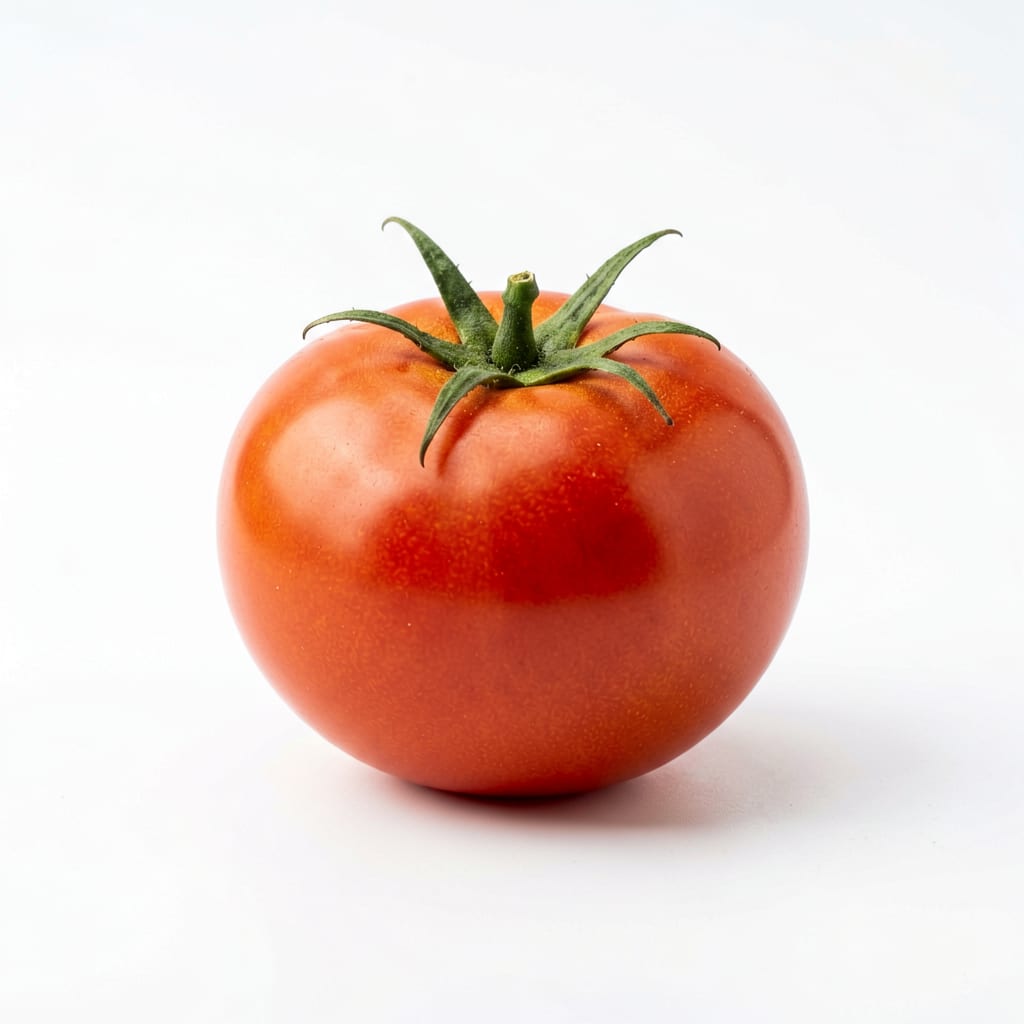
Tomato
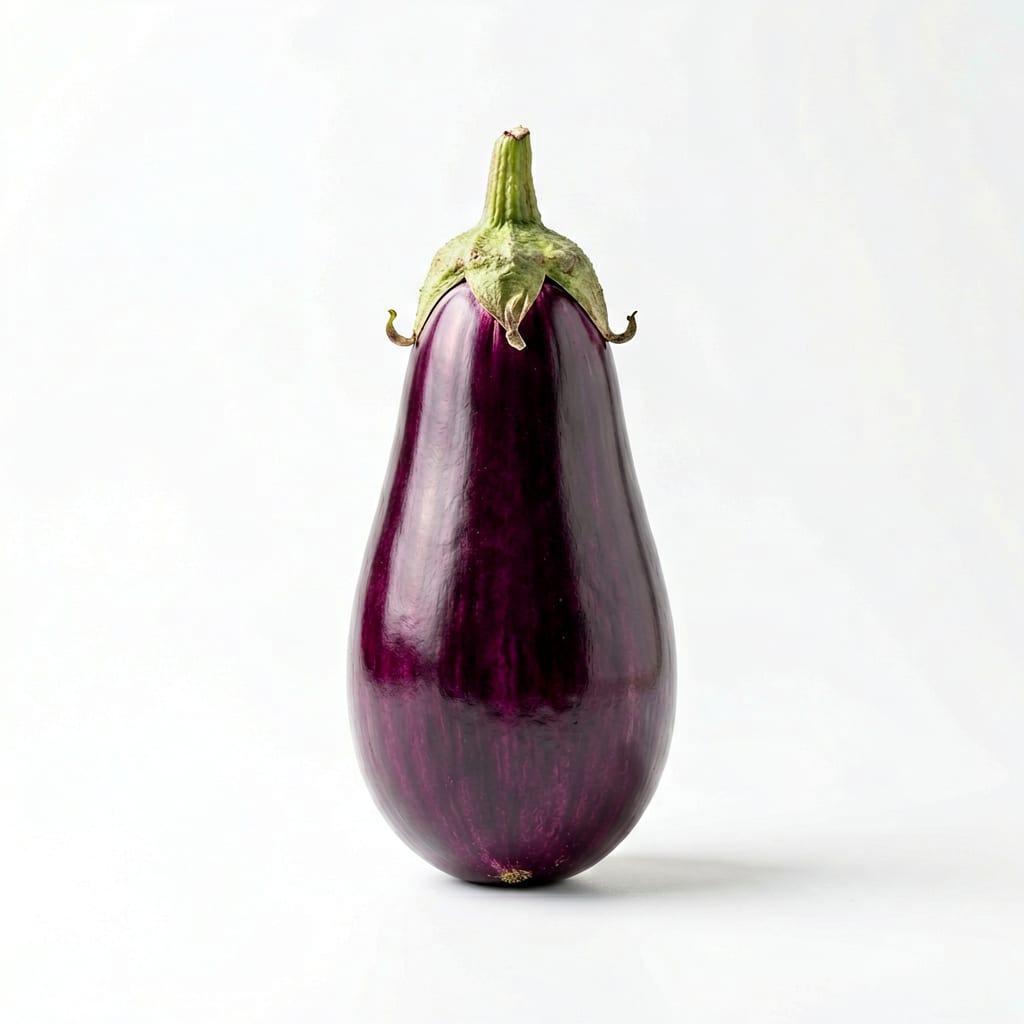
Eggplant
Tomato wins for everyday nutrition and versatility, but eggplant offers unique antioxidants and more filling meals when prepared well
Tomato scores higher due to superior versatility, more consistent calorie control, and broader nutrient accessibility. Eggplant remains valuable but loses points for oil absorption risk and limited raw usability.
Tomato gives you more usable nutrients across more meals, while eggplant gives you denser satisfaction but only if you manage the oil trap
At a glance
Executive summary
Overall
Tomato
Healthier
Tomato
More practical
Tomato
Daily use
Tomato
Key comparison lenses
antioxidant profile comparison
Tomato delivers lycopene while eggplant provides nasunin — two distinct antioxidants with different health benefits, making this the most nutritionally meaningful differentiator
cooking behavior and calorie impact
Eggplant acts like a sponge for oil, dramatically changing its calorie profile depending on preparation, while tomatoes stay relatively consistent
versatility and daily usability
Tomatoes can be eaten raw or cooked in countless dishes, whereas eggplant requires cooking and has narrower culinary applications
satiety and meal substance
Eggplant provides more physical bulk and fiber per serving, making it more filling as a meal component
nightshade sensitivity concerns
Both are nightshades, but users with joint pain or inflammation concerns often compare them to assess risk
Best choice for
Tomato
- Daily salad eaters wanting effortless nutrition
- People seeking lycopene for heart and prostate health
- Anyone wanting a low-calorie flavor booster
- Raw snackers and sandwich builders
- Meal preppers who want low-maintenance produce
Eggplant
- Hearty dinner builders needing substantial vegetable bulk
- People targeting brain health through nasunin
- Mediterranean and Asian cuisine enthusiasts
- Anyone wanting a meaty texture without meat
- Dieters who roast or grill instead of frying
Least suitable for
Tomato
- People with severe acid reflux or GERD
- Those with histamine intolerance
- Anyone avoiding nightshades for joint issues
Eggplant
- Oil-conscious cooks who default to pan-frying
- People wanting quick no-cook meal options
- Those sensitive to bitter flavors
- Anyone avoiding nightshades for joint issues
Deep comparison
Dimension by dimension
Each lens scores both foods and breaks down who each option suits.
- Dimension 1 · Priority 92It depends
antioxidant_power
Tomato · 85Eggplant · 80Tomato brings lycopene for heart and prostate protection; eggplant brings nasunin for brain cell defense. Different targets, both valuable.
Tradeoff
You get broader research backing with lycopene, but nasunin offers unique neuroprotective benefits few other foods provide
Why it matters
These antioxidants target different body systems, so your health priorities should drive the choice
Real-world impact
Eating tomatoes regularly is linked to lower heart disease risk, while eggplant skin may help protect brain function as you age
Tomato
- Heart health optimization
- Prostate health in men
- Skin protection from UV damage
Better for
- Does not meaningfully support brain-specific antioxidant needs
Worse for
Eggplant
- Brain cell membrane protection
- Cognitive aging support
- Anti-inflammatory benefits in neural tissue
Better for
- Lacks the extensive clinical evidence base that lycopene enjoys
Worse for
- Dimension 2 · Priority 88Tomato
calorie_control_and_preparation_reliability
Tomato · 90Eggplant · 55Tomatoes stay low-calorie regardless of how you prepare them. Eggplant can triple its calories if you pan-fry it.
Tradeoff
Eggplant's sponge-like texture creates incredible flavor absorption but also massive calorie inflation if you use oil
Why it matters
A vegetable that silently absorbs half a cup of oil can sabotage weight management without you realizing it
Real-world impact
A cup of raw eggplant is about 20 calories, but a cup of fried eggplant can hit 200+ calories — same vegetable, ten times the energy density
Tomato
- Consistent calorie tracking
- Weight loss meal plans
- Effortless portion control
Better for
- Cannot match the indulgent mouthfeel that oil-infused eggplant provides
Worse for
Eggplant
- Creating rich, satisfying dishes when calories are not a concern
- Absorbing healthy oils like olive oil for Mediterranean diet patterns
Better for
- Unpredictable calorie counts depending on cooking method
- Easy to overconsume calories without feeling like you ate much
Worse for
- Dimension 3 · Priority 85Tomato
versatility_and_ease_of_use
Tomato · 92Eggplant · 60Tomatoes work raw, cooked, blended, or dried. Eggplant demands cooking and specific techniques to shine.
Tradeoff
Tomato is the easier everyday ingredient, but eggplant rewards extra effort with deeper, more complex flavors
Why it matters
The easier a vegetable is to use, the more often you will actually eat it
Real-world impact
You can throw tomatoes into a salad, sandwich, or omelet with zero prep. Eggplant requires salting, roasting, or grilling before it becomes palatable.
Tomato
- Quick weeknight meals
- No-cook meal assembly
- Snacking straight from the fridge
- Breakfast additions
Better for
- Cannot replicate the meaty, substantial bite that eggplant provides in vegetarian cooking
Worse for
Eggplant
- Impressive dinner party dishes
- Substantial vegetarian mains
- Cuisines that celebrate its unique texture
Better for
- Requires cooking knowledge to avoid mushy or bitter results
- Never a grab-and-go option
Worse for
- Dimension 4 · Priority 78Eggplant
satiety_and_meal_substance
Tomato · 55Eggplant · 80Eggplant fills you up more per serving thanks to its denser fiber and bulk. Tomatoes are lighter and less filling.
Tradeoff
More satiety from eggplant comes with more prep effort and potential calorie inflation
Why it matters
If you are trying to eat less overall, a filling vegetable helps you stay satisfied without reaching for snacks
Real-world impact
A roasted eggplant dish can feel like a real meal. A tomato salad feels like a side.
Tomato
- Light eaters who prefer smaller meals
- Hot weather eating when heavy food feels unappealing
Better for
- Rarely satisfies as a standalone dish
Worse for
Eggplant
- Anyone trying to reduce meat portions without feeling hungry
- Large-volume eaters who need physical fullness
- Evening meals where satisfaction matters
Better for
- Heaviness can feel uncomfortable in hot weather or light meals
Worse for
- Dimension 5 · Priority 75Tomato
vitamin_and_mineral_density
Tomato · 82Eggplant · 62Tomato delivers more vitamin C, potassium, and folate per calorie. Eggplant is decent but less nutrient-dense overall.
Tradeoff
You get more measurable vitamins from tomatoes, but eggplant contributes unique compounds not found elsewhere
Why it matters
If you are trying to maximize nutrition per bite, tomato gives you more return on investment
Real-world impact
One medium tomato covers about 28% of your daily vitamin C needs. Eggplant covers roughly 5%.
Tomato
- Immune system support
- Electrolyte balance through potassium
- Skin health from vitamin C
Better for
- Lower in fiber than eggplant per serving
Worse for
Eggplant
- Manganese intake for bone and metabolism health
Better for
- Relatively thin nutrient profile compared to most colorful vegetables
Worse for
- Dimension 6 · Priority 72It depends
blood_sugar_friendliness
Tomato · 78Eggplant · 76Both are low-glycemic and diabetes-friendly. Tomato has slightly more natural sugar but rarely enough to matter.
Tradeoff
Tomato's sugar is negligible for most people, but very strict low-carb eaters may prefer eggplant's slightly lower count
Why it matters
Both vegetables are safe for blood sugar management, so this dimension rarely drives the decision
Real-world impact
Neither food will cause a blood sugar spike. Both can be eaten freely by people monitoring glucose.
Tomato
- Adding flavor to meals without sweeteners or sauces
- Quick energy from natural sugars during activity
Better for
- Contains slightly more sugar, which matters for extremely carb-restricted diets
Worse for
Eggplant
- Strict ketogenic meal plans counting every gram of carbohydrate
- Higher-fiber meals that slow digestion further
Better for
- Minimal difference in practice for most blood sugar management
Worse for
Timeline
Health impact over time
Short-term
Hours to days
Tomato
- Quick hydration from high water content
- Mild blood sugar rise from natural sugars, easily managed
- Possible heartburn trigger for those with GERD due to acidity
Eggplant
- Noticeable fullness after eating due to fiber density
- Potential digestive discomfort if undercooked
- Bitter aftertaste that may reduce appetite in some people
Long-term
Months to years
Tomato
- Consistent lycopene intake linked to lower cardiovascular disease risk
- Better skin aging protection from vitamin C and lycopene combination
- Potential reduction in certain cancer risks, particularly prostate cancer
Eggplant
- Neuroprotective benefits from regular nasunin consumption in the skin
- Improved digestive regularity from consistent fiber intake
- Possible joint inflammation aggravation in nightshade-sensitive individuals
Risk profile
Safety & processing
Both are whole vegetables with minimal processing concerns when fresh. The real difference emerges in how they are prepared — eggplant's oil absorption can turn a healthy vegetable into a high-calorie dish, while tomatoes remain relatively stable across cooking methods.
Tomato
Pesticide residue
mediumTomatoes consistently appear on EWG's Dirty Dozen list. Washing helps, but peeling or choosing organic reduces exposure significantly.
Histamine accumulation
lowTomatoes are high in histamine, which can trigger symptoms in histamine-intolerant individuals, especially as they ripen or are cooked.
Acid reflux aggravation
lowThe acidity can worsen GERD symptoms in susceptible individuals, particularly when eaten raw or in large quantities.
Eggplant
Solanine sensitivity
lowEggplant contains solanine, a compound that may worsen joint pain in nightshade-sensitive people. Levels are low but can accumulate with frequent consumption.
Oil absorption and calorie underestimation
mediumNot a contamination risk per se, but eggplant's ability to absorb large amounts of cooking oil creates a hidden calorie hazard that many cooks underestimate.
Oxalate content
lowEggplant contains moderate oxalates, which could be relevant for people prone to kidney stones, though levels are not exceptionally high.
Who wins for whom
Audience fit
Same foods, different winners depending on your goal.
children
TomatoKids accept tomatoes more easily in familiar formats like pasta sauce and ketchup, while eggplant's bitter flavor and mushy texture are common rejection triggers
daily consumption
TomatoEasier to incorporate across meals, no special prep required, and more consistent calorie control make tomatoes the better daily staple
diabetes
It dependsBoth are low-glycemic and safe for blood sugar management. The difference is negligible for most diabetics.
elderly
TomatoTomatoes provide more potassium for blood pressure management and vitamin C for immune support, both critical for aging adults
muscle gain
It dependsNeither vegetable is a meaningful protein source. Both serve as low-calorie sides for muscle-building meals, with no clear advantage.
weight loss
TomatoTomatoes deliver more flavor and nutrients per calorie with virtually no risk of calorie inflation during cooking
Your move
Decision guide
Choose Tomato
- You want a vegetable you can use every day without thinking
- Heart health and lycopene intake are top priorities
- You dislike complicated cooking techniques
- You are tracking calories and want predictable numbers
- You need something that works raw in salads or cooked in sauces
Choose Eggplant
- You want substantial vegetarian meals that feel like real entrees
- Brain health and neuroprotection matter to you
- You enjoy cooking and are willing to master techniques like salting and roasting
- You follow Mediterranean or Middle Eastern cuisine traditions
- You grill frequently and want a vegetable that shines on the barbecue
Either works if
- You are simply trying to eat more vegetables overall
- Both fit your meal plan as complementary side dishes
- Nightshade sensitivity is not a concern for you
Avoid both if
- You have confirmed nightshade sensitivity causing joint pain or inflammation
- You are following a strict low-histamine diet
- You have severe GERD that reacts to acidic foods
Final recommendation
Keep both in rotation but let tomato be your daily driver. Its versatility, consistent calorie profile, and broader nutrient density make it the more practical choice for everyday eating. Save eggplant for dinners where you have time to cook it properly — roasted, grilled, or baked with minimal oil. When you do prepare eggplant, always leave the skin on for nasunin and consider roasting instead of frying to avoid the calorie trap.
Practical
Consumer tips
- 1
Choose organic tomatoes when possible — they rank high for pesticide residue and organic versions show higher lycopene content
- 2
Never peel eggplant — the deep purple skin contains nearly all the nasunin, which is the main reason to eat it
- 3
Salt eggplant slices and let them sit for 20 minutes before cooking to draw out bitterness and reduce oil absorption
- 4
Cooking tomatoes actually increases lycopene bioavailability — a rare case where cooking makes a vegetable more nutritious
- 5
If calorie control matters, roast or grill eggplant with a light oil spray instead of pan-frying
- 6
Cherry tomatoes are the most nutrient-dense variety per bite due to higher skin-to-flesh ratio
- 7
Store tomatoes at room temperature, not the fridge — cold kills flavor and alters texture
- 8
Eggplant discolors quickly after cutting, so prepare it right before cooking