
Nutrition comparison
Tomato vs Avocado: Nutrition, Calories, and Health Benefits Compared
Discover the key nutritional differences between tomatoes and avocados. Learn which is better for weight loss, heart health, and why eating them together is a superfood combo.
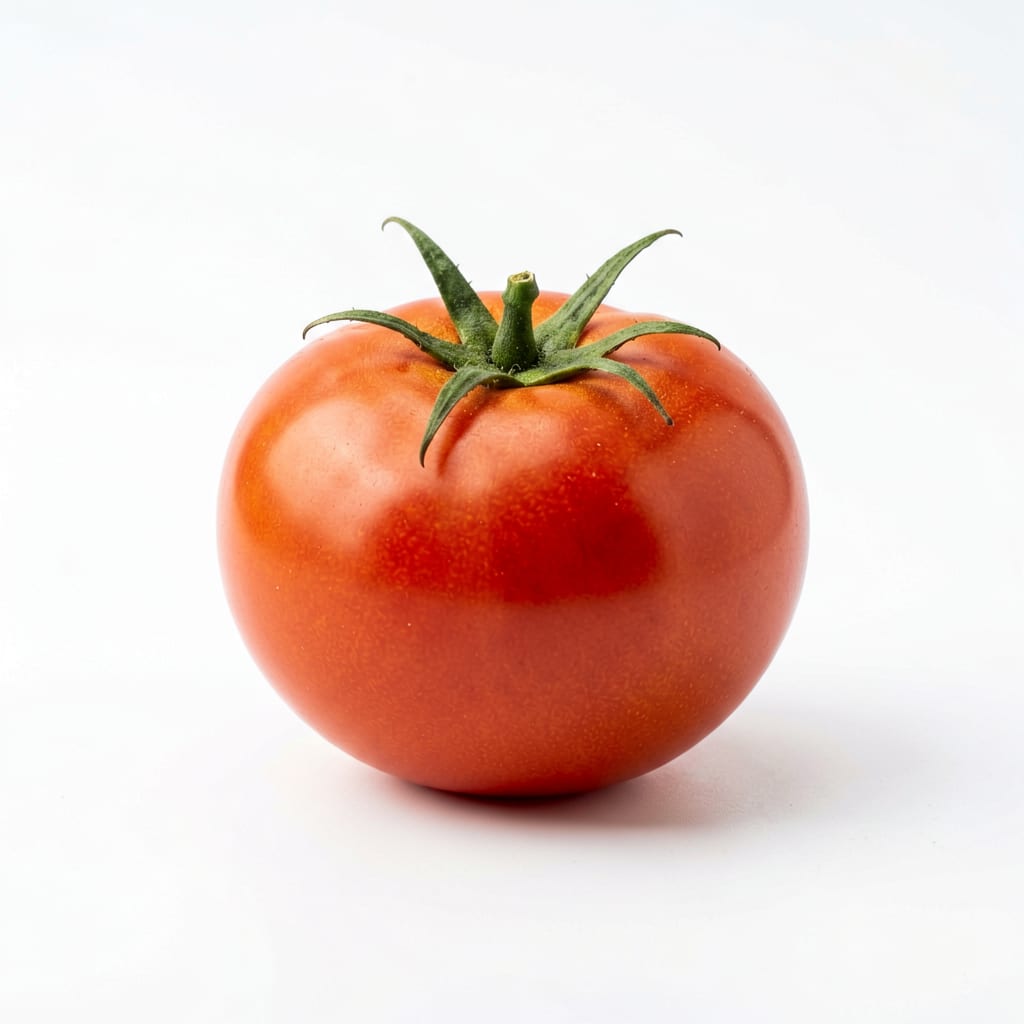
Tomato
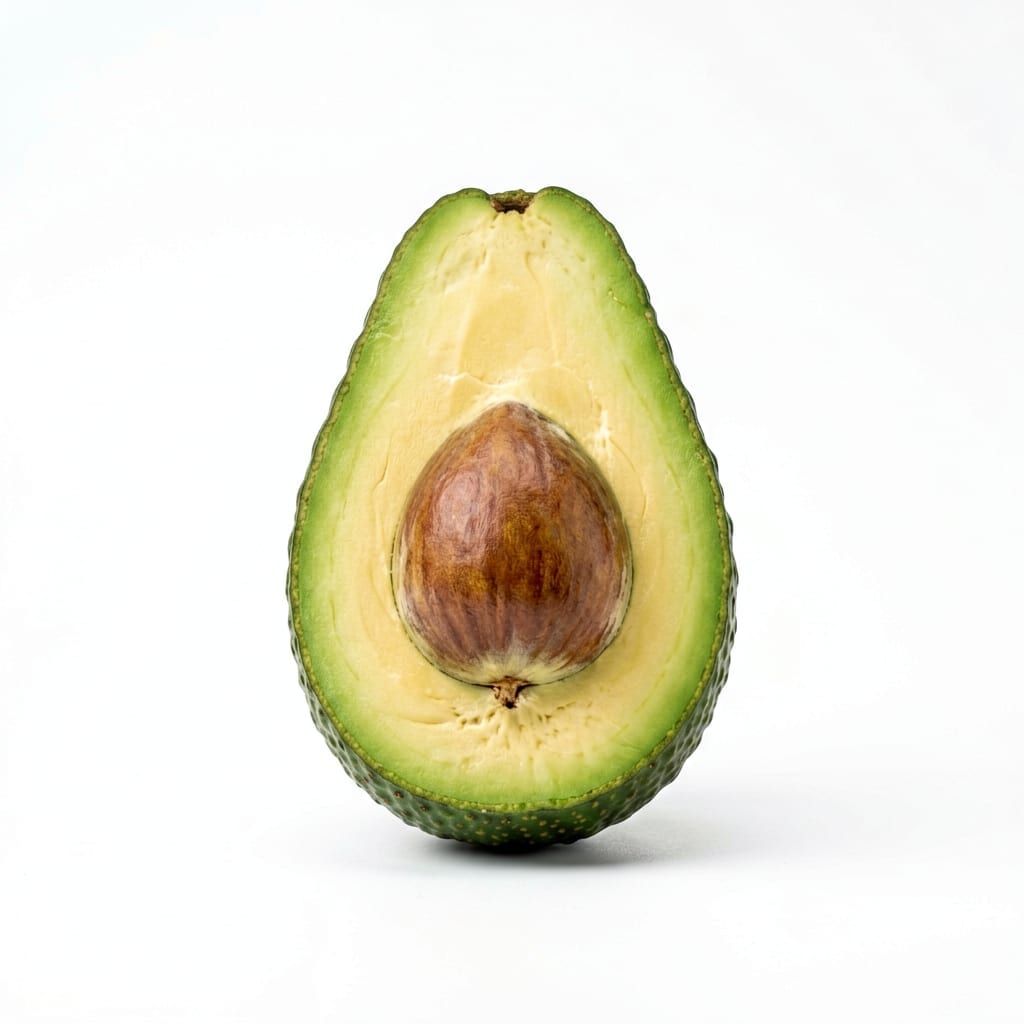
Avocado
Tomatoes are a low-calorie hydration and antioxidant powerhouse, while avocados deliver filling, heart-healthy fats that actually boost the absorption of tomato nutrients.
Avocado edges out slightly due to its unique healthy fat profile and unmatched satiety benefits, but both are nutritional powerhouses that excel in completely different areas.
Volume and low calories versus dense, satisfying healthy fats.
At a glance
Executive summary
Overall
It depends
Healthier
It depends
More practical
Tomato
Daily use
It depends
Key comparison lenses
Calorie density vs. volume eating
Tomatoes are water-rich and very low in calories, while avocados are calorie-dense, making portion control a key decision factor.
Healthy fats vs. antioxidants
Avocados provide substantial monounsaturated fats, whereas tomatoes are prized for lycopene and vitamin C, creating a distinct nutrient tradeoff.
Satiety and meal pairing
Avocados keep you full for hours due to fat and fiber, while tomatoes add bulk and hydration but digest quickly.
Nutrient absorption synergy
The fats in avocado significantly boost the absorption of fat-soluble antioxidants like lycopene found in tomatoes.
Best choice for
Tomato
- Low-calorie dieting and volume eating
- Hydration and light snacking
- Boosting vitamin C and lycopene intake
Avocado
- Keto and low-carb diets
- Sustained energy and appetite control
- Improving heart health via healthy fats
Least suitable for
Tomato
- People with severe nightshade sensitivities
- Those needing high-calorie intake for weight gain
Avocado
- Strict calorie restrictors
- People with latex-fruit allergy syndrome
- Those sensitive to high FODMAP foods
Deep comparison
Dimension by dimension
Each lens scores both foods and breaks down who each option suits.
- Dimension 1 · Priority 95Tomato
Calorie Density & Weight Management
Tomato · 95Avocado · 55Tomatoes are incredibly low in calories, allowing you to eat large volumes. Avocados are calorie-dense, making overeating easy if you are not mindful.
Tradeoff
You can eat piles of tomatoes for very few calories, but just half an avocado packs over 160 calories.
Why it matters
If you are trying to lose weight by eating larger portions, tomatoes are far more forgiving.
Real-world impact
A massive tomato salad feels like a feast for under 100 calories, whereas a single avocado can use up 10-15% of your daily calorie budget.
Tomato
- Volume eaters
- Calorie counters
- Late-night snackers
Better for
- Those needing calorie surplus
Worse for
Avocado
- Hard gainers needing calories
- Those replacing processed high-fat foods
Better for
- Strict calorie deficit diets
Worse for
- Dimension 2 · Priority 92Avocado
Healthy Fats & Heart Health
Tomato · 30Avocado · 98Avocados are loaded with monounsaturated fats that support heart health and lower bad cholesterol. Tomatoes contain virtually no fat.
Tradeoff
Avocado offers essential fats your body needs for hormone production and brain health, while tomatoes provide almost zero fat.
Why it matters
Your body requires dietary fat for sustained energy and nutrient absorption, which avocados provide effortlessly.
Real-world impact
Adding avocado to your lunch keeps you full until dinner, preventing the afternoon energy crash that a fat-free tomato-heavy meal might cause.
Tomato
- Those strictly limiting all dietary fat
Better for
- Fat-soluble vitamin absorption
Worse for
Avocado
- Cardiovascular health
- Keto dieters
- Sustained energy
Better for
- Low-fat diet followers
Worse for
- Dimension 3 · Priority 88It depends
Antioxidants & Micronutrients
Tomato · 90Avocado · 85Tomatoes are packed with lycopene and vitamin C, while avocados offer high potassium, folate, and vitamin E.
Tradeoff
Tomatoes excel at water-soluble antioxidants and skin-protecting vitamins, whereas avocados shine with cellular-protecting fat-soluble vitamins and electrolytes.
Why it matters
Lycopene supports prostate and heart health, while potassium regulates blood pressure and fluid balance.
Real-world impact
Eating tomatoes boosts your immune defense and skin resilience, while avocados help with muscle cramps and cellular repair.
Tomato
- Immune support
- Prostate health
- Skin protection
Better for
- Electrolyte replenishment
Worse for
Avocado
- Blood pressure regulation
- Cell membrane health
- Prenatal nutrition
Better for
- High water-soluble vitamin needs
Worse for
- Dimension 4 · Priority 85Avocado
Satiety & Fullness
Tomato · 50Avocado · 95Avocados are extremely filling due to their fat and fiber content. Tomatoes provide temporary stomach stretch but digest quickly.
Tradeoff
Avocados keep hunger away for hours, while tomatoes offer a light, refreshing fullness that fades fast.
Why it matters
Staying full between meals prevents snacking on processed convenience foods.
Real-world impact
Half an avocado at lunch stops the 3 PM vending machine craving; a tomato alone leaves you hungry an hour later.
Tomato
- Light pre-workout snacking
Better for
- Long gaps between meals
Worse for
Avocado
- Appetite control
- Meal replacement support
- Busy days with few meal breaks
Better for
- Right before intense exercise
Worse for
- Dimension 5 · Priority 80Avocado
Blood Sugar Stability
Tomato · 75Avocado · 92Both are low-glycemic, but avocado's fat and fiber content actively blunt blood sugar spikes when paired with carbs.
Tradeoff
Tomatoes have a slight carbohydrate load, while avocados have almost zero net carbs and act as a blood sugar stabilizer.
Why it matters
Steady blood sugar means fewer energy crashes and reduced cravings throughout the day.
Real-world impact
Putting avocado on toast slows down the sugar release from the bread; tomatoes alone do not offer this buffering effect.
Tomato
- Light carb-sensitive snacking
Better for
- Managing high-carb meals
Worse for
Avocado
- Diabetics
- Insulin resistance management
- Carb-heavy meal buffering
Better for
- Those tracking total carb limits strictly
Worse for
Timeline
Health impact over time
Short-term
Hours to days
Tomato
- Provides quick, light hydration
- Offers a refreshing low-calorie snack
- May trigger heartburn in sensitive individuals due to acidity
Avocado
- Delivers sustained, heavy energy
- Stops hunger pangs for hours
- Can feel overly heavy or sluggish if eaten in large amounts
Long-term
Months to years
Tomato
- Supports prostate health via lycopene
- Promotes skin resilience and collagen production
- Maintains low-calorie dietary habits easily
Avocado
- Lowers LDL cholesterol and supports heart health
- Improves absorption of fat-soluble vitamins across your diet
- Supports hormone balance and brain health
Risk profile
Safety & processing
Both tomatoes and avocados are whole, natural foods typically eaten raw or minimally cooked, making them free from artificial additives when purchased fresh.
Tomato
Pesticide residue
mediumConventional tomatoes often retain pesticide residue on their thin skin; washing thoroughly or choosing organic mitigates this.
Nightshade sensitivity
lowTomatoes contain solanine, which can trigger joint pain or inflammation in people with severe nightshade sensitivities.
Avocado
Latex-fruit allergy
mediumAvocados contain profilins that cross-react with latex allergies, potentially causing itching or swelling in susceptible individuals.
Bacterial contamination on skin
lowAvocado skins can harbor listeria or salmonella; always wash the skin before cutting to avoid dragging the knife through bacteria into the flesh.
Who wins for whom
Audience fit
Same foods, different winners depending on your goal.
children
It dependsAvocados are ideal baby food due to soft texture and brain-supporting fats, while tomatoes offer kid-friendly vitamins and hydration.
daily consumption
It dependsTomatoes can be eaten in large amounts daily without calorie concerns, but avocados offer essential daily fats most people lack.
diabetes
AvocadoAvocados have near-zero net carbs and their fat content actively stabilizes blood sugar levels.
elderly
AvocadoAvocados are soft, easy to chew, nutrient-dense, and support cardiovascular health crucial for aging populations.
muscle gain
AvocadoAvocados provide calorie-dense healthy fats that support hormone production and help hit caloric surplus goals easily.
weight loss
TomatoTomatoes allow for massive portion sizes with minimal calories, making dieting feel less restrictive.
Your move
Decision guide
Choose Tomato
- You want to eat large portions without gaining weight
- You need hydration and a light, refreshing snack
- You are watching your calorie budget strictly
Choose Avocado
- You need sustained energy and appetite control
- You are on a low-carb or keto diet
- You want to absorb more fat-soluble vitamins from your meal
Either works if
- You want to upgrade a salad or sandwich with whole-food nutrition
- You are looking for natural, unprocessed food options
Avoid both if
- You have a latex-fruit allergy (avocado) or severe nightshade sensitivity (tomato)
- You are on a strict low-fiber diet for digestive rest
Final recommendation
Eat them together. The healthy fats in avocado unlock the lycopene in tomatoes, making this one of the most powerful nutritional pairings you can put on a plate.
Practical
Consumer tips
- 1
Pairing diced avocado with tomato slices can increase lycopene absorption by up to 4 times.
- 2
If buying conventional produce, prioritize organic tomatoes due to pesticide residues, but conventional avocados are fine due to their thick protective skin.
- 3
Mash avocado with diced tomatoes, lime, and salt for a simple, nutrient-dense guacamole that gives you the best of both worlds.
- 4
Store cut avocado with the tomato pit left in and a squeeze of lemon to slow down browning.