
Seafood
Tilapia
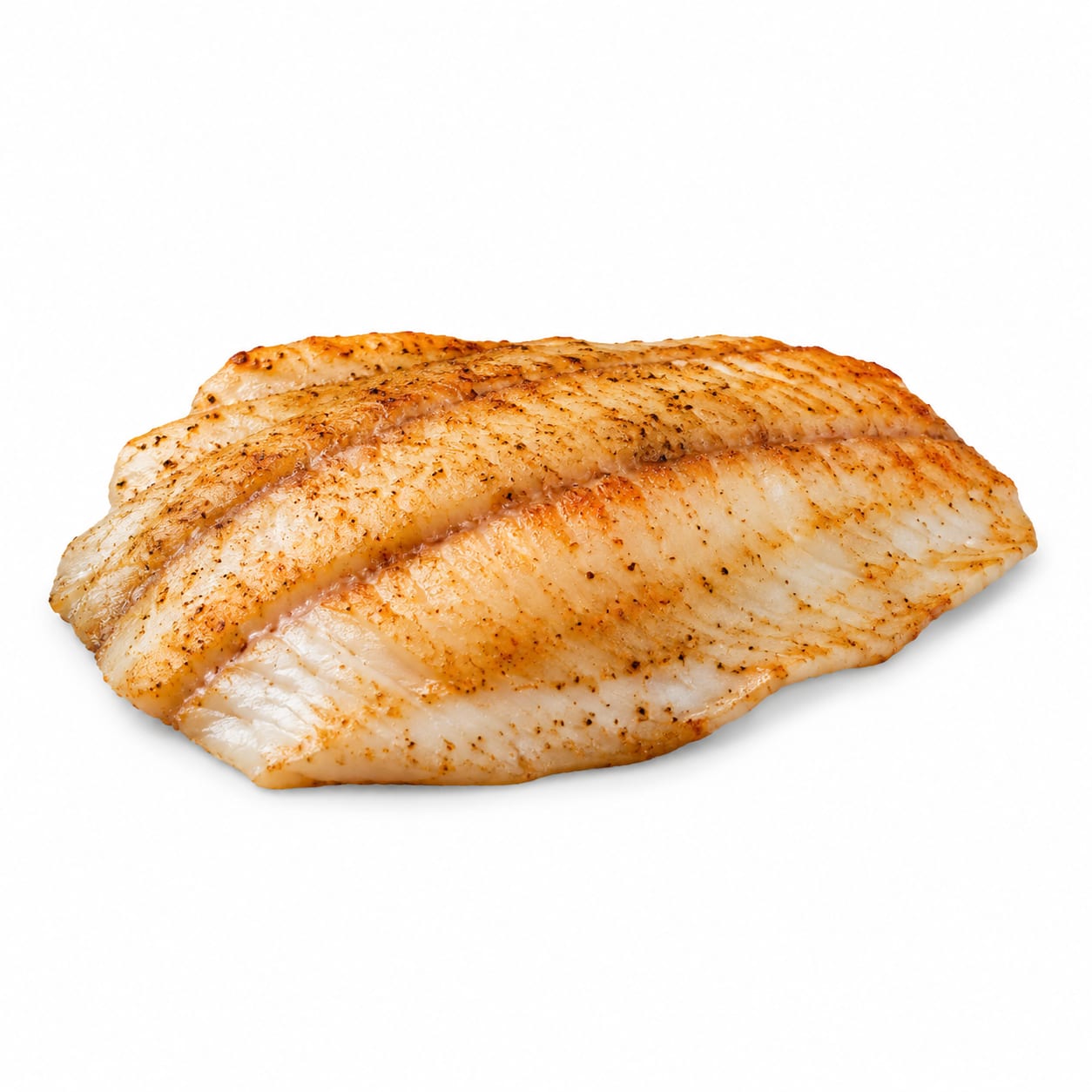
Tilapia is a lean, mild-tasting freshwater fish widely farmed for its affordable, high-protein meat.
A mild-flavored, affordable white fish commonly farm-raised worldwide, known for its lean protein content and culinary versatility.
lean protein-dense seafood
Typical serving · 113g
Common varieties · nile tilapia, blue tilapia, mozambique tilapia, hybrid tilapia
Overall context score across nutrition, safety, and diet fit
At a glance
Quick facts
Simple indicators based on nutrition, processing, and diet fit.
The story
What makes it unique
Tilapia is a fast-digesting, high-protein, low-fat animal food. It provides strong satiety with minimal caloric load. As a lean fish, it lacks the omega-3 density of fattier fish but remains an excellent protein source with zero carbohydrates.
Varieties: nile tilapia · blue tilapia · mozambique tilapia · hybrid tilapia
Per 100g
Nutrition breakdown
Macro balance and key metrics at a glance.
Energy
Density 0.96 kcal/g
Protein
Carbs
Fat
Fiber
Sugar
0 g
Sodium
52 mg
Potassium
302 mg
Glycemic index
0
Glycemic load
0
Water content
78%
Standout compounds
Nutrient highlights
Protein
highSupports muscle growth and satiety
Selenium
moderateActs as an antioxidant and supports thyroid function
Vitamin B12
moderateEssential for nerve function and red blood cell formation
Niacin
moderateHelps convert food into energy
Wellness map
Health scores & processing
NOVA processing scale
minimally processed · Whole food
Fresh or frozen tilapia fillets are whole foods with no added ingredients, though some frozen versions may contain sodium-based preservatives or glazes.
Diet compatibility
- Weight loss
- Muscle gain
- Diabetes
- Gut health
- Low carb
- High protein
- Heart health
Relative standing
Food rankings
Qualitative ranks compared to similar whole foods.
- Satietygood
- Blood sugarexcellent
- Nutrient densitygood
- Fitness fuelexcellent
- Processing qualityexcellent
Eat with confidence
Food safety profile
Tilapia is low in mercury but farm-raised varieties may carry risks related to water quality and antibiotic use. Sourcing from well-regulated farms reduces these concerns.
Evidence confidence 85%
- Pesticideslow
- Antibioticsmoderate
- Heavy metalslow
- Contaminationmoderate
Watch for
- pcbs
- microplastics
- bacteria from improper handling
Safer choices
US-farmed or ASC-certified tilapia
Prep tips
Rinse fillets under cold water and pat dry before cooking; cook to an internal temperature of 145°F (63°C).
Antibiotic use in some international aquaculture operations; varying water quality standards across farming regions.
Deep dive
Health analysis
How this food may fit different goals and preparation choices.
Weight loss
Extremely low energy density and high protein content promote fullness and reduce overall calorie intake.
Blood sugar
Zero carbohydrates make it ideal for stabilizing blood sugar and managing diabetes.
Fitness & energy
Fast-digesting lean protein supports muscle repair and growth without causing digestive sluggishness post-workout.
Gut health
Easy to digest due to low fat and connective tissue, making it gentle on the gastrointestinal tract.
Processing quality
Typically sold as a whole, minimally processed fillet, retaining its natural nutritional profile.
Food safety
Low mercury makes it safer than many large predatory fish, but farm sourcing is important to avoid antibiotic or contaminant exposure.
Common mistakes
Overcooking tilapia dries it out and diminishes its texture; also, assuming it provides the same omega-3 benefits as salmon.
Best preparation
Baking, grilling, or pan-searing with minimal oil preserves its lean profile while maintaining moisture.
Practical guide
Best use cases
When and how this food fits real eating patterns.
Lean muscle building
Provides fast-digesting, high-quality protein with minimal fat for muscle repair.
Calorie-controlled diets
Low energy density allows for large portion sizes without excess calories.
Blood sugar management
Zero-carb protein source that prevents glucose spikes.
Balance sheet
Pros & cons
Upsides
- Very low in calories and fat
- High in complete protein
- Low mercury content
- Mild flavor adapts to many recipes
- Quick and easy to cook
Trade-offs
- Low in heart-healthy omega-3s
- Farm-raised sourcing can be inconsistent
- Bland flavor if not seasoned well
- Prone to drying out if overcooked
Fit check
Who is it for?
Great match
- weight loss
- lean muscle gain
- diabetes management
- low-carb diets
- budget-friendly meal prep
Consider alternatives
- omega-3 supplementation
- strict pescatarian omega-3 needs
- those avoiding farm-raised seafood
Side by side
How it compares
Open the full head-to-head analysis for nutrition, safety, and practical tradeoffs.
This food
Tilapia
VS75% alike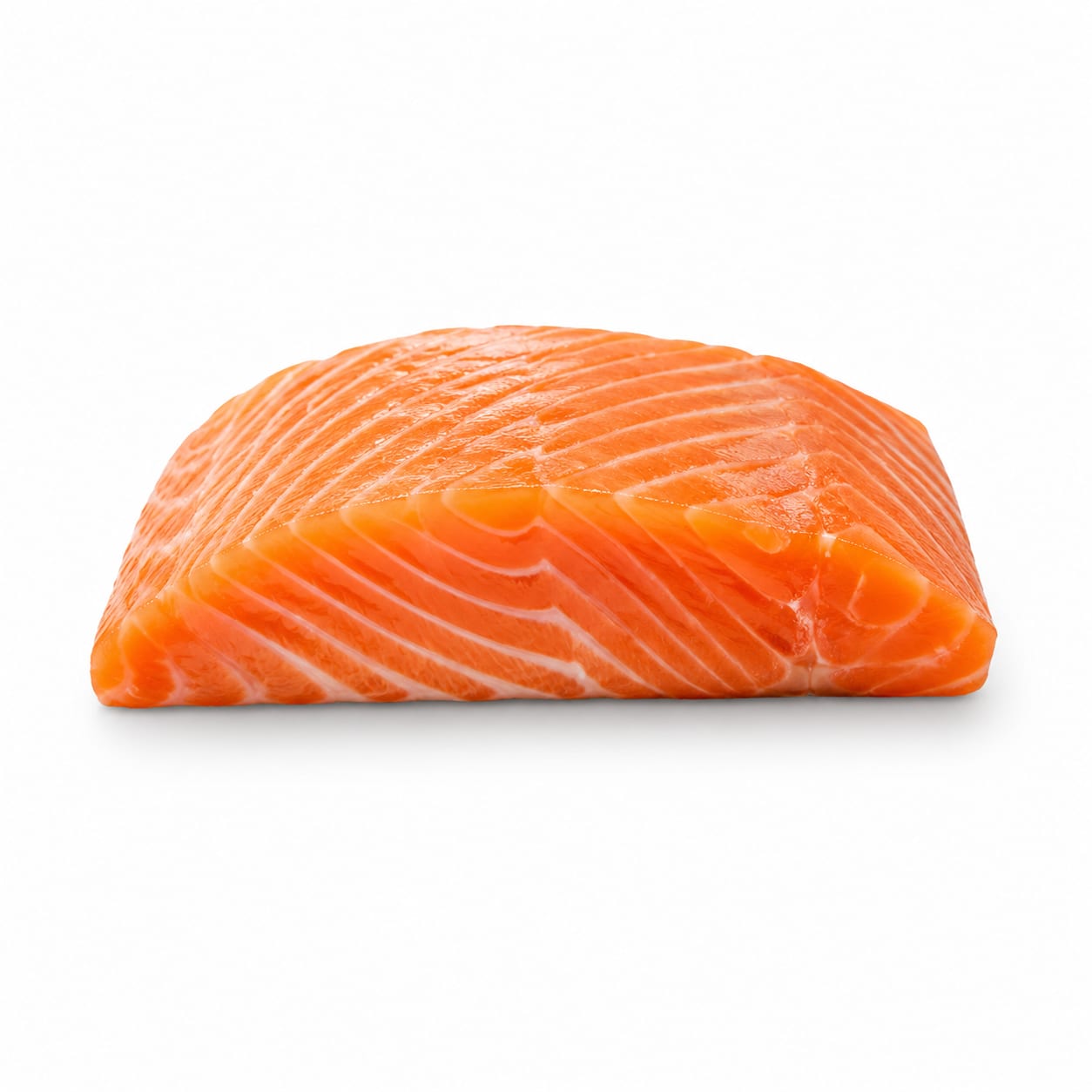
Compare with
Salmon
Salmon is rich in omega-3s and higher in calories, while tilapia is a lean, low-calorie protein source.
Tilapia is lower in calories and better for strict fat loss, while salmon provides more omega-3s and keeps you full longer.
This food
Tilapia
VS90% alike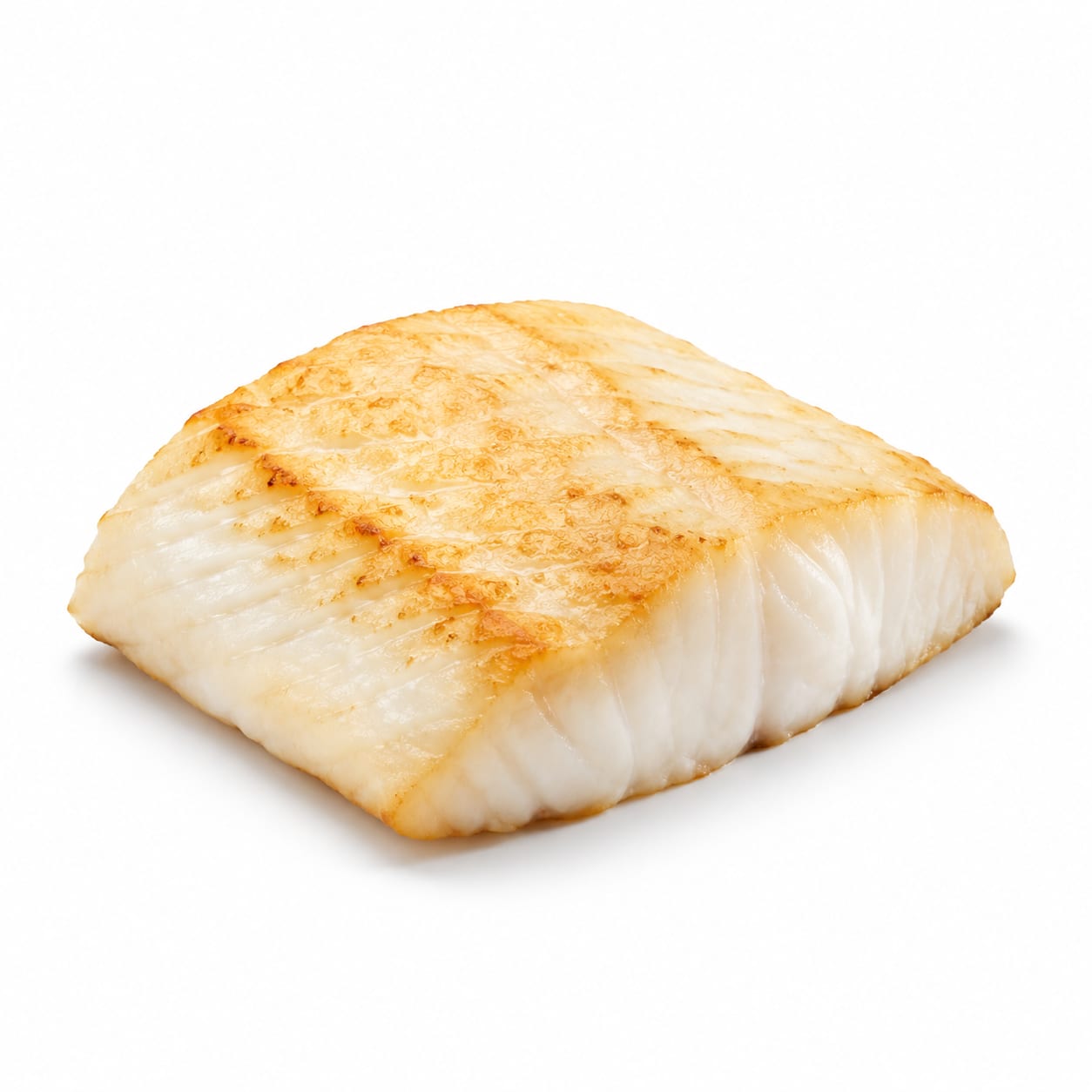
Compare with
Cod
Cod and tilapia are nutritionally similar lean proteins, though cod has slightly more omega-3s and a flakier texture.
Cod and tilapia are nearly identical in calories and protein, making both excellent lean fish choices.
This food
Tilapia
VS85% alike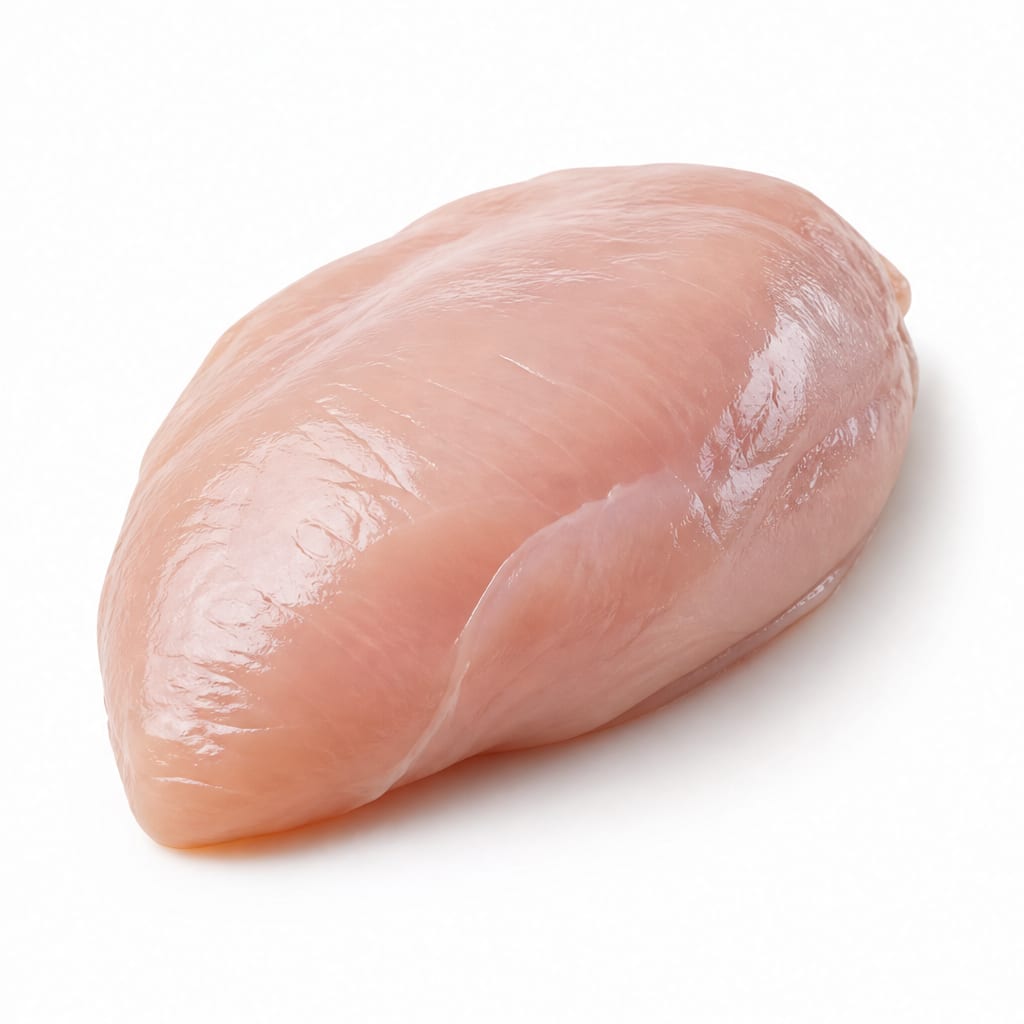
Compare with
Chicken Breast
Chicken breast has slightly more protein per calorie, but tilapia offers faster digestion and a seafood alternative.
Chicken breast is slightly higher in protein, but tilapia digests faster and provides similar low-calorie weight loss benefits.
This food
Tilapia
VS80% alike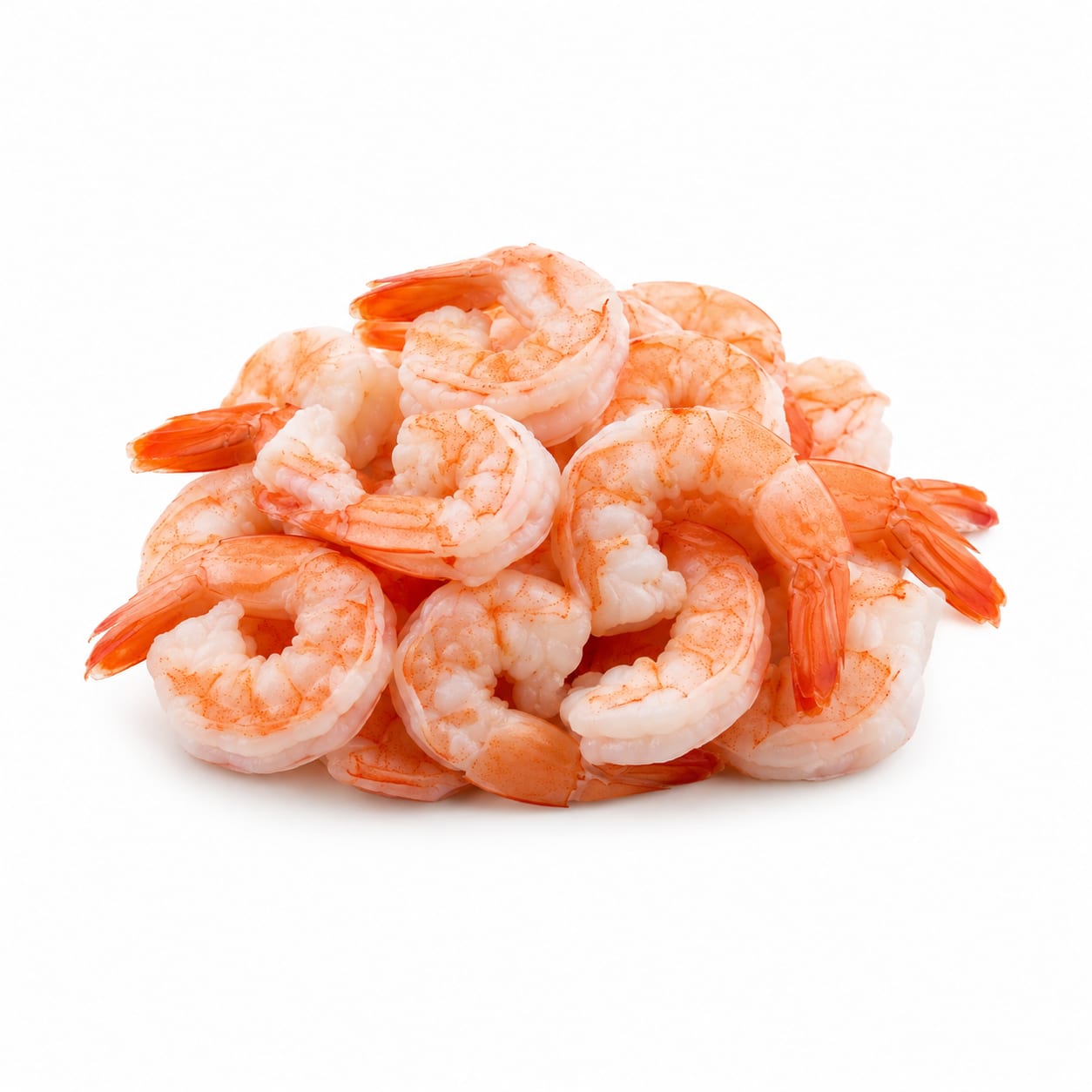
Compare with
Shrimp
Shrimp is lower in calories and higher in protein, but tilapia is more affordable and easier to cook in bulk.
Shrimp is lower in calories and higher in protein, while tilapia offers a more budget-friendly, filling portion size.
This food
Tilapia
VS85% alike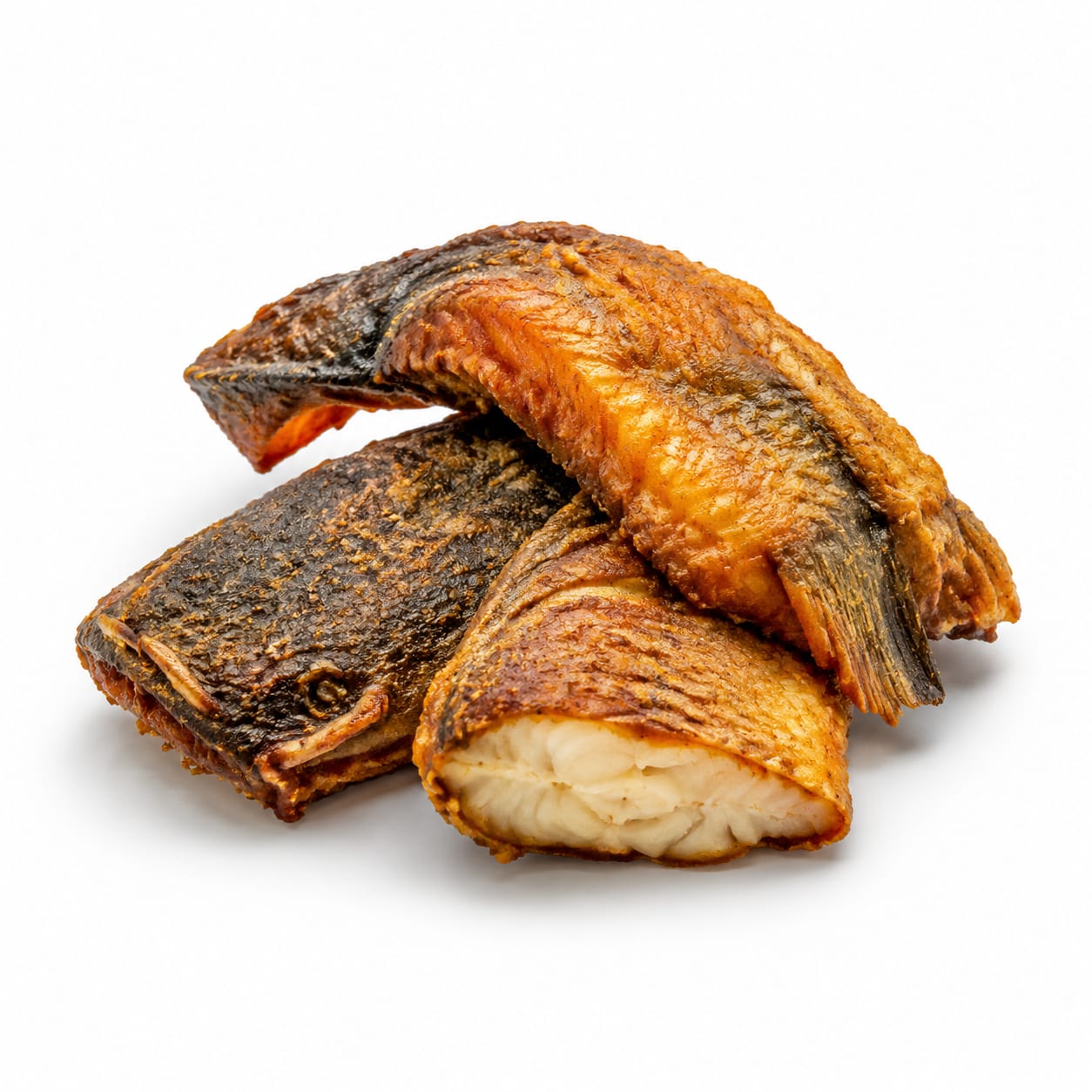
Compare with
Catfish
Catfish is slightly higher in fat and calories than tilapia, with a denser texture.
Tilapia is leaner and lower in calories than catfish, making it a better choice for strict weight loss.
This food
Tilapia
VS75% alike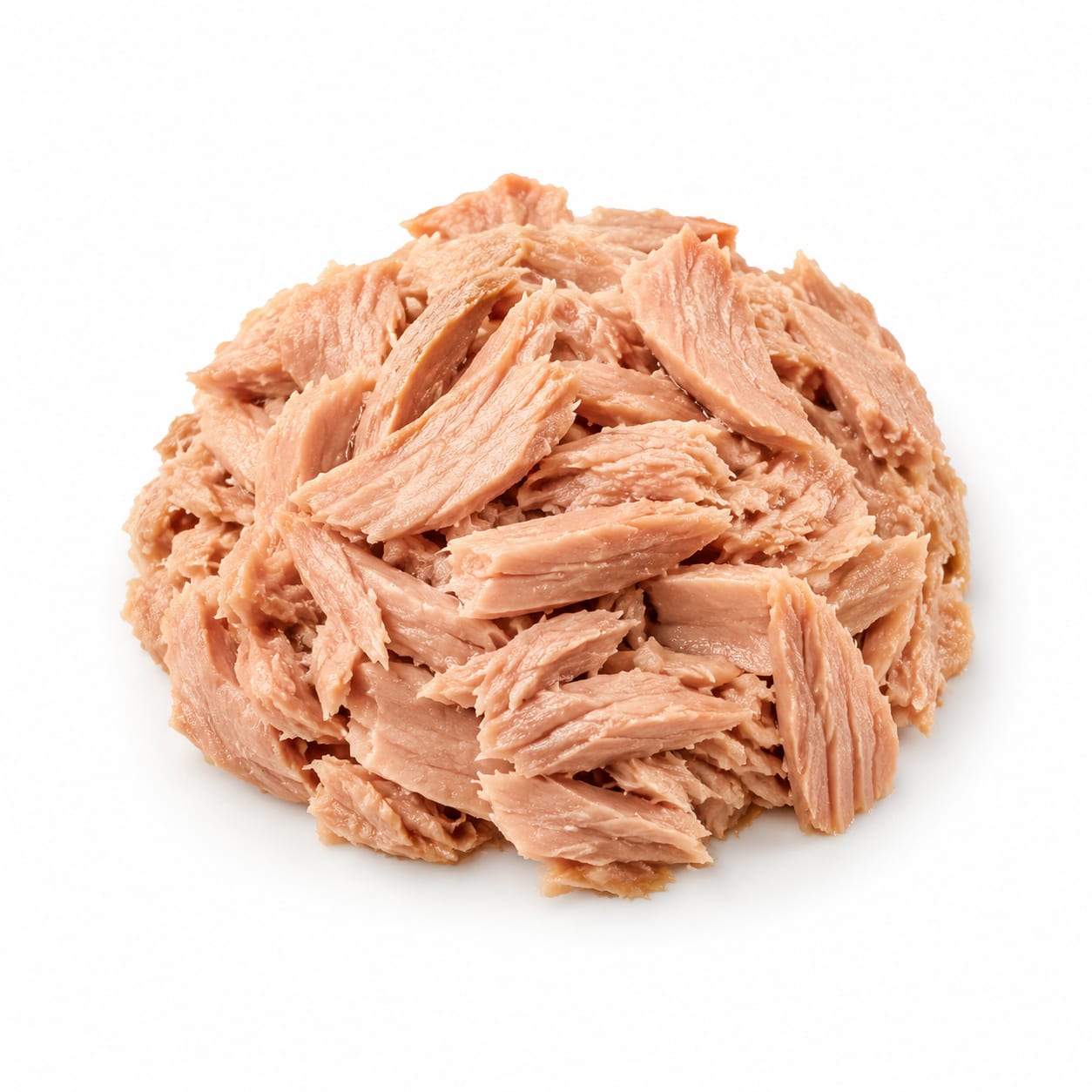
Compare with
Tuna
Tuna is higher in protein and omega-3s but carries a higher mercury risk than tilapia.
Tuna provides more protein and omega-3s, but tilapia is a safer low-mercury option for frequent consumption.
This food
Tilapia
VS95% alike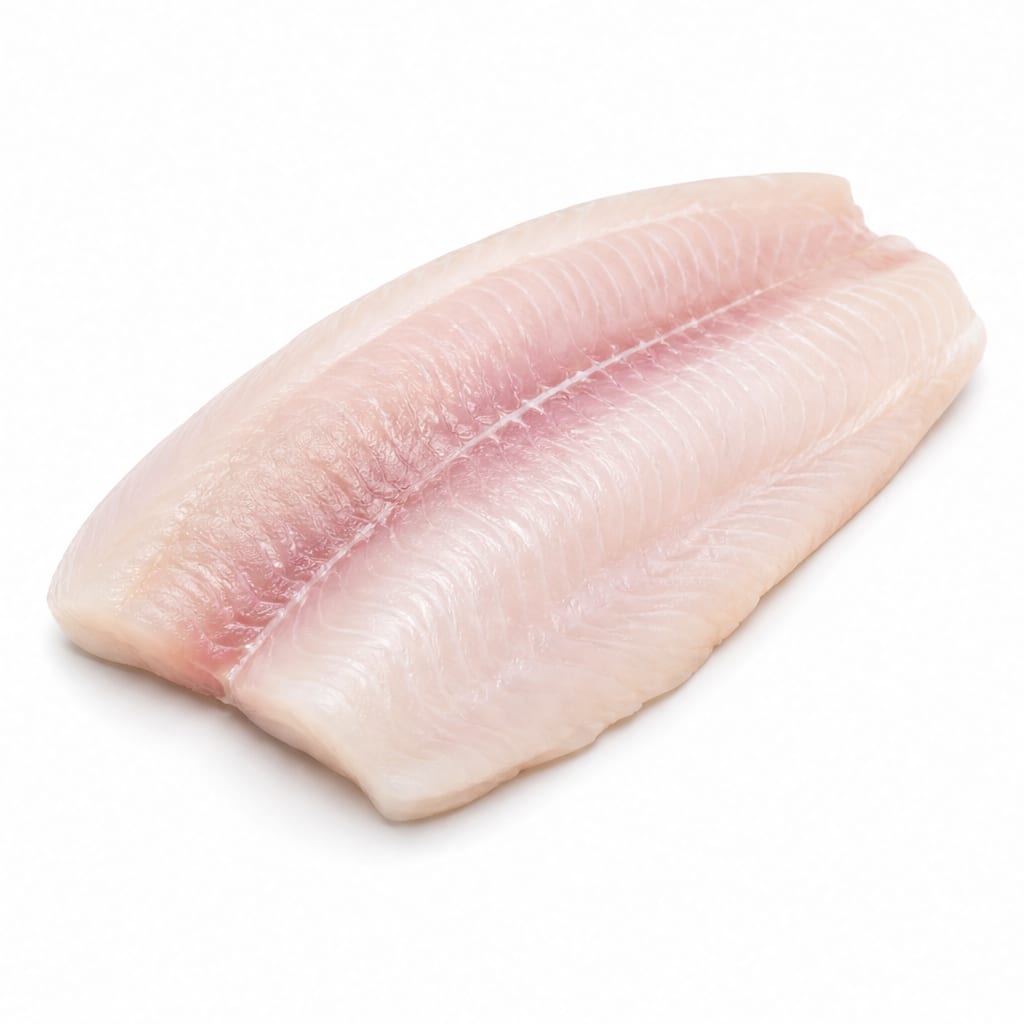
Compare with
Swai
Swai and tilapia are similar in calories and texture, but swai often has looser aquaculture regulations.
Swai and tilapia are nutritionally comparable, but tilapia generally has stricter farming regulations and better quality control.
This food
Tilapia
VS70% alike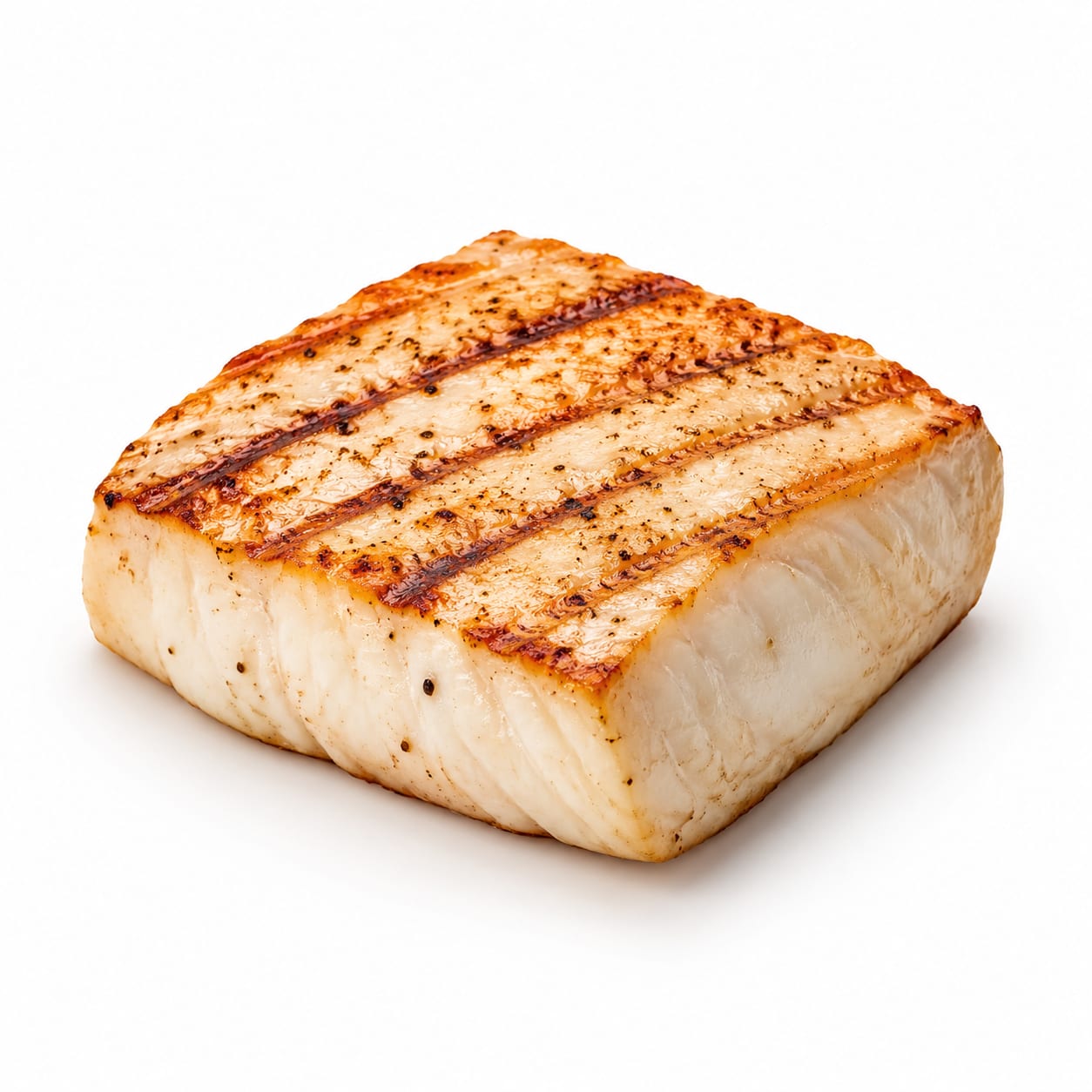
Compare with
Mahi Mahi
Mahi mahi is a wild-caught fish with slightly more protein and a richer nutrient profile than tilapia.
Mahi mahi offers more protein and a wild-caught nutrient profile, while tilapia is leaner and much more affordable.
This food
Tilapia
VS60% alike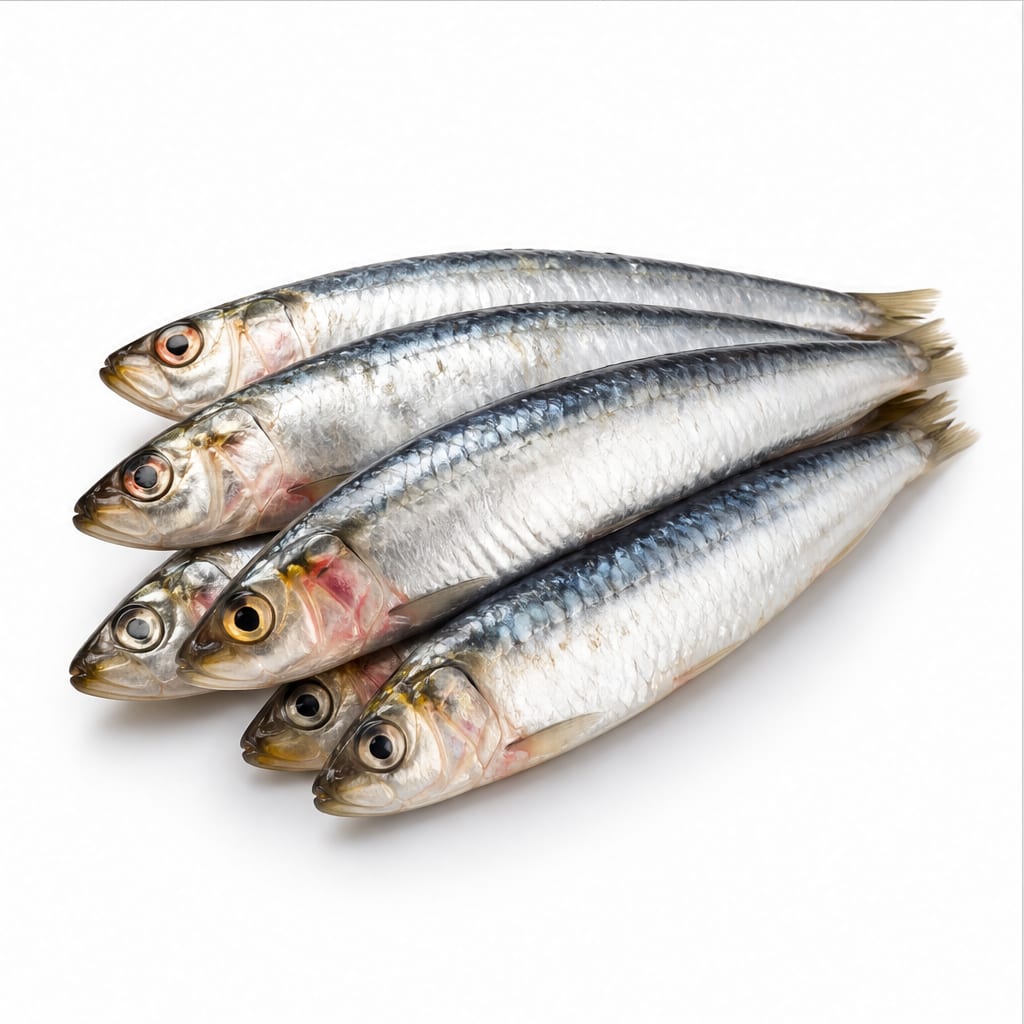
Compare with
Sardines
Sardines are an omega-3 powerhouse with high calcium, whereas tilapia is a lean, mild protein.
Sardines are vastly superior for omega-3s and bone health, while tilapia is better for low-calorie, low-fat diets.
This food
Tilapia
VS88% alike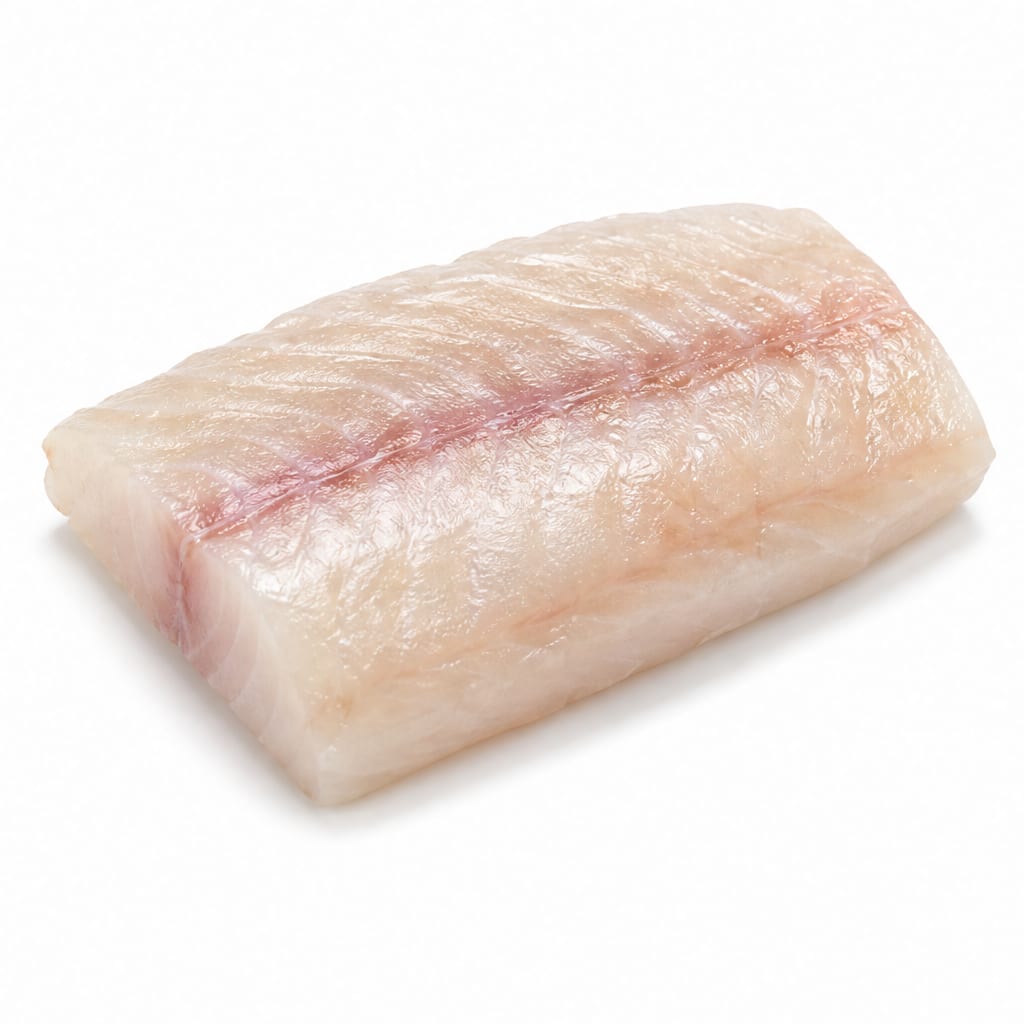
Compare with
Pollock
Pollock has slightly more omega-3s and is often wild-caught, while tilapia is predominantly farm-raised.
Pollock and tilapia are both excellent lean proteins, though pollock typically offers a slightly better omega-3 profile.
Common questions
FAQ
Answers aligned with how people search for this food.
Is tilapia good for weight loss?
Yes, tilapia is excellent for weight loss because it is very low in calories and fat while being high in protein, which helps you feel full longer.
Is tilapia bad for you because of omega-6?
No, while tilapia has more omega-6 than omega-3, its total fat content is so low that the absolute amount of omega-6 is insignificant and not inflammatory.
Does tilapia have mercury?
Tilapia is a low-mercury fish, making it a safer choice compared to large predatory fish like tuna or swordfish.
Can diabetics eat tilapia?
Yes, tilapia contains zero carbohydrates and will not spike blood sugar, making it a highly suitable protein source for diabetes management.
Is farm-raised tilapia safe to eat?
Farm-raised tilapia from regulated environments (like the US or with ASC certification) is safe, though some poorly regulated international farms may use antibiotics or raise fish in poor water quality.
Is tilapia a good source of protein?
Yes, tilapia provides about 20 grams of protein per 100-gram serving, making it a highly efficient protein source.
How does tilapia compare to salmon?
Tilapia is leaner and lower in calories than salmon, but salmon provides significantly more heart-healthy omega-3 fats.
What is the best way to cook tilapia?
Baking, grilling, or pan-searing tilapia with light seasoning keeps it healthy and prevents the lean meat from drying out.
Transparency
Data confidence
Estimated confidence for nutrition data, interpretation, safety notes, and comparisons.
Nutrition data
Health analysis
Food safety
Comparisons