
Nutrition comparison
Tilapia vs Swai: Which White Fish Is Healthier and Safer?
Compare Tilapia and Swai fish to discover which is safer, higher in protein, and better for your health. Learn about farming practices, additives, and nutrition.
Overall winner · Tilapia
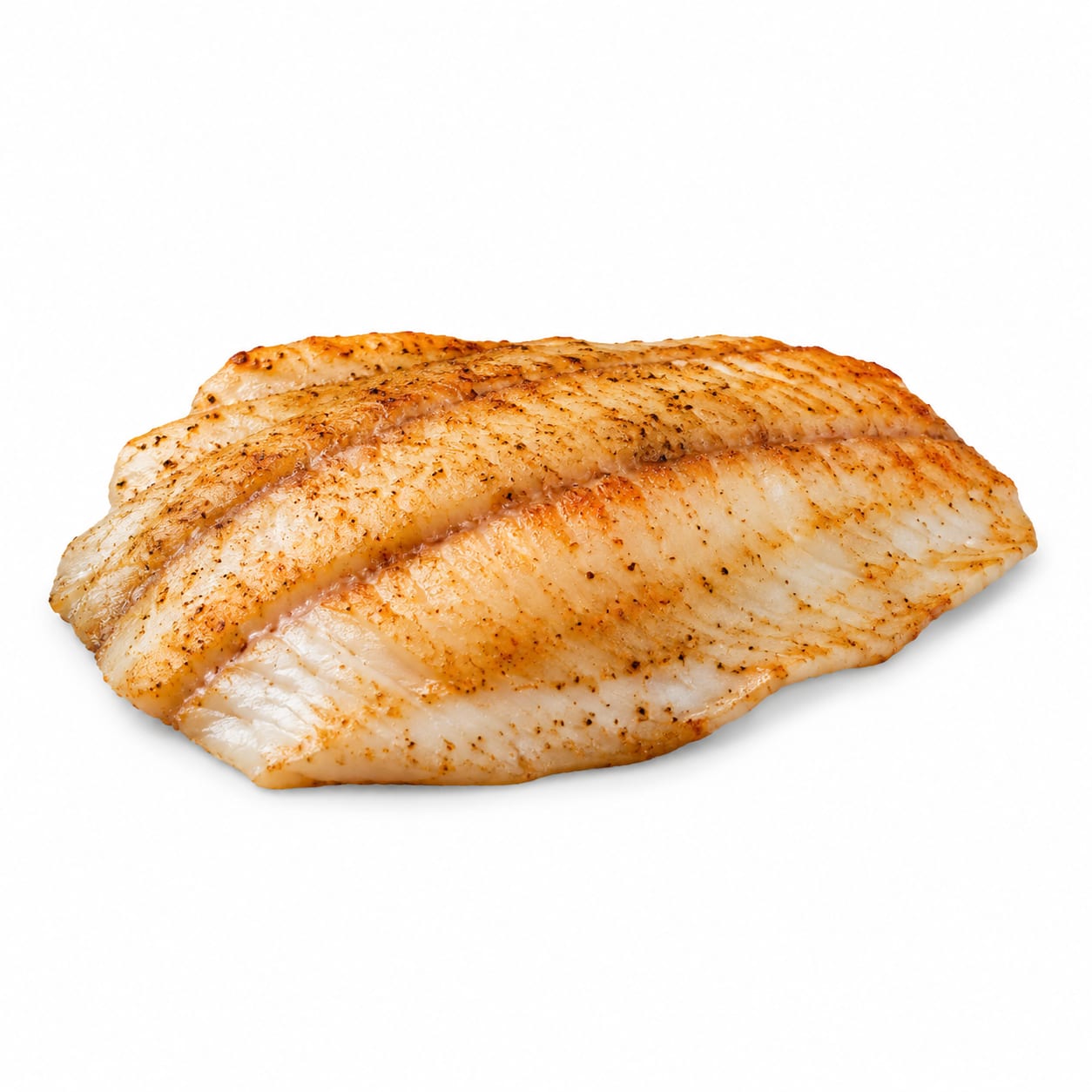
Tilapia
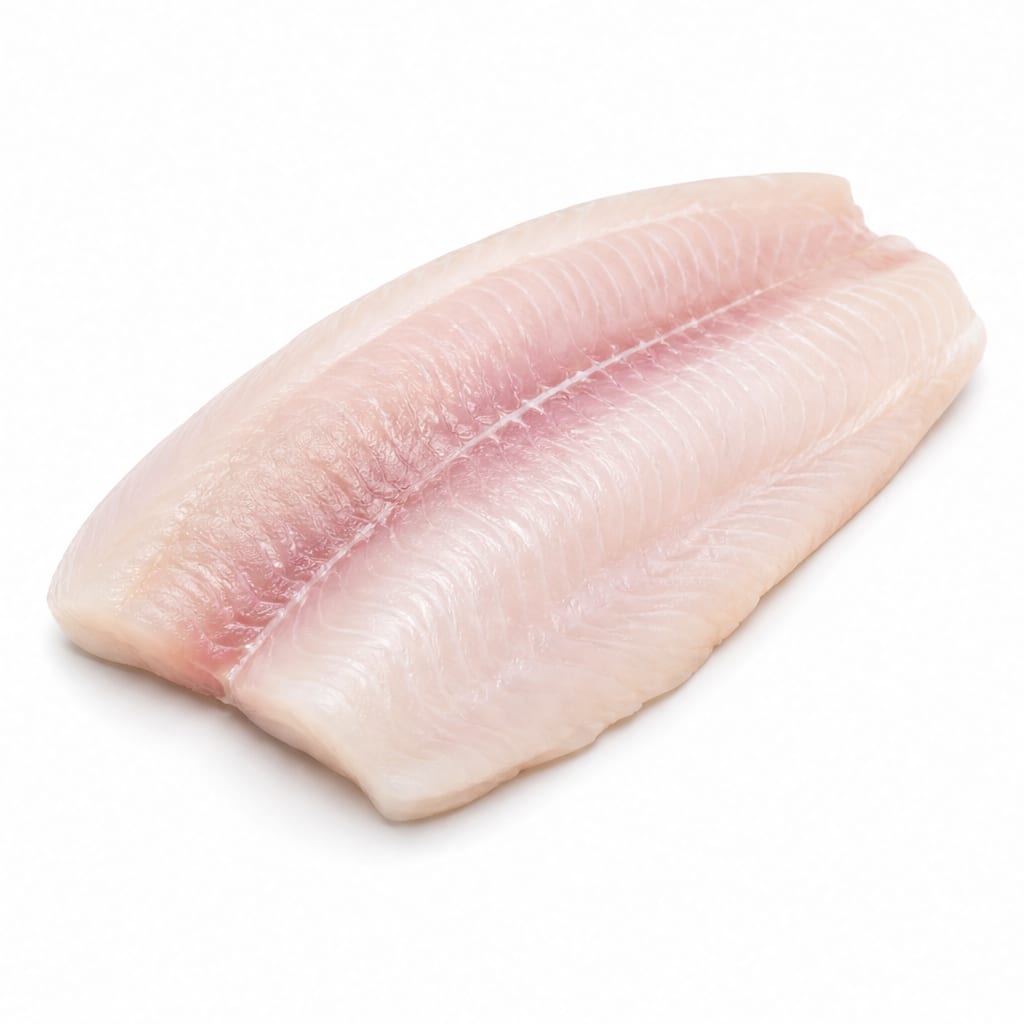
Swai
Tilapia offers better nutritional density and generally safer farming standards, while Swai is cheaper but carries higher risks regarding water retention additives and farming practices.
Tilapia scores moderately well due to decent protein and safer sourcing options, while Swai scores lower due to significant concerns over farming practices, lower protein density, and common use of moisture-retaining chemicals.
Paying slightly more for Tilapia buys you higher protein content and lower contamination risk, whereas Swai trades quality and safety for a lower price tag.
At a glance
Executive summary
Overall
Tilapia
Healthier
Tilapia
More practical
It depends
Daily use
Tilapia
Key comparison lenses
Food safety and contamination risk
Swai farming practices in Southeast Asia have faced scrutiny for antibiotic use and polluted water, making safety a primary concern.
Nutritional density and protein quality
Both are lean white fish, but users want to know which offers better protein and lower fat for their meals.
Additives and processing transparency
Frozen Swai is frequently treated with moisture-retaining chemicals, impacting its clean-eating appeal.
Budget and real-world value
Both are budget-friendly alternatives to pricier white fish, but true value depends on water weight and protein yield.
Best choice for
Tilapia
- People prioritizing food safety and strict farming standards
- Those wanting higher protein per calorie
- Families eating fish weekly
Swai
- Strict budget meal preppers
- Recipes requiring a very soft, flaky fish
- Occasional use where low cost is the main driver
Least suitable for
Tilapia
- Those avoiding all farm-raised fish
- People looking for high omega-3 intake
Swai
- People concerned about antibiotic and pollutant exposure
- Those avoiding phosphate additives
- Clean-eating purists
Deep comparison
Dimension by dimension
Each lens scores both foods and breaks down who each option suits.
- Dimension 1 · Priority 85Tilapia
Nutritional Value & Protein Density
Tilapia · 75Swai · 55Tilapia provides more protein and fewer calories per serving than Swai, which tends to be higher in fat and lower in protein density.
Tradeoff
You get more muscle-building protein from Tilapia, while Swai delivers a softer texture at the cost of lower nutritional payoff.
Why it matters
If you're eating fish for lean protein, Swai's higher fat and lower protein content makes it a less efficient choice.
Real-world impact
A Tilapia fillet keeps you fuller longer with fewer calories, making it easier to hit your protein goals without overeating.
Tilapia
- Lean muscle gain
- Low-calorie diets
- Macro tracking
Better for
- People who find lean fish too dry
Worse for
Swai
- Those who prefer richer, softer fish
- Low-carb high-fat diets if not strict on protein
Better for
- Strict calorie or macro counters
- High-protein diets
Worse for
- Dimension 2 · Priority 95Tilapia
Food Safety & Contamination Risk
Tilapia · 70Swai · 40Swai farming in Southeast Asia has historically struggled with antibiotic use and polluted water, whereas Tilapia from regulated regions has stricter oversight.
Tradeoff
Cheaper Swai often means opaque farming practices, while Tilapia gives you a better shot at traceable, safer sourcing.
Why it matters
Frequent consumption of fish raised with antibiotics or in polluted waters can disrupt gut health and increase exposure to heavy metals.
Real-world impact
Choosing Tilapia from trusted sources reduces the anxiety of hidden contaminants, making it a safer weekly staple.
Tilapia
- Families
- Pregnant women (if from safe sources)
- Regular fish eaters
Better for
- Those who buy the cheapest imported options without checking origins
Worse for
Swai
- Occasional diners where exposure risk is minimal
Better for
- People with compromised immune systems
- Frequent consumers
- Those avoiding antibiotics in food
Worse for
- Dimension 3 · Priority 80Tilapia
Additives & Processing
Tilapia · 70Swai · 45Frozen Swai fillets are frequently treated with sodium tripolyphosphate to retain water and improve texture, whereas fresh Tilapia is typically additive-free.
Tradeoff
Swai's plump, moist texture often comes from chemical additives, while Tilapia's texture is naturally firm.
Why it matters
Moisture-retaining additives increase sodium content and mean you are paying for water weight rather than actual fish.
Real-world impact
Cooking Swai can release a lot of white foam as additives leach out, leaving you with less actual food on your plate than you paid for.
Tilapia
- Clean label diets
- Sodium-sensitive individuals
- Those wanting 100% fish
Better for
- People who find unadulterated fish too firm or dry
Worse for
Swai
- Those who do not mind additives for a softer mouthfeel
Better for
- Whole foods purists
- People watching sodium closely
Worse for
- Dimension 4 · Priority 75Swai
Affordability & Value
Tilapia · 65Swai · 85Swai is one of the cheapest fish on the market, making it highly accessible, though the true value is debatable due to water weight.
Tradeoff
Swai costs less upfront, but the added water weight and lower protein mean you get less nutritional bang for your buck.
Why it matters
Budget constraints are real, but perceived savings can be misleading if a large portion of the weight is retained water.
Real-world impact
Swai lets you put fish on the table for less money, but a Tilapia fillet yields more actual protein per dollar spent.
Tilapia
- Value shoppers looking for protein per dollar
- Those buying fresh over frozen
Better for
- Those who need the absolute cheapest protein source
Worse for
Swai
- Extremely tight budgets
- Bulk frozen meal prep
Better for
- Shoppers who care about true cost versus nutritional yield
Worse for
- Dimension 5 · Priority 70It depends
Taste & Culinary Versatility
Tilapia · 75Swai · 70Tilapia is firm and holds up well to grilling or frying, while Swai is softer and more delicate, suited for gentle poaching or breading.
Tradeoff
Tilapia's firmness makes it more versatile for various cooking methods, whereas Swai's delicate texture can fall apart easily.
Why it matters
The right texture depends on the recipe; a firm fish is better for tacos, while a soft fish works well in a creamy chowder.
Real-world impact
If you are making fish tacos or pan-searing, Tilapia will not fall apart. If you want a melt-in-your-mouth breaded fillet, Swai works fine.
Tilapia
- Fish tacos
- Pan-searing
- Grilling
- Baking
Better for
- Recipes requiring a very soft, flaky texture
Worse for
Swai
- Fish stews
- Chowders
- Deep-fried dishes
- Creamy bakes
Better for
- Grilling
- High-heat searing
- Dishes needing structural integrity
Worse for
Timeline
Health impact over time
Short-term
Hours to days
Tilapia
- Steady energy from lean protein
- Light, easy-to-digest meal
Swai
- Potential digestive upset if sensitive to phosphates
- Less satiating due to lower protein content
Long-term
Months to years
Tilapia
- Better muscle maintenance from consistent high-quality protein
- Lower risk of contaminant buildup if sourced well
Swai
- Potential exposure to antibiotic residues or heavy metals with frequent consumption
- Higher sodium intake from moisture-retaining additives
Risk profile
Safety & processing
Fresh Tilapia is typically a single-ingredient whole food, while commercially frozen Swai often contains phosphate additives to preserve moisture and increase weight.
Tilapia
Contamination from unregulated farms
mediumTilapia from certain regions can have higher exposure to antibiotics and polluted water; always check country of origin.
Omega-6 to Omega-3 imbalance
lowTilapia has a less favorable fat profile than salmon, but this is only a concern if it is your sole fat source.
Swai
Antibiotic and chemical residues
highSwai farms in Vietnam have repeatedly failed inspections for banned antibiotics and unsafe chemical residues.
Sodium tripolyphosphate sensitivity
mediumCommonly used to treat Swai, this additive increases hidden sodium and can cause digestive issues in sensitive individuals.
Who wins for whom
Audience fit
Same foods, different winners depending on your goal.
children
TilapiaLower contamination risk and fewer additives make Tilapia a safer choice for developing bodies, provided it is sourced from reputable regions.
daily consumption
TilapiaBetter safety profile and cleaner ingredient list make Tilapia more suitable as a regular dietary staple.
diabetes
TilapiaTilapia has zero carbs and higher protein, which stabilizes blood sugar better than lower-protein Swai.
elderly
TilapiaThe firm texture and higher protein help prevent muscle loss, and safer sourcing reduces long-term health risks.
muscle gain
TilapiaHigher protein density per serving helps repair and build muscle more efficiently.
weight loss
TilapiaTilapia has more protein and fewer calories, making it more filling and easier to fit into a calorie deficit.
Your move
Decision guide
Choose Tilapia
- You want the safest possible white fish for your family
- You are tracking macros and need high protein per calorie
- You prefer fresh fish over frozen fillets with additives
- You are grilling, pan-searing, or making fish tacos
Choose Swai
- Budget is the absolute top priority
- You are making a dish where a soft, delicate fish is preferred
- You only eat fish occasionally and want the cheapest option
Either works if
- You are breading and deep-frying the fish, which masks the natural texture and flavor
- You just need a mild, non-fishy protein for a recipe with heavy sauces
Avoid both if
- You are looking for a rich source of heart-healthy Omega-3s, choose salmon or sardines instead
- You strictly avoid all farm-raised seafood
Final recommendation
Opt for Tilapia—especially fresh or from well-regulated farms—as your everyday white fish. It delivers better nutrition and a cleaner safety profile. Reserve Swai for rare occasions when budget constraints are tight and the fish is heavily seasoned or breaded.
Practical
Consumer tips
- 1
When buying Tilapia, look for fish sourced from the US, Canada, or Ecuador to ensure better farming standards.
- 2
Avoid any frozen fish that lists sodium tripolyphosphate on the ingredient label.
- 3
If Swai is your only option, thaw it and pat it very dry to remove some of the excess moisture from additives.
- 4
Since neither fish is rich in Omega-3s, pair them with a side of leafy greens or a healthy fat like olive oil to balance your meal.