
Nutrition comparison
Tilapia vs Pollock: Which White Fish is Healthier?
Compare Tilapia vs Pollock to see which lean fish is better for your health, from omega-3 content and sustainability to safety and taste.
Overall winner · Pollock
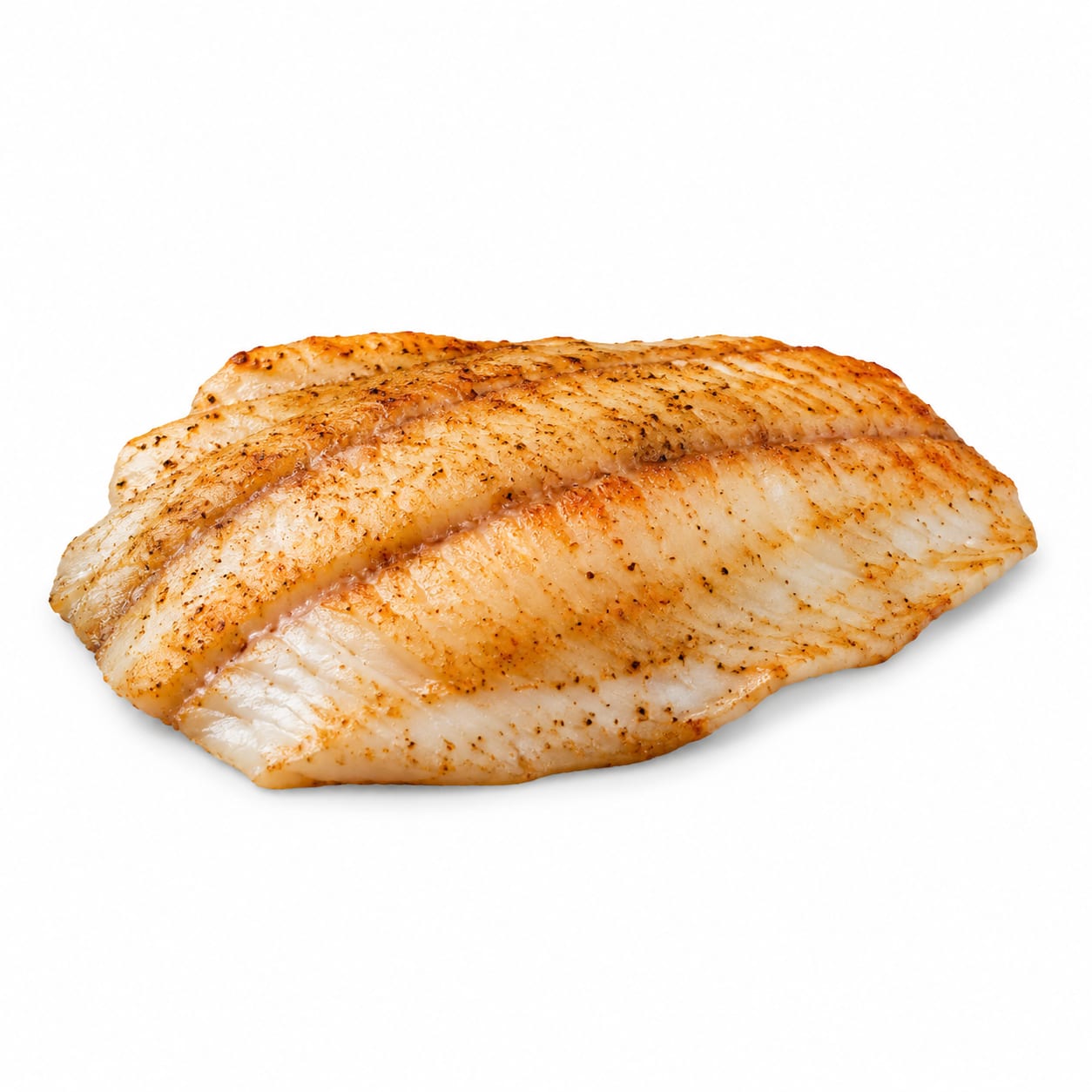
Tilapia
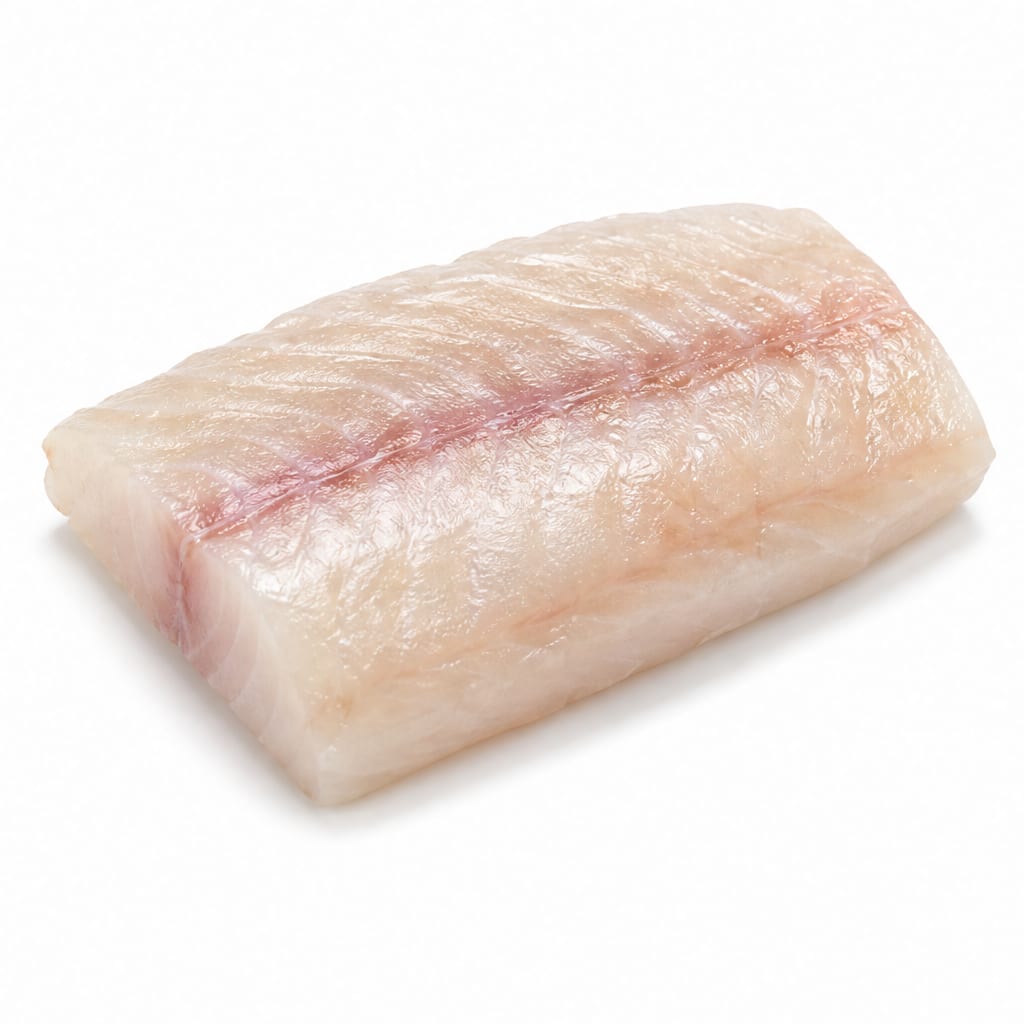
Pollock
Pollock edges out Tilapia thanks to a superior omega-3 profile, wild-caught sustainability, and lower contaminant risks, though both are solid lean protein sources.
Pollock scores significantly higher due to its wild-caught nature, better fat profile, and lower contamination risks. Tilapia remains a decent budget protein but falls short on long-term health and sustainability metrics.
Tilapia offers a firmer texture and slightly lower price, but Pollock delivers better healthy fats and a cleaner sourcing story.
At a glance
Executive summary
Overall
Pollock
Healthier
Pollock
More practical
Tilapia
Daily use
Pollock
Key comparison lenses
Omega-3 to Omega-6 fat balance
Tilapia is notorious for a less favorable omega-6 to omega-3 ratio due to its grain-based farmed diet, while wild Pollock offers a much healthier anti-inflammatory profile.
Sourcing and sustainability
Pollock is wild-caught and highly sustainable, whereas Tilapia is almost entirely farmed with widely varying environmental and ethical standards.
Contaminant and antibiotic exposure
Farmed Tilapia carries a higher risk of antibiotic residue and poor water quality compared to clean, wild-caught Pollock.
Lean protein quality
Both are affordable, lean white fish, making them popular everyday protein sources for muscle maintenance and weight management.
Best choice for
Tilapia
- Budget-conscious meal prep
- Those who prefer a firmer, meatier fish fillet
Pollock
- Heart health focused diets
- Sustainability-minded consumers
- Those seeking anti-inflammatory benefits
Least suitable for
Tilapia
- People strictly managing omega-6 intake
- Those avoiding farmed seafood
Pollock
- Recipes requiring a very firm, steak-like fish
Deep comparison
Dimension by dimension
Each lens scores both foods and breaks down who each option suits.
- Dimension 1 · Priority 95Pollock
Fat Profile & Inflammation
Tilapia · 40Pollock · 85Pollock provides more anti-inflammatory omega-3s and fewer omega-6s than Tilapia, which has a less favorable fat ratio due to its grain-based farmed diet.
Tradeoff
You trade the firm texture of Tilapia for a healthier fat balance in Pollock.
Why it matters
A diet high in omega-6 and low in omega-3 can promote inflammation over time.
Real-world impact
Eating Pollock instead of Tilapia a few times a week better supports heart and joint health without needing fish oil supplements.
Tilapia
- Budget meals needing a neutral protein base
Better for
- Anti-inflammatory diets
- Omega-3 optimization
Worse for
Pollock
- Reducing systemic inflammation
- Heart health
- Balancing dietary fats
Better for
- Those who simply dislike flaky fish
Worse for
- Dimension 2 · Priority 90Pollock
Sourcing & Sustainability
Tilapia · 45Pollock · 95Pollock is wild-caught and one of the most sustainably managed fisheries in the world, whereas Tilapia is predominantly farmed with varying environmental standards.
Tradeoff
Tilapia's farming makes it cheap and available year-round, but it comes with a larger ecological footprint and less transparency.
Why it matters
Overfarming and habitat destruction are real consequences of poorly managed aquaculture.
Real-world impact
Choosing Pollock gives you confidence that your seafood choice isn't degrading aquatic ecosystems.
Tilapia
- Consistent availability at very low prices
Better for
- Environmentally focused consumers
Worse for
Pollock
- Eco-conscious diets
- Sustainable meal planning
Better for
- Situations where only farmed fish is accessible
Worse for
- Dimension 3 · Priority 85Pollock
Contaminant & Safety Profile
Tilapia · 55Pollock · 90Wild Pollock has very low mercury and no antibiotic exposure, while farmed Tilapia carries risks of antibiotic residue and poorer water quality depending on its origin.
Tradeoff
Tilapia is incredibly cheap partly because farming practices cut corners in some regions, requiring careful label reading to ensure safety.
Why it matters
Antibiotic-resistant bacteria and heavy metals are compounding health risks you want to minimize.
Real-world impact
You can eat Pollock frequently with minimal safety concerns, whereas Tilapia requires vetting the source to eat with peace of mind.
Tilapia
- When certified by strict aquaculture councils (ASC)
Better for
- Those highly sensitive to foodborne contaminants
Worse for
Pollock
- Frequent fish eaters
- Minimizing toxin exposure
Better for
- People with specific wild-parasite anxieties (easily neutralized by cooking)
Worse for
- Dimension 4 · Priority 75It depends
Protein Quality & Satiety
Tilapia · 82Pollock · 80Both are excellent lean protein sources that keep you full and support muscle maintenance without a heavy calorie load.
Tradeoff
Tilapia is slightly firmer and meatier, which some find more satisfying, while Pollock is flakier and lighter.
Why it matters
Lean protein is the cornerstone of weight management and metabolic health.
Real-world impact
Either fish makes a great post-workout dinner that fills you up without leaving you sluggish.
Tilapia
- Those who prefer a denser, meatier bite
Better for
- People who dislike firm fish
Worse for
Pollock
- Those who prefer a lighter, flakier texture
Better for
- People who dislike flaky fish
Worse for
Timeline
Health impact over time
Short-term
Hours to days
Tilapia
- Quick digesting lean protein
- Mild flavor that easily takes on seasonings
Pollock
- Light, easy on the stomach meal
- Steady energy without heaviness
Long-term
Months to years
Tilapia
- Potential inflammatory load if eaten as the sole fish due to high omega-6
- Reliable muscle maintenance from consistent protein
Pollock
- Better cardiovascular protection from omega-3s
- Lower cumulative toxin exposure for long-term eaters
Risk profile
Safety & processing
When bought as fresh or frozen fillets, both Tilapia and Pollock are minimally processed whole foods. Watch out for Pollock in processed forms like surimi or fish sticks, which add fillers and sodium.
Tilapia
Antibiotic residue
mediumImported farmed Tilapia may be raised with antibiotics that contribute to resistance, though US regulations are stricter.
Poor water quality
mediumSome international farms have high-density conditions leading to higher waste exposure in the fish.
Pollock
Parasites
lowAs a wild fish, it can carry natural parasites, but proper cooking or freezing completely eliminates this risk.
Histamine toxicity
lowIf improperly chilled after catch, it can cause scombroid poisoning, but this is rare with commercial handling.
Who wins for whom
Audience fit
Same foods, different winners depending on your goal.
children
PollockPollock offers brain-developing omega-3s and has extremely low mercury, making it safer and more beneficial for growing kids.
daily consumption
PollockPollock's clean wild-caught profile and better fat balance make it a safer choice to eat multiple times a week.
diabetes
PollockPollock's better omega-3 profile supports insulin sensitivity and reduces inflammation, which is crucial for diabetes management.
elderly
PollockThe anti-inflammatory fats and low contaminant levels in Pollock better protect aging hearts and minds.
muscle gain
It dependsBoth provide about 20g of high-quality protein per serving, supporting muscle repair efficiently.
weight loss
It dependsBoth are incredibly low in calories and fat while being high in protein, making them equally great for weight loss.
Your move
Decision guide
Choose Tilapia
- You are on a very tight grocery budget
- You prefer a firmer, steak-like fish texture that holds up well to grilling
- You can verify it is responsibly farmed (e.g., ASC certified or US-sourced)
Choose Pollock
- You want more omega-3s without eating strong-tasting fatty fish
- Sustainability and wild-caught sourcing matter to you
- You want the safest option for frequent family meals
Either works if
- You just need a lean protein to throw into fish tacos
- You are meal-prepping bulk lunches for the week
Avoid both if
- You have a severe fish allergy
- You are looking for the high omega-3 content found in salmon or sardines
Final recommendation
Make Pollock your go-to for everyday lean protein. It gives you the benefits of wild-caught seafood without the high price of premium fish. Save Tilapia for when budget or recipe texture demands it, and always check the label for responsible farming practices.
Practical
Consumer tips
- 1
Look for country of origin on Tilapia; US, Canadian, and Ecuadorian farms typically have stricter regulations than others.
- 2
Buy Pollock as plain frozen fillets rather than breaded sticks to avoid excess sodium and refined carbs.
- 3
Marinate both fish in citrus and herbs—since they are mild, they benefit from the flavor boost without adding calories.
- 4
Thaw frozen fillets in the fridge overnight for the best texture, especially for flaky Pollock.