
Nutrition comparison
Tilapia vs Shrimp: Nutrition, Safety, and Which is Healthier
Compare Tilapia vs Shrimp for protein, cholesterol, mercury, and weight loss. Find out which seafood is better for your diet and budget.
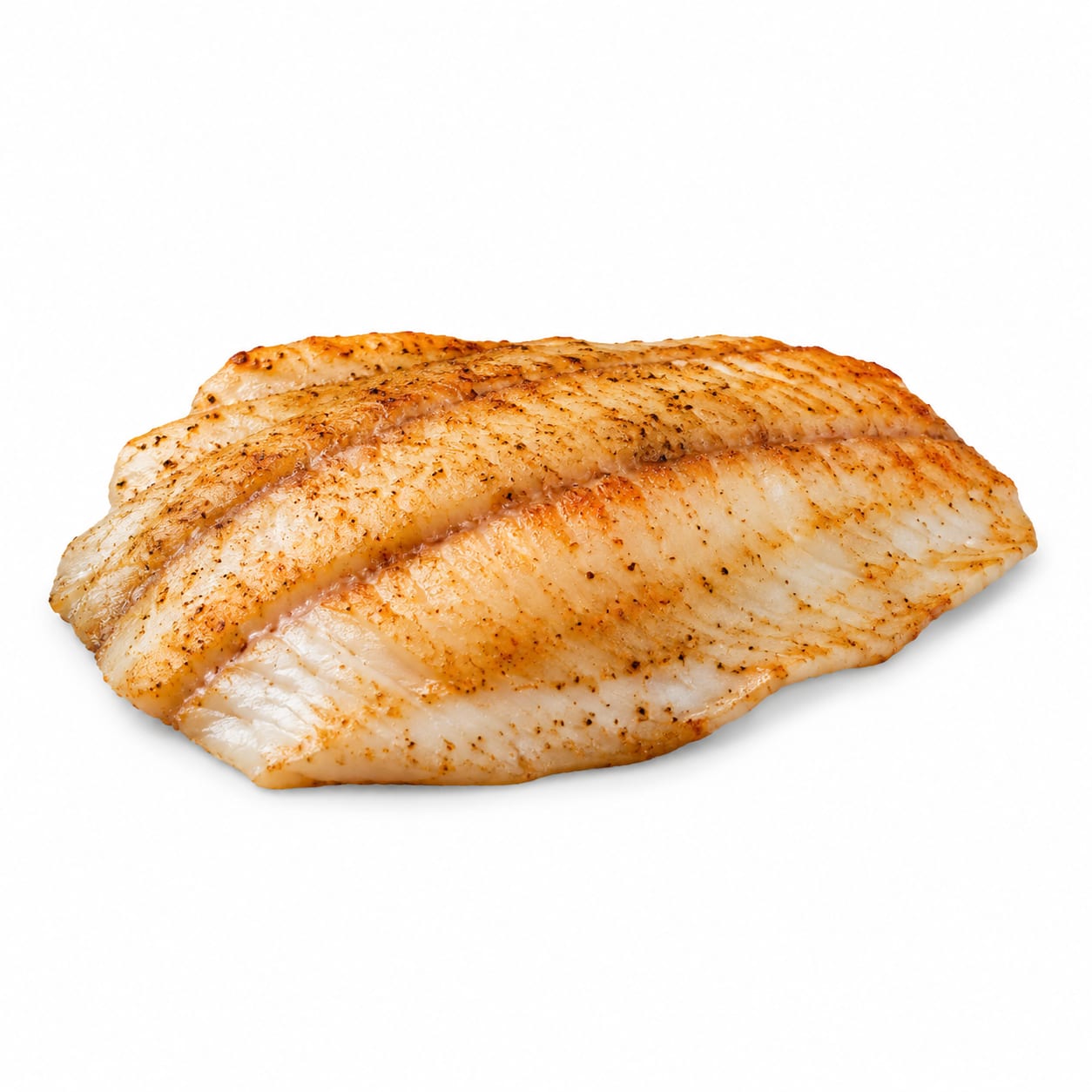
Tilapia
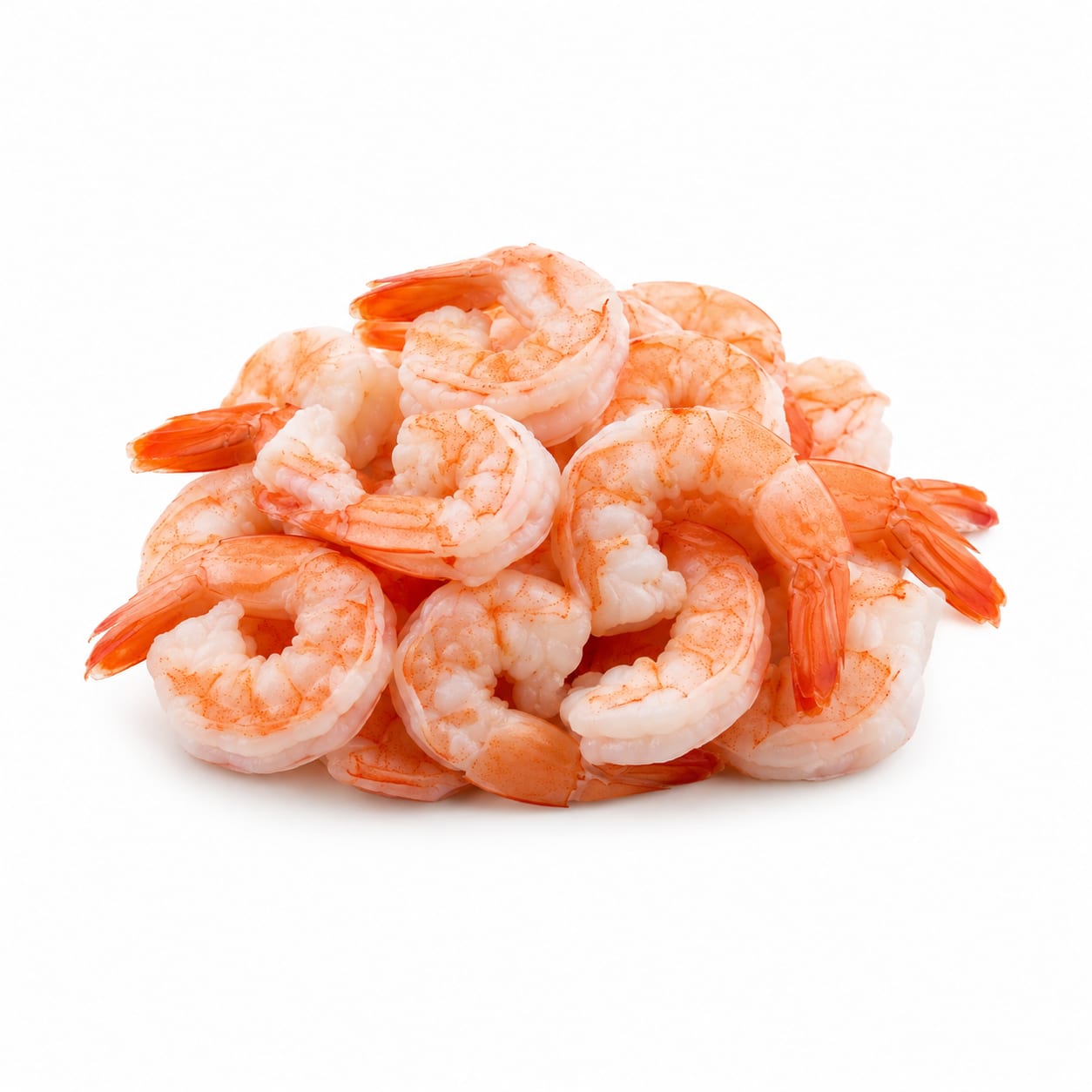
Shrimp
Shrimp delivers far more nutrients per calorie and is better for strict weight loss, while Tilapia offers budget-friendly, versatile protein with zero cholesterol concerns.
Shrimp scores higher due to its exceptional micronutrient density and leanness, but Tilapia remains competitive because of its unmatched affordability and cholesterol-free profile.
Shrimp provides superior micronutrients and leanness but costs more and packs high dietary cholesterol; Tilapia is cheaper and cholesterol-free but carries a less impressive nutrient profile and farming reputation.
At a glance
Executive summary
Overall
It depends
Healthier
Shrimp
More practical
Tilapia
Daily use
Tilapia
Key comparison lenses
Cholesterol and heart health impact
Shrimp is notoriously high in dietary cholesterol while Tilapia has virtually none, making this a primary concern for many diners
Farming practices and contaminant safety
Both are heavily farmed seafood with known risks regarding antibiotics, water quality, and preservatives like sulfites
Budget and everyday affordability
Tilapia is one of the cheapest proteins available, whereas Shrimp is often considered a premium item
Lean protein for weight management
Both are popular low-calorie, high-protein options for dieters, but their calorie density differs significantly
Best choice for
Tilapia
- Budget-conscious families needing affordable lean protein
- People strictly monitoring dietary cholesterol
- Meal preppers wanting a mild fish that absorbs flavors easily
Shrimp
- Low-calorie dieters seeking maximum protein per bite
- Older adults needing B12 and selenium for brain and immune health
- Those looking for quick-cooking, nutrient-dense appetizers
Least suitable for
Tilapia
- Those avoiding farmed fish due to ecological or antibiotic concerns
- People prioritizing high omega-3 intake for anti-inflammatory benefits
Shrimp
- People with shellfish allergies
- Those on strict, doctor-ordered low-cholesterol diets
Deep comparison
Dimension by dimension
Each lens scores both foods and breaks down who each option suits.
- Dimension 1 · Priority 90Shrimp
Protein Quality & Satiety
Tilapia · 75Shrimp · 88Shrimp provides more protein per calorie, making it highly filling for its caloric cost.
Tradeoff
Tilapia is still satisfying but comes with slightly more fat and less protein density per serving.
Why it matters
Higher protein density helps with portion control and staying full longer without overeating calories.
Real-world impact
A shrimp dinner leaves you satisfied with fewer calories, whereas Tilapia might require larger portions to feel equally full.
Tilapia
- Those who prefer thicker, meatier fillets over small bites
Better for
- Strict calorie restrictors wanting maximum volume
Worse for
Shrimp
- Calorie counters
- Post-workout recovery meals
Better for
- Those with shellfish allergies
Worse for
- Dimension 2 · Priority 88Tilapia
Heart Health & Lipids
Tilapia · 78Shrimp · 65Tilapia has virtually no dietary cholesterol and very low saturated fat, while Shrimp is famously high in cholesterol.
Tradeoff
Shrimp's cholesterol doesn't affect blood cholesterol for most people, but it remains a dealbreaker for those strictly monitoring it.
Why it matters
Dietary cholesterol matters for hyper-responders, while omega-6 concerns in Tilapia are often exaggerated but worth noting.
Real-world impact
If your doctor told you to watch dietary cholesterol, Tilapia is the safer dinner choice.
Tilapia
- People with high blood cholesterol
- Hyper-responders to dietary cholesterol
Better for
- People prioritizing high omega-3 intake for heart health
Worse for
Shrimp
- Those with normal lipid panels focusing on low saturated fat
Better for
- People on strict low-cholesterol diets
Worse for
- Dimension 3 · Priority 82Shrimp
Micronutrient Density
Tilapia · 55Shrimp · 92Shrimp is loaded with vitamin B12, selenium, and iodine. Tilapia offers decent B-vitamins but falls short on these specific powerhouses.
Tradeoff
You eat Shrimp and get a massive chunk of your daily selenium and B12; Tilapia requires you to get those nutrients elsewhere.
Why it matters
B12 and selenium are crucial for energy and thyroid function, and Shrimp delivers them efficiently.
Real-world impact
Eating Shrimp regularly supports thyroid health and energy metabolism more effectively than Tilapia.
Tilapia
- Those who already take multivitamins or get B12 elsewhere
Better for
- Those relying on seafood as a primary B12 source
Worse for
Shrimp
- Older adults needing B12 absorption
- People needing thyroid support from natural iodine
Better for
- People with iodine sensitivities
Worse for
- Dimension 4 · Priority 80It depends
Food Safety & Sourcing
Tilapia · 65Shrimp · 70Tilapia farming raises concerns about antibiotics and water quality, while Shrimp farming has similar issues plus the risk of allergens and sulfite preservatives.
Tradeoff
Both have farming concerns, but Shrimp's wild-caught options are more accessible and generally cleaner than Tilapia's wild options.
Why it matters
What you avoid—like antibiotics, preservatives, and poor farming ecology—matters just as much as what you get nutritionally.
Real-world impact
Finding reliably clean Tilapia is harder; wild Shrimp is easier to source but costs more.
Tilapia
- People avoiding shellfish allergens
Better for
- People avoiding farmed seafood with antibiotic risks
Worse for
Shrimp
- Those willing to pay for verified wild-caught seafood
Better for
- People sensitive to sulfites used in processed Shrimp
Worse for
- Dimension 5 · Priority 75Tilapia
Affordability & Convenience
Tilapia · 95Shrimp · 60Tilapia is one of the most affordable fish available, while Shrimp is often considered a premium protein.
Tradeoff
Tilapia lets you eat seafood multiple times a week on a budget; Shrimp might be reserved for special occasions.
Why it matters
Consistency in eating healthy proteins depends heavily on whether you can afford them regularly.
Real-world impact
A family of four can eat Tilapia twice a week for the price of one Shrimp dinner.
Tilapia
- Families on a grocery budget
- Bulk meal preppers
Better for
- Those wanting a premium dining experience
Worse for
Shrimp
- Special occasion meals
- Quick appetizers
Better for
- Tight grocery budgets
Worse for
Timeline
Health impact over time
Short-term
Hours to days
Tilapia
- Provides steady, mild energy without digestive heaviness
- Easy to cook quickly for weeknight dinners
Shrimp
- Very light feeling after eating due to low calorie density
- Quick cooking time but easy to overcook and become rubbery
Long-term
Months to years
Tilapia
- Consistent affordable protein intake supports muscle maintenance
- Potential exposure to farming contaminants if sourcing isn't monitored
Shrimp
- Excellent thyroid and immune support from selenium and iodine
- Improved B12 status supports nerve health and sustained energy
Risk profile
Safety & processing
Both are typically sold minimally processed, but farming practices and preservatives like sulfites in Shrimp introduce moderate concerns depending on the source.
Tilapia
Antibiotic residue
mediumFarmed Tilapia from certain regions may contain antibiotic residues; look for responsibly sourced certifications.
Omega-6 imbalance
lowTilapia has a higher omega-6 to omega-3 ratio than most fish, which is less ideal for inflammation, though the absolute amounts are small.
Shrimp
Shellfish allergy
highShrimp is a top allergen and can cause severe anaphylactic reactions in sensitive individuals.
Sulfite preservatives
mediumSome Shrimp are treated with sulfites to preserve color, which can trigger asthma or sensitivities in some people.
Who wins for whom
Audience fit
Same foods, different winners depending on your goal.
children
TilapiaTilapia's mild flavor and lack of shellfish allergen risk make it more kid-friendly and safer for young palates.
daily consumption
TilapiaTilapia's lower cost and lack of cholesterol concerns make it easier to eat frequently without breaking the bank or worrying about lipid panels.
diabetes
It dependsBoth have zero carbs and won't spike blood sugar, but Shrimp's lower calorie density helps with weight management, a key factor for diabetes.
elderly
ShrimpShrimp's high B12 and selenium content supports brain health and immune function, which are critical as we age.
muscle gain
ShrimpShrimp offers slightly higher protein density and leucine content per calorie, supporting muscle synthesis efficiently.
weight loss
ShrimpShrimp has significantly fewer calories and more protein per serving, making it easier to stay in a calorie deficit.
Your move
Decision guide
Choose Tilapia
- You are feeding a family on a budget
- You need a mild, non-fishy protein that picks up sauces well
- You are strictly monitoring your dietary cholesterol intake
Choose Shrimp
- You want maximum nutrients and protein for minimal calories
- You are focusing on thyroid health or need more B12
- You are preparing a special meal or appetizer
Either works if
- You just need a lean, zero-carb protein source for a salad
- You are cycling your protein sources to avoid overexposure to any single contaminant
Avoid both if
- You have gout and are highly sensitive to purines
- You strictly consume only wild-caught, sustainable seafood and cannot verify the sourcing
Final recommendation
Choose Shrimp for nutrient density and weight loss, but lean on Tilapia for budget-friendly, cholesterol-conscious daily meals. Rotating both gives you the best of both worlds without overdoing cholesterol or farming contaminants.
Practical
Consumer tips
- 1
Look for Tilapia certified by the Aquaculture Stewardship Council (ASC) to avoid antibiotic and poor farming concerns.
- 2
Buy frozen Shrimp with the shell on for better flavor and fewer preservatives.
- 3
If cholesterol is a concern, pair Shrimp with fiber-rich vegetables to help mitigate absorption.
- 4
Avoid Shrimp that smells like ammonia; it is a sign of spoilage.
- 5
Tilapia's mild taste makes it an excellent canvas for bold spices like paprika, cumin, and garlic.