
Nutrition comparison
Tilapia vs Catfish: Which Fish Is Healthier for You?
Compare tilapia and catfish on protein, fat profile, farming safety, and flavor. Find out which affordable fish is better for weight loss, daily meals, and your health goals.
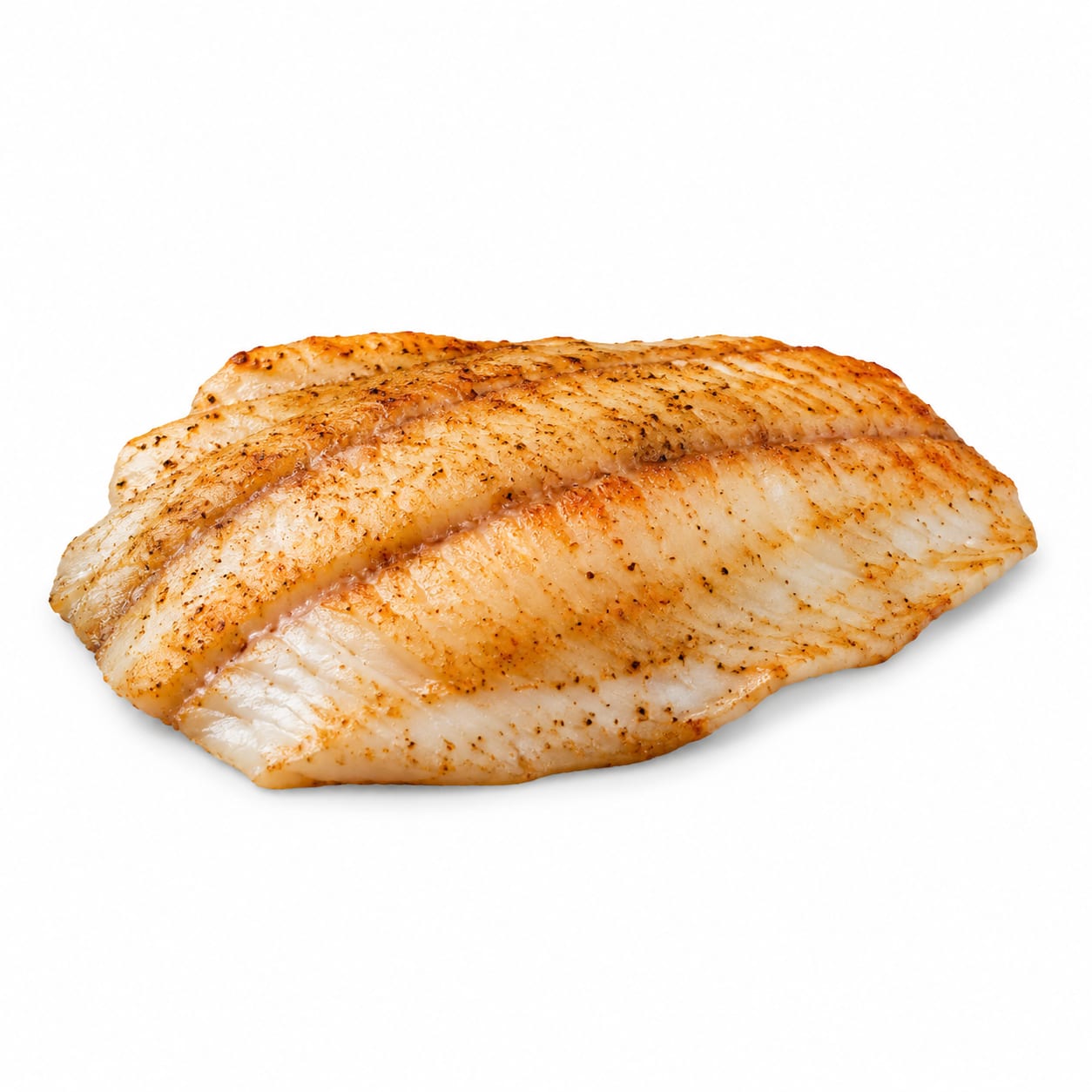
Tilapia
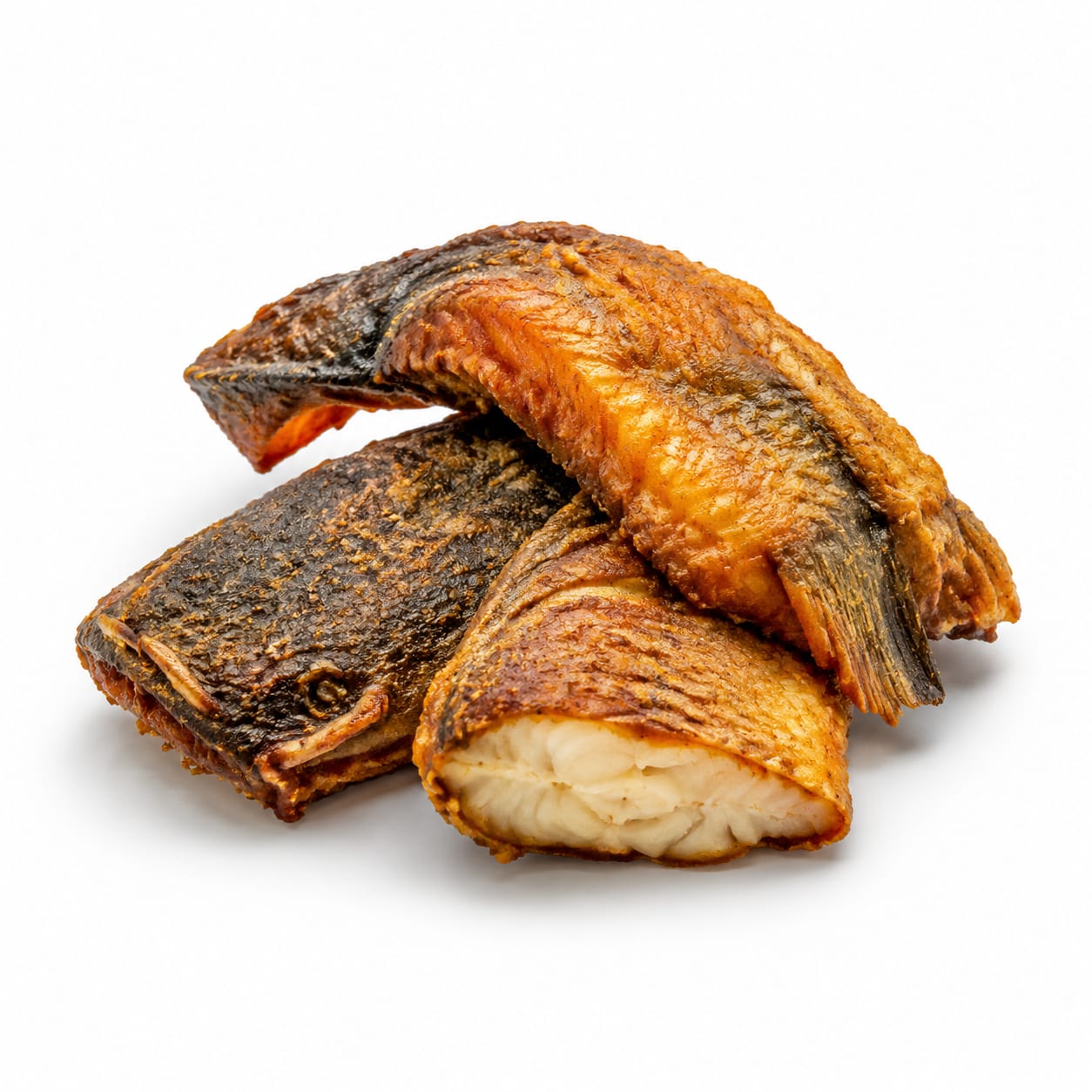
Catfish
Tilapia is leaner and more versatile, while catfish is safer from a farming-regulation standpoint and has a better fat profile. Your pick depends on whether you prioritize leanness or sourcing confidence.
Catfish edges ahead due to better sourcing transparency and a healthier fat profile, but tilapia's leanness keeps it competitive for specific goals.
Tilapia gives you more protein with fewer calories, but catfish gives you more trustworthy sourcing and a healthier fat balance.
At a glance
Executive summary
Overall
It depends
Healthier
Catfish
More practical
Tilapia
Daily use
Catfish
Key comparison lenses
protein quality and leanness for clean eating
Both are affordable white fish, but tilapia is notably leaner with more protein per calorie, making it the go-to for clean eaters
farming safety and contaminant concerns
Both are commonly farm-raised, but tilapia imports from poorly regulated regions raise more safety questions than US-farmed catfish
omega-3 to omega-6 fat balance
Tilapia has a controversial omega-6 to omega-3 ratio that concerns some health-conscious consumers, while catfish offers a slightly better balance
flavor versatility and cooking flexibility
Tilapia's neutral taste adapts to any cuisine, while catfish's distinct flavor works better in specific dishes like Southern-style preparations
budget-friendly weekly protein source
Both are among the most affordable fish options, so cost-conscious shoppers often choose between them
Best choice for
Tilapia
- Strict calorie counters wanting maximum protein per bite
- People who dislike fishy flavors and want a neutral canvas
- Meal preppers who want a lean protein that works in any cuisine
- Those following low-fat diets
Catfish
- Consumers who prioritize food safety and regulated sourcing
- People wanting a better omega-3 to omega-6 ratio from fish
- Fans of Southern or soul food cooking traditions
- Those who find very lean fish unsatisfying and want richer flavor
Least suitable for
Tilapia
- People deeply concerned about imported fish farming practices
- Those seeking meaningful omega-3 intake from fish
- Consumers avoiding fish with unfavorable omega-6 ratios
Catfish
- People wanting the leanest possible protein source
- Those who dislike strong or distinctive fish flavors
- Anyone avoiding higher-fat fish for dietary reasons
Deep comparison
Dimension by dimension
Each lens scores both foods and breaks down who each option suits.
- Dimension 1 · Priority 92Tilapia
Protein Density and Leanness
Tilapia · 88Catfish · 68Tilapia delivers significantly more protein with less fat per serving, making it the leaner choice by a comfortable margin.
Tradeoff
You get more protein per calorie with tilapia, but the fat you skip includes some beneficial fatty acids that catfish retains.
Why it matters
If you are tracking calories or macros closely, tilapia makes hitting your protein target easier without adding extra fat.
Real-world impact
A 4-ounce tilapia fillet gives you roughly 23 grams of protein for under 110 calories. Catfish gives you about 18 grams for a similar calorie count but with more fat.
Tilapia
- Cutting phases where every calorie matters
- High-protein low-fat meal plans
Better for
- Anyone wanting omega-3 benefits from their fish
Worse for
Catfish
- Moderate-fat diets that value flavor and satisfaction
- People who find lean fish leaves them hungry
Better for
- Strict macro trackers trying to minimize fat intake
Worse for
- Dimension 2 · Priority 85Catfish
Fat Profile and Omega Balance
Tilapia · 45Catfish · 70Catfish has a more favorable omega-3 to omega-6 ratio, while tilapia's ratio has been criticized as potentially pro-inflammatory.
Tradeoff
Neither fish is an omega-3 powerhouse like salmon, but catfish at least avoids the unfavorable ratio that makes tilapia controversial.
Why it matters
A skewed omega-6 to omega-3 ratio can promote inflammation over time, which matters if fish is your primary protein.
Real-world impact
If you are eating fish partly for anti-inflammatory benefits, tilapia may not deliver what you expect. Catfish is not great either, but it is less problematic.
Tilapia
- Very low-fat diets where total fat matters more than type
Better for
- Anyone relying on fish as their main omega-3 source
- People managing inflammatory conditions
Worse for
Catfish
- People eating fish for anti-inflammatory benefits
- Those who already get too much omega-6 from other sources
Better for
- Those who need to limit all dietary fat
Worse for
- Dimension 3 · Priority 88Catfish
Farming Safety and Sourcing Transparency
Tilapia · 48Catfish · 82US-farmed catfish is one of the most regulated aquaculture products available, while much tilapia is imported from countries with looser standards.
Tradeoff
Choosing catfish gives you more confidence about what you are eating, but it limits you to a more regionally specific flavor profile.
Why it matters
Imported tilapia has been linked to antibiotic residues and poor farming conditions. US catfish operations face stricter oversight.
Real-world impact
If you check country-of-origin labels at the grocery store, you will notice most tilapia comes from China or Latin America. Most US catfish is domestically farmed under USDA inspection.
Tilapia
- Budget shoppers in areas where tilapia is the only affordable fish
Better for
- People who worry about antibiotic residues in imported seafood
- Those who prioritize domestically sourced foods
Worse for
Catfish
- Parents feeding fish to children
- Anyone who values knowing where their food comes from
- Consumers who want to avoid antibiotic exposure
Better for
- Shoppers in regions where catfish is unavailable or expensive
Worse for
- Dimension 4 · Priority 72Tilapia
Flavor Versatility and Cooking Ease
Tilapia · 85Catfish · 62Tilapia's mild flavor works in almost any dish, while catfish's stronger taste limits it to preparations that complement its earthy profile.
Tradeoff
Tilapia is more adaptable but can taste bland without seasoning. Catfish has personality but fights against delicate flavor profiles.
Why it matters
If you cook diverse cuisines or have picky eaters, a neutral fish is easier to work with week after week.
Real-world impact
Tilapia disappears into tacos, stir-fries, and pasta without dominating. Catfish shines in cornmeal breading, gumbo, or blackened preparations but feels out of place in a lemon-herb dish.
Tilapia
- Families with kids who resist fishy flavors
- Home cooks who want one fish for multiple recipes
- People who enjoy experimenting with global cuisines
Better for
- Anyone who finds bland fish unappetizing no matter the seasoning
Worse for
Catfish
- Southern food enthusiasts
- Those who find mild fish boring and want bolder flavor
Better for
- Cooks wanting a fish that works in Asian or Mediterranean recipes
- People sensitive to muddy or earthy flavors in fish
Worse for
- Dimension 5 · Priority 70Catfish
Satiety and Meal Satisfaction
Tilapia · 58Catfish · 76Catfish's higher fat content makes it more filling and satisfying, while tilapia's leanness can leave you reaching for a snack sooner.
Tradeoff
Catfish keeps you fuller but costs more calories. Tilapia is lighter but may not hold you over until your next meal.
Why it matters
A protein source that actually satisfies you reduces the chance of overeating later in the day.
Real-world impact
After a tilapia dinner, you might find yourself scavenging the kitchen an hour later. Catfish tends to sit heavier and keep you content longer.
Tilapia
- Light lunch eaters who prefer not feeling full
- Those who eat frequent small meals
Better for
- Anyone prone to late-night snacking after inadequate dinner
Worse for
Catfish
- People who struggle with between-meal hunger
- Dinner-focused eaters who want one satisfying plate
Better for
- Those who feel sluggish after heavier meals
Worse for
- Dimension 6 · Priority 80It depends
Mercury and Heavy Metal Exposure
Tilapia · 82Catfish · 78Both fish are low in mercury compared to larger species, but tilapia tests slightly lower on average due to its mostly plant-based farm diet.
Tradeoff
The mercury difference is small enough that both are safe for regular consumption, but tilapia has a slight edge for highly sensitive populations.
Why it matters
Pregnant women and children need low-mercury fish options, and both qualify, but tilapia's marginally lower levels offer extra peace of mind.
Real-world impact
Neither fish should worry you on mercury alone. Both are listed as best choices by the FDA for pregnant women.
Tilapia
- Pregnant women wanting the lowest possible mercury exposure
- Parents serving fish to young children frequently
Better for
Catfish
- Most adults who do not need to optimize for minimal mercury
Better for
- Extremely mercury-cautious consumers who want the absolute lowest levels
Worse for
Timeline
Health impact over time
Short-term
Hours to days
Tilapia
- Light, easy-to-digest meal that will not weigh you down
- Quick to cook, making weeknight dinners faster
- May feel less satisfying and trigger snacking within an hour or two
Catfish
- More filling meal that staves off hunger for longer
- Richer mouthfeel that can feel more like a complete dinner
- Slightly heavier digestion if you are not used to fattier fish
Long-term
Months to years
Tilapia
- Consistent lean protein intake supports weight management
- Unfavorable omega ratio could contribute to low-grade inflammation if tilapia is your only fish
- Imported sourcing may carry cumulative exposure to farming chemicals
Catfish
- Better fat profile supports more balanced inflammatory status
- US-regulated farming reduces long-term contaminant accumulation concerns
- Slightly higher calorie load adds up if portion control is not managed
Risk profile
Safety & processing
Both fish are sold as whole fillets with minimal processing, but tilapia's imported supply chain introduces more uncertainty about what happens before it reaches your store.
Tilapia
Antibiotic residues in imported tilapia
mediumMuch of the tilapia sold in the US is imported from China and Southeast Asia, where antibiotic use in aquaculture is less strictly regulated. Look for country-of-origin labeling and prefer Latin American or domestic sources.
Unfavorable farming conditions
mediumSome imported tilapia is raised in crowded pens with poor water quality. This does not directly harm consumers at acute levels but raises concerns about long-term exposure to contaminants.
Mislabeling and species substitution
lowTilapia is sometimes used as a cheaper substitute for more expensive fish. Less of a safety issue and more of a transparency concern.
Catfish
Wild-caught catfish contamination
mediumWild catfish are bottom feeders and can accumulate pollutants from sediment. Farmed US catfish avoids this issue, but always confirm the source.
Fried preparation health risks
mediumCatfish is commonly deep-fried, which adds trans fats, excess calories, and advanced glycation end products. The fish itself is fine, but the typical preparation is not.
Regional water quality concerns
lowSome wild catfish from certain waterways may carry advisory warnings. Check local fish advisories if eating wild-caught.
Who wins for whom
Audience fit
Same foods, different winners depending on your goal.
children
CatfishUS-farmed catfish offers more sourcing confidence for developing bodies, and both are low-mercury enough to be safe choices.
daily consumption
CatfishBetter sourcing transparency and fat balance make catfish the safer everyday choice, even though tilapia is leaner.
diabetes
CatfishCatfish's better fat profile and higher satiety help stabilize blood sugar without the inflammatory concerns of tilapia's omega ratio.
elderly
CatfishThe anti-inflammatory fat profile matters more as you age, and catfish's richer texture is easier to eat for those with dental or appetite concerns.
muscle gain
TilapiaMore protein per serving supports muscle protein synthesis more efficiently.
weight loss
TilapiaTilapia's higher protein-to-calorie ratio makes it easier to stay in a deficit while preserving muscle.
Your move
Decision guide
Choose Tilapia
- You are counting calories and want maximum protein with minimum fat
- You cook diverse cuisines and need a fish that adapts to anything
- You have picky eaters who dislike fishy flavors
- You can find domestically farmed or well-sourced tilapia at your store
Choose Catfish
- You want confidence that your fish was raised under strict US regulations
- You care about omega-3 to omega-6 balance and anti-inflammatory eating
- You enjoy Southern-style cooking and bolder fish flavors
- You find lean fish unsatisfying and end up snacking after meals
Either works if
- You eat a variety of protein sources and neither fish is your daily staple
- You are rotating fish types to avoid overexposure to any single source
- Budget is your primary concern and you buy whichever is on sale
Avoid both if
- You need significant omega-3 intake and should be eating salmon, sardines, or mackerel instead
- You have a fish allergy or sensitivity
- You are looking for a plant-based protein source
Final recommendation
If sourcing safety and fat quality matter most, go with US-farmed catfish. If leanness and versatility are your priorities and you can find well-sourced tilapia, it is a solid choice. Neither fish should be your only source of seafood — rotate in fattier fish weekly for the omega-3s both of these lack.
Practical
Consumer tips
- 1
Check country-of-origin labels on tilapia. Products from Ecuador, Honduras, or the US tend to have better farming standards than those from China.
- 2
US-farmed catfish is sometimes labeled as 'catfish' while imported varieties may be called 'basa' or 'swai' — these are different species with less oversight.
- 3
If you buy tilapia, look for third-party certifications like BAP (Best Aquaculture Practices) or ASC (Aquaculture Stewardship Council).
- 4
Bake, grill, or broil catfish instead of frying to keep it healthy. The traditional cornmeal-fried preparation doubles the calories and adds inflammatory oils.
- 5
Pair either fish with a side rich in omega-3s — like a walnut salad or chia pudding — to compensate for what these lean fish lack.
- 6
Freeze tilapia fillets in single portions for easy weeknight meal prep. They thaw quickly and cook in under 10 minutes.
- 7
If catfish tastes too muddy for you, try soaking the fillets in buttermilk for 30 minutes before cooking. This mellows the earthy flavor significantly.