
Nutrition comparison
Tilapia vs Sardines: Which Fish Is Healthier?
Compare Tilapia vs Sardines on omega-3s, safety, taste, and health benefits. Learn which fish is better for heart health, weight loss, and daily nutrition.
Overall winner · Sardines
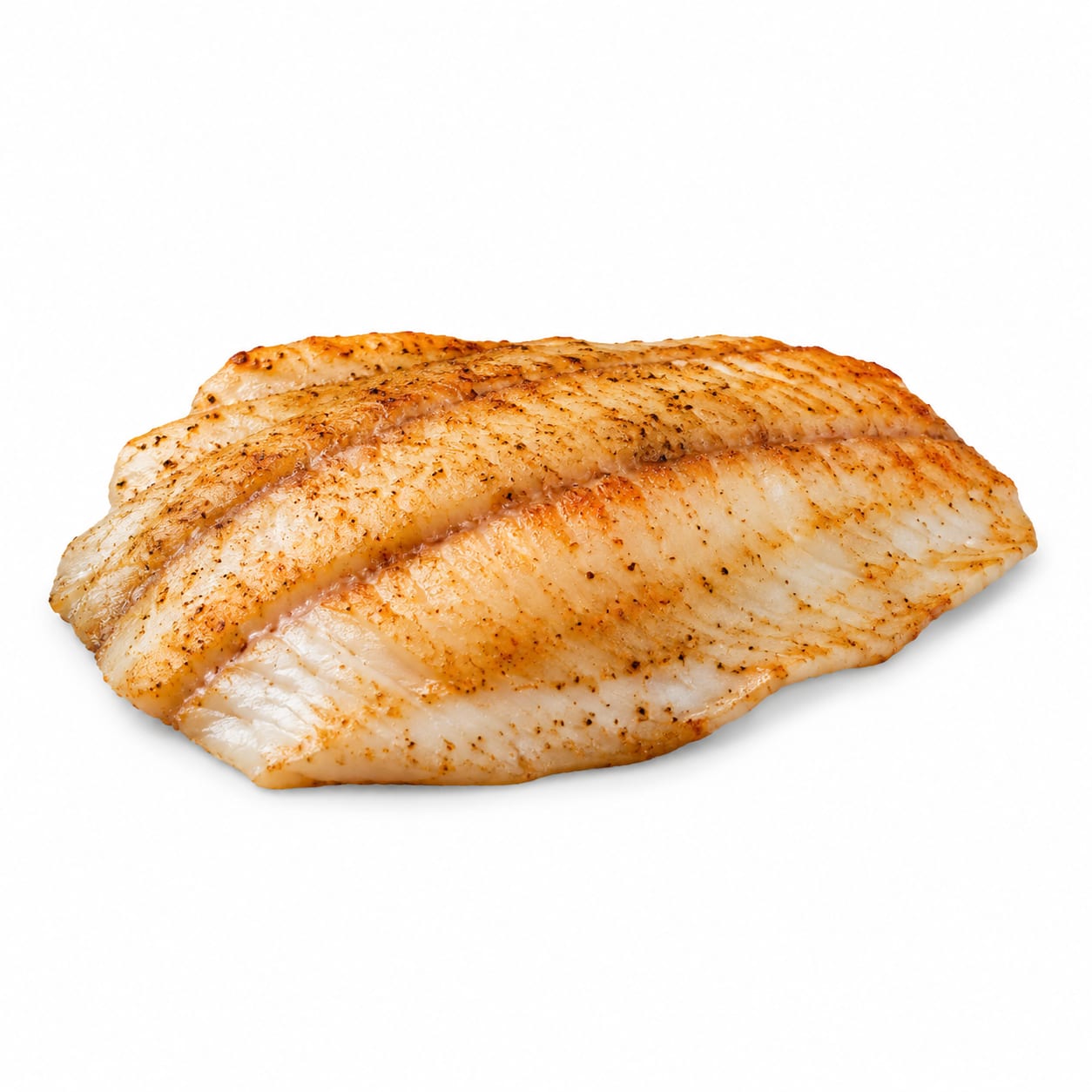
Tilapia
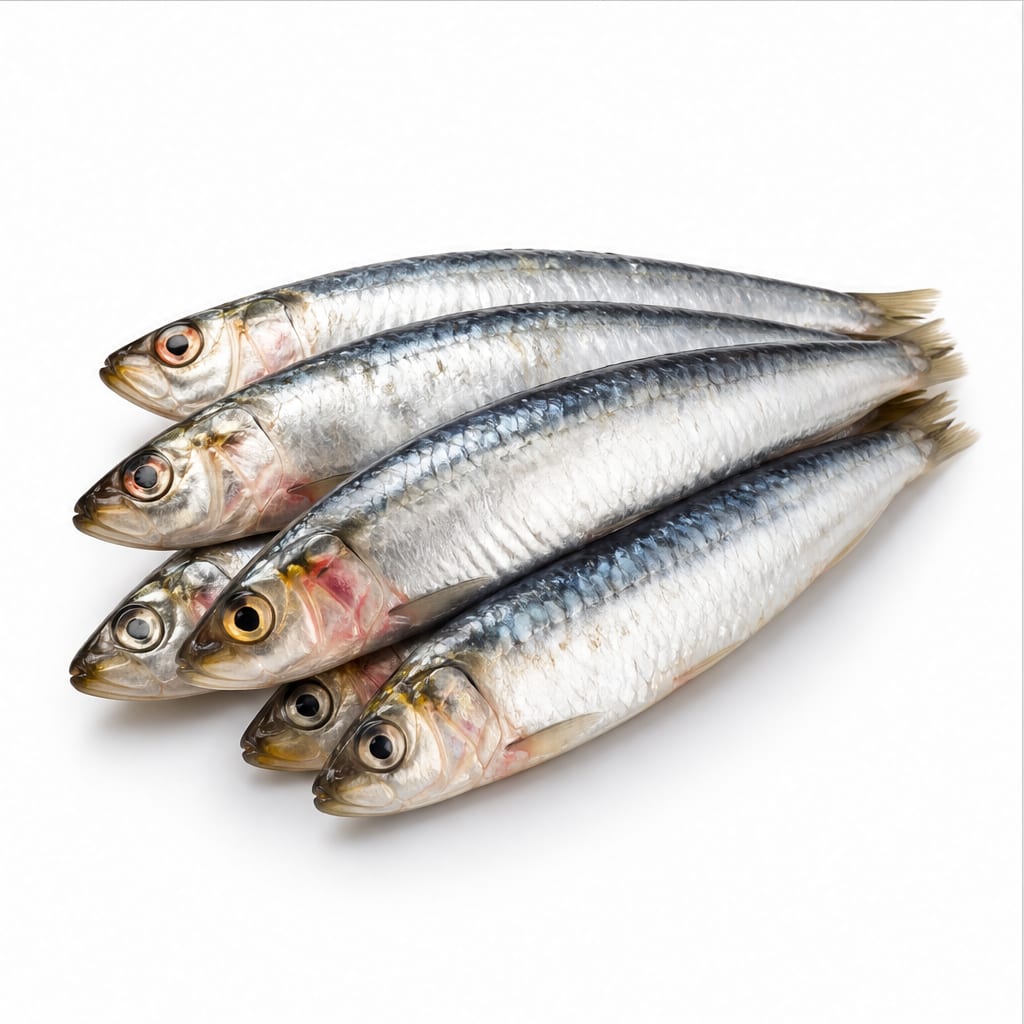
Sardines
Sardines are a nutritional powerhouse packed with omega-3s and calcium, while Tilapia offers a mild, lean protein that is easier for picky eaters but lacks the healthy fats.
Sardines dominate on nutritional value and long-term health benefits, but Tilapia remains relevant for its culinary versatility, mild taste, and lower cost.
You trade the approachable, neutral flavor of Tilapia for the massive anti-inflammatory and bone-building benefits of Sardines.
At a glance
Executive summary
Overall
Sardines
Healthier
Sardines
More practical
Tilapia
Daily use
It depends
Key comparison lenses
Omega-3 and heart health impact
Sardines are a top source of omega-3s, while Tilapia provides almost none, making this the most critical health differentiator.
Contaminant and farming safety
Tilapia is heavily farmed with varying safety standards, whereas Sardines are wild-caught and low on the food chain, affecting toxin exposure.
Palatability and taste preference
Tilapia is prized for its neutral flavor, while Sardines have a strong taste that divides consumers.
Bone health and calcium intake
Canned Sardines with bones offer a massive calcium boost that Tilapia cannot match.
Best choice for
Tilapia
- Picky eaters who dislike fishy flavors
- People wanting a cheap, lean protein base for meal prep
- Those who need a low-purine diet
Sardines
- Optimizing heart health and omega-3 intake
- Boosting calcium without dairy
- Maximizing nutrient density per calorie
Least suitable for
Tilapia
- Those seeking significant omega-3 benefits
- People avoiding poorly regulated farmed seafood
- Individuals needing an anti-inflammatory diet boost
Sardines
- People with gout or purine sensitivity
- Those who strongly dislike fishy taste or smell
- Picky young children sensitive to textures
Deep comparison
Dimension by dimension
Each lens scores both foods and breaks down who each option suits.
- Dimension 1 · Priority 95Sardines
Nutritional Density
Tilapia · 45Sardines · 98Sardines are loaded with omega-3s, vitamin D, and calcium, whereas Tilapia is mostly just lean protein with minimal micronutrients.
Tradeoff
You get far more vitamins and healthy fats per bite with Sardines, but Tilapia delivers pure protein without the strong flavor.
Why it matters
Nutrient density keeps you fuller longer and prevents the afternoon energy crash that often follows low-fat, low-nutrient meals.
Real-world impact
Eating Sardines feels like taking a multivitamin with your lunch; eating Tilapia feels like eating a blank canvas that needs heavy seasoning.
Tilapia
- Keeping meals light and low-fat
Better for
- Missing out on critical omega-3 fats
Worse for
Sardines
- Getting maximum vitamins in a single serving
- Reducing the need for supplements
Better for
- Consuming higher fat if you are strictly counting calories
Worse for
- Dimension 2 · Priority 90Sardines
Heart Health & Inflammation
Tilapia · 40Sardines · 95Sardines provide potent anti-inflammatory omega-3s, while farmed Tilapia has a less favorable fatty acid profile that can be mildly inflammatory.
Tradeoff
Choosing Tilapia means missing out on one of the easiest dietary ways to lower heart disease risk.
Why it matters
Chronic inflammation drives heart disease and joint pain; omega-3s are one of the most effective dietary tools to fight it.
Real-world impact
Regular Sardine consumption can improve cholesterol markers and reduce joint stiffness, while Tilapia offers no such cardiovascular upgrade.
Tilapia
- Maintaining a low-fat diet for weight loss
Better for
- Potentially increasing inflammation if farmed on poor feed
Worse for
Sardines
- Lowering triglycerides naturally
- Reducing systemic inflammation
Better for
- High purine load can trigger gout instead of helping inflammation
Worse for
- Dimension 3 · Priority 80Tilapia
Taste & Culinary Versatility
Tilapia · 85Sardines · 55Tilapia's neutral taste makes it a versatile canvas for any recipe, while Sardines have a distinct, strong flavor that limits their use.
Tradeoff
Tilapia is easy to dress up and hide in meals, whereas Sardines demand a specific taste preference and recipe pairing.
Why it matters
If you hate the taste of your food, you will not stick to your diet long-term.
Real-world impact
Tilapia is an easy family dinner win; Sardines are often a solo lunch or an acquired taste you eat for the health benefits.
Tilapia
- Family meals with picky eaters
- Absorbing bold sauces and marinades
Better for
- Easily tastes bland or watery if overcooked
Worse for
Sardines
- Adding umami depth to salads and toast
Better for
- Can stink up the office microwave
- Overpowers delicate ingredients
Worse for
- Dimension 4 · Priority 85Sardines
Safety & Contaminants
Tilapia · 55Sardines · 85Sardines are wild-caught and very low in mercury; Tilapia is farmed and sometimes raises concerns about antibiotics and feed quality.
Tradeoff
You avoid mercury with both, but Tilapia carries the hidden risks of industrial aquaculture.
Why it matters
Long-term exposure to farming contaminants or heavy metals undermines the health benefits of eating fish in the first place.
Real-world impact
Choosing Sardines gives you peace of mind about what you are eating; Tilapia requires reading labels carefully to ensure safe sourcing.
Tilapia
- Avoiding purines if you have gout
Better for
- Risk of antibiotic residue from poorly regulated farms
Worse for
Sardines
- Minimizing mercury exposure
- Avoiding farmed fish antibiotics
Better for
- Potential BPA exposure from can linings
Worse for
- Dimension 5 · Priority 70Sardines
Bone Health
Tilapia · 15Sardines · 95Canned Sardines with bones provide exceptional calcium, while Tilapia offers minimal bone-supporting nutrients.
Tradeoff
You have to tolerate the soft bones in Sardines to get a major dairy-free calcium boost.
Why it matters
Bone density declines silently as you age; getting calcium from real food is more effective than relying on supplements alone.
Real-world impact
Eating Sardines a few times a week is a tangible way to protect against osteoporosis without taking a pill.
Tilapia
- Avoiding textural issues from bones
Better for
- Zero significant calcium contribution
Worse for
Sardines
- Meeting daily calcium needs easily
- Getting vitamin D for calcium absorption
Better for
- Unpleasant mouthfeel for those sensitive to bones
Worse for
Timeline
Health impact over time
Short-term
Hours to days
Tilapia
- Provides quick, light protein that digests easily
- Leaves no fishy aftertaste or burps
Sardines
- Highly satisfying and filling due to healthy fat content
- Can cause fishy burps in sensitive individuals
Long-term
Months to years
Tilapia
- Adequate for muscle maintenance but misses out on heart-protective benefits
- Potential exposure to farming contaminants if not sourced carefully
Sardines
- Significant reduction in heart disease risk
- Stronger bones and reduced chronic inflammation
Risk profile
Safety & processing
Fresh Tilapia is unprocessed but farm-raised, while canned Sardines are technically processed but usually contain just fish and salt, retaining their wild-caught naturalness.
Tilapia
Farming practices and antibiotics
mediumDepending on the country of origin, Tilapia farming can involve antibiotics and poor water quality regulations.
Inflammatory omega-6 fats
lowCorn-fed Tilapia can have higher levels of inflammatory omega-6 fats compared to wild fish.
Sardines
Purine content
mediumHigh purine levels can trigger gout flare-ups in susceptible individuals.
BPA in can linings
mediumCanned varieties may expose you to BPA unless specifically labeled BPA-free.
Who wins for whom
Audience fit
Same foods, different winners depending on your goal.
children
TilapiaTilapia's mild flavor and boneless texture are much safer and more appealing for kids.
daily consumption
It dependsSardines offer better daily health returns, but their strong flavor makes daily consumption unrealistic for most; Tilapia is easier to eat daily but less beneficial.
diabetes
SardinesThe omega-3s in Sardines improve insulin sensitivity and protect blood vessels from high blood sugar damage.
elderly
SardinesThe calcium, vitamin D, and omega-3s in Sardines directly target age-related bone loss and cognitive decline.
muscle gain
TilapiaTilapia's mild taste and lean profile make it easier to consume in large volumes without taste fatigue.
weight loss
SardinesSardines are more filling per calorie due to their fat and protein combo, making it easier to avoid overeating later.
Your move
Decision guide
Choose Tilapia
- You hate the taste of fish but want a lean protein source
- You have gout or need a strict low-purine diet
- You want a cheap, easy-to-cook family dinner base
Choose Sardines
- You want maximum heart and brain health benefits
- You need a shelf-stable emergency protein
- You are trying to boost calcium intake without dairy
Either works if
- You just need a solid serving of complete protein
- You are mixing seafood into a varied weekly diet
Avoid both if
- You have a severe fish or seafood allergy
Final recommendation
If you can tolerate the taste, Sardines are vastly superior for your long-term health. Use Tilapia as a mild, budget-friendly protein when you need a break from strong flavors, but do not rely on it for your omega-3 intake.
Practical
Consumer tips
- 1
Look for US-raised or ASC-certified Tilapia to avoid poor farming practices and antibiotic exposure.
- 2
Choose Sardines packed in water or olive oil rather than soybean oil to avoid excess omega-6 fats.
- 3
If you dislike the texture of whole Sardines, try boneless, skinless varieties or mash them into a paste with mustard and crackers.
- 4
Rinsing Tilapia before cooking can reduce any muddy flavor caused by farm pond conditions.