
Nutrition comparison
Tilapia vs Mahi Mahi: Nutrition, Mercury, and Taste Compared
Compare Tilapia vs Mahi Mahi to see which fish is healthier. Learn about mercury levels, omega-3 fats, farming vs wild-caught, and which is best for your diet.
Overall winner · Mahi Mahi
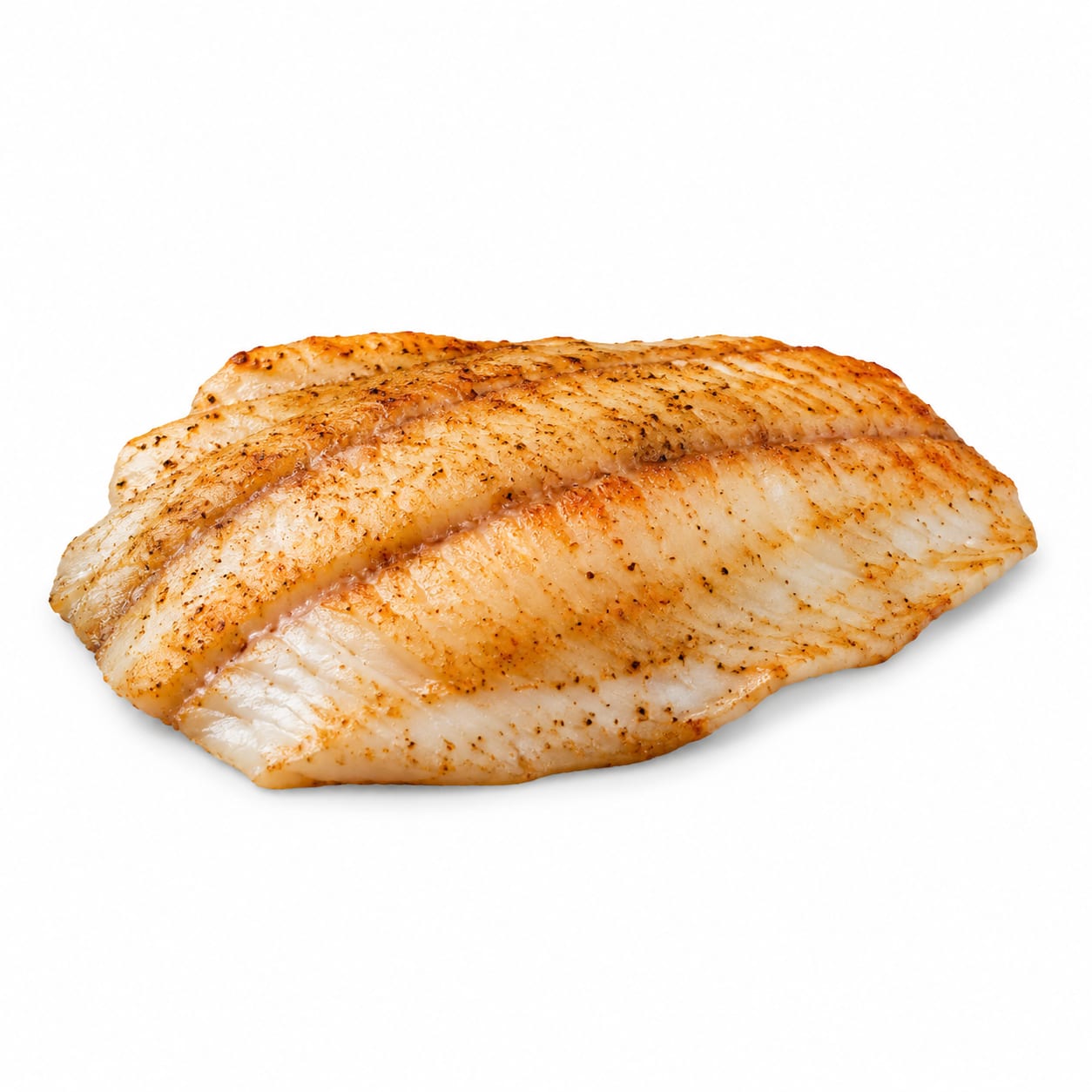
Tilapia
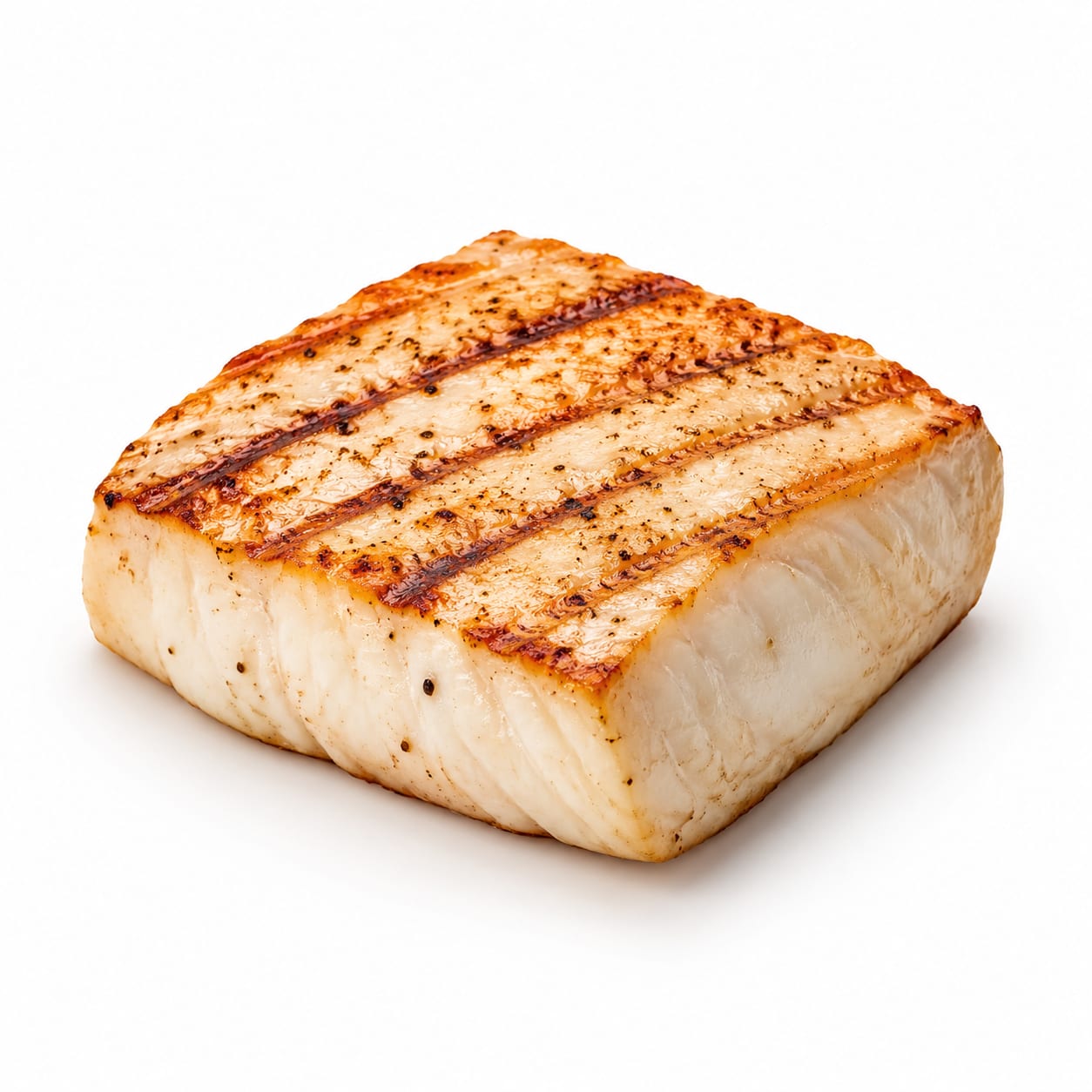
Mahi Mahi
Mahi Mahi delivers superior nutrition and wild-caught purity, but Tilapia remains a budget-friendly, low-mercury staple for frequent consumption.
Mahi Mahi wins on overall nutritional quality and sourcing purity, but Tilapia remains relevant and scores well for its unmatched affordability and low mercury.
You trade Tilapia's ultra-low mercury and low cost for Mahi Mahi's better healthy fat profile, firmer texture, and wild-caught quality.
At a glance
Executive summary
Overall
Mahi Mahi
Healthier
Mahi Mahi
More practical
Tilapia
Daily use
Tilapia
Key comparison lenses
Mercury and heavy metal exposure
Mahi Mahi carries moderate mercury levels while Tilapia is famously low, making safety a primary decision factor for frequent fish eaters.
Omega-3 vs Omega-6 fat balance
Farmed Tilapia has a controversially high omega-6 to omega-3 ratio, which can counteract the anti-inflammatory benefits usually expected from fish.
Wild-caught vs farm-raised quality
Mahi Mahi is almost exclusively wild-caught, whereas Tilapia is farmed, leading to concerns about antibiotics, diet, and farming practices.
Budget and everyday accessibility
Tilapia is one of the most affordable fish on the market, while Mahi Mahi commands a premium price.
Culinary texture and flavor
Mahi Mahi offers a firm, steak-like texture ideal for grilling, while Tilapia is flaky and mild, better suited for baking or tacos.
Best choice for
Tilapia
- Budget-conscious households needing lean protein
- Pregnant women or children requiring strictly low-mercury fish
- Meal prepping on a tight grocery budget
Mahi Mahi
- Those prioritizing anti-inflammatory omega-3s
- Home cooks wanting a premium, steak-like fish for grilling
- People avoiding farm-raised seafood
Least suitable for
Tilapia
- People strictly avoiding high omega-6 intake
- Consumers concerned about aquaculture antibiotics and farming practices
Mahi Mahi
- Very tight grocery budgets
- Those eating fish 4+ times a week who need to minimize mercury accumulation
Deep comparison
Dimension by dimension
Each lens scores both foods and breaks down who each option suits.
- Dimension 1 · Priority 85Mahi Mahi
Protein Quality & Satiety
Tilapia · 75Mahi Mahi · 85Mahi Mahi provides slightly more protein per serving and a denser, more satisfying texture that keeps you full longer.
Tradeoff
Tilapia is softer and flakier, which some prefer for delicate recipes, but it is less filling.
Why it matters
Higher protein density helps control appetite and supports muscle maintenance more effectively.
Real-world impact
A Mahi Mahi fillet will likely keep you satisfied for an extra hour compared to an equal portion of Tilapia.
Tilapia
- Soft fish tacos
- Lighter meals where you don't want to feel overly full
Better for
- Big appetites needing maximum satiety
Worse for
Mahi Mahi
- Post-workout recovery meals
- Hearty dinner portions
Better for
- Delicate recipes requiring a mild, flaky texture
Worse for
- Dimension 2 · Priority 90Mahi Mahi
Fat Profile & Inflammation
Tilapia · 40Mahi Mahi · 85Mahi Mahi has a healthier balance of omega-3s to omega-6s, while farmed Tilapia is notoriously high in inflammatory omega-6 fats.
Tradeoff
Tilapia is cheaper partly because it is farmed on inexpensive grain-based diets, which severely skews its fat profile.
Why it matters
A high omega-6 to omega-3 ratio can promote inflammation, counteracting the main health reasons people eat fish.
Real-world impact
Choosing Mahi Mahi gives you the anti-inflammatory benefits you actually eat fish for; Tilapia might not deliver them.
Tilapia
- Very low-fat diets where total fat grams are the only concern
Better for
- Reducing systemic inflammation
- Getting meaningful omega-3 intake
Worse for
Mahi Mahi
- Heart health
- Joint inflammation reduction
- Overall anti-inflammatory diet
Better for
- Strictly avoiding all dietary fat
Worse for
- Dimension 3 · Priority 95Tilapia
Contaminants & Heavy Metals
Tilapia · 90Mahi Mahi · 65Tilapia is extremely low in mercury, while Mahi Mahi is a moderate-mercury fish that requires portion control.
Tradeoff
Tilapia's low mercury comes with aquaculture risks like antibiotic exposure, whereas Mahi Mahi's wild purity is offset by its place higher up the food chain.
Why it matters
Mercury accumulates over time and affects neurological health, especially in vulnerable populations.
Real-world impact
You can safely eat Tilapia multiple times a week, but Mahi Mahi should be limited to 1-2 servings weekly.
Tilapia
- Pregnant women
- Frequent fish eaters
- Young children
Better for
- Avoiding potential antibiotic residues from farming
Worse for
Mahi Mahi
- Occasional seafood diners
- Those prioritizing wild-caught purity over mercury limits
Better for
- Eating fish 3 or more times a week
Worse for
- Dimension 4 · Priority 80It depends
Sourcing & Sustainability
Tilapia · 70Mahi Mahi · 78Tilapia is highly efficient to farm, but practices vary globally; Mahi Mahi is wild-caught and fast-growing, making it generally sustainable.
Tradeoff
Farmed Tilapia uses fewer ocean resources but can have environmental runoff issues; Mahi Mahi requires fuel to catch but reproduces quickly.
Why it matters
Seafood choices impact ocean health and long-term food security.
Real-world impact
Choosing well-sourced Tilapia or Mahi Mahi minimizes eco-guilt, but you must read labels to ensure best practices.
Tilapia
- Minimizing carbon footprint via efficient farming
- Guaranteed year-round availability
Better for
- Contributing to potential water pollution from overseas farms
Worse for
Mahi Mahi
- Supporting wild fisheries
- Avoiding aquaculture chemicals
Better for
- Higher fuel use from deep-sea fishing trips
Worse for
- Dimension 5 · Priority 75Mahi Mahi
Culinary Versatility & Taste
Tilapia · 65Mahi Mahi · 88Mahi Mahi has a distinct, sweet flavor and firm texture that holds up beautifully to grilling; Tilapia is mild and soft, best suited for breading or sauces.
Tradeoff
Tilapia takes on the flavor of whatever you cook it with, while Mahi Mahi stands on its own as the star of the plate.
Why it matters
Enjoying your food is crucial for long-term dietary adherence.
Real-world impact
Mahi Mahi makes a restaurant-quality meal at home; Tilapia is more of a blank canvas for weeknight shortcuts.
Tilapia
- Picky eaters who dislike fishy taste
- Baking with heavy sauces or breading
Better for
- Serving as a standalone centerpiece dish
Worse for
Mahi Mahi
- Grilling
- Blackening
- Serving as a standalone steak
Better for
- Hiding in strongly flavored casseroles
Worse for
Timeline
Health impact over time
Short-term
Hours to days
Tilapia
- Provides quick, lean protein
- Very gentle on the stomach due to low fat content
Mahi Mahi
- Offers satisfying, high-quality protein
- Provides a steadier energy release due to denser macros
Long-term
Months to years
Tilapia
- Frequent consumption of farmed Tilapia may contribute to inflammation due to omega-6 imbalance
- Low mercury allows for very safe long-term frequent consumption
Mahi Mahi
- Supports cardiovascular health through better omega-3 intake
- Moderate mercury means long-term intake must be monitored to avoid accumulation
Risk profile
Safety & processing
Both are sold as fresh or frozen whole fillets. However, farmed Tilapia carries a higher risk of hidden agricultural additives like antibiotics or dyes, while Mahi Mahi is almost exclusively wild-caught and free from these concerns.
Tilapia
Antibiotic residues
mediumOverseas Tilapia farms sometimes use antibiotics that can end up in the fillet, though US regulations check for this.
Poor farming water quality
mediumDepending on the country of origin, Tilapia can be raised in crowded, unsanitary conditions that promote disease.
Mahi Mahi
Mercury exposure
mediumAs a larger predatory fish, Mahi Mahi accumulates moderate levels of mercury that require intake monitoring.
Histamine toxicity
lowIf not properly chilled after catch, Mahi Mahi can develop histamine, causing scombroid poisoning symptoms.
Who wins for whom
Audience fit
Same foods, different winners depending on your goal.
children
TilapiaTilapia's ultra-low mercury level makes it safer for developing nervous systems, provided it is sourced from reputable farms.
daily consumption
TilapiaThe extremely low mercury content of Tilapia makes it safe to eat far more frequently than Mahi Mahi.
diabetes
Mahi MahiThe anti-inflammatory omega-3s in Mahi Mahi help improve insulin sensitivity, whereas Tilapia's omega-6s may work against it.
elderly
It dependsTilapia is safer for those eating fish daily due to low mercury, but Mahi Mahi is better for heart health if eaten occasionally.
muscle gain
Mahi MahiHigher protein density and a more complete amino acid profile support muscle repair better.
weight loss
Mahi MahiMahi Mahi is more filling and provides better fat quality, making it easier to stick to a calorie deficit without feeling deprived.
Your move
Decision guide
Choose Tilapia
- You eat fish multiple times a week and need to watch mercury levels
- You are on a tight grocery budget
- You prefer a very mild, flaky fish for tacos or casseroles
Choose Mahi Mahi
- You want the anti-inflammatory benefits of wild-caught fish
- You are grilling or making a dish where the fish is the star
- You only eat fish occasionally and want the best nutritional payoff
Either works if
- You just need a lean source of protein for a salad
- You are rotating your protein sources to diversify your diet
Avoid both if
- You have a severe fish allergy
- You are looking for high omega-3 fish like salmon or sardines
Final recommendation
Choose Mahi Mahi when you want a high-quality, anti-inflammatory meal and can afford the price and moderate mercury. Opt for Tilapia when you need a cheap, low-mercury protein to eat frequently, but try to buy US-farmed to avoid aquaculture downsides.
Practical
Consumer tips
- 1
Look for Tilapia from the US, Canada, or Ecuador to ensure better farming standards and avoid antibiotic concerns.
- 2
Limit Mahi Mahi to 1-2 servings per week to keep mercury intake safely in check.
- 3
If buying frozen Tilapia, check the ingredient list for added sodium or preservatives used to retain moisture.
- 4
Mahi Mahi is excellent blackened or grilled; avoid wasting it on heavily breaded recipes that mask its flavor.
- 5
If you find Tilapia bland, marinate it in citrus and spices to boost flavor without adding unhealthy fats.