
Nutrition comparison
Tilapia vs Chicken Breast: Which Lean Protein is Better?
Compare Tilapia and Chicken Breast to find out which lean protein is better for weight loss, muscle gain, and daily meals. Explore the nutritional tradeoffs.
Overall winner · Chicken Breast
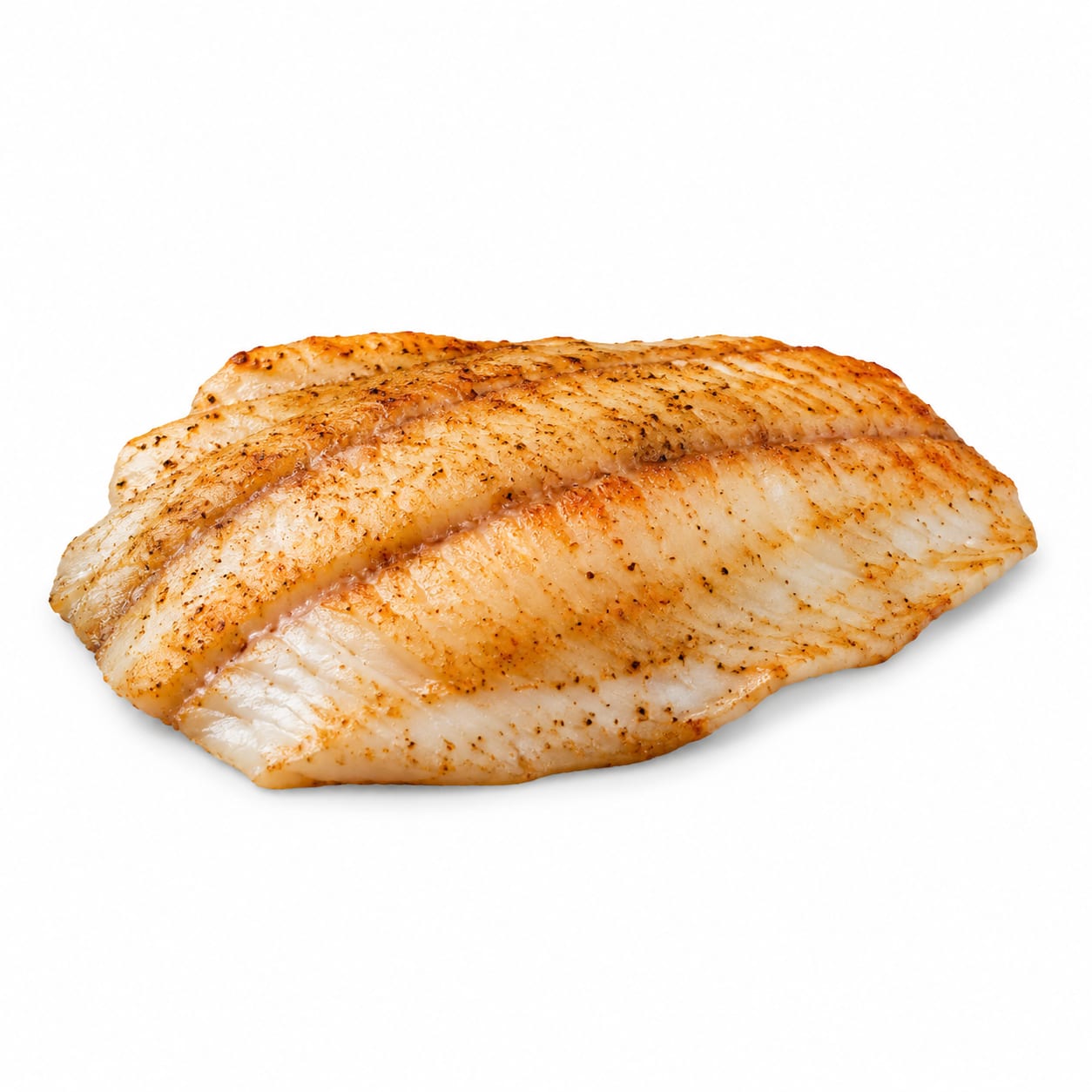
Tilapia
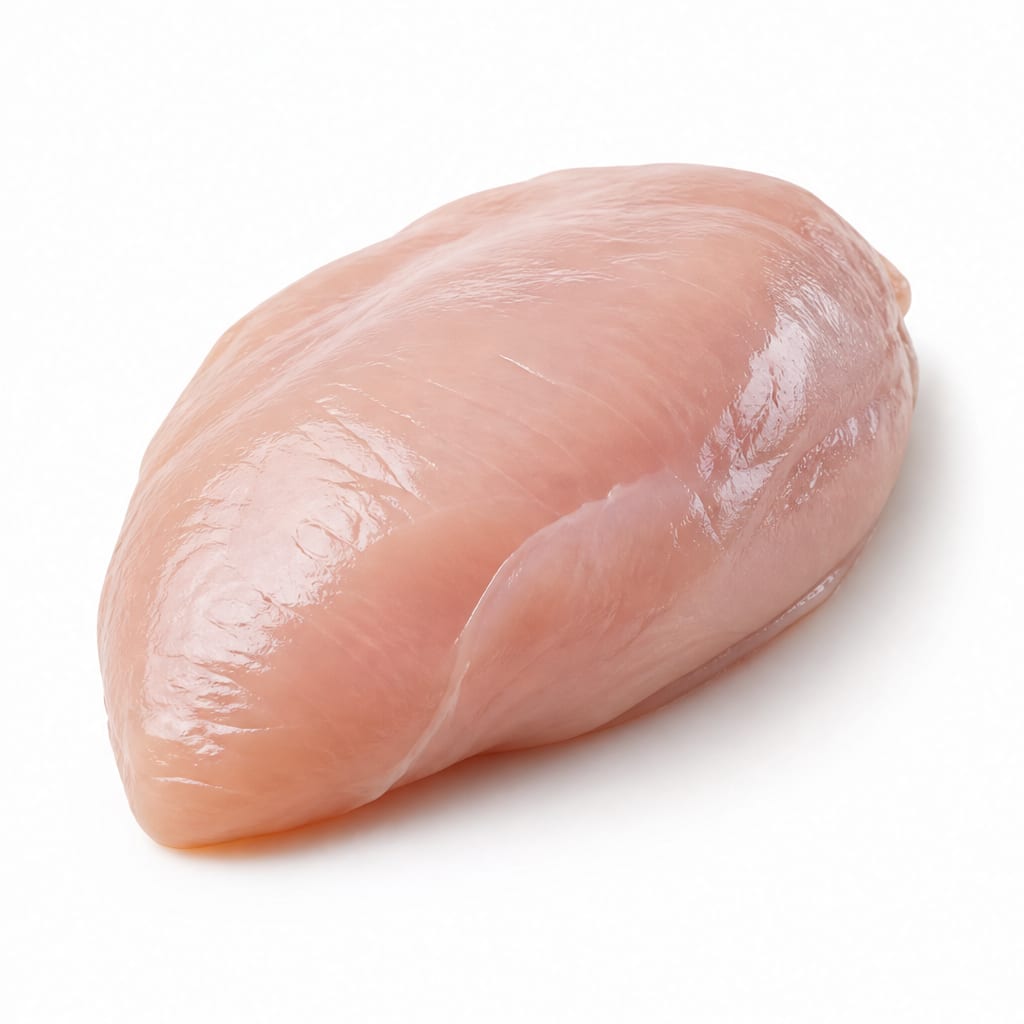
Chicken Breast
Chicken Breast is the more reliable lean protein with a superior amino acid profile and fewer inflammatory concerns, while Tilapia offers a lighter, flakier alternative that cooks in minutes.
Chicken Breast scores higher due to its superior protein density, cleaner fat profile, and broader dietary suitability, though Tilapia remains a viable lean option for quick meals.
Tilapia cooks faster and is easier to chew, but Chicken Breast delivers significantly more protein per calorie with a cleaner fat profile.
At a glance
Executive summary
Overall
Chicken Breast
Healthier
Chicken Breast
More practical
It depends
Daily use
Chicken Breast
Key comparison lenses
Lean protein source selection
Both are go-to lean proteins for weight loss and muscle gain, making the choice between them highly relevant for everyday meal planning.
Fat profile and inflammatory potential
Tilapia's omega-6 to omega-3 ratio is a common nutritional concern compared to the extremely low fat content of Chicken Breast.
Food safety and farming practices
Farmed Tilapia sourcing often raises questions about water quality and antibiotics, while poultry has its own standard safety protocols.
Best choice for
Tilapia
- Quick weeknight meals
- People who struggle with chewing tough meats
- Seafood lovers wanting a mild-tasting fish
Chicken Breast
- Muscle gain and high-protein diets
- Meal prepping for the week
- Those watching their omega-6 intake
Least suitable for
Tilapia
- People strictly managing omega-6 intake
- Those concerned about imported fish farming practices
- High-protein bulk-up diets
Chicken Breast
- Quick 15-minute meal needs
- People tired of dry poultry
- Pescatarians
Deep comparison
Dimension by dimension
Each lens scores both foods and breaks down who each option suits.
- Dimension 1 · Priority 95Chicken Breast
Protein Quality & Muscle Building
Tilapia · 70Chicken Breast · 95Chicken Breast is a top-tier muscle builder, while Tilapia provides moderate protein but falls short on total volume and leucine content per serving.
Tradeoff
You trade the fast cooking time of Tilapia for the higher, more bioavailable protein in Chicken Breast.
Why it matters
Better protein quality means faster recovery and more effective muscle maintenance, especially as you age.
Real-world impact
A chicken dinner keeps you full longer and supports workout recovery better than a similar portion of Tilapia.
Tilapia
- Lighter meals where you don't want to feel stuffed
Better for
- Bodybuilding
- Recovering from surgery
Worse for
Chicken Breast
- Post-workout recovery
- Older adults preventing muscle loss
- High-protein diets
Better for
- Eating right before a heavy workout due to slower digestion
Worse for
- Dimension 2 · Priority 85Chicken Breast
Fat Profile & Inflammation
Tilapia · 55Chicken Breast · 80Tilapia has a surprisingly high omega-6 to omega-3 ratio compared to most fish, which can be inflammatory, whereas Chicken Breast has very little fat overall.
Tradeoff
Tilapia gives you the mental benefit of eating fish, but Chicken Breast actually has a less concerning fat profile for daily consumption.
Why it matters
High omega-6 intake without enough omega-3 can promote inflammation over time.
Real-world impact
If you're eating Tilapia thinking you're getting the anti-inflammatory benefits of fish, you might be disappointed; Chicken Breast is the safer bet for keeping inflammation low.
Tilapia
- Adding healthy fats via cooking oils since the fish itself is lean
Better for
- People with autoimmune conditions or chronic inflammation
Worse for
Chicken Breast
- Anti-inflammatory diets
- Heart-healthy eating plans
Better for
- Those looking for omega-3 benefits from their protein source
Worse for
- Dimension 3 · Priority 80Chicken Breast
Food Safety & Sourcing
Tilapia · 60Chicken Breast · 75Farmed Tilapia often comes from regions with loose aquaculture regulations, raising contamination concerns, while Chicken Breast faces standard poultry risks but is heavily regulated in the US.
Tradeoff
Tilapia might expose you to more farming chemicals, while Chicken requires strict handling to avoid bacterial contamination.
Why it matters
Long-term exposure to heavy metals, antibiotics, or pesticides undermines the health benefits of eating lean protein.
Real-world impact
Sourcing high-quality Chicken Breast is usually easier and more transparent than tracking down responsibly farmed Tilapia.
Tilapia
- Quick cooking reduces prep time exposure to raw meat
Better for
- Budget imported tilapia with unknown farming practices
Worse for
Chicken Breast
- US-regulated meat markets
- Organic and free-range sourcing availability
Better for
- Careless raw chicken handling leading to cross-contamination
Worse for
- Dimension 4 · Priority 75It depends
Culinary Versatility & Convenience
Tilapia · 80Chicken Breast · 85Chicken Breast is the ultimate meal-prep canvas, but Tilapia wins for sheer speed, cooking in under 10 minutes.
Tradeoff
Chicken takes longer to cook and can dry out easily, while Tilapia is delicate and harder to meal-prep without it getting mushy.
Why it matters
The best protein is the one you actually cook consistently.
Real-world impact
Tilapia is perfect for a Tuesday night when you have zero time; Chicken Breast is better for Sunday meal prep.
Tilapia
- Rush-hour dinners
- Fish tacos
- Light lunch salads
Better for
- Leftovers the next day
- Grilling
Worse for
Chicken Breast
- Grilling
- Batch cooking
- Freezer meal prep
Better for
- 15-minute weeknight meals from scratch
Worse for
Timeline
Health impact over time
Short-term
Hours to days
Tilapia
- Quick, light satiety without feeling heavy
- Fast cooking saves time on busy nights
Chicken Breast
- Strong feeling of fullness after meals
- Steadier energy without blood sugar spikes
Long-term
Months to years
Tilapia
- Potential inflammatory load if eaten excessively due to omega-6 ratio
- Possible exposure to farming contaminants if sourcing isn't careful
Chicken Breast
- Excellent muscle maintenance and metabolic health
- Sustained weight management due to high protein density
Risk profile
Safety & processing
Both are whole, unprocessed protein sources, though the farming environments for both can involve antibiotics or feed additives that don't appear on the label.
Tilapia
Contaminant exposure from farming
mediumImported farmed Tilapia can be raised in poor conditions with potential pesticide and antibiotic residues.
Omega-6 imbalance
lowNot a direct safety hazard, but a dietary risk if relied upon as the primary fish source for omega-3s.
Chicken Breast
Salmonella contamination
mediumRaw chicken requires strict kitchen hygiene to prevent cross-contamination.
Antibiotic residues
lowConventional poultry farming may use antibiotics, though regulations are tightening.
Who wins for whom
Audience fit
Same foods, different winners depending on your goal.
children
It dependsTilapia is flaky and easy to chew for toddlers, but Chicken Breast provides more of the protein growing kids need.
daily consumption
Chicken BreastChicken Breast has a cleaner fat profile and fewer sourcing concerns, making it safer to eat every day.
diabetes
Chicken BreastBoth have zero carbs, but Chicken Breast's higher protein content stabilizes blood sugar more effectively over longer periods.
elderly
Chicken BreastOlder adults need high-quality protein to prevent muscle wasting, making Chicken Breast the better choice despite being slightly tougher to chew.
muscle gain
Chicken BreastHigher protein density and a superior amino acid profile make Chicken Breast a staple for building muscle.
weight loss
Chicken BreastChicken Breast offers more protein per calorie, which boosts metabolism and keeps you fuller longer.
Your move
Decision guide
Choose Tilapia
- You need a 10-minute dinner on a busy weeknight.
- You prefer the light, flaky texture of fish over dense poultry.
- You are careful to source responsibly farmed or wild-caught Tilapia.
Choose Chicken Breast
- Your primary goal is building or maintaining muscle.
- You want the most protein bang for your calorie buck.
- You do meal prep on Sundays for the week ahead.
Either works if
- You just need a lean, zero-carb protein source for a salad.
- You are mixing proteins throughout the week to keep meals interesting.
Avoid both if
- You have gout and are sensitive to purines, though both are moderate.
- You are looking for a rich source of omega-3 fatty acids (choose salmon or sardines instead).
Final recommendation
Make Chicken Breast your daily lean protein workhorse for its superior nutrition and satiety, but keep Tilapia in rotation for quick, light meals when cooking feels like a chore.
Practical
Consumer tips
- 1
Look for Tilapia sourced from the US, Ecuador, or Peru, which have better farming standards than some Asian imports.
- 2
Don't overcook Tilapia; it goes from perfect to mushy in seconds.
- 3
Brine Chicken Breast before cooking to keep it juicy and prevent it from drying out.
- 4
If you want the omega-3 benefits of fish, swap Tilapia for salmon, mackerel, or sardines.