
Nutrition comparison
Salmon vs Tilapia: Which Fish Is Healthier for You?
Compare salmon and tilapia on omega-3s, safety, cost, and taste. Learn which fish fits your health goals, budget, and weekly meal plan.
Overall winner · Salmon
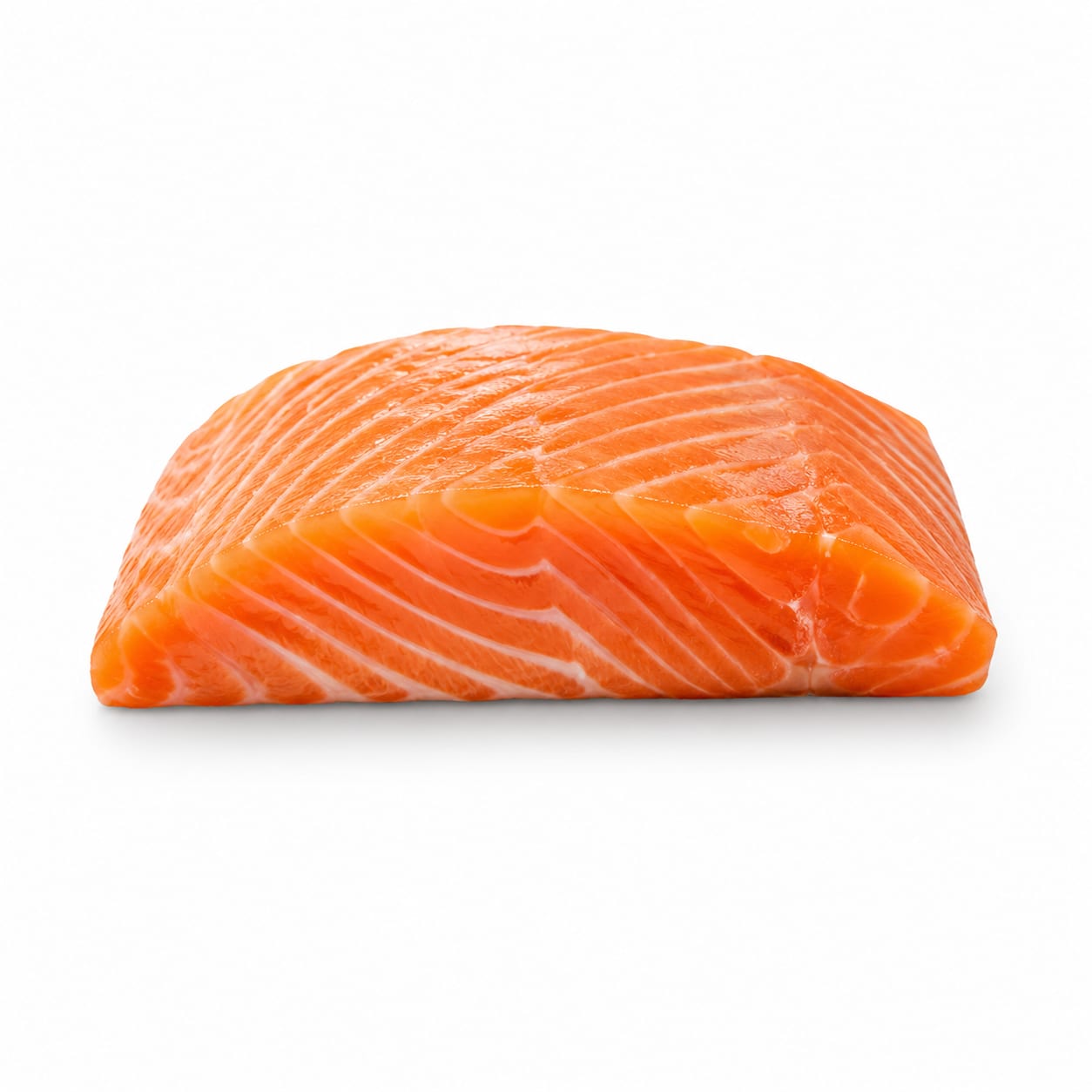
Salmon
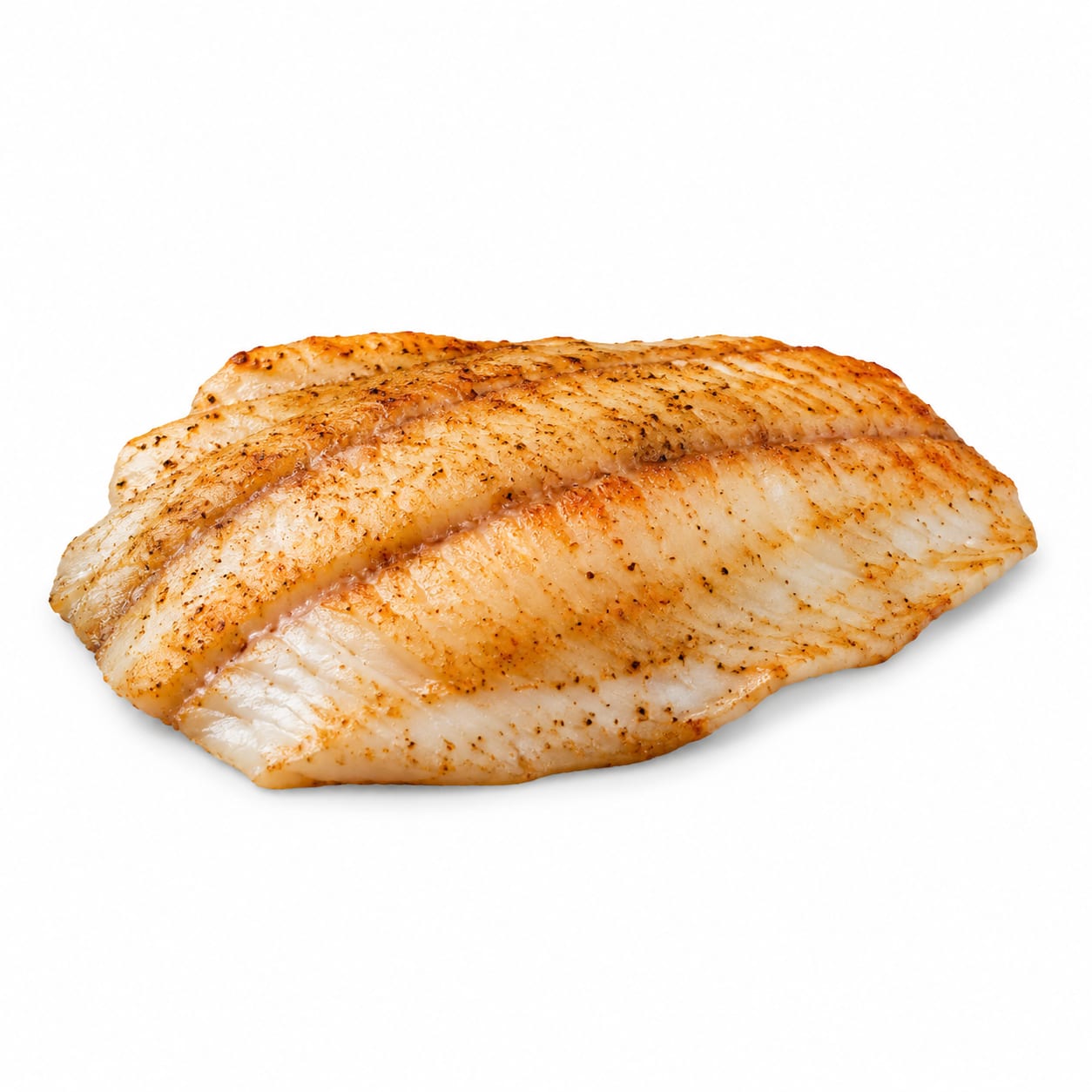
Tilapia
Salmon wins on nutritional depth, especially omega-3s, but Tilapia wins on affordability and everyday accessibility.
Salmon scores significantly higher due to its omega-3 density, vitamin D content, and anti-inflammatory profile. Tilapia remains a respectable lean protein but lacks the nutritional depth that makes salmon a top-tier health food.
You trade heart-healthy fats and micronutrients for a cheaper, milder fish that's easier to eat several times a week.
At a glance
Executive summary
Overall
Salmon
Healthier
Salmon
More practical
Tilapia
Daily use
It depends
Key comparison lenses
omega-3 and heart health comparison
The omega-3 gap between these fish is massive and drives most health decisions
contaminant and farming safety concerns
Both fish carry distinct safety profiles that worry consumers differently
budget vs nutrition tradeoff
Tilapia costs a fraction of salmon, making nutrition-per-dollar a key question
everyday meal suitability
Tilapia's mild flavor suits picky eaters; salmon's richness suits occasional dining
environmental and sustainability impact
Farming practices differ greatly and affect ethical purchasing decisions
Best choice for
Salmon
- Heart health and cardiovascular protection
- Brain function and cognitive support
- Anti-inflammatory diets
- Pregnancy nutrition (low-mercury wild salmon)
- Athletes needing omega-3 recovery
Tilapia
- Budget-conscious families
- Picky eaters who dislike fishy flavor
- Lean protein diets with calorie restrictions
- People who eat fish multiple times weekly
Least suitable for
Salmon
- Tight grocery budgets
- People avoiding high-fat foods
- Those who dislike strong fish flavors
Tilapia
- People needing omega-3 supplementation through food
- Anti-inflammatory protocols
- Those concerned about omega-6 to omega-3 imbalance
Deep comparison
Dimension by dimension
Each lens scores both foods and breaks down who each option suits.
- Dimension 1 · Priority 95Salmon
Omega-3 & Heart Health
Salmon · 95Tilapia · 15Salmon delivers roughly 10-20x more omega-3s than Tilapia, making it one of the best dietary sources for heart protection.
Tradeoff
Tilapia's omega-6 to omega-3 ratio is less favorable, which may promote rather than reduce inflammation when eaten frequently.
Why it matters
Omega-3s from fish are the most bioavailable form and directly support heart rhythm, artery health, and brain function.
Real-world impact
Eating salmon twice weekly can meaningfully lower triglycerides and improve heart markers. Tilapia cannot replicate this effect.
Salmon
- Reducing heart disease risk
- Lowering triglycerides
- Supporting brain health long-term
- Pregnancy DHA needs
Better for
- Those on strict low-fat diets
Worse for
Tilapia
- People on blood thinners who must limit omega-3 intake
Better for
- Anyone relying on fish for anti-inflammatory benefits
- People with existing cardiovascular concerns
Worse for
- Dimension 2 · Priority 80Salmon
Protein Quality & Content
Salmon · 88Tilapia · 78Both provide complete protein, but salmon offers slightly more per serving alongside its omega-3 bonus.
Tradeoff
Tilapia delivers solid protein with fewer calories and less fat, which suits lean-muscle goals better.
Why it matters
Protein quality matters for satiety, muscle maintenance, and metabolic health at any age.
Real-world impact
A salmon fillet keeps you fuller longer thanks to its fat content. Tilapia digests lighter and faster.
Salmon
- Post-workout recovery with anti-inflammatory benefits
- Older adults preserving muscle mass
- Meals where satiety matters
Better for
- Those counting every calorie strictly
Worse for
Tilapia
- Cutting phases where calorie density matters
- Multiple small meals per day
- People who find fatty fish too heavy
Better for
- Meals needing lasting fullness
Worse for
- Dimension 3 · Priority 85It depends
Contaminant & Safety Profile
Salmon · 65Tilapia · 68Wild salmon is cleaner but farmed salmon carries PCB and dioxin concerns. Tilapia is generally low in mercury but farming practices vary widely.
Tradeoff
Salmon's fat stores more environmental toxins, while Tilapia's lean profile accumulates less but may come from poorly regulated farms.
Why it matters
What your fish ate and where it lived directly affects what ends up in your body.
Real-world impact
Choosing wild salmon or well-sourced Tilapia minimizes risk. Cheap farmed versions of either carry more concern.
Salmon
- Wild-caught Alaskan salmon (very clean)
- Trusted brands with third-party testing
Better for
- Farmed Atlantic salmon (higher PCB risk)
- Frequent consumption of unverified sources
Worse for
Tilapia
- US-farmed Tilapia from regulated operations
- People worried about mercury specifically
Better for
- Imported Tilapia from poorly regulated farms
- Concerns about antibiotic and pesticide residues
Worse for
- Dimension 4 · Priority 80Tilapia
Affordability & Accessibility
Salmon · 35Tilapia · 90Tilapia typically costs one-third to one-half the price of salmon, making it accessible for regular consumption.
Tradeoff
You save money but sacrifice the omega-3 and micronutrient density that makes salmon nutritionally exceptional.
Why it matters
The best fish for you is the one you can actually afford to eat consistently.
Real-world impact
A family of four can eat Tilapia twice a week for what one salmon dinner costs. Consistency often beats perfection.
Salmon
- Those who can invest in fewer but nutrient-dense meals
- Special occasion dining
Better for
- Anyone watching grocery spending closely
Worse for
Tilapia
- Weekly meal prep on a budget
- Families needing affordable protein
- Students and young professionals
Better for
- Those prioritizing nutrient density per meal
Worse for
- Dimension 5 · Priority 65It depends
Flavor Acceptance & Versatility
Salmon · 72Tilapia · 78Salmon's rich flavor delights fish lovers but alienates picky eaters. Tilapia's neutral taste adapts to any preparation.
Tradeoff
Tilapia is easier to season and disguise; salmon brings its own character but limits recipe flexibility.
Why it matters
Nutrition only works if people actually eat it. Flavor acceptance drives long-term adherence.
Real-world impact
Kids and fish-hesitant adults often accept Tilapia when they reject salmon. That matters for family meals.
Salmon
- Fish enthusiasts who enjoy rich flavor
- Simple preparations where fish is the star
- Sushi and raw applications
Better for
- People who find fishy flavors unpleasant
Worse for
Tilapia
- Picky eaters and children
- Heavily seasoned or sauced recipes
- Fish tacos and casseroles
Better for
- Dishes where the fish flavor should shine
Worse for
- Dimension 6 · Priority 75Salmon
Micronutrient Density
Salmon · 90Tilapia · 45Salmon is rich in vitamin D, B12, selenium, and astaxanthin. Tilapia provides basic nutrition but lacks standout micronutrients.
Tradeoff
Salmon functions almost like a multivitamin from the sea. Tilapia covers protein basics but little else.
Why it matters
Vitamin D deficiency is widespread, and salmon is one of the few natural food sources.
Real-world impact
Regular salmon eaters often improve vitamin D and B12 status without supplements. Tilapia eaters still need other sources.
Salmon
- Vitamin D deficiency concerns
- B12 support for energy
- Antioxidant benefits from astaxanthin
Better for
- Those already supplementing vitamin D heavily
Worse for
Tilapia
- Selenium needs (still present in modest amounts)
Better for
- Anyone relying on fish as a primary micronutrient source
Worse for
Timeline
Health impact over time
Short-term
Hours to days
Salmon
- Rich, satisfying meal that stabilizes hunger for hours
- Omega-3s may mildly improve mood and focus within hours
- Heavier digestion due to fat content
Tilapia
- Light, easy-to-digest meal that won't cause sluggishness
- Quick protein satisfaction without heaviness
- Less satiety, possible sooner hunger return
Long-term
Months to years
Salmon
- Reduced cardiovascular disease risk with regular consumption
- Better cognitive aging and potential dementia risk reduction
- Improved joint health and inflammatory markers
- Possible PCB exposure with frequent farmed salmon intake
Tilapia
- Reliable lean protein source supporting muscle maintenance
- Less cardiovascular protection than fatty fish
- Potential omega-6 excess if Tilapia replaces all other fish
- Antibiotic exposure risk from poorly regulated imports
Risk profile
Safety & processing
Both salmon and Tilapia are typically sold as whole fillets without additives. Farmed versions may involve feed additives and colorants, especially in salmon. Wild-caught options for both are the most natural choices.
Salmon
PCBs and dioxins in farmed salmon
mediumFarmed salmon accumulates more fat-soluble contaminants from feed. Wild Alaskan salmon tests much cleaner.
Mercury exposure
lowSalmon is generally low in mercury compared to tuna or swordfish, making it safe for regular consumption.
Artificial colorants in farmed salmon
lowFarmed salmon receives astaxanthin supplements in feed to achieve pink color. This is generally safe but less natural.
Tilapia
Unregulated farming practices in imports
mediumTilapia from certain countries may be raised in crowded conditions with antibiotic and pesticide use.
Omega-6 imbalance
lowTilapia contains more omega-6 than omega-3, which is less ideal for anti-inflammatory diets.
Microplastic exposure
lowAs with all fish, trace microplastics may be present, though Tilapia's lower fat content stores fewer lipophilic contaminants.
Who wins for whom
Audience fit
Same foods, different winners depending on your goal.
children
It dependsSalmon provides DHA crucial for brain development, but Tilapia's mild flavor and low mercury make it more practical for picky young eaters.
daily consumption
TilapiaTilapia's lower cost and lighter profile make it more sustainable as a daily protein, though alternating with salmon is ideal.
diabetes
SalmonOmega-3s improve insulin sensitivity and reduce cardiovascular risk, which is critical for diabetes management.
elderly
SalmonOmega-3s protect against cognitive decline and joint inflammation, both major concerns with aging. Salmon's vitamin D also supports bone health.
muscle gain
SalmonSalmon provides slightly more protein per serving plus anti-inflammatory omega-3s that support recovery and reduce exercise-induced inflammation.
weight loss
TilapiaTilapia's lower calorie and fat content makes it easier to fit into calorie-restricted plans, though salmon's satiety helps prevent overeating.
Your move
Decision guide
Choose Salmon
- You want maximum heart and brain health benefits from your protein
- You can afford quality wild-caught salmon at least once or twice weekly
- Anti-inflammatory eating is a priority for you
- You enjoy rich fish flavors and don't need to hide the taste
Choose Tilapia
- Budget is a primary concern and you need affordable weekly fish
- You or your family dislike strong fish flavors
- You want a lean protein that fits easily into low-calorie meals
- You eat fish very frequently and need a lighter everyday option
Either works if
- You simply want a clean protein source and have no specific health targets
- You rotate between multiple protein types throughout the week
Avoid both if
- You have a fish or seafood allergy
- You are following a strict plant-based diet
- You cannot verify the source and have high contaminant sensitivity
Final recommendation
Eat wild salmon when you can afford it for the omega-3 and micronutrient boost. Use Tilapia as your budget-friendly everyday fish. The ideal strategy is two salmon meals per week with Tilapia filling other fish nights. This balances heart health benefits with practical affordability.
Practical
Consumer tips
- 1
Look for 'wild-caught Alaskan' on salmon labels for the cleanest option
- 2
Choose US-farmed or responsibly certified Tilapia to avoid farming concerns
- 3
Frozen wild salmon is often fresher than 'fresh' farmed salmon and costs less
- 4
If salmon is too expensive, canned pink salmon retains most omega-3 benefits at a fraction of the price
- 5
Avoid Tilapia imported from unverified sources, especially when country of origin is unclear
- 6
Pair Tilapia with omega-3-rich sides like walnuts or flaxseed to partially compensate for its low omega-3 content