
Nutrition comparison
Cod vs Tilapia: Which Lean Fish is Healthier?
Compare Cod and Tilapia to see which fish offers better nutrition, lower toxins, and the best value. Learn the truth about Tilapia's fat profile and Cod's mercury levels.
Overall winner · Cod
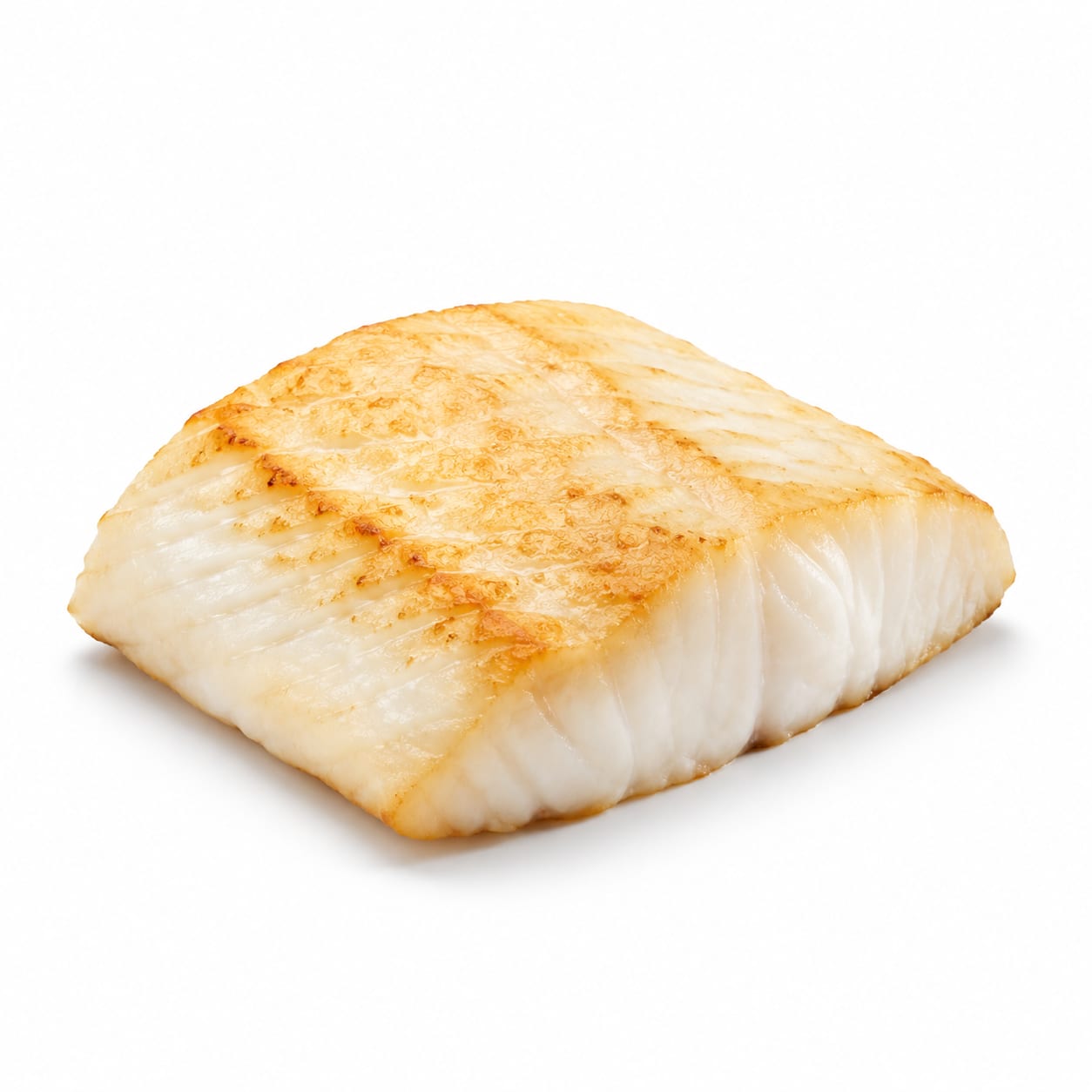
Cod
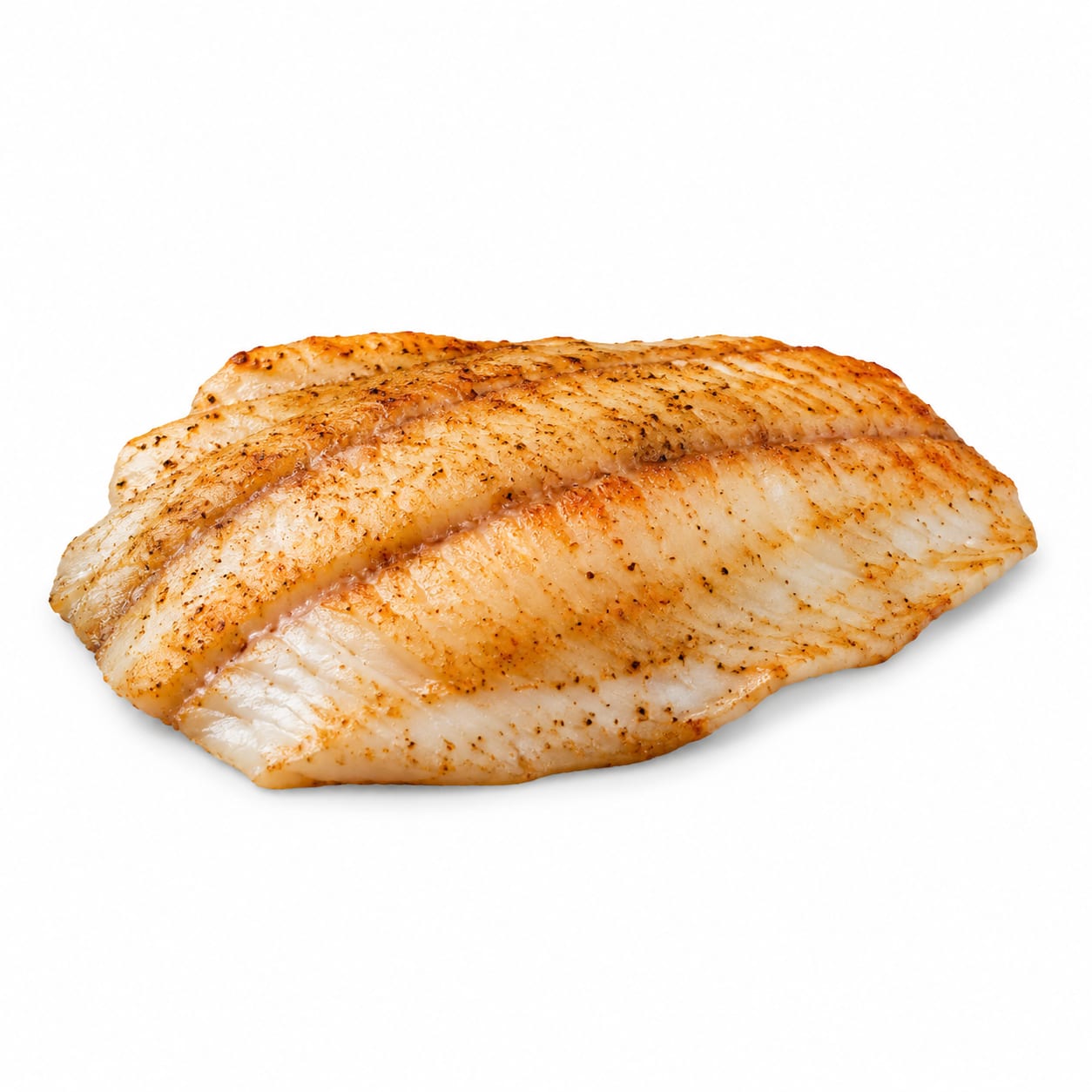
Tilapia
Cod offers a cleaner fat profile and fewer farming contaminants, making it the healthier lean fish, while Tilapia is a budget-friendly protein that carries inflammatory fat risks depending on its source.
Cod scores higher due to its superior omega fat profile and wild-caught safety profile, while Tilapia loses significant points for potentially high omega-6 levels and farming contaminants, despite being an affordable protein.
You trade lower cost and wider availability (Tilapia) for a better omega-3 to omega-6 ratio and lower risk of farming chemicals (Cod).
At a glance
Executive summary
Overall
Cod
Healthier
Cod
More practical
Tilapia
Daily use
Cod
Key comparison lenses
Inflammatory fat profile
Tilapia's omega-6 to omega-3 ratio is a major concern for consumers seeking anti-inflammatory diets, while Cod offers a cleaner fat profile.
Contaminant and farming safety
Cod faces moderate mercury exposure, whereas Tilapia is heavily farmed and carries risks of antibiotic residues and poor water quality.
Budget and accessibility
Tilapia is one of the most affordable fish available, making it a staple for budget-conscious households, while Cod is typically more expensive.
Lean protein quality
Both are popular low-calorie, high-protein options, often compared by those looking to build muscle or lose weight without heavy calories.
Best choice for
Cod
- Heart health and anti-inflammatory diets
- Avoiding farmed fish chemicals
- Those wanting a flakier, meatier texture
Tilapia
- Tight grocery budgets
- Quick weeknight dinners
- Picky eaters who prefer milder fish
Least suitable for
Cod
- Very tight food budgets
- Those needing the absolute lowest mercury options
Tilapia
- Strict anti-inflammatory protocols
- People avoiding farmed seafood
Deep comparison
Dimension by dimension
Each lens scores both foods and breaks down who each option suits.
- Dimension 1 · Priority 92Cod
Inflammatory Fat Profile
Cod · 85Tilapia · 45Cod has a much healthier balance of omega-3 to omega-6 fats, whereas farmed Tilapia can be highly inflammatory.
Tradeoff
Tilapia is cheaper to farm, but the corn and soy diet given to farmed Tilapia skews its fat profile toward inflammatory omega-6s.
Why it matters
A high omega-6 diet can counteract the benefits of omega-3s and promote chronic inflammation.
Real-world impact
Eating Tilapia regularly might not give you the anti-inflammatory benefits you expect from fish, potentially leaving joints stiffer or recovery slower.
Cod
- Reducing chronic inflammation
- Heart-healthy diets
Better for
- Saving money on groceries
Worse for
Tilapia
- Budget protein without red meat
Better for
- Managing arthritis
- Reducing systemic inflammation
Worse for
- Dimension 2 · Priority 88Cod
Safety & Contaminants
Cod · 75Tilapia · 55Cod faces moderate mercury concerns, but Tilapia's farming practices often involve antibiotics and poorer water quality.
Tradeoff
Cod's wild environment means mercury exposure, while Tilapia's farmed environment means chemical and antibiotic exposure.
Why it matters
Long-term exposure to heavy metals or agricultural chemicals carries different but real health risks.
Real-world impact
Choosing poorly sourced Tilapia could expose you to antibiotic residues, while eating too much Cod might raise mercury levels over time.
Cod
- Avoiding farmed fish chemicals
- Antibiotic-free diets
Better for
- Strict low-mercury needs
Worse for
Tilapia
- Low-mercury diets
- Pregnancy-safe fish (if well-sourced)
Better for
- Avoiding antibiotic exposure
- Clean eating protocols
Worse for
- Dimension 3 · Priority 70It depends
Lean Protein & Satiety
Cod · 80Tilapia · 78Both are excellent low-fat, high-protein options that keep you full without heavy calories.
Tradeoff
Cod is slightly firmer and flakier, making it feel more substantial in a meal, while Tilapia is softer and milder.
Why it matters
High-quality lean protein supports muscle maintenance and steady energy without digestive heaviness.
Real-world impact
Either fish makes a light, satisfying post-workout dinner that won't leave you feeling sluggish.
Cod
- Heartier meal texture
- Fish and chips style dishes
Better for
- Very tight budgets
Worse for
Tilapia
- Milder flavor for picky eaters
- Soft texture for kids
Better for
- Craving a meaty, flaky fish
Worse for
- Dimension 4 · Priority 75Tilapia
Cost & Convenience
Cod · 50Tilapia · 90Tilapia is one of the most affordable fish on the market, while Cod usually commands a premium price.
Tradeoff
You pay more for Cod's nutritional edge and wild-caught status, whereas Tilapia offers easy, cheap protein.
Why it matters
Budget constraints often dictate what ends up on the plate more than minor nutritional differences.
Real-world impact
Tilapia makes eating fish financially feasible multiple times a week for families, while Cod might be a once-a-week treat.
Cod
- Prioritizing quality over cost
Better for
- Weekly budget constraints
Worse for
Tilapia
- Feeding a large family
- Meal prepping on a budget
Better for
- Premium dining experiences
Worse for
Timeline
Health impact over time
Short-term
Hours to days
Cod
- Light, satisfying meal without bloating
- Steady energy from clean protein
Tilapia
- Affordable protein intake
- Potential mild digestive upset if sensitive to farmed fish additives
Long-term
Months to years
Cod
- Better cardiovascular health from balanced fats
- Low risk of inflammatory markers rising
Tilapia
- Risk of increased inflammation from high omega-6 intake
- Possible exposure to antibiotic-resistant bacteria if sourcing is poor
Risk profile
Safety & processing
Both are sold as fresh or frozen whole fillets, but farmed Tilapia is more likely to be treated with preservatives or color enhancers, while Cod is typically wild-caught and untreated.
Cod
Mercury exposure
mediumCod is a larger ocean fish with moderate mercury levels; safe in moderation but not ideal for daily consumption by pregnant women.
Tilapia
Antibiotic and chemical residues
highImported farmed Tilapia often tests positive for antibiotic residues and toxic chemicals from crowded farm conditions.
Poor omega-6 to omega-3 ratio
mediumFarmed Tilapia fed corn and soy accumulate inflammatory omega-6 fats, which can negatively impact heart health over time.
Who wins for whom
Audience fit
Same foods, different winners depending on your goal.
children
CodCod offers better nutrition for developing brains without the antibiotic risks associated with cheaply farmed Tilapia, though portion sizes should be moderate due to mercury.
daily consumption
CodCod is safer to eat more frequently due to better farming/wild environments, but should still be rotated with other proteins to manage mercury.
diabetes
CodCod's anti-inflammatory fat profile is more protective against diabetic complications compared to Tilapia's potentially inflammatory fats.
elderly
CodOlder adults benefit more from Cod's anti-inflammatory properties, which help protect aging joints and cardiovascular systems.
muscle gain
It dependsBoth provide solid lean protein for muscle repair, though neither is as protein-dense as chicken breast or tuna.
weight loss
It dependsBoth are extremely low in calories and high in protein, making them equally effective for weight loss as long as preparation methods stay lean.
Your move
Decision guide
Choose Cod
- You prioritize anti-inflammatory nutrition and heart health
- You want wild-caught fish with fewer chemical risks
- Budget is less of a concern
Choose Tilapia
- You need an affordable, lean protein source
- You are feeding picky eaters who prefer a milder, softer fish
- You can source high-quality, responsibly farmed Tilapia
Either works if
- You just need a low-calorie, high-protein dinner tonight
- You are rotating your protein sources and not eating either daily
Avoid both if
- You are looking for high omega-3 benefits (choose salmon or sardines instead)
- You have severe fish allergies
Final recommendation
Choose Cod when you want a cleaner, more anti-inflammatory meal and can spend a bit more. Opt for Tilapia only if budget is tight or you can verify it comes from a reputable, eco-conscious farm, as the standard farmed Tilapia's fat profile and chemical risks make it a less desirable regular staple.
Practical
Consumer tips
- 1
Look for Pacific Cod over Atlantic Cod for better sustainability and similar nutrition.
- 2
If buying Tilapia, look for certifications like BAP (Best Aquaculture Practices) or fish farmed in the US or Ecuador to avoid antibiotic issues.
- 3
Since neither is rich in omega-3s, consider drizzling your cooked fish with olive oil or pairing it with chia seeds to boost healthy fats.
- 4
Frozen Cod is often fresher than 'fresh' Cod at the counter since it's frozen at sea—don't shy away from the freezer section.