
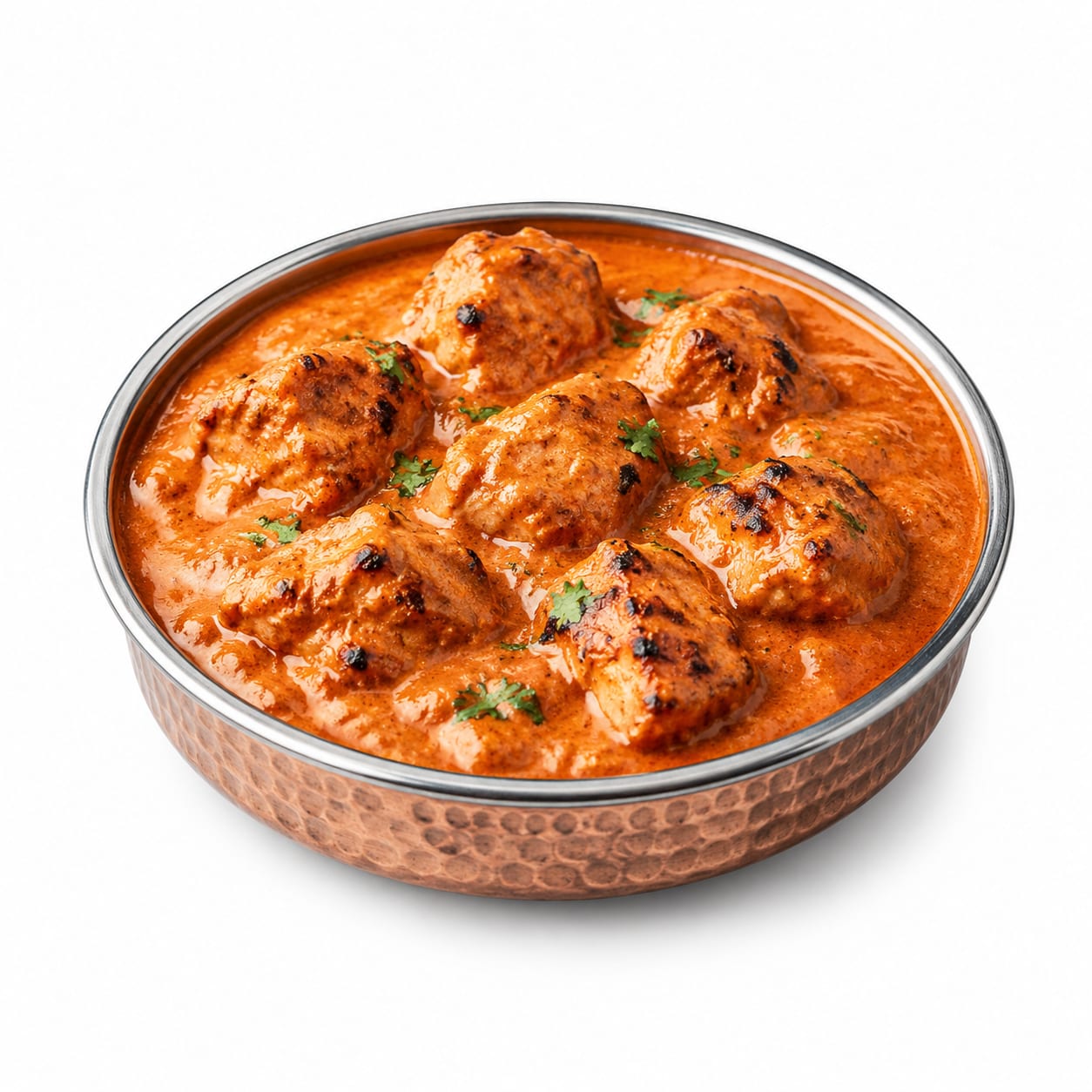
Curry
Tikka Masala
A rich, creamy Indian curry made with spiced tomato sauce and roasted meat or paneer.
A popular Indian curry dish featuring roasted marinated meat or paneer served in a spiced, creamy tomato-based sauce.
high-fat high-protein mixed dish
Typical serving · 250g
Common varieties · chicken tikka masala, paneer tikka masala, tofu tikka masala, lamb tikka masala, chickpea tikka masala
Overall context score across nutrition, safety, and diet fit
At a glance
Quick facts
Simple indicators based on nutrition, processing, and diet fit.
The story
What makes it unique
Tikka masala provides a high amount of protein from the chicken, but the creamy tomato sauce significantly increases its energy density and saturated fat content. Digestion is slowed by the high fat content, which can delay gastric emptying and blunt glycemic response despite the presence of sugars in the sauce. Satiety is moderate to high due to protein and fat, but caloric load is substantial.
Varieties: chicken tikka masala · paneer tikka masala · tofu tikka masala · lamb tikka masala · chickpea tikka masala
Per 100g
Nutrition breakdown
Macro balance and key metrics at a glance.
Energy
Density 1.60 kcal/g
Protein
Carbs
Fat
Fiber
Sugar
3 g
Sodium
350 mg
Potassium
280 mg
Glycemic index
35
Glycemic load
2
Water content
68%
Standout compounds
Nutrient highlights
Protein
highSupports muscle growth and repair
Saturated Fat
highProvides concentrated energy but may impact heart health
Sodium
moderateElectrolyte balance, but excessive in restaurant versions
Vitamin A
moderateSupports vision and immune function from tomatoes and dairy
Calcium
moderateImportant for bone health, derived from dairy in the sauce
Wellness map
Health scores & processing
NOVA processing scale
ultra-processed (restaurant/takeout) · Ultra-processed
Restaurant and pre-packaged tikka masala often contains added sugars, industrial seed oils, heavy cream, and thickening agents, classifying it as ultra-processed. Homemade versions using whole ingredients fall into Nova 3.
Diet compatibility
- Weight loss
- Muscle gain
- Diabetes
- Gut health
- Low carb
- High protein
- Heart health
Relative standing
Food rankings
Qualitative ranks compared to similar whole foods.
- Satietygood
- Blood sugarmoderate
- Nutrient densitymoderate
- Fitness fuelgood
- Processing qualitypoor
Eat with confidence
Food safety profile
Generally safe when cooked properly. Primary concerns relate to the sourcing of the chicken regarding antibiotic use, and dairy, as well as potential spice adulteration in imported spice blends.
Evidence confidence 85%
- Pesticideslow
- Antibioticsmoderate
- Heavy metalslow
- Contaminationlow
Watch for
- spice adulterants
- unpasteurized dairy
Safer choices
Organic or free-range chicken, grass-fed dairy or coconut milk alternatives
Prep tips
Ensure chicken is cooked to an internal temperature of 165°F (74°C). Refrigerate leftovers promptly.
Standard concerns regarding poultry farming practices and dairy sourcing.
Deep dive
Health analysis
How this food may fit different goals and preparation choices.
Weight loss
Not ideal for weight loss due to high energy density and saturated fat content from cream and butter. Portion control is critical.
Blood sugar
The high fat and protein content slows digestion, resulting in a lower glycemic index, but hidden sugars in the sauce can still impact blood glucose.
Fitness & energy
Provides substantial protein for muscle repair, but the high fat content can cause sluggishness if eaten before intense exercise.
Gut health
Spices like cumin and coriander may aid digestion, but the high dairy fat and low fiber content offer minimal prebiotic benefits.
Processing quality
Commercial preparations often rely on added sugars, modified starches, and excessive sodium. Homemade versions using tomato puree and yogurt are significantly less processed.
Food safety
Safe when prepared fresh. Risk increases with improper storage of dairy-based sauces or undercooked poultry.
Common mistakes
Assuming it is a low-calorie protein source, and underestimating the caloric impact of the creamy sauce when tracking macros.
Best preparation
Marinate chicken in yogurt and spices, grill or bake, and simmer in a sauce made from crushed tomatoes, light coconut milk, or Greek yogurt instead of heavy cream.
Practical guide
Best use cases
When and how this food fits real eating patterns.
post-workout dinner
Provides high protein for muscle recovery when eaten in moderation.
high-fat low-carb meal
Fits modified low-carb diets if sugar is omitted from the sauce.
bulking phase meal
High caloric density supports calorie surplus goals for muscle gain.
Balance sheet
Pros & cons
Upsides
- High in complete protein from chicken
- Rich in flavorful spices that provide antioxidants
- Low glycemic index due to fat and protein content
- Highly satiating when consumed as a full meal
Trade-offs
- Very high in calories and saturated fat from cream and butter
- Restaurant versions often contain hidden added sugars
- Sodium content can be excessively high in pre-made or takeout versions
- Low in dietary fiber unless served with vegetables
Fit check
Who is it for?
Great match
- bulking and muscle gain phases
- low-carb diets (if sugar is omitted)
- high-protein dinner needs
Consider alternatives
- strict calorie deficit diets
- low-fat or heart-healthy diets
- dairy-free or lactose-intolerant individuals (unless modified)
Side by side
How it compares
Open the full head-to-head analysis for nutrition, safety, and practical tradeoffs.
This food
Tikka Masala
VS90% alike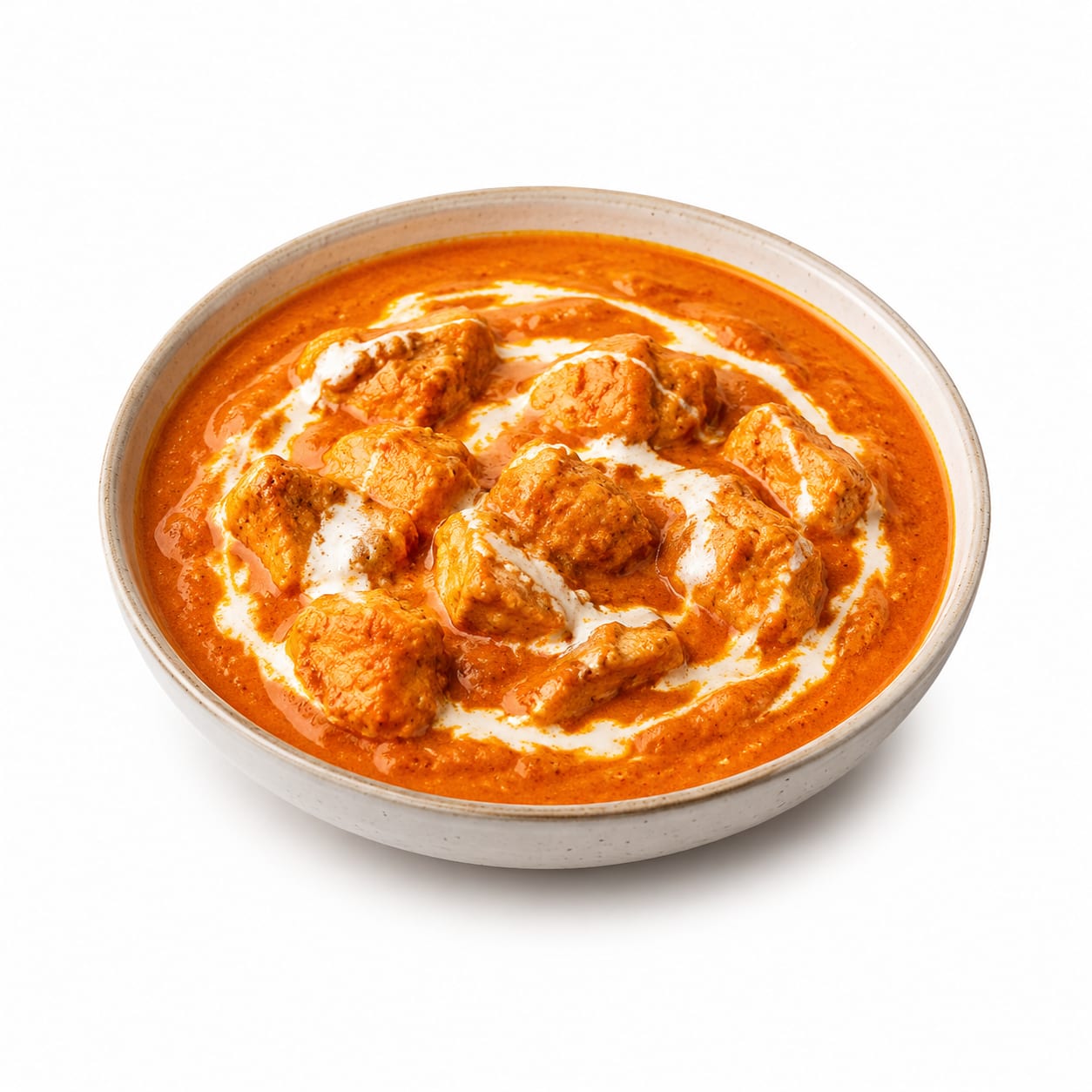
Compare with
Butter Chicken
Butter chicken is slightly sweeter and richer in butter, while tikka masala has a more robust spice profile and thicker sauce.
Tikka masala is slightly lighter than butter chicken, but both are heavy, creamy curries.
This food
Tikka Masala
VS70% alike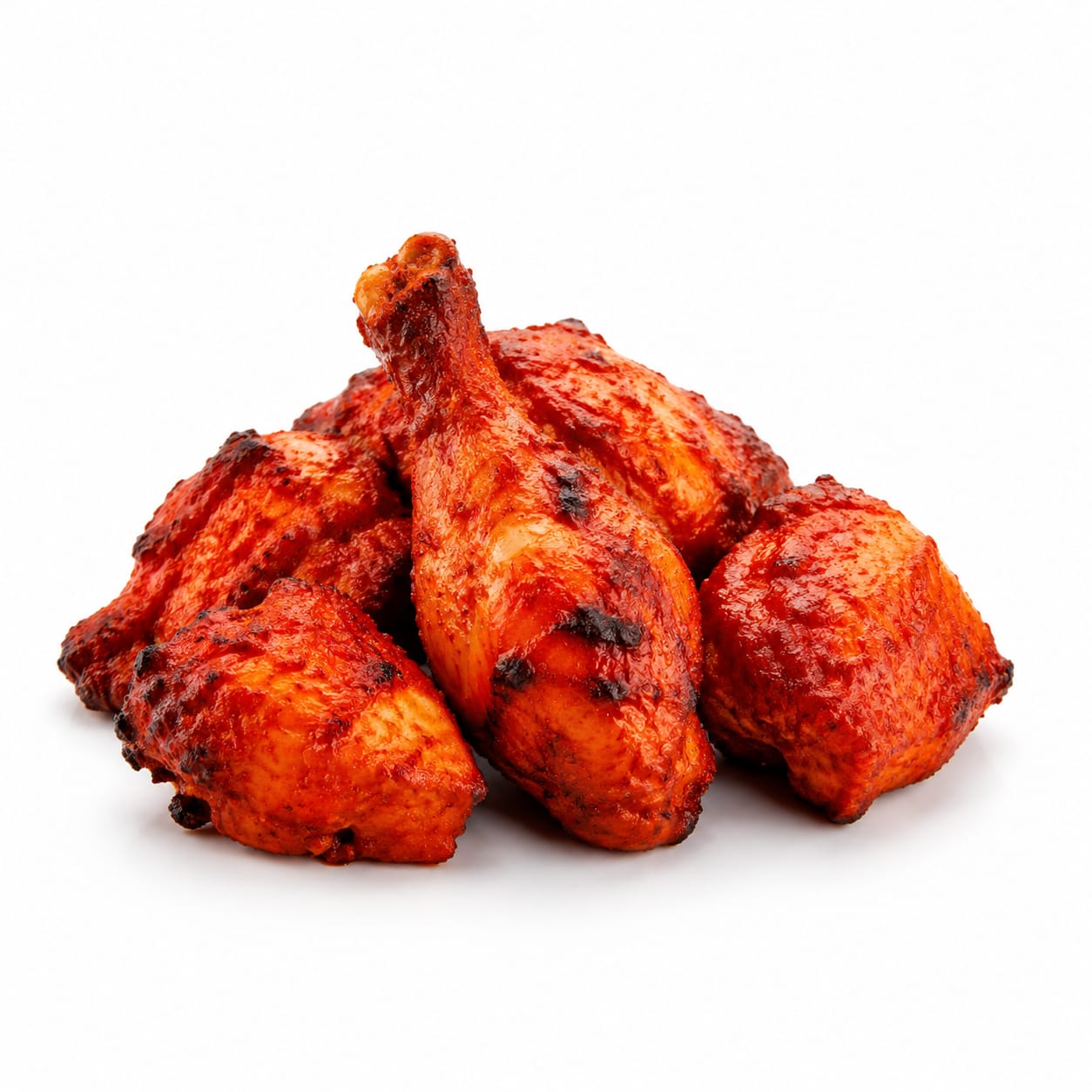
Compare with
Tandoori Chicken
Tandoori chicken is roasted without sauce, making it much lower in fat and calories, while tikka masala is smothered in creamy sauce.
Tandoori chicken is the lean, dry alternative to the heavy, saucy tikka masala.
This food
Tikka Masala
VS85% alike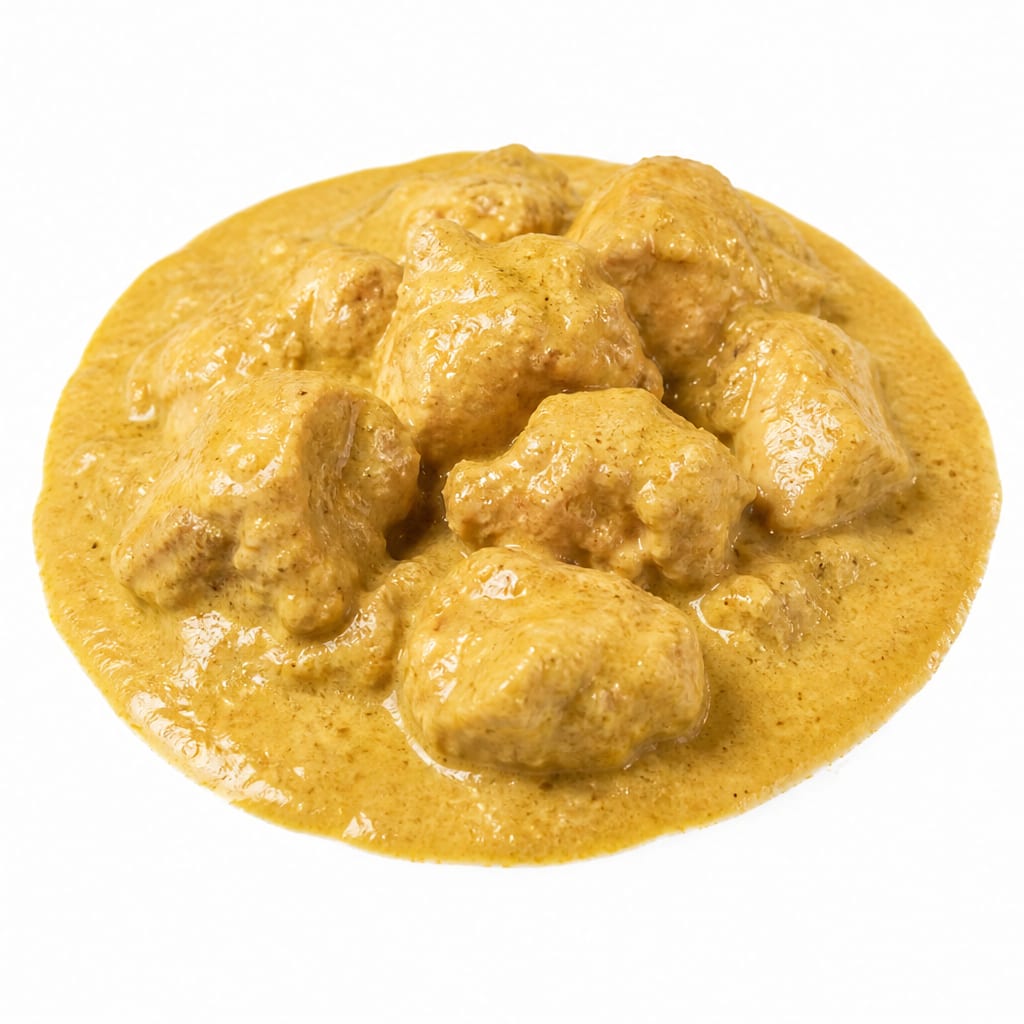
Compare with
Chicken Korma
Korma is based on a creamy nut and yogurt sauce, often sweeter, while tikka masala is tomato-based and more savory.
Tikka masala relies on tomatoes and spices, whereas korma uses nuts and cream for a sweeter, richer profile.
This food
Tikka Masala
VS60% alike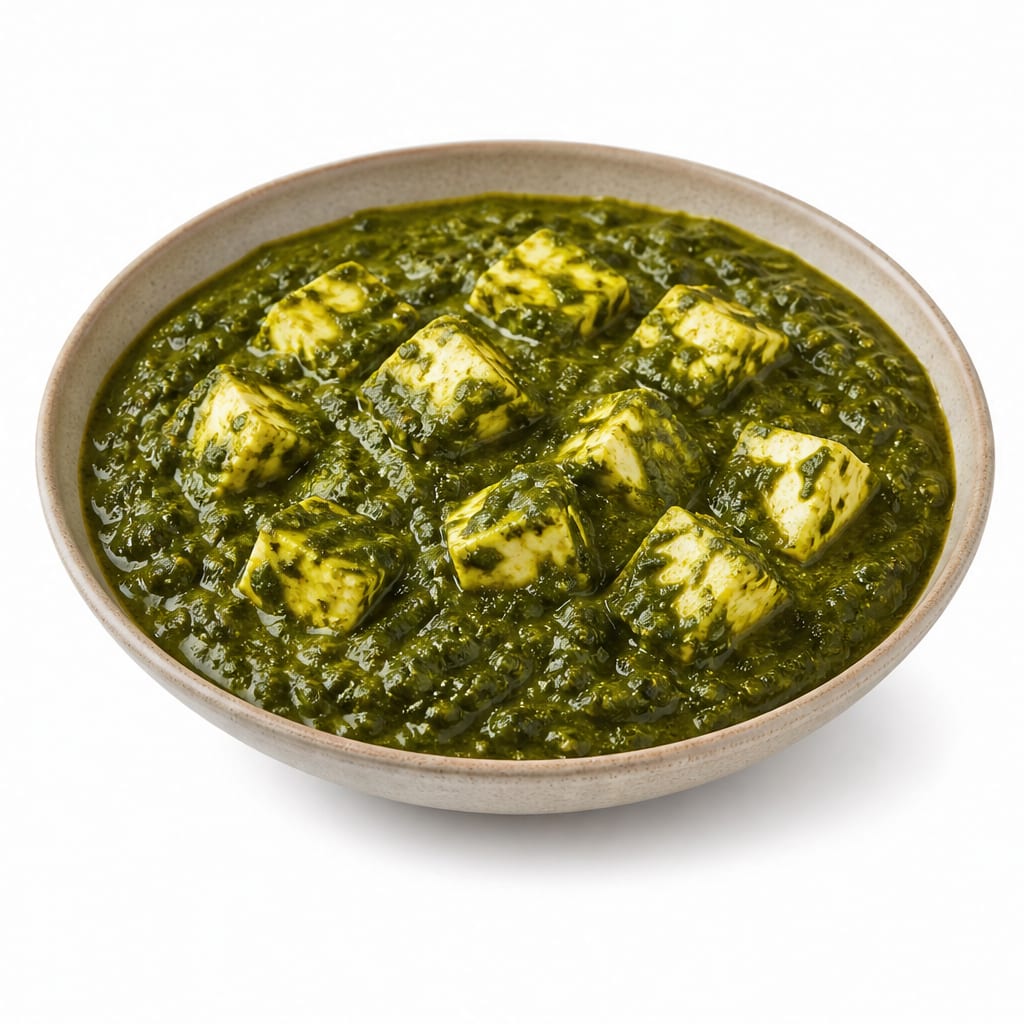
Compare with
Palak Paneer
Palak paneer uses a spinach-based sauce with cheese, offering more iron and fiber, while tikka masala provides more protein from chicken but less fiber.
Palak paneer offers more fiber and iron from spinach, while tikka masala delivers more protein from chicken.
This food
Tikka Masala
VS75% alike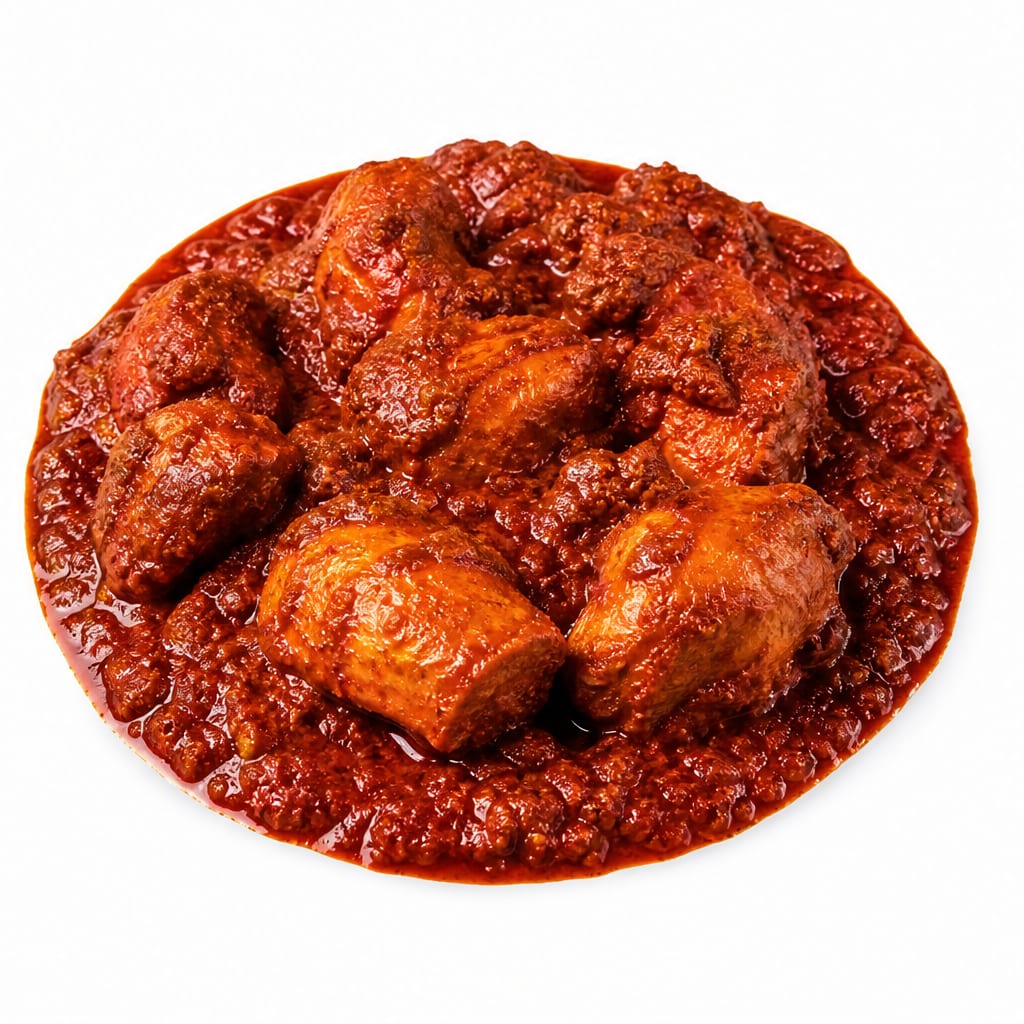
Compare with
Chicken Vindaloo
Vindaloo is vinegar-based and highly spicy with less cream, while tikka masala is creamy and mild.
Vindaloo is a spicy, lower-fat curry, whereas tikka masala is a mild, high-fat creamy curry.
This food
Tikka Masala
VS80% alike.jpg)
Compare with
Chicken Tikka (Dry)
Dry chicken tikka is just the grilled spiced meat, making it much lower in calories and fat than the saucy masala version.
Dry chicken tikka provides the same great flavor without the heavy calorie load of the masala sauce.
This food
Tikka Masala
VS65% alike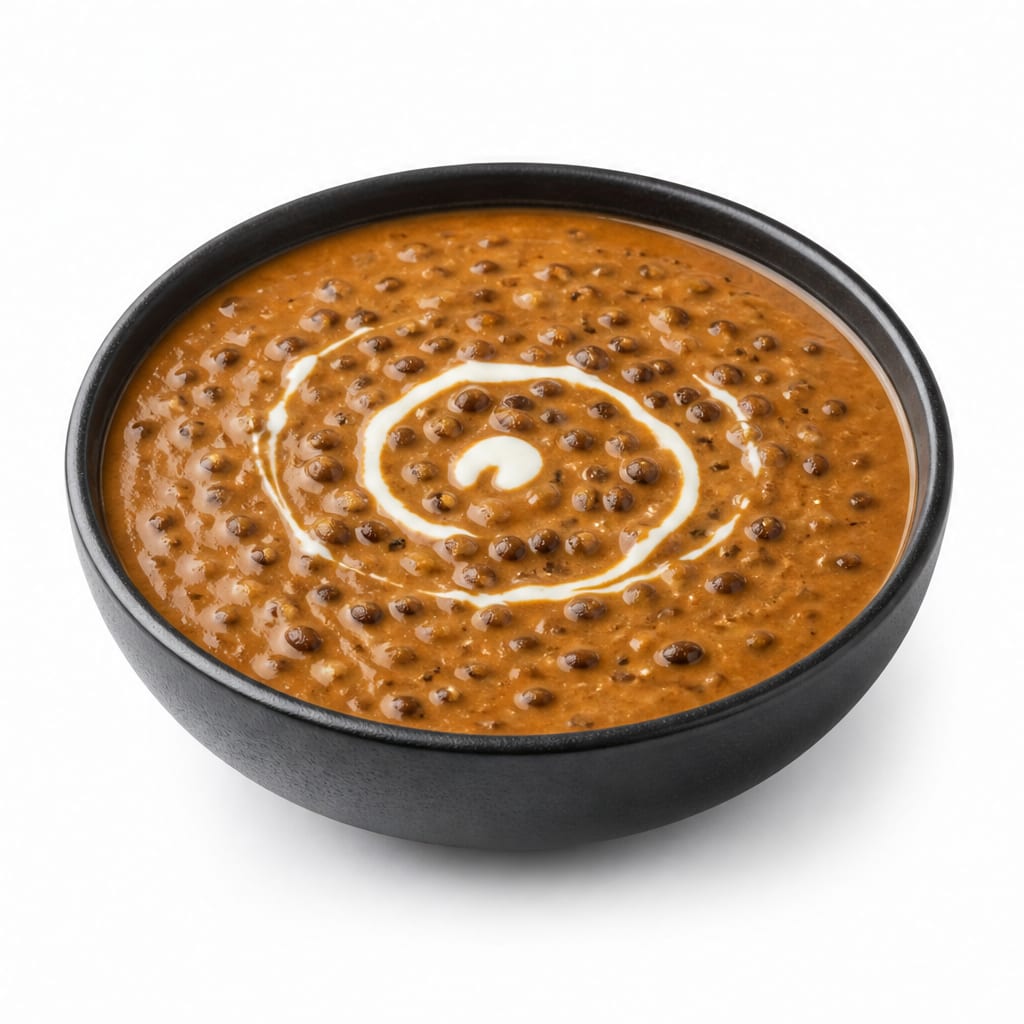
Compare with
Dal Makhani
Dal makhani is lentil-based, offering more fiber, while tikka masala is chicken-based, offering more protein.
Dal makhani provides plant-based fiber and protein, while tikka masala offers higher animal protein.
This food
Tikka Masala
VS55% alike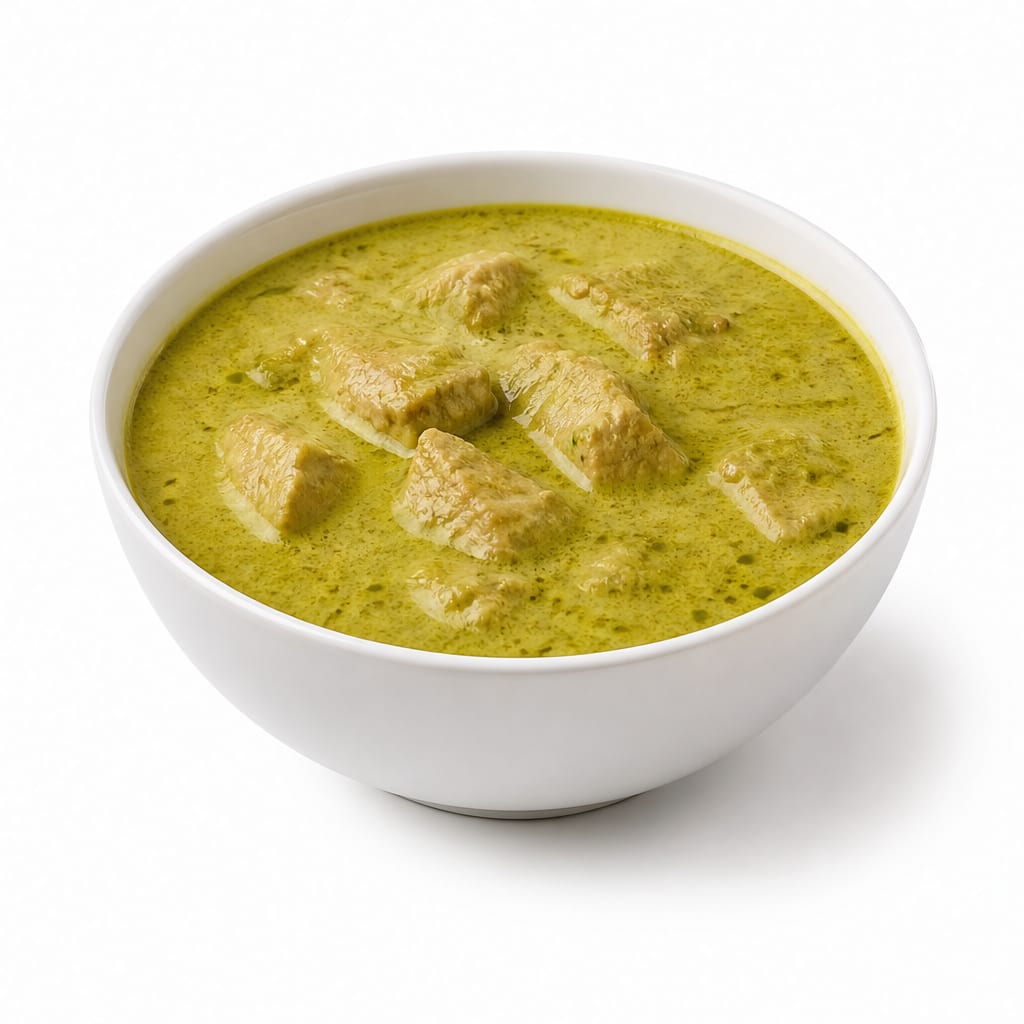
Compare with
Thai Green Curry
Thai green curry uses coconut milk and green chilies, while tikka masala uses dairy cream and tomato.
Tikka masala offers more protein from chicken, while Thai green curry provides different spice profiles and dairy-free fat.
This food
Tikka Masala
VS50% alike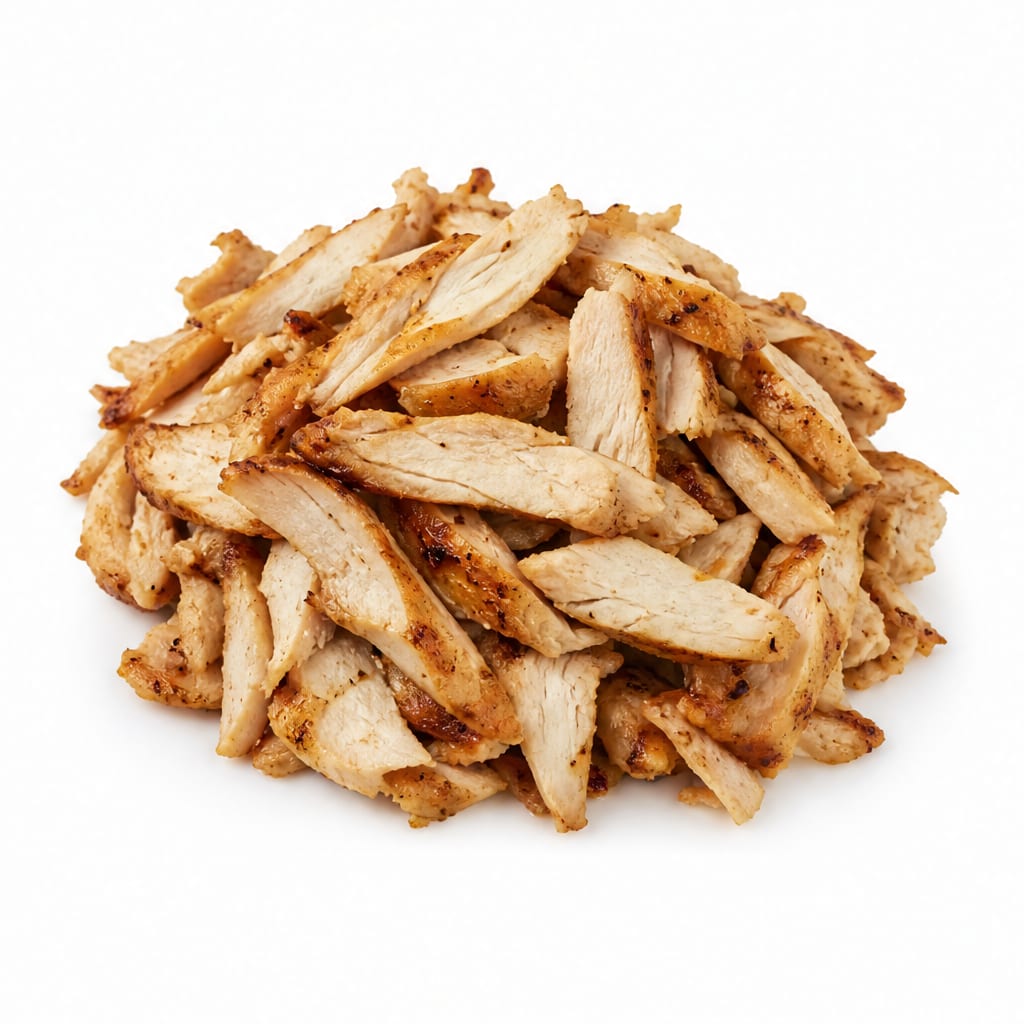
Compare with
Chicken Shawarma
Shawarma is roasted and served in a wrap, while tikka masala is simmered in a creamy sauce.
Shawarma is a lighter, dry-roasted option, while tikka masala is a heavier, saucier meal.
This food
Tikka Masala
VS45% alike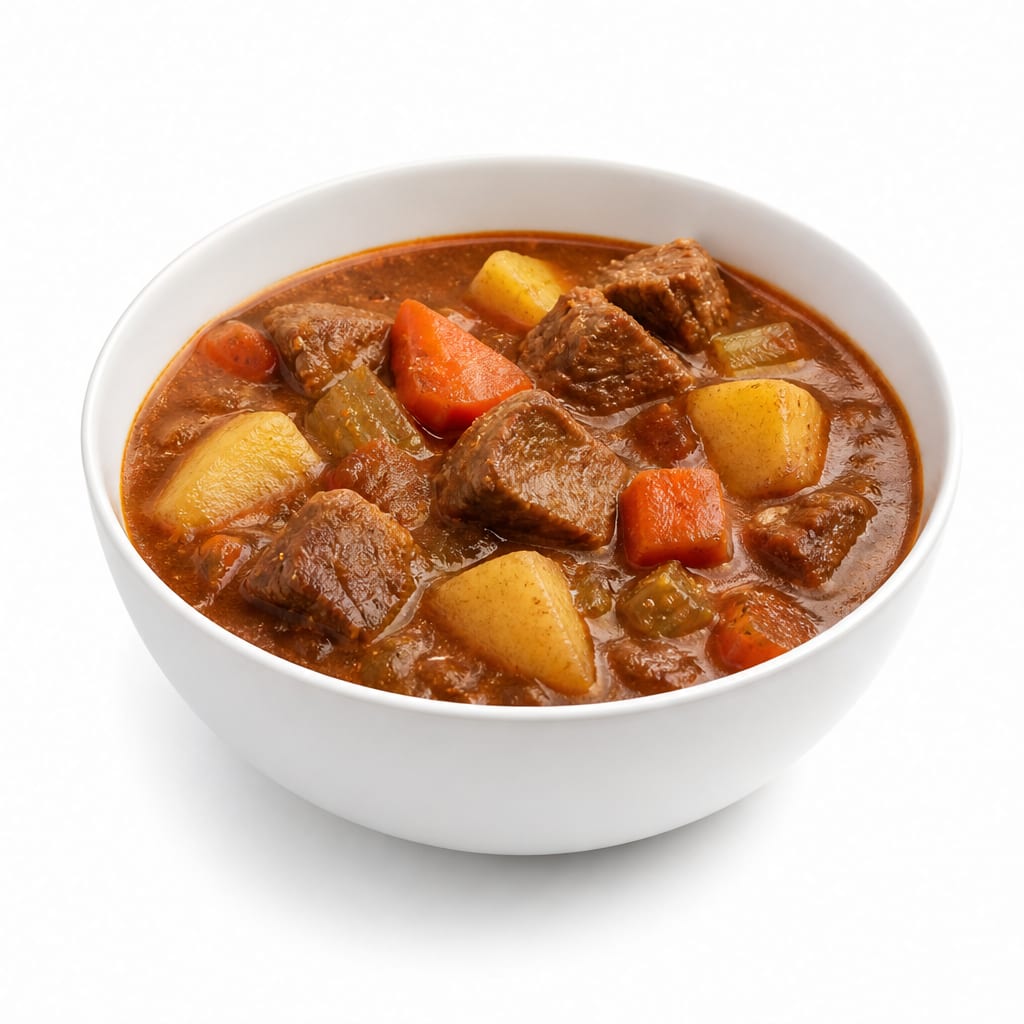
Compare with
Beef Stew
Beef stew is broth-based with root vegetables, while tikka masala is cream-based with tomatoes.
Beef stew is a broth-based comfort food, while tikka masala is a cream-based curry with significantly more saturated fat.
Common questions
FAQ
Answers aligned with how people search for this food.
Is tikka masala good for weight loss?
Standard tikka masala is high in calories and fat from cream, making it challenging for weight loss unless portion sizes are strictly controlled or the recipe is lightened.
How many calories are in chicken tikka masala?
A typical restaurant serving of chicken tikka masala contains between 400 and 600 calories, largely from the creamy sauce.
Is tikka masala keto-friendly?
Traditional tikka masala is not strictly keto due to tomatoes and added sugar in the sauce, but it can be modified with cream and no sugar to fit a ketogenic diet.
What is the difference between tikka masala and butter chicken?
Butter chicken generally has a smoother, richer, and sweeter tomato-based sauce with more butter, while tikka masala has a more pronounced spice profile and slightly thicker sauce.
Can diabetics eat tikka masala?
While the glycemic index is low due to fat and protein, the hidden sugars and high saturated fat make it a dish to consume in moderation for blood sugar and heart health management.
How much protein is in chicken tikka masala?
A standard serving provides about 30 to 40 grams of protein, primarily from the chicken.
Is tikka masala spicy?
Tikka masala is typically mild to moderate in heat, focusing more on aromatic spices and creamy richness than intense spiciness.
Can I make tikka masala dairy-free?
Yes, substituting heavy cream with coconut milk or cashew cream creates a popular dairy-free alternative that is also paleo-friendly.
Transparency
Data confidence
Estimated confidence for nutrition data, interpretation, safety notes, and comparisons.
Nutrition data
Health analysis
Food safety
Comparisons