
Nutrition comparison
Tikka Masala vs Palak Paneer: Which Indian Curry Is Healthier?
Compare Tikka Masala and Palak Paneer nutrition — calories, protein, fat, fiber, and health impact. Find out which Indian curry is better for weight loss, heart health, and daily eating.
Overall winner · Palak Paneer
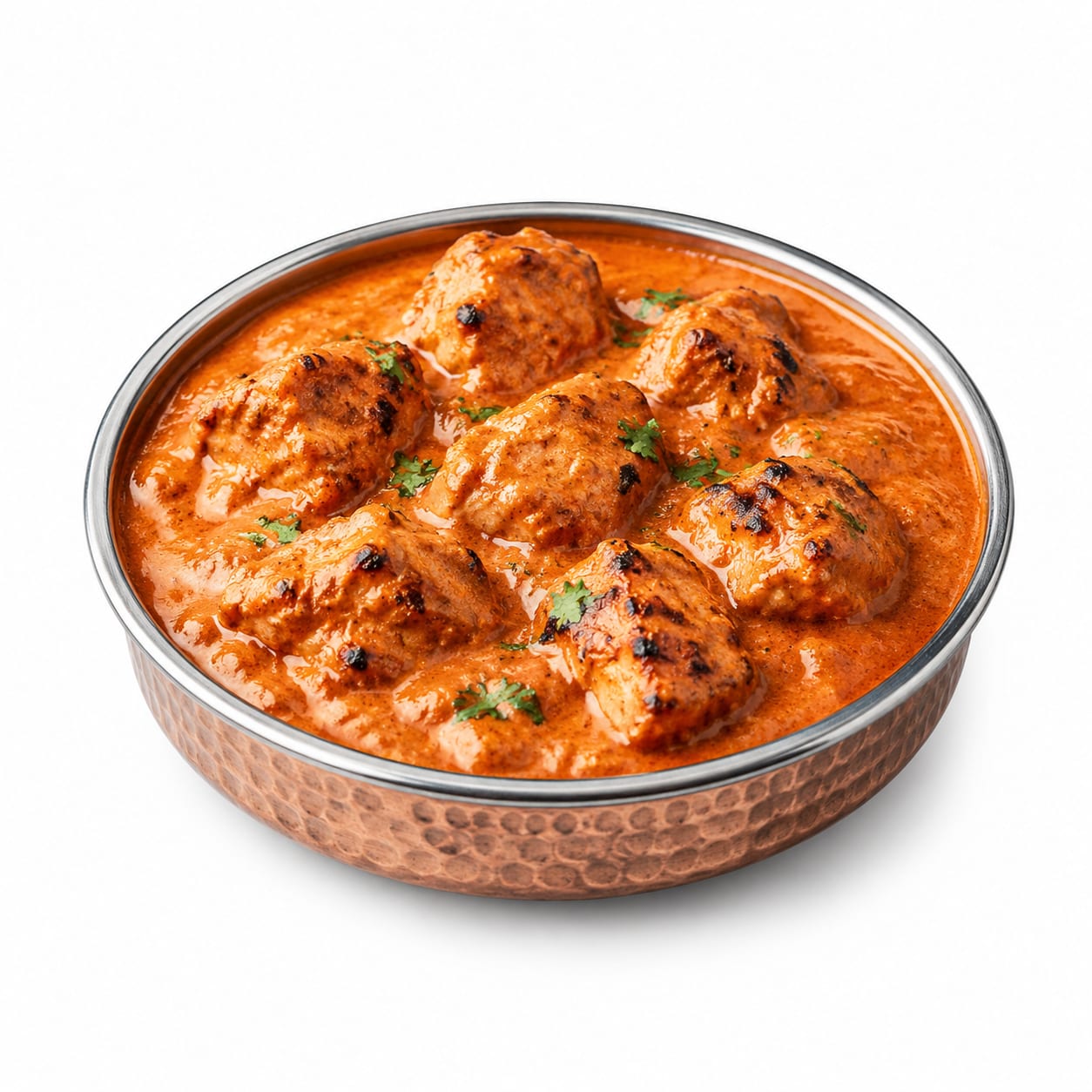
Tikka Masala
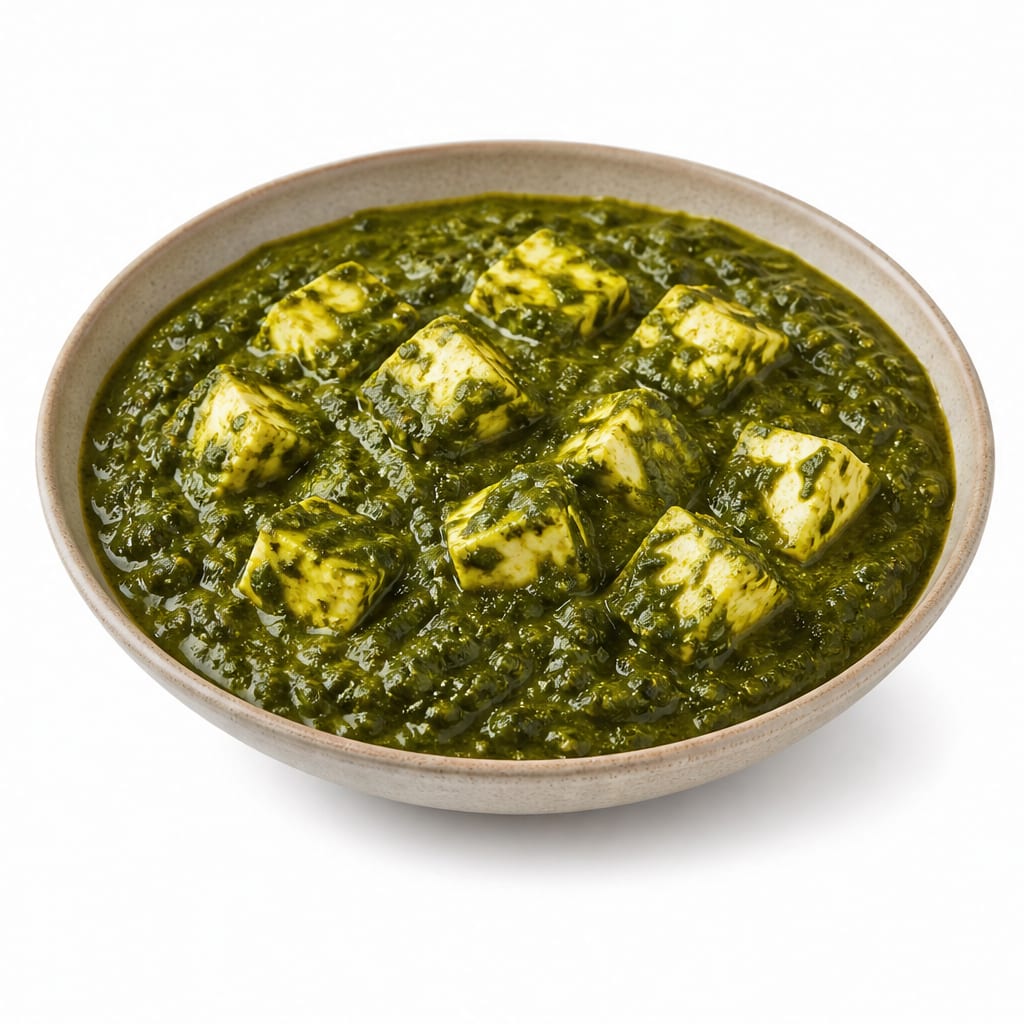
Palak Paneer
Palak Paneer delivers more nutrition per calorie with its spinach base, while Tikka Masala is a cream-heavy indulgence best enjoyed occasionally.
Palak Paneer scores notably higher due to superior nutrient density, lower calorie load, and better long-term health profile. Tikka Masala is not unhealthy in isolation but its cream-heavy sauce makes it a less sustainable everyday choice.
Tikka Masala offers bolder comfort flavors and higher protein from chicken, but Palak Paneer provides iron, fiber, and vitamins with fewer calories and less saturated fat.
At a glance
Executive summary
Overall
Palak Paneer
Healthier
Palak Paneer
More practical
It depends
Daily use
Palak Paneer
Key comparison lenses
Which Indian curry is healthier for regular consumption?
Both are popular restaurant dishes, but their nutritional profiles differ dramatically for everyday eating
Calorie and fat comparison between cream-based vs spinach-based curry
Tikka Masala's cream sauce makes it significantly heavier; Palak Paneer's spinach base changes the equation entirely
Nutrient density tradeoff: indulgence vs vegetable-forward eating
Users often want to know if they can enjoy Indian food without sacrificing nutrition goals
Heart health and long-term sustainability
Both dishes contain saturated fat, but from different sources and in different amounts
Protein quality and satiety comparison
Chicken vs paneer protein sources matter differently for various dietary needs
Best choice for
Tikka Masala
- High-protein meals when chicken-based
- Post-workout recovery eating
- Occasional indulgent comfort meals
- Bulking phases needing calorie surplus
- Social dining where rich flavor matters
Palak Paneer
- Weeknight dinners eaten regularly
- Weight management and fat loss phases
- Iron-deficient individuals needing plant iron sources
- Anyone increasing vegetable intake
- Long-term heart-health conscious eating
Least suitable for
Tikka Masala
- Daily or frequent consumption
- Lactose-intolerant individuals due to heavy cream
- Anyone monitoring saturated fat closely
- Weight loss diets unless portion-controlled
- Low-sodium dietary requirements
Palak Paneer
- Very low-fat diet protocols
- Vegans due to paneer
- Those who dislike spinach flavor
- People needing very high protein per serving
Deep comparison
Dimension by dimension
Each lens scores both foods and breaks down who each option suits.
- Dimension 1 · Priority 92Palak Paneer
Calorie Density and Weight Management
Tikka Masala · 35Palak Paneer · 68Tikka Masala packs significantly more calories per serving due to its cream and butter base, while Palak Paneer's spinach foundation keeps calories more manageable.
Tradeoff
You sacrifice the rich mouthfeel of Tikka Masala's cream sauce but gain a dish that won't quietly push you past your calorie budget.
Why it matters
Restaurant Tikka Masala can easily exceed 400-500 calories per serving, making weight maintenance harder if eaten frequently.
Real-world impact
Eating Tikka Masala twice weekly could add 400+ extra calories compared to the same frequency of Palak Paneer — that's roughly 6 pounds of potential weight gain per year.
Tikka Masala
- Active individuals needing calorie surplus
- Hard gainers struggling to eat enough
Better for
- Sedentary lifestyles with frequent restaurant meals
- Anyone tracking calories closely
Worse for
Palak Paneer
- Steady weight maintenance
- Calorie-conscious meal planning
- Fat loss phases with portion control
Better for
- Athletes needing calorie-dense recovery meals
Worse for
- Dimension 2 · Priority 90Palak Paneer
Nutrient Density and Micronutrients
Tikka Masala · 38Palak Paneer · 82Palak Paneer is a micronutrient powerhouse thanks to spinach, delivering iron, folate, vitamin K, and magnesium. Tikka Masala's tomato-cream sauce offers lycopene but far fewer vitamins and minerals overall.
Tradeoff
Tikka Masala provides some lycopene from tomatoes, but Palak Paneer's spinach base delivers a much broader spectrum of essential nutrients per bite.
Why it matters
Nutrient-dense foods satisfy your body's actual needs, reducing cravings and supporting long-term health without requiring supplements.
Real-world impact
A serving of Palak Paneer covers roughly 30-40% of your daily vitamin K and 15-20% of iron needs, while Tikka Masala offers minimal micronutrient contribution beyond lycopene.
Tikka Masala
- Lycopene intake from tomato-based sauce
Better for
- Anyone relying on meals for vitamin and mineral intake
Worse for
Palak Paneer
- Iron-deficient individuals
- Prenatal nutrition needs due to folate
- Bone health support through vitamin K
- Overall micronutrient insurance
Better for
- Those needing high lycopene specifically
Worse for
- Dimension 3 · Priority 80Tikka Masala
Protein Quality and Satiety
Tikka Masala · 75Palak Paneer · 62Chicken Tikka Masala provides complete, high-quality protein with all essential amino acids. Paneer offers decent protein but less per serving and with more saturated fat per gram of protein.
Tradeoff
Tikka Masala's chicken delivers more bioavailable protein, but it comes wrapped in heavy cream. Palak Paneer's protein is adequate but not exceptional.
Why it matters
Protein quality affects how full you feel and how well your body builds and repairs tissue.
Real-world impact
A chicken Tikka Masala serving provides roughly 30-35g protein versus 15-18g from Palak Paneer — a meaningful difference for active people or anyone prioritizing satiety.
Tikka Masala
- Post-workout recovery meals
- High-protein diet followers
- Anyone needing stronger satiety signals
Better for
- Those wanting lighter evening meals
Worse for
Palak Paneer
- Vegetarians seeking moderate protein
- Lighter meals that won't feel heavy
Better for
- Athletes and strength trainers needing higher protein
Worse for
- Dimension 4 · Priority 85Palak Paneer
Heart Health and Saturated Fat
Tikka Masala · 32Palak Paneer · 55Both dishes contain saturated fat, but Tikka Masala's cream and butter load is substantially higher. Palak Paneer's paneer contributes saturated fat too, but the spinach provides heart-protective nutrients that partially offset this.
Tradeoff
Neither dish is ideal for strict heart-health protocols, but Palak Paneer at least delivers potassium, magnesium, and nitrates that support cardiovascular function alongside its fat content.
Why it matters
Frequent high-saturated-fat meals raise LDL cholesterol over time, especially when eaten regularly at restaurants.
Real-world impact
Regular Tikka Masala consumption could contribute 15-20g saturated fat per meal — near or exceeding daily limits for heart-conscious eaters in a single serving.
Tikka Masala
- Occasional indulgence only
Better for
- People with high LDL cholesterol
- Family history of heart disease
- Frequent restaurant eaters
Worse for
Palak Paneer
- Long-term cardiovascular health
- Cholesterol-conscious eating patterns
- Potassium and magnesium intake for blood pressure
Better for
- Very low-fat diet prescriptions
Worse for
- Dimension 5 · Priority 78Palak Paneer
Fiber and Digestive Health
Tikka Masala · 25Palak Paneer · 72Palak Paneer provides meaningful fiber from spinach, supporting digestion and gut health. Tikka Masala is essentially fiber-free, as the cream sauce and chicken contain none.
Tradeoff
Choosing Tikka Masala means you'll need to get fiber from other parts of your meal, while Palak Paneer contributes meaningfully toward daily fiber goals on its own.
Why it matters
Fiber stabilizes blood sugar, feeds gut bacteria, and keeps digestion regular — most people already fall short of daily targets.
Real-world impact
A serving of Palak Paneer provides roughly 4-6g fiber versus near zero from Tikka Masala, making a real dent in the 25-30g daily target.
Tikka Masala
- No specific digestive advantage
Better for
- Anyone struggling with low fiber intake
- Blood sugar management concerns
Worse for
Palak Paneer
- Blood sugar stability after meals
- Gut microbiome support
- Preventing post-meal energy crashes
- Meeting daily fiber targets more easily
Better for
- No significant downside here
Worse for
- Dimension 6 · Priority 70It depends
Sodium Load
Tikka Masala · 40Palak Paneer · 45Both restaurant versions tend to be high in sodium, though Tikka Masala's sauce often contains slightly more due to additional seasoning and sauce reduction. Palak Paneer can also be quite salty depending on preparation.
Tradeoff
Neither dish wins on sodium — both are restaurant-level salty. Home preparation makes a bigger difference than choosing between them.
Why it matters
High sodium intake raises blood pressure and causes bloating, especially relevant for salt-sensitive individuals.
Real-world impact
Restaurant servings of either dish can contain 800-1500mg sodium — half or more of your daily limit in one plate.
Tikka Masala
- Slightly lower sodium in some preparations
Better for
- Blood pressure concerns with frequent consumption
Worse for
Palak Paneer
- Potassium from spinach helps counterbalance sodium effects
Better for
- Equally concerning sodium levels at restaurants
Worse for
- Dimension 7 · Priority 72Tikka Masala
Emotional Satisfaction and Cravings
Tikka Masala · 88Palak Paneer · 65Tikka Masala is the quintessential comfort food — rich, creamy, and deeply satisfying. Palak Paneer is comforting too but in a lighter, less indulgent way that may not scratch the same itch.
Tradeoff
Tikka Masala wins on pure pleasure and craving satisfaction, but that richness makes it harder to eat moderately and easier to overconsume.
Why it matters
Food satisfaction matters for sustainability — but hyper-palatable foods can override fullness signals and drive overeating.
Real-world impact
You're more likely to go back for seconds with Tikka Masala, while Palak Paneer satisfies without the same pull toward overindulgence.
Tikka Masala
- Comfort eating when you truly need it
- Special occasions and celebrations
- Satisfying persistent curry cravings
Better for
- Emotional eaters prone to overconsumption
- Anyone trying to break comfort-eating patterns
Worse for
Palak Paneer
- Mindful eating practices
- Avoiding the heavy sluggish feeling after meals
- Maintaining portion awareness naturally
Better for
- Moments when only rich comfort food will do
Worse for
Timeline
Health impact over time
Short-term
Hours to days
Tikka Masala
- Heavy fullness and potential bloating from high fat content
- Energy crash possible 1-2 hours after eating due to fat and calorie load
- Higher likelihood of food coma or afternoon sluggishness
- Immediate satisfaction and comfort from rich flavors
Palak Paneer
- Lighter post-meal feeling with steadier energy
- Less digestive heaviness despite paneer fat content
- Better blood sugar stability after eating
- Mild satiety without the weighted-down sensation
Long-term
Months to years
Tikka Masala
- Higher saturated fat intake may raise LDL cholesterol if eaten frequently
- Calorie surplus risk from regular consumption contributing to gradual weight gain
- Low fiber intake misses long-term gut health benefits
- Increased cardiovascular risk markers with habitual restaurant-portion consumption
Palak Paneer
- Iron and folate intake supports energy and blood health over time
- Fiber contributes to gut microbiome diversity and digestive regularity
- Potassium and magnesium from spinach support blood pressure management
- Still contains meaningful saturated fat from paneer requiring moderation
Risk profile
Safety & processing
Both dishes are cooked from recognizable ingredients, but Tikka Masala's cream sauce and restaurant preparations often include stabilizers, food coloring, and added thickeners. Palak Paneer is typically closer to its whole-food roots, with fewer additives in standard preparations.
Tikka Masala
Foodborne illness from undercooked chicken
mediumChicken must be fully cooked; restaurant handling practices vary. This risk is absent in vegetarian Palak Paneer.
Cream spoilage and dairy contamination
lowHeavy cream in the sauce can spoil if not stored properly, though cooking reduces this risk significantly.
Artificial food coloring in restaurant versions
lowSome restaurants add artificial orange coloring to achieve the signature Tikka Masala hue.
Palak Paneer
Oxalate content from spinach
lowHigh oxalate levels in spinach may concern people with kidney stone history. Boiling spinach reduces oxalates somewhat.
Paneer spoilage from improper refrigeration
lowFresh paneer is perishable and requires proper storage, but cooked paneer in curry is generally safe.
Who wins for whom
Audience fit
Same foods, different winners depending on your goal.
children
Palak PaneerPalak Paneer sneaks in vegetables and iron while remaining kid-friendly. Tikka Masala's spice level and heavy richness are less ideal for young palates and growing bodies.
daily consumption
Palak PaneerPalak Paneer's lighter profile and vegetable content make it sustainable as a regular meal. Tikka Masala's richness makes it better suited for occasional enjoyment.
diabetes
Palak PaneerPalak Paneer's fiber content slows glucose absorption, leading to steadier blood sugar. Tikka Masala's low fiber and high fat can still cause delayed glucose spikes.
elderly
Palak PaneerNutrient density, easier digestibility, and bone-supporting vitamin K from spinach make Palak Paneer more appropriate for aging bodies with higher micronutrient needs.
muscle gain
Tikka MasalaChicken Tikka Masala provides significantly more complete protein per serving, which is the priority for muscle building and recovery.
weight loss
Palak PaneerLower calorie density and higher fiber make Palak Paneer more filling per calorie, supporting portion control and sustainable fat loss.
Your move
Decision guide
Choose Tikka Masala
- You're ordering Indian food as a rare treat and want maximum satisfaction
- You need a high-protein post-workout meal with bold flavors
- You're actively bulking and calorie density works in your favor
- Comfort food is the priority and this meal is your indulgence for the week
Choose Palak Paneer
- You eat Indian food regularly and want a sustainable everyday option
- Weight management or fat loss is your current goal
- You want to increase vegetable and micronutrient intake without sacrificing flavor
- Heart health or cholesterol management matters to you
- You're cooking at home and want a nutrient-dense dinner that reheats well
Either works if
- You're ordering for a group and both dishes complement each other well
- Neither dish will make or break your diet in a single meal
- You're eating Indian food occasionally and enjoyment is the top priority
Avoid both if
- You're on a strict low-sodium protocol — both are salt-heavy at restaurants
- You have severe dairy intolerance or allergy — both contain significant dairy
- You're following a vegan diet — both contain animal products
- You need very low-fat meals for gallbladder or pancreatic conditions
Final recommendation
Make Palak Paneer your go-to for regular Indian meals and save Tikka Masala for when you truly want to indulge. If eating out weekly, choosing Palak Paneer most visits gives your body more nutrients, fewer calories, and better long-term outcomes — while still delivering satisfying flavors. When you do order Tikka Masala, pair it with extra vegetables or a side salad to add fiber and balance the plate.
Practical
Consumer tips
- 1
Ask for Tikka Masala with half the cream or a yogurt-based sauce to cut calories and saturated fat significantly
- 2
Restaurant Palak Paneer often contains more cream than necessary — request light cream or tomato-based preparation
- 3
Pair either dish with brown rice or whole wheat naan instead of white rice to add fiber and stabilize blood sugar
- 4
Home-cooked versions of both dishes are dramatically healthier than restaurant versions — you control the cream, butter, and salt
- 5
If ordering Tikka Masala, split the portion and take half home — restaurant servings are often 2-3 times what you need
- 6
Add a side of raita with either dish for probiotics and to cool spice without adding heavy cream
- 7
For Palak Paneer, squeeze lemon juice on top to enhance iron absorption from the spinach
- 8
Frozen spinach works well for homemade Palak Paneer and retains most nutrients while being more convenient