
Nutrition comparison
Tikka Masala vs Chicken Tikka (Dry): Which Is Healthier?
Compare Tikka Masala and Chicken Tikka (Dry) on calories, protein, fat, and real-world satisfaction. Find out which one fits your health goals and when to choose each.
Overall winner · Chicken Tikka (Dry)
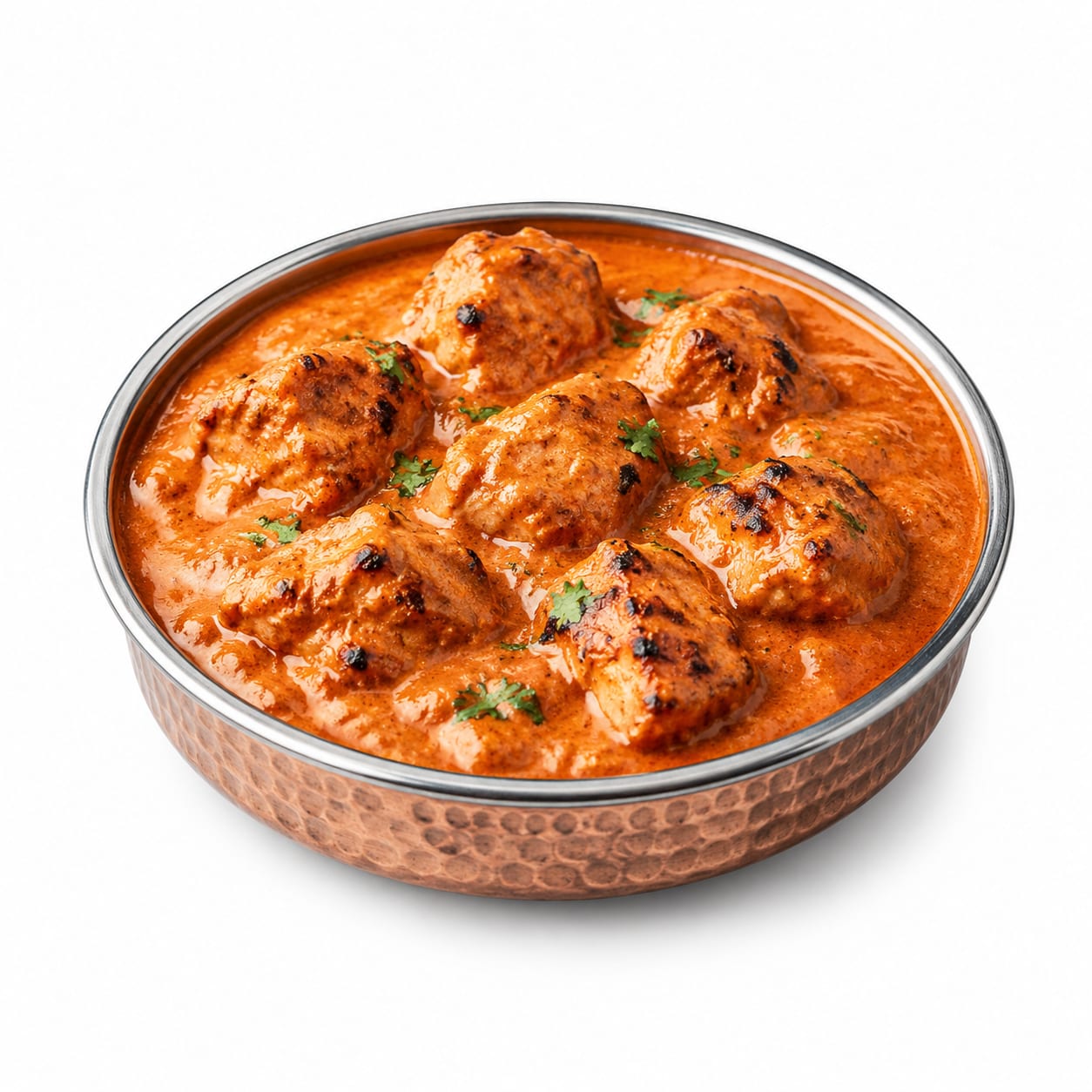
Tikka Masala
.jpg)
Chicken Tikka (Dry)
Chicken Tikka (Dry) wins for most health goals due to far fewer calories and higher protein density, but Tikka Masala delivers a comfort food experience that is hard to replicate.
Chicken Tikka (Dry) scores notably higher because it delivers the same core protein with a fraction of the calories and fat. Tikka Masala loses ground on calorie density and fat content but remains relevant for satisfaction and enjoyment.
Rich, saucy satisfaction versus lean, protein-dense efficiency. You are choosing between flavor comfort and calorie control.
At a glance
Executive summary
Overall
Chicken Tikka (Dry)
Healthier
Chicken Tikka (Dry)
More practical
Chicken Tikka (Dry)
Daily use
Chicken Tikka (Dry)
Key comparison lenses
Calorie and fat reduction for weight management
The sauce in Tikka Masala dramatically increases calories and fat compared to the dry version, making this the primary decision factor for most users
Protein density for fitness and muscle goals
Chicken Tikka (Dry) delivers significantly more protein per calorie, which matters for anyone tracking macros or building muscle
Meal satisfaction and emotional eating comfort
Tikka Masala's rich sauce is deeply comforting and satisfying, while the dry version can feel like eating plain protein
Sodium and heart health awareness
Both dishes can be sodium-heavy from marinades, but the sauce in Tikka Masala often adds extra salt and butter
Dining out versus meal prep practicality
Chicken Tikka (Dry) reheats and stores better, while Tikka Masala is more of a sit-down meal experience
Best choice for
Tikka Masala
- Comfort meal seekers wanting something warming and satisfying
- People who struggle to eat enough and need calorie-dense options
- Social dining where sharing a rich curry is part of the experience
Chicken Tikka (Dry)
- Anyone tracking calories or macros for weight loss
- Fitness-focused eaters prioritizing protein intake
- People who want a lighter meal that will not cause a food coma
Least suitable for
Tikka Masala
- Daily consumption if watching weight or heart health
- People with lactose intolerance due to cream-based sauce
- Anyone on a low-fat or low-calorie meal plan
Chicken Tikka (Dry)
- Those who find dry protein meals unsatisfying and end up snacking later
- People recovering from illness who need calorie-dense nourishment
- Diners seeking the full restaurant curry experience
Deep comparison
Dimension by dimension
Each lens scores both foods and breaks down who each option suits.
- Dimension 1 · Priority 95Chicken Tikka (Dry)
Calorie Density and Weight Management
Tikka Masala · 35Chicken Tikka (Dry) · 85Tikka Masala can easily pack 400-600 calories per serving due to cream and butter in the sauce, while Chicken Tikka (Dry) typically lands around 250-350 calories for a similar portion.
Tradeoff
You sacrifice the rich, coating mouthfeel of sauce to save 200+ calories that could go toward another meal or snack.
Why it matters
If you eat Indian food weekly, this calorie difference compounds into several pounds over a year.
Real-world impact
Choosing Chicken Tikka (Dry) means you can have a full plate of food and still have room for a side or dessert without blowing your calorie budget.
Tikka Masala
- Underweight individuals needing calorie-dense meals
- Athletes in a bulking phase who welcome extra calories
Better for
- Consistent weight gain if eaten frequently without portion control
Worse for
Chicken Tikka (Dry)
- Anyone with a calorie target trying to stay under it
- People who prefer eating larger volumes of food for fewer calories
Better for
- Feeling underfed if you are used to rich, heavy meals
Worse for
- Dimension 2 · Priority 88Chicken Tikka (Dry)
Protein Density and Quality
Tikka Masala · 60Chicken Tikka (Dry) · 90Both use the same marinated chicken, but Chicken Tikka (Dry) gives you more protein per bite since there is no sauce diluting the portion. A standard serving delivers 30-40g protein versus 25-30g in Tikka Masala for more total calories.
Tradeoff
The protein quality is identical, but you get a better protein-to-calorie ratio without the sauce.
Why it matters
For anyone tracking macros, the dry version is simply more efficient protein delivery.
Real-world impact
After a workout, Chicken Tikka (Dry) refuels your muscles without the heavy, sluggish feeling that cream sauce can bring.
Tikka Masala
- People who find plain protein dry and unappealing after exercise
Better for
- Lower protein ratio means you may need a larger portion to hit targets
Worse for
Chicken Tikka (Dry)
- Strength athletes needing efficient protein intake
- Anyone counting macros who wants maximum protein per calorie
Better for
- No real disadvantage for protein quality itself
Worse for
- Dimension 3 · Priority 82Tikka Masala
Satiety and Meal Satisfaction
Tikka Masala · 85Chicken Tikka (Dry) · 60The creamy sauce in Tikka Masala coats the palate and slows eating, creating a more satisfying experience. Chicken Tikka (Dry) can feel like eating chicken breast without anything to tie it together.
Tradeoff
Psychological satisfaction comes with a caloric price tag. The dry version may leave you hunting for snacks an hour later.
Why it matters
Meals that feel satisfying prevent later cravings and overeating, which can sometimes make the higher-calorie option the better real-world choice.
Real-world impact
If you eat Chicken Tikka (Dry) and feel deprived, you might eat more later. Tikka Masala tends to feel like a complete, indulgent meal that signals done.
Tikka Masala
- Emotional eaters who need meals to feel complete
- People who skip the sauce and end up overeating later
Better for
- The fullness from fat can feel heavy rather than energizing
Worse for
Chicken Tikka (Dry)
- Grazers who prefer lighter meals throughout the day
- Anyone who finds rich food too heavy and sluggish after eating
Better for
- May not feel like a real meal without sides, adding calories anyway
Worse for
- Dimension 4 · Priority 78Chicken Tikka (Dry)
Fat Content and Heart Health
Tikka Masala · 30Chicken Tikka (Dry) · 75Tikka Masala sauce is built on butter, cream, or both, pushing saturated fat to 15-25g per serving. Chicken Tikka (Dry) relies on the marinade and a light oil coating, keeping total fat around 8-12g with far less saturated fat.
Tradeoff
The fat is what makes Tikka Masala taste luxurious, but it is also what makes it a rare indulgence rather than a regular meal.
Why it matters
Regular high saturated fat intake raises LDL cholesterol over time, especially if eaten weekly.
Real-world impact
If Indian food is your go-to takeout, choosing the dry version most of the time is a meaningful heart health decision.
Tikka Masala
- Occasional indulgence where saturated fat is less concerning
Better for
- Frequent consumption could significantly impact cardiovascular markers
Worse for
Chicken Tikka (Dry)
- Anyone watching cholesterol or with family history of heart disease
- People trying to keep saturated fat under 10% of daily calories
Better for
- Minimal fat means less absorption of fat-soluble spices like turmeric
Worse for
- Dimension 5 · Priority 72It depends
Sodium Load
Tikka Masala · 40Chicken Tikka (Dry) · 50Both dishes rely on salt-heavy marinades, but Tikka Masala adds sauce sodium on top. Restaurant versions of either can easily exceed 1000mg sodium per serving. The dry version has a slight edge because there is no sauce contributing extra salt.
Tradeoff
Neither is a low-sodium choice. The difference is real but modest compared to the overall sodium load.
Why it matters
If you have blood pressure concerns, both dishes require caution and portion awareness.
Real-world impact
After either meal, you might feel bloated and thirsty. The dry version is slightly less likely to cause that puffy, over-salted feeling.
Tikka Masala
- Home-cooked versions where you control the sauce salt
Better for
- Double sodium hit from marinade plus sauce
Worse for
Chicken Tikka (Dry)
- Restaurant dining where avoiding the sauce cuts meaningful sodium
Better for
- Still high enough in sodium to be a concern for hypertension
Worse for
- Dimension 6 · Priority 68Chicken Tikka (Dry)
Blood Sugar Stability
Tikka Masala · 45Chicken Tikka (Dry) · 75Chicken Tikka (Dry) is essentially pure protein with minimal carbs, leading to steady blood sugar. Tikka Masala often includes sugar in the sauce and is typically eaten with rice or naan, creating a larger glycemic load.
Tradeoff
The dry version keeps energy stable. The saucy version paired with bread can cause a quicker rise and subsequent crash.
Why it matters
For anyone with insulin resistance or diabetes, the sauce and its typical accompaniments make Tikka Masala a riskier choice.
Real-world impact
After Tikka Masala with naan, you might feel sleepy an hour later. Chicken Tikka (Dry) with vegetables keeps energy more even.
Tikka Masala
- Athletes who need carbs post-workout and welcome the energy
Better for
- Hidden sugar in sauce can spike blood sugar unexpectedly
Worse for
Chicken Tikka (Dry)
- People with diabetes or prediabetes
- Anyone trying to avoid the afternoon energy crash
Better for
- Very low carb which may not suit everyone's energy needs
Worse for
Timeline
Health impact over time
Short-term
Hours to days
Tikka Masala
- Heavy, full feeling due to high fat content in the sauce
- Possible bloating from cream if lactose sensitive
- Post-meal drowsiness especially when paired with naan or rice
Chicken Tikka (Dry)
- Lighter, more energized feeling after eating
- Possible dryness in mouth from spice-heavy marinade
- Less likely to cause digestive discomfort
Long-term
Months to years
Tikka Masala
- Frequent consumption may raise LDL cholesterol from saturated fat
- Higher calorie intake could contribute to gradual weight gain
- Sodium load may affect blood pressure over time
Chicken Tikka (Dry)
- Consistent lean protein intake supports muscle maintenance
- Lower calorie and fat profile aligns with heart-healthy eating
- Marinade spices like turmeric offer anti-inflammatory benefits
Risk profile
Safety & processing
Chicken Tikka (Dry) is essentially marinated and grilled chicken with minimal additions. Tikka Masala adds a processed sauce layer that often includes cream, butter, thickeners, and sometimes food coloring or sugar, pushing it into more processed territory.
Tikka Masala
Dairy spoilage in sauce
mediumCream-based sauce spoils faster at room temperature. Takeout left out for more than two hours becomes risky.
Food coloring additives
lowSome restaurants use artificial orange coloring in the sauce, which is not harmful for most people but is an unnecessary additive.
Chicken Tikka (Dry)
Undercooked chicken center
mediumThick chicken pieces can char on the outside while remaining undercooked inside. Ensure proper internal temperature.
Heterocyclic amines from charring
lowHigh-heat grilling creates compounds linked to cancer risk at high exposure. Occasional consumption is not a major concern.
Who wins for whom
Audience fit
Same foods, different winners depending on your goal.
children
Tikka MasalaKids tend to prefer saucy, milder flavors. The creamy sauce makes the spices more approachable for young palates.
daily consumption
Chicken Tikka (Dry)The leaner profile of Chicken Tikka (Dry) can be eaten regularly without the cumulative fat and calorie concerns of the saucy version.
diabetes
Chicken Tikka (Dry)Minimal carbs and no hidden sugar in sauce make blood sugar management much easier with Chicken Tikka (Dry).
elderly
Chicken Tikka (Dry)Lower saturated fat and sodium support cardiovascular health, which becomes increasingly important with age. The softer texture of Tikka Masala is its only advantage here.
muscle gain
Chicken Tikka (Dry)Higher protein-to-calorie ratio supports muscle building without excess fat that can slow progress.
weight loss
Chicken Tikka (Dry)Significantly fewer calories and less fat per serving make Chicken Tikka (Dry) the clear choice for sustainable weight loss.
Your move
Decision guide
Choose Tikka Masala
- You are celebrating or treating yourself and want the full comfort food experience
- You struggle to eat enough calories and need energy-dense meals
- You are sharing a meal with others and want something that feels like an event
- You are eating Indian food rarely and want the most satisfying version
Choose Chicken Tikka (Dry)
- You eat Indian food regularly and need a go-to healthy option
- You are tracking calories, macros, or trying to lose weight
- You want a high-protein meal without the heavy, sluggish aftermath
- You have heart health concerns or are watching saturated fat
Either works if
- You are ordering a side of vegetables and lentils anyway, making either work within a balanced plate
- You are cooking at home and can control the sauce ingredients in Tikka Masala
Avoid both if
- You have severe sodium restrictions and cannot control preparation
- You are sensitive to spicy food and the marinade triggers reflux or GI issues
Final recommendation
Make Chicken Tikka (Dry) your default order for regular meals. Save Tikka Masala for when you genuinely want the comfort experience. If you love the saucy texture, try ordering Chicken Tikka (Dry) with a side of dal or raita for moisture without the cream and butter overload.
Practical
Consumer tips
- 1
Ask for Tikka Masala with light sauce or sauce on the side to cut calories by 30-40%
- 2
Pair Chicken Tikka (Dry) with a cucumber raita for creaminess without the heavy sauce
- 3
Order extra vegetables with either dish to increase volume and fiber without many calories
- 4
Home-cooked Tikka Masala with Greek yogurt instead of cream cuts saturated fat dramatically
- 5
Watch portion sizes with naan or rice, as the carb side often adds more calories than the sauce itself
- 6
If ordering Chicken Tikka (Dry), ask for it juicy rather than over-charred to retain moisture without added fat