
Nutrition comparison
Tikka Masala vs Tandoori Chicken: Which Is Healthier?
Compare Tikka Masala and Tandoori Chicken on calories, fat, protein, and health impact. Discover which Indian chicken dish is better for weight loss, heart health, and daily eating.
Overall winner · Tandoori Chicken
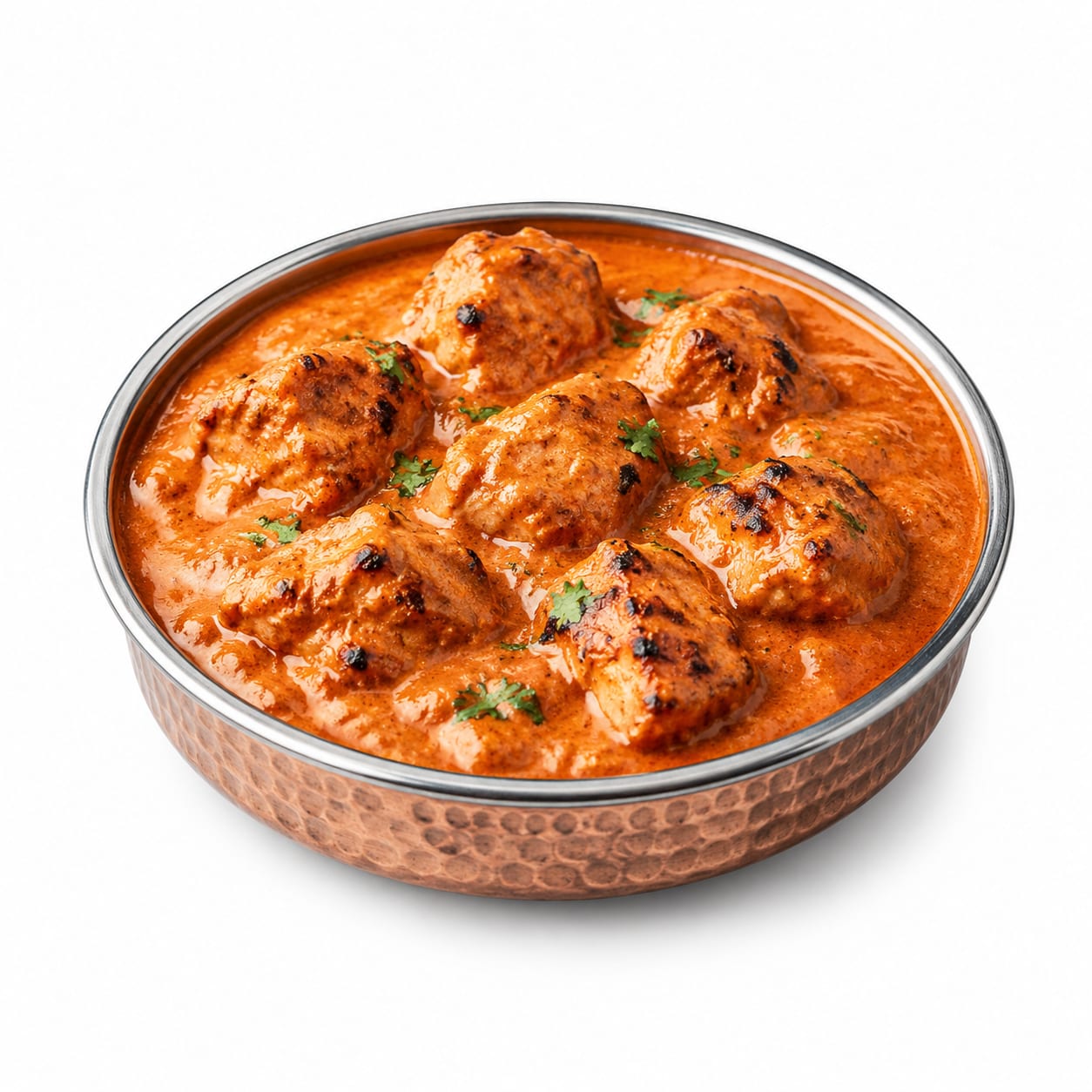
Tikka Masala
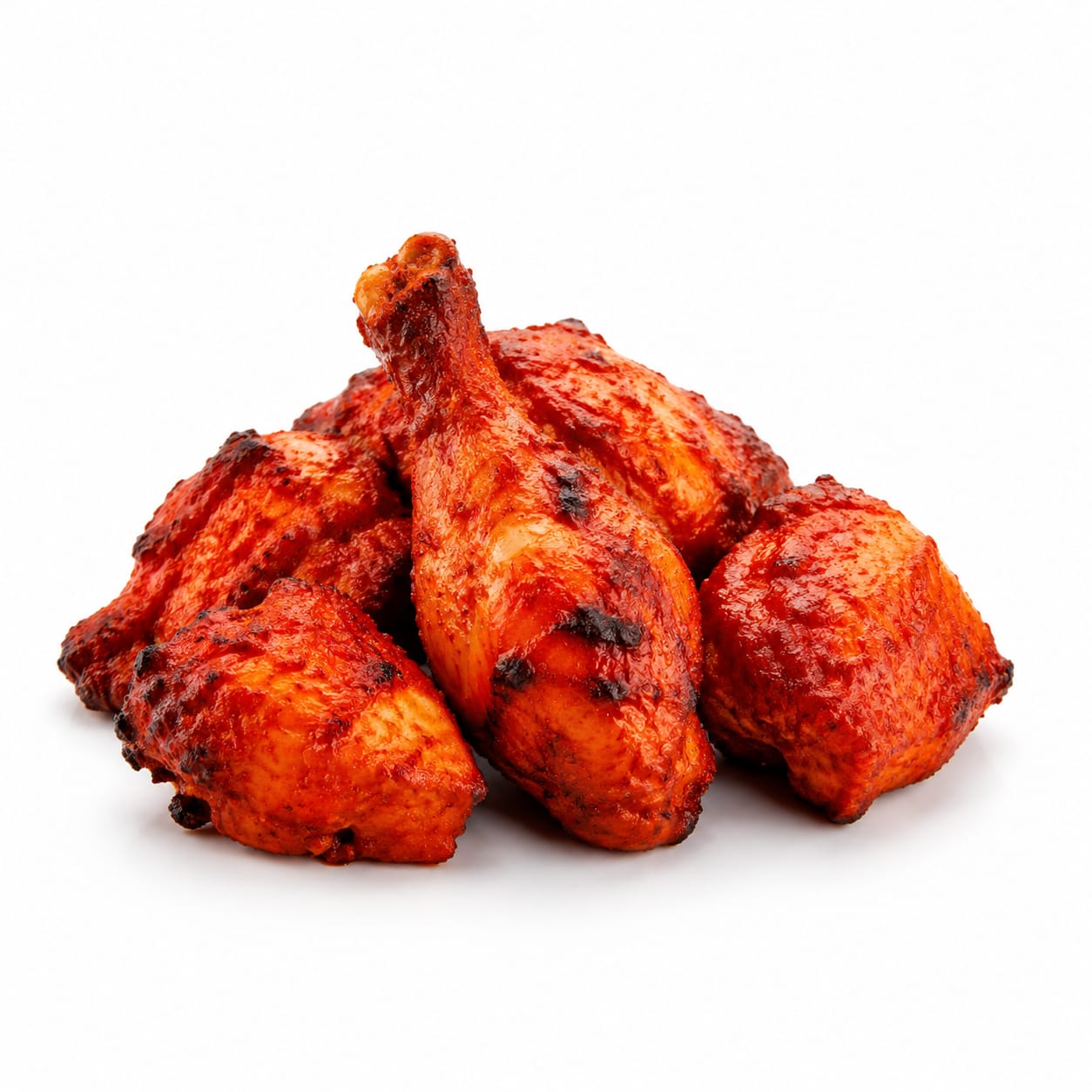
Tandoori Chicken
Tandoori Chicken delivers the same bold Indian flavors with a fraction of the calories and fat, making it the smarter regular choice.
Tandoori Chicken scores significantly higher due to its superior protein density, lower calorie load, and heart-healthier profile. Tikka Masala remains a delicious occasional treat but its heavy cream sauce makes it a costly regular choice.
Tikka Masala offers a richer, more comforting eating experience but at a significant calorie and saturated fat cost that adds up fast.
At a glance
Executive summary
Overall
Tandoori Chicken
Healthier
Tandoori Chicken
More practical
Tandoori Chicken
Daily use
Tandoori Chicken
Key comparison lenses
calorie and fat comparison
The creamy sauce in Tikka Masala dramatically increases calories and saturated fat compared to the dry-roasted Tandoori Chicken
weight management suitability
Most people choosing between these two Indian dishes are concerned about which fits their diet goals better
protein density and quality
Both are chicken-based but the sauce-to-meat ratio significantly affects protein per calorie
heart health impact
Saturated fat from cream and butter in Tikka Masala raises cardiovascular concerns
flavor satisfaction vs health tradeoff
Tikka Masala is notoriously indulgent and comforting while Tandoori is leaner but can feel less satisfying
Best choice for
Tikka Masala
- People recovering from illness who need extra calories
- Those seeking an indulgent comfort meal occasionally
- Anyone wanting a saucy dish to pair with rice or naan
Tandoori Chicken
- Weight loss or maintenance goals
- High-protein, low-calorie diets
- Regular weekly Indian food without the guilt
Least suitable for
Tikka Masala
- People managing heart disease or high cholesterol
- Anyone strictly counting calories
- Those with dairy sensitivity or lactose intolerance
Tandoori Chicken
- People who find dry chicken unappetizing and need sauce
- Those needing extra calories to maintain weight
- Anyone specifically craving a rich, creamy curry experience
Deep comparison
Dimension by dimension
Each lens scores both foods and breaks down who each option suits.
- Dimension 1 · Priority 95Tandoori Chicken
calorie_density
Tikka Masala · 35Tandoori Chicken · 82A typical Tikka Masala serving packs 400-600 calories while Tandoori Chicken sits around 250-350 calories for the same portion.
Tradeoff
You sacrifice the luxurious mouthfeel of cream sauce but save 200+ calories per meal that really add up over a week.
Why it matters
Eating Tikka Masala twice a week instead of Tandoori could mean an extra 400+ calories weekly, which translates to roughly 6 pounds gained per year.
Real-world impact
Choosing Tandoori lets you enjoy Indian food regularly without budgeting half your daily calories for one meal.
Tikka Masala
- Muscle building phases needing caloric surplus
- Underweight individuals needing easy calories
Better for
- Weight loss diets
- Sedentary days
Worse for
Tandoori Chicken
- Cutting phases
- Sedentary lifestyles
- Anyone tracking calories
Better for
- Bulking on a budget without sides
Worse for
- Dimension 2 · Priority 88Tandoori Chicken
saturated_fat_and_heart_health
Tikka Masala · 28Tandoori Chicken · 80Tikka Masala's cream and butter base delivers 15-25g of saturated fat per serving versus just 3-6g in Tandoori Chicken.
Tradeoff
The velvety texture that makes Tikka Masala so satisfying comes directly from the saturated fat you are trying to limit.
Why it matters
Regular high saturated fat intake raises LDL cholesterol and inflammation markers, increasing long-term heart disease risk.
Real-world impact
One Tikka Masala can use up most of your daily saturated fat budget, leaving little room for other meals.
Tikka Masala
- Cardiovascular risk
- High cholesterol
Worse for
Tandoori Chicken
- Heart health
- Cholesterol management
- Anti-inflammatory eating
Better for
- Dimension 3 · Priority 85Tandoori Chicken
protein_density
Tikka Masala · 55Tandoori Chicken · 88Both dishes use chicken, but Tandoori delivers more protein per calorie since it is not diluted by heavy sauce.
Tradeoff
Tikka Masala still has solid protein but you pay a high caloric price for it compared to the leaner option.
Why it matters
Higher protein density means better satiety and muscle support without excess calories dragging you down.
Real-world impact
After Tandoori Chicken you feel satisfied from protein. After Tikka Masala you may feel full but also sluggish from the fat load.
Tikka Masala
- Macro tracking when cutting
Worse for
Tandoori Chicken
- Post-workout recovery
- Lean muscle maintenance
- Appetite control
Better for
- Dimension 4 · Priority 72Tikka Masala
flavor_satisfaction_and_enjoyment
Tikka Masala · 90Tandoori Chicken · 72Tikka Masala's creamy, rich sauce is deeply comforting and often the dish people crave most at Indian restaurants.
Tradeoff
The flavor experience is genuinely superior for many people, which is why it is Britain's most popular dish.
Why it matters
Food satisfaction matters for long-term dietary adherence. Feeling deprived leads to binge cycles.
Real-world impact
If you force yourself to eat Tandoori when you really want Tikka Masala, you may end up eating both or snacking later.
Tikka Masala
- Emotional eating comfort
- Social dining enjoyment
- Special occasions
Better for
- Guilt-driven eating cycles
Worse for
Tandoori Chicken
- Clean eating mindsets
- Routine meals
Better for
- Feeling deprived at restaurants
Worse for
- Dimension 5 · Priority 65Tandoori Chicken
sodium_load
Tikka Masala · 38Tandoori Chicken · 55Both dishes can be salty, but Tikka Masala sauce typically adds 400-800mg more sodium per serving than the Tandoori marinade.
Tradeoff
Neither is a low-sodium champion, but Tandoori is the lesser of two salty evils.
Why it matters
High sodium meals cause bloating and blood pressure spikes, especially relevant for salt-sensitive individuals.
Real-world impact
After Tikka Masala you might wake up puffy and thirsty. Tandoori is less likely to cause that next-morning bloat.
Tikka Masala
- Hypertension
- Bloating sensitivity
Worse for
Tandoori Chicken
- Blood pressure management
- Reducing water retention
Better for
- Dimension 6 · Priority 60Tandoori Chicken
digestive_tolerance
Tikka Masala · 42Tandoori Chicken · 75The heavy cream and spice combination in Tikka Masala is a common trigger for acid reflux and indigestion.
Tradeoff
Rich food feels good going down but can cause heartburn or heaviness an hour later.
Why it matters
Late-night Indian takeout is popular but Tikka Masala before bed is a recipe for poor sleep and reflux.
Real-world impact
Tandoori sits lighter in the stomach and is less likely to cause that uncomfortable full feeling that disrupts sleep.
Tikka Masala
- GERD
- Evening meals
Worse for
Tandoori Chicken
- Acid reflux sufferers
- Late dinner eaters
- Sensitive stomachs
Better for
Timeline
Health impact over time
Short-term
Hours to days
Tikka Masala
- Heavy fullness and potential bloating from high fat content
- Possible heartburn from creamy spiced sauce, especially at night
- Energy crash after the meal due to high fat and calorie load
- Thirst and mild dehydration from elevated sodium
Tandoori Chicken
- Comfortable satiety without heaviness
- Steadier post-meal energy with no crash
- Mild thirst from spices and sodium but less severe
- Clean feeling that does not slow you down
Long-term
Months to years
Tikka Masala
- Weight gain risk if eaten frequently due to calorie density
- Elevated LDL cholesterol from regular saturated fat intake
- Increased cardiovascular risk with habitual consumption
- Potential for fatty liver with very frequent intake
Tandoori Chicken
- Easier weight maintenance with consistent protein intake
- Better cardiovascular markers from lean protein preparation
- Improved body composition when paired with active lifestyle
- Minimal metabolic risk as a regular meal choice
Risk profile
Safety & processing
Tandoori Chicken is essentially marinated and roasted chicken with spices, a straightforward preparation. Tikka Masala involves a multi-ingredient sauce with cream, butter, and sometimes stabilizers or added sugars in restaurant versions, making it more processed.
Tikka Masala
Dairy spoilage in sauce
mediumCream-based sauce spoils faster at room temperature, increasing risk if takeout sits out too long before refrigeration.
Added sugars in commercial sauces
lowRestaurant and jarred Tikka Masala sauces often contain hidden sugars that add up without you noticing.
Tandoori Chicken
Heterocyclic aminines from high-heat cooking
mediumCharring from tandoor cooking can produce HCAs, though marinating in yogurt significantly reduces this risk.
Food coloring in restaurant versions
lowSome restaurants use artificial red food dye to achieve the signature bright tandoori color.
Who wins for whom
Audience fit
Same foods, different winners depending on your goal.
children
It dependsKids often prefer the milder, creamier Tikka Masala, but Tandoori is nutritionally better. Moderation is key for both.
daily consumption
Tandoori ChickenTandoori Chicken can realistically be eaten multiple times per week without negative health consequences. Tikka Masala should be an occasional indulgence.
diabetes
Tandoori ChickenLower in carbohydrates and saturated fat, Tandoori Chicken has less impact on blood sugar and insulin resistance.
elderly
Tandoori ChickenLower saturated fat and easier digestion make Tandoori Chicken more appropriate for aging cardiovascular and digestive systems.
muscle gain
Tandoori ChickenHigher protein per calorie supports muscle growth without unnecessary fat calories that complicate lean bulking.
weight loss
Tandoori ChickenTandoori Chicken provides high protein with minimal calories, making it far easier to stay in a deficit while staying satisfied.
Your move
Decision guide
Choose Tikka Masala
- It is a special occasion and you want maximum enjoyment
- You are actively trying to gain weight and need calorie-dense meals
- You have been eating clean all week and want a satisfying reward meal
- You are sharing with others who prefer milder, creamier flavors
Choose Tandoori Chicken
- You eat Indian food more than once a week
- You are managing your weight, cholesterol, or blood pressure
- You want a high-protein meal that does not drain your energy after
- You are eating late and want something that will not disrupt your sleep
Either works if
- You are eating at an Indian restaurant and both options are available fresh
- You have no specific health concerns and enjoy both equally
- You are ordering for a group and want variety
Avoid both if
- You have severe sodium restrictions from kidney disease or hypertension
- You are allergic to poultry or key spices like cumin and coriander
- You are following a strict plant-based diet
Final recommendation
Make Tandoori Chicken your go-to Indian chicken dish for regular meals and save Tikka Masala for when you truly want the indulgent experience. This simple swap can save you hundreds of calories and significant saturated fat per meal without giving up bold, satisfying flavors.
Practical
Consumer tips
- 1
Ask for Tandoori Chicken with extra lemon and mint chutney instead of creamy sauces to keep it exciting.
- 2
If you love Tikka Masala, try making it at home with coconut milk or Greek yogurt instead of heavy cream to cut calories by 40%.
- 3
Pair Tandoori Chicken with a side of dal and vegetables for a complete, balanced meal that rivals Tikka Masala in satisfaction.
- 4
Restaurant Tikka Masala portions are often double a reasonable serving. Split it or take half home.
- 5
Watch out for naan bread with either dish — two pieces can add 400+ calories and 80g of carbs to your meal.
- 6
If ordering takeout, Tandoori travels better and reheats well without the sauce separating.
- 7
Request your Tandoori Chicken without artificial food coloring if you are concerned about additives.