
Nutrition comparison
Tikka Masala vs Dal Makhani: Which Indian Curry Is Healthier?
Compare Tikka Masala and Dal Makhani on protein, fiber, heart health, and blood sugar impact. Find out which creamy Indian dish is the smarter choice for your goals.
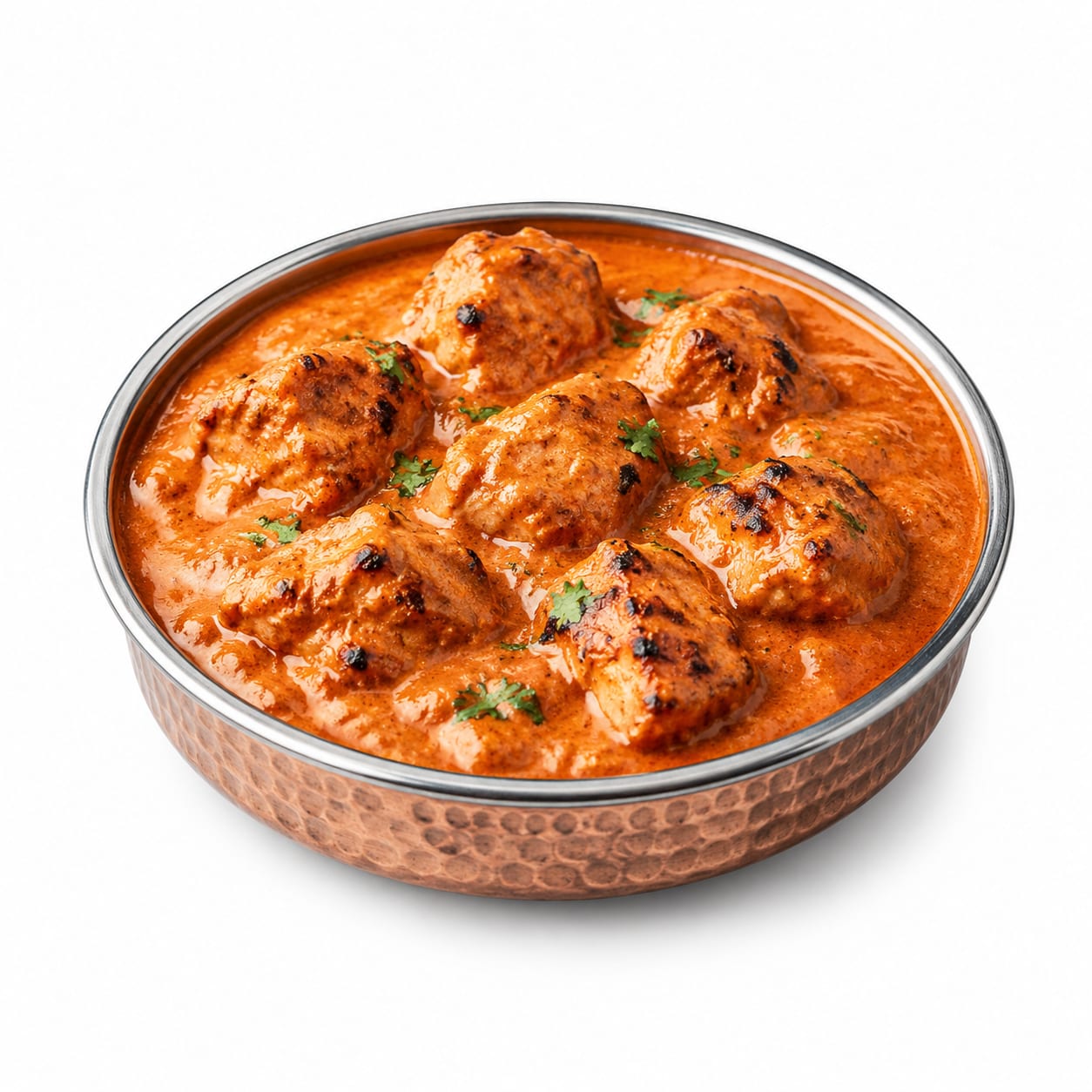
Tikka Masala
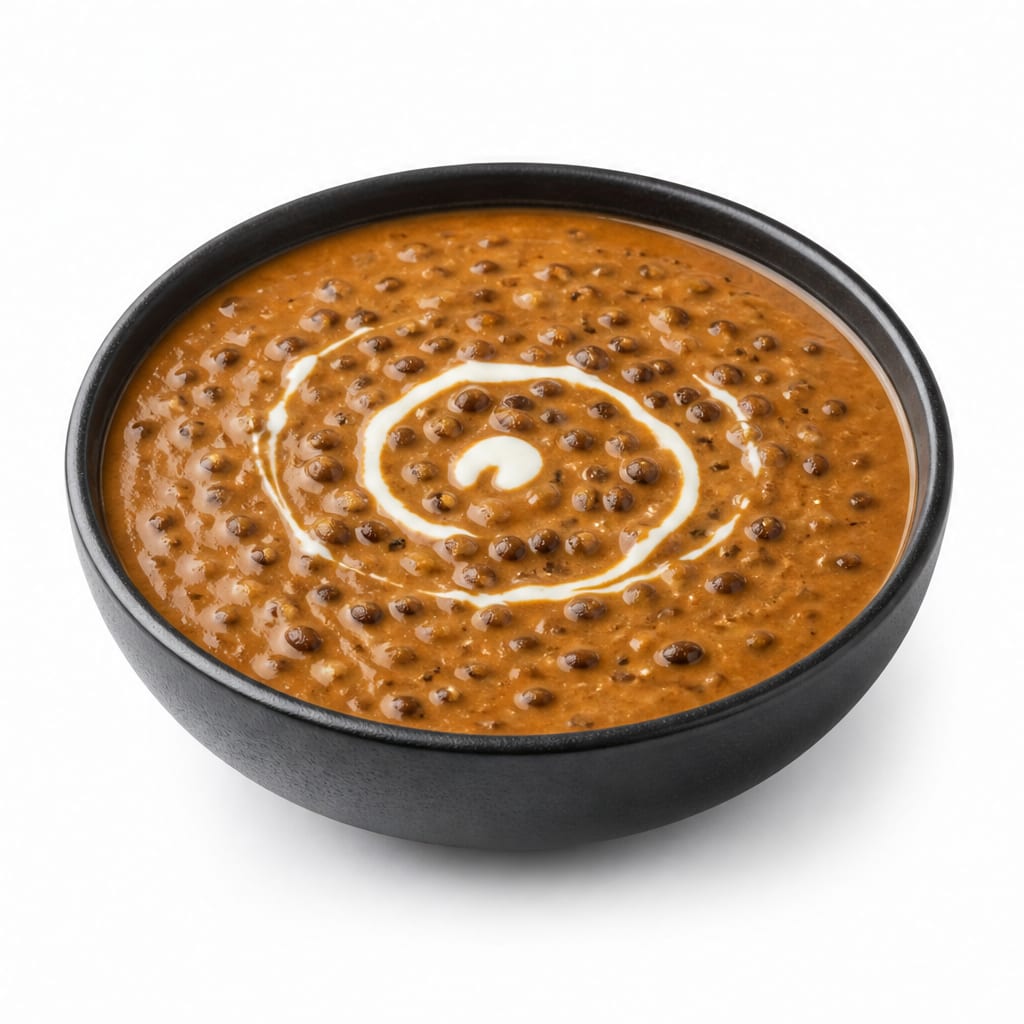
Dal Makhani
Tikka Masala wins on protein quality and iron absorption; Dal Makhani dominates fiber, blood sugar control, and heart health. Your body goals should decide the plate.
Dal Makhani scores higher overall due to fiber density, blood sugar stability, and heart health advantages. Tikka Masala remains competitive through superior protein quality and iron bioavailability but carries more cardiovascular baggage from saturated fat and cholesterol.
Complete animal protein and richer iron from Tikka Masala versus superior fiber, steadier energy, and lower cholesterol from Dal Makhani
At a glance
Executive summary
Overall
It depends
Healthier
Dal Makhani
More practical
It depends
Daily use
Dal Makhani
Key comparison lenses
protein quality and completeness
Tikka Masala delivers complete animal protein from chicken while Dal Makhani offers plant protein from lentils — a fundamental tradeoff for muscle, satiety, and dietary preference
heart health and cholesterol impact
Both dishes are cream-laden, but the chicken vs lentil base creates very different cholesterol and fiber profiles that matter for cardiovascular risk
calorie density and weight management
Both are rich restaurant-style dishes, but their calorie-per-bite ratio differs significantly due to fiber content and fat sources
blood sugar stability
Dal Makhani's lentil fiber slows glucose absorption substantially compared to the cream-heavy, lower-fiber Tikka Masala sauce
digestive health and gut support
The lentil and bean base of Dal Makhani provides prebiotic fiber that Tikka Masala simply cannot match
Best choice for
Tikka Masala
- Muscle building and high-protein diets
- Iron-deficient individuals needing heme iron
- Lower-fiber digestive sensitivities
- Post-workout recovery meals
Dal Makhani
- Heart-conscious eaters managing cholesterol
- Blood sugar management and diabetes prevention
- Weight loss through higher satiety per calorie
- Gut health and digestive regularity
Least suitable for
Tikka Masala
- Cholesterol-conscious individuals
- Those managing blood sugar spikes
- Vegan and vegetarian diets
- Daily repeated consumption
Dal Makhani
- Those with legume sensitivities or IBS triggers
- Very high protein needs per meal
- Iron-deficiency anemia requiring heme iron
- People avoiding high-purine foods
Deep comparison
Dimension by dimension
Each lens scores both foods and breaks down who each option suits.
- Dimension 1 · Priority 92Tikka Masala
protein quality and amount
Tikka Masala · 82Dal Makhani · 65Tikka Masala delivers complete protein with all essential amino acids from chicken, while Dal Makhani's lentil protein is slightly incomplete and lower per serving.
Tradeoff
Animal protein absorbs more efficiently but comes with cholesterol; plant protein brings fiber but requires combining with grains for completeness
Why it matters
Complete protein matters more for muscle preservation, recovery, and satiety signals that actually make you stop eating
Real-world impact
After Tikka Masala, you feel full from protein signaling. After Dal Makhani, fullness comes more from fiber bulk — different mechanisms, different satisfaction profiles
Tikka Masala
- Muscle maintenance and growth
- Post-workout recovery
- Older adults preventing muscle loss
Better for
- Cholesterol-sensitive individuals
- Those avoiding animal products
Worse for
Dal Makhani
- Plant-based lifestyle adherence
- Lower cholesterol protein sourcing
- Sustained amino acid release
Better for
- Anyone needing maximal protein per bite
- Iron-deficiency anemia cases
Worse for
- Dimension 2 · Priority 88Dal Makhani
fiber and digestive health
Tikka Masala · 25Dal Makhani · 90Dal Makhani is a fiber powerhouse from lentils and kidney beans. Tikka Masala offers minimal fiber beyond its sauce.
Tradeoff
Massive fiber benefit comes with potential gas and bloating for unaccustomed digestive systems
Why it matters
Fiber controls blood sugar, feeds gut bacteria, lowers cholesterol, and keeps you regular — most people get barely half their daily needs
Real-world impact
One bowl of Dal Makhani can deliver 12-15g of fiber versus roughly 3-4g in Tikka Masala — that is a meaningful daily gap closer
Tikka Masala
- Sensitive digestion avoiding fermentable fibers
- Low-FODMAP dietary needs
Better for
- Anyone already fiber-deficient
- Those needing digestive regularity
Worse for
Dal Makhani
- Gut microbiome support
- Cholesterol lowering through soluble fiber
- Blood sugar smoothing
- Preventing constipation
Better for
- IBS flare-ups from legume fermentation
- Sudden fiber increase discomfort
Worse for
- Dimension 3 · Priority 86Dal Makhani
heart health and cholesterol
Tikka Masala · 38Dal Makhani · 62Both dishes carry saturated fat from cream and butter, but Tikka Masala adds dietary cholesterol from chicken. Dal Makhani's soluble fiber actively helps lower cholesterol.
Tradeoff
Dal Makhani still contains significant butter and cream — it is not a heart health hero, just less concerning than Tikka Masala
Why it matters
Repeated saturated fat and cholesterol exposure from restaurant-style Indian dishes compounds cardiovascular risk over years
Real-world impact
Choosing Dal Makhani over Tikka Masala a few times monthly is a modest but real heart health improvement, especially if you already have elevated cholesterol
Tikka Masala
- Active individuals who metabolize cholesterol efficiently
Better for
- Existing high LDL cholesterol
- Family history of heart disease
- Frequent restaurant Indian food eaters
Worse for
Dal Makhani
- Cholesterol management
- Cardiovascular risk reduction
- Soluble fiber cholesterol-lowering benefits
Better for
- Those who assume it is automatically heart-healthy — the butter and cream still matter
Worse for
- Dimension 4 · Priority 80Dal Makhani
blood sugar stability
Tikka Masala · 40Dal Makhani · 75Dal Makhani's lentils and beans create a slow-digesting, low-glycemic meal. Tikka Masala's cream sauce with rice can spike glucose faster.
Tradeoff
Both are typically eaten with white rice or naan, which undermines blood sugar benefits — the advantage only holds if you choose whole grain sides or portion carefully
Why it matters
Steady blood sugar means no afternoon energy crash, fewer cravings, and lower diabetes risk over time
Real-world impact
Dal Makhani with roti keeps energy stable for hours. Tikka Masala with naan can create a heavier, sleepier feeling within 90 minutes
Tikka Masala
- Low-carb eaters skipping the rice entirely
Better for
- Insulin resistance concerns
- Post-meal energy crashes
Worse for
Dal Makhani
- Prediabetes management
- Steady afternoon energy
- Reducing sugar cravings after meals
Better for
- Large portions with white rice still spike blood sugar significantly
Worse for
- Dimension 5 · Priority 78Dal Makhani
satiety and fullness
Tikka Masala · 68Dal Makhani · 82Dal Makhani keeps you full longer through fiber bulk and slow-digesting lentils. Tikka Masala satisfies through protein and fat but empties faster.
Tradeoff
Protein satiety from Tikka Masala feels cleaner and lighter; fiber satiety from Dal Makhani feels heavier and longer-lasting
Why it matters
The type of fullness affects whether you snack later — fiber-driven satiety suppresses hunger for longer stretches
Real-world impact
Dal Makhali at lunch often means no 4pm snack attack. Tikka Masala may leave you hunting for something crunchy within three hours
Tikka Masala
- Those who prefer lighter fullness without bloating
- Smaller appetite individuals
Better for
- Anyone prone to between-meal hunger
- Portion control challenges
Worse for
Dal Makhani
- Weight management through reduced snacking
- Long workdays between meals
- Preventing late-night overeating
Better for
- Discomfort from excessive fullness
- Those who prefer eating smaller, more frequent meals
Worse for
- Dimension 6 · Priority 72Tikka Masala
iron and micronutrients
Tikka Masala · 78Dal Makhani · 60Chicken provides heme iron that absorbs 2-3x better than the non-heme iron in lentils. Tikka Masala also delivers more B12, which lentils cannot provide.
Tradeoff
Better iron absorption from chicken versus more total iron but poorer absorption from lentils — the net effect favors chicken for deficiency prevention
Why it matters
Iron deficiency is the world's most common nutrient gap, especially for women. Absorption quality matters as much as quantity.
Real-world impact
For someone borderline anemic, Tikka Masala actually moves the needle more despite Dal Makhani containing decent iron amounts on paper
Tikka Masala
- Iron-deficiency anemia
- B12 needs for vegetarians transitioning back
- Women of reproductive age with low ferritin
Better for
- Iron overload conditions like hemochromatosis
Worse for
Dal Makhani
- Adequate iron stores already
- Plant-predominant diet consistency
Better for
- Those relying on it as their primary iron source — absorption is limited
Worse for
Timeline
Health impact over time
Short-term
Hours to days
Tikka Masala
- Heavy fullness from cream and chicken fat within 30 minutes
- Possible drowsiness from high saturated fat load
- Quick protein satisfaction but faster return of hunger
- Higher likelihood of post-meal sluggishness if eaten at lunch
Dal Makhani
- Sustained fullness that builds gradually over an hour
- Possible gas or bloating if your gut is unaccustomed to lentils
- Steadier energy without the crash
- Heavier feeling in the stomach that lasts longer
Long-term
Months to years
Tikka Masala
- Repeated consumption may elevate LDL cholesterol from saturated fat and dietary cholesterol
- Good protein intake supports muscle maintenance with aging
- Low fiber contribution means you must find fiber elsewhere in your diet
- Higher cardiovascular risk if eaten frequently as a restaurant version
Dal Makhani
- Soluble fiber from lentils actively lowers cholesterol over months
- Improved gut microbiome diversity from prebiotic fiber
- Better blood sugar regulation reduces diabetes risk long-term
- Plant protein reduces inflammatory markers compared to frequent red meat, though both dishes are inflammatory from cream
Risk profile
Safety & processing
Both are traditionally cooked with whole ingredients but restaurant versions often add stabilizers, food coloring, and excessive cream. Home-cooked versions of either are significantly cleaner. Restaurant Tikka Masala sometimes uses food dye for the signature red-orange color, while Dal Makhani may contain commercial cream stabilizers.
Tikka Masala
Foodborne illness from undercooked chicken
mediumChicken must reach 165°F internally. Restaurant preparation is generally safe, but improper holding temperatures are a known risk with creamy chicken dishes.
Food coloring additives in restaurant versions
lowSome establishments use artificial dyes for the vibrant orange color. Home cooking avoids this entirely.
Dal Makhani
Lectin exposure from undercooked kidney beans
highRaw or undercooked kidney beans contain phytohaemagglutinin, which causes severe gastrointestinal illness. Proper slow cooking eliminates this risk entirely.
Purine load for gout sufferers
mediumLentils and kidney beans are moderate-purine foods that can trigger gout flares in susceptible individuals.
Who wins for whom
Audience fit
Same foods, different winners depending on your goal.
children
Tikka MasalaKids often prefer the milder, creamier chicken flavor, and the complete protein supports growth needs. Dal Makhani's texture and potential gas production make it a harder sell.
daily consumption
Dal MakhaniLower cholesterol impact, better fiber contribution, and steadier blood sugar make Dal Makhani more sustainable as a regular meal without accumulating cardiovascular risk
diabetes
Dal MakhaniLentils and beans create a dramatically lower glycemic response, and the fiber slows glucose absorption meaningfully
elderly
It dependsTikka Masala offers better protein and iron absorption for muscle and blood health, but Dal Makhani's fiber supports the constipation issues common in aging. It depends on which problem is more pressing.
muscle gain
Tikka MasalaComplete protein from chicken with higher leucine content directly supports muscle protein synthesis more effectively than lentil protein
weight loss
Dal MakhaniHigher fiber and lower calorie density per bite make Dal Makhani more filling for fewer calories, reducing the urge to overeat later
Your move
Decision guide
Choose Tikka Masala
- You prioritize complete protein for muscle maintenance or recovery
- Iron deficiency is a real concern for you
- You want a satisfying meal that feels lighter in the stomach
- You eat Indian food occasionally and want the indulgence to count
- You are feeding kids who reject lentil textures
Choose Dal Makhani
- Heart health and cholesterol management are daily priorities
- You want steady energy without afternoon crashes
- Fiber intake is a gap in your current diet
- You eat Indian food regularly and need a sustainable repeat choice
- Blood sugar control matters for your health goals
Either works if
- You are ordering restaurant Indian food as an occasional treat — both are indulgent
- You pair either dish with large vegetable sides and whole grain bread
- Your overall diet is already well-balanced and neither dish is a daily staple
Avoid both if
- You have severe dairy intolerance or allergy to cream and butter
- You are on a strict low-fat diet for gallbladder or pancreatic conditions
- You need low-sodium meals — both restaurant versions are sodium-heavy
- You are managing acute IBS flares — both dishes are high-FODMAP
Final recommendation
For most people eating Indian food weekly, Dal Makhani is the smarter default — its fiber, blood sugar stability, and cholesterol advantages compound over time. Save Tikka Masala for when you specifically need the protein punch or simply crave it. Neither is a health food, but Dal Makhani does less damage and gives more back per calorie.
Practical
Consumer tips
- 1
Ask for half the cream in either dish at restaurants — you will barely notice the taste difference but cut saturated fat significantly
- 2
Pair Dal Makhani with roti instead of naan to avoid the refined flour and butter double-hit
- 3
Home-cook Tikka Masala with yogurt instead of heavy cream for a protein-rich, lower-fat version that still tastes authentic
- 4
If ordering both, make Dal Makhani your main and Tikka Masala your side — flip the typical ratio for better fiber intake
- 5
Add a side of sautéed vegetables to either dish to boost fiber and micronutrients without changing the meal experience
- 6
Reheat Dal Makhani thoroughly to ensure kidney bean lectins are fully neutralized — slow and hot is safest