
Nutrition comparison
Tikka Masala vs Thai Green Curry: Nutrition, Calories, and Health Comparison
Compare Tikka Masala and Thai Green Curry to see which curry is healthier for weight loss, daily eating, and more. Discover the nutritional tradeoffs.
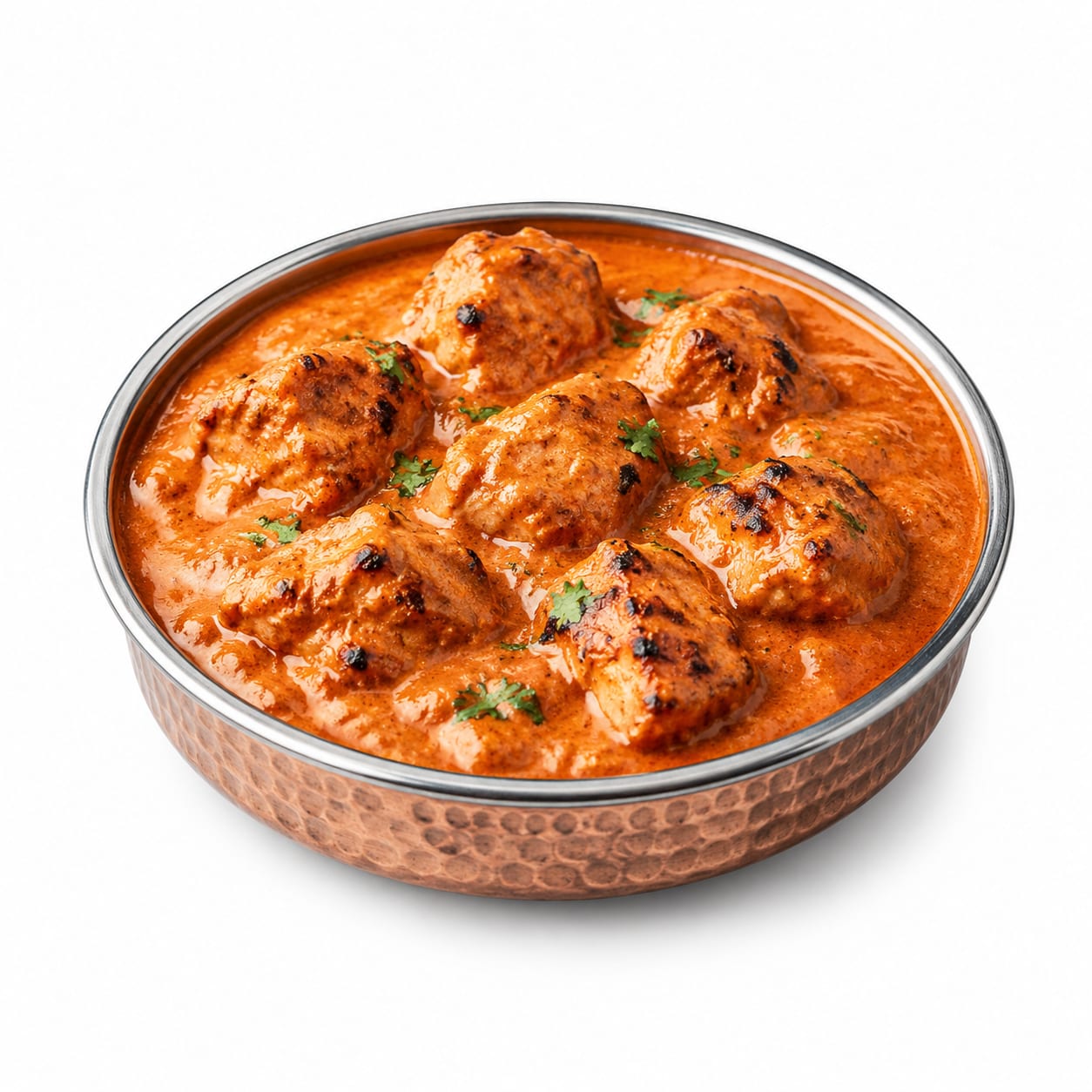
Tikka Masala
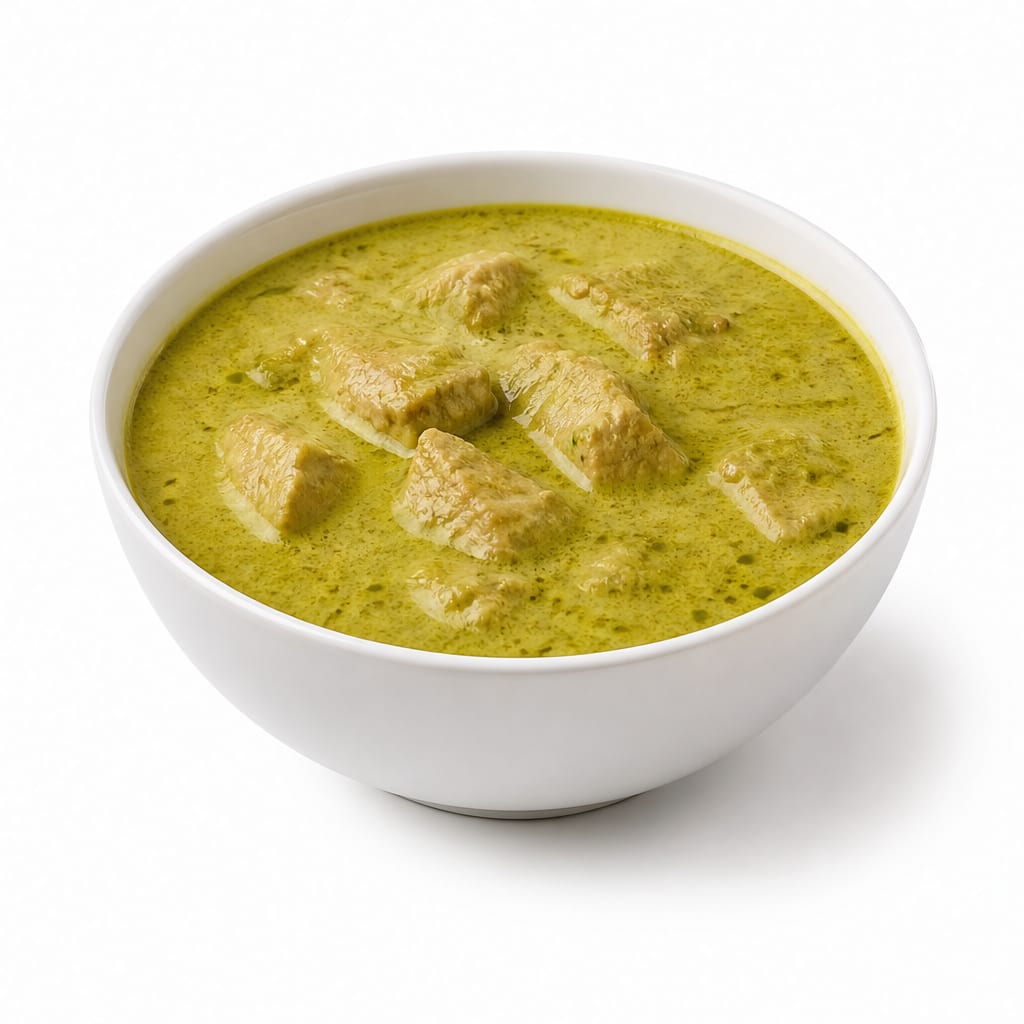
Thai Green Curry
Tikka Masala offers comforting, dairy-rich satisfaction, while Thai Green Curry delivers a lighter, veggie-packed meal with potent anti-inflammatory spices.
Thai Green Curry scores higher due to its superior vegetable density, lower calorie footprint, and anti-inflammatory spice profile. Tikka Masala remains a satisfying option but is heavily penalized by its high saturated fat and calorie density from cream and butter.
Rich, calorie-dense comfort versus herbaceous, vegetable-dense lightness.
At a glance
Executive summary
Overall
It depends
Healthier
Thai Green Curry
More practical
It depends
Daily use
Thai Green Curry
Key comparison lenses
Calorie density and weight management
Cream-based sauces are drastically higher in calories than coconut milk or broth-based sauces, heavily impacting weight goals.
Saturated fat sources and heart health
Comparing the cardiovascular impact of dairy fat (butter/cream) versus plant-based fat (coconut milk) is a primary concern for everyday health.
Micronutrient and vegetable density
The volume of vegetables and fresh herbs in these dishes varies significantly, affecting overall nutritional value.
Sodium load and blood pressure
Both restaurant curries are notoriously high in sodium, but the sources and severity differ.
Spice and anti-inflammatory benefits
The therapeutic properties of the spice profiles differ greatly between a milder tomato-cream base and a fiery herb-chili base.
Best choice for
Tikka Masala
- Comfort eating on a cold day
- Bulking up or needing extra calories
- Those who prefer mild, non-spicy flavors
- People avoiding coconut or tree nuts
Thai Green Curry
- Weight management and calorie control
- Increasing daily vegetable intake
- Anti-inflammatory diet goals
- Dairy-free or lactose-intolerant individuals
Least suitable for
Tikka Masala
- Strict low-fat or low-calorie diets
- Lactose intolerance or dairy sensitivity
- Those watching LDL cholesterol closely
Thai Green Curry
- People with severe spice or nightshade sensitivity
- Strict low-sodium diets due to fish sauce and paste
- Those with coconut allergies
Deep comparison
Dimension by dimension
Each lens scores both foods and breaks down who each option suits.
- Dimension 1 · Priority 90Thai Green Curry
Calorie and Fat Profile
Tikka Masala · 55Thai Green Curry · 75Tikka Masala relies on heavy cream and butter, making it very calorie-dense. Thai Green Curry uses coconut milk, which can be much lighter if reduced-fat versions are used.
Tradeoff
Dairy cream provides a deeply satisfying mouthfeel but packs significantly more saturated fat calories per bite than coconut milk.
Why it matters
Managing calorie intake is far easier with coconut milk-based curries, especially if you control the amount of paste and milk.
Real-world impact
A standard restaurant portion of Tikka Masala can easily exceed 600 calories from the sauce alone, while a Thai Green Curry with light coconut milk might sit closer to 350 calories.
Tikka Masala
- Those needing to gain weight healthily
- Endurance athletes requiring high-calorie meals
Better for
- Sedentary individuals watching their waistline
- People prone to post-meal food comas
Worse for
Thai Green Curry
- Anyone tracking calories for weight loss
- People seeking a filling meal without the heavy sluggishness afterward
Better for
- Those who find low-fat meals unsatisfying and end up overeating later
Worse for
- Dimension 2 · Priority 85Thai Green Curry
Micronutrient and Vegetable Density
Tikka Masala · 50Thai Green Curry · 88Thai Green Curry typically packs in bamboo shoots, bell peppers, zucchini, and Thai basil. Tikka Masala is mostly protein swimming in a rich sauce with minimal vegetable matter.
Tradeoff
You get a much broader spectrum of vitamins and antioxidants from the heavy vegetable load in Thai Green Curry, but less protein per bite.
Why it matters
More vegetables mean more fiber, which slows down sugar absorption and keeps you full longer on fewer calories.
Real-world impact
Eating Thai Green Curry feels like eating a balanced meal with veggies, whereas Tikka Masala almost always requires adding a side of vegetables to feel nutritionally complete.
Tikka Masala
- Those who struggle to meet protein needs and prioritize meat intake
Better for
- Those relying on the main dish for their daily fiber intake
Worse for
Thai Green Curry
- People trying to sneak more fiber and vitamins into their diet
- Anyone eating a predominantly plant-forward diet
Better for
- People who dislike chunky vegetables in their food
Worse for
- Dimension 3 · Priority 75Tikka Masala
Sodium and Blood Pressure Impact
Tikka Masala · 65Thai Green Curry · 50Thai Green Curry uses fish sauce and curry paste, both of which are extremely high in sodium. Tikka Masala relies more on spices, tomatoes, and dairy for flavor.
Tradeoff
The complex umami flavor in Thai Green Curry comes at the cost of a significant sodium load that can spike blood pressure.
Why it matters
Consistently high sodium intake is a leading driver of hypertension and cardiovascular strain.
Real-world impact
After eating a restaurant Thai Green Curry, you might feel noticeably thirstier and more bloated the next morning compared to eating Tikka Masala.
Tikka Masala
- People with hypertension monitoring their salt intake
- Those prone to sodium-induced bloating
Better for
- Those who heavily salt their rice, negating the lower sauce sodium
Worse for
Thai Green Curry
- Athletes who lose a lot of sodium through sweat and need to replenish
Better for
- Anyone on a strict low-sodium diet prescribed by a doctor
Worse for
- Dimension 4 · Priority 70Thai Green Curry
Anti-inflammatory and Spice Benefits
Tikka Masala · 65Thai Green Curry · 85Thai Green Curry is loaded with galangal, lemongrass, and chili, which have strong medicinal properties. Tikka Masala uses turmeric but is often milder and drowned in dairy.
Tradeoff
The intense spice in Thai Green Curry offers more therapeutic benefits but can irritate sensitive stomachs or cause heartburn.
Why it matters
Chronic inflammation is linked to many diseases, and potent culinary herbs can act as daily medicine.
Real-world impact
The spice blend in Thai Green Curry can clear sinuses and boost circulation noticeably, whereas Tikka Masala acts more as a comforting, neutral meal.
Tikka Masala
- People with acid reflux or GERD who need to avoid spicy triggers
- Those seeking anti-inflammatory benefits without the heat (via turmeric)
Better for
- People who want a noticeable metabolic boost from their meal
Worse for
Thai Green Curry
- Individuals looking to boost metabolism through thermogenesis
- Those wanting to clear congestion or improve circulation
Better for
- Anyone with IBS or a highly sensitive digestive tract
Worse for
- Dimension 5 · Priority 65Tikka Masala
Digestive Tolerance and Comfort
Tikka Masala · 70Thai Green Curry · 60Tikka Masala is milder and the dairy can be soothing for some, though problematic for lactose-intolerant individuals. Thai Green Curry's heat and coconut fat can trigger reflux.
Tradeoff
Mild, creamy comfort versus potential spice-induced irritation depending on your digestive system.
Why it matters
Eating should feel good afterward, not cause discomfort, heartburn, or bloating that ruins your evening.
Real-world impact
If you have a sensitive stomach, Tikka Masala is usually the safer bet for a late dinner, provided you tolerate dairy well.
Tikka Masala
- Those with spice sensitivity or heartburn triggers
- People seeking a soothing, comforting meal before bed
Better for
- Anyone with dairy intolerance or slow gastric emptying
Worse for
Thai Green Curry
- People who are lactose intolerant but handle spice well
Better for
- Those prone to acid reflux, especially when eating late at night
Worse for
Timeline
Health impact over time
Short-term
Hours to days
Tikka Masala
- Quick, heavy satiety from high fat content
- Potential bloating or gas if lactose intolerant
- Warm, comforting feeling without the burn
Thai Green Curry
- Sinus clearing and warming sensation from chilies
- Immediate thirst from high sodium content
- Lighter post-meal feeling if made with lean protein and light milk
Long-term
Months to years
Tikka Masala
- Risk of weight gain if eaten frequently due to high calorie density
- Potential increase in LDL cholesterol from heavy butter and cream use
- Possible aggravation of acne or skin issues from high dairy intake
Thai Green Curry
- Better weight maintenance due to lower calorie density and higher fiber
- Anti-inflammatory benefits from regular consumption of ginger and turmeric family spices
- Potential blood pressure issues if sodium intake from fish sauce is unmanaged
Risk profile
Safety & processing
Both are cooked dishes, but homemade versions are quite natural. Restaurant or jarred Tikka Masala sometimes uses food dyes for that bright orange hue, while commercial Thai Green Curry pastes often contain hidden preservatives, MSG, or shrimp paste.
Tikka Masala
Dairy spoilage
mediumCream-based sauces can harbor bacteria if left at room temperature for too long, making leftovers risky if not stored promptly.
Thai Green Curry
Shellfish allergens
highAuthentic Thai curry paste almost always contains shrimp paste, posing a severe hidden allergen risk for those with shellfish allergies.
High sodium load
mediumFish sauce and curry paste contribute massive amounts of sodium, a risk for those with hypertension or kidney issues.
Who wins for whom
Audience fit
Same foods, different winners depending on your goal.
children
Tikka MasalaThe mild, creamy, and slightly sweet flavor profile of Tikka Masala is much more kid-friendly than the intense chili heat of Thai Green Curry.
daily consumption
Thai Green CurryThe lighter calorie load, higher vegetable content, and dairy-free nature make Thai Green Curry a more sustainable everyday choice.
diabetes
Thai Green CurryThai Green Curry has fewer hidden sugars in the sauce and more fiber from vegetables, leading to steadier blood sugar compared to the tomato-sugar-cream base of Tikka Masala.
elderly
Tikka MasalaEasier to chew and gentler on the digestive system, provided they tolerate dairy well and do not have severe heart health restrictions.
muscle gain
Tikka MasalaTikka Masala usually contains larger, denser portions of protein and higher overall calories necessary for muscle building and recovery.
weight loss
Thai Green CurryThai Green Curry is typically lower in calories and higher in filling fiber from vegetables, especially if made with light coconut milk.
Your move
Decision guide
Choose Tikka Masala
- You want a comforting, hearty meal that feels like a warm hug
- You are bulking up or need extra calories to meet energy demands
- You strongly prefer mild, non-spicy flavors
- You are eating with kids or people sensitive to heat
Choose Thai Green Curry
- You want to manage your weight without eating tiny portions
- You love spicy, herbaceous, and vibrant flavors
- You need more vegetables and fiber in your weekly diet
- You are strictly dairy-free or lactose intolerant
Either works if
- You are treating yourself to a weekend takeout and neither is a daily habit
- You want a protein-packed lunch to keep you full through the afternoon
Avoid both if
- You are on a strict low-sodium diet for blood pressure or kidney health
- You are following a raw food or whole-food plant-based diet
Final recommendation
Choose Thai Green Curry for a lighter, veggie-packed meal with anti-inflammatory spices, but go for Tikka Masala when you need comforting richness and extra calories. Your choice should hinge on whether you prioritize vegetable density and lighter calories, or creamy satisfaction and milder digestion.
Practical
Consumer tips
- 1
Ask for Thai Green Curry with light coconut milk to cut calories and saturated fat by nearly half.
- 2
Opt for brown rice or cauliflower rice with either dish to keep blood sugar steady and add fiber.
- 3
If ordering Tikka Masala, ask for the sauce on the side to control portion size and calorie intake.
- 4
Always specify your spice tolerance when ordering Thai Green Curry, as restaurant 'mild' can still be very hot.
- 5
Make Tikka Masala at home using Greek yogurt instead of heavy cream for a high-protein, lower-fat twist.