
Nutrition comparison
Tikka Masala vs Chicken Korma: Which Indian Curry Is Healthier?
Compare Tikka Masala and Chicken Korma on calories, sugar, fat, and health impact. Learn which curry is better for weight loss, diabetes, and everyday eating.
Overall winner · Tikka Masala
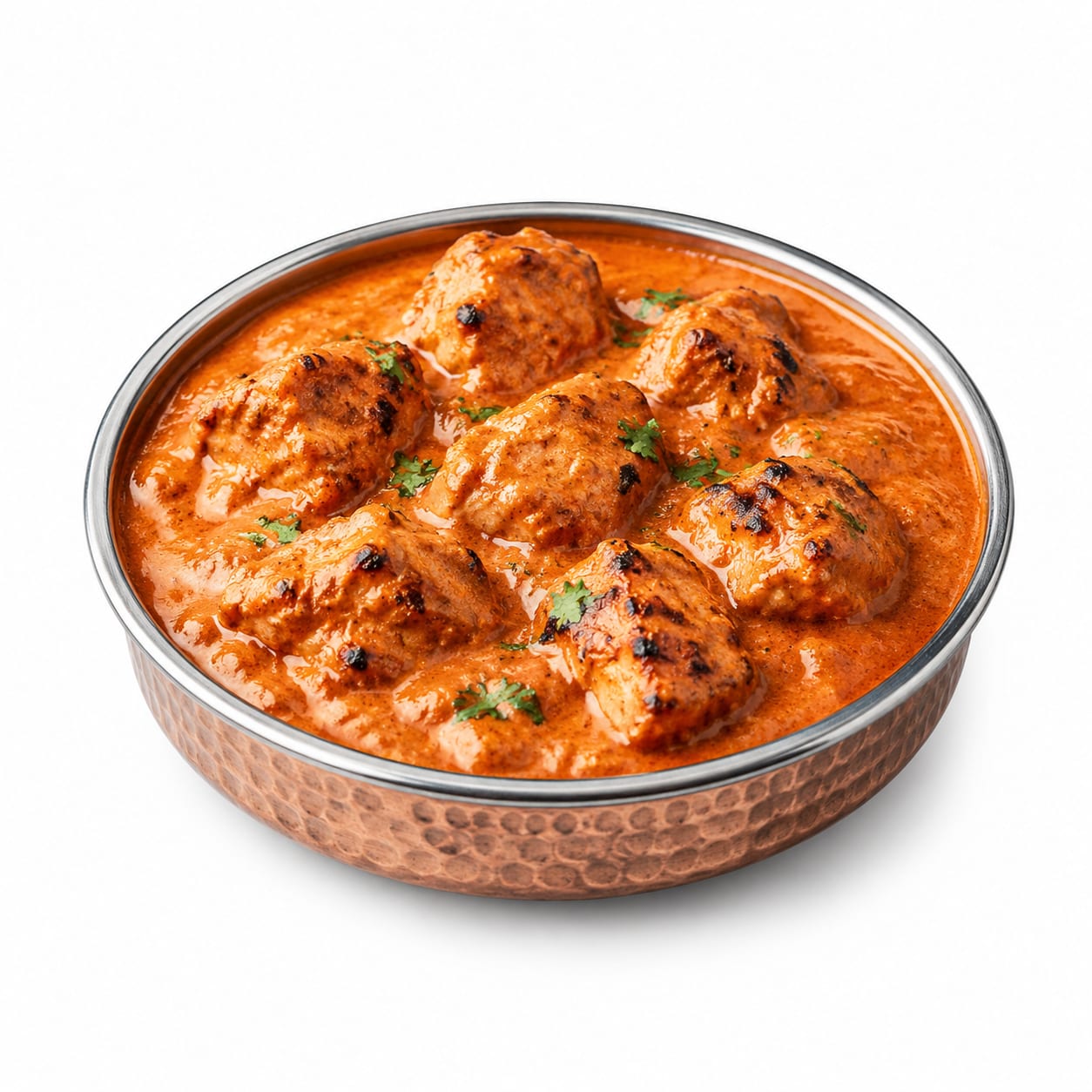
Tikka Masala
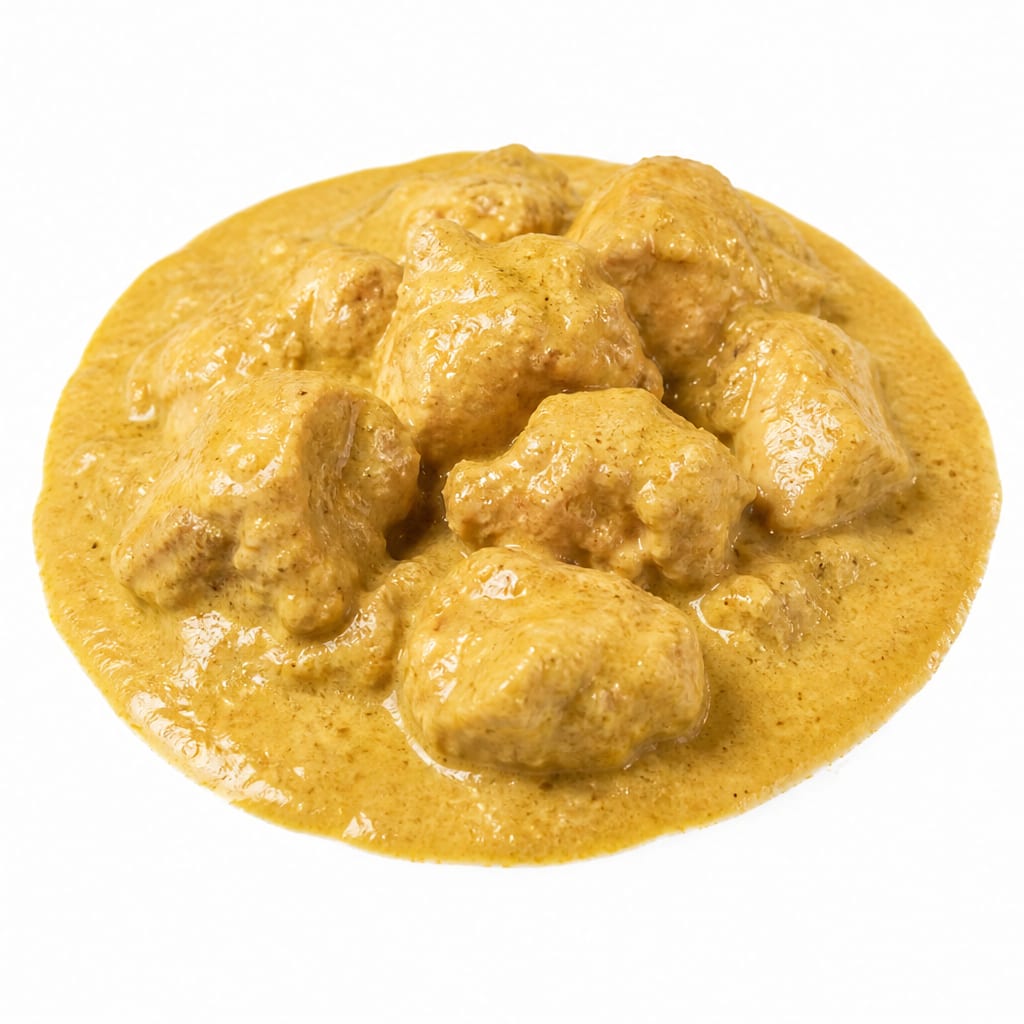
Chicken Korma
Tikka Masala edges out Chicken Korma thanks to its tomato base, lower sugar, and spicier anti-inflammatory profile — but both are indulgent, cream-heavy dishes best enjoyed moderately.
Tikka Masala scores moderately higher due to its tomato-based nutrient density, lower sugar content, and beneficial spice profile. Chicken Korma loses ground on calorie density, sugar load, and saturated fat — though it wins on digestibility and comfort appeal. Neither scores well overall because both are heavy, cream-laden dishes.
Tikka Masala gives you more flavor complexity and metabolic benefits from spice, while Korma offers a creamier, sweeter, gentler eating experience at the cost of more calories and sugar.
At a glance
Executive summary
Overall
Tikka Masala
Healthier
Tikka Masala
More practical
It depends
Daily use
neither
Key comparison lenses
calorie and fat comparison
Both dishes are cream-heavy curries, but Korma's nut base and sweetness significantly increase calorie density
sugar and carb load
Korma is notably sweeter, often containing added sugar or honey, impacting blood sugar more than Tikka Masala
spice and anti inflammatory benefit
Tikka Masala's spice profile offers more anti-inflammatory compounds, while Korma is deliberately mild
digestive tolerance
Korma's mildness makes it gentler on sensitive stomachs, while Tikka Masala's acidity and spice can irritate
heart health tradeoff
Both are high in saturated fat, but Korma's additional nut fats and sugar make it the heavier cardiac load
Best choice for
Tikka Masala
- People tracking calories or sugar intake
- Those who enjoy spice and want anti-inflammatory benefits
- Anyone seeking a more nutrient-dense curry with lycopene from tomatoes
- Weight-conscious diners who still want rich flavor
Chicken Korma
- People with sensitive stomachs who avoid spice
- Children or picky eaters introduced to Indian food
- Those seeking comfort food with mild, sweet flavors
- Anyone needing calorie-dense meals for weight gain
Least suitable for
Tikka Masala
- People with acid reflux or GERD triggered by tomatoes and spice
- Those on strict low-fat diets
- Anyone sensitive to nightshades
Chicken Korma
- People managing diabetes or blood sugar issues
- Those on calorie-restricted diets
- Anyone with nut allergies
- People concerned about saturated fat intake
Deep comparison
Dimension by dimension
Each lens scores both foods and breaks down who each option suits.
- Dimension 1 · Priority 92Tikka Masala
calorie_density
Tikka Masala · 45Chicken Korma · 30Tikka Masala is typically 15-25% lower in calories per serving than Chicken Korma, mainly because Korma's nut paste and added sugar drive up the energy density.
Tradeoff
You save calories with Tikka Masala but still get a rich, satisfying meal. Korma feels more indulgent but can easily exceed 600-800 calories per restaurant serving.
Why it matters
If you eat curry regularly, the calorie difference compounds fast. A 150-calorie gap per meal adds up to over a pound of weight difference per month.
Real-world impact
Ordering Tikka Masala instead of Korma at a restaurant could save you the equivalent of a slice of bread's worth of calories — not life-changing, but meaningful over time.
Tikka Masala
- Weight management
- Calorie-conscious dining
- Portion flexibility
Better for
- Those who find lower-calorie meals unsatisfying
Worse for
Chicken Korma
- Active individuals needing calorie surplus
- Recovery from illness requiring calorie density
Better for
- Sedentary lifestyles
- Frequent restaurant diners
Worse for
- Dimension 2 · Priority 85Tikka Masala
sugar_and_blood_sugar_impact
Tikka Masala · 55Chicken Korma · 35Chicken Korma is noticeably sweeter, often containing added sugar, honey, or sweetened yogurt. Tikka Masala's tomato base provides natural sugars with a lower glycemic impact.
Tradeoff
Korma's sweetness makes it more dessert-like and craveable, but it spikes blood sugar more sharply. Tikka Masala offers savory depth without the sugar rollercoaster.
Why it matters
The sugar difference matters for energy stability. Korma's sweetness can trigger a faster blood sugar rise followed by a crash, leaving you hungry sooner.
Real-world impact
After a Korma lunch, you might feel that 3pm energy dip harder. Tikka Masala keeps things steadier, though the rice you eat with either dish is the bigger glycemic variable.
Tikka Masala
- Blood sugar management
- Steady afternoon energy
- Reduced sugar cravings
Better for
- Those who find savory-only meals less satisfying
Worse for
Chicken Korma
- Quick energy after physical activity
- Satisfying a sweet craving without dessert
Better for
- Diabetics and pre-diabetics
- People prone to energy crashes
Worse for
- Dimension 3 · Priority 78Tikka Masala
anti_inflammatory_and_spice_benefits
Tikka Masala · 70Chicken Korma · 40Tikka Masala's spice blend — turmeric, cumin, coriander, chili — delivers meaningful anti-inflammatory compounds. Korma's mild profile sacrifices these benefits for gentleness.
Tradeoff
You get real physiological benefits from Tikka Masala's spices, but they come with potential digestive irritation. Korma spares your stomach but misses the anti-inflammatory upside.
Why it matters
Chronic inflammation drives aging and disease. Regularly eating spiced foods like Tikka Masala is a small but real protective habit, especially turmeric's curcumin.
Real-world impact
If you eat Indian food weekly, choosing the spicier option over months and years gives your body a consistent low-dose anti-inflammatory treatment — not dramatic, but cumulative.
Tikka Masala
- Long-term inflammation management
- Joint health
- Metabolic health
Better for
- Active heartburn
- Gastritis
- Ulcer sensitivity
Worse for
Chicken Korma
- Acid reflux sufferers
- IBS flare-ups triggered by spice
- Post-surgical digestive recovery
Better for
- Chronic inflammatory conditions
- Metabolic syndrome
Worse for
- Dimension 4 · Priority 74It depends
satiety_and_fullness
Tikka Masala · 60Chicken Korma · 62Korma's higher fat and nut content makes it slightly more filling per bite, but Tikka Masala's protein and spice can also signal fullness effectively.
Tradeoff
Korma fills you faster due to calorie density, but Tikka Masala's spice stimulates satiety signals differently. Both are filling — just through different mechanisms.
Why it matters
Feeling satisfied after a meal prevents overeating later. Both dishes do this well, which is also why both are easy to overeat when portions are large.
Real-world impact
Either curry will keep you full for hours. The real risk is that both taste so good you eat past fullness — Korma's sweetness especially encourages second helpings.
Tikka Masala
- Spice-driven satiety without excess calories
- Those who stop eating when heat signals fullness
Better for
- Spice-tolerant eaters who don't get fullness signals from heat
Worse for
Chicken Korma
- Those who need calorie-dense meals to feel satisfied
- Smaller appetites satisfied by rich food
Better for
- Overeaters drawn to sweet, rich foods
Worse for
- Dimension 5 · Priority 70Tikka Masala
nutrient_density
Tikka Masala · 55Chicken Korma · 42Tikka Masala's tomato base provides lycopene, vitamin C, and potassium. Korma's nut paste offers some vitamin E and minerals, but the cream and sugar dilute the nutritional payoff.
Tradeoff
Tomatoes give Tikka Masala a genuine micronutrient edge. Korma's nuts have value, but they're swimming in so much cream and sugar that the net benefit is weaker.
Why it matters
If you're going to eat a calorie-dense meal, getting more vitamins and antioxidants per calorie matters. Tikka Masala delivers more nutritional value per bite.
Real-world impact
The lycopene from Tikka Masala's tomatoes is better absorbed with fat — which the cream actually helps with. It's a rare case where the fat serves a nutritional purpose.
Tikka Masala
- Antioxidant intake
- Lycopene absorption
- Vitamin C contribution
Better for
- Nutrient contribution is still modest overall
Worse for
Chicken Korma
- Vitamin E from nuts
- Mineral intake from almonds
Better for
- Nutrients diluted by high calorie load
- Sugar offsets mineral benefits
Worse for
- Dimension 6 · Priority 75Chicken Korma
digestive_tolerance
Tikka Masala · 40Chicken Korma · 70Korma is deliberately mild and gentle — designed for sensitive palates and stomachs. Tikka Masala's acidity, spice, and tomato base can trigger reflux and irritation.
Tradeoff
Korma is the safer bet for anyone with digestive sensitivities, but you pay for that comfort with more calories and sugar. Tikka Masala challenges the stomach but rewards the metabolism.
Why it matters
If you have GERD, IBS, or a sensitive stomach, Korma might be the only curry you can comfortably eat. That practical reality outweighs nutritional theory.
Real-world impact
A late-night Tikka Masala can mean heartburn and poor sleep. Korma at the same hour is more likely to sit comfortably — though both are heavy meals before bed.
Tikka Masala
- Robust digestive systems
- Those who tolerate tomato acidity well
Better for
- Evening dining for reflux-prone people
- IBS triggered by spice
Worse for
Chicken Korma
- GERD and acid reflux sufferers
- Sensitive stomachs
- Children and elderly with delicate digestion
Better for
- Those who want metabolic stimulation from spice
Worse for
Timeline
Health impact over time
Short-term
Hours to days
Tikka Masala
- Mild metabolic boost from capsaicin and spices
- Possible heartburn or acid reflux in sensitive individuals
- Sustained energy from lower sugar content
- Thermogenic effect from spice slightly increases calorie burn during digestion
Chicken Korma
- Faster blood sugar rise from sweetness, potential energy crash within 2-3 hours
- Heavy, comforting fullness that may cause sluggishness
- Gentle on the stomach with minimal irritation risk
- Sugar-triggered dopamine response increases immediate satisfaction
Long-term
Months to years
Tikka Masala
- Consistent anti-inflammatory intake from turmeric and spice blend
- Better blood sugar habits if chosen regularly over sweeter curries
- Still a high-saturated-fat dish — regular consumption impacts heart health
- Lycopene from tomatoes supports prostate and cardiovascular health over time
Chicken Korma
- Higher calorie and sugar habit contributes to gradual weight gain if frequent
- Nut fats provide some cardiovascular benefit but are overwhelmed by cream saturated fat
- Sugar habit from sweet curries can increase cravings for other sweet foods
- Milder spice profile means missing long-term anti-inflammatory benefits
Risk profile
Safety & processing
Both dishes are restaurant-style processed foods with cream, commercial spice blends, and often stabilizers. Restaurant Tikka Masala sometimes uses food coloring for that signature orange hue. Korma's nut paste is more whole-food-based, but commercial versions may contain added sugars and preservatives. Home-cooked versions of either would be significantly less processed.
Tikka Masala
Food coloring additives
lowSome restaurants use artificial orange food coloring in Tikka Masala. While generally recognized as safe, some colorings have been linked to hyperactivity in children and mild allergic reactions.
Cream spoilage
mediumThe dairy cream in Tikka Masala is a spoilage risk if not stored properly. Buffet-style serving increases this concern significantly.
Spice contamination
lowCommercial spice blends can occasionally contain adulterants or heavy metals, particularly turmeric. Sourcing matters more than most people realize.
Chicken Korma
Nut allergen exposure
highKorma typically contains almond or cashew paste, making it dangerous for those with tree nut allergies. Cross-contamination in restaurant kitchens is a serious concern.
Cream spoilage
mediumSame dairy spoilage risk as Tikka Masala. Korma's sweetness can mask early signs of spoilage, making it slightly riskier.
Added sugar content
lowNot a food safety risk per se, but the high sugar content in some Korma preparations can feed bacterial growth if left at room temperature.
Who wins for whom
Audience fit
Same foods, different winners depending on your goal.
children
Chicken KormaKorma's mild, sweet flavor profile is far more child-friendly and easier on developing digestive systems.
daily consumption
neitherNeither curry should be eaten daily due to high saturated fat and calorie density. If forced to choose, Tikka Masala is slightly less damaging as a regular habit.
diabetes
Tikka MasalaLower sugar content and higher spice make Tikka Masala significantly more blood sugar-friendly. Korma's sweetness is a genuine concern for diabetics.
elderly
Chicken KormaGentle on digestion and easy to eat, Korma suits aging digestive systems better, though the sodium in both is a watchpoint.
muscle gain
It dependsBoth provide similar protein from chicken. Korma's extra calories can support bulking, while Tikka Masala suits leaner bulking approaches.
weight loss
Tikka MasalaLower calories and sugar make Tikka Masala the better choice for weight management, though both require portion control.
Your move
Decision guide
Choose Tikka Masala
- You're watching calories, sugar, or blood sugar
- You want anti-inflammatory benefits from spice
- You enjoy bold, complex flavors over sweetness
- You're eating curry as a regular weekly meal rather than an occasional indulgence
- You're concerned about long-term metabolic health
Choose Chicken Korma
- You have acid reflux, GERD, or a sensitive stomach
- You're eating with children or spice-averse friends
- You want maximum comfort and indulgence from your meal
- You're recovering from illness and need gentle, calorie-dense food
- You have a nut allergy — actually avoid Korma entirely in this case
Either works if
- You're eating Indian food as an occasional treat — the differences matter less
- You're pairing with lots of vegetables and controlling rice portions
- You're ordering from a high-quality restaurant that uses real ingredients over shortcuts
Avoid both if
- You're on a strict low-fat or low-calorie diet
- You have severe dairy intolerance or lactose issues
- You're eating right before bed — both are too heavy
- You have uncontrolled hypertension — restaurant versions of both are sodium bombs
Final recommendation
Choose Tikka Masala most of the time for its metabolic advantages, lower sugar, and anti-inflammatory spice benefits. Save Chicken Korma for when you genuinely need comfort, have digestive sensitivity, or are sharing a meal with people who can't handle spice. Either way, portion control and pairing with vegetables rather than mountains of rice will matter more than which curry you pick.
Practical
Consumer tips
- 1
Ask for half the cream in either dish — most restaurants will accommodate this and you'll save 100-200 calories without losing much flavor
- 2
Pair your curry with cauliflower rice or a 50/50 mix of rice and vegetables to cut the glycemic load significantly
- 3
Home-cooked versions of both dishes can be made with Greek yogurt instead of cream, cutting saturated fat by 60% while maintaining creaminess
- 4
If ordering Korma, ask if they can reduce the added sugar — many restaurants add more than traditional recipes require
- 5
Tikka Masala's spice actually boosts slightly when reheated the next day, making it a better leftover option
- 6
For either dish, a side of raita (yogurt condiment) helps digestion and cools the palate without adding much sugar
- 7
Watch your naan bread intake — two pieces of garlic naan can add 400+ calories, often more than the curry itself