
Nutrition comparison
Tikka Masala vs Chicken Vindaloo: Which Indian Curry Is Healthier?
Compare Tikka Masala and Chicken Vindaloo on calories, fat, heart health, and digestion. Find out which curry is better for weight loss, muscle gain, and daily eating.
Overall winner · Chicken Vindaloo
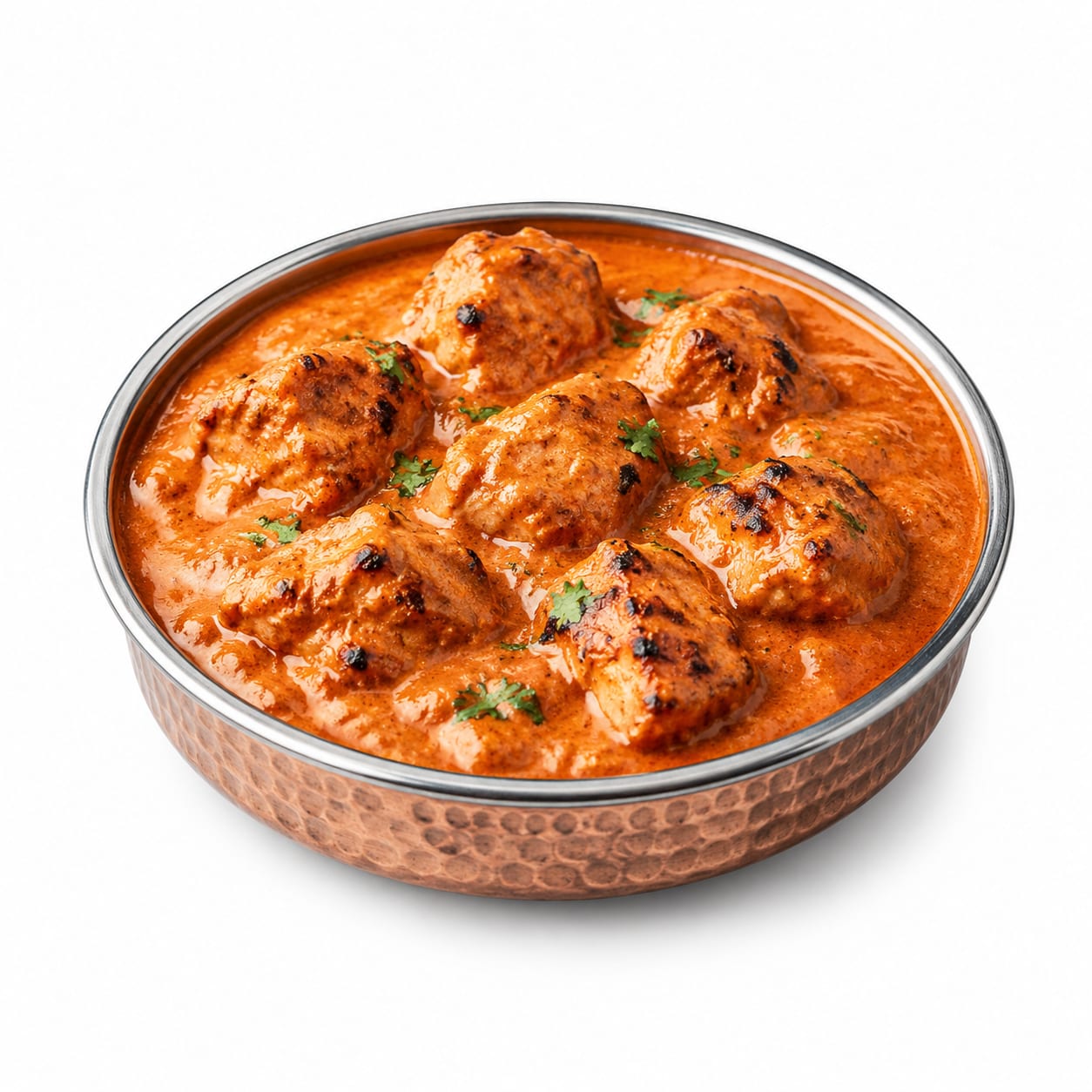
Tikka Masala
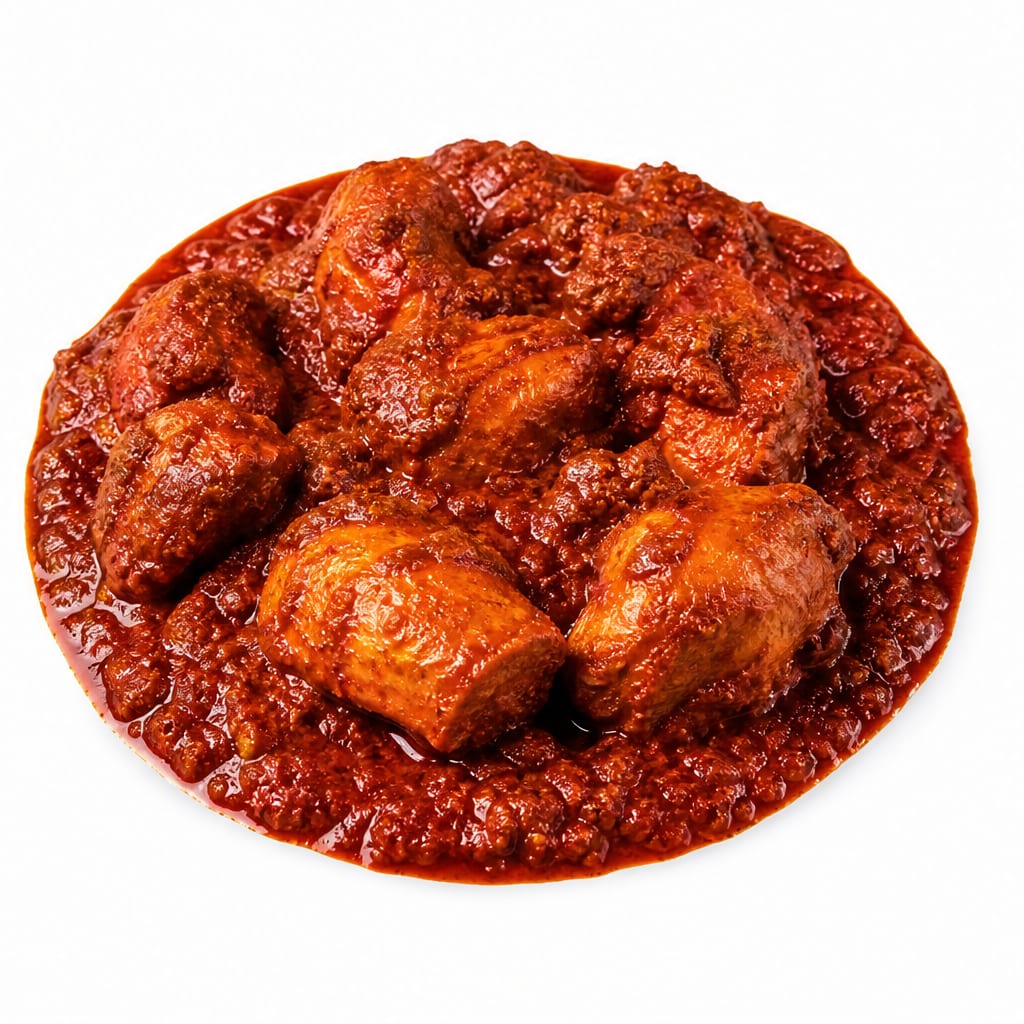
Chicken Vindaloo
Chicken Vindaloo wins on nutritional density and calorie control, but Tikka Masala offers a creamier comfort experience that's easier on sensitive stomachs.
Chicken Vindaloo scores notably higher due to lower calorie density, less saturated fat, and beneficial spice compounds. Tikka Masala remains competitive for palatability and gentler digestion but loses ground on heart health and weight management.
Cream-based richness and higher calories versus spice-driven heat with lower fat and potential anti-inflammatory benefits.
At a glance
Executive summary
Overall
Chicken Vindaloo
Healthier
Chicken Vindaloo
More practical
Tikka Masala
Daily use
Chicken Vindaloo
Key comparison lenses
calorie and fat comparison between cream-based and spice-based curries
Tikka Masala's cream sauce dramatically increases calories and saturated fat compared to Vindaloo's vinegar-spice base
digestive tolerance and spice sensitivity
Vindaloo's extreme heat can cause digestive distress while Tikka Masala's richness can trigger heartburn differently
weight management suitability
Calorie density difference makes one clearly better for weight loss while the other feels more satisfying in smaller portions
heart health tradeoffs between saturated fat and anti-inflammatory spices
Cream and butter in Tikka Masala raise cardiovascular concerns while Vindaloo's capsaicin may offer anti-inflammatory benefits
everyday eatability and meal frequency suitability
Tikka Masala's comfort factor makes it more appealing regularly but less sustainable nutritionally
Best choice for
Tikka Masala
- People with low spice tolerance who still want flavorful curry
- Those seeking comfort food on a cold evening
- Anyone recovering from stomach illness needing milder flavors
- Social dining where guests prefer accessible heat levels
- Emotional eating that craves creamy satisfaction
Chicken Vindaloo
- Weight-conscious eaters tracking calories closely
- Health-focused diners wanting anti-inflammatory spice benefits
- Spice enthusiasts who enjoy intense heat
- Athletes looking for lean protein with bold flavor
- Anyone monitoring saturated fat intake
Least suitable for
Tikka Masala
- People managing high cholesterol or heart disease risk
- Anyone strictly controlling calorie intake
- Those with lactose intolerance or dairy sensitivity
- Weight loss programs requiring low-fat meals
Chicken Vindaloo
- People with acid reflux or GERD
- Anyone with IBS or sensitive digestion
- Children unaccustomed to spicy food
- Those with ulcers or gastric conditions
Deep comparison
Dimension by dimension
Each lens scores both foods and breaks down who each option suits.
- Dimension 1 · Priority 95Chicken Vindaloo
Calorie Density and Weight Management
Tikka Masala · 40Chicken Vindaloo · 78Tikka Masala packs significantly more calories per serving due to cream and butter, while Vindaloo delivers bold flavor with far fewer calories.
Tradeoff
You sacrifice creamy richness but gain far better calorie control with Vindaloo.
Why it matters
A single Tikka Masala serving can approach 500+ calories compared to roughly 300 for Vindaloo, making a meaningful difference over weekly meals.
Real-world impact
Eating Tikka Masala twice weekly instead of Vindaloo could add over 200 calories per meal, potentially leading to 6+ pounds of weight gain per year.
Tikka Masala
- Feeling satisfied with smaller portions due to fat-driven satiety
- Bulking up when intentional weight gain is the goal
Better for
- Easy to overconsume calories without feeling full
- Restaurant portions often exceed 600 calories
Worse for
Chicken Vindaloo
- Sustained calorie deficit without sacrificing flavor intensity
- More flexible meal planning within daily calorie budgets
Better for
- Lower fat content may leave some eaters less satisfied
- Spice can trigger appetite for some people
Worse for
- Dimension 2 · Priority 90Chicken Vindaloo
Heart Health and Saturated Fat
Tikka Masala · 35Chicken Vindaloo · 72Tikka Masala's cream and butter base delivers a heavy saturated fat load, while Vindaloo's spice-forward approach keeps fat content much lower.
Tradeoff
Creamy comfort comes at a direct cost to cardiovascular health markers.
Why it matters
Regular saturated fat intake from cream-based curries can raise LDL cholesterol over time, especially when eaten frequently.
Real-world impact
Someone eating Tikka Masala weekly may see measurable LDL increases within months, while Vindaloo poses minimal cardiovascular burden.
Tikka Masala
- Occasional indulgence that feels rewarding without daily exposure
Better for
- Significant saturated fat per serving impacts cholesterol
- Butter and cream combo is a double hit to heart health
Worse for
Chicken Vindaloo
- Long-term heart health with regular curry consumption
- Anti-inflammatory capsaicin may actively support vascular health
Better for
- Some restaurant versions add oil that increases fat content
- Heavy spice can temporarily raise blood pressure in sensitive individuals
Worse for
- Dimension 3 · Priority 88Tikka Masala
Digestive Tolerance
Tikka Masala · 65Chicken Vindaloo · 40Tikka Masala is gentler on the digestive tract for most people, while Vindaloo's intense heat can trigger significant discomfort.
Tradeoff
Milder digestion versus metabolic benefits of capsaicin.
Why it matters
For anyone with sensitive digestion, Vindaloo can cause hours of discomfort that outweighs any nutritional advantage.
Real-world impact
A Vindaloo meal can cause heartburn lasting 4-6 hours in susceptible people, while Tikka Masala rarely triggers acute digestive distress.
Tikka Masala
- Comfortable post-meal experience without burning sensation
- Better option for evening meals before sleep
- Safer choice for anyone with GERD or acid reflux history
Better for
- High fat content can slow gastric emptying and cause bloating
- Dairy can trigger issues for lactose-intolerant eaters
Worse for
Chicken Vindaloo
- Capsaicin may boost metabolism slightly
- Spice can stimulate digestive enzyme production in tolerant individuals
Better for
- Extreme heat commonly causes heartburn and acid reflux
- Can irritate IBS symptoms significantly
Worse for
- Dimension 4 · Priority 80Chicken Vindaloo
Anti-Inflammatory and Antioxidant Potential
Tikka Masala · 50Chicken Vindaloo · 82Vindaloo's heavy spice load delivers more bioactive compounds with anti-inflammatory properties, while Tikka Masala's cream dilutes spice concentration.
Tradeoff
You get more therapeutic spice compounds with Vindaloo but must tolerate the heat to access them.
Why it matters
Capsaicin, turmeric, and other vindaloo spices have documented anti-inflammatory effects that compound with regular consumption.
Real-world impact
Regular Vindaloo eaters may experience less joint stiffness and lower inflammatory markers over months compared to cream-based curry consumers.
Tikka Masala
- Turmeric in the masala blend still provides some curcumin benefit
- More approachable way to consume anti-inflammatory spices for heat-sensitive people
Better for
- Cream reduces bioavailability of fat-soluble spice compounds
- High saturated fat is itself pro-inflammatory
Worse for
Chicken Vindaloo
- Concentrated capsaicin offers proven anti-inflammatory effects
- Higher spice diversity delivers broader antioxidant coverage
- Vinegar base may support gut microbiome health
Better for
- Benefits require consistent consumption that heat sensitivity may prevent
- Excessive spice can cause acute inflammation in the digestive tract
Worse for
- Dimension 5 · Priority 72It depends
Sodium Load
Tikka Masala · 55Chicken Vindaloo · 50Both dishes are high in sodium from restaurant preparation, but Vindaloo's vinegar base and spice blends can push sodium slightly higher.
Tradeoff
Neither dish wins on sodium; both require caution for blood pressure management.
Why it matters
Indian restaurant curries routinely exceed 1000mg sodium per serving, making both poor choices for sodium-restricted diets.
Real-world impact
Either curry can deliver half your daily sodium allowance in one meal, making blood pressure management difficult.
Tikka Masala
- Slightly lower sodium in some preparations
- Cream base dilutes salt concentration per bite
Better for
- Restaurant cream sauces often hide large amounts of added salt
- Combined with naan bread creates a very high-sodium meal
Worse for
Chicken Vindaloo
- Homemade versions can control vinegar-based salt easily
- Spice intensity means less salt needed for flavor perception
Better for
- Vinegar-based preparations often require more salt for balance
- Marinade sodium adds up before cooking begins
Worse for
- Dimension 6 · Priority 70It depends
Protein Quality and Satiety
Tikka Masala · 68Chicken Vindaloo · 72Both deliver solid chicken protein, but Vindaloo offers slightly more protein per calorie while Tikka Masala's fat content creates stronger immediate fullness.
Tradeoff
Immediate satiety from fat versus better protein-to-calorie efficiency.
Why it matters
For active people tracking macros, Vindaloo provides more protein per calorie consumed.
Real-world impact
After Tikka Masala, you feel full immediately but may be hungry again sooner due to lower protein density. Vindaloo keeps protein high without the calorie overhead.
Tikka Masala
- Fat-driven satiety feels more immediately satisfying
- Comforting fullness reduces snacking urges right after eating
Better for
- Calories from fat displace potential protein volume
- Heavy feeling without proportional protein delivery
Worse for
Chicken Vindaloo
- Higher protein-to-calorie ratio supports muscle maintenance
- Leaner protein source for fitness-focused eaters
Better for
- Lower fat means faster return of hunger for some people
- Spice can stimulate appetite in certain individuals
Worse for
Timeline
Health impact over time
Short-term
Hours to days
Tikka Masala
- Heavy fullness and potential bloating from cream fat
- Possible drowsiness after a large serving due to fat load
- Comforting emotional satisfaction from creamy richness
- Mild heartburn possible from tomato-cream combination
Chicken Vindaloo
- Immediate digestive warmth and potential sweating from capsaicin
- Possible heartburn or acid reflux lasting several hours
- Temporary metabolism boost from thermogenic spice effect
- Clearer sinus passages from intense heat
Long-term
Months to years
Tikka Masala
- Elevated LDL cholesterol with frequent consumption
- Weight creep from consistent calorie surplus
- Increased cardiovascular risk if eaten multiple times weekly
- Possible dairy-related inflammation in sensitive individuals
Chicken Vindaloo
- Improved inflammatory markers from regular capsaicin intake
- Better weight maintenance due to lower calorie density
- Potential gut irritation if consumed excessively
- Possible reduced joint pain from anti-inflammatory spice compounds
Risk profile
Safety & processing
Both dishes are restaurant-prepared curries with similar processing levels. Tikka Masala sometimes uses more cream stabilizers and color enhancers, while Vindaloo may contain more preservatives in spice pastes. Homemade versions of either reduce additive concerns significantly.
Tikka Masala
Dairy spoilage and contamination
mediumCream-based sauces are more prone to bacterial growth if not stored properly, especially in buffet settings.
Food coloring additives
lowSome restaurants add artificial orange coloring to achieve the classic Tikka Masala appearance.
Chicken Vindaloo
Spice paste preservatives
lowPre-made Vindaloo pastes may contain sodium benzoate or other preservatives to extend shelf life.
Vinegar quality variation
lowLower-quality vinegar may contain additives or impurities that affect the final dish.
Who wins for whom
Audience fit
Same foods, different winners depending on your goal.
children
Tikka MasalaMild creamy flavor is far more palatable for kids, while Vindaloo's extreme heat is inappropriate for most children.
daily consumption
Chicken VindalooLower saturated fat and calorie load make Vindaloo more sustainable for regular meals, assuming spice tolerance exists.
diabetes
Chicken VindalooLower calorie density and higher spice content support better blood sugar management, though both should be paired with low-glycemic sides.
elderly
Tikka MasalaGentler digestion and softer flavor profile suit aging digestive systems better, though portion control matters for heart health.
muscle gain
Chicken VindalooHigher protein-to-calorie ratio means more muscle-building amino acids per meal without excess fat calories.
weight loss
Chicken VindalooChicken Vindaloo delivers bold flavor with roughly 40% fewer calories per serving, making it far easier to maintain a calorie deficit without feeling deprived.
Your move
Decision guide
Choose Tikka Masala
- You crave creamy comfort and find spice painful
- It's a rare treat meal where indulgence is the priority
- You're eating with kids or spice-sensitive friends
- You have GERD or IBS and need milder flavors
- It's a cold evening and you want warming richness without burning heat
Choose Chicken Vindaloo
- You're tracking calories or managing your weight
- Heart health is a priority and you want to limit saturated fat
- You enjoy spicy food and find it satisfying
- You want anti-inflammatory benefits from concentrated spices
- You're meal-prepping lean protein with bold flavor
Either works if
- You're eating Indian food occasionally and both fit your calorie budget
- You're sharing multiple dishes and want variety
- Homemade versions where you control cream and salt content
Avoid both if
- You have severe sodium restrictions for blood pressure
- You're on a strict low-fat diet for gallbladder issues
- You have multiple food sensitivities to common Indian spice blends
- You're experiencing active digestive illness
Final recommendation
For most health-conscious eaters, Chicken Vindaloo is the better regular choice due to lower calories, less saturated fat, and anti-inflammatory spice benefits. Reserve Tikka Masala for occasional comfort meals. If spice tolerance is your barrier, start with milder Vindaloo preparations and build up gradually rather than defaulting to cream-based curries.
Practical
Consumer tips
- 1
Ask for Tikka Masala with half the cream or a yogurt substitute to cut 150+ calories per serving
- 2
Order Vindaloo with brown rice instead of naan to keep the meal's glycemic impact lower
- 3
Request medium spice on Vindaloo if you want the flavor profile without extreme heat
- 4
Split a Tikka Masala with someone and add a vegetable side to balance the meal's richness
- 5
Make either dish at home to control cream, oil, and sodium levels precisely
- 6
Pair Vindaloo with raita to cool the heat while adding probiotic benefits
- 7
Avoid buffet versions of either dish as they tend to have higher oil and sodium content