
Nutrition comparison
Tikka Masala vs Chicken Shawarma: Which Is Healthier?
Compare Tikka Masala and Chicken Shawarma on calories, fat, protein, and health impact. Discover which flavorful dish is better for weight loss, heart health, and everyday eating.
Overall winner · Chicken Shawarma
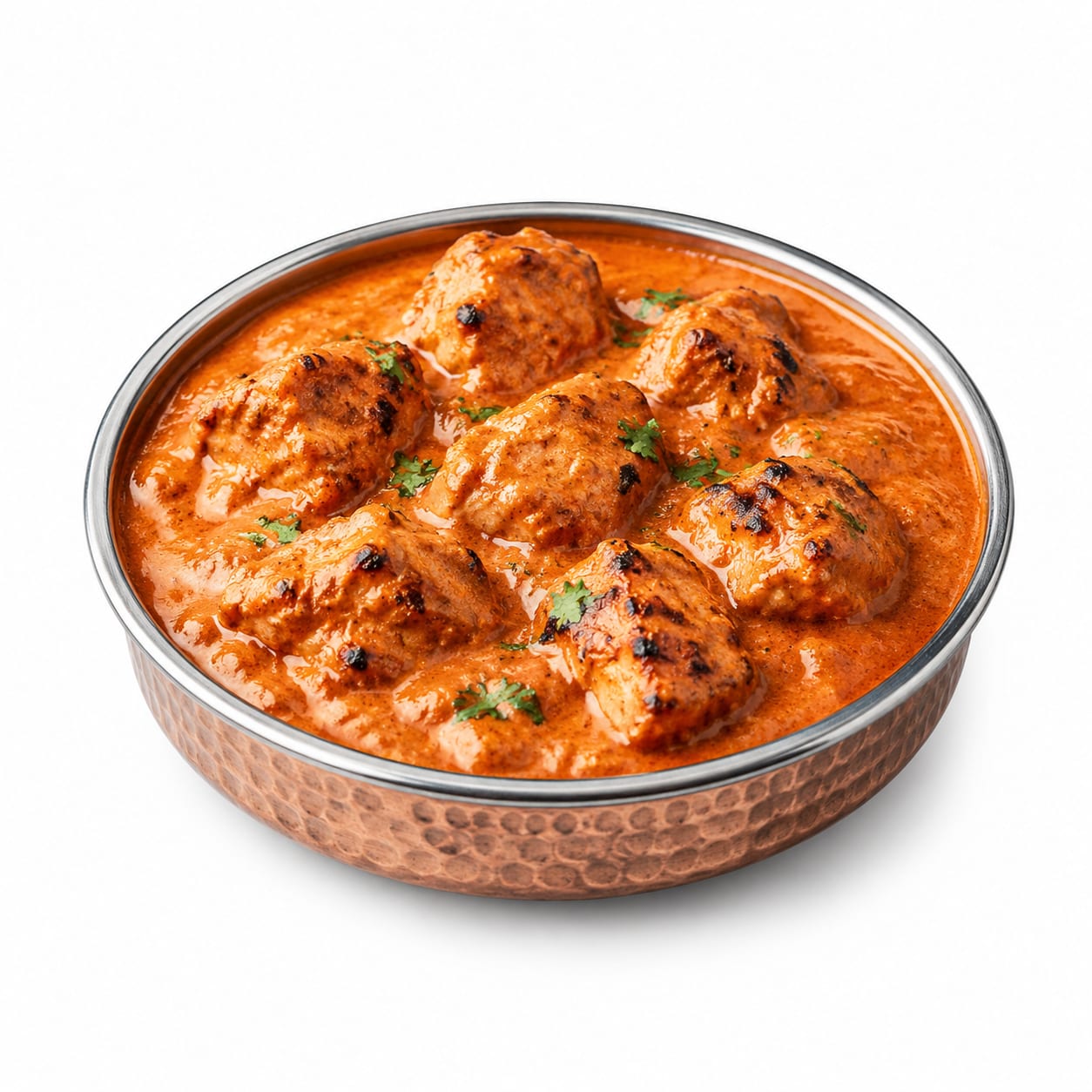
Tikka Masala
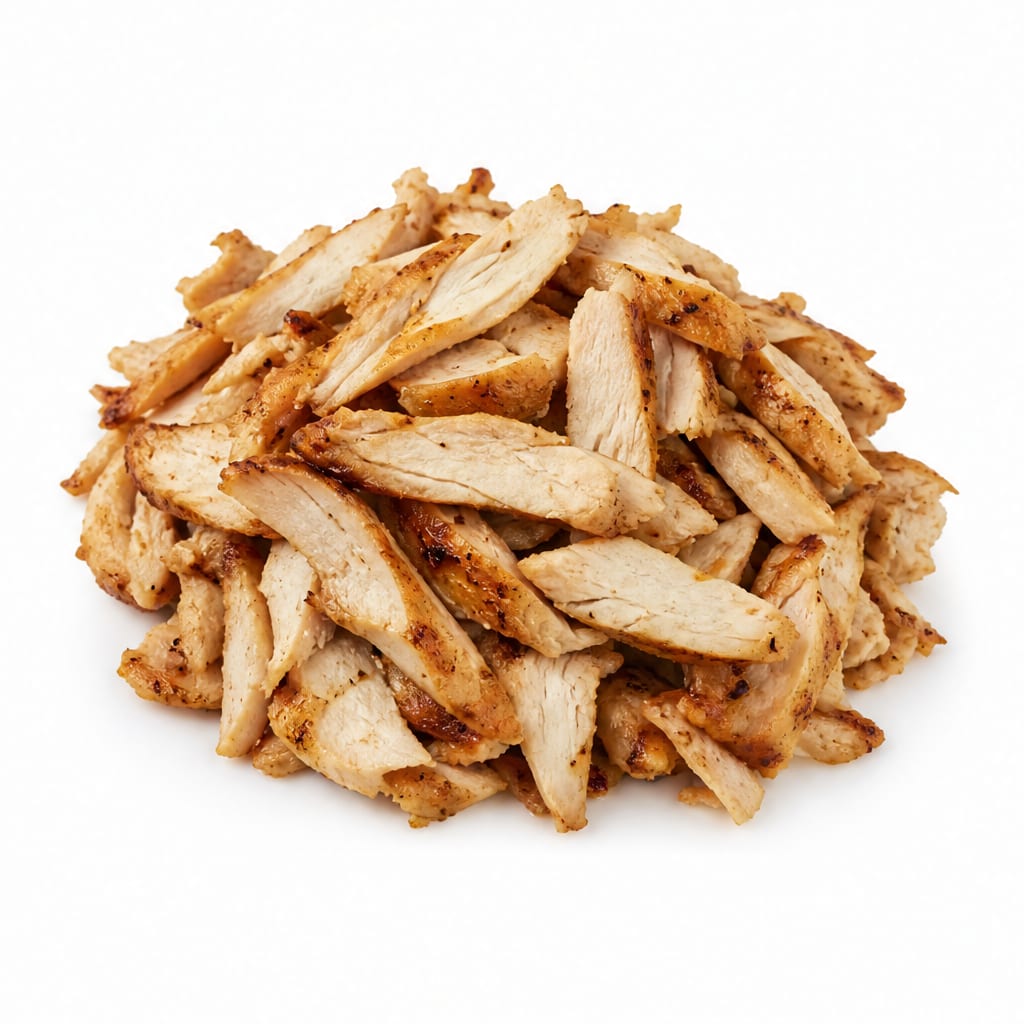
Chicken Shawarma
Chicken Shawarma edges out Tikka Masala for most everyday health goals thanks to lower calorie density and less saturated fat, though Tikka Masala wins on comfort and iron-rich sauce benefits.
Chicken Shawarma scores notably higher due to superior protein-to-calorie ratio, lower saturated fat, and better suitability for regular consumption. Tikka Masala remains competitive for comfort and micronutrient density from its tomato-cream base but loses ground on calorie efficiency and heart health markers.
Creamy satisfaction versus leaner protein delivery — Tikka Masala comforts but costs more calories, while Chicken Shawarma delivers more protein per bite with less fat baggage.
At a glance
Executive summary
Overall
Chicken Shawarma
Healthier
Chicken Shawarma
More practical
Chicken Shawarma
Daily use
Chicken Shawarma
Key comparison lenses
calorie and fat comparison for weight management
Tikka Masala's creamy sauce dramatically increases calorie density compared to Shawarma's leaner preparation
saturated fat and heart health impact
Cream and butter in Tikka Masala deliver significantly more saturated fat than Shawarma's spice-marinated approach
protein quality and satiety for active lifestyles
Both are chicken-based but preparation methods affect protein density per calorie
sodium load and blood pressure concerns
Shawarma marinades and pickled accompaniments can be very sodium-dense
everyday meal viability and digestive comfort
Heavy cream sauces affect how comfortably these meals fit into regular rotation
Best choice for
Tikka Masala
- People needing calorie-dense meals during weight gain phases
- Those seeking comforting, warming meals in cold weather
- Anyone wanting higher iron intake from tomato-based sauces
- People who struggle to eat enough and need calorie-dense options
Chicken Shawarma
- Anyone managing weight or watching calorie intake
- Active people prioritizing protein per calorie
- Those concerned about saturated fat and heart health
- People wanting a lighter meal that still feels complete
Least suitable for
Tikka Masala
- People with lactose intolerance or dairy sensitivity
- Anyone strictly managing saturated fat for heart conditions
- Those on calorie-restricted diets
- People prone to acid reflux from tomato-based dishes
Chicken Shawarma
- People on low-sodium diets due to heavy marinades
- Those sensitive to garlic or strong spices
- Anyone avoiding sesame if tahini is included as a condiment
Deep comparison
Dimension by dimension
Each lens scores both foods and breaks down who each option suits.
- Dimension 1 · Priority 92Chicken Shawarma
calorie density and weight management
Tikka Masala · 40Chicken Shawarma · 72A typical Tikka Masala serving packs 400-600 calories largely from cream and butter, while Chicken Shawarma delivers similar satisfaction at 300-450 calories by relying on spice marinades instead of fat-heavy sauces.
Tradeoff
Tikka Masala feels more indulgent and filling per serving, but that fullness comes at nearly double the caloric cost of Shawarma.
Why it matters
If you eat either dish weekly, the calorie difference compounds into several pounds over a year without conscious portion adjustment.
Real-world impact
Choosing Shawarma over Tikka Masala for a weekly takeout order could save you roughly 3-4 pounds of weight gain per year without any other dietary changes.
Tikka Masala
- Underweight individuals needing calorie surplus
- Endurance athletes refueling after long training sessions
- Anyone struggling to meet daily calorie needs
Better for
- Consistent calorie surplus leading to gradual weight gain
- Difficulty fitting into most meal plans without careful portioning
Worse for
Chicken Shawarma
- Anyone with weight loss or maintenance goals
- People tracking calories who want satisfying meals within budget
- Those who eat restaurant meals frequently and need leaner options
Better for
- May feel too light for people with high calorie needs
- Could lead to overeating later if not paired with adequate sides
Worse for
- Dimension 2 · Priority 88Chicken Shawarma
saturated fat and heart health
Tikka Masala · 32Chicken Shawarma · 68Tikka Masala's cream and butter base delivers 15-25g of saturated fat per serving, while Chicken Shawarma typically contains 4-8g depending on preparation and condiments.
Tradeoff
The velvety texture that makes Tikka Masala so satisfying is exactly what makes it tougher on your cardiovascular system over time.
Why it matters
Regular high saturated fat intake from restaurant-style Tikka Masala can raise LDL cholesterol meaningfully, especially if eaten multiple times per month.
Real-world impact
Swapping Tikka Masala for Shawarma twice a month could reduce your annual saturated fat intake by over 400g — a meaningful shift for heart health.
Tikka Masala
- Rare celebratory meals where indulgence is intentional
- People with no cardiovascular risk factors who eat it occasionally
Better for
- Regular consumption significantly impacts heart health markers
- Compounds the effect of other saturated fat sources in a typical diet
Worse for
Chicken Shawarma
- Anyone with family history of heart disease
- People managing cholesterol levels
- Those wanting to enjoy flavorful food without cardiovascular compromise
Better for
- Garlic sauce or tahini additions can increase fat content closer to Tikka Masala levels if used generously
Worse for
- Dimension 3 · Priority 80Chicken Shawarma
protein quality and density
Tikka Masala · 62Chicken Shawarma · 82Both dishes center on chicken, but Shawarma delivers more actual chicken per calorie since it is not diluted by heavy sauce. Expect 30-40g protein in Shawarma versus 25-35g in Tikka Masala per typical serving.
Tradeoff
Tikka Masala's sauce adds flavor and some micronutrients but displaces protein density that Shawarma preserves.
Why it matters
Higher protein per calorie means better muscle maintenance, more stable blood sugar, and longer-lasting satiety without extra calories.
Real-world impact
After a Shawarma meal, you are less likely to feel hungry again within 2-3 hours compared to Tikka Masala, despite eating fewer calories.
Tikka Masala
- Post-workout meals where some fat with protein is acceptable
- People who find lean chicken too dry and need sauce to eat adequate protein
Better for
- Lower protein efficiency makes it harder to hit daily targets without excess calories
Worse for
Chicken Shawarma
- Athletes and active individuals optimizing protein intake
- Anyone trying to preserve muscle while losing weight
- People who want sustained energy without a heavy food coma
Better for
- Leaner preparation means less palatability for some, potentially leading to overeating other foods
Worse for
- Dimension 4 · Priority 75Tikka Masala
sodium load
Tikka Masala · 55Chicken Shawarma · 38Shawarma's salt-heavy marinade, plus pickled vegetables and garlic sauce, often pushes sodium to 1200-1800mg per serving. Tikka Masala typically lands at 800-1200mg.
Tradeoff
Shawarma wins on most health metrics but can be a stealth sodium bomb, especially from restaurant preparations with aggressive seasoning.
Why it matters
If you have blood pressure concerns, Shawarma's sodium load can be a real problem even though it is leaner overall.
Real-world impact
A single Shawarma wrap can deliver half your daily sodium allowance, leaving little room for sodium in your other meals.
Tikka Masala
- People with hypertension or sodium sensitivity
- Those already consuming high sodium from other sources throughout the day
Better for
- Still contains significant sodium, just less than Shawarma
Worse for
Chicken Shawarma
- People without blood pressure concerns who prioritize fat and calorie control
Better for
- Sodium levels can be problematic for daily or frequent consumption
- Restaurant versions are often saltier than homemade
Worse for
- Dimension 5 · Priority 65Tikka Masala
micronutrient profile
Tikka Masala · 74Chicken Shawarma · 58Tikka Masala's tomato-cream base provides meaningful lycopene, vitamin A, and calcium, while Shawarma's spice marinade offers antioxidants but fewer bioavailable vitamins per serving.
Tradeoff
The cream in Tikka Masala, while calorie-dense, actually helps absorb fat-soluble vitamins from the tomato base more effectively than a lean preparation would.
Why it matters
Lycopene from cooked tomatoes with fat is one of the most absorbable and beneficial antioxidants in common diets.
Real-world impact
Occasional Tikka Masala can meaningfully contribute to your weekly lycopene and calcium intake in ways Shawarma cannot match.
Tikka Masala
- People wanting to boost antioxidant intake through food
- Those who do not consume much dairy and benefit from the calcium in cream sauce
- Anyone looking for warming, nutrient-dense comfort meals
Better for
- Micronutrient benefits are offset by the caloric vehicle delivering them
Worse for
Chicken Shawarma
- People getting adequate micronutrients from other sources who prioritize macronutrient balance
Better for
- Relies more on side dishes and accompaniments for micronutrient diversity
Worse for
- Dimension 6 · Priority 68Chicken Shawarma
digestive comfort and tolerance
Tikka Masala · 42Chicken Shawarma · 70Tikka Masala combines dairy, tomatoes, and spices — a common trigger trio for acid reflux and bloating. Shawarma, while spiced, avoids the dairy-tomato combination that irritates many digestive systems.
Tradeoff
The richness that makes Tikka Masala feel comforting can also leave you feeling heavy and sluggish for hours afterward.
Why it matters
If you have any dairy sensitivity, mild reflux, or IBS tendencies, Tikka Masala is far more likely to trigger symptoms.
Real-world impact
After Shawarma, most people feel satisfied but mobile. After Tikka Masala, many people want a nap or feel bloated for 2-3 hours.
Tikka Masala
- People with robust digestion who never experience reflux or bloating
- Those accustomed to rich, creamy foods regularly
Better for
- High likelihood of post-meal discomfort for sensitive individuals
- Can disrupt sleep if eaten as a late dinner
Worse for
Chicken Shawarma
- Anyone with dairy sensitivity or lactose intolerance
- People prone to heartburn or acid reflux
- Those who need to feel productive after lunch rather than sluggish
Better for
- Garlic sauce can cause heartburn in some people
- Pickled vegetables may irritate sensitive stomachs
Worse for
Timeline
Health impact over time
Short-term
Hours to days
Tikka Masala
- Heavy fullness and potential bloating within 30-60 minutes
- Possible heartburn from tomato-cream-spice combination
- Energy dip 1-2 hours after eating due to high fat content slowing digestion
- Satisfaction and comfort from rich, warming flavors
Chicken Shawarma
- Sustained energy without significant crash due to balanced macros
- Possible thirst from high sodium within an hour
- Comfortable fullness without heaviness in most cases
- Garlic or spice sensitivity may cause mild heartburn in some
Long-term
Months to years
Tikka Masala
- Regular consumption increases saturated fat intake, potentially raising LDL cholesterol
- Higher calorie density contributes to gradual weight gain if eaten frequently
- Lycopene and calcium from the sauce provide genuine long-term antioxidant and bone benefits
- Dairy content supports but also limits gut health depending on individual tolerance
Chicken Shawarma
- Leaner protein profile supports muscle maintenance and healthy body composition long-term
- High sodium from frequent consumption may impact blood pressure over time
- Spice-based marinades offer anti-inflammatory compounds with regular intake
- Lower saturated fat intake reduces cardiovascular risk compared to cream-based alternatives
Risk profile
Safety & processing
Both dishes are restaurant-prepared foods with moderate processing. Tikka Masala often contains added cream stabilizers and food coloring in restaurant versions. Shawarma marinades may include preservatives and sodium-based tenderizers. Home preparations of either can significantly reduce additive exposure.
Tikka Masala
cream-based sauce spoilage
mediumDairy sauces are high-risk for bacterial growth if not kept at proper temperatures. Leftovers should be refrigerated within 2 hours and consumed within 2-3 days.
food coloring additives
lowSome restaurants use artificial orange-red coloring to achieve the classic Tikka Masala appearance, which may cause reactions in sensitive individuals.
Chicken Shawarma
spit-cooking temperature inconsistency
mediumShawarma on vertical spits can have uneven cooking temperatures, potentially leaving some chicken undercooked near the center. Reputable establishments manage this well, but it is a known risk.
cross-contamination from shared surfaces
mediumShawarma is often carved in close proximity to condiments and other ingredients, increasing cross-contamination risk in busy kitchens.
high sodium preservation
lowThe salt-heavy marinade acts as a mild preservative but is not a food safety concern in properly refrigerated preparations.
Who wins for whom
Audience fit
Same foods, different winners depending on your goal.
children
Tikka MasalaTikka Masala's milder, creamier flavor profile is usually more appealing to children, and the calorie density supports growing kids' energy needs. Shawarma's intense spices and garlic can be off-putting for young palates.
daily consumption
Chicken ShawarmaShawarma's leaner profile and lighter digestive impact make it more sustainable as a regular meal. Tikka Masala is better reserved for 1-2 times per week maximum due to calorie and saturated fat load.
diabetes
Chicken ShawarmaShawarma's lower carbohydrate content and higher protein-to-calorie ratio supports steadier blood sugar. Tikka Masala's cream sauce can contain added sugars and the higher fat content slows but prolongs glucose response.
elderly
Chicken ShawarmaLower saturated fat and higher protein efficiency make Shawarma more appropriate for older adults managing cardiovascular risk and muscle preservation, provided sodium is monitored.
muscle gain
Chicken ShawarmaHigher protein density per serving supports muscle protein synthesis more efficiently, though Tikka Masala still provides adequate protein if portion sizes are increased.
weight loss
Chicken ShawarmaChicken Shawarma delivers more protein and satisfaction per calorie, making it far easier to fit into a calorie-controlled eating plan without feeling deprived.
Your move
Decision guide
Choose Tikka Masala
- You are craving deep comfort and warmth on a cold evening
- You have no heart health concerns and want an indulgent restaurant experience
- You struggle to eat enough calories and need energy-dense meals
- You are sharing a celebratory meal where enjoyment matters more than macros
- You want to boost lycopene and calcium intake through a satisfying meal
Choose Chicken Shawarma
- You want a flavorful meal that aligns with weight management goals
- Heart health is a priority in your food choices
- You need sustained energy after eating without a food coma
- You eat takeout frequently and need a healthier default option
- You want higher protein per calorie for fitness or body composition goals
Either works if
- You are eating out occasionally and either choice is fine as a one-off
- You plan to make a homemade version where you control the cream or sodium content
- You are ordering for a group with mixed dietary preferences
Avoid both if
- You have severe sodium restrictions, as both dishes are salt-heavy in restaurant preparations
- You are following a strict whole-food, minimally processed eating approach
- You have multiple food sensitivities including dairy, garlic, and nightshades
Final recommendation
For most people making a regular takeout choice, Chicken Shawarma is the smarter default — more protein, less saturated fat, fewer calories, and lighter on digestion. Save Tikka Masala for when you genuinely want the comfort experience, not as a routine meal. If you love Tikka Masala, consider asking for light cream or tomato-based versions to close the health gap significantly.
Practical
Consumer tips
- 1
Ask for Tikka Masala with half the cream or a yogurt-based sauce to cut calories and saturated fat by roughly 40% while keeping the flavor profile
- 2
Order Chicken Shawarma as a plate rather than a wrap to skip the refined carb shell and reduce sodium from pickled toppings
- 3
Request Shawarma with tahini on the side so you control the fat addition — a little goes a long way for flavor
- 4
For either dish, add a side salad to increase volume and micronutrients without many calories
- 5
Make Tikka Masala at home using canned tomatoes, light coconut milk, and spices — you will cut calories by half and eliminate restaurant additives
- 6
If ordering Shawarma, ask for less salt in the marinade when possible — many restaurants will accommodate this
- 7
Pair Shawarma with hummus and vegetables instead of fries to keep the meal lean and nutrient-rich
- 8
Reheat Tikka Masala gently and stir well — separated cream sauce is safe but texturally unpleasant