
Nutrition comparison
Tikka Masala vs Butter Chicken: Which Curry Is Healthier?
Compare Tikka Masala and Butter Chicken on calories, fat, heart health, and taste. Learn which Indian curry is the smarter choice for your health goals.
Overall winner · Tikka Masala
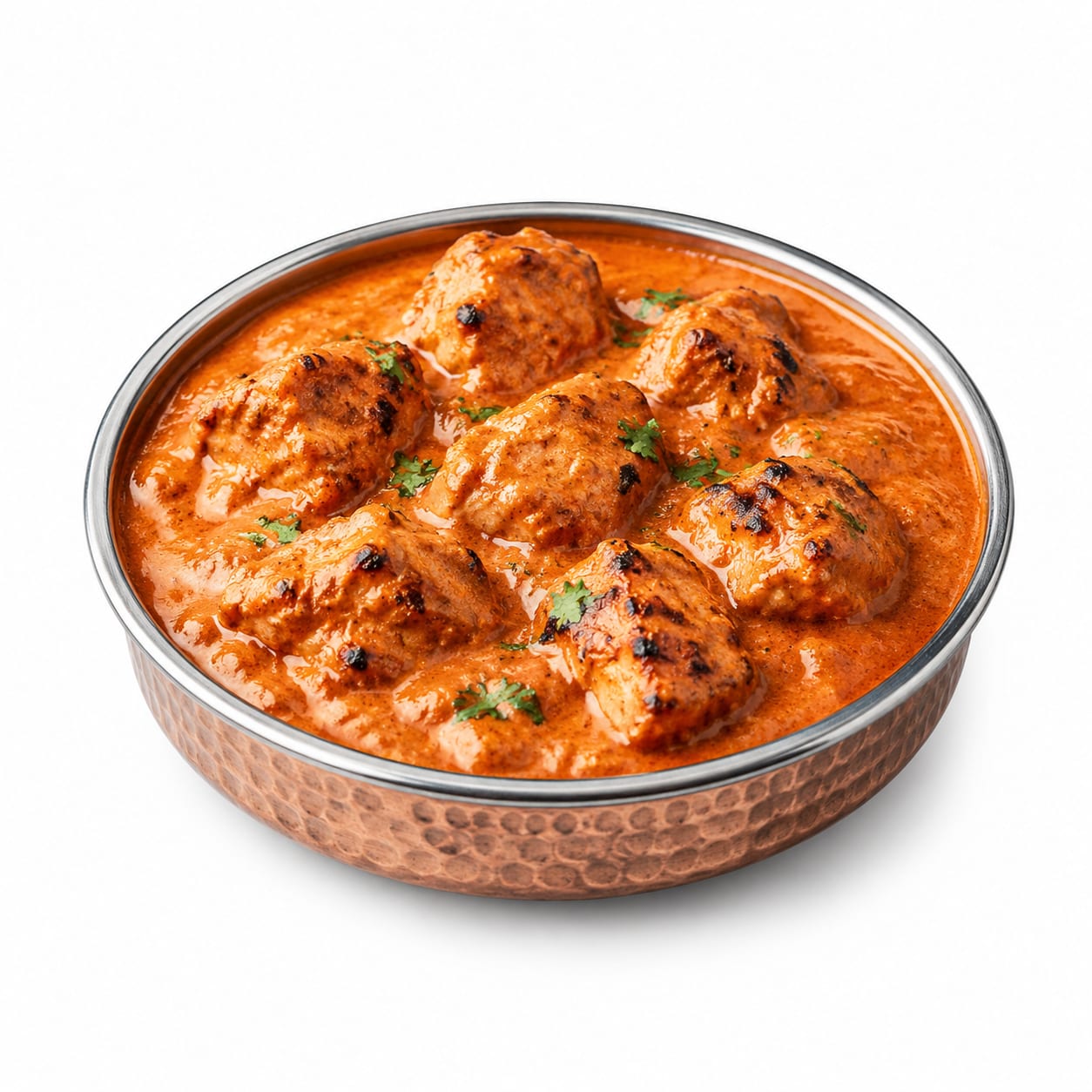
Tikka Masala
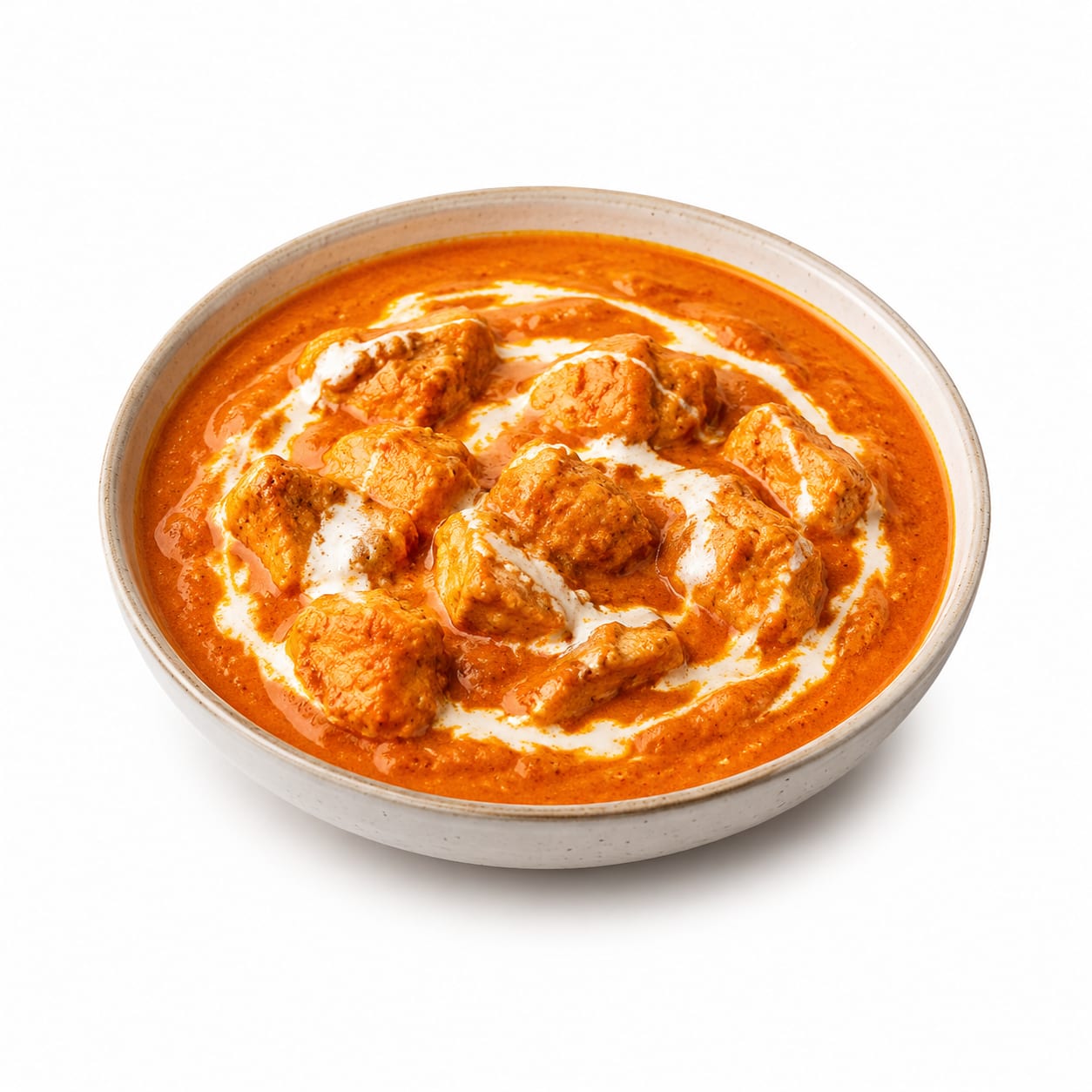
Butter Chicken
Tikka Masala edges out Butter Chicken primarily due to less butter and a more spice-forward profile, but both are indulgent dishes best enjoyed moderately.
Tikka Masala scores moderately higher due to its leaner sauce profile and stronger spice content. Butter Chicken's heavier butter and cream base pulls its score down, particularly for regular consumption. Neither scores well overall because both are indulgent, calorie-dense restaurant dishes.
Butter Chicken delivers a silkier, more comforting mouthfeel but at the cost of significantly more saturated fat and calories per serving.
At a glance
Executive summary
Overall
Tikka Masala
Healthier
Tikka Masala
More practical
It depends
Daily use
Tikka Masala
Key comparison lenses
calorie and fat comparison
Both dishes are cream-heavy restaurant curries, but Butter Chicken typically contains significantly more butter and cream, making calorie density the primary concern
comfort food overeating risk
Both are highly palatable dishes designed to be satisfying, which makes portion control a real challenge for weight management
heart health and cholesterol impact
Saturated fat from butter and cream is substantial in both, but Butter Chicken pushes further into concerning territory for cardiovascular health
restaurant vs homemade nutrition gap
Both dishes vary enormously between restaurant and homemade versions, making preparation context critical for health assessment
spice and anti inflammatory benefits
Tikka Masala's bolder spice profile may offer more anti-inflammatory compounds, while Butter Chicken's milder sweetness reduces this benefit
Best choice for
Tikka Masala
- People watching their saturated fat intake
- Those who enjoy bolder spice flavors
- Anyone tracking calories more closely
- Anti-inflammatory diet followers
Butter Chicken
- Those wanting maximum comfort and richness
- People with lower spice tolerance
- Anyone needing extra calories or fat
- Special occasion indulgence seekers
Least suitable for
Tikka Masala
- People with severe spice sensitivity
- Those on strict low-acid diets
- Anyone avoiding tomato-based dishes
Butter Chicken
- People managing high cholesterol
- Those on calorie-restricted diets
- Anyone with lactose intolerance
- People monitoring saturated fat closely
Deep comparison
Dimension by dimension
Each lens scores both foods and breaks down who each option suits.
- Dimension 1 · Priority 95Tikka Masala
calorie_density
Tikka Masala · 45Butter Chicken · 30Tikka Masala typically runs 400-500 calories per restaurant serving, while Butter Chicken can easily hit 500-600 calories due to extra butter and cream.
Tradeoff
Butter Chicken's richness makes it more satisfying per bite, but far easier to overconsume without realizing it.
Why it matters
A 100-150 calorie difference per serving adds up fast when eating Indian cuisine weekly.
Real-world impact
Ordering Butter Chicken instead of Tikka Masala twice a month could mean an extra 2,400-3,600 calories per year from that single swap.
Tikka Masala
- Weight management
- Calorie tracking
- Portion flexibility
Better for
- Those seeking maximum indulgence
Worse for
Butter Chicken
- Calorie surplus needs
- High-energy demands
- Bulking phases
Better for
- Sustained weight loss efforts
- Mindful eating practices
Worse for
- Dimension 2 · Priority 90Tikka Masala
saturated_fat_and_heart_health
Tikka Masala · 40Butter Chicken · 25Both dishes are heavy on saturated fat, but Butter Chicken's namesake ingredient pushes it into a higher risk zone for cardiovascular health.
Tradeoff
The butter in Butter Chicken creates its signature velvety texture, but a single serving can deliver 20-25g of saturated fat—near or exceeding a full day's recommended limit.
Why it matters
Regular saturated fat overload directly impacts LDL cholesterol and long-term heart disease risk.
Real-world impact
Someone eating Butter Chicken weekly could see measurable cholesterol differences compared to choosing Tikka Masala over a few months.
Tikka Masala
- Cholesterol management
- Heart-conscious dining
- Long-term cardiovascular health
Better for
- Still not ideal for strict heart diets
Worse for
Butter Chicken
- Keto diet followers seeking high fat
Better for
- Anyone with family history of heart disease
- People on statins or cholesterol management
Worse for
- Dimension 3 · Priority 75Tikka Masala
spice_benefits_and_anti_inflammatory_potential
Tikka Masala · 70Butter Chicken · 45Tikka Masala's bolder spice blend delivers more turmeric, cumin, and coriander, which have documented anti-inflammatory properties.
Tradeoff
Butter Chicken's milder profile is gentler on sensitive stomachs but sacrifices the therapeutic spice compounds that make Indian cuisine functionally beneficial.
Why it matters
Chronic inflammation drives many modern diseases, and food-based anti-inflammatory intake compounds over time.
Real-world impact
Choosing the spicier dish regularly may contribute meaningfully to reducing systemic inflammation markers alongside an overall healthy diet.
Tikka Masala
- Anti-inflammatory eating patterns
- Those who tolerate spice well
- Long-term disease prevention mindset
Better for
- GERD and ulcer patients
- People on low-acid protocols
Worse for
Butter Chicken
- Acid reflux sufferers
- Those with IBS or spice sensitivity
- Recovering digestive systems
Better for
- Maximizing functional food benefits
Worse for
- Dimension 4 · Priority 70It depends
protein_quality_and_satiety
Tikka Masala · 60Butter Chicken · 60Both dishes provide similar protein amounts from chicken breast or thigh, typically 25-35g per serving. The difference in satiety comes from fat content, not protein.
Tradeoff
Butter Chicken's higher fat content may create stronger initial fullness, but Tikka Masala's spice can slow eating pace and improve satiety signals.
Why it matters
Protein quality is essentially identical, so this dimension comes down to how the overall dish affects hunger and eating speed.
Real-world impact
You will feel full from either dish, but Butter Chicken's richness might leave you feeling heavier and more sluggish afterward.
Tikka Masala
- Cleaner post-meal energy
- Better hunger signaling
Better for
- May feel less indulgent
Worse for
Butter Chicken
- Maximum fullness per serving
- Longer satiety for some eaters
Better for
- Heavy sluggish feeling post-meal
Worse for
- Dimension 5 · Priority 65Tikka Masala
sodium_load
Tikka Masala · 35Butter Chicken · 30Both restaurant versions are sodium bombs, typically delivering 800-1200mg per serving. Butter Chicken sometimes adds more salt to balance its sweetness.
Tradeoff
Neither dish wins here. Both are problematic for sodium-sensitive individuals, and the difference is marginal at best.
Why it matters
A single serving of either dish can provide half or more of the daily recommended sodium limit.
Real-world impact
Blood pressure spikes after a restaurant Indian meal are common regardless of which curry you choose.
Tikka Masala
- Slightly lower sodium on average
Better for
- Still a high-sodium meal choice
Worse for
Butter Chicken
- Essentially no advantage here
Better for
- Equally problematic for blood pressure
Worse for
- Dimension 6 · Priority 70Butter Chicken
emotional_eating_and_comfort_factor
Tikka Masala · 65Butter Chicken · 85Butter Chicken is the ultimate comfort curry—sweet, mild, and silky. It is specifically designed to be deeply satisfying and hard to stop eating.
Tradeoff
The same qualities that make Butter Chicken emotionally soothing also make it a trigger food for overeating and emotional consumption patterns.
Why it matters
Comfort foods that override fullness signals can undermine long-term health goals more than their nutrition alone would suggest.
Real-world impact
It is far easier to accidentally eat two servings of Butter Chicken than Tikka Masala because the richness masks fullness cues.
Tikka Masala
- More mindful eating experience
- Clearer fullness signals
Better for
- Less comforting during emotional eating
Worse for
Butter Chicken
- Genuine emotional comfort
- Stress relief eating
- Reward-based meals
Better for
- Binge risk for susceptible individuals
- Harder to practice portion control
Worse for
Timeline
Health impact over time
Short-term
Hours to days
Tikka Masala
- Moderate post-meal fullness without excessive heaviness
- Possible mild heartburn from spice and tomato acidity
- Steadier energy with less fat-induced sluggishness
Butter Chicken
- Heavier post-meal feeling that may reduce physical activity willingness
- Smoother digestion for those with spice sensitivity
- Higher likelihood of post-meal drowsiness from fat load
Long-term
Months to years
Tikka Masala
- Moderate cardiovascular risk from regular cream-based sauce consumption
- Potential anti-inflammatory benefits from consistent spice intake
- More sustainable as an occasional indulgence without dramatic health impact
Butter Chicken
- Higher cardiovascular risk from consistent saturated fat overload
- Possible weight creep from calorie density if eaten frequently
- Greater cholesterol impact measurable over months of regular consumption
Risk profile
Safety & processing
Both dishes are restaurant-prepared curries with similar processing levels. Restaurant versions often contain added food coloring, stabilizers, and commercial cream bases. Homemade versions of either dish would significantly reduce processing concerns and allow control over butter and cream quantities.
Tikka Masala
Cream-based sauce spoilage
mediumDairy-heavy sauces can harbor bacteria if not stored or reheated properly. Leftovers should be refrigerated within 2 hours and consumed within 3 days.
Restaurant cross-contamination
mediumShared kitchen surfaces and utensils in busy Indian restaurants create standard foodborne illness risk.
Butter Chicken
Higher dairy fat spoilage risk
mediumButter Chicken's greater butter and cream content means slightly higher risk of dairy spoilage, especially with improper reheating.
Restaurant cross-contamination
mediumSame shared kitchen risks as any restaurant curry preparation.
Who wins for whom
Audience fit
Same foods, different winners depending on your goal.
children
Butter ChickenButter Chicken's mild, sweet, and creamy profile is far more kid-friendly than Tikka Masala's bolder spice heat.
daily consumption
Tikka MasalaNeither should be eaten daily, but Tikka Masala's lower saturated fat makes it the less harmful option for regular rotation.
diabetes
Tikka MasalaTikka Masala typically contains less sugar and has a lower glycemic impact. Butter Chicken's sweetness often comes from added sugar or honey.
elderly
Butter ChickenOlder adults with diminished appetite may benefit from Butter Chicken's higher calorie density and easier-to-eat texture, provided cardiovascular health is not a concern.
muscle gain
It dependsBoth provide solid protein from chicken. Butter Chicken's extra calories can help during bulking, while Tikka Masala suits leaner bulking approaches.
weight loss
Tikka MasalaTikka Masala's lower calorie density and stronger spice profile support better portion awareness and metabolic activity.
Your move
Decision guide
Choose Tikka Masala
- You are watching calories, saturated fat, or cholesterol
- You enjoy complex spice flavors and heat
- You eat Indian food more than once a month
- You want anti-inflammatory benefits from your meal
- You are trying to maintain weight while still enjoying curry
Choose Butter Chicken
- You are celebrating or treating yourself
- You have low spice tolerance but want Indian flavors
- You need extra calories for athletic or health reasons
- Comfort and richness are the priority over nutrition
- You are sharing with kids or spice-sensitive guests
Either works if
- You are eating Indian food occasionally as a treat
- You plan to balance the meal with lighter sides like salad or lentils
- You are ordering from a restaurant that uses moderate cream in both dishes
Avoid both if
- You have severe dairy intolerance or allergy
- You are on a strict low-sodium diet
- You have acute gallbladder issues triggered by high-fat meals
- You are following a whole-food plant-based protocol
Final recommendation
For most people choosing between these two restaurant favorites, Tikka Masala is the smarter default. It delivers the Indian curry experience with less saturated fat, fewer calories, and more functional spice benefits. Save Butter Chicken for genuine celebrations and special occasions where maximum comfort matters more than nutritional optimization. When possible, ask for either dish with half the cream or try homemade versions where you control the butter.
Practical
Consumer tips
- 1
Ask your restaurant for 'light cream' or 'less butter' preparation—many will accommodate
- 2
Pair either dish with extra vegetables or a side of dal instead of naan to improve the nutritional profile
- 3
Take half your serving to-go immediately—restaurant portions are often 2-3 servings
- 4
Make either dish at home using Greek yogurt instead of heavy cream for a dramatic calorie and fat reduction
- 5
Choose brown rice over white rice or naan to add fiber and slow the glycemic impact
- 6
If ordering Butter Chicken, consider skipping any additional buttered naan to cap the saturated fat load
- 7
Reheat leftovers thoroughly to 165°F to manage dairy-based food safety risks