
Nutrition comparison
Tikka Masala vs Beef Stew: Which Comfort Food Is Healthier?
Compare Tikka Masala and Beef Stew on protein, saturated fat, anti-inflammatory benefits, and satiety. Find out which hearty meal fits your health goals better.
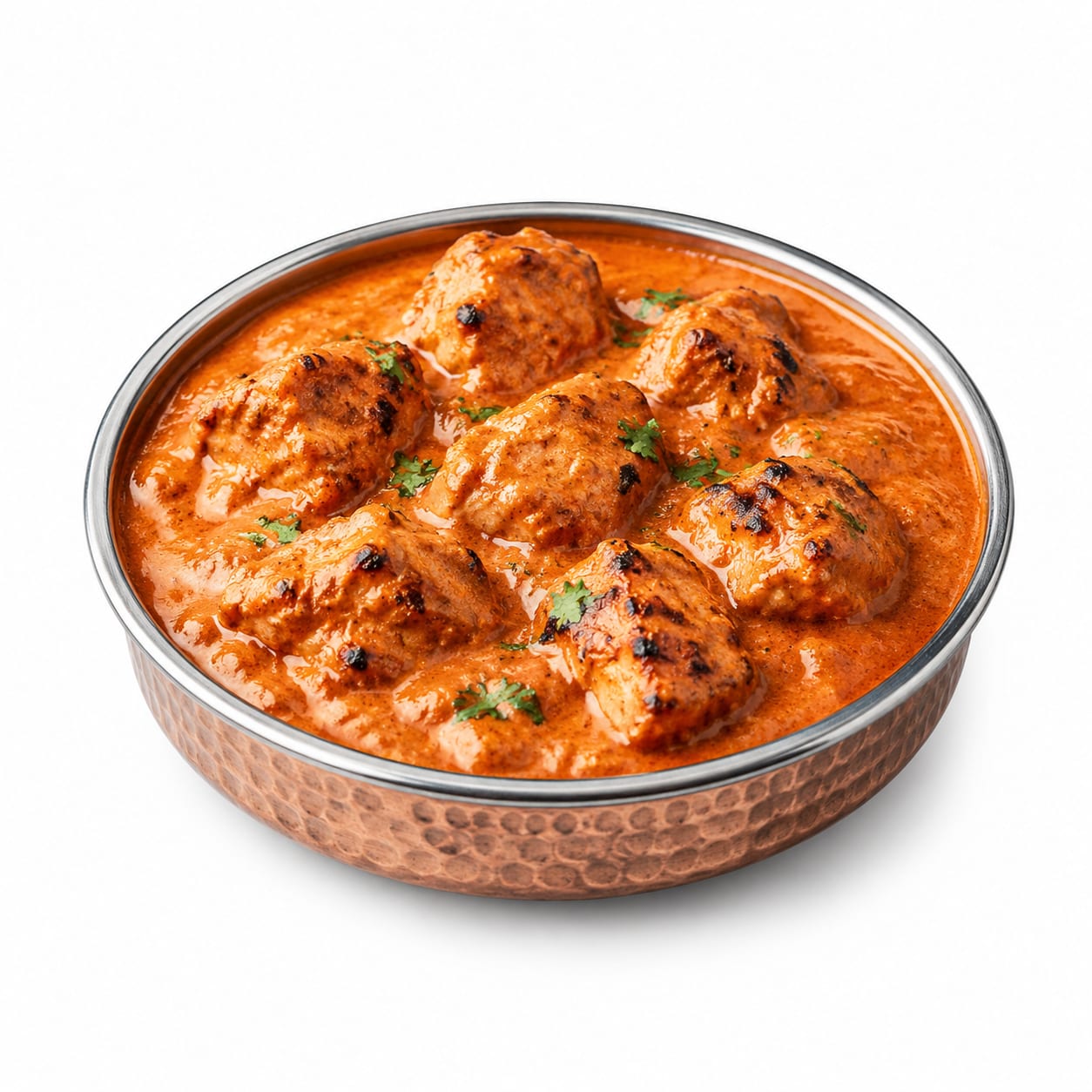
Tikka Masala
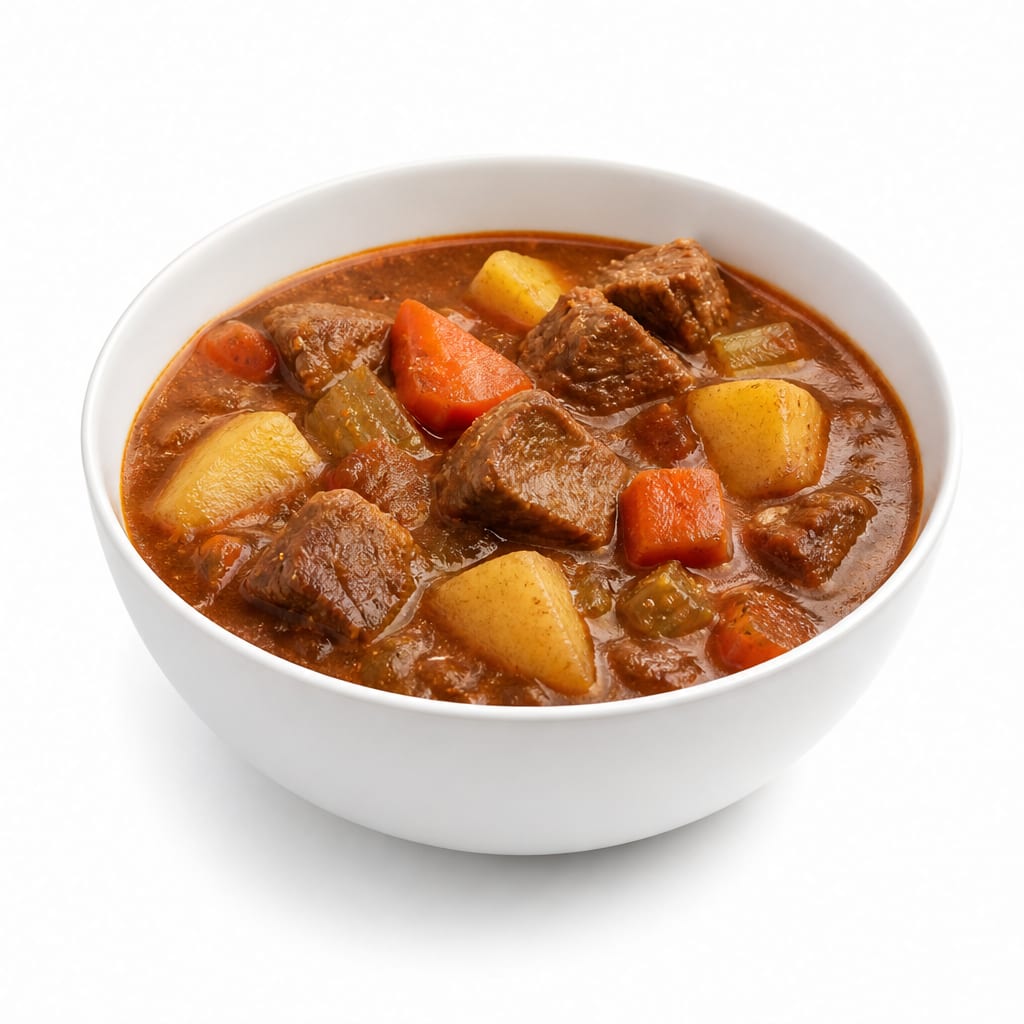
Beef Stew
Beef Stew wins for protein and lower saturated fat; Tikka Masala wins for anti-inflammatory spices and lighter protein source.
Beef Stew edges ahead with higher protein, better satiety, and lower saturated fat from cream. Tikka Masala compensates with anti-inflammatory spices and a lighter protein source, but the heavy cream base costs it points for heart health and calorie control.
Creamy comfort with healing spices versus heartier protein with simpler ingredients — your priority determines the winner.
At a glance
Executive summary
Overall
It depends
Healthier
It depends
More practical
Beef Stew
Daily use
Beef Stew
Key comparison lenses
comfort food health tradeoff
Both are hearty comfort foods but differ sharply in fat source and inflammatory profile
saturated fat and heart health
Tikka Masala's cream sauce loads saturated fat; Beef Stew relies on broth and rendered beef fat
anti-inflammatory vs pro-inflammatory potential
Tikka Masala's spices like turmeric fight inflammation while Beef Stew's red meat can promote it
protein quality and satiety
Both deliver solid protein but from different sources with different amino acid profiles and digestibility
sodium and blood pressure impact
Both can be sodium-heavy depending on preparation, a real concern for regular consumption
Best choice for
Tikka Masala
- People prioritizing anti-inflammatory eating
- Those who prefer poultry over red meat
- Anyone seeking warming spices with digestive benefits
- Lacto-vegetarians who use paneer tikka masala
Beef Stew
- People needing high protein for muscle maintenance
- Those watching saturated fat from cream
- Anyone wanting a meal that stays filling for hours
- Budget-conscious home cooks using tougher beef cuts
Least suitable for
Tikka Masala
- People with dairy intolerance or lactose sensitivity
- Anyone strictly limiting saturated fat
- Those watching calorie density closely
Beef Stew
- People avoiding red meat for health or ethical reasons
- Those with gout or purine sensitivity
- Anyone prone to constipation from low-fiber meals
Deep comparison
Dimension by dimension
Each lens scores both foods and breaks down who each option suits.
- Dimension 1 · Priority 92Beef Stew
satiety and fullness
Tikka Masala · 72Beef Stew · 88Beef Stew keeps you full longer thanks to denser protein and chunky vegetables that slow digestion.
Tradeoff
Tikka Masala feels rich and satisfying initially but the cream-based sauce digests faster than solid beef and root vegetables.
Why it matters
Staying full prevents snacking and overeating later in the day.
Real-world impact
A bowl of Beef Stew at lunch often carries you to dinner. Tikka Masala with rice may leave you hungry again by mid-afternoon.
Tikka Masala
- Quick satisfaction from rich creamy texture
Better for
- Hunger returns sooner despite high calories
Worse for
Beef Stew
- Long-lasting fullness from dense protein and fiber
- Better portion control naturally because you eat less to feel full
Better for
- Can feel too heavy before physical activity
Worse for
- Dimension 2 · Priority 90Beef Stew
heart health and saturated fat
Tikka Masala · 45Beef Stew · 62Tikka Masala's cream sauce delivers a heavy saturated fat load. Beef Stew has fat too, but it is more trimmable and less concentrated.
Tradeoff
You can skim fat from cooled Beef Stew. You cannot remove cream from Tikka Masala without changing the dish entirely.
Why it matters
Frequent saturated fat intake raises LDL cholesterol and cardiovascular risk over time.
Real-world impact
Eating Tikka Masala regularly can push your daily saturated fat budget past its limit before you finish the meal.
Tikka Masala
- Spices like turmeric and ginger offer some cardiovascular protection
Better for
- Cream adds concentrated saturated fat that is impossible to remove
- Restaurant versions often use even more cream than homemade
Worse for
Beef Stew
- Fat can be reduced by trimming beef and skimming broth
- Broth-based sauce is inherently lighter than cream-based
Better for
- Red meat still carries saturated fat and cholesterol concerns
Worse for
- Dimension 3 · Priority 88Tikka Masala
anti-inflammatory potential
Tikka Masala · 82Beef Stew · 38Tikka Masala's spice blend — turmeric, ginger, cumin, coriander — actively fights inflammation. Beef Stew offers little in this department.
Tradeoff
The anti-inflammatory spices in Tikka Masala partially offset the inflammatory effect of cream, but not entirely.
Why it matters
Chronic inflammation drives joint pain, fatigue, and disease risk more than most people realize.
Real-world impact
Regular Tikka Masala eaters may notice less stiffness and bloating compared to heavy red meat meals, despite the cream.
Tikka Masala
- Turmeric with black pepper enhances curcumin absorption significantly
- Ginger aids digestion and reduces nausea and inflammation
- Multiple spices work together for synergistic anti-inflammatory effects
Better for
- Cream and butter can counteract some spice benefits
Worse for
Beef Stew
- Root vegetables like carrots provide some antioxidants
Better for
- Red meat promotes inflammatory compounds when consumed regularly
- Lacks meaningful spice-derived anti-inflammatory compounds
Worse for
- Dimension 4 · Priority 85Beef Stew
protein quality and amount
Tikka Masala · 65Beef Stew · 85Beef Stew delivers more protein per serving with a complete amino acid profile ideal for muscle maintenance.
Tradeoff
Chicken in Tikka Masala is leaner protein but the dish provides less total protein per calorie because cream displaces meat volume.
Why it matters
Adequate protein preserves muscle, supports immunity, and keeps metabolism running efficiently.
Real-world impact
After Beef Stew your muscles have more raw material for recovery. After Tikka Masala you got protein but also a lot of calories from fat that do not build muscle.
Tikka Masala
- Chicken protein is leaner and easier to digest than beef
- Lower in collagen-heavy connective tissue
Better for
- Less total protein per calorie because cream fills the bowl
- Restaurant portions often skimp on chicken
Worse for
Beef Stew
- Higher total protein per serving
- Beef provides more iron and B12 per bite
- Collagen from slow-cooked beef supports joint health
Better for
- Beef protein digests slower which can feel heavy
Worse for
- Dimension 5 · Priority 78Tikka Masala
digestive comfort
Tikka Masala · 70Beef Stew · 55Tikka Masala's ginger and cumin actively support digestion. Beef Stew is heavier and can sit in the stomach longer.
Tradeoff
While Tikka Masala aids digestion through spices, the cream can trigger issues for dairy-sensitive people.
Why it matters
Digestive discomfort after meals affects energy, mood, and sleep quality.
Real-world impact
Tikka Masala may leave you comfortable and slightly warmed. Beef Stew can feel like a brick in your stomach before a workout or bedtime.
Tikka Masala
- Ginger accelerates gastric emptying
- Cumin reduces bloating and gas
- Warming spices stimulate digestive enzyme production
Better for
- Cream triggers bloating in lactose-sensitive individuals
- Rich sauce can cause heartburn in prone individuals
Worse for
Beef Stew
- Slow-cooked beef breaks down connective tissue for easier chewing
Better for
- Dense protein and fat slow gastric emptying significantly
- Can cause sluggishness and heaviness after eating
Worse for
- Dimension 6 · Priority 75It depends
sodium load
Tikka Masala · 55Beef Stew · 55Both dishes are sodium traps. Tikka Masala gets salt from spice blends and sauce. Beef Stew gets it from broth and seasoning.
Tradeoff
Homemade versions of both can be controlled. Restaurant or canned versions of either can exceed 1000mg sodium per serving.
Why it matters
High sodium drives blood pressure up and causes water retention and bloating.
Real-world impact
Either dish from a restaurant can deliver half your daily sodium limit in one bowl. Cooking at home gives you control.
Tikka Masala
- Spices add flavor without needing as much salt if cooked skillfully
Better for
- Pre-made tikka masala sauce is often extremely high in sodium
Worse for
Beef Stew
- Homemade broth lets you control sodium precisely
Better for
- Canned Beef Stew is among the highest-sodium processed foods available
Worse for
- Dimension 7 · Priority 72Beef Stew
micronutrient density
Tikka Masala · 58Beef Stew · 72Beef Stew delivers more iron, zinc, B12, and potassium from beef and root vegetables. Tikka Masala's spices add trace minerals but not in significant quantities.
Tradeoff
Tikka Masala provides some calcium from cream and antioxidants from spices, but the overall micronutrient haul is thinner.
Why it matters
Micronutrient deficiencies drain energy, weaken immunity, and impair recovery without obvious symptoms.
Real-world impact
Regular Beef Stew eaters get more iron and zinc per meal, which matters for energy and immune function especially in older adults.
Tikka Masala
- Turmeric provides notable manganese content
- Tomato base offers lycopene and vitamin C
Better for
- Cream displaces vegetable volume that could add more micronutrients
- Spice quantities are too small to provide meaningful mineral content
Worse for
Beef Stew
- Beef is a top-tier source of heme iron and B12
- Carrots and potatoes add potassium and vitamin A
- Slow cooking preserves water-soluble vitamins in the broth
Better for
- Boiling can leach some vitamins if broth is discarded
Worse for
Timeline
Health impact over time
Short-term
Hours to days
Tikka Masala
- Warming and satisfying immediately after eating
- Cream may cause bloating or heartburn in sensitive people
- Spices can stimulate digestion and reduce post-meal sluggishness
- High calorie density makes overeating easy without realizing it
Beef Stew
- Deeply filling — likely to suppress hunger for hours
- Heavy protein load can cause drowsiness or food coma
- Salt content may cause noticeable thirst and water retention
- Comforting and grounding on cold days
Long-term
Months to years
Tikka Masala
- Regular consumption may raise LDL cholesterol from cream saturated fat
- Anti-inflammatory spices could reduce joint pain and inflammatory markers
- Dairy fat may support hormone production but risks cardiovascular strain
- Turmeric consumption correlates with lower Alzheimer's risk in population studies
Beef Stew
- Frequent red meat intake is linked to higher colorectal cancer risk
- Iron and B12 support cognitive function and energy sustainably
- High protein intake preserves muscle mass during aging
- Sodium load from regular consumption may gradually raise blood pressure
Risk profile
Safety & processing
Homemade Beef Stew uses whole ingredients with nothing added beyond salt and herbs. Tikka Masala often relies on pre-made sauce packets containing stabilizers, colorants, and added sugars. Even homemade Tikka Masala requires cream and sometimes processed tomato products. Beef Stew is closer to a one-pot whole-food meal.
Tikka Masala
cream spoilage and dairy contamination
mediumCream-based sauces spoil faster at room temperature and can harbor Listeria if not handled properly.
spice adulteration
lowImported spice blends occasionally contain unauthorized dyes or fillers. Buying reputable brands minimizes this.
Beef Stew
undercooked beef bacterial contamination
mediumE. coli and Salmonella risk exists if beef is not cooked to safe internal temperature, though slow cooking typically resolves this.
advanced glycation end products from browning
lowSearing beef before stewing creates AGEs linked to inflammation, but the overall risk from occasional consumption is modest.
Who wins for whom
Audience fit
Same foods, different winners depending on your goal.
children
Beef StewBeef Stew is milder in flavor, easier for kids to accept, and provides iron and zinc crucial for growth without spice-related tummy issues.
daily consumption
Beef StewBeef Stew is simpler nutritionally with fewer additives and less saturated fat from cream, making it more sustainable as a regular meal.
diabetes
It dependsTikka Masala with chicken has lower carbohydrate impact if eaten without rice. Beef Stew with potatoes adds carbs but also more fiber. Both require portion control for blood sugar management.
elderly
Tikka MasalaTikka Masala's softer chicken is easier to chew, spices aid digestion which slows with age, and anti-inflammatory benefits matter more for older bodies.
muscle gain
Beef StewHigher total protein content and complete amino acid profile from beef support muscle repair and growth more effectively.
weight loss
Beef StewBeef Stew provides more protein and fiber per calorie, keeping you fuller longer with less calorie density from fat.
Your move
Decision guide
Choose Tikka Masala
- You want anti-inflammatory benefits from turmeric and ginger
- You prefer poultry over red meat for personal or health reasons
- You are eating light and want something warming without heavy beef
- You struggle with digestion and benefit from carminative spices
- You are cooking for someone who finds beef too heavy
Choose Beef Stew
- You need sustained energy and fullness for hours
- You are prioritizing protein intake for muscle or recovery
- You want a meal with simple whole-food ingredients
- You are meal-prepping for the week — it reheats beautifully
- You are watching saturated fat and want something without cream
Either works if
- You want a comforting warming meal on a cold day
- You are eating occasionally and both fit your calorie budget
- You are pairing with a large salad to balance the meal
Avoid both if
- You have severe sodium restrictions from hypertension or kidney disease
- You are eating right before intense exercise — both are too heavy
- You need a light meal under 400 calories
Final recommendation
For everyday eating, Beef Stew is the more balanced and sustainable choice with better protein, simpler ingredients, and less saturated fat from dairy. Choose Tikka Masala when you want the anti-inflammatory spice benefits and a lighter protein source, but be mindful of cream content. Making Tikka Masala with yogurt or coconut milk instead of heavy cream closes the health gap significantly.
Practical
Consumer tips
- 1
Ask for half-cream or yogurt-based Tikka Masala at restaurants to cut saturated fat by roughly 40%
- 2
Skim the fat layer off cooled Beef Stew before reheating — you lose almost no flavor but significantly reduce fat calories
- 3
Add extra vegetables to either dish to improve fiber and micronutrient density without adding many calories
- 4
Make Tikka Masala at home with Greek yogurt instead of cream — you gain protein and lose saturated fat while keeping the tang
- 5
Use low-sodium broth for Beef Stew and season at the table to maintain control over salt intake
- 6
Pair Tikka Masala with cauliflower rice instead of basmati to dramatically reduce the carbohydrate load
- 7
Choose leaner beef cuts like chuck eye or round for stew — they tenderize perfectly with slow cooking while adding less fat