
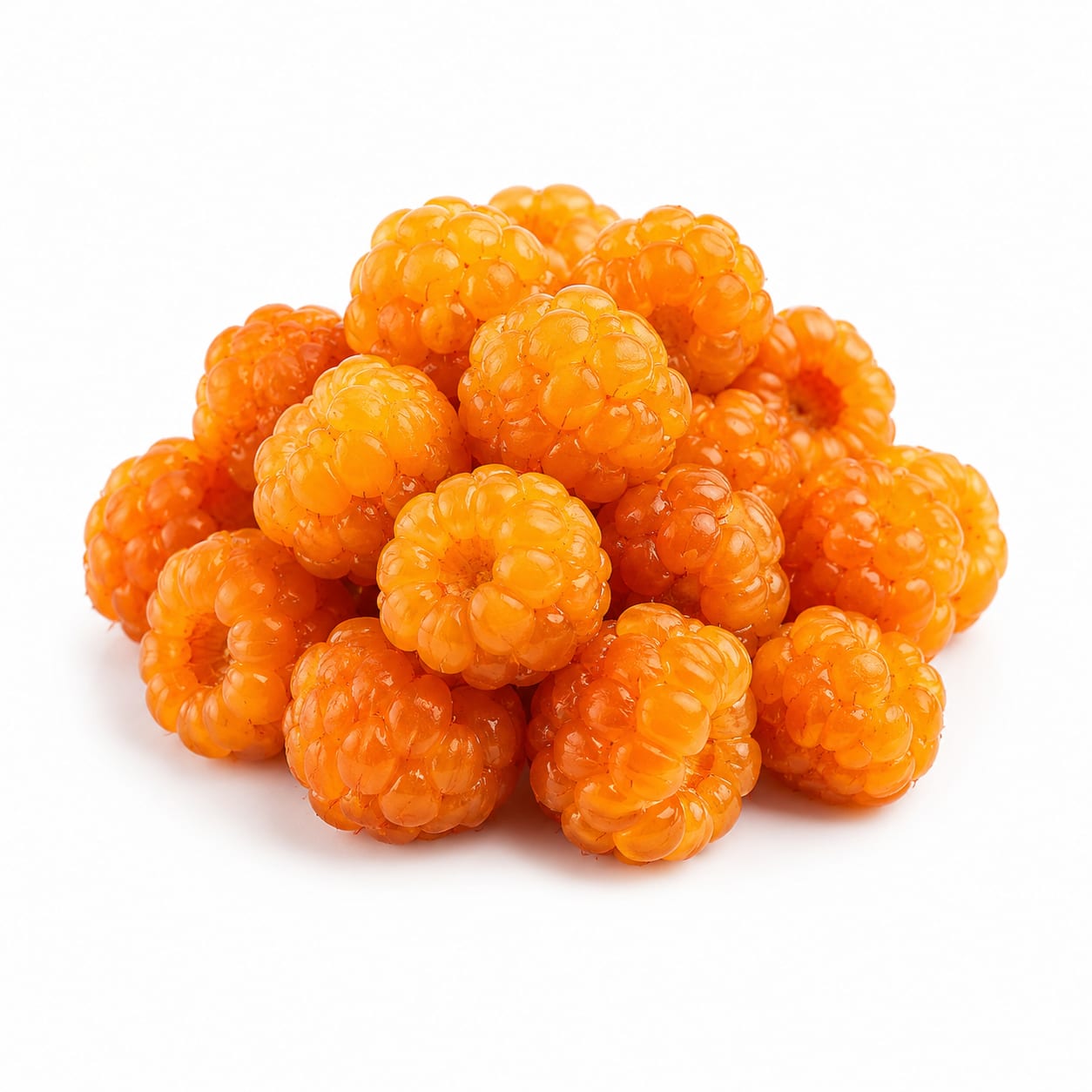
Berry
Thimbleberry
A wild, delicate red berry similar to a raspberry but softer and flatter, known for its tart-sweet flavor and high fiber content.
A delicate, wild-growing red berry native to North America, resembling a flattened raspberry with a softer texture, more seeds, and a tart-sweet flavor.
high-fiber wild berry
Typical serving · 100g
Common varieties · western thimbleberry, great lakes thimbleberry, alaska thimbleberry, rubus parviflorus
Overall context score across nutrition, safety, and diet fit
At a glance
Quick facts
Simple indicators based on nutrition, processing, and diet fit.
The story
What makes it unique
Thimbleberries are wild, low-energy-density fruits characterized by high dietary fiber and vitamin C. Their macronutrient profile features low digestible carbohydrates and minimal fat. Digestion is moderately slowed by fiber content, contributing to stable glycemic responses and moderate satiety. As a wild, uncultivated fruit, they are entirely unprocessed.
Varieties: western thimbleberry · great lakes thimbleberry · alaska thimbleberry · rubus parviflorus
Per 100g
Nutrition breakdown
Macro balance and key metrics at a glance.
Energy
Density 0.47 kcal/g
Protein
Carbs
Fat
Fiber
Sugar
4 g
Sodium
1 mg
Potassium
155 mg
Glycemic index
25
Glycemic load
2
Water content
85%
Standout compounds
Nutrient highlights
Dietary Fiber
highPromotes satiety and feeds gut microbiome
Vitamin C
moderateSupports immune function and skin health
Manganese
moderateAids in metabolism and bone formation
Antioxidants
highProtects cells from oxidative stress
Wellness map
Health scores & processing
NOVA processing scale
unprocessed · Whole food
Thimbleberries are wild, uncultivated fruits typically consumed fresh or foraged directly from the plant without any processing.
Diet compatibility
- Weight loss
- Muscle gain
- Diabetes
- Gut health
- Low carb
- High protein
- Heart health
Relative standing
Food rankings
Qualitative ranks compared to similar whole foods.
- Satietygood
- Blood sugarexcellent
- Nutrient densitygood
- Fitness fuelmoderate
- Processing qualityexcellent
Eat with confidence
Food safety profile
As a wild-foraged berry, thimbleberries have negligible pesticide exposure but carry a moderate risk of environmental contamination from soil or wildlife. Washing thoroughly is essential.
Evidence confidence 75%
- Pesticideslow
- Antibioticslow
- Heavy metalsmoderate
- Contaminationmoderate
Watch for
- soil-borne pathogens
- animal feces
- wildlife pests
Safer choices
Cultivated organic raspberries offer a similar nutritional profile with regulated safety standards.
Prep tips
Rinse thoroughly under cold running water to remove dirt, insects, and potential microbial contaminants from wild foraging.
Not commercially regulated as it is primarily a foraged wild food.
Deep dive
Health analysis
How this food may fit different goals and preparation choices.
Weight loss
Extremely low energy density and high water content allow for large portion sizes with minimal caloric intake, enhancing fullness.
Blood sugar
Very low glycemic index and load due to high fiber buffering the natural sugars, preventing glucose spikes.
Fitness & energy
Provides quick-digesting natural sugars for short-term energy, but lacks the protein needed for muscle recovery.
Gut health
High insoluble and soluble fiber content supports healthy bowel movements and feeds beneficial gut bacteria.
Processing quality
Completely unprocessed wild food, representing the highest tier of whole-food quality.
Food safety
Primary risks stem from foraging environments rather than agricultural chemicals; proper washing mitigates most microbial concerns.
Common mistakes
Confusing thimbleberries with unripe or toxic wild berries, or eating them unwashed after foraging.
Best preparation
Eaten fresh, made into preserves, or blended into smoothies. Heat destroys delicate vitamin C content.
Practical guide
Best use cases
When and how this food fits real eating patterns.
Wild foraged snack
Eaten fresh off the bush while hiking or foraging for a low-calorie hydration boost.
High-fiber smoothie addition
Blended into smoothies to increase fiber content without adding excessive sugar.
Artisan jam making
Cooked down into preserves due to their delicate nature and short shelf life when fresh.
Balance sheet
Pros & cons
Upsides
- Very low calorie and low energy density
- High in dietary fiber for gut health
- Minimal impact on blood sugar
- Completely unprocessed wild food
- Rich in antioxidants and vitamin C
Trade-offs
- Highly perishable and difficult to transport
- Rarely available in commercial grocery stores
- Contains many small seeds that can be bothersome
- Foraging carries risk of misidentification or environmental contamination
Fit check
Who is it for?
Great match
- weight loss diets
- blood sugar management
- wild foraging enthusiasts
- high-volume eating
Consider alternatives
- muscle building
- calorie-dense meal prep
- those with seed sensitivities
Side by side
How it compares
Open the full head-to-head analysis for nutrition, safety, and practical tradeoffs.
This food
Thimbleberry
VS95% alike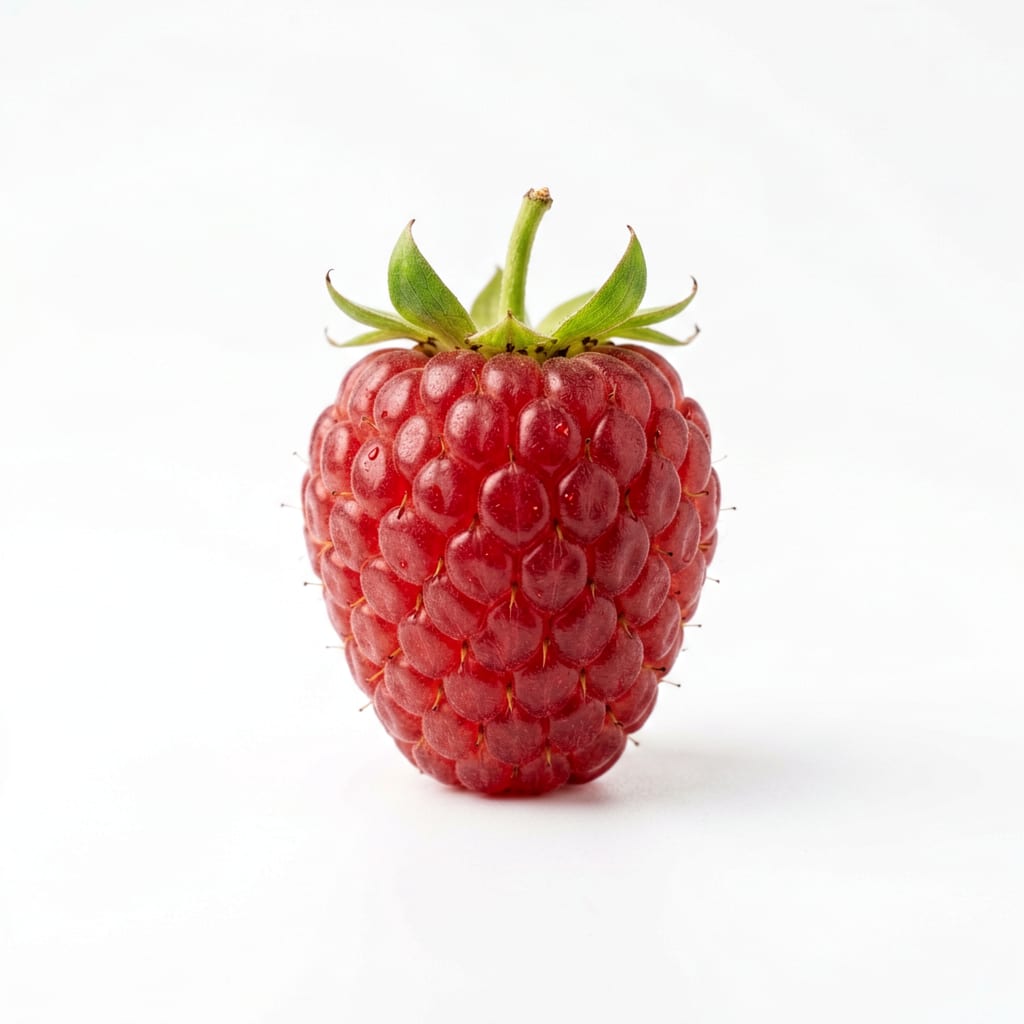
Compare with
Raspberry
Raspberries and thimbleberries are nutritionally similar, but raspberries are firmer and commercially available.
Raspberries and thimbleberries are nearly identical nutritionally, but raspberries are easier to find in stores.
This food
Thimbleberry
VS90% alike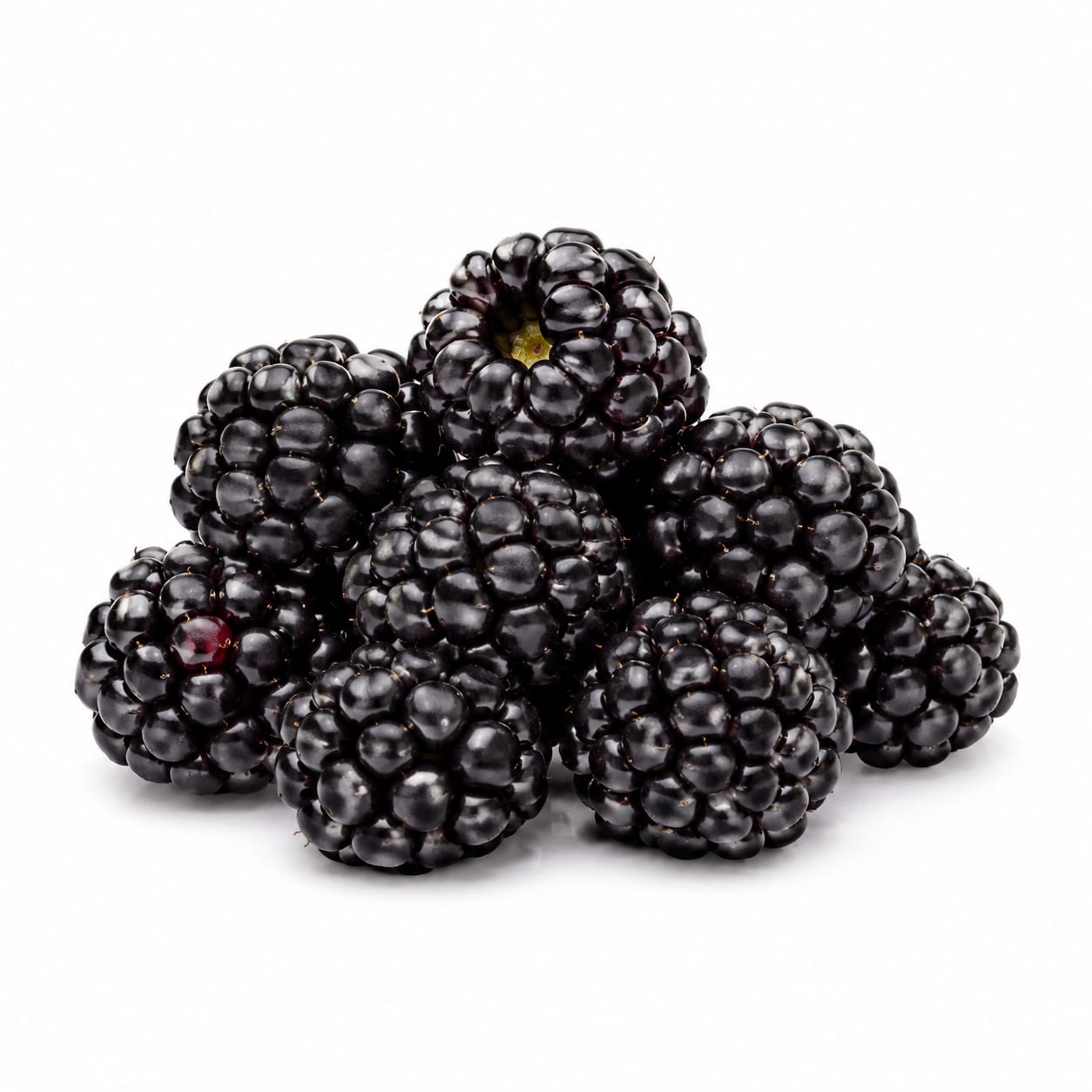
Compare with
Blackberry
Blackberries are slightly higher in vitamin C and antioxidants, while thimbleberries are softer and more delicate.
Blackberries offer slightly more antioxidants and firmness, while thimbleberries are marginally lower in calories.
This food
Thimbleberry
VS85% alike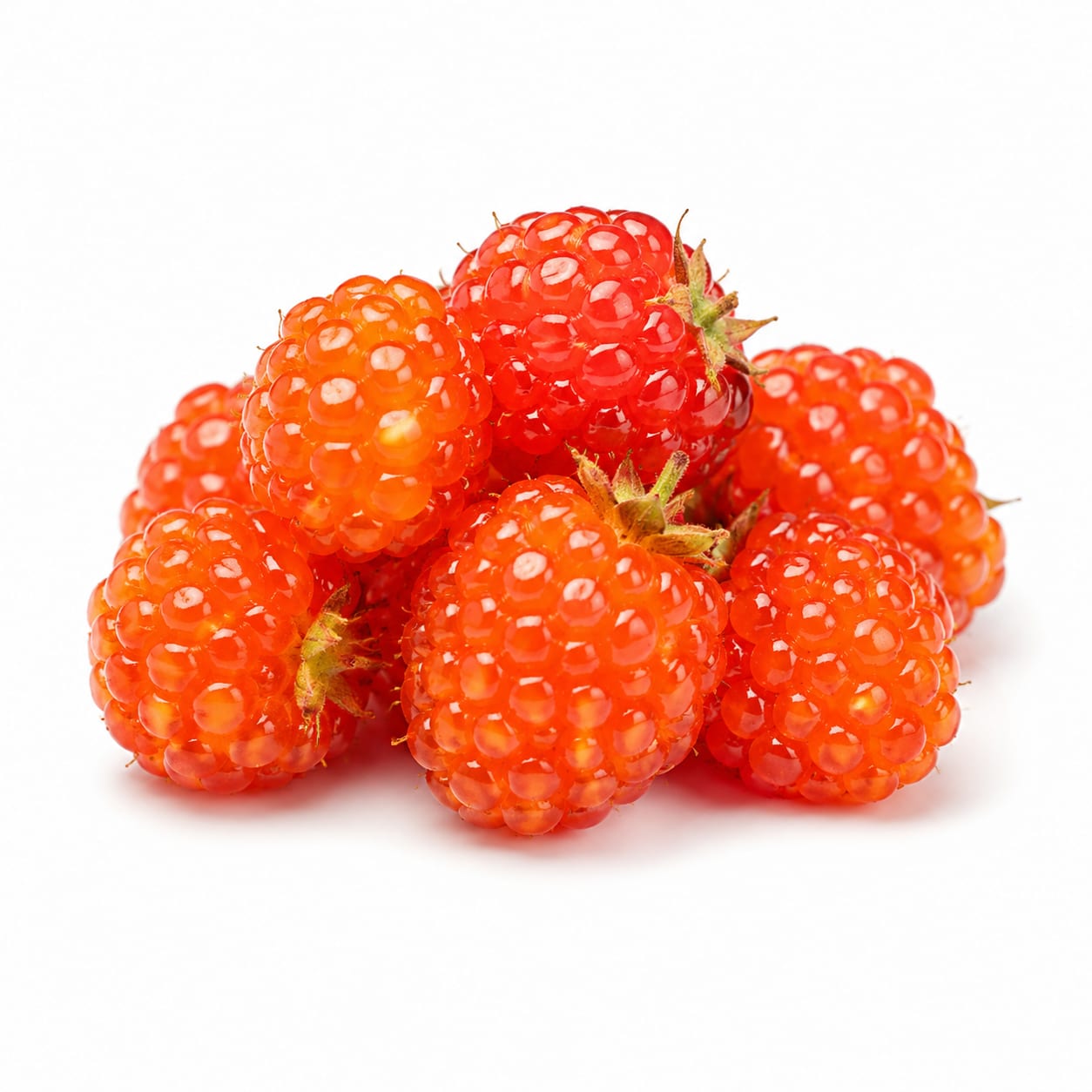
Compare with
Salmonberry
Salmonberries are higher in sugar and lower in fiber than thimbleberries.
Thimbleberries are better for blood sugar and weight loss due to lower sugar and higher fiber compared to salmonberries.
This food
Thimbleberry
VS75% alike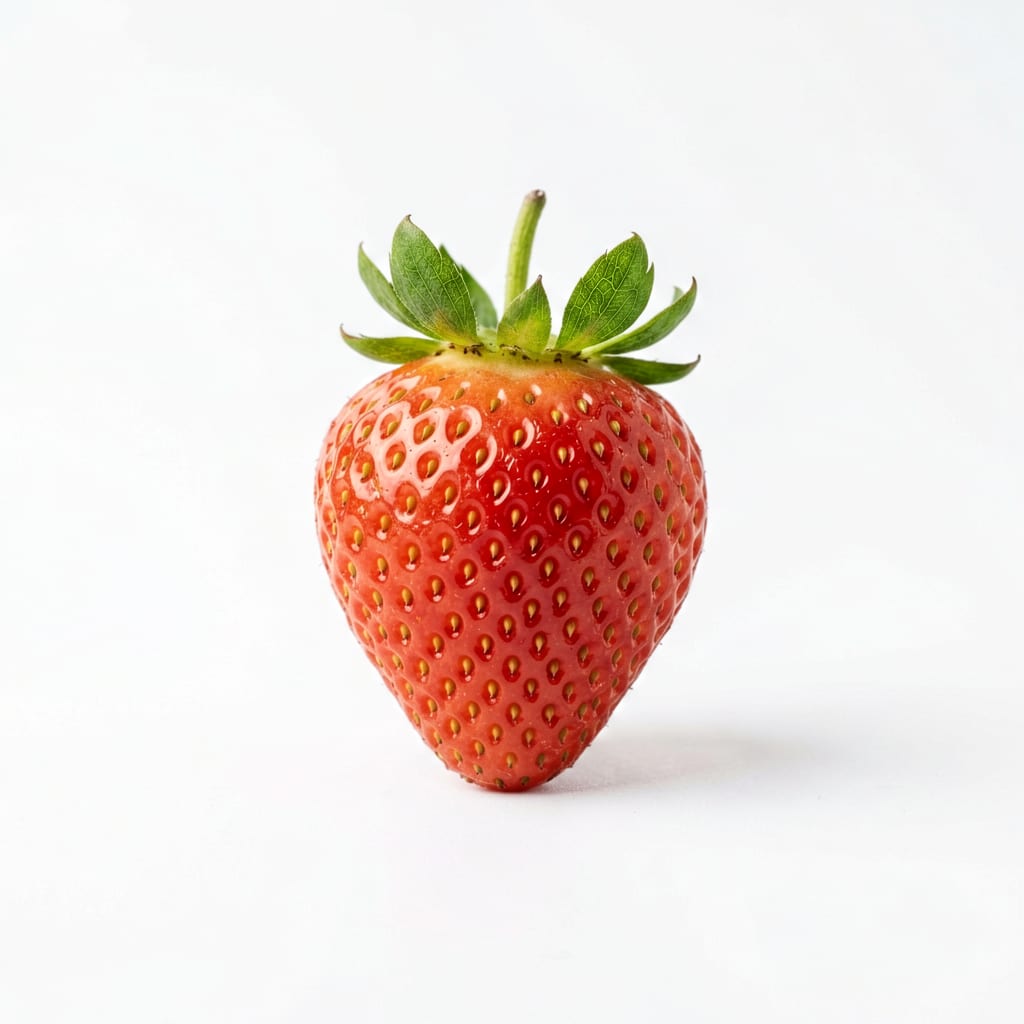
Compare with
Strawberry
Strawberries are lower in fiber and higher in sugar than thimbleberries.
Thimbleberries provide more fiber and less sugar per calorie than strawberries, making them better for satiety.
This food
Thimbleberry
VS70% alike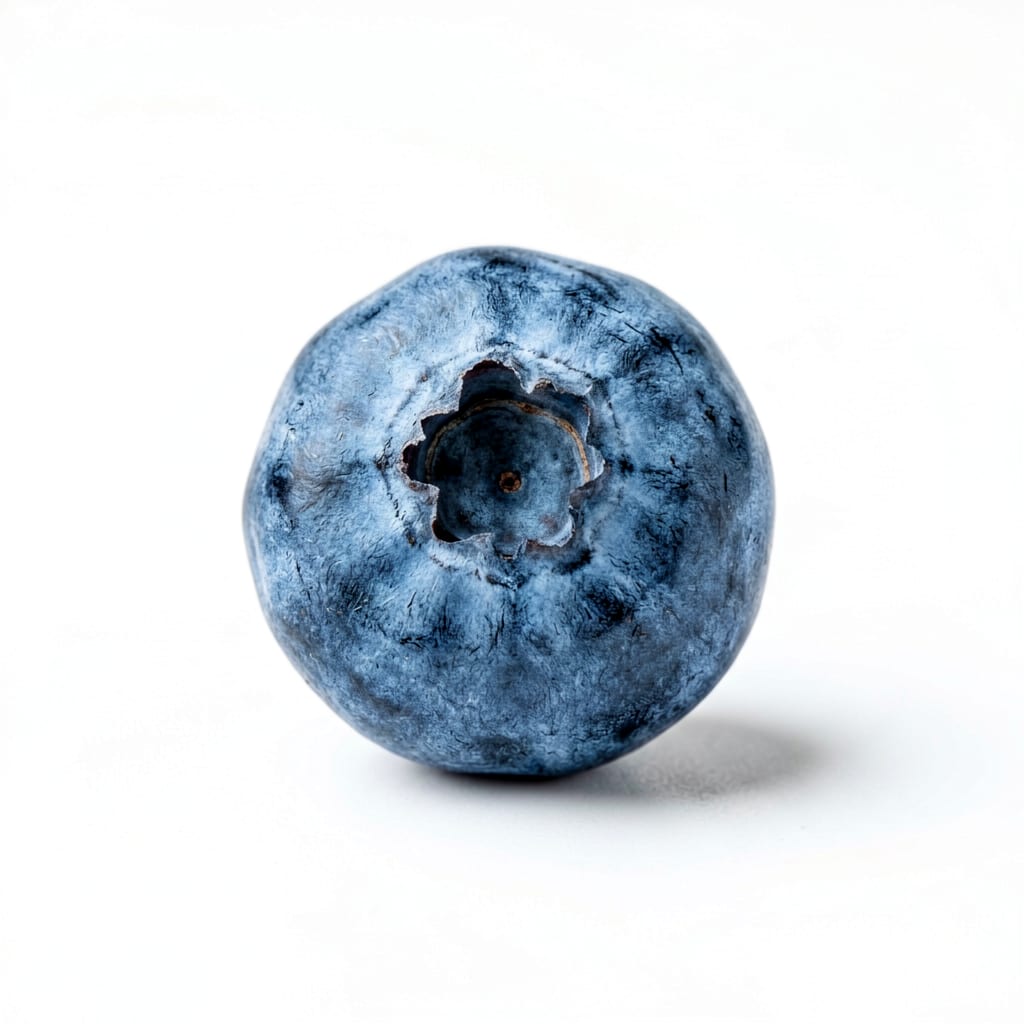
Compare with
Blueberry
Blueberries are higher in sugar and lower in fiber compared to thimbleberries.
Thimbleberries beat blueberries for blood sugar control and satiety due to a significantly higher fiber-to-sugar ratio.
This food
Thimbleberry
VS80% alike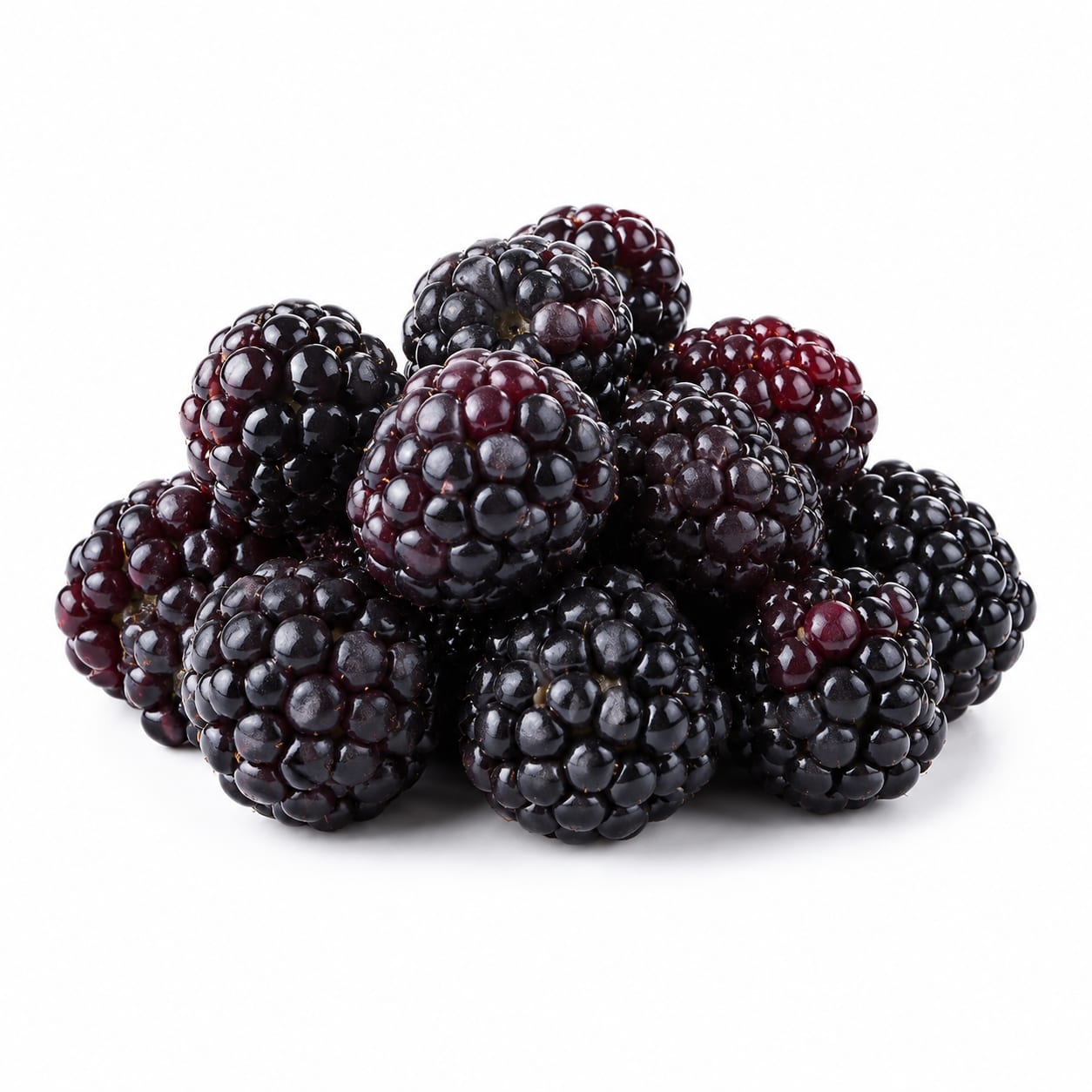
Compare with
Boysenberry
Boysenberries are larger, juicier, and slightly higher in carbohydrates than thimbleberries.
Thimbleberries are lower in calories and carbs, making them a leaner choice for weight loss than boysenberries.
This food
Thimbleberry
VS75% alike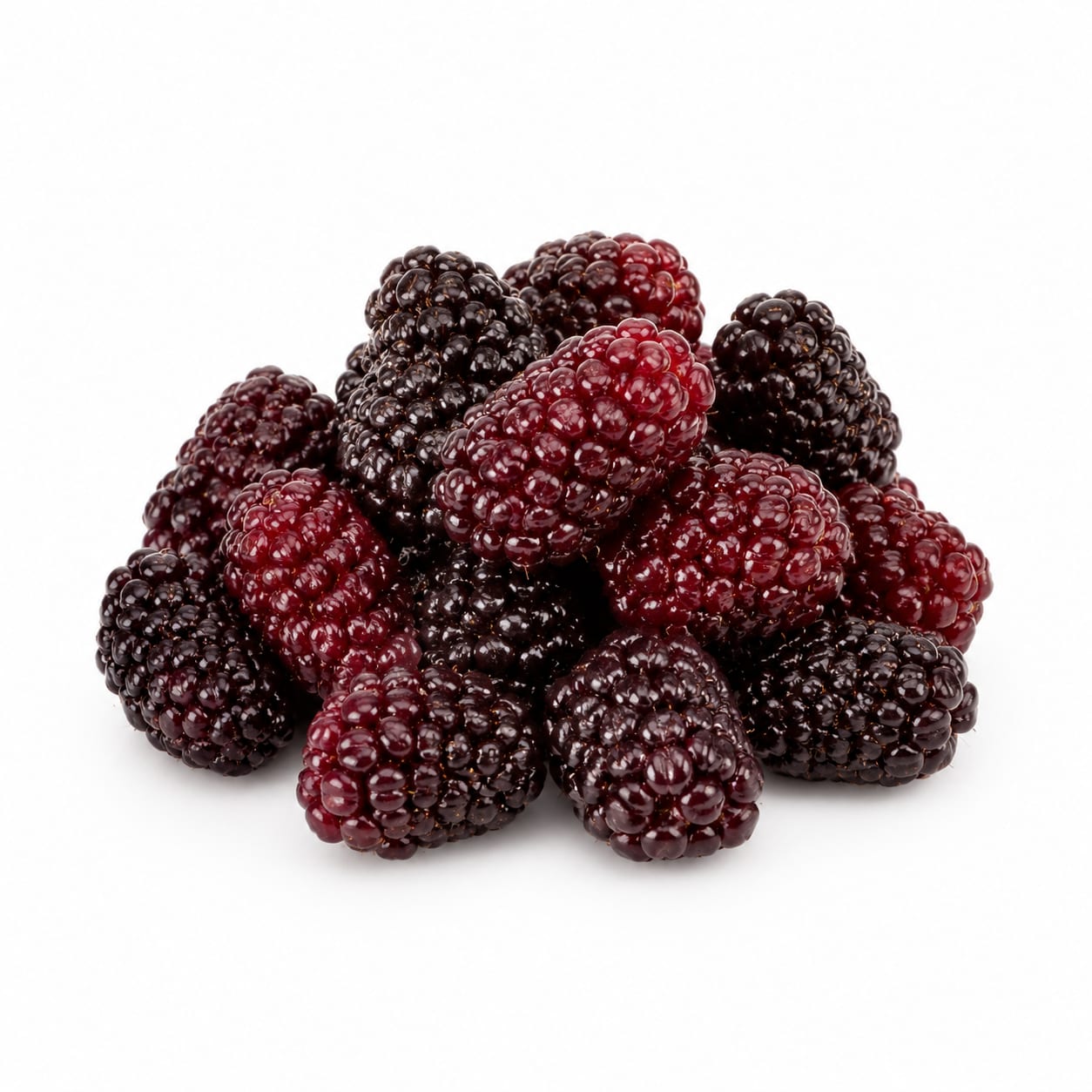
Compare with
Loganberry
Loganberries are tarter and slightly higher in vitamin C but similar in fiber.
Loganberries and thimbleberries are comparable, though thimbleberries are strictly wild and lower in overall carbs.
This food
Thimbleberry
VS60% alike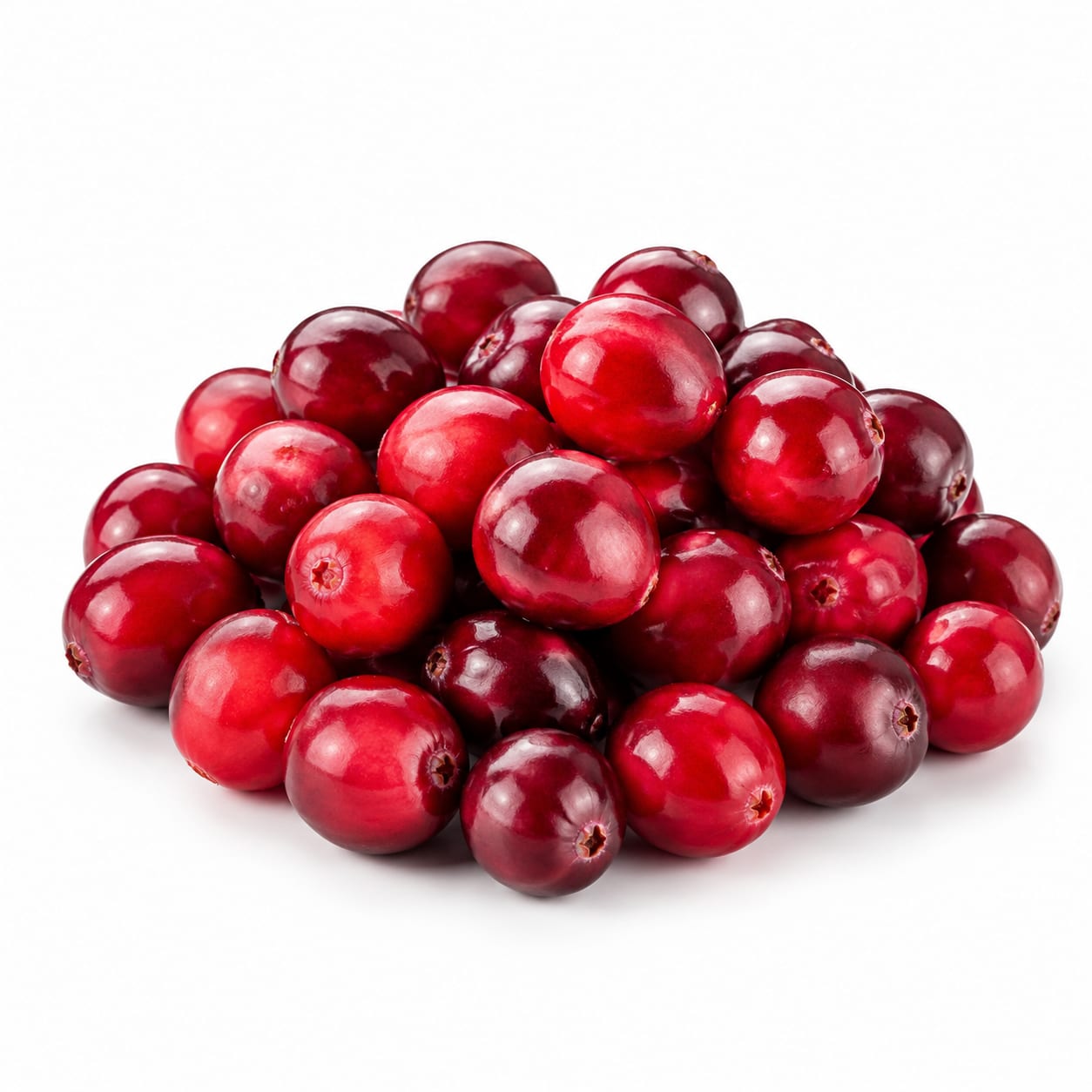
Compare with
Cranberry
Cranberries are extremely low in sugar but very tart, whereas thimbleberries are softer and sweeter.
Cranberries are lower in sugar, but thimbleberries offer better texture and higher fiber for gut health.
This food
Thimbleberry
VS70% alike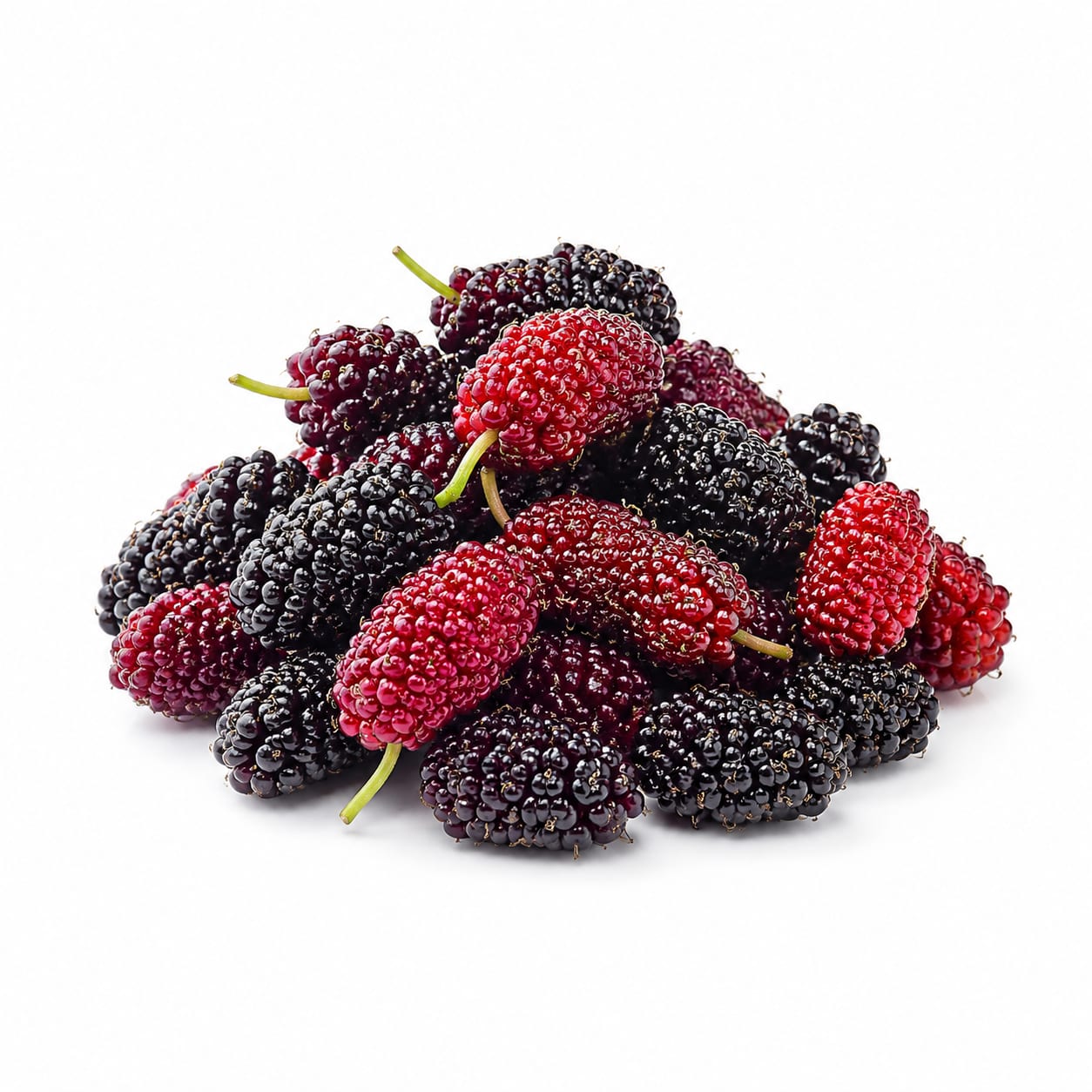
Compare with
Mulberry
Mulberries are higher in sugar and lower in fiber than thimbleberries.
Thimbleberries are superior for blood sugar management and satiety compared to sweeter mulberries.
This food
Thimbleberry
VS75% alike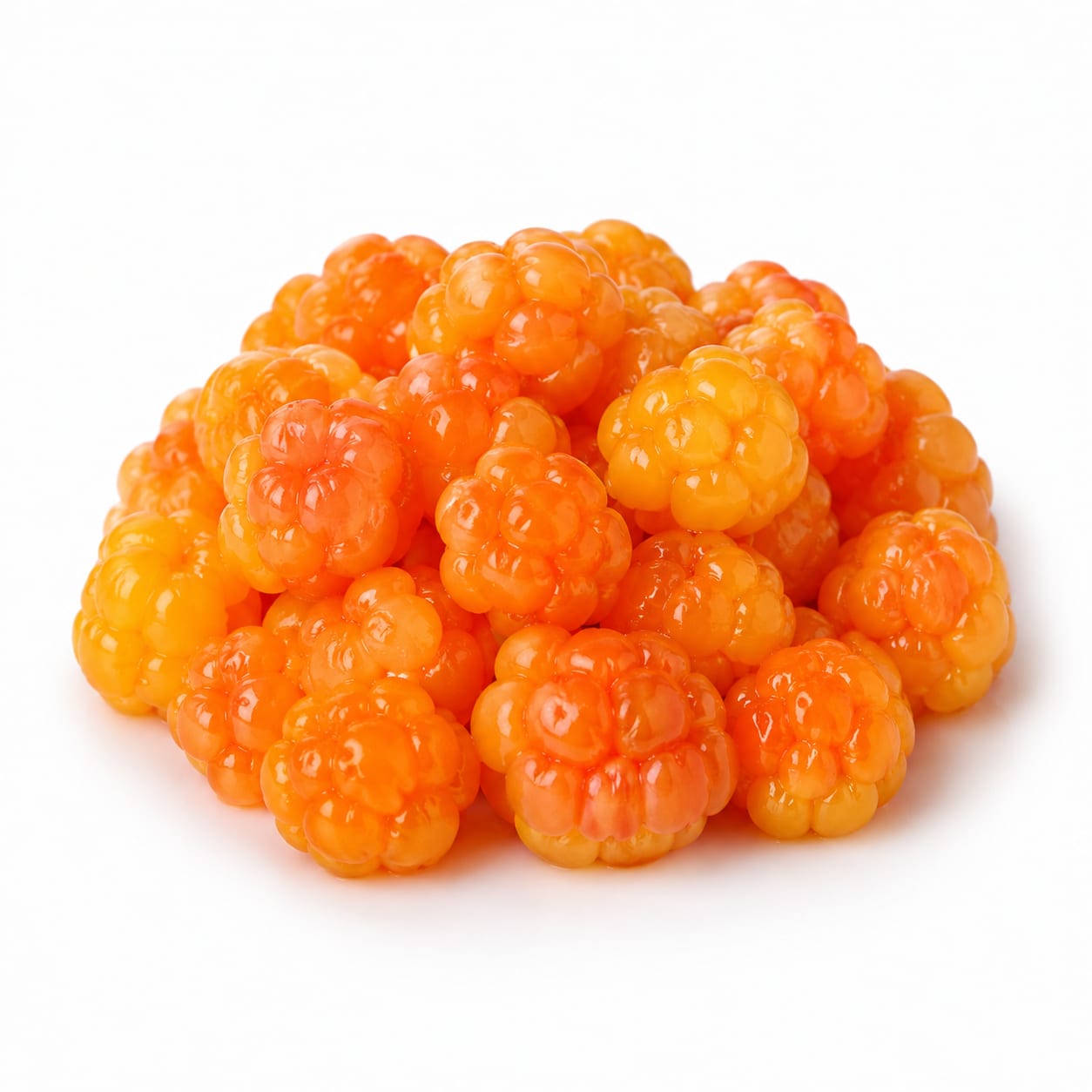
Compare with
Cloudberry
Cloudberries are higher in vitamin C but similar in macronutrients.
Cloudberries and thimbleberries are both rare, low-glycemic wild treats with nearly identical weight loss benefits.
Common questions
FAQ
Answers aligned with how people search for this food.
Are thimbleberries good for weight loss?
Yes, they are very low in calories and high in fiber, which helps you feel full without overeating.
Can diabetics eat thimbleberries?
Yes, their high fiber content and low glycemic load make them an excellent fruit choice for managing blood sugar levels.
What is the difference between a thimbleberry and a raspberry?
Thimbleberries are flatter, softer, and have more seeds than raspberries, with a slightly tarter and creamier flavor.
Are thimbleberries safe to eat raw?
Yes, thimbleberries are safe to eat raw, but they should always be washed thoroughly to remove dirt and potential wild contaminants.
Where can I find thimbleberries?
They grow wild in forested areas, particularly in the Pacific Northwest and western North America, and are rarely found in grocery stores.
Do thimbleberries have a lot of fiber?
Yes, they are an excellent source of dietary fiber, containing more fiber than sugar per serving.
How do you identify a thimbleberry plant?
Thimbleberry plants have large, maple-like leaves without thorns, and the berries are red, soft, and easily separate from the core when ripe.
Transparency
Data confidence
Estimated confidence for nutrition data, interpretation, safety notes, and comparisons.
Nutrition data
Health analysis
Food safety
Comparisons