
Nutrition comparison
Thimbleberry vs Cloudberry: Nutrition, Taste, and Which Rare Berry Wins
Compare thimbleberry and cloudberry nutrition, vitamin C content, fiber, taste, availability, and health benefits. Learn which rare northern berry is better for your needs.
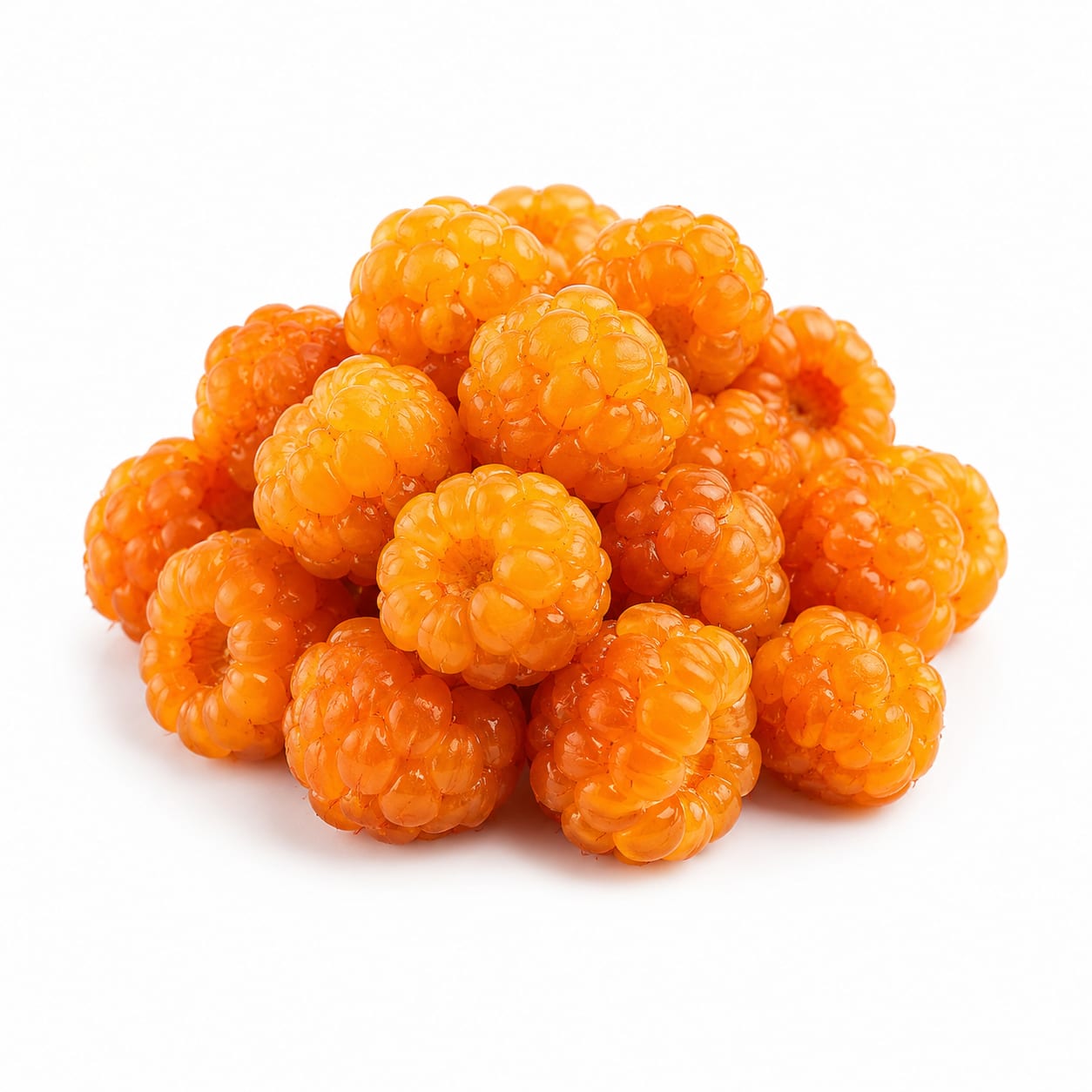
Thimbleberry
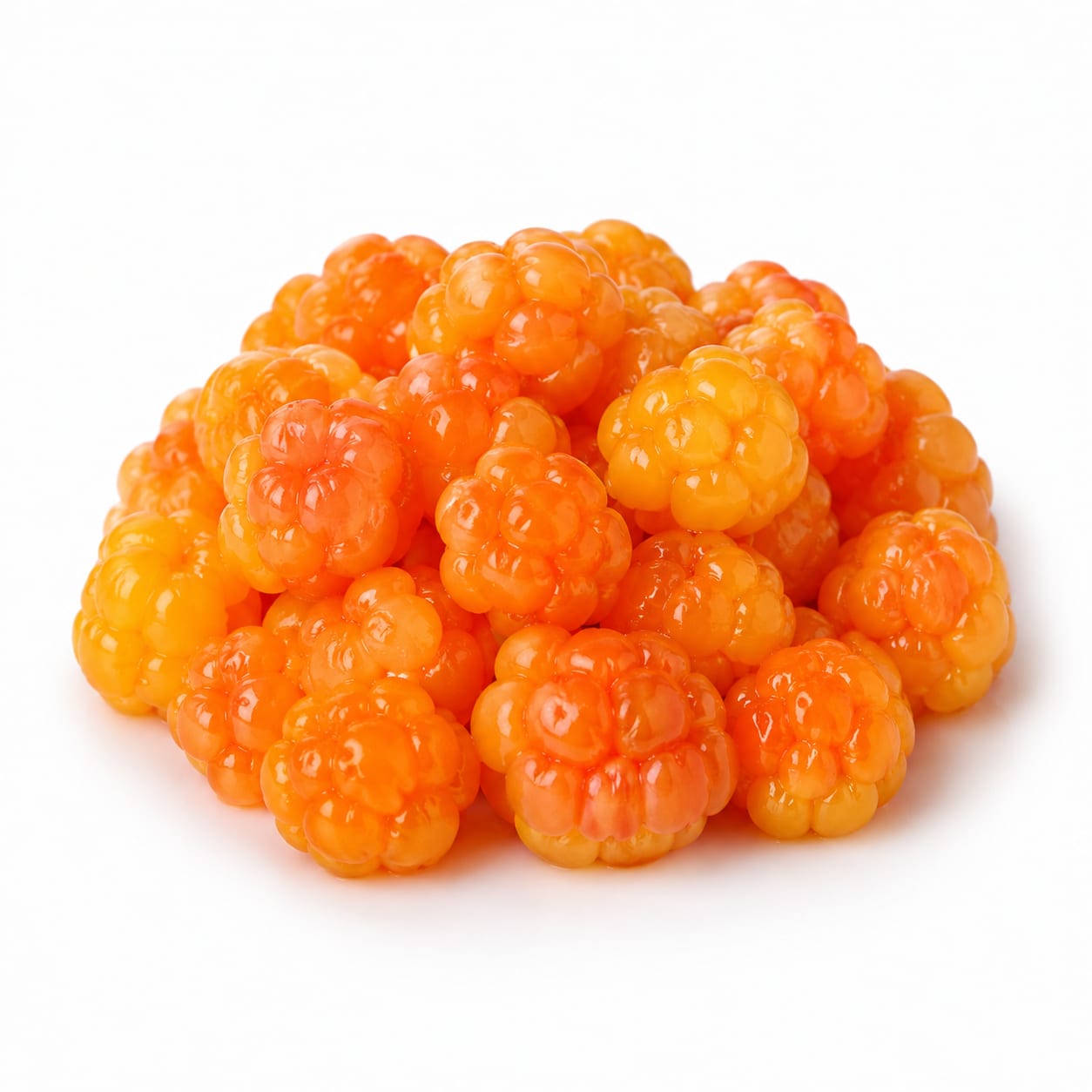
Cloudberry
Cloudberry delivers far more vitamin C and is easier to find preserved, while thimbleberry offers a richer fiber payload and a uniquely delicate eating experience that rewards immediate fresh consumption.
Cloudberry scores higher due to its exceptional vitamin C content, better preservation viability, and wider (though still limited) commercial availability. Thimbleberry remains compelling for fiber and the unmatched fresh eating experience, but its extreme perishability significantly limits practical use.
Vitamin C powerhouse with better preservation options versus a softer, higher-fiber berry that must be eaten almost immediately after picking.
At a glance
Executive summary
Overall
It depends
Healthier
Cloudberry
More practical
Cloudberry
Daily use
Cloudberry
Key comparison lenses
antioxidant and vitamin comparison
Both berries are prized for unique phytonutrient profiles; users want to know which offers more protective compounds
rare berry nutritional value
These are specialty foraging berries, so understanding their nutritional payoff matters for effort vs reward decisions
practical availability and use
Both are hard to find fresh; users need to understand how preservation affects their choice
vitamin C and immune support
Cloudberry is legendary for vitamin C content; thimbleberry offers different but notable benefits
foraging and wild food safety
Both are commonly wild-foraged rather than purchased, making identification and safety relevant
Best choice for
Thimbleberry
- Foragers who can eat berries immediately after picking
- Those prioritizing digestive regularity through fiber
- People seeking a delicate, almost melt-in-your-mouth fruit experience
- Anyone wanting a low-sugar, high-fiber snack fresh from the bush
Cloudberry
- People wanting maximum vitamin C from a berry source
- Those who need preserved or frozen berry options
- Nordic cuisine enthusiasts incorporating traditional ingredients
- Anyone focused on immune support during cold months
Least suitable for
Thimbleberry
- Anyone who cannot forage or find ultra-fresh berries within hours
- People wanting a berry that stores or freezes well
- Those needing reliable commercial availability
Cloudberry
- People sensitive to tart flavors who dislike acidic berries
- Those on a very tight grocery budget (imported cloudberries are expensive)
- Anyone expecting a sweet, mild berry experience
Deep comparison
Dimension by dimension
Each lens scores both foods and breaks down who each option suits.
- Dimension 1 · Priority 93Cloudberry
Vitamin C and Immune Support
Thimbleberry · 55Cloudberry · 94Cloudberry is one of the richest berry sources of vitamin C available, historically preventing scurvy in Nordic populations. Thimbleberry provides modest vitamin C but cannot compete here.
Tradeoff
You gain significant immune-supporting vitamin C with cloudberry but sacrifice the softer eating experience of thimbleberry.
Why it matters
A single serving of cloudberry can provide over 100% of daily vitamin C needs, making it genuinely functional during cold season rather than just a pleasant snack.
Real-world impact
Eating cloudberries regularly during winter months could meaningfully reduce your need for vitamin C supplements; thimbleberry would not have the same effect.
Thimbleberry
- Gentle vitamin C intake without tartness
Better for
- Insufficient as a primary vitamin C source
Worse for
Cloudberry
- Maximum vitamin C per serving
- Cold-season immune support
- Historical scurvy prevention equivalent
Better for
- Tartness may deter consistent consumption
Worse for
- Dimension 2 · Priority 82Thimbleberry
Fiber and Digestive Health
Thimbleberry · 84Cloudberry · 62Thimbleberry contains notably more dietary fiber per serving, thanks to its seed-heavy structure and denser flesh. Cloudberry provides adequate fiber but less per calorie.
Tradeoff
More digestive regularity support from thimbleberry versus cloudberry's superior vitamin content.
Why it matters
If you are relying on berries as a fiber source rather than just a treat, thimbleberry does more heavy lifting for gut health and satiety.
Real-world impact
A cup of thimbleberry will keep you feeling fuller longer and support more regular digestion than the same volume of cloudberry.
Thimbleberry
- Better digestive regularity
- More satiety per serving
- Superior gut health support
Better for
- Fiber benefit requires eating fresh, which is difficult
Worse for
Cloudberry
- Adequate fiber for occasional consumption
Better for
- Less filling per serving
- Lower contribution to daily fiber goals
Worse for
- Dimension 3 · Priority 80It depends
Antioxidant Diversity
Thimbleberry · 76Cloudberry · 79Both berries offer rich but different antioxidant profiles. Cloudberry excels in ellagic acid and benzoic acid content, while thimbleberry provides strong anthocyanin activity from its deep red pigmentation.
Tradeoff
Cloudberry offers more documented anti-inflammatory compounds; thimbleberry provides potent red-pigment antioxidants that are harder to find in other wild berries.
Why it matters
Antioxidant diversity matters more than total quantity. Eating both would give broader protective coverage than doubling down on either one.
Real-world impact
If you already eat blueberries and blackberries regularly, thimbleberry adds more novel antioxidant variety. If your diet lacks berries entirely, cloudberry gives a stronger single-source antioxidant punch.
Thimbleberry
- Unique anthocyanin profile complementary to common berries
- Deep red pigments indicate strong free-radical scavenging
Better for
- Less researched antioxidant profile compared to cloudberry
Worse for
Cloudberry
- Higher ellagic acid content linked to anti-cancer research
- Benzoic acid provides natural antimicrobial benefits
Better for
- Narrower range of pigment-based antioxidants
Worse for
- Dimension 4 · Priority 88Thimbleberry
Fresh Eating Experience and Perishability
Thimbleberry · 90Cloudberry · 48Thimbleberry offers one of the most delicate, melt-in-your-mouth fresh berry experiences available. However, it falls apart within hours of picking. Cloudberry is firmer and stores better but lacks the same textural magic when fresh.
Tradeoff
An extraordinary but fleeting fresh eating experience versus a berry that can actually survive transport and storage.
Why it matters
Thimbleberry's extreme perishability means most people will never taste it fresh unless they forage it themselves. Cloudberry at least reaches consumers through freezing and preserves.
Real-world impact
If you find fresh thimbleberries, eat them immediately as a rare culinary experience. For anything involving planning, storage, or transport, cloudberry is the only practical option.
Thimbleberry
- Unmatched delicate texture when fresh
- More complex sweet-tart flavor when perfectly ripe
- Memorable sensory experience
Better for
- Degrades within hours of picking
- Cannot be transported fresh
- Essentially unavailable commercially in fresh form
Worse for
Cloudberry
- Can be frozen without complete texture collapse
- Available year-round in preserved forms
- Survives commercial distribution chains
Better for
- Firmer texture is less remarkable when fresh
- Preserved versions lose the subtle fresh flavor
Worse for
- Dimension 5 · Priority 72Cloudberry
Culinary Versatility
Thimbleberry · 52Cloudberry · 80Cloudberry integrates into jams, sauces, liqueurs, desserts, and savory pairings with centuries of Nordic culinary tradition behind it. Thimbleberry is primarily a fresh-eating berry that collapses in cooking.
Tradeoff
A berry that works across dozens of recipes versus one that is best enjoyed plain and immediately.
Why it matters
If you want a berry that earns its place in your kitchen beyond a one-time snack, cloudberry has far more practical range.
Real-world impact
Cloudberry jam on toast, cloudberry sauce with game meats, or cloudberry liqueur after dinner are all realistic options. Thimbleberry is essentially a trail snack.
Thimbleberry
- Exceptional raw eating if consumed immediately
Better for
- Turns to mush in cooking applications
- No established preserved product market
- Cannot be stored for later recipe use
Worse for
Cloudberry
- Excellent jam and preserve candidate
- Traditional pairings with savory dishes
- Works in baking without disintegrating
- Liqueur and beverage applications
Better for
- Tartness requires sweetening in most recipes
- Fresh flavor diminishes in preserves
Worse for
- Dimension 6 · Priority 70Cloudberry
Accessibility and Cost
Thimbleberry · 28Cloudberry · 55Neither berry is easy to find, but cloudberry has established commercial supply chains from Scandinavia and Canada. Thimbleberry has virtually no commercial availability and must be foraged.
Tradeoff
Expensive but obtainable cloudberry versus free but nearly impossible to find thimbleberry.
Why it matters
Nutritional value means nothing if you cannot actually acquire the food. Cloudberry wins on being theoretically purchasable.
Real-world impact
You can order frozen cloudberries or cloudberry jam online today. Finding fresh thimbleberries requires living in or visiting the Pacific Northwest during a narrow summer window.
Thimbleberry
- Free if you forage in the right regions
Better for
- No reliable commercial fresh source
- Geographic limitation to western North America
- Extremely narrow harvest window
Worse for
Cloudberry
- Available frozen and preserved commercially
- Online ordering possible from Nordic suppliers
- More consistent year-round access through preserves
Better for
- Expensive when imported
- Fresh availability still very limited outside producing regions
Worse for
Timeline
Health impact over time
Short-term
Hours to days
Thimbleberry
- Quick fiber boost supporting digestive comfort within hours
- Mild natural energy from easily digested simple sugars
- Hydration benefit from high water content
Cloudberry
- Rapid vitamin C absorption supporting immediate immune function
- Noticeable tartness stimulating saliva and digestive enzymes
- Benzoic acid may provide mild antimicrobial effect in the gut
Long-term
Months to years
Thimbleberry
- Consistent fiber intake supporting microbiome diversity if consumed regularly
- Anthocyanin exposure contributing to vascular health over time
- Extremely low calorie density supports weight maintenance
Cloudberry
- Sustained high vitamin C intake supporting collagen production and skin health
- Ellagic acid exposure linked to reduced inflammation markers in long-term studies
- Traditional Nordic populations show associations with lower rates of certain inflammatory conditions
Risk profile
Safety & processing
Both berries are consumed in essentially unprocessed forms when fresh. However, cloudberry is more commonly encountered in preserved products (jams, frozen packs) which may contain added sugar. Thimbleberry is almost always eaten wild and fresh, making it the more reliably whole-food experience when you can get it.
Thimbleberry
Misidentification with toxic lookalikes
mediumThimbleberry resembles some less edible Rubus species. Foragers should confirm identification with local experts before consuming wild-harvested berries.
Parasite contamination from wild harvesting
lowWild berries can carry microscopic parasites from animal fecal contamination. Washing thoroughly reduces but does not eliminate this risk.
Environmental pollutant accumulation
lowBerries growing near roads or industrial areas may absorb heavy metals from soil. Forage away from known contamination sources.
Cloudberry
Added sugar in preserved products
mediumCloudberry jam and preserves often contain substantial added sugar, which can negate some of the health benefits. Check labels carefully.
Mold on fresh berries
lowCloudberry's moisture content makes it susceptible to mold if not stored properly. Inspect fresh berries before eating.
Oxalate sensitivity
lowLike many berries, cloudberries contain moderate oxalates. Individuals with kidney stone history should moderate intake.
Who wins for whom
Audience fit
Same foods, different winners depending on your goal.
children
CloudberryCloudberry's vitamin C content supports growing immune systems, and its availability in jam form makes it practically accessible for kids.
daily consumption
CloudberryCloudberry can actually be obtained regularly through preserved forms, while thimbleberry is realistically a rare seasonal treat at best.
diabetes
ThimbleberryThimbleberry's higher fiber slows sugar absorption more effectively, and its lower glycemic impact makes it slightly more blood-sugar friendly.
elderly
CloudberryCloudberry's exceptional vitamin C supports collagen maintenance and joint health, while its preserved availability ensures consistent access regardless of foraging ability.
muscle gain
It dependsNeither berry is relevant for muscle gain. Both provide minimal protein and are best viewed as micronutrient sources rather than muscle-building foods.
weight loss
ThimbleberryThimbleberry's higher fiber content per calorie provides more satiety, and its extreme perishability naturally limits overconsumption.
Your move
Decision guide
Choose Thimbleberry
- You live in the Pacific Northwest and can forage thimbleberries fresh
- You prioritize fiber intake and digestive health above all else
- You want a unique, delicate fruit experience and have access to freshly picked berries
- You are already eating other vitamin C-rich foods and want antioxidant diversity
Choose Cloudberry
- You want maximum vitamin C from a natural berry source
- You need a berry that can be stored, frozen, or preserved for later use
- You enjoy Nordic cuisine or want to explore traditional Scandinavian flavors
- You cannot forage but still want to experience an unusual wild berry
Either works if
- You simply want to add more wild berry diversity to your diet
- You are focused on antioxidant intake from any high-quality source
- You enjoy tart, complex fruit flavors over sweet simplicity
Avoid both if
- You need a reliable, affordable daily berry source (choose blueberries or strawberries instead)
- You have berry allergies or salicylate sensitivity
- You are looking for significant protein or calorie content from fruit
Final recommendation
If you can get fresh thimbleberries, treat them as a rare delicacy and enjoy them immediately. For everything else, cloudberry is the more practical and nutritionally impactful choice, especially through preserved forms. Neither should be your everyday berry, but both are worth experiencing for the unique nutrients and flavors they offer beyond common grocery store options.
Practical
Consumer tips
- 1
If you find fresh thimbleberries, do not refrigerate them. Eat within two hours of picking for the best experience.
- 2
Look for frozen cloudberries from Scandinavian importers rather than fresh, which are nearly impossible to ship intact.
- 3
Cloudberry jam often contains 40% or more added sugar. Seek out low-sugar or unsweetened versions to preserve the health benefits.
- 4
When foraging either berry, always confirm identification with a local expert and avoid areas near roads or agricultural runoff.
- 5
Both berries pair exceptionally well with creamy foods like yogurt or ice cream, which balance their tartness.
- 6
If you cannot find either berry locally, consider growing thimbleberry in a home garden in suitable climates. It is more adaptable to cultivation than cloudberry.