
Nutrition comparison
Thimbleberry vs Cranberry: Nutrition, Taste, and Health Benefits Compared
Thimbleberry vs cranberry comparison covering antioxidants, sugar content, UTI benefits, availability, and which berry is better for your health goals.
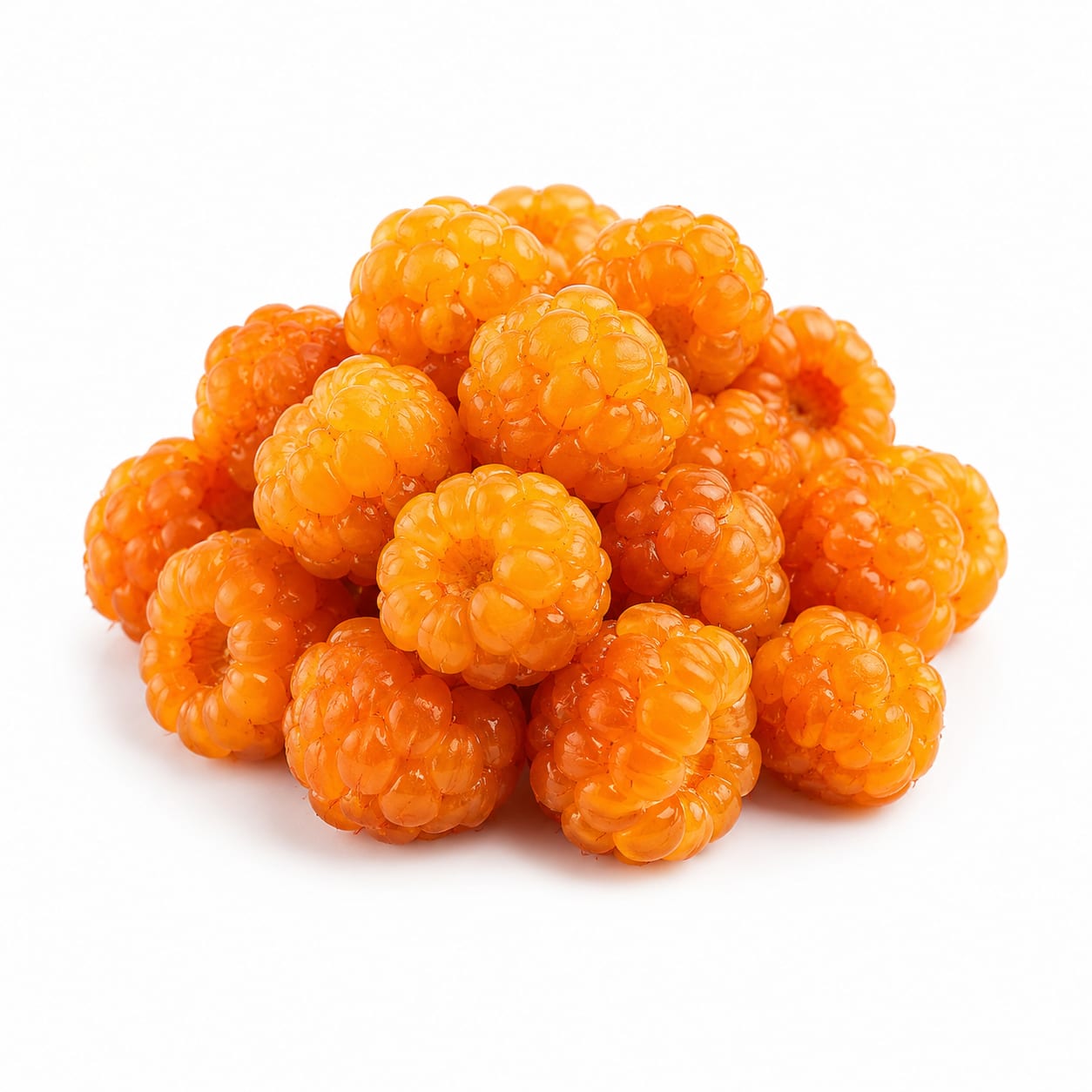
Thimbleberry
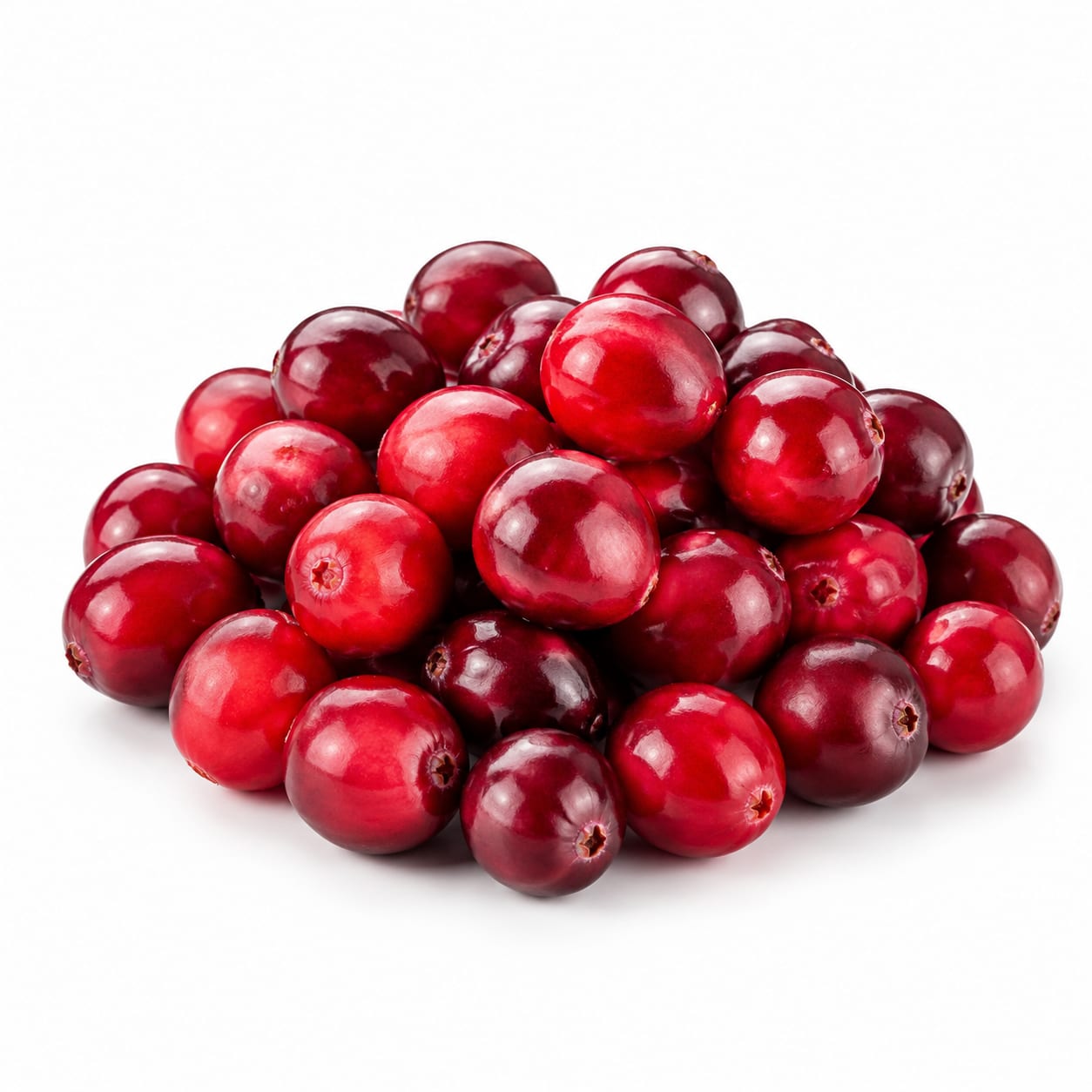
Cranberry
Cranberries win on availability, research backing, and UTI benefits. Thimbleberries win on natural sweetness, lower sugar preparation, and wild nutrient density. Most people will use cranberries daily but thimbleberries are a special foraging treat.
Cranberries score higher due to proven health benefits, reliable availability, and extensive research. Thimbleberries have excellent raw nutrition but lose points on practicality since most people cannot access them regularly. The confidence score is moderate because thimbleberry nutritional data is less thoroughly studied.
Cranberries need added sugar to be palatable, which undermines their health benefits. Thimbleberries taste great raw but you will probably never find them in a store.
At a glance
Executive summary
Overall
It depends
Healthier
It depends
More practical
Cranberry
Daily use
Cranberry
Key comparison lenses
antioxidant and berry benefits
Both are antioxidant-rich berries, so users likely want to know which offers more protective compounds
practical availability
Thimbleberries are extremely perishable and rarely sold commercially, while cranberries are widely available year-round
sugar and tartness tradeoff
Cranberries are intensely tart and almost always consumed with added sugar, while thimbleberries are naturally sweeter
urinary and digestive health
Cranberries are famous for UTI prevention; users want to know if thimbleberries offer similar benefits
wild vs cultivated nutrition
Thimbleberries are primarily wild-foraged, cranberries are commercially farmed, raising questions about nutrient density differences
Best choice for
Thimbleberry
- Foragers and wild-food enthusiasts who can harvest locally
- People wanting a naturally sweet berry without added sugar
- Those seeking rare wild phytonutrients not found in commercial berries
- Anyone avoiding added sweeteners in their fruit
Cranberry
- People prone to urinary tract infections needing proven prevention
- Anyone wanting reliable year-round berry access
- Cooking and baking where tartness is desired
- Those who value extensively researched health benefits
Least suitable for
Thimbleberry
- Anyone without access to wild foraging areas
- People needing consistent daily berry intake
- Those wanting long-lasting fresh fruit in the fridge
Cranberry
- People strictly avoiding all added sugars who dislike raw cranberry tartness
- Those sensitive to oxalates or prone to kidney stones
- Anyone seeking a sweet fresh snacking berry
Deep comparison
Dimension by dimension
Each lens scores both foods and breaks down who each option suits.
- Dimension 1 · Priority 92Cranberry
antioxidant_power
Thimbleberry · 74Cranberry · 85Cranberries have higher measured ORAC values and uniquely potent proanthocyanidins. Thimbleberries offer diverse wild antioxidants but lack the same research depth.
Tradeoff
Cranberry antioxidants are better studied and include rare PACs that prevent bacterial adhesion. Thimbleberry antioxidants may be more diverse but are largely unresearched.
Why it matters
Antioxidant variety from wild plants may offer broader protection, but proven benefits matter more for targeted health goals like UTI prevention.
Real-world impact
If you get recurrent UTIs, cranberry's specific antioxidants have real clinical backing. Thimbleberries are a nice bonus but not a targeted solution.
Thimbleberry
- Broad-spectrum antioxidant diversity from wild growing conditions
- People already eating a varied berry diet who want something different
Better for
- No clinical trials validating specific health claims
- Nutrient content varies wildly depending on growing conditions
Worse for
Cranberry
- Targeted UTI prevention through unique proanthocyanidins
- Measurable, proven antioxidant benefits with clinical evidence
Better for
- Antioxidant benefits are often offset by added sugar in common preparations
Worse for
- Dimension 2 · Priority 88Thimbleberry
sugar_and_palatability
Thimbleberry · 86Cranberry · 45Thimbleberries are naturally pleasant to eat raw with mild sweetness. Raw cranberries are aggressively tart and almost always require sweetening.
Tradeoff
You can enjoy thimbleberries as nature made them. Cranberries typically need honey, sugar, or blending with sweeter fruits, adding calories and undermining their health profile.
Why it matters
How you actually eat a berry determines its real nutritional impact. A cranberry loaded with sugar is a very different food than a raw one.
Real-world impact
A handful of fresh thimbleberries is a satisfying no-prep snack. Raw cranberries will make most people pucker and reach for sweetener.
Thimbleberry
- Enjoyable raw without any added sweeteners
- Lower effective sugar intake since no preparation additions needed
- Better for spontaneous snacking straight from the bush
Better for
- Milder flavor means less culinary versatility in cooking
Worse for
Cranberry
- Tartness works well in savory dishes, sauces, and baked goods
- The intense flavor means a small amount goes a long way in recipes
Better for
- Almost always consumed with added sugar, increasing actual calorie intake
- Raw cranberry juice without sweetener is nearly undrinkable for most people
Worse for
- Dimension 3 · Priority 88Cranberry
availability_and_practicality
Thimbleberry · 20Cranberry · 92Cranberries are available fresh seasonally and frozen or dried year-round in any grocery store. Thimbleberries are almost never sold commercially and spoil within hours of picking.
Tradeoff
Cranberries are one of the most accessible healthy berries. Thimbleberries are a forager's prize that most people will never encounter in a store.
Why it matters
The healthiest berry in the world does nothing for you if you cannot get it. Daily nutrition depends on reliable access.
Real-world impact
You can buy cranberries any week of the year. Finding thimbleberries requires living near their range, knowing when and where to forage, and eating them the same day.
Thimbleberry
- The foraging experience itself adds nutritional and lifestyle value
- Wild harvesting means zero cost when available
Better for
- Cannot be stored fresh for more than a day
- No reliable commercial supply chain
- Geographic limitation to Pacific Northwest and similar regions
Worse for
Cranberry
- Available in every major grocery chain
- Frozen cranberries retain nearly all nutrients for months
- Dried and juice forms offer convenient options year-round
Better for
- Dried cranberries often contain significant added sugar and oil
- Cranberry juice cocktails are mostly sugar water with token cranberry
Worse for
- Dimension 4 · Priority 82Cranberry
urinary_and_digestive_health
Thimbleberry · 55Cranberry · 90Cranberries are the gold standard for UTI prevention with decades of research. Thimbleberries have fiber and general berry benefits but no specific urinary health evidence.
Tradeoff
If urinary tract health is your priority, cranberry is one of the most evidence-backed foods available. Thimbleberries cannot compete here.
Why it matters
UTIs affect millions of women recurrently, and cranberry offers a proven non-antibiotic prevention strategy.
Real-world impact
Regular unsweetened cranberry consumption can meaningfully reduce UTI recurrence. Thimbleberries are simply too understudied to recommend for this purpose.
Thimbleberry
- Softer fiber content may be gentler on sensitive digestive systems
- Wild berries often support diverse gut microbiota
Better for
- Zero research on urinary tract benefits
- Cannot be recommended for any targeted digestive condition
Worse for
Cranberry
- Proven UTI prevention through anti-adhesion compounds
- Well-documented gut health benefits from fiber and polyphenols
- May help reduce H. pylori stomach infections
Better for
- High oxalate content may aggravate kidney stone risk in susceptible people
- Cranberry juice preparations often lack the fiber needed for gut health
Worse for
- Dimension 5 · Priority 72Thimbleberry
vitamin_and_mineral_density
Thimbleberry · 78Cranberry · 70Thimbleberries edge out cranberries on several vitamins, particularly vitamin C and some B vitamins, thanks to wild growing conditions. Cranberries are solid but not exceptional.
Tradeoff
Wild thimbleberries likely have richer micronutrient profiles per calorie, but the exact values fluctuate with soil and conditions. Cranberries offer consistent if modest vitamin content.
Why it matters
Vitamin C from whole berries comes with complementary flavonoids that improve absorption and effectiveness compared to supplements.
Real-world impact
A cup of fresh thimbleberries gives you a meaningful vitamin C boost with zero prep. Cranberries provide decent vitamins but you need to eat more or prepare them to get similar value.
Thimbleberry
- Higher vitamin C per serving when fresh-picked
- Wild growing conditions often concentrate trace minerals
- More diverse micronutrient profile from undomesticated plants
Better for
- Nutrient content unpredictable due to wild variation
- Vitamins degrade quickly in the fragile, perishable fruit
Worse for
Cranberry
- Consistent nutrient content from standardized farming
- Reliable vitamin C even in frozen form
Better for
- Lower vitamin C per calorie compared to most other berries
- Domestication may have reduced some micronutrient concentrations
Worse for
- Dimension 6 · Priority 70Thimbleberry
fiber_and_satiety
Thimbleberry · 76Cranberry · 68Thimbleberries contain slightly more fiber per serving with a softer texture that is easier to eat in quantity. Cranberries have decent fiber but are rarely eaten in large enough amounts raw to benefit.
Tradeoff
You would actually eat a full cup of fresh thimbleberries. Almost nobody eats a full cup of raw cranberries, so the fiber advantage is theoretical.
Why it matters
Fiber only helps if you actually consume it. Palatability directly affects real-world fiber intake.
Real-world impact
Thimbleberries are a berry you can snack on freely for fiber. Cranberry fiber mostly comes from dried or cooked forms with added sugar.
Thimbleberry
- Higher fiber per serving when eaten fresh
- Pleasant texture encourages eating larger quantities
- Seeds provide additional roughage and omega-3 ALA
Better for
- Cannot eat enough consistently to make fiber a major daily contributor
Worse for
Cranberry
- Fiber content holds up well in frozen and cooked preparations
- Pectin in cranberries supports healthy cholesterol levels
Better for
- Raw cranberry fiber is irrelevant because nobody eats them raw in volume
- Dried cranberry fiber comes packaged with concentrated sugar
Worse for
Timeline
Health impact over time
Short-term
Hours to days
Thimbleberry
- Quick vitamin C boost from fresh-picked berries
- Mild blood sugar stability from fiber and low glycemic load
- Immediate hydration from high water content
Cranberry
- Noticeable tartness can stimulate digestion and saliva production
- Raw cranberries may cause stomach upset in sensitive people due to acidity
- Cranberry products with added sugar can cause blood sugar spikes
Long-term
Months to years
Thimbleberry
- Diverse wild polyphenols may offer broad cellular protection over years
- Consistent foraging activity adds exercise and outdoor time benefits
- Low sugar intake from natural preparation supports metabolic health
Cranberry
- Reduced UTI recurrence with regular consumption of unsweetened forms
- Potential cardiovascular benefits from polyphenols and pectin
- Risk of excess added sugar intake if consuming sweetened cranberry products regularly
- Possible kidney stone risk in oxalate-sensitive individuals with high consumption
Risk profile
Safety & processing
Fresh thimbleberries are as natural as it gets, eaten straight from the bush with zero processing. Fresh or frozen whole cranberries are similarly natural, but the most commonly consumed forms like dried cranberries and juice cocktails often contain added sugar, oils, and preservatives that significantly alter their health profile.
Thimbleberry
misidentification with toxic lookalikes
mediumForaging always carries identification risk. Thimbleberries have distinctive maple-like leaves and hollow berries, but inexperienced foragers could confuse other Rubus species or less edible plants.
contamination from wild growing areas
lowRoadside or industrial-area berries may absorb pollutants. Always forage away from roads and treated areas.
extreme perishability and mold
lowThimbleberries spoil within hours. Eating slightly spoiled berries can cause mild gastrointestinal upset.
Cranberry
oxalate-related kidney stones
mediumCranberries contain moderate oxalates. People with a history of calcium oxalate kidney stones should moderate intake and stay well hydrated.
added sugar in processed forms
highDried cranberries and cranberry juice cocktails often contain 25-30g of added sugar per serving, effectively turning a health food into candy.
medication interactions
lowHigh cranberry consumption may interact with blood-thinning medications like warfarin. Consult your doctor if on anticoagulants.
Who wins for whom
Audience fit
Same foods, different winners depending on your goal.
children
CranberryCranberries in moderate-sugar preparations are more kid-friendly and available. Thimbleberries are great if accessible but impractical as a regular children's fruit.
daily consumption
CranberryCranberries are available year-round in multiple forms and have the strongest evidence base for regular health benefits. Thimbleberries are seasonal and regional, making daily use unrealistic for most people.
diabetes
ThimbleberryThimbleberries can be enjoyed raw without sweeteners and have a lower effective glycemic impact. Cranberries are fine raw or unsweetened, but most common preparations add significant sugar.
elderly
CranberryCranberry's proven UTI prevention is especially valuable for older adults, and the consistent availability supports daily consumption habits.
muscle gain
It dependsNeither berry is a meaningful protein source. Both offer antioxidants that support recovery, but you would need other protein-rich foods regardless.
weight loss
ThimbleberryThimbleberries are naturally satisfying without added sugar. Cranberries are excellent raw but most people consume them in sweetened forms that add hidden calories.
Your move
Decision guide
Choose Thimbleberry
- You live in or visit the Pacific Northwest during summer and can forage them fresh
- You want a naturally sweet berry that needs zero preparation or sweetening
- You are avoiding all added sugars and want fruit that tastes good on its own
- You value wild food experiences and the nutritional diversity they bring
Choose Cranberry
- You want proven UTI prevention and are willing to find unsweetened forms
- You need a reliable berry available every week at your grocery store
- You enjoy cooking with tart berries in sauces, baked goods, or smoothies
- You want a well-researched berry with decades of clinical evidence
Either works if
- You simply want more berry variety in your diet
- You are looking for antioxidant-rich fruit to complement other healthy foods
- You enjoy both wild foraging and store-bought options depending on season
Avoid both if
- You have oxalate sensitivity or a history of calcium oxalate kidney stones
- You are on blood-thinning medications without consulting your doctor
- You are looking for a significant protein source from fruit
Final recommendation
Keep cranberries as your reliable daily berry, especially if UTI prevention matters to you. Choose unsweetened frozen or fresh cranberries and add your own minimal sweetener. When summer offers thimbleberries, enjoy them as a special wild treat that needs nothing added. The best approach is not choosing one, but using cranberries consistently and thimbleberries opportunistically.
Practical
Consumer tips
- 1
Buy frozen whole cranberries and use them in smoothies with sweeter fruits instead of buying sweetened dried cranberries
- 2
If you forage thimbleberries, eat them within hours and never wash them more than necessary since they are extremely fragile
- 3
Make your own cranberry sauce with a third less sugar than recipes call for, using orange juice to compensate for sweetness
- 4
Freeze fresh thimbleberries on a parchment-lined tray immediately after picking, then transfer to bags for limited storage
- 5
Avoid cranberry juice cocktails labeled as 'drink' or 'cocktail' and look for 100% cranberry juice or concentrate you dilute yourself
- 6
If you cannot find fresh thimbleberries, red raspberries offer a somewhat similar nutritional profile with much better availability